Grand Palladium Select White Sand
Grand Palladium Select White Sand sits in Solidaridad, where Riviera Maya resort dining splits between large all-inclusive programmes and smaller design-led hotels.
Pearl is the En Primeur Club membership app — saves, bookings, and concierge access live there. Same editors, same standards.
- Address
- Puerto Juarez Km.259-100, Solidaridad, 77710 Playa del Carmen, Q.R., Mexico
- Phone
- +52 984 877 2100
- Website
- palladiumhotelgroup.com
- Directions
- Get directions
 Saves & bookings on Pearl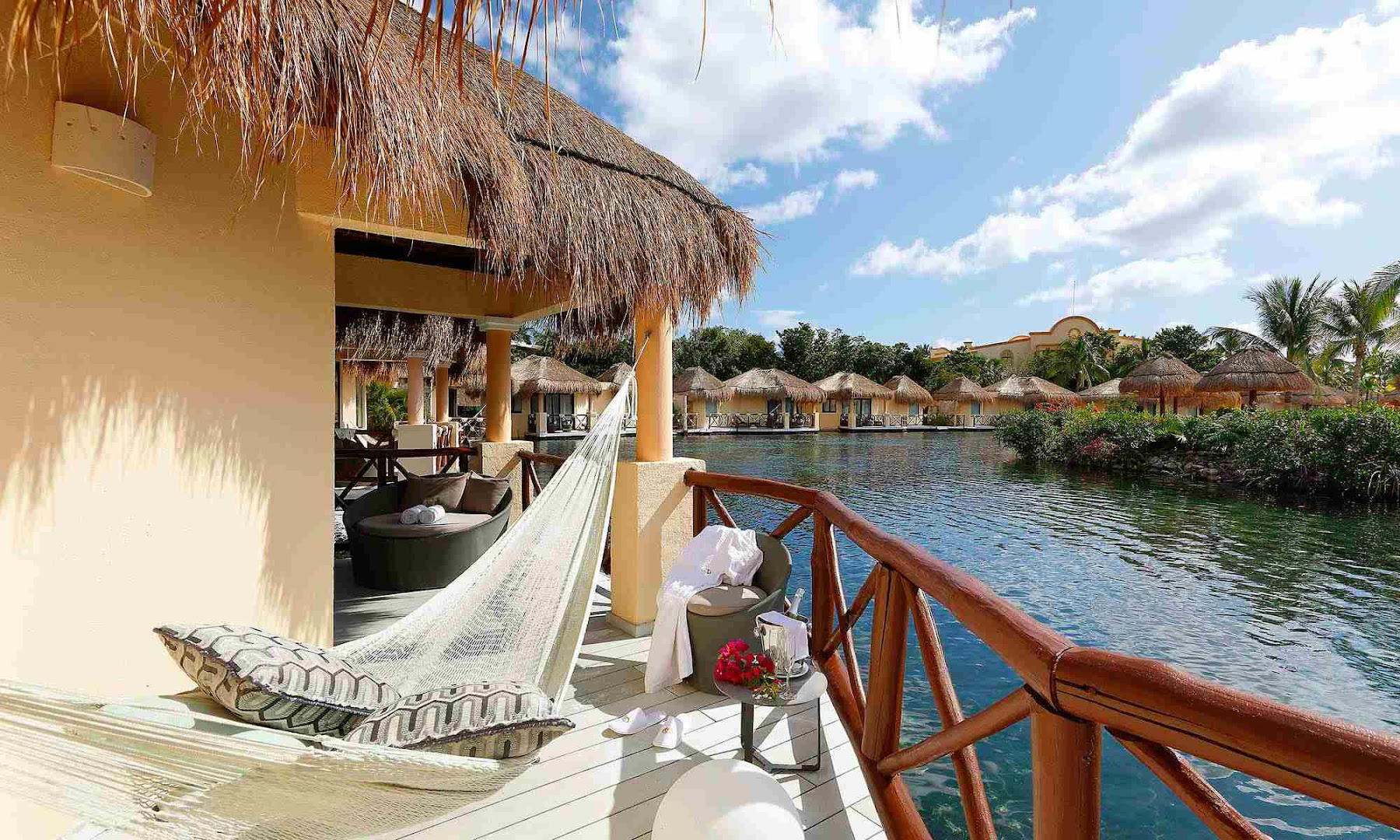
Resort dining in the Riviera Maya has become a scale question
Arriving at a large Caribbean resort corridor in Solidaridad is less about a single front door than a sequence of thresholds: palms, security gates, open-air lobbies, golf carts, tiled walkways, and the low background rhythm of pool decks and evening bars. Grand Palladium Select White Sand belongs to that all-inclusive resort tradition, a category that asks a different question from the boutique Riviera Maya hotel: not whether one restaurant can define a stay, but whether the whole dining programme can keep several days from feeling repetitive.
That distinction matters in Solidaridad. The municipality covers a heavily travelled stretch of the Riviera Maya, where hotel food has split into three recognizable lanes. One lane is the large-format all-inclusive resort, designed around choice, volume, and predictable access. Another is the luxury beachfront retreat, where a smaller room count often means a tighter culinary point of view and a higher dependence on destination restaurants. A third is the independent dining circuit around Playa del Carmen and nearby beach communities, where visitors leave the resort bubble for taquerías, seafood, mezcal bars, and contemporary Mexican kitchens. The White Sand proposition sits in the first lane, and it should be judged by that standard rather than by the criteria used for a small chef-driven hotel.
That absence is not a minor editorial detail. The safer conclusion is that the dining value lies in breadth and convenience, not in a single restaurant credential.
How the dining programme should be read
In a large Riviera Maya resort, the dining programme functions as infrastructure. Breakfast needs to absorb families, couples, early tour departures, and guests who will not want to think before coffee. Lunch has to bridge pool time, beach time, and excursions. Dinner becomes the test: if the resort has enough contrast between casual, formal, international, and Mexican-leaning formats, guests can remain on property without feeling confined by the model. If the programme lacks contrast, the all-inclusive promise starts to feel smaller by the third night.
The editorial lens should instead focus on the resort category. All-inclusive dining in the Riviera Maya has improved over the last decade because guests now compare it not only with other package resorts, but with independent restaurants, hotel tasting menus, and polished beach clubs. The pressure has moved the category away from buffet-only expectations and toward more segmented dining formats. Even when a hotel does not publish chef credentials in a record like this one, the guest expectation has changed: variety alone is no longer enough; pacing, reservation clarity, bar quality, and Mexican regional representation now carry more weight.
That is where peer comparison helps. Secrets Moxche also operates in Solidaridad’s resort ecosystem and gives travellers a useful comparison point for adults-focused, amenity-heavy hospitality. Maroma, A Belmond Hotel, Riviera Maya represents a different lane: smaller, more heritage-coded, and more closely tied to the luxury hotel dining conversation than to all-inclusive scale. The question is not which model wins; the question is which model suits the trip. A traveller planning to use the resort as a self-contained holiday base will assess restaurants and bars differently from a traveller building days around independent reservations.
Solidaridad rewards guests who decide how contained they want the stay to be
Solidaridad is not a single dining neighbourhood. Playa del Carmen has its own restaurant and bar rhythm, resort enclaves operate with controlled internal ecosystems, and the coast toward Tulum pulls travellers into another hospitality language altogether. That geography affects dining decisions. A resort guest who wants every meal handled on site should prioritize variety, reservation systems, and the spread between casual and dressier settings. A guest who wants to treat the hotel as a base should care more about transport time, evening flexibility, and whether the property makes it easy to leave and return without friction.
For wider planning, EP Club’s city guides are useful because they separate categories that often get blurred in Riviera Maya trip planning. The hotel comparison begins with Our full Solidaridad hotels guide, while off-property meals belong in Our full Solidaridad restaurants guide. Drinking plans require a separate filter through Our full Solidaridad bars guide, especially for guests who care about agave spirits, beach clubs, or late-night rooms rather than resort lounges. The region is not a winery destination in the way Baja California is, but completists can cross-check Our full Solidaridad wineries guide. For cenotes, private cultural formats, boat days, and guided programming, Our full Solidaridad experiences guide is the more relevant planning layer.
The practical point is simple: a large resort can either reduce decision fatigue or create a false sense of completion. Travellers who never leave the property get convenience, but they also miss the contrast that defines the Riviera Maya dining conversation: inland Yucatán influence, coastal seafood culture, urban Playa del Carmen energy, and the more internationalized luxury-hotel cooking found along the beach. The stronger itinerary often alternates between contained resort nights and selective off-property meals.
Where it sits among Mexican resort peers
Mexico’s luxury hotel map is unusually varied, and that makes the Grand Palladium Select White Sand comparison more useful when it stretches beyond Solidaridad. The Riviera Maya has beachfront heritage properties, all-inclusive resorts, wellness-led retreats, and high-design enclaves. Los Cabos leans toward dramatic desert-and-sea architecture, polished service rituals, and a dining culture shaped by both resort investment and proximity to Baja seafood. The Pacific coast carries a different register again, with smaller remote properties and surf-adjacent stays. Oaxaca and Mexico City add urban, cultural, and agave-driven dimensions that beach resorts cannot replicate.
For travellers deciding whether a large Riviera Maya resort is the right frame, several Mexican hotels show the alternatives clearly. Hotel Esencia in Tulum sits closer to the private-estate idea of Caribbean hospitality. Etéreo, Auberge Resorts Collection in Punta Maroma belongs to the newer luxury-resort language around design, wellness, and managed quiet. Maroma in Riviera Maya offers another reference for travellers weighing beachfront character against resort breadth.
Los Cabos points the comparison in a different direction. Montage Los Cabos in Cabo San Lucas, Zadun, A Ritz-Carlton Reserve in Los Cabos, and Las Ventanas al Paraíso, A Rosewood Resort in San José del Cabo are useful counterpoints because Los Cabos resort dining often competes on service choreography, seafood access, and high-spend restaurant settings rather than Caribbean all-inclusive convenience. On the Pacific side, One&Only Mandarina in Riviera Nayarit, Susurros del Corazón, Auberge Resorts Collection in Punta de Mita, Xinalani in Quimixto, Playa Viva in Juluchuca, and Las Alamandas in Costalegre show how remoteness, nature, and smaller-scale hospitality can shape food expectations in a different way.
Mexico’s inland hotels add still another benchmark. Chablé Yucatán in Mérida puts Yucatán context closer to the centre of the stay. Casa Polanco in Mexico City suits travellers who want the capital’s restaurant density outside the hotel door. Casa Silencio in San Pablo Villa de Mitla belongs to the mezcal-country conversation, while Casa de Sierra Nevada, A Belmond Hotel, San Miguel de Allende in San Miguel de Allende reflects the colonial-city hotel tradition. Against that national field, the White Sand reading is clear: choose it for a contained Riviera Maya resort stay, not for a documented chef-led culinary identity in the available record.
Planning the stay around meals and bars
That includes restaurant access rules, any reservation windows, dress expectations for dinner venues, inclusions and supplements, and whether certain bars or restaurants are shared across a broader resort complex. In large resorts, those details often matter more than the headline count of outlets. A hotel may advertise variety, but the practical experience depends on which venues are open on which nights, what requires advance planning, and how easily guests can adjust after a beach day or excursion.
Timing also matters in Solidaridad. Winter and spring draw heavy international demand across the Riviera Maya, while holiday periods compress restaurant and room availability across the coast. Summer brings heat, humidity, and a different rhythm, with some travellers prioritizing pools, early dinners, and shaded daytime plans. Hurricane season is a planning factor for the wider Caribbean region, so flexible arrangements and current weather checks belong in any serious itinerary. None of this is specific to one hotel, but it directly affects how a resort dining programme is experienced.
Room choice should be tied to behaviour rather than abstract hierarchy. Guests who plan to eat mostly on property should think about proximity to restaurants, bars, pools, and internal transport routes. Guests who want quieter evenings should weigh distance from entertainment zones and late-service areas. Since the record does not list room categories or style details, it would be irresponsible to prescribe a specific room type here. The better instruction is to ask the hotel or booking advisor for a room position that matches the intended rhythm: dining access, quiet, beach time, or family logistics.
Who should choose this kind of resort
The strongest case for a large all-inclusive resort in Solidaridad is not culinary discovery in the narrow restaurant-critic sense. It is operational ease. Multi-generation groups, families, wedding parties, and travellers who want sun, pools, casual bars, and meals handled inside one controlled environment often get more value from a broad resort than from a smaller hotel with a sharper dining identity but fewer built-in options. That is a legitimate travel preference, especially in a region where heat, distance, and group logistics can make spontaneous dining plans harder than they look on a map.
The trade-off is that large-format convenience can flatten a destination if every meal happens inside the same property system. Travellers who care deeply about Mexican food should plan at least part of the stay beyond the resort. Solidaridad and the wider Riviera Maya reward that effort with a more varied picture of the region: casual seafood, Yucatán techniques, contemporary hotel cooking, cocktail rooms, and market-driven restaurants. The White Sand decision therefore depends less on prestige signals and more on itinerary design. It works for guests who want a resort centre of gravity. It is less persuasive for travellers seeking a hotel whose public record is anchored by awards, a named chef, or a documented culinary point of view.
In Context
Comparable venues nearby, for context on price, style, and recognition.
| Venue | Price | Awards | Notes |
|---|---|---|---|
| Grand Palladium Select White SandThis venue — the venue you are viewing | $$$$ | 5-Star | Not listed |
| Secrets Moxche | $$$$ | 5-Star | Solidaridad, contemporary resort with earthy luxury |
| Maroma, A Belmond Hotel, Riviera Maya | $$$$ | 5-Star | Riviera Maya, Luxury beachfront resort blending ancient Mexican traditions with modern revelations. |
| Cunex The Riviera Maya Edition at Kanai | $$$$ | Not listed | . Kanai, Luxury lifestyle resort focused on sustainable, experience-led hospitality within a protected coastal nature reserve. |
| Rosewood Mandarina | $$$$ | 5-Star | Riviera Nayarit, barefoot luxury resort with suite-style accommodations |
| Chablé Yucatan | $$$$ | 5-Star | Chocholá, Contemporary luxury resort integrated into a restored 19th-century hacienda with Mayan architectural influences and jungle immersion. |
Continue exploring
More in Solidaridad
Hotels in Solidaridad
Browse all →

Bars in Solidaridad
Browse all →
Restaurants in Solidaridad
Browse all →
At a Glance
- Scenic
- Lively
- Romantic
- Elegant
- Energetic
- Family Vacation
- Group Retreat
- Honeymoon
- Romantic Getaway
- Destination Wedding
- Weekend Escape
- Beachfront
- Waterfront
- Golf Course
- Garden
- Destination Spa
- Panoramic View
- Wi Fi
- Pool
- Spa
- Fitness Center
- Room Service
- Concierge
- Kids Club
- Beach Access
- Golf Course
- Business Center
- Waterfront
- Garden
- Wi Fi
- Pool
- Spa
- Fitness Center
- Room Service
- Concierge
- Kids Club
- Beach Access
- Golf Course
- Business Center
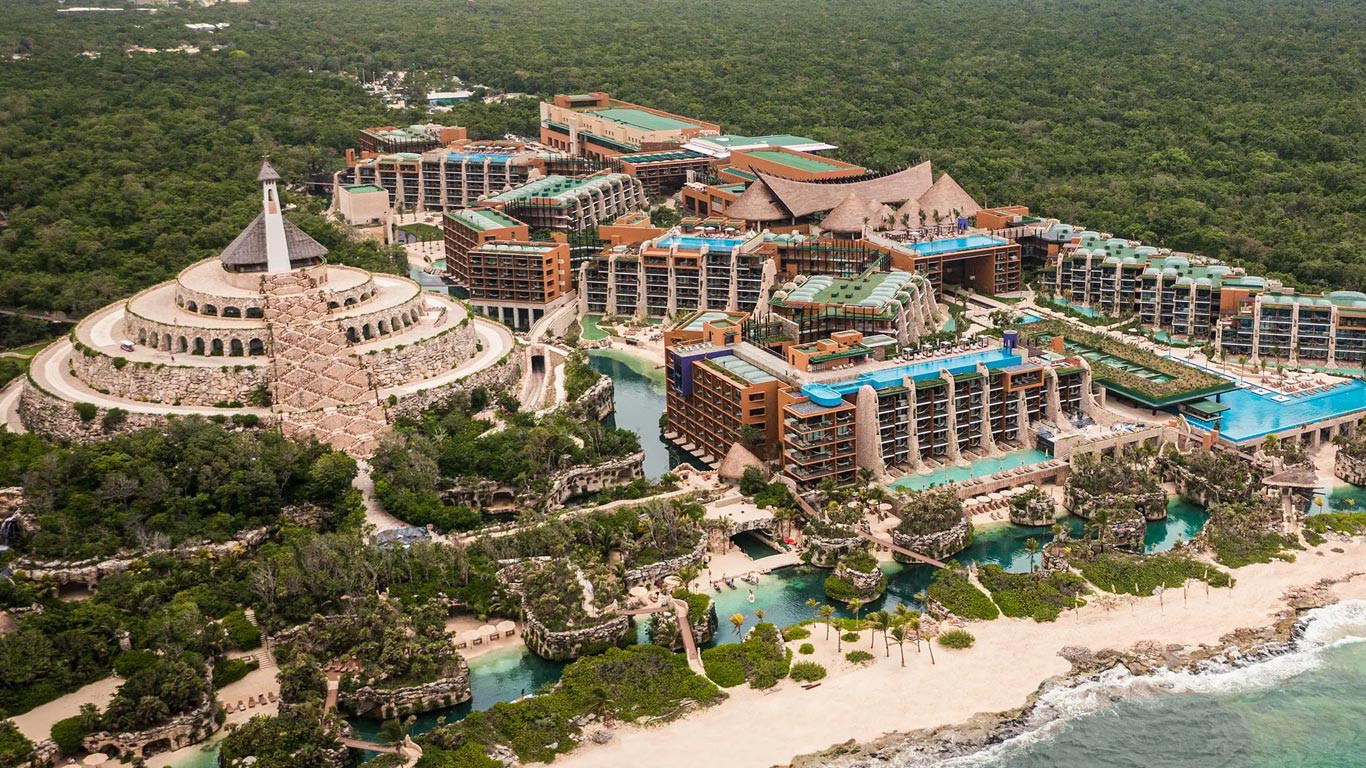
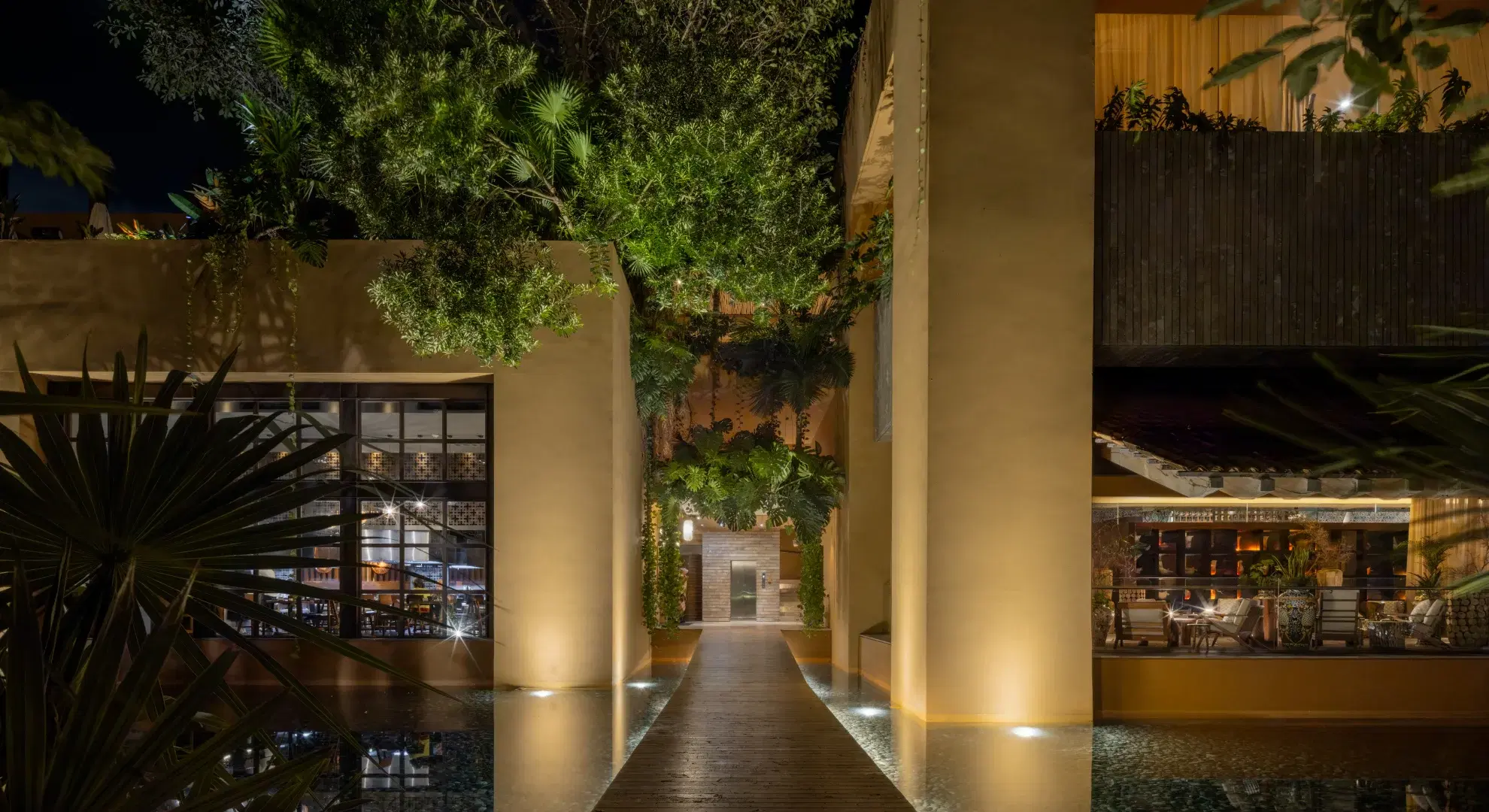
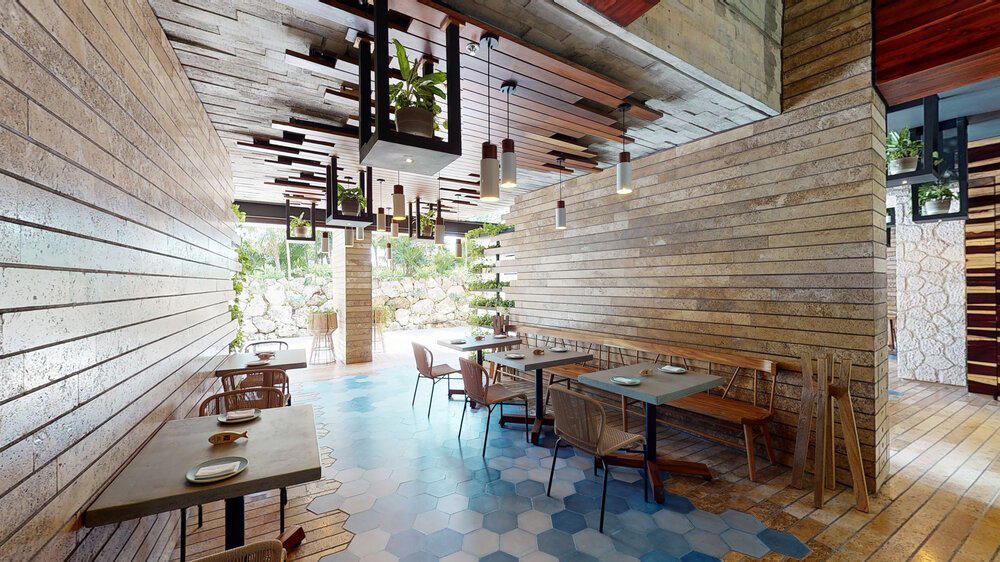
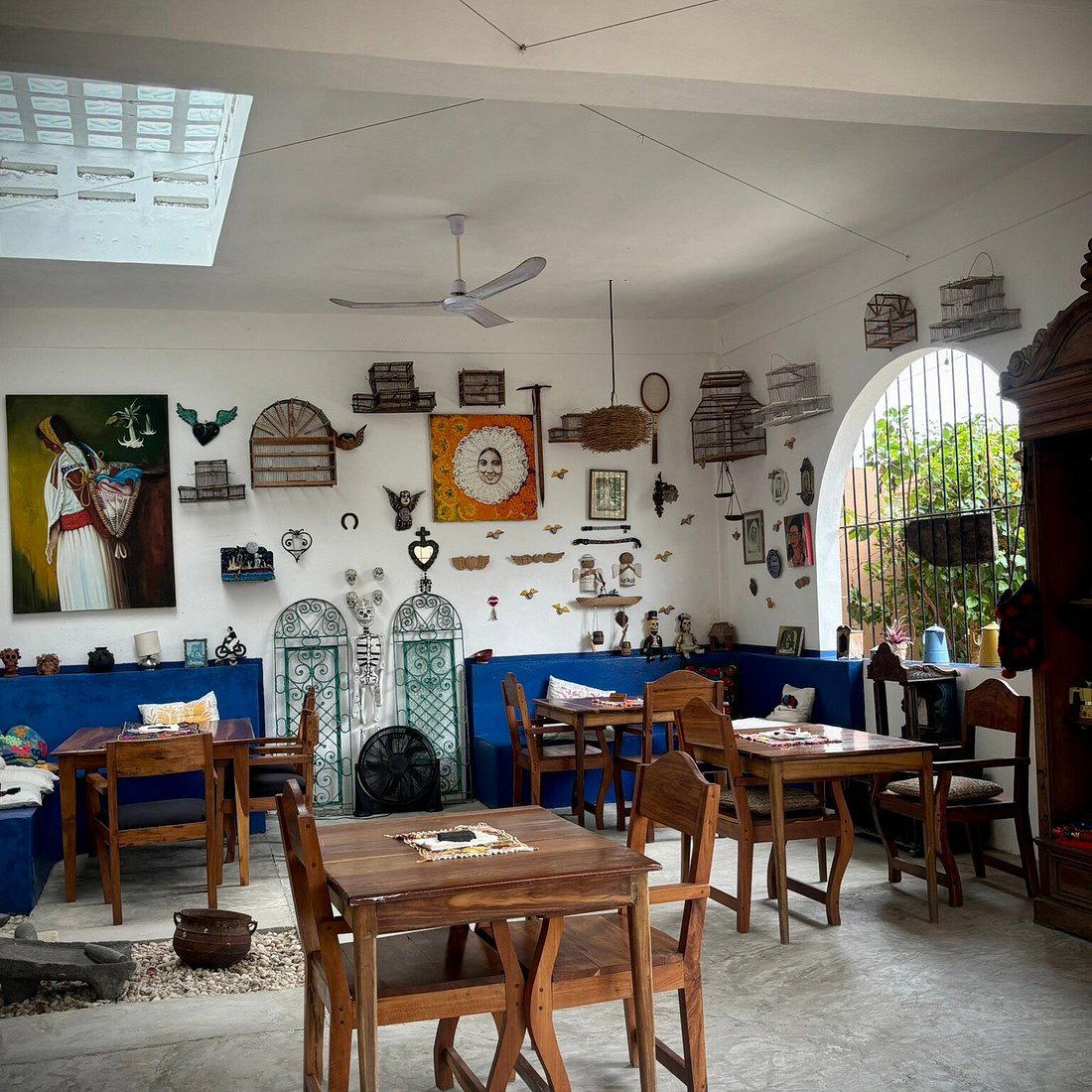
The atmosphere is that of a sprawling tropical resort with lush gardens, lagoon-style pools, and Caribbean beachfront, blending modern finishes with traditional Mexican touches; public areas are lively with entertainment and families, while the natural surroundings and ocean views create a relaxed vacation feel.
Know Before You Go
- Getting there
- Puerto Juarez Km.259-100, Solidaridad, 77710 Playa del Carmen, Q.R., Mexico