

2 Michelin Keys · Virtuoso Luxury Hotel Partner · Mr & Mrs Smith Seal of Approval
A Gault & Millau Exceptional Hotel (2025) and Michelin 2 Keys recipient set on a forested Loire Valley estate between Chambord and Chenonceau, Les Sources de Cheverny occupies 49 rooms across a period château and hamlet of cabins. The property pairs wine-country seriousness with rural quiet, anchoring its identity in regional viticulture, a Caudalie spa, and dining that treats the Loire's cellar as central rather than supplementary. Rates from $275 per night.

Pearl is the En Primeur Club membership app — saves, bookings, and concierge access live there. Same editors, same standards.
- Address
- 23 Rte de Fougère, 41700 Cheverny
- Phone
- +33 2 54 44 20 20
- Website
- sources-hotels.com
- Directions
- Get directions
Where Loire Valley Architecture Meets Contemporary Living
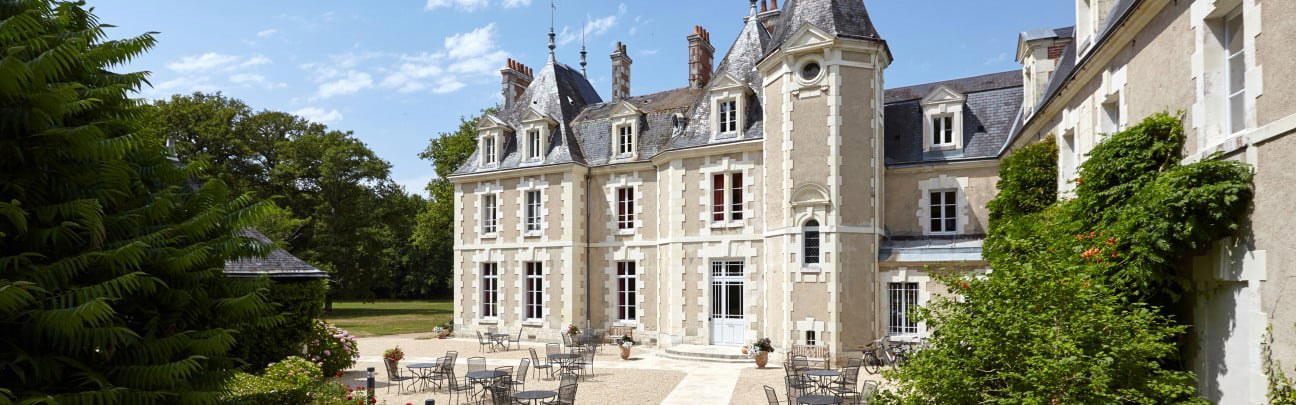
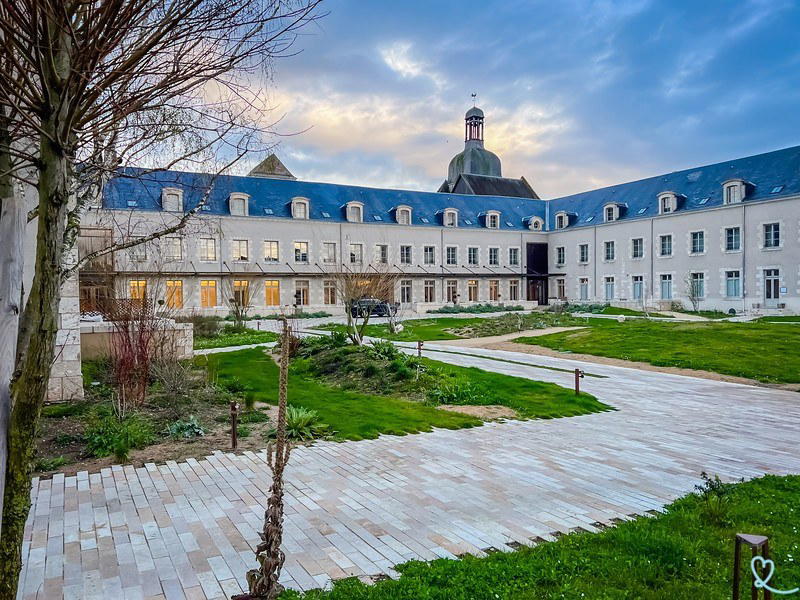
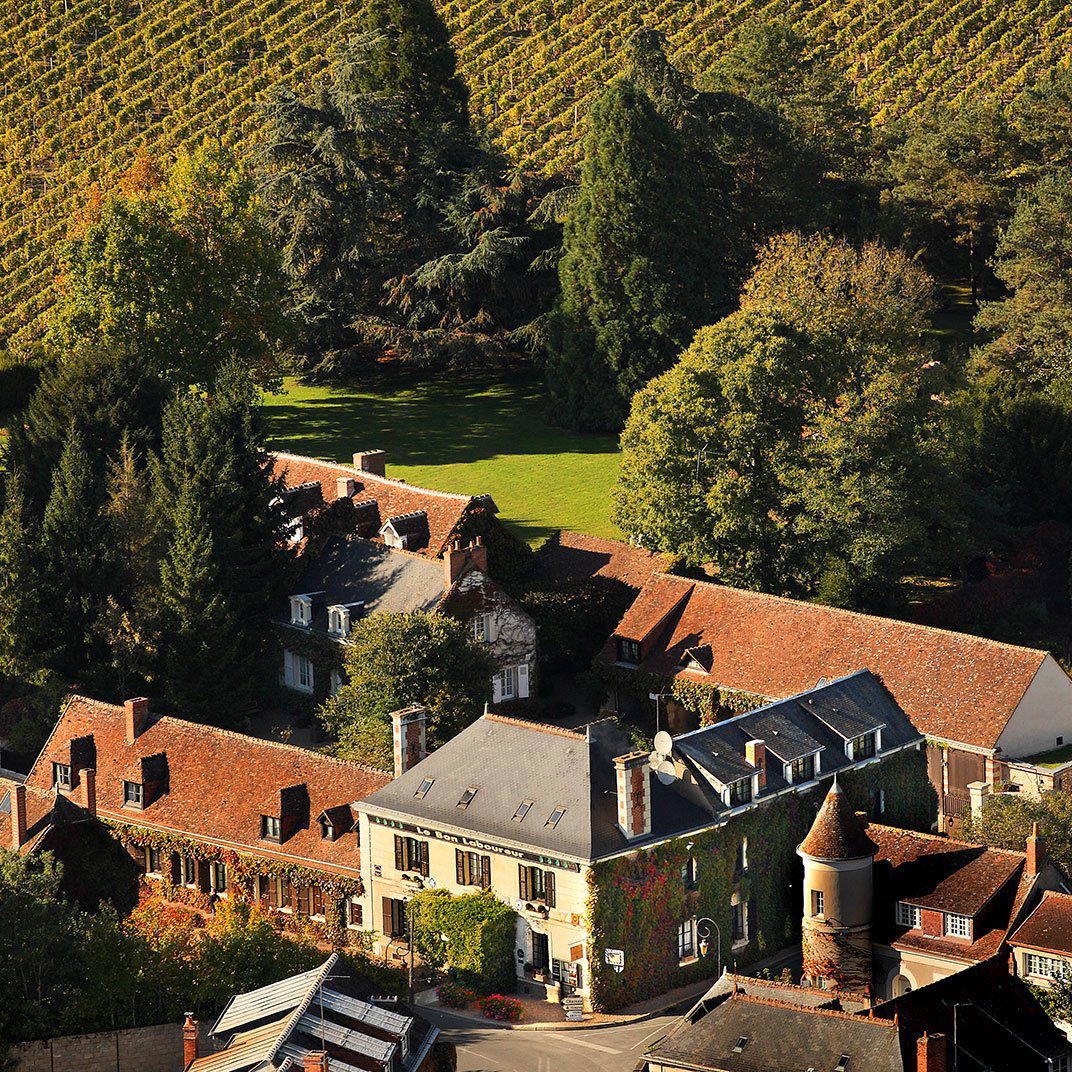
The approach to Les Sources de Cheverny sets the tone before you reach the door. The estate sits on Route de Fougère, a few kilometres outside the village of Cheverny, positioned squarely between two of the Loire's most visited châteaux: Chambord to the north and Chenonceau to the east. That geography is not incidental. This stretch of the Loire Valley carries one of France's most concentrated accumulations of Renaissance and classical architecture, and the property draws on that inheritance without imitating it directly.
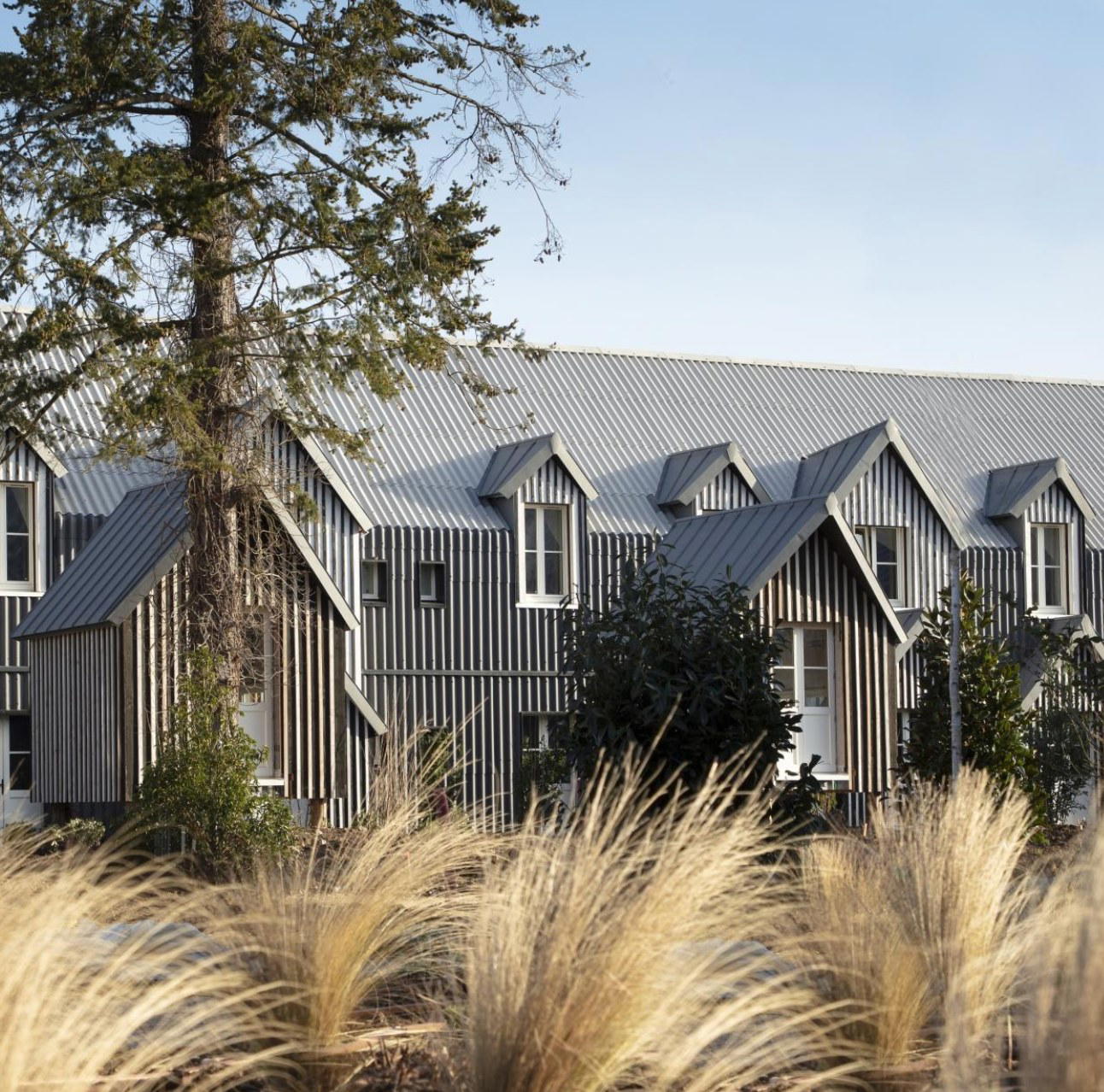
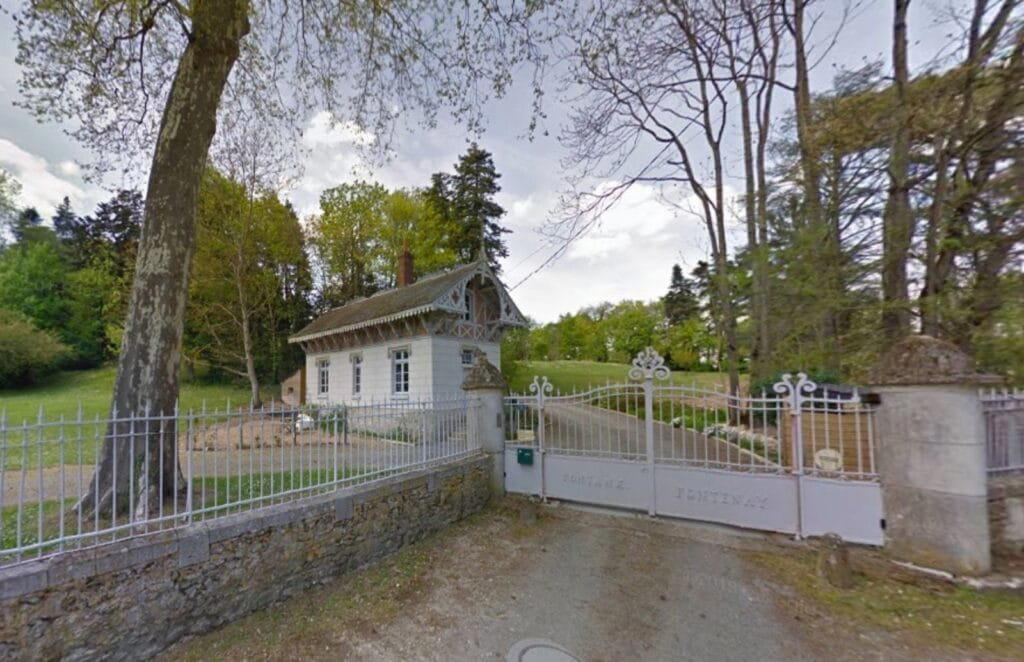
What greets you is a working estate rather than a museum piece: a period French château at its centre, flanked by traditional stone houses and a hamlet of timber-framed cabins arranged around a lake edged with gorse. Ancient forest closes in on three sides. The result is a spatial composition that many Loire properties aim for but few achieve with this degree of coherence, where the built environment and the landscape feel genuinely continuous rather than decoratively adjacent.
The Architecture of Restraint: Château, Cabin, and Continuity
Across French wine-country hotels, two dominant design strategies have emerged over the past two decades. The first restores a historic structure to something approaching its original grandeur, filling it with period furniture and letting the building's provenance do the heavy lifting. The second strips everything back to raw stone and contemporary minimalism, using the contrast between old shell and new interior as its primary aesthetic argument. Les Sources de Cheverny occupies a more considered middle position that is increasingly rare in the category.
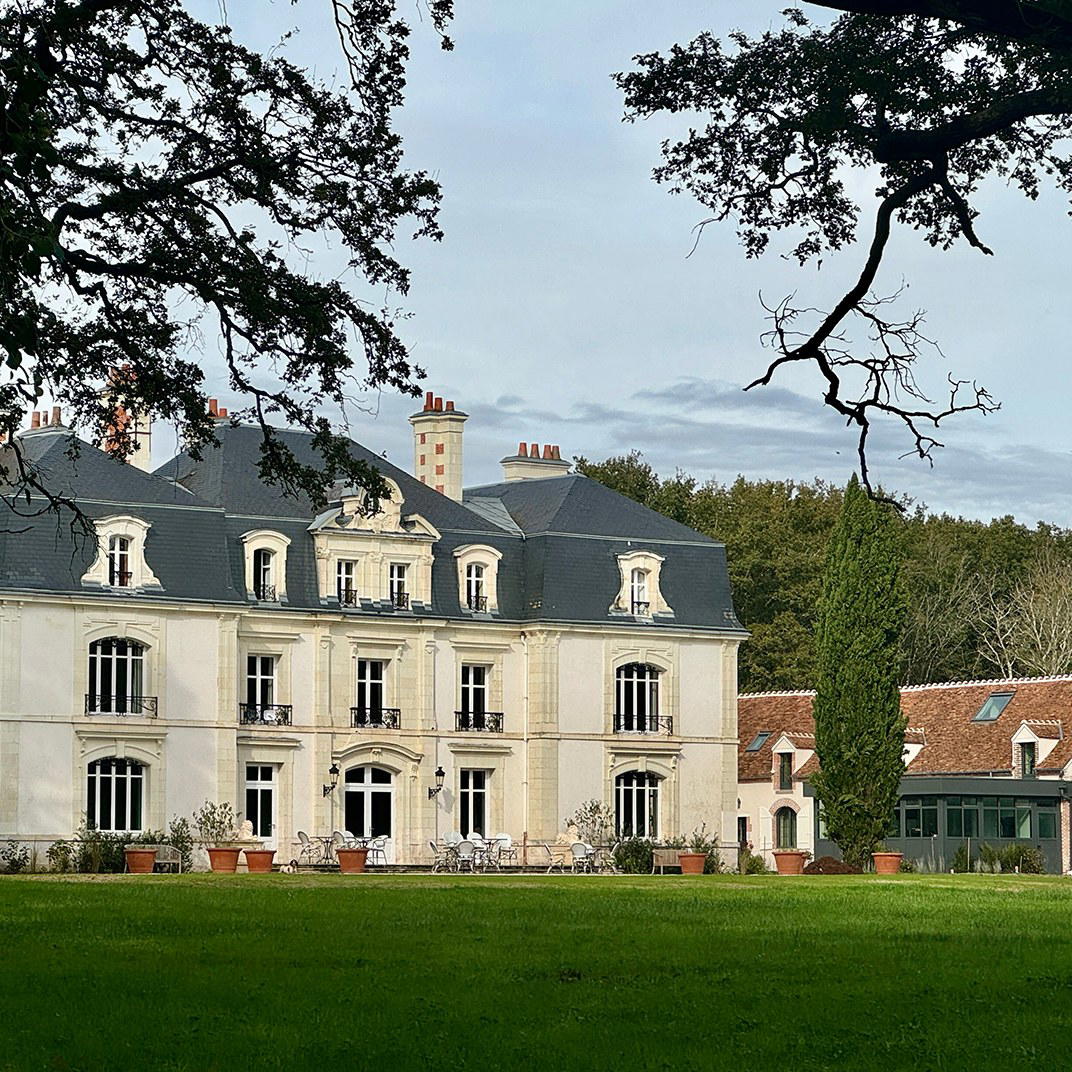
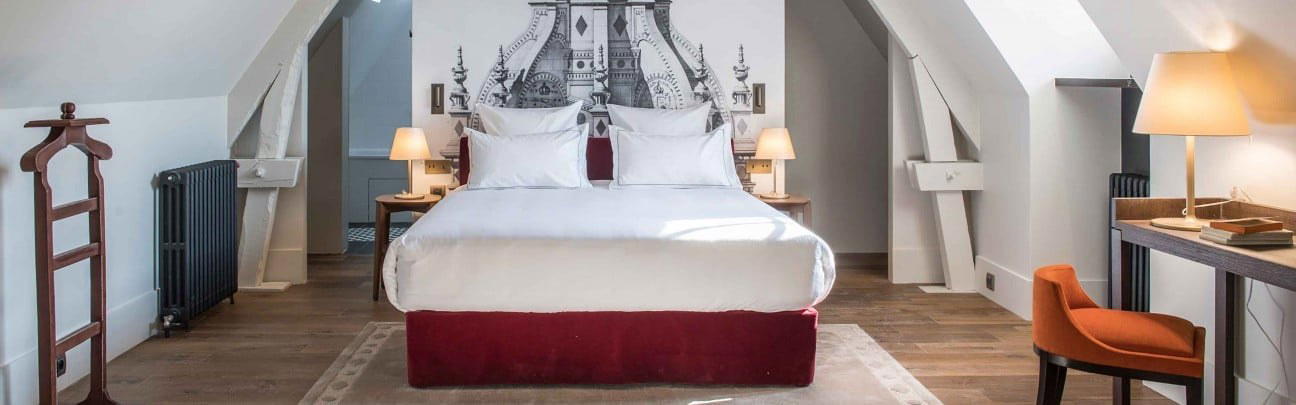
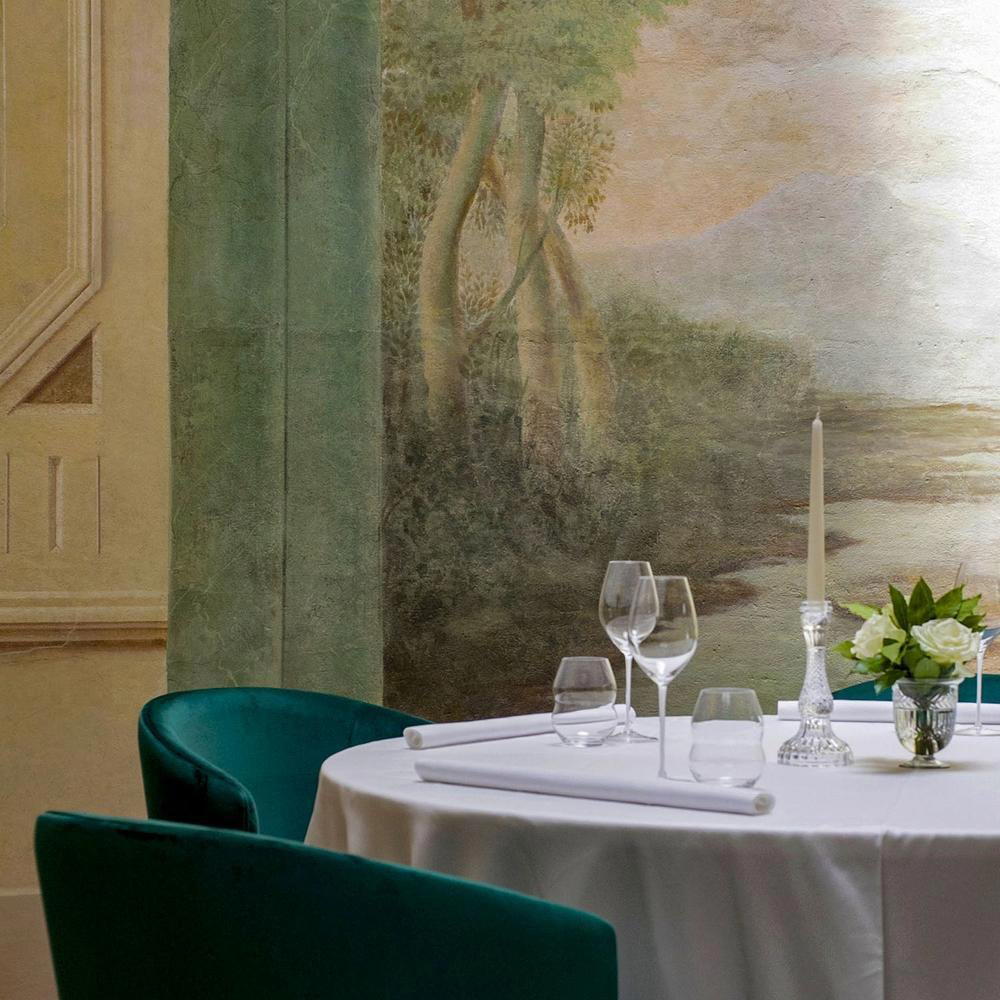
Inside the château's 49 rooms and suites, the approach integrates period architectural features and antique pieces with contemporary furniture and modern design without forcing either into dominance. Original stonework, timber framing, and the proportions of rooms that predate the current ownership remain intact; what surrounds them has been selected to coexist rather than compete. This kind of calibrated restraint is harder to execute than either of the more radical strategies, and its success here partly explains the recognition the property has accumulated: a Michelin 2 Keys designation in 2024 and a Gault & Millau Exceptional Hotel rating of 5 points in 2025 are not credentials typically awarded to properties that resolve the tension between heritage and modernity clumsily.
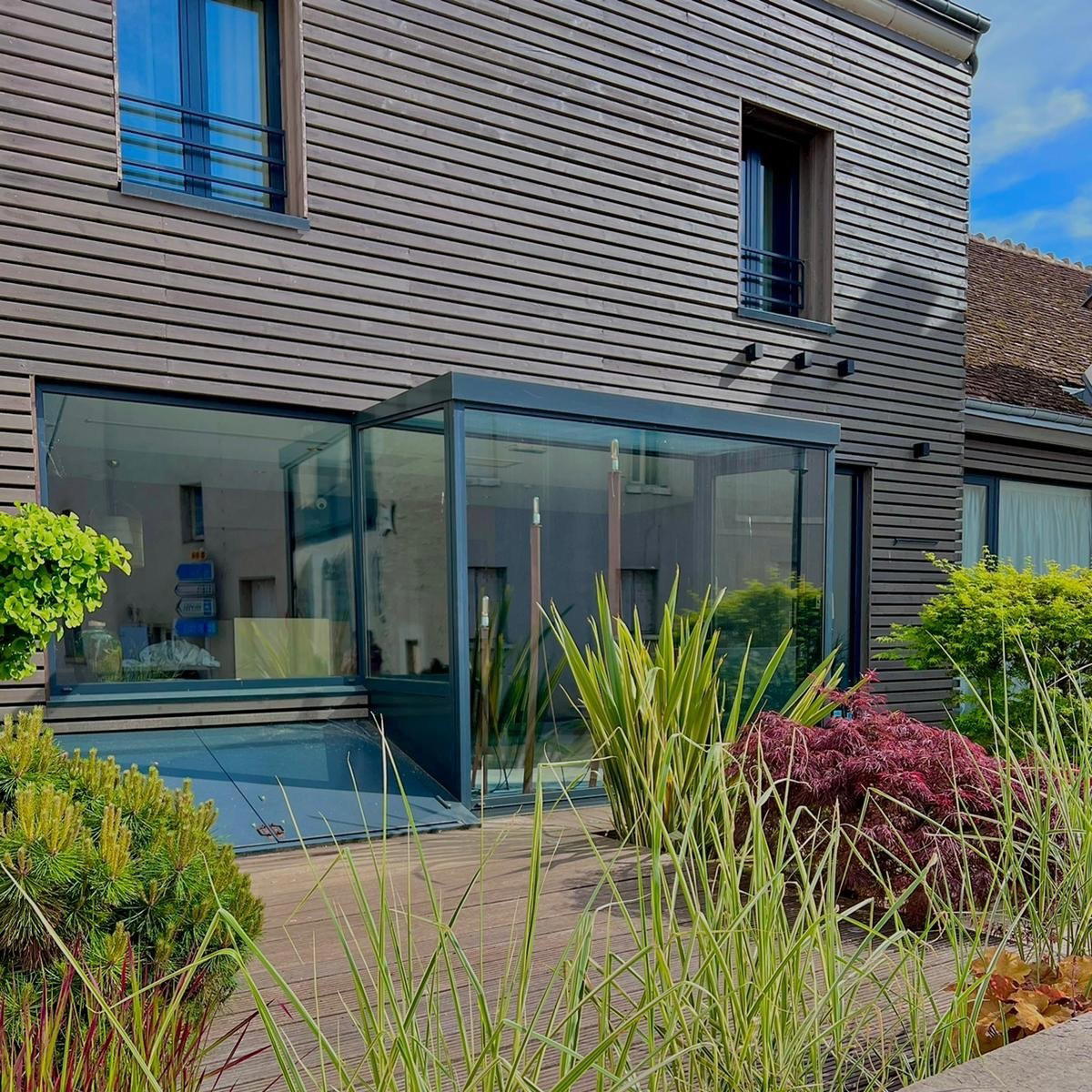
The cabin accommodation around the lake represents a second architectural register within the same estate. Smaller in scale, more vernacular in construction, these units offer a different relationship to the landscape, at ground level and in closer proximity to the water and woodland. For guests who find the formality of a château interior at odds with a countryside stay, the cabins function as an alternative that maintains the property's material vocabulary while changing the spatial experience considerably. Properties that offer this kind of internal range within a coherent overall vision are comparatively unusual in the Loire; the equivalent at Les Sources de Caudalie in Bordeaux, the Bordelais wine-country property that shares both the Caudalie spa affiliation and a similarly forested estate model, gives some sense of the broader format that Les Sources de Cheverny belongs to.
Wine as Architecture: The Cellar as a Structural Argument
In the Loire Valley, wine is not a decorative amenity. The region produces more appellation-controlled wine than any other in France by volume, spanning everything from Muscadet in the west to Sancerre and Pouilly-Fumé at its eastern reaches, with Vouvray, Chinon, Bourgueil, and Cheverny's own appellation occupying the middle ground. A hotel in this corridor that treats its wine program as an afterthought misses the central point of being here at all.
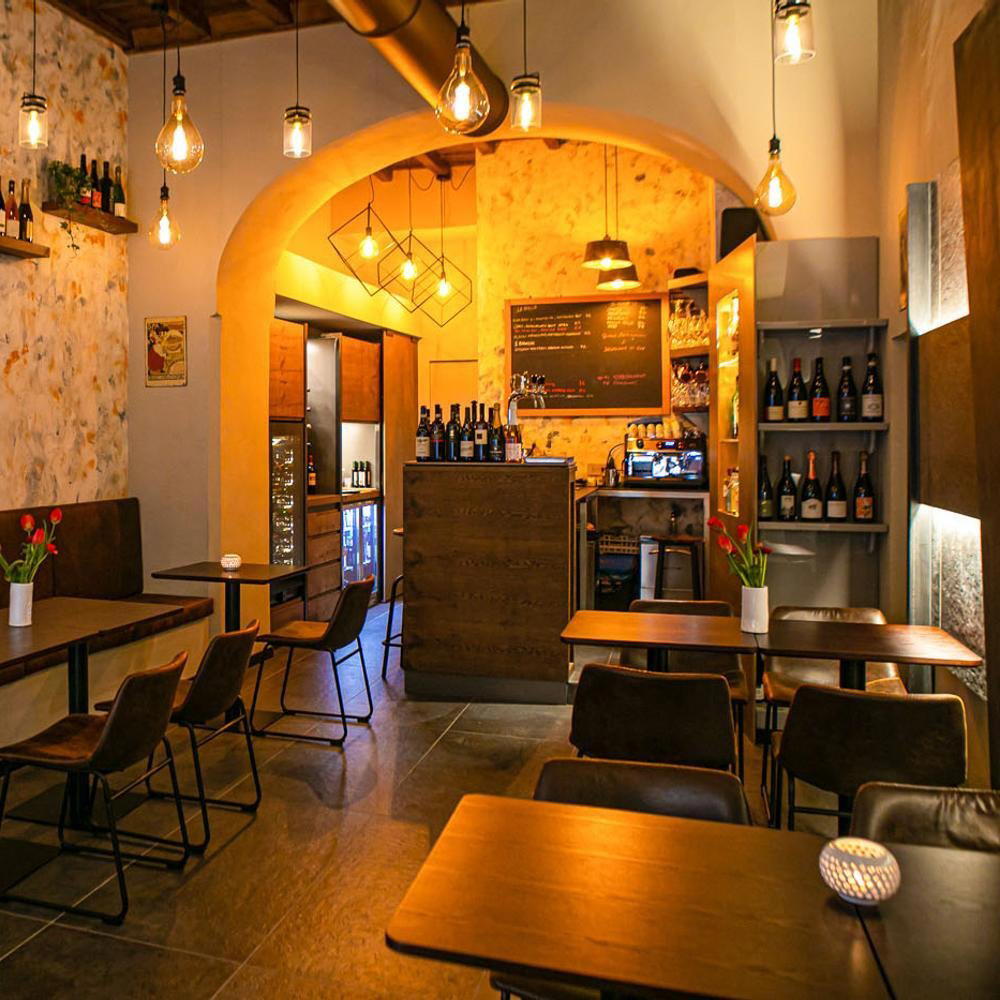
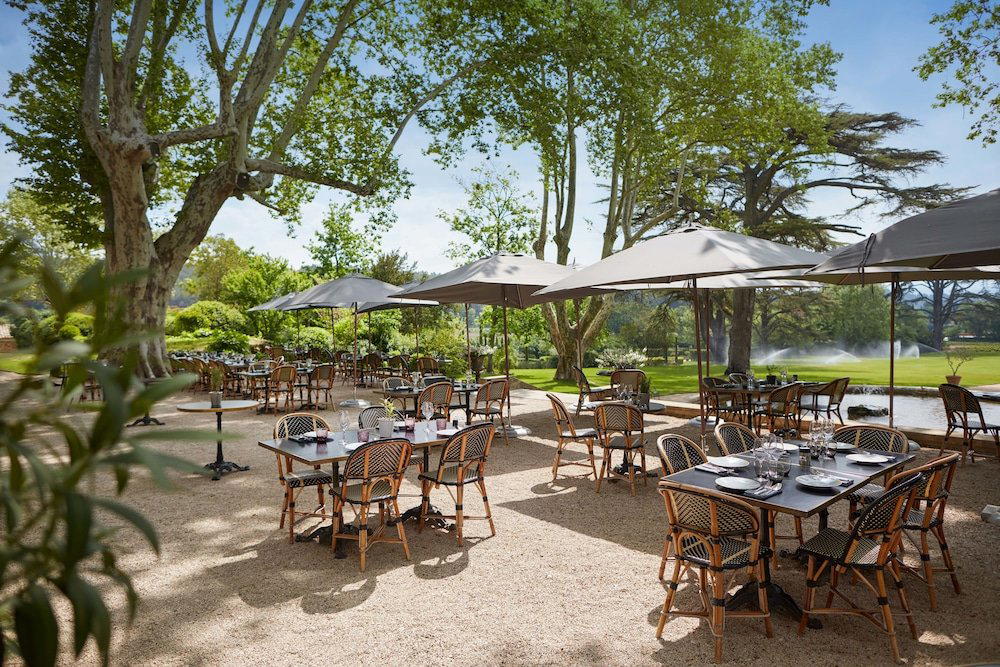
The restaurants and wine bar at Les Sources de Cheverny are presented as integral to the stay rather than as optional extras. In a property of this kind, that framing matters architecturally as much as programmatically: the rooms where wine is poured and food is served are spaces where the estate's identity is most explicitly articulated. The Loire's cellar offers a depth of reference that few French wine regions can match across such a range of styles, and a program that draws on that seriously distinguishes itself from the generic French country hotel model in ways that awards committees notice. The Gault & Millau panel, in particular, has historically weighted food and drink culture heavily in its Exceptional Hotel assessments.
For context within the broader French château-hotel category, properties like Château du Grand-Lucé in Le Grand-Lucé and Château de Montcaud in Sabran occupy similar positions in their respective regions, pairing historic architecture with serious food and wine programming. What distinguishes the Loire context is the appellation directly at the door: Cheverny AOC, covering both white and red, is produced within the same landscape the property inhabits.
The Caudalie Spa and the Logic of Vinotherapy
The Caudalie spa affiliation places Les Sources de Cheverny inside a specific treatment tradition developed in Bordeaux in the 1990s and since extended to a small number of wine-estate properties. Vinotherapy, the spa discipline built around grape-derived compounds, was developed in a wine-country context and carries a logic that is more coherent in a vine-surrounded estate than in an urban setting. Here, where the surrounding landscape is genuinely viticultural, the connection between treatment room and terroir reads as something other than marketing.
The pool and bike hire round out an activity offer that keeps guests on the estate or moving through the surrounding countryside rather than directing them toward scheduled excursions. The Loire by bicycle is a well-established circuit: the Loire à Vélo network links Cheverny to both Chambord and Blois along dedicated paths, and the flat terrain makes the château circuit accessible across a wide range of fitness levels. Returning to a Caudalie spa treatment after a half-day ride through vineyard roads is a sequence that several Loire Valley properties attempt to offer; few have the estate depth to make it feel genuinely integrated.
Planning a Stay: What to Know Before You Book
Rates at Les Sources de Cheverny start from $275 per night, positioning the property in the premium Loire country-house tier below the leading bracket of French château hotels but well above the regional auberge category. With 49 rooms split across the main château and the estate's cabin and stone-house accommodation, availability during the Loire's peak season (May through September, when the Chambord and Chenonceau visitor numbers peak) tightens considerably. The property's Michelin 2 Keys and Gault & Millau Exceptional designations have increased its visibility internationally, meaning that autumn and spring shoulder dates, which offer cooler cycling conditions and smaller château crowds, now fill faster than they did even a few years ago.
The address at 23 Route de Fougère, 41700 Cheverny, places the property within easy reach of Blois station, which sits on the Paris Austerlitz main line with journey times under ninety minutes. From Blois, a taxi or hire car covers the remaining fifteen kilometres. Driving from Paris directly, the A10 motorway connects to the Blois exit and onward to Cheverny in approximately two hours from the Périphérique. For those combining the property with other French estate hotels, Domaine Les Crayères in Reims to the northeast and Royal Champagne Hotel & Spa in Champillon provide comparable design and wine-country depth in different appellations, while within the Loire corridor itself, Les Sources de Cheverny remains among the most architecturally coherent estate properties in the region.
For broader context on dining options in the area, see our full Cheverny restaurants guide. Guests planning a longer French wine-country circuit might also consider Château Lafaurie-Peyraguey Hôtel & Restaurant LALIQUE in Lieu-dit Peyraguey or Baumanière Les Baux-de-Provence in Les Baux for properties that apply similar levels of architectural and culinary seriousness in other regional contexts.
Quick Comparison
Comparable venues nearby, for context on price, style, and recognition.
| Venue | Cuisine | Price | Awards | Notes |
|---|---|---|---|---|
| Les Sources de ChevernyThis venue — the venue you are viewing | Historic château and farmhouse estate reimagined as a luxury wine-country retreat with contemporary comfort and rustic charm. | $500–750 | 2 Michelin Keys · Virtuoso Luxury Hotel Partner | Not listed |
| Les Maisons de Bricourt | Intimate luxury retreat in a 1920s château and surrounding properties on moorland estate | Not listed | 2 Michelin Keys · Relais Chateaux Award | Saint-Méloir-des-Ondes |
| Nolinski | Boutique luxury with private apartment-style rooms | Not listed | 2 Michelin Keys · La Liste Top Hotels | 1st arrondissement |
| Le Château de Beaulieu | Historic château with modern extensions and park surroundings | Not listed | 2 Michelin Keys · Relais Chateaux Award | Busnes |
| Château Lafaurie-Peyraguey Hôtel & Restaurant LALIQUE | Historic château converted into a luxury boutique hotel with contemporary art integration, positioned as a wine-country destination property. | Not listed | Michelin 2 Key | Bommes, Sauternes |
| Lutetia | Timeless luxury heritage palace with contemporary sophistication | Not listed | 2 Michelin Keys · La Liste Top Hotels | Saint-Germain-des-Prés |
Recognition history
Dated appearances from independent guides and award organizations, with the underlying list record or original source where available.
Michelin 2 Keys
Michelin
Mr & Mrs Smith Seal of Approval
Mr & Mrs Smith
Virtuoso Luxury Hotel Partner
Virtuoso
Gault & Millau Exceptional Hotel
Gault & Millau
Full recognition history (6 entries)
Michelin 2 Keys
Michelin
Michelin 2 Keys
Michelin

Details
- Romantic
- Quiet
- Elegant
- Scenic
- Sophisticated
- Romantic Getaway
- Wellness Retreat
- Anniversary
- Weekend Escape
- Destination Spa
- Garden
- Terrace
- Historic Building
- Panoramic View
- Private Dining
- Wi Fi
- Pool
- Spa
- Fitness Center
- Room Service
- Concierge
- Valet Parking
- Restaurant
- Bar
- Bicycle Rental
- Garden
- Vineyard
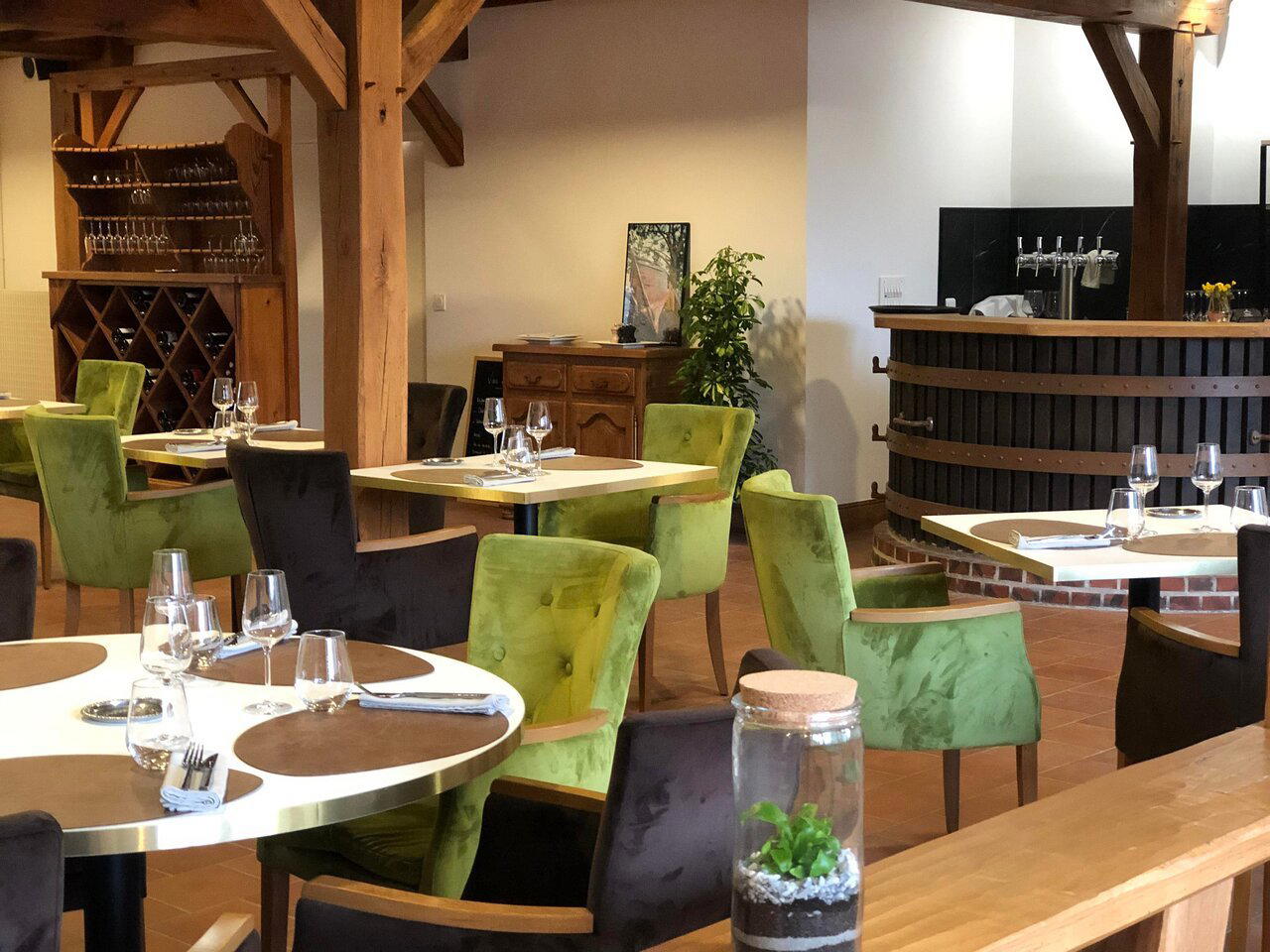
Serene and peaceful with warm, inviting country-house décor featuring vintage furnishings, natural wood elements, and forest views; library with fireplace; soft lighting throughout.