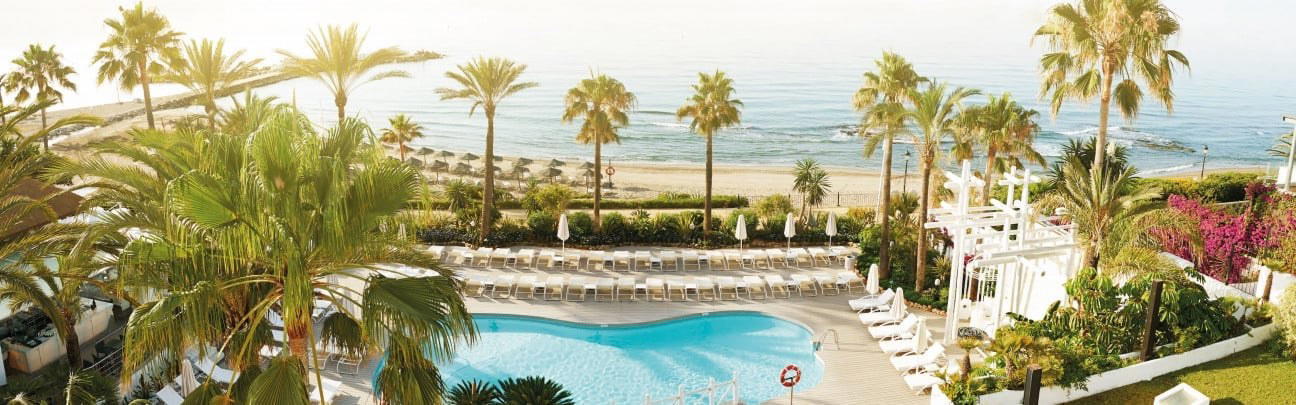
Gran Marbella Resort & Beach Club pairs 135 rooms with beach access, on-site dining, and waterfront, garden, and mountain views.
Pearl is the En Primeur Club membership app — saves, bookings, and concierge access live there. Same editors, same standards.
- Address
- Av. José Ribera, 25, 29604 Marbella, Málaga, Spain
- Website
- granmarbellaresort.com
 Saves & bookings on Pearl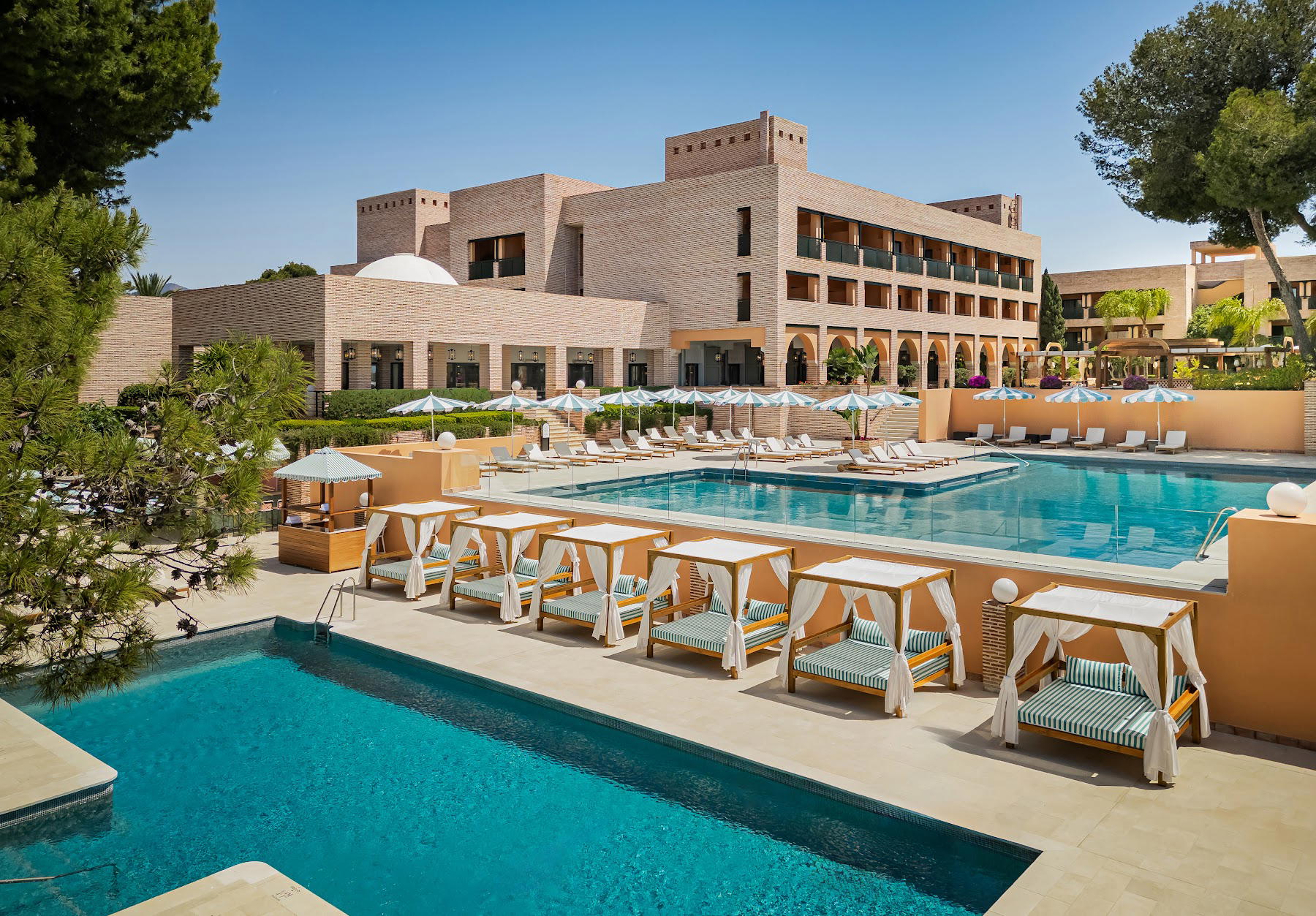
Marbella resort life, read through space
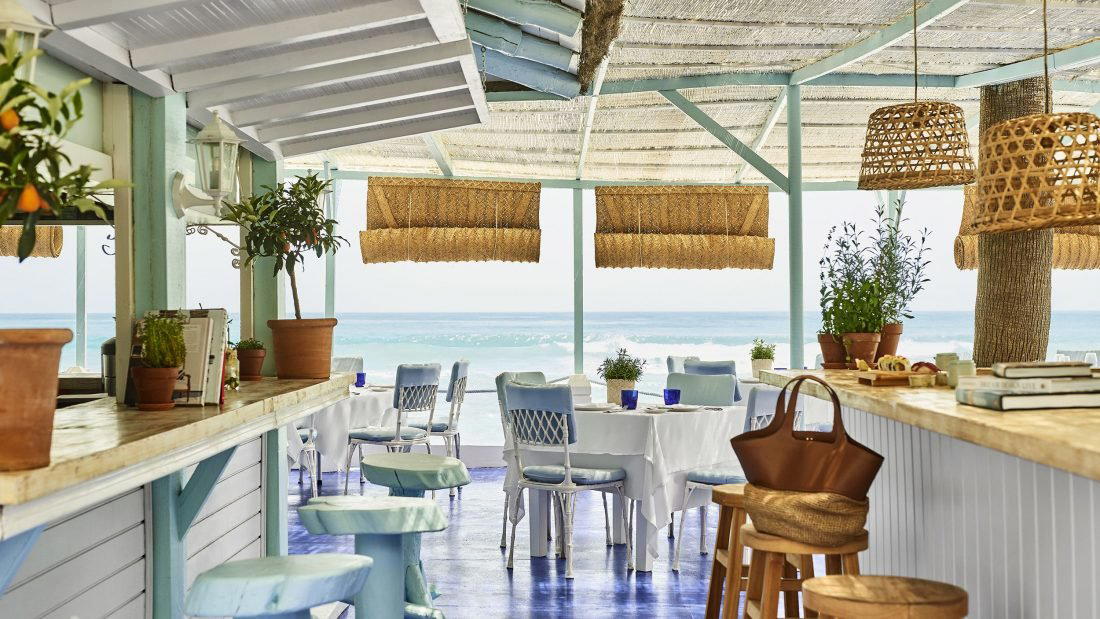
Approaching a Marbella beach resort, the first impression is rarely a single architectural gesture. It is the sequence: palm shade giving way to white façades, the sound of pool service and beach traffic, the calibrated movement between lobby, terrace, and sea. Gran Marbella Resort & Beach Club sits inside that coastal grammar, a format in which the property is less a sealed hotel object than a stage for long daylight hours, late dinners, and the social theatre of the Costa del Sol.
Marbella has always treated hospitality as an outdoor composition. The city’s serious resort culture grew around low-rise leisure, Mediterranean light, beach access, club terraces, and a certain preference for ease over urban formality. That separates it from Madrid palace hotels and Barcelona boulevard addresses, where the guest experience is often framed by civic architecture. In Marbella, the measure is how naturally a resort handles transitions: breakfast to pool, pool to beach, beach to bar, and dinner without making the day feel scheduled.
Gran Marbella Resort & Beach Club is a 5-star hotel in Marbella, Málaga, with 135 rooms and a nightly rate of about $300. That absence matters editorially. It places the page in a different mode from a ranked hotel review built on published credentials. The property is best read through Marbella’s wider beach-resort category rather than through invented claims about suites, menus, service rituals, or design authorship.
Why design matters more in Marbella than the brochure language suggests
On the Costa del Sol, architecture has to solve a practical problem before it becomes aesthetic: intense sun, long summer days, poolside dining, and guests moving in swimwear, linen, resort tailoring, and evening dress across the same site. A convincing Marbella resort uses shade, planting, terraces, and circulation to make that movement feel natural. Bad resort planning turns every transition into a corridor. Good planning lets guests drift without losing orientation.
Gran Marbella Resort & Beach Club should therefore be assessed less by adjective-heavy claims and more by the physical logic of the place. Does the design create enough shaded outdoor seating for peak afternoon? Are restaurants and bars positioned so that non-resident beach-club traffic does not overwhelm hotel guests? Is the arrival sequence calm, or does it immediately collide with pool and event energy? These questions are not minor details in Marbella. They define whether a resort feels coastal or merely near the coast.
The city’s stronger hotel examples illustrate how varied the local design codes have become. Marbella Club Hotel represents the old resort language of gardens, villas, and clubby continuity. Anantara Villa Padierna Palace Benahavís Marbella Resort works with a grander Andalusian-palace vocabulary outside the immediate beach strip. Nobu Hotel Marbella belongs to the branded lifestyle category, where restaurants and nightlife are part of the core identity. Boho Club takes a more intimate, design-conscious route, while Don Carlos Marbella speaks to the larger seaside-resort tradition. Against that field, Gran Marbella Resort & Beach Club is useful to consider as part of the city’s beach-club axis rather than as a standalone architectural monument.
The beach club as Marbella's social engine
In many Mediterranean destinations, the beach club is an accessory to the hotel. In Marbella, it often becomes the operating system. It shapes the day’s pace, controls the sound level, draws outside guests, and changes the feel of the property between weekday mornings, summer Saturdays, and shoulder-season evenings. The words “Resort & Beach Club” are therefore not decorative. They signal a hybrid format where accommodation, dining, pool culture, and seafront leisure may overlap.
That overlap has consequences for the traveller. A resort attached to a beach-club identity can be highly convenient for guests who want most of the day to happen on site, but it can also be more public and socially charged than a quiet villa hotel. Families, couples, and groups do not necessarily want the same soundscape or service rhythm. In Marbella, the question is not simply whether a resort is luxurious; it is whether its version of leisure matches the trip.
For dining context beyond any single hotel, Our full Marbella restaurants guide gives the broader restaurant picture, from old-town Andalusian rooms to international dining around the Golden Mile and Puerto Banús. The city’s drinking culture has its own geography too, and Our full Marbella bars guide is the more useful reference for guests deciding whether the evening should remain in-resort or move into town. Wine tourism is less central to Marbella than to Rioja, Priorat, or Ribera del Duero, but Our full Marbella wineries guide helps separate local drinking culture from destination-winery travel, while Our full Marbella experiences guide covers the non-hotel side of the stay.
How Gran Marbella fits the city's hotel field
Marbella’s hotel market is not one category. It splits between heritage resort compounds, lifestyle hotels, golf-adjacent retreats, beach-club properties, small urban addresses, and destination resorts positioned just beyond the city’s core. That split matters because two hotels can share the same city label and offer entirely different trips. A guest choosing a beach-club resort is not making the same decision as a guest choosing a small old-town hotel or a countryside estate with a car-based itinerary.
In that context, Gran Marbella Resort & Beach Club appears in the coastal-resort conversation rather than the small-hotel conversation. There is no provided evidence for awards, so it should not be ranked against credentialed peers on that basis. The more grounded comparison is format-led: beach-club energy, resort scale implied by the name, and a Marbella address. Travellers looking for a wider field of comparable stays should consult Our full Marbella hotels guide, then compare each property by verified location, room product, seasonal operations, and access to restaurants and beach facilities.
For contrast within Spain, the architectural language changes sharply by region. Mandarin Oriental Ritz, Madrid in Madrid belongs to the capital’s grand-hotel tradition, where civic formality and museum proximity set the tone. Mandarin Oriental Barcelona in Barcelona reads through Passeig de Gràcia and urban design. Terra Dominicata in Escaladei is tied to Priorat’s monastic and wine-country setting, while Atrio Restaurante Hotel in Cáceres connects hotel craft to a restaurant-led cultural trip. Marbella is different. Its architecture is judged by outdoor comfort, privacy gradients, and the ability to manage sun, sea, dining, and social life without friction.
What to verify before treating it as the base for a trip
This is not a cosmetic caveat. In resort cities, details can shift by season: beach-club access, dining formats, minimum spends, event calendars, opening periods, and day-guest policies often vary between high summer and quieter months. A July stay in Marbella is a different operational animal from a midweek spring visit.
Particularly practical questions are specific. Confirm whether accommodation and beach-club access are sold together or separately. Ask how restaurant reservations work for resident guests. Check whether outside guests use the beach club, and if so, how that affects pool, terrace, and dining areas. If noise sensitivity matters, ask about live music, private events, and DJ programming by date. If the trip involves children, ask how pool areas and evening venues are managed.
Transport planning also deserves attention. No reliable distance from Marbella’s old town, the Golden Mile, Puerto Banús, or Málaga Airport should be assumed without checking current details. That should be checked before arrival, especially for guests planning restaurant-heavy evenings. Marbella can feel compact on a map and slow in practice during summer traffic. A resort with a strong beach-club identity may reduce the need to move around during the day, but dinner reservations and late-night returns still require planning.
The editorial read: who should consider it
The strongest case for this kind of Marbella property is not sightseeing. It is the desire for a resort day with minimal transfers: sea-facing leisure, social spaces, food and drink close at hand, and a physical setting designed around warm-weather living. Gran Marbella Resort & Beach Club should appeal to travellers who want the hotel to carry much of the trip’s rhythm, especially if the beach-club component is part of the attraction rather than an incidental amenity.
The weaker fit is the traveller seeking a quiet, small-scale Andalusian base with a strong old-town relationship, or the traveller building a trip around confirmed Michelin-level dining, documented design pedigree, or published hotel awards. That does not diminish the property’s potential appeal; it simply means the decision should be made from verified current information rather than assumed prestige.
For a more secluded Spanish hotel comparison, Abadía Retuerta LeDomaine in Teruel and Torre del Marqués Hotel Spa & Winery in Sardoncillo point toward wine-country and estate-led travel. La Residencia, A Belmond Hotel, Mallorca in Mallorca frames luxury through village setting and mountain texture. Pepe Vieira Restaurant & Hotel in Poio and Casa Beatnik Hotel in A Coruña show how northern and northwestern Spain can turn hospitality toward gastronomy, landscape in the literal sense, and slower rural rhythm. Marbella’s coastal resort culture is more extroverted, and that distinction should guide expectations.
Design comparisons beyond Marbella
Looking outside Spain clarifies what Marbella is and is not. The Fifth Avenue Hotel in New York City is an urban design statement shaped by density, interiors, and street presence. Hôtel de Paris Monte-Carlo in Monte Carlo belongs to the European grand-hotel casino tradition, where arrival ritual and civic visibility are central. Badrutt's Palace Hotel in St. Moritz is tied to Alpine seasonality, winter society, and lake-and-mountain spectacle. A Marbella beach-club resort works from another set of priorities: outdoor flow, water proximity, all-day service, and the ability to make a guest remain in resort without feeling confined.
That is why design should not be treated as décor alone. In Marbella, it is operational. Shade structures, terrace depth, bedroom-to-pool routes, valet choreography, beach access, and the separation of resident and day-guest zones all shape the experience. The intelligent traveller should ask to see current imagery, site maps where available, and seasonal programming before deciding whether the property’s physical world fits the intended stay.
Planning notes for Gran Marbella Resort & Beach Club
Use Gran Marbella Resort & Beach Club as a candidate for a resort-led Marbella trip, then verify the particulars. Confirmed pricing and booking details should be checked directly before making plans. For summer, check earlier than usual because Marbella’s beach clubs and resort restaurants experience compressed demand during high season. For shoulder months, ask what is operating daily, since a property can feel different when beach service, entertainment, or terrace dining is reduced.
Dress expectations should also be confirmed rather than assumed. Marbella beach clubs often move from swimwear-adjacent daytime ease to sharper evening codes, but the provided data lists no dress code for this venue. Guests planning to use both resort and city restaurants should pack for that shift. If the itinerary includes old-town dining, Puerto Banús evenings, or inland day trips, the hotel choice should be balanced against transport needs rather than judged only by the pool-and-beach promise.
How It Compares
Comparable venues nearby, for context on price, style, and recognition.
| Venue | Cuisine | Price | Awards | Notes |
|---|---|---|---|---|
| Gran Marbella Resort & Beach ClubThis venue — the venue you are viewing | Discreet five-star beachfront retreat showcasing Marbella’s “slow luxury” side with Andalusian resort character. | $$$$ | 5-Star | Not listed |
| Finca Cortesin | Andalusian finca with contemporary Moorish and Castilian influences | $$$$ | 5-Star | Casares |
| Kimpton Los Monteros Marbella | Low-rise luxury design resort blending 1970s Mediterranean lifestyle with contemporary Andalusian heritage. | $$$$ | 5-Star | Golden Mile |
| Hotel San Cristóbal | Modern urban hotel blending historic location with contemporary sustainable design | $$$ | 4-Star | Marbella Old Town |
| Boho Club | bohemian-chic boutique resort with bungalow-style accommodations | $$$$ | 5-Star | Golden Mile |
| Puente Romano | Whitewashed Andalusian village-style luxury resort with contemporary furnishings and Mediterranean-inspired design; self-contained enclave combining traditional Spanish architecture with modern five-star amenities. | $$$$ | 5-Star | Golden Mile |
Continue exploring
More in Marbella
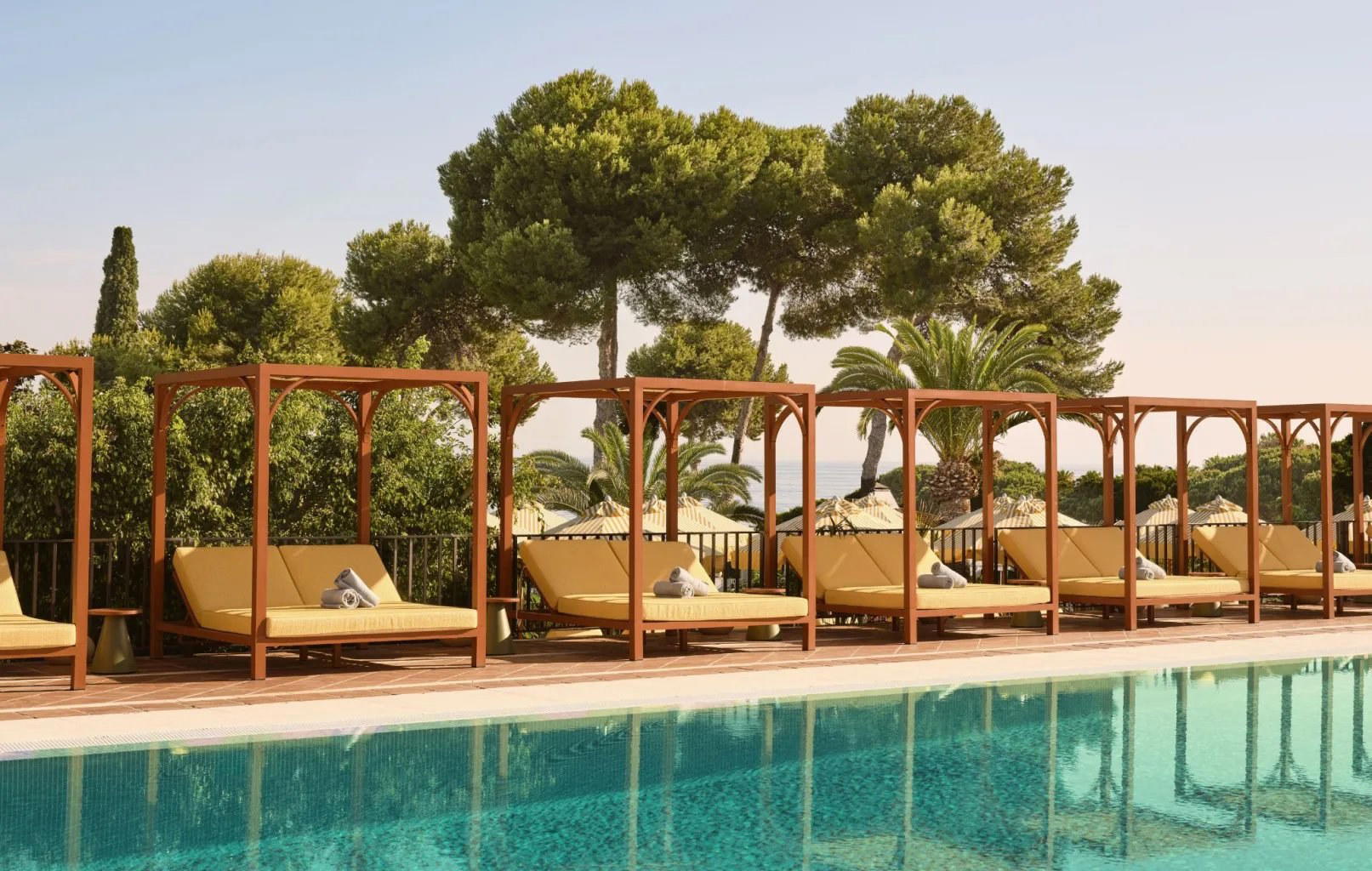
Hotels in Marbella
Browse all →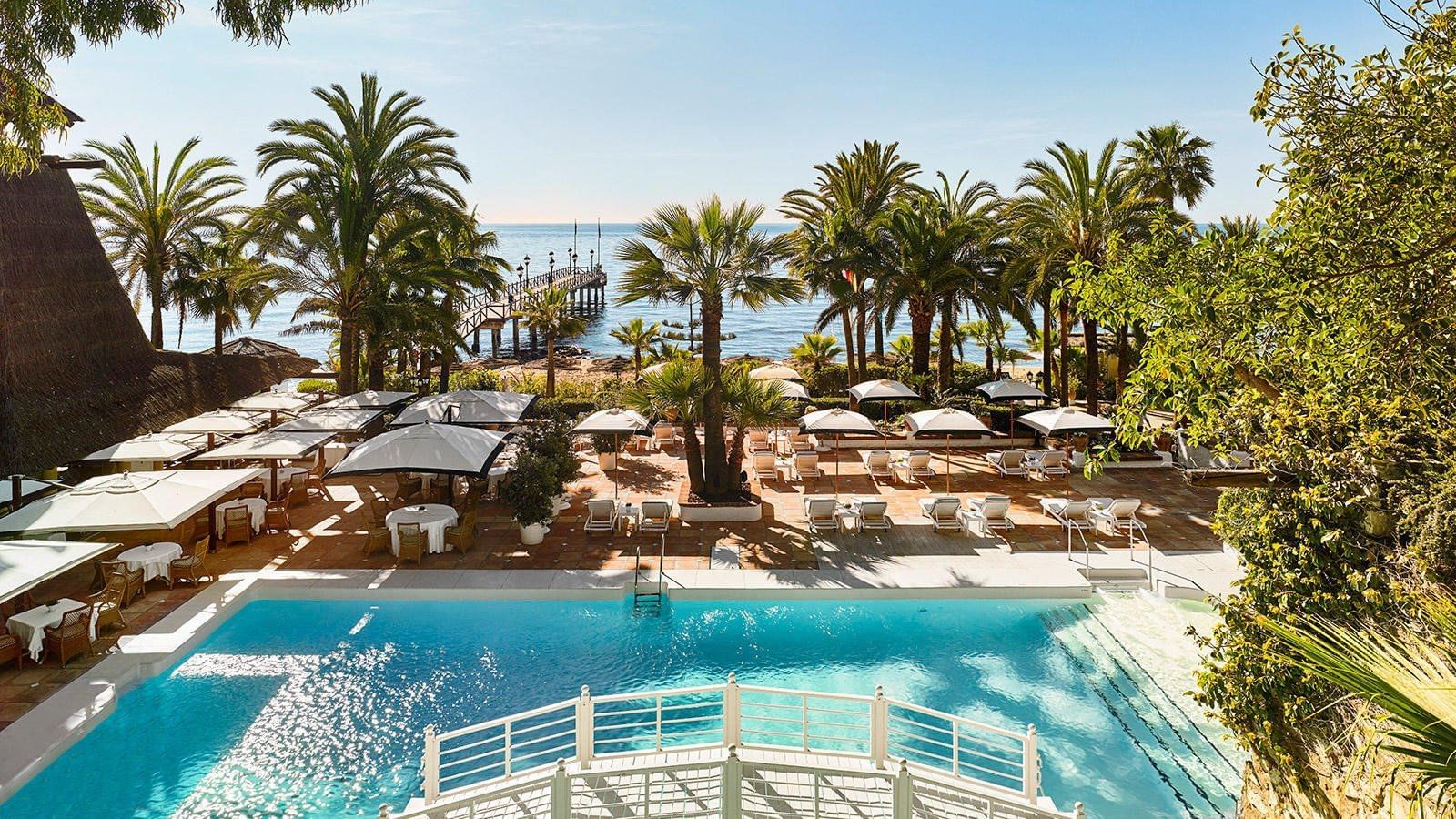
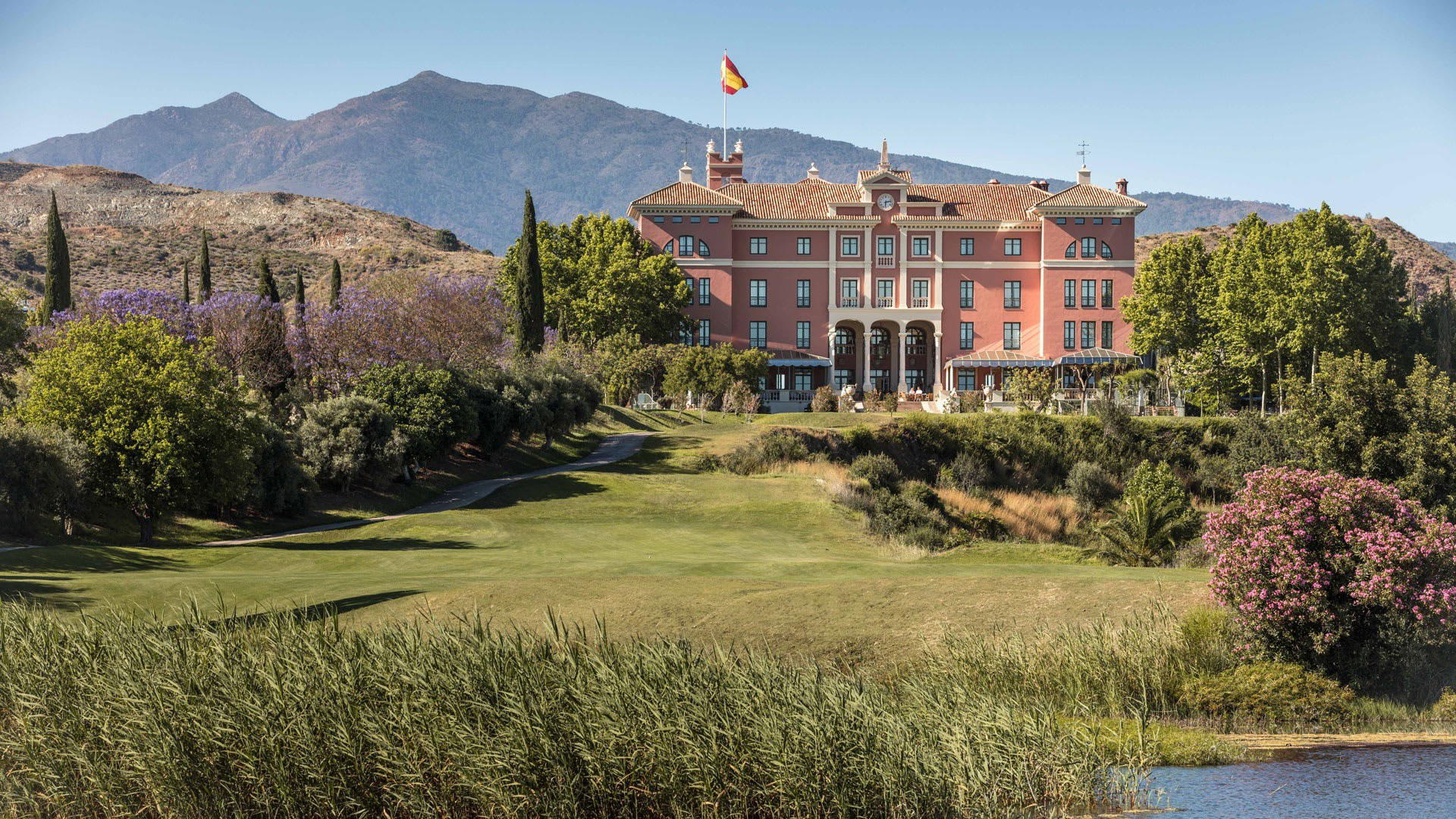
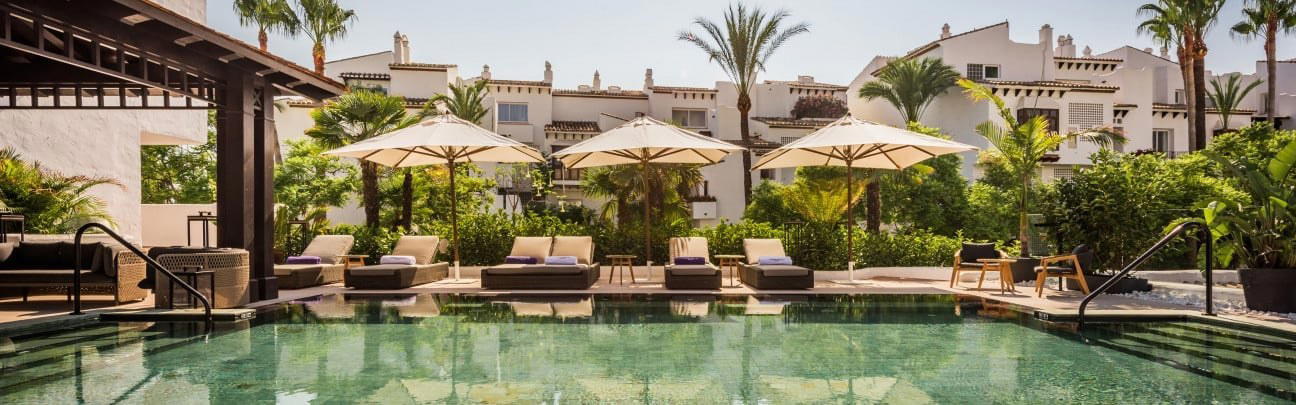
Bars in Marbella
Browse all →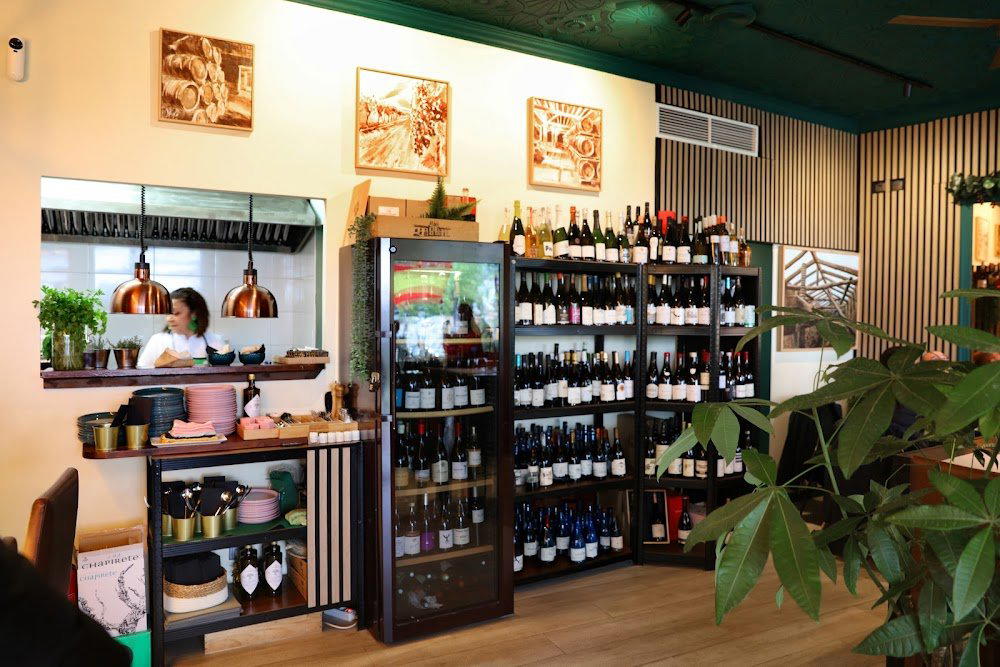
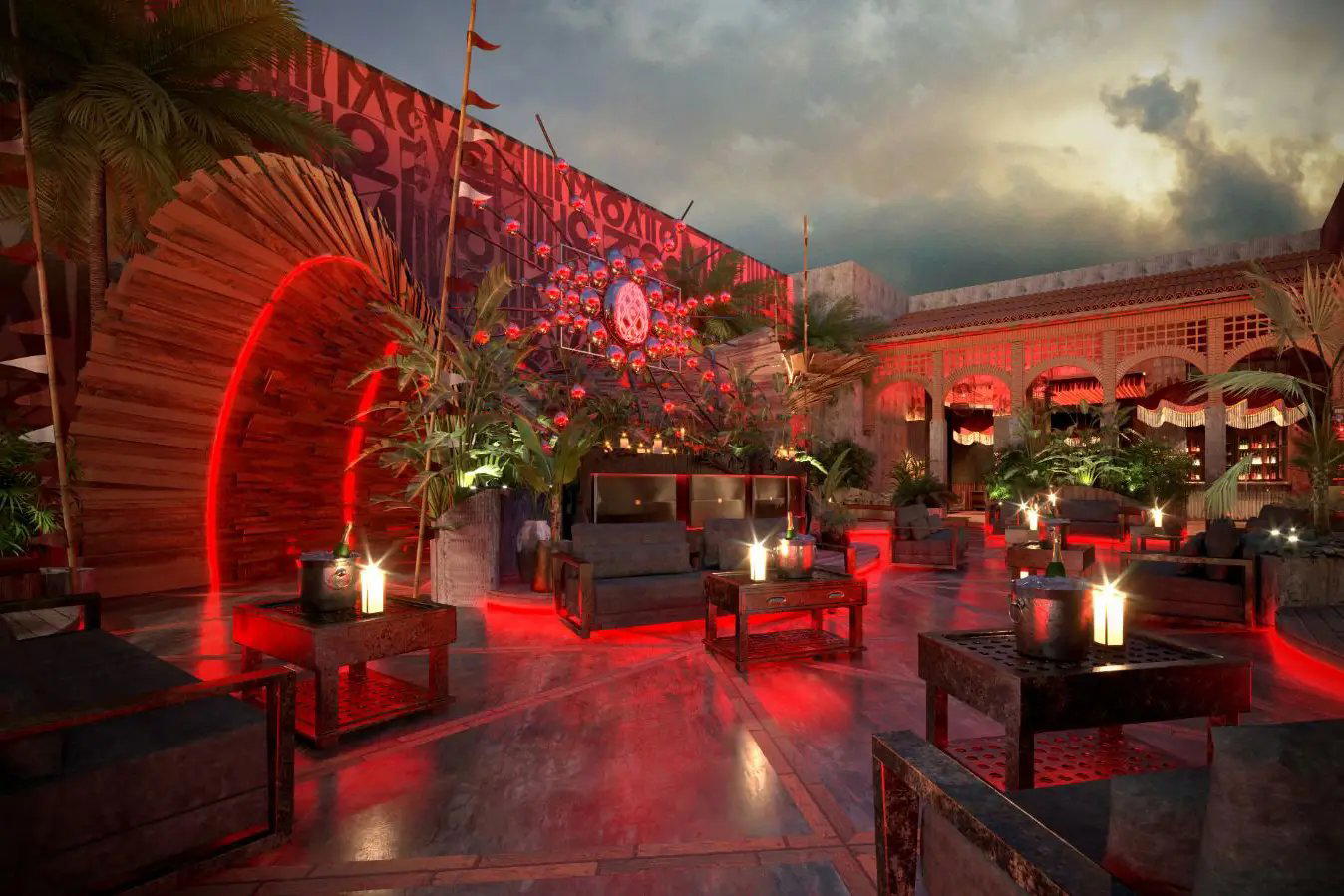
Restaurants in Marbella
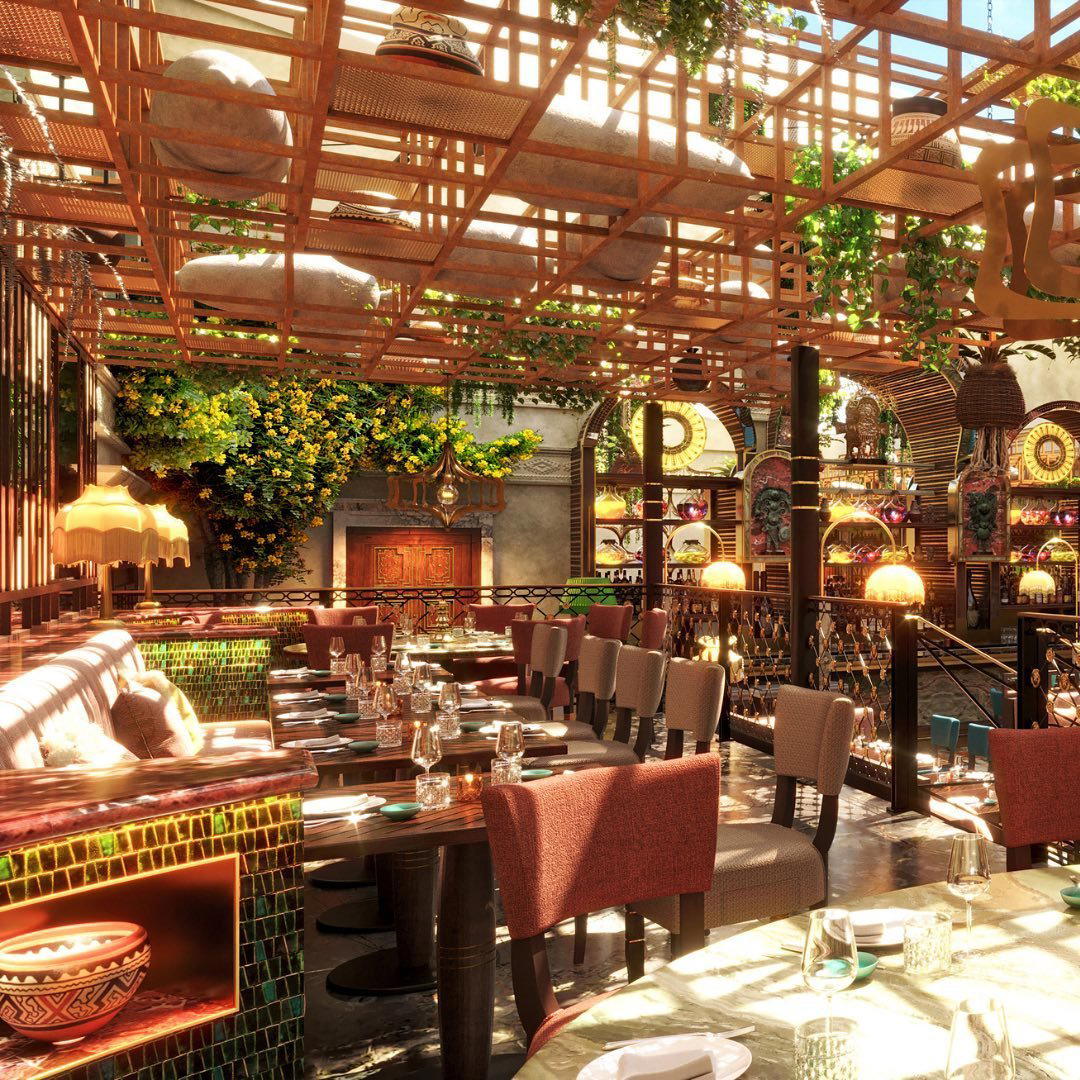
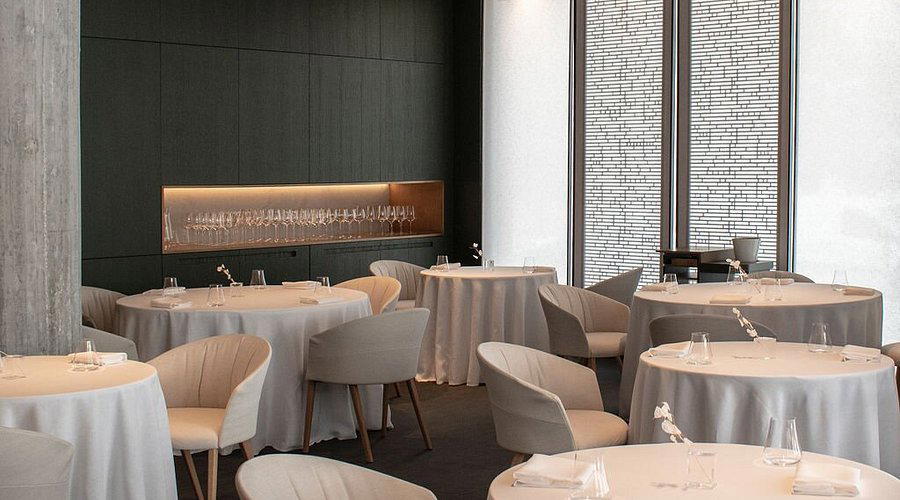
Browse all →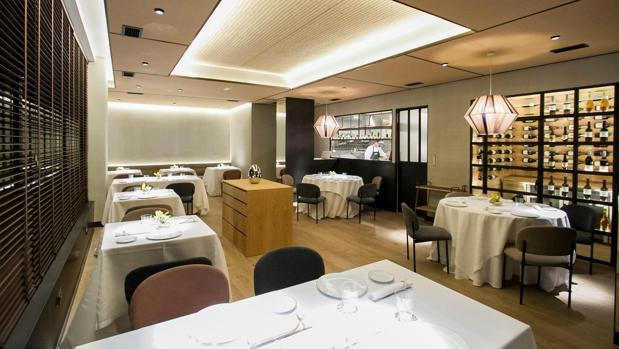
At a Glance
- Elegant
- Sophisticated
- Scenic
- Romantic
- Modern
- Classic
- Honeymoon
- Romantic Getaway
- Wellness Retreat
- Weekend Escape
- Family Vacation
- Group Retreat
- Beachfront
- Infinity Pool
- Destination Spa
- Waterfront
- Garden
- Terrace
- Historic Building
- Panoramic View
- Wi Fi
- Pool
- Spa
- Fitness Center
- Room Service
- Concierge
- Business Center
- Beach Access
- Waterfront
- Garden
- Mountain
- Wi Fi
- Pool
- Spa
- Fitness Center
- Room Service
- Concierge
- Business Center
- Beach Access
A calm, upscale beachfront retreat with soft Mediterranean tones, Andalusian arches and courtyards, landscaped gardens and water features, creating a relaxed yet glamorous atmosphere that feels serene rather than showy.