Bungaraya Island Resort



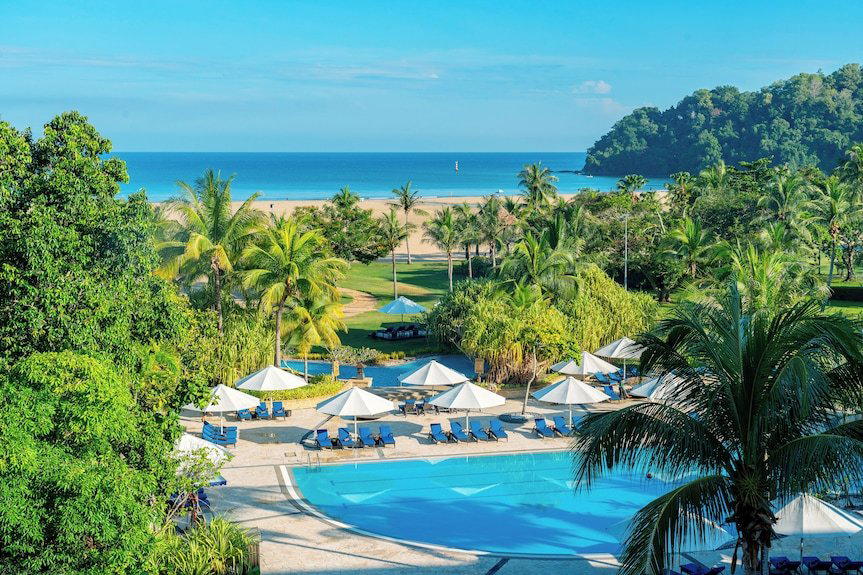
Bungaraya Island Resort occupies Polish Bay on Gaya Island within Tunku Abdul Rahman Park, placing it inside one of Sabah's most protected marine environments. With 48 rooms backed by primary rainforest and fronted by coral reef, the property sits at the quieter, nature-immersed end of Kota Kinabalu's island resort spectrum, a counterpoint to the city's larger branded hotels.
Pearl is the En Primeur Club membership app — saves, bookings, and concierge access live there. Same editors, same standards.
- Address
- Polish Bay, Gaya Island, Tunku Abdul Rahman Park, 88000 Kota Kinabalu, Sabah
- Phone
- +60 88-380 390
- Website
- echoresorts.com
- Directions
- Get directions
 Saves & bookings on Pearl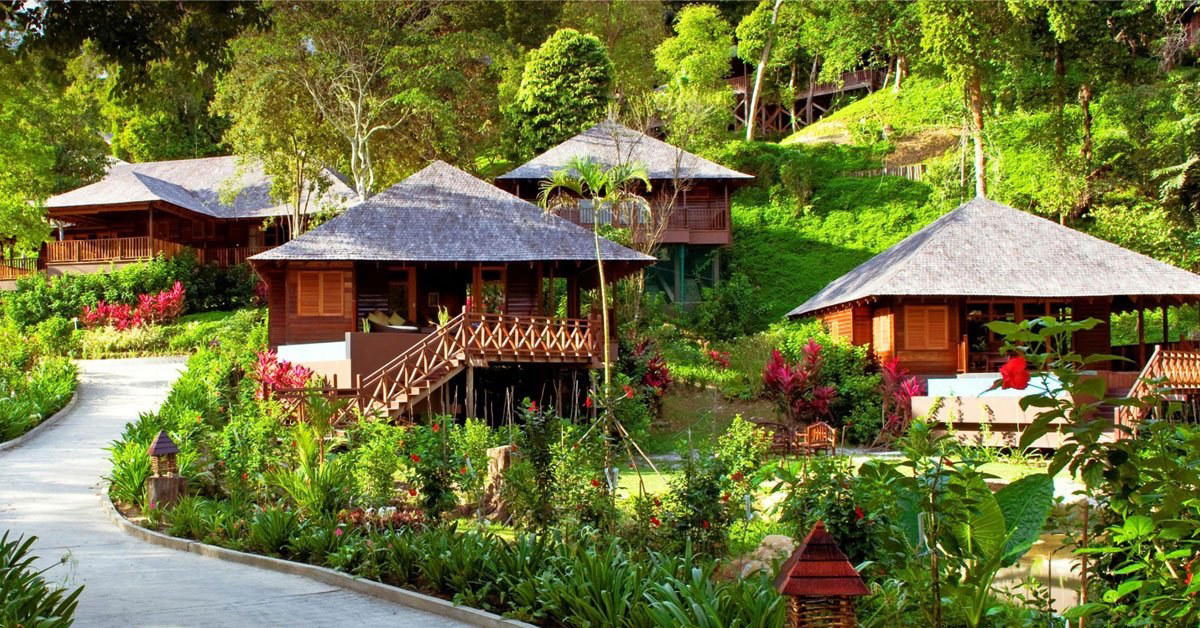
An Island Address Inside a Marine Park
The approach to Gaya Island sets the tone before you arrive. A short boat transfer from Kota Kinabalu's waterfront deposits guests at Polish Bay, a sheltered cove within Tunku Abdul Rahman Park, a five-island marine conservation area that sits just minutes off the Sabah coast. The park designation matters here: it limits development, controls visitor density, and means the reef systems visible from the shore are among the healthier coral environments accessible from any Borneo coastal resort. Bungaraya Island Resort occupies this bay with 47 rooms, backed by primary rainforest on one side and the South China Sea on the other.
Within the broader Kota Kinabalu island resort category, properties range from the urban-adjacent and activity-heavy to the deliberately secluded. Bungaraya sits toward the latter end of that spectrum. The bay's orientation and the forested ridge above it create a physical enclosure that separates the property from the more trafficked parts of Gaya Island, making it a materially different experience from the larger, more service-dense resorts you find along the mainland coast, such as Rasa Ria, Kota Kinabalu. The 48-room scale keeps the property at a low-density configuration that has become a defining characteristic of premium Malaysian island resorts: fewer keys, more controlled access, a quieter ratio of guests to shoreline.
The Dining Programme and What It Signals
Island resorts in Malaysia's national park zones operate under a structural constraint that shapes their food and beverage identity: guests cannot easily leave for dinner. That captive dynamic has historically produced one of two outcomes, perfunctory hotel dining, or a genuine investment in culinary programming that treats the restaurant as a destination in itself. The better properties in this category, from Pangkor Laut Resort in Lumut to The Datai in Langkawi, have leaned heavily into the latter, building dining programmes that reflect local ingredients, Bornean culinary identity, and a sense of place that justifies the geographic remove.
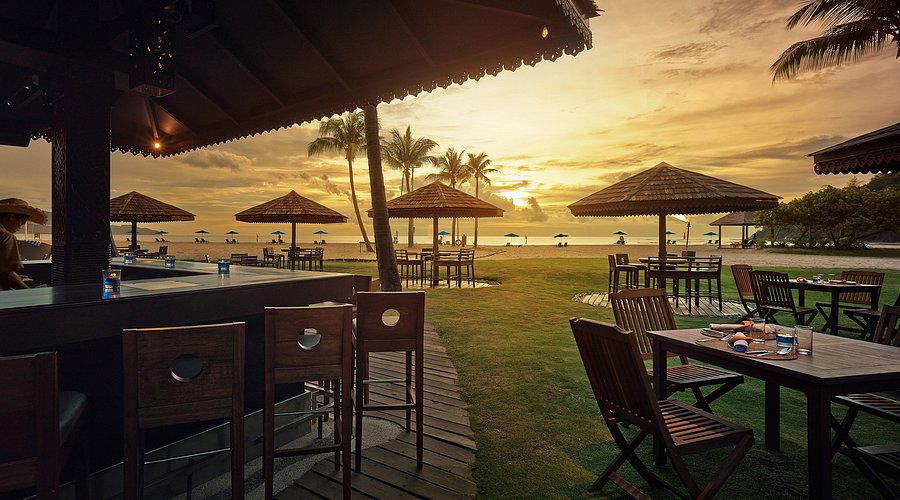
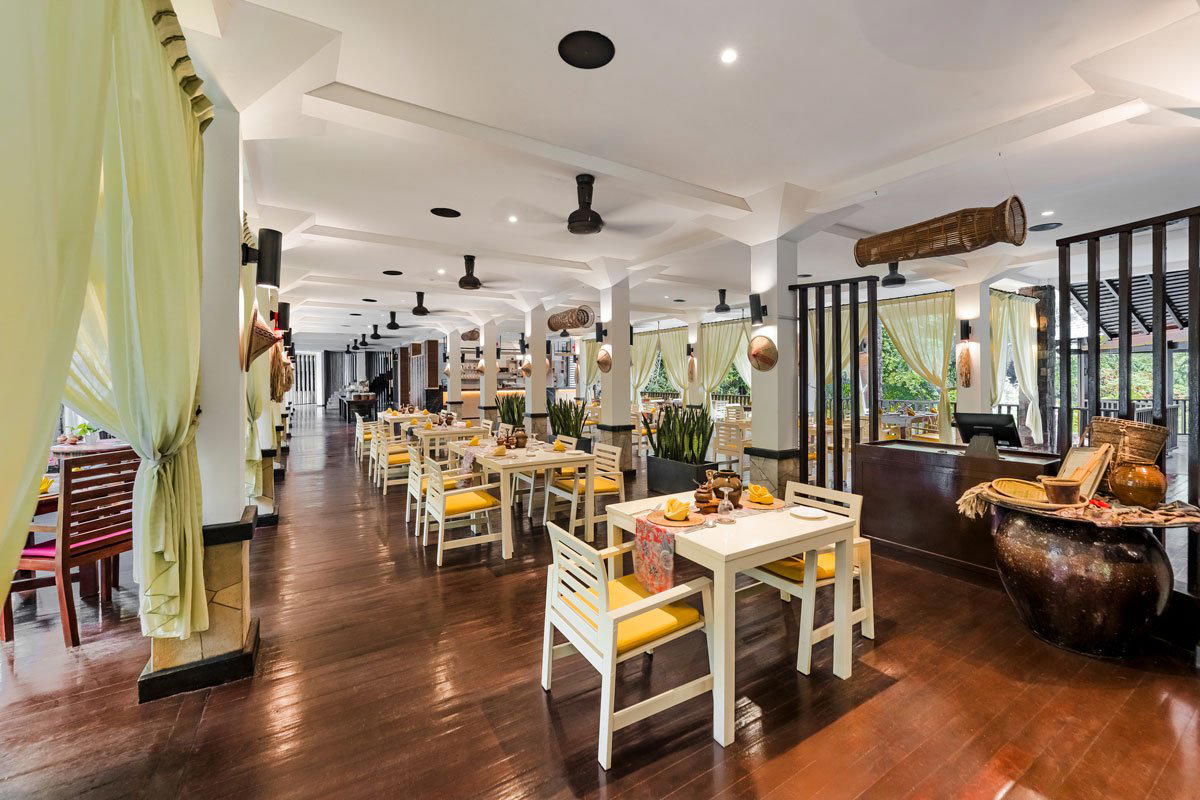
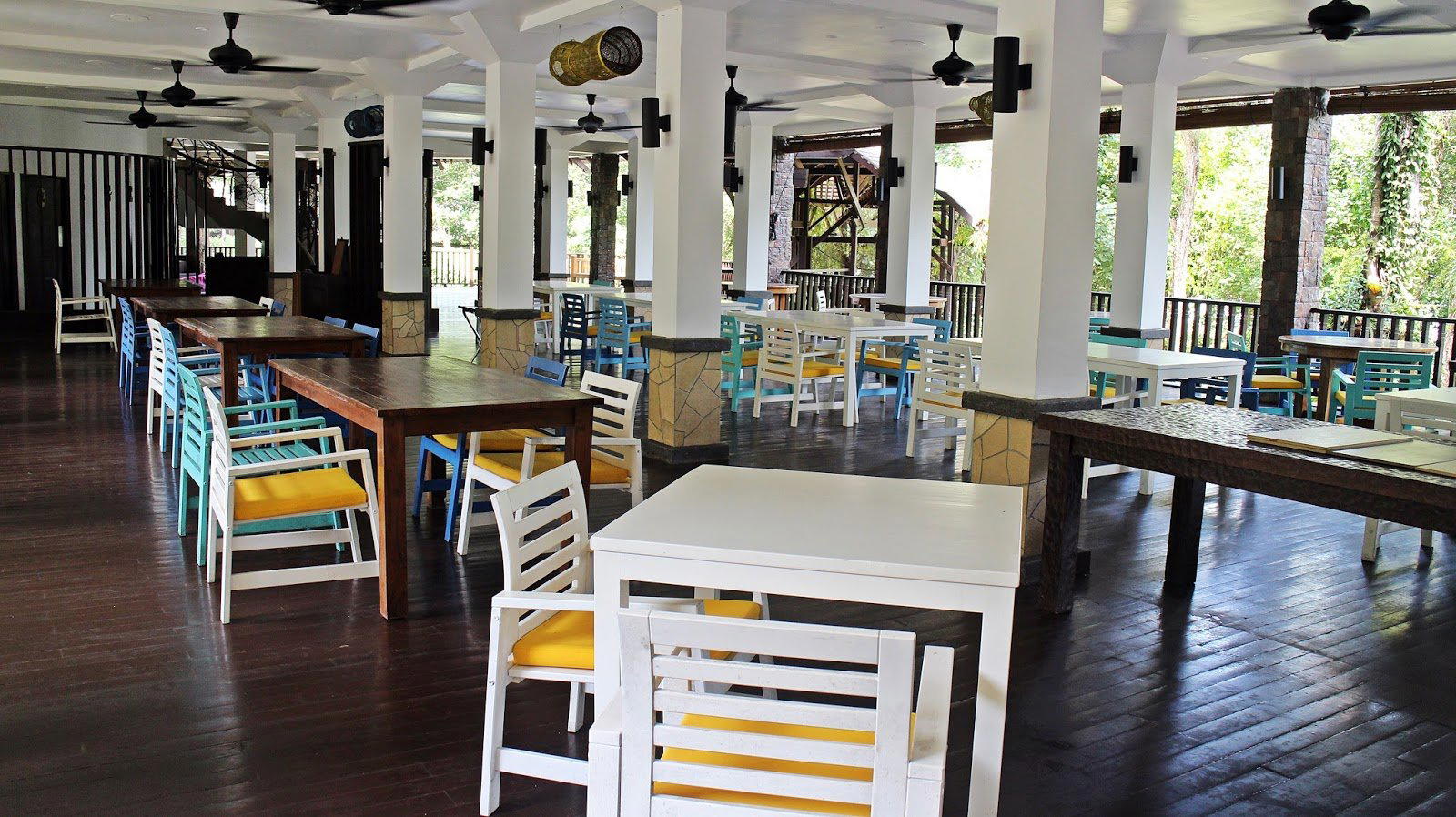
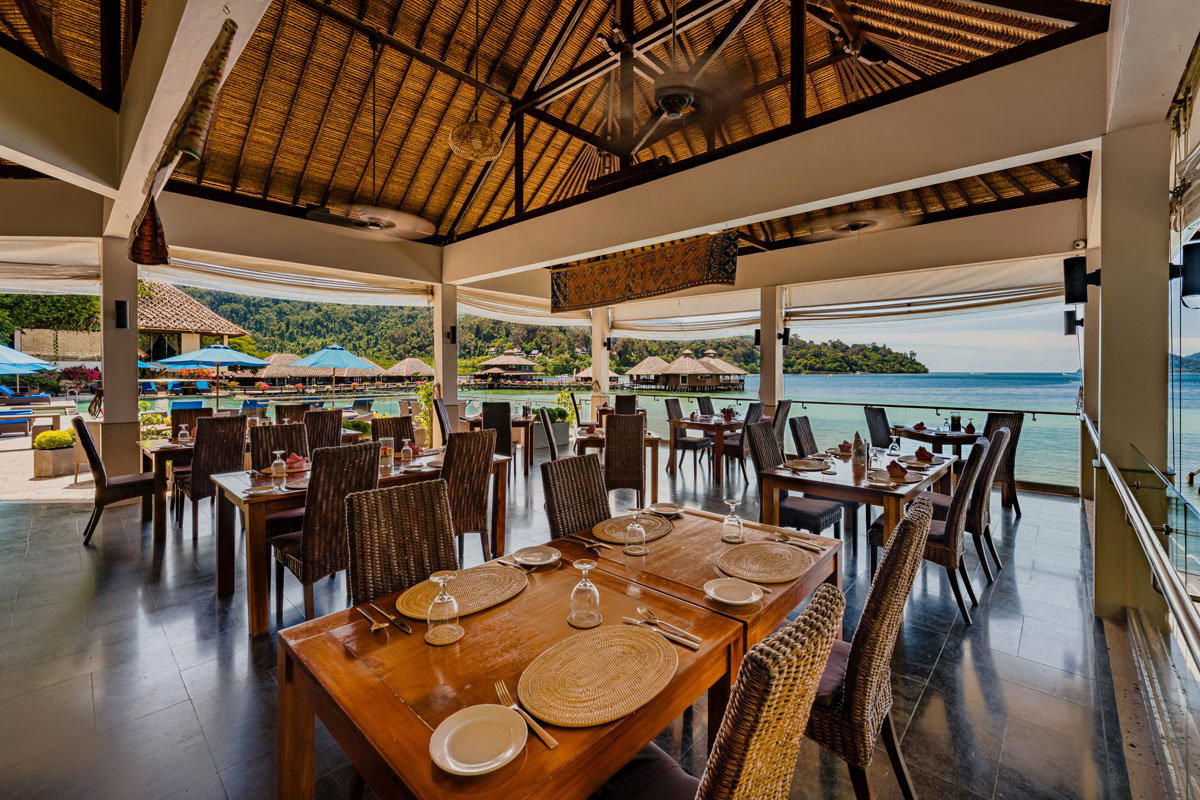
Bungaraya's award recognition signals that it competes in the upper tier of this island resort category rather than the mid-market. That positioning implies a food and beverage offering that goes beyond functional, though What the setting makes almost certain is a reliance on regional seafood, Sabah's waters produce particularly varied marine catch in Southeast Asia, and an emphasis on open-air or at least naturally ventilated dining spaces that take advantage of the bay setting. The physical environment of a property like this becomes architecture for the meal: water views, salt air, the ambient sound of the South China Sea at varying tides.
This approach to island dining contrasts with the more urban culinary formats found at properties like Gayana Marine Resort, which occupies a different part of the Tunku Abdul Rahman island chain and operates within a similar marine park framework. The competitive set for Bungaraya is not the city hotels of Kota Kinabalu but rather the small cohort of Malaysian island resorts where the dining and the natural environment are treated as a single proposition.
Rainforest, Reef, and the Activity Layer
The property offers coral reefs for diving and guided nature walks through indigenous flora and fauna, two distinct activity categories that define the Gaya Island experience and place Bungaraya in a specific experiential bracket. Tunku Abdul Rahman Park is one of the few places in Malaysia where a reef dive and a primary rainforest walk are accessible from the same resort in the same afternoon. That combination gives the property a dual identity: marine resort and rainforest lodge, which are typically separate propositions in Borneo. For the dedicated naturalist, Sukau Rainforest Lodge in Kinabatangan and BORNEO RAINFOREST LODGE in Lahad Datu deliver deeper jungle access and different wildlife corridors, but they sit hours from the coast. Bungaraya's position inside the park collapses that geography, offering a compressed version of Borneo's dual ecosystem appeal within one bay.
The other island resort in the immediate competitive zone, Borneo Eagle Resort, operates within the same Tunku Abdul Rahman archipelago and draws from a similar guest profile. The distinction between these properties tends to come down to scale, room configuration, and how actively each property curates the surrounding marine environment as a dining and activity resource rather than a passive backdrop.
Where Bungaraya Fits in Malaysia's Resort Spectrum
Malaysia's premium resort landscape has developed a recognisable grammar over the past two decades: nature access, low key counts, local design materials, and an emphasis on environmental credentials. This pattern runs from Cameron Highlands Resort in Pahang Darul Makmur in the highlands to the coastal properties along both peninsular and Borneo shorelines. Bungaraya's 48-room scale and marine park address position it within that grammar, distinguishing it from the larger urban properties that anchor the Malaysian hospitality market, properties such as Sunway Resort Hotel in Selangor or Ascott Kuala Lumpur Jalan Pinang in Kuala Lumpur, that operate on an entirely different logic of scale and access.
For guests arriving at Kota Kinabalu International Airport and choosing between a city-adjacent hotel and an island property, the Bungaraya proposition requires a commitment: the boat transfer, the physical remove from the city, and the marine park resort setting. That commitment filters for a specific type of traveller, and the resort's award positioning suggests it has calibrated its offering accordingly.
Planning Your Stay
Tunku Abdul Rahman Park sees its heaviest day-tripper traffic from Kota Kinabalu on weekends, which makes the enclosed bay at Polish Bay a more relevant consideration than it would be on a remote island property; the resort's positioning within the bay provides meaningful separation from day-visitor zones.
Cost Snapshot
Comparable venues nearby, for context on price, style, and recognition.
| Venue | Price | Awards | Notes |
|---|---|---|---|
| Bungaraya Island ResortThis venue — the venue you are viewing | $$$$ | 5-Star | Not listed |
| Shangri-La Rasa Ria, Kota Kinabalu | $$$$ | 5-Star | Tuaran, Luxury beachfront resort set in a nature reserve |
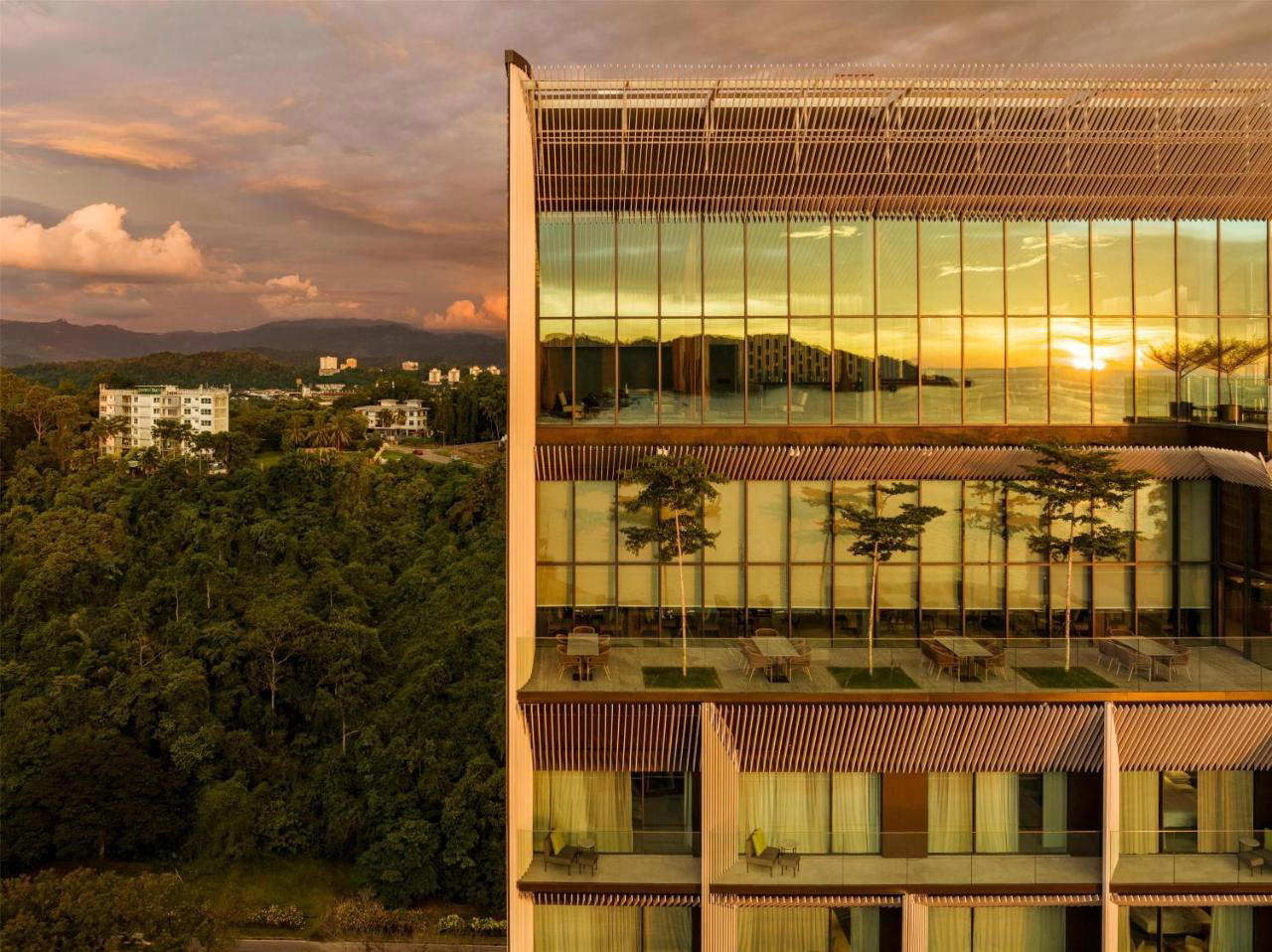
| Hyatt Centric Kota Kinabalu | $$$ | 5-Star | Pusat Bandar Kota Kinabalu, Contemporary lifestyle hotel blending Bornean nature with modern design principles; positioned as a cultural and experiential destination rather than traditional luxury. |
| Borneo Eagle Resort | $$$$ | 5-Star | Pulau Tiga, Luxury boutique resort with rustic architecture designed around natural environment conservation principles. |
| Gayana Eco Resort | $$$$ | 5-Star | Gaya Island, Contemporary tropical eco-resort with overwater villas |
| Gayana Marine Resort | $$$$ | 5-Star | Gaya Island, Luxury eco-resort with stilted overwater villas inspired by Borneo architecture and traditions, blending natural minimalism with modern sophistication. |
Recognition history
Dated appearances from independent guides and award organizations, with the underlying list record or original source where available.
Michelin Selected
Michelin
Preferred Hotels L.V.X. Collection
Preferred Hotels
Small Luxury Hotels of the World Member
Small Luxury Hotels of the World
Continue exploring
More in Kota Kinabalu
Hotels in Kota Kinabalu
Browse all →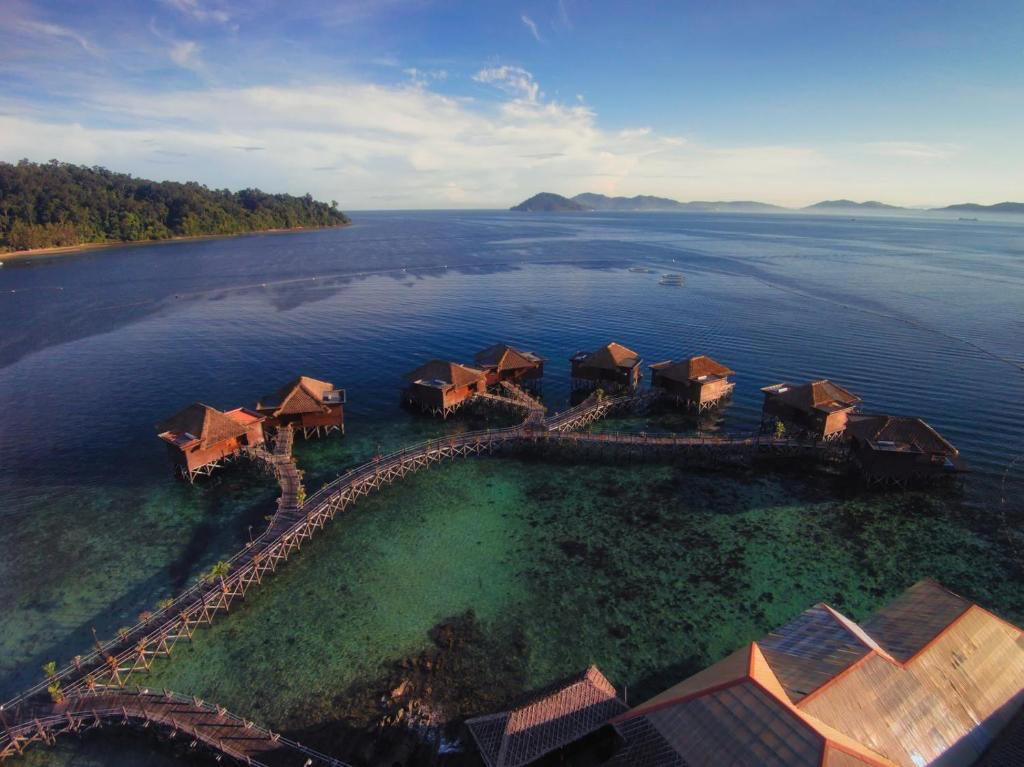
Bars in Kota Kinabalu
Browse all →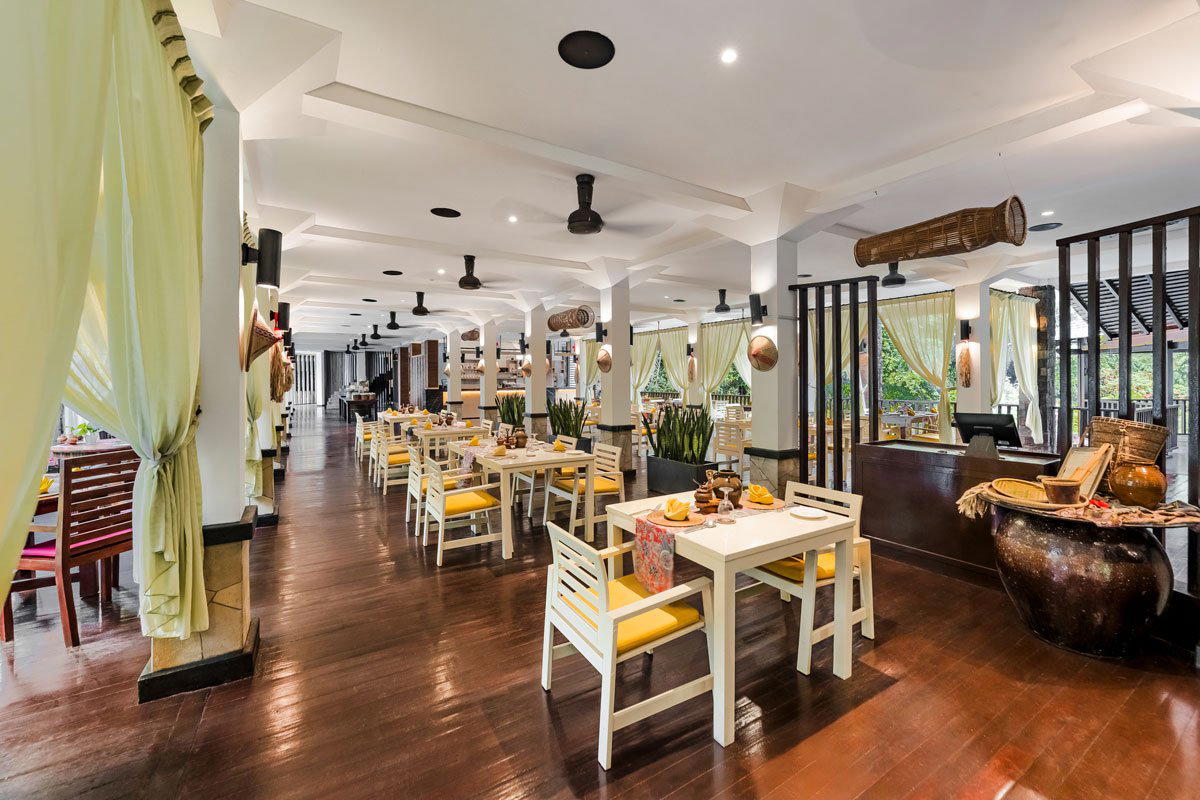
At a Glance
- Romantic
- Scenic
- Elegant
- Intimate
- Sophisticated
- Honeymoon
- Romantic Getaway
- Wellness Retreat
- Weekend Escape
- Beachfront
- Infinity Pool
- Private Villa
- Destination Spa
- Panoramic View
- Wi Fi
- Pool
- Spa
- Fitness Center
- Room Service
- Concierge
- Beach Access
- Waterfront
- Wi Fi
- Pool
- Spa
- Fitness Center
- Room Service
- Concierge
- Beach Access
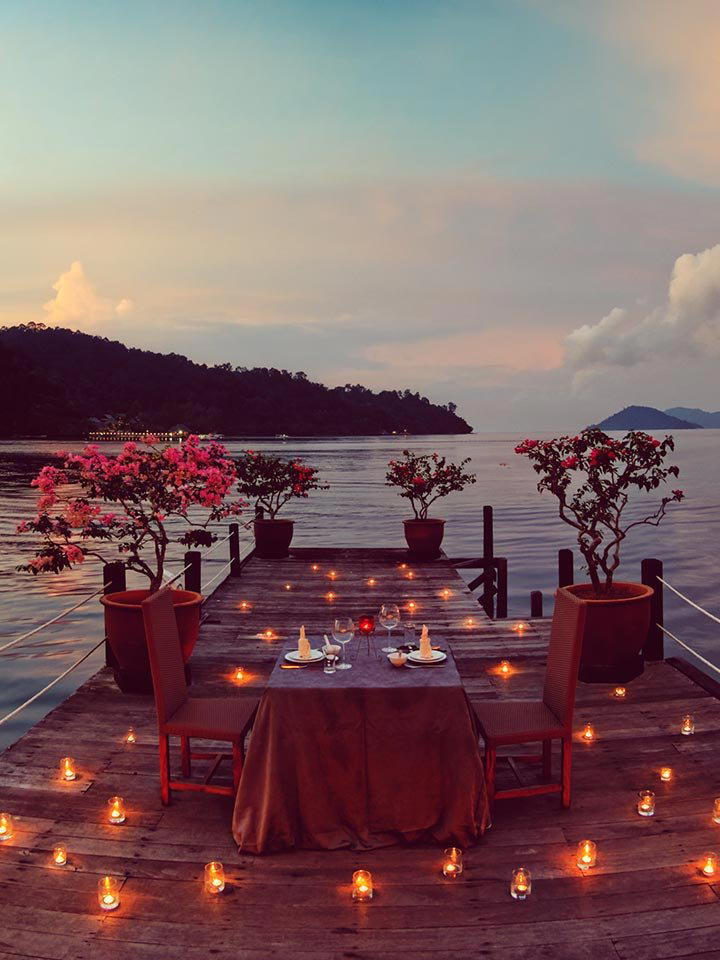
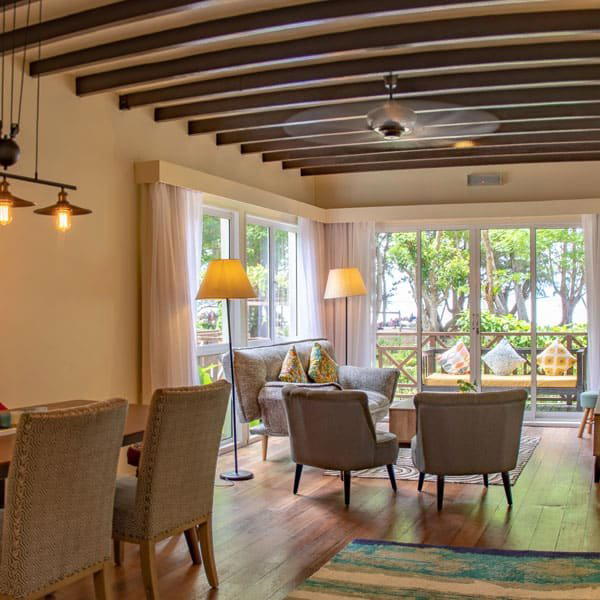
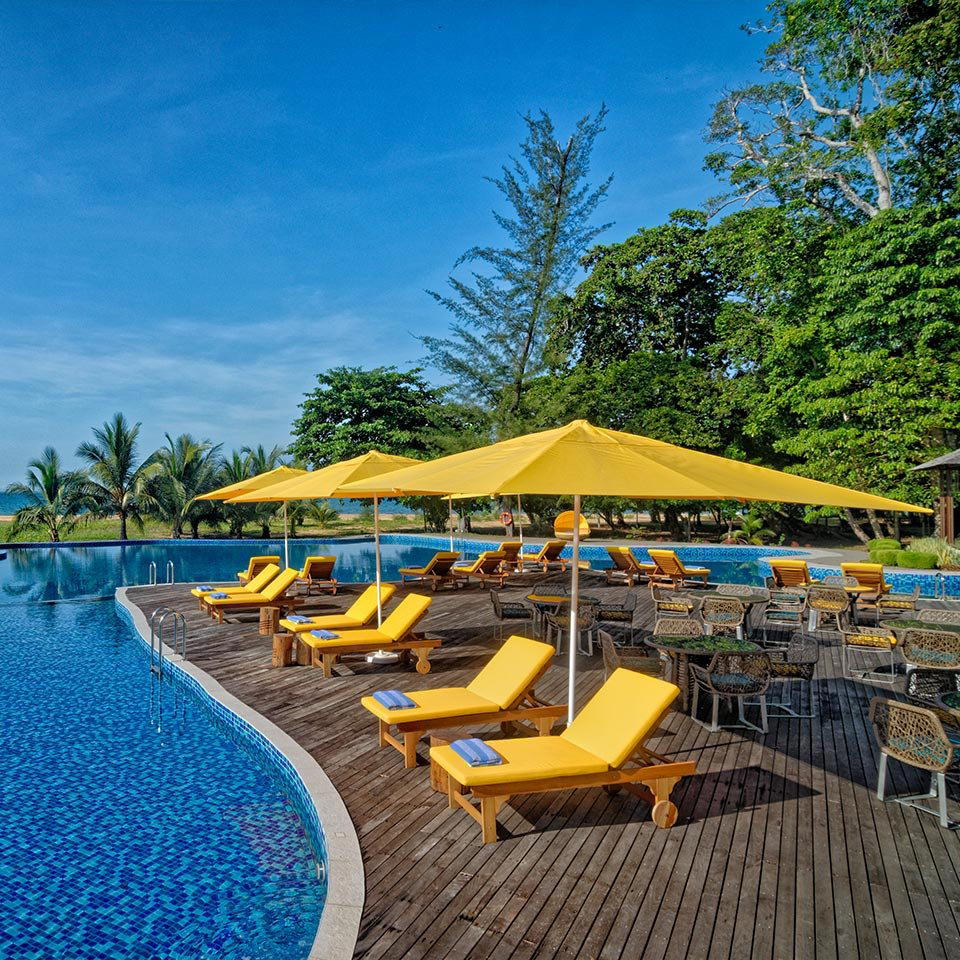
Relaxed and zen-like atmosphere blending virgin jungle and white sand beach, with natural lighting from private balconies and exotic spa pavilions.