Four Seasons Resort The Biltmore Santa Barbara
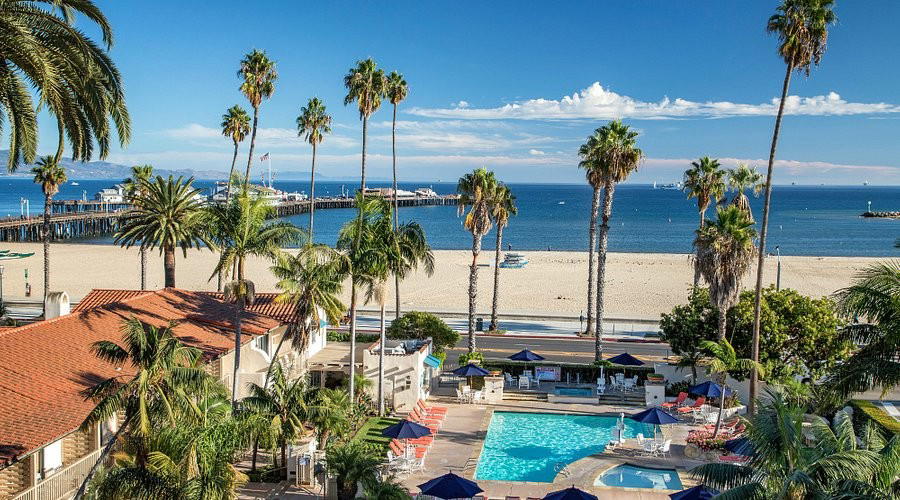
The Four Seasons Resort The Biltmore Santa Barbara occupies one of Montecito's most architecturally significant coastal plots, where Spanish Colonial Revival buildings from the 1920s meet the California Riviera shoreline. For architecture-led travel, few properties on the West Coast offer this combination of period detail and oceanfront position.

Pearl is the En Primeur Club membership app, where members save venues, book tables and use the concierge.
A Building That Precedes Its Brand
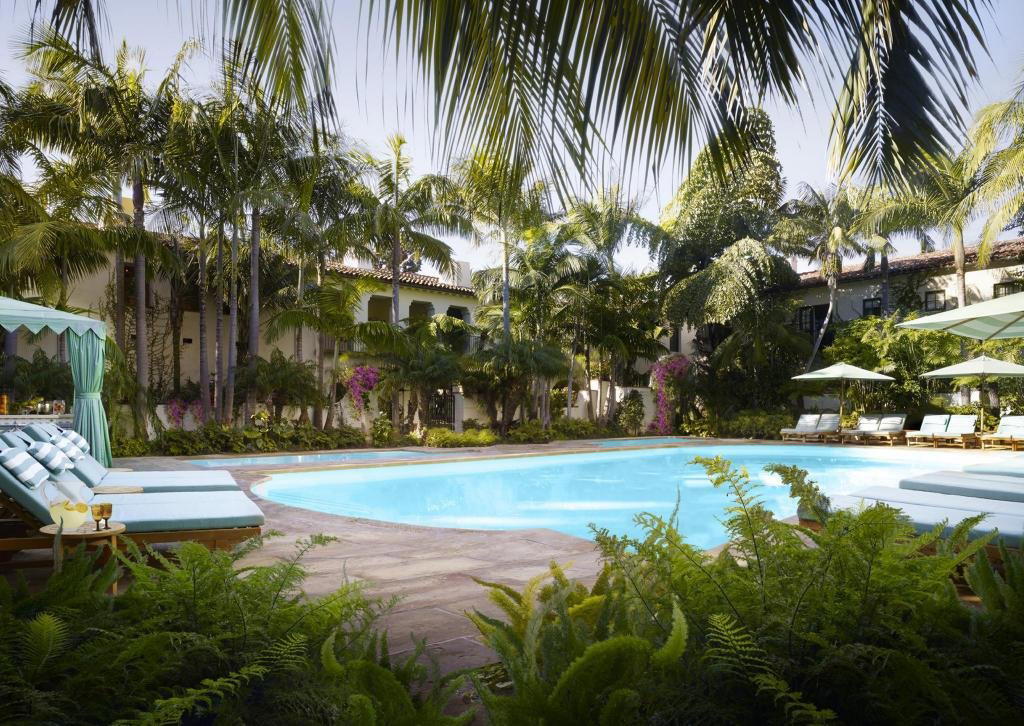
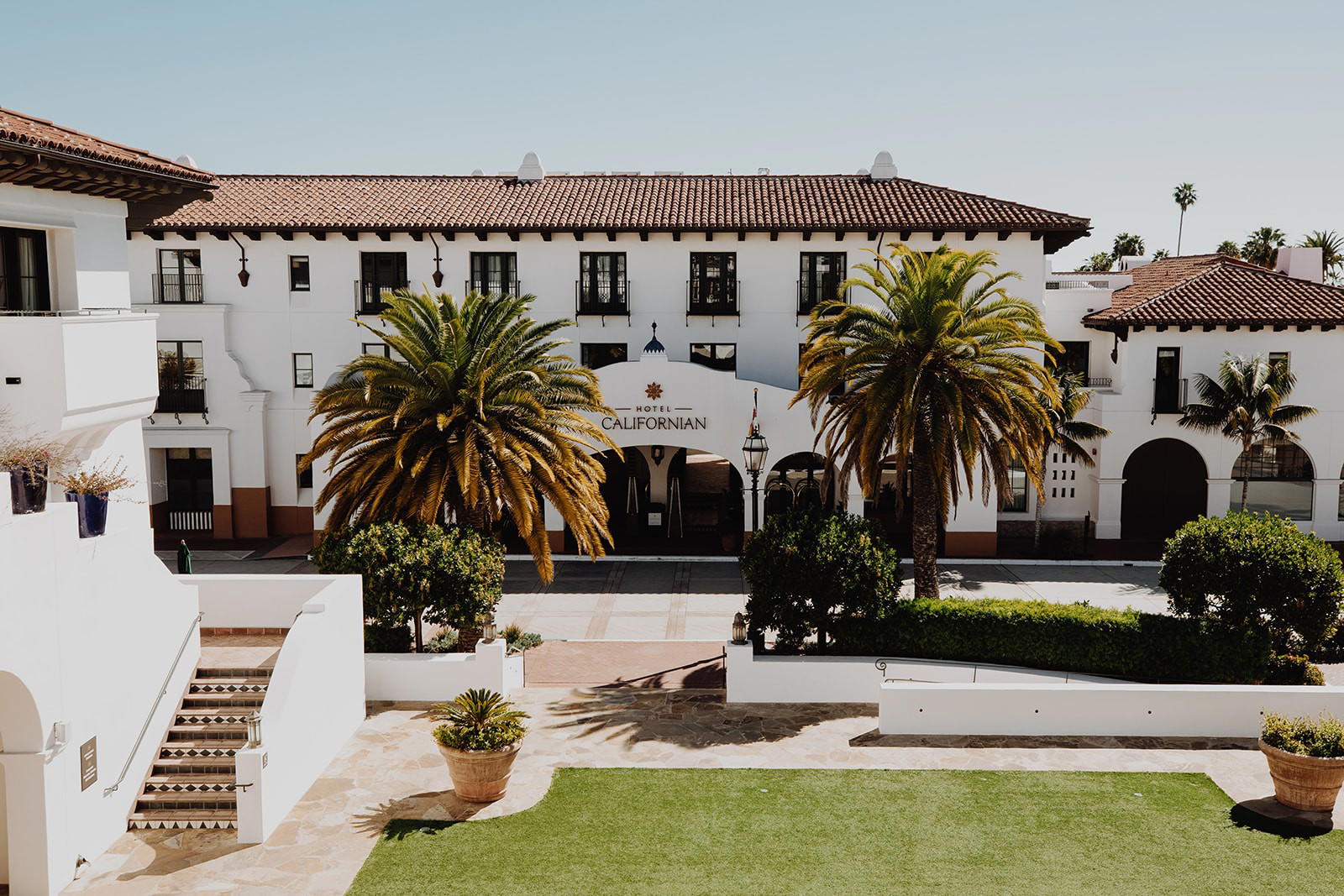
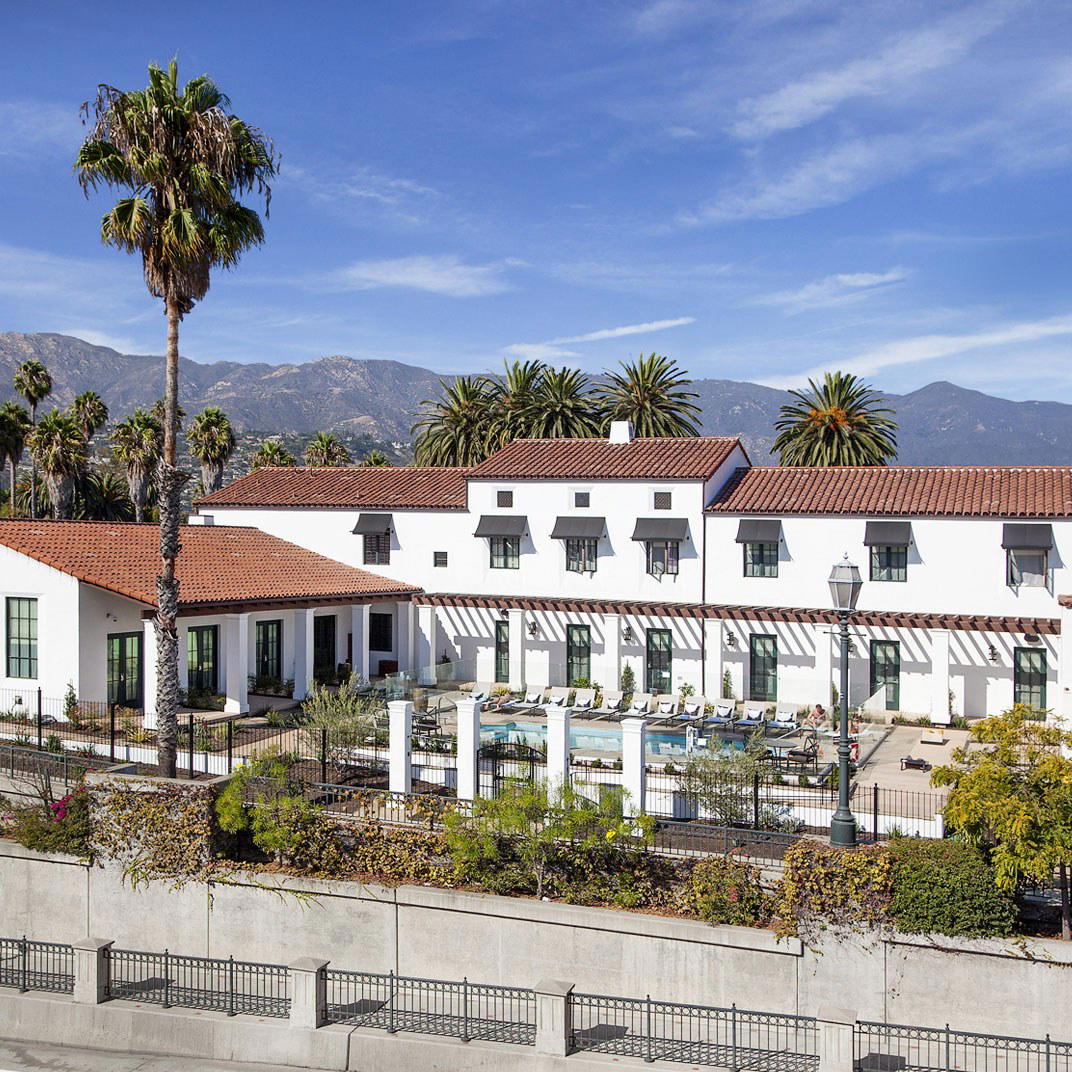
Along Channel Drive in Montecito, the Biltmore's low-slung, red-tile roofline reads as California's answer to the grand European resort hotel. The Spanish Colonial Revival structure dates to 1927, when Reginald Johnson, the same architect responsible for several of Pasadena's most admired civic buildings, designed it to anchor what was then being positioned as the American Riviera. Nearly a century later, the bones of that original commission remain legible: the arcaded loggias, the whitewashed stucco walls, the interior courtyards that pull ocean light inward. Four Seasons assumed management in 1987, but the building was never remade in the brand's image. The architecture came first, and the operation arranged itself around it.
That relationship between historic structure and contemporary management is the defining tension inside a very small category of American resort hotels. Properties like The Fifth Avenue Hotel in New York City and Chicago Athletic Association in Chicago belong to a similar tradition: buildings that carry institutional memory, where the renovation brief is preservation as much as upgrade. At the Biltmore, this plays out in spatial terms. Rooms open onto gardens rather than corridors. Public areas feel proportioned for gathering, not throughput. The resort's 22 acres absorb guests rather than concentrate them.
What the Spanish Colonial Revival Style Actually Means Here
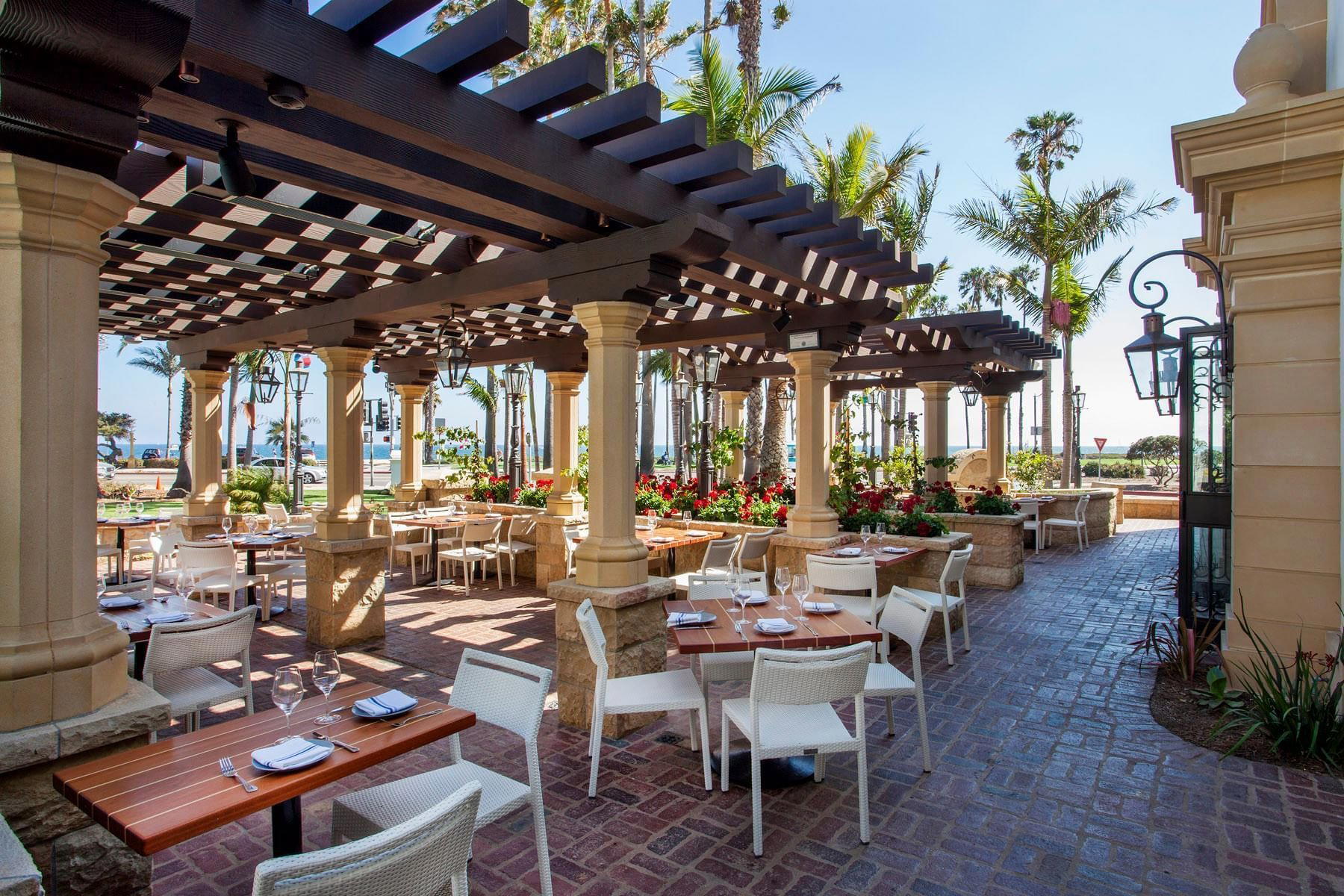
Spanish Colonial Revival was California's dominant resort idiom from roughly 1915 through the 1940s, and the Biltmore represents one of the more complete surviving examples. The style draws on mission architecture, enclosed courtyards, terracotta detail, arched openings, but amplifies it for leisure use, replacing austerity with ornament and shade. At the Biltmore, the covered walkways that connect the main building to cottage clusters function as thermal regulators as much as circulation routes: the deep eaves keep the interior temperature stable and the light diffuse, which gives the property a particular quality in mid-afternoon when direct sun elsewhere on the coast becomes harsh.
This is architecture that rewards arrival on foot from the street rather than through a porte-cochère, because the sequence of spaces, from the Channel Drive entrance through the garden terraces toward the water, unfolds deliberately. The Pacific appears at the end of that sequence, framed by the property's mature plantings. Comparable properties that lean into site-responsive design include Post Ranch Inn in Big Sur and Amangiri in Canyon Point, though both operate in a contemporary architectural register. The Biltmore's distinction is that its site relationship was designed in, not conceived retrospectively.
Montecito's Resort Tier and the Biltmore's Position in It
Montecito operates as a separate resort market from Santa Barbara proper, with a smaller set of properties competing at the top of the California coastal price range. The immediate peer group is tight: Rosewood Miramar Beach arrived in 2019 with a newer physical plant and direct beach access, while San Ysidro Ranch occupies its own category as a hillside property with a different spatial logic entirely. The Biltmore's position is defined by its combination of oceanfront acreage and architectural age, which makes it a different kind of choice rather than a direct competitor on amenity count.
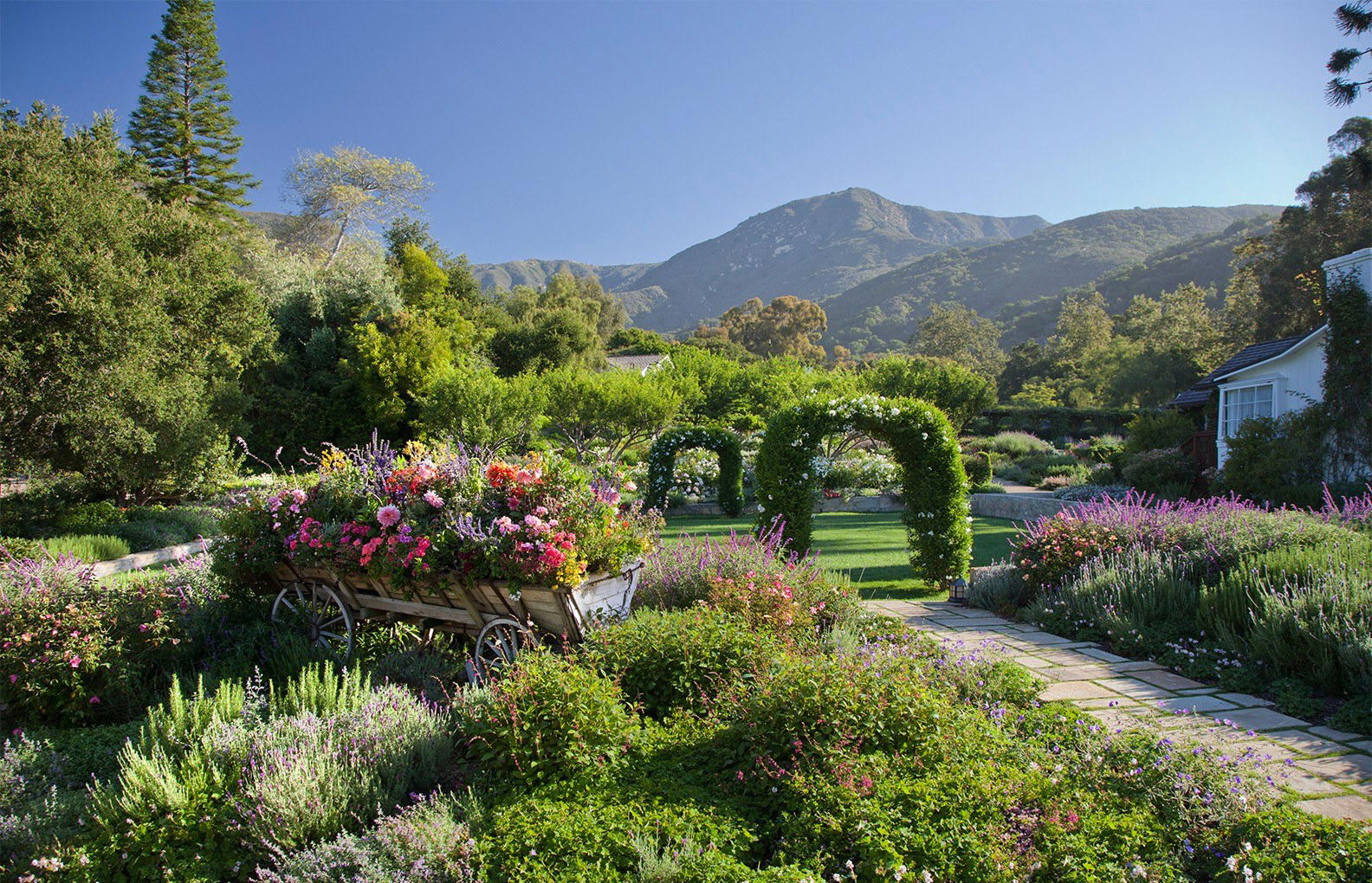
For guests who weight historic fabric above amenity novelty, the Biltmore occupies a position similar to what Hotel Bel-Air in Los Angeles holds in its market: a property whose value proposition is partially irreproducible because the grounds and structure took decades to develop. The garden maturity alone, bougainvillea at full establishment, fig trees at scale, represents a timeline that cannot be accelerated by capital investment. Newer properties, however well-designed, begin from zero on that axis. See our full Montecito restaurants guide for the broader context of what the area offers across dining and hospitality.
The Coastal California Resort Tradition This Property Represents
The Biltmore belongs to a lineage of California resort hotels built between the wars for an East Coast and Midwest clientele who arrived by rail. The Southern Pacific's Daylight service made Santa Barbara accessible from Los Angeles in under three hours, and resort developers positioned the California coast as a Mediterranean analogue: mild winters, predictable sun, Spanish architectural reference. That positioning proved durable in ways its originators could not have predicted; the Mediterranean comparison still holds, and the Biltmore's architectural vocabulary still reads as geographically appropriate rather than arbitrary.
Within this tradition, the properties that have survived in original or near-original condition are genuinely rare. Many of California's grand interwar resort hotels were demolished, converted, or so heavily altered that the original design intent is no longer recoverable. The Biltmore's survival as a recognizable Johnson commission, operating in its original program, places it in a small national category alongside properties like Bernardus Lodge & Spa in Carmel Valley and Troutbeck in Amenia, historic properties where the building's age is an active element of the guest experience rather than background context.
Planning a Stay: What to Know Before Booking
The Biltmore's 22-acre footprint means that room category selection matters more than at properties with a single building type. Cottage accommodations sit within the garden rather than the main structure and offer different adjacency to the resort's central facilities. Channel Drive runs between the hotel's southern gardens and the beach access point, which is a practical consideration for guests whose primary orientation is toward the water. Montecito is accessible from Santa Barbara Airport (roughly a 15-minute drive), and the property's position on the lower Montecito coast puts it closer to the Carpinteria end of the coastline than to downtown Santa Barbara, which is worth accounting for in planning day-trip logistics.
For comparison reference at this price tier and format on the West Coast, Auberge du Soleil in Napa and SingleThread Farm Inn in Healdsburg represent the Northern California equivalents of the high-end resort-inn category, though both operate without the coastal oceanfront position. Further afield, Little Palm Island Resort & Spa in Little Torch Key, Four Seasons at The Surf Club in Surfside, and Kona Village, A Rosewood Resort in Kailua Kona cover the domestic coastal resort tier if regional alternatives are useful for planning context. International reference points at the historic-luxury intersection include Aman Venice in Venice, Badrutt's Palace Hotel in St. Moritz, and Raffles Boston in Boston, each a case study in how heritage buildings absorb contemporary luxury management.
At-a-Glance Comparison
| Venue | Price | Awards |
|---|---|---|
| Four Seasons Resort The Biltmore Santa BarbaraThis venue (the venue you are viewing) | Not listed | Not listed |
| Aman New York | Not listed | 3 Michelin Keys · World's 50 Best #87 |
| Amangiri | $1,000–1,500 | 3 Michelin Keys · World's 50 Best #45 |
| Hotel Bel-Air | $750–1,000 | 3 Michelin Keys · World's 50 Best #57 |
| The Beverly Hills Hotel | Not listed | 3 Michelin Keys · World's 50 Best #65 |
| The Carlyle, A Rosewood Hotel | $1,500–2,500 | 2 Michelin Keys · World's 50 Best #64 |
Continue exploring
More in Montecito
Hotels in Montecito
All hotels in Montecito →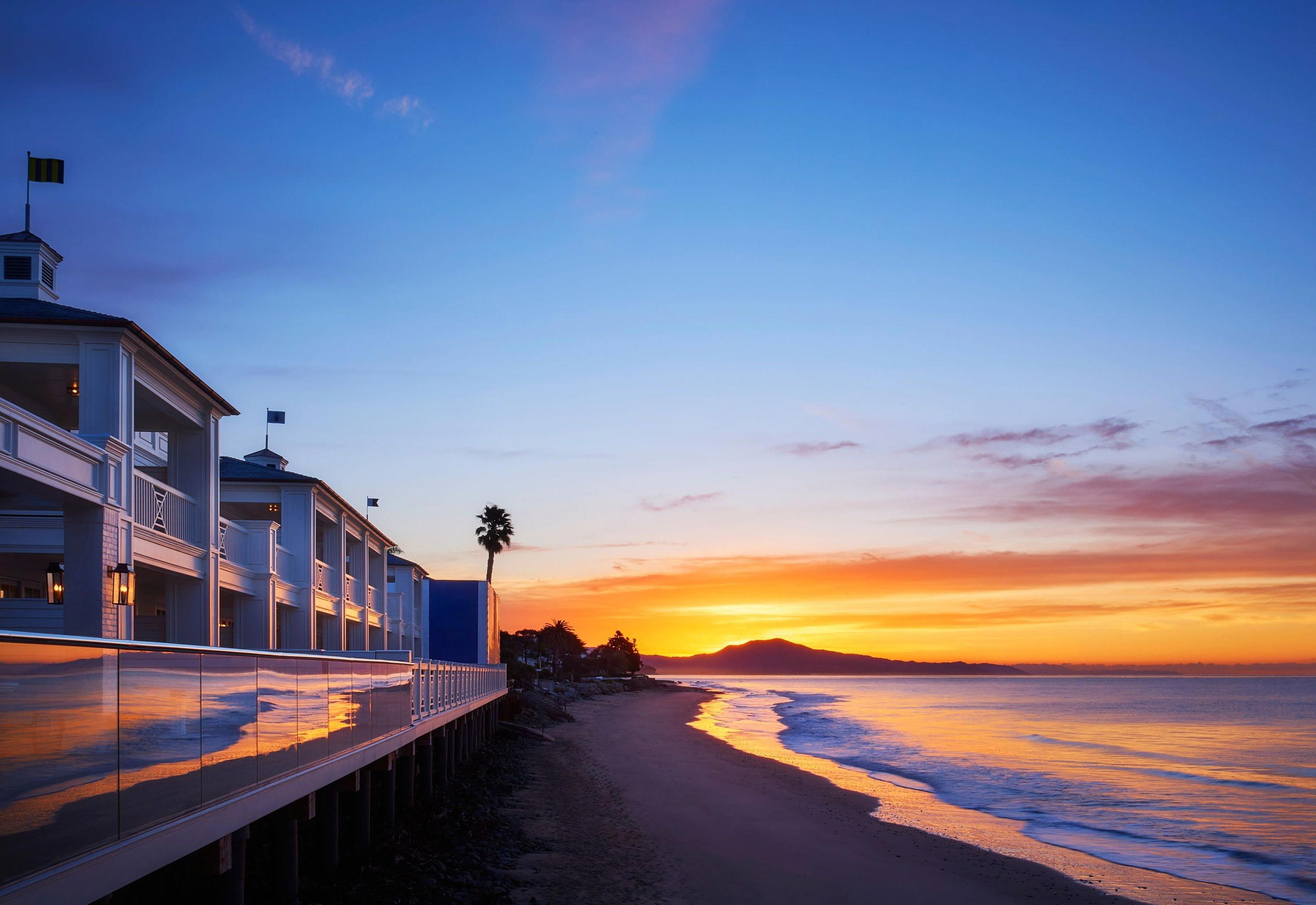
Bars in Montecito
All bars in Montecito →
Details
- Elegant
- Classic
- Scenic
- Sophisticated
- Romantic
- Romantic Getaway
- Family Vacation
- Honeymoon
- Weekend Escape
- Beachfront
- Infinity Pool
- Historic Building
- Garden
- Panoramic View
- Pool
- Spa
- Fitness Center
- Room Service
- Concierge
- Valet Parking
- Kids Club
- Beach Access
- Waterfront
- Garden
- Mountain
Romantic gas lanterns light brick pathways through lush tropical gardens, creating a glamorous yet comfortable old-world Spanish Colonial atmosphere.