Four Seasons Private Residences Mumbai belongs to a different Mumbai hospitality category: branded residential living in Upper Worli rather than a conventional hotel stay. The address places it inside the city’s vertical, business-facing luxury corridor, useful for readers comparing South Mumbai heritage hotels, airport properties, and longer-stay residential formats.
Pearl is the En Primeur Club membership app — saves, bookings, and concierge access live there. Same editors, same standards.
- Address
- 1H, 136, Dr Elijah Moses Rd, Gandhi Nagar, Upper Worli, Worli, Mumbai, Maharashtra 400018, India
- Phone
- +91 22 2481 6000
- Website
- fourseasons.com
- Directions
- Get directions
 Saves & bookings on Pearl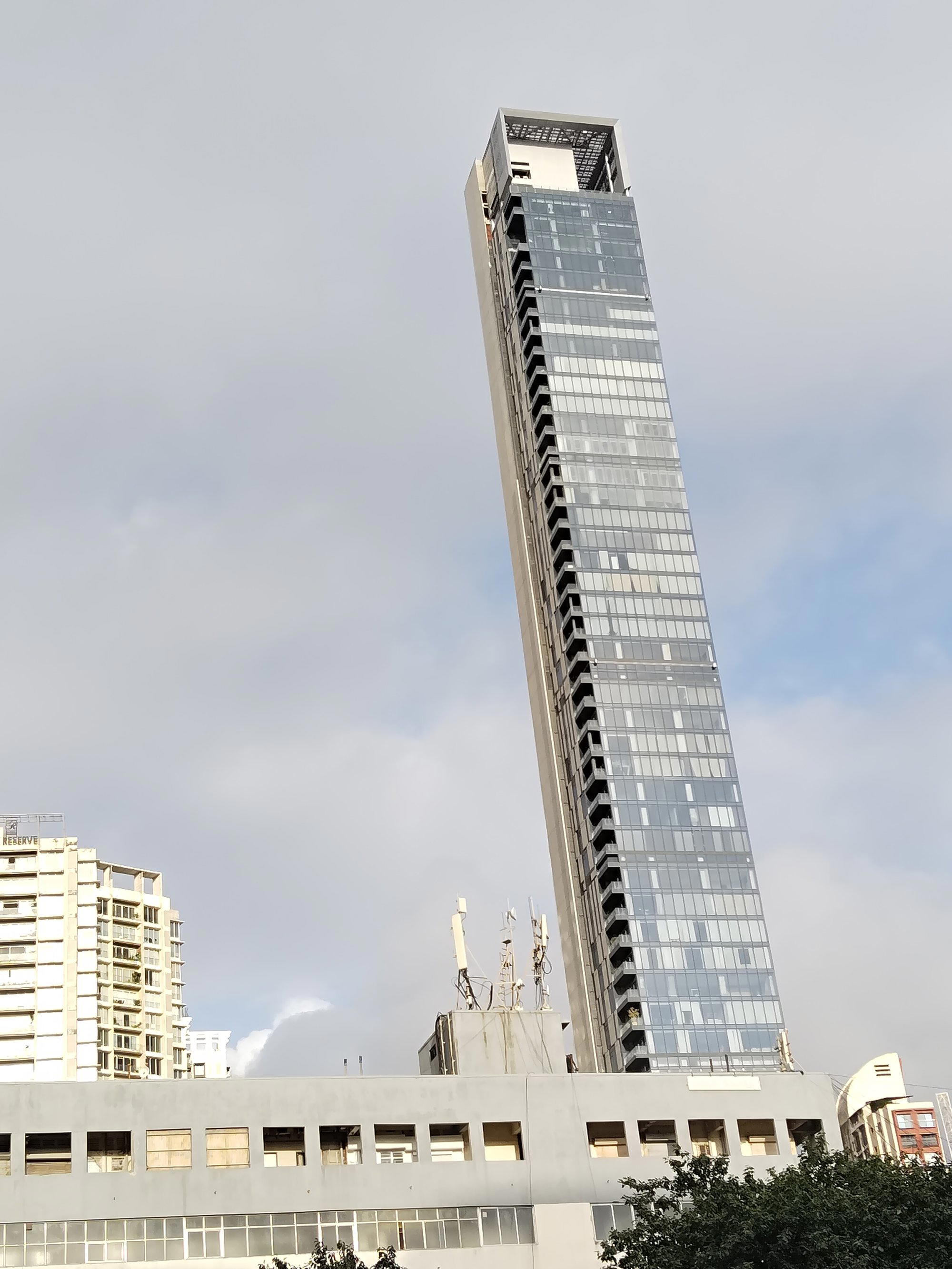
Upper Worli, Seen Vertically
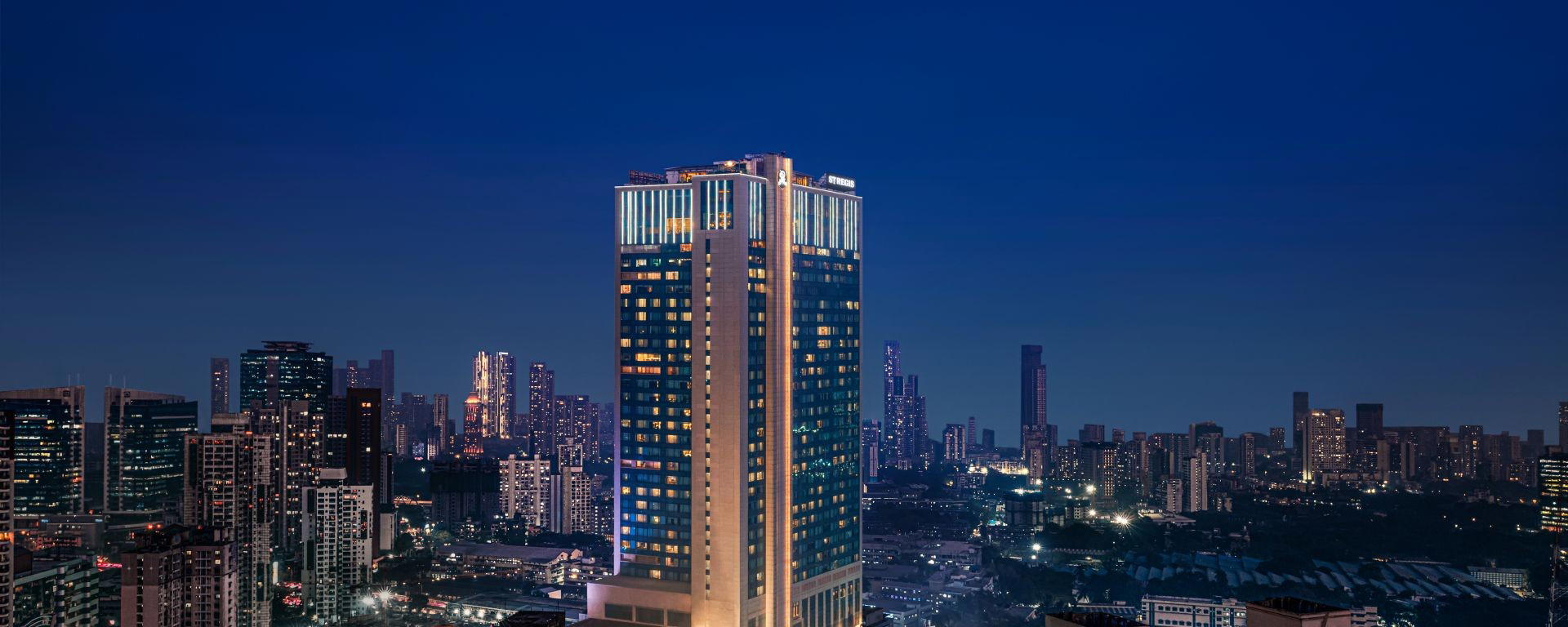
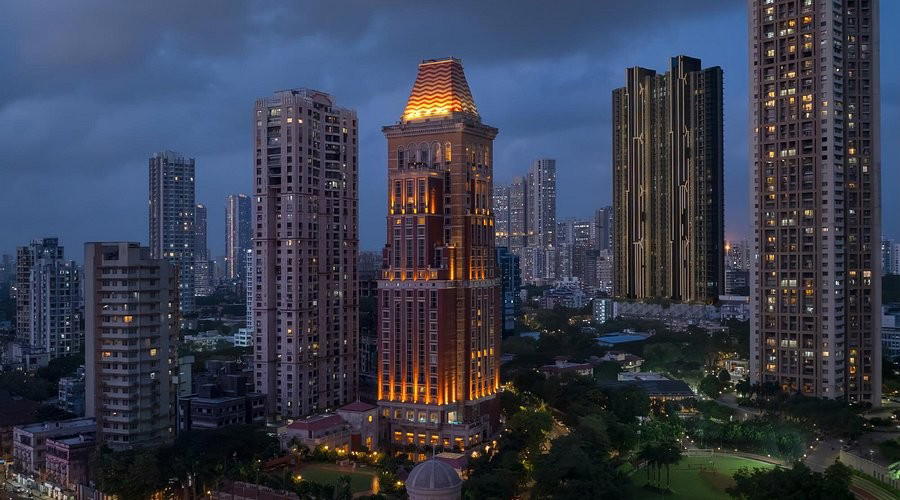
Approaching Upper Worli is less about a postcard arrival than a shift in Mumbai’s scale. The city tightens into flyovers, office towers, residential high-rises, and construction-era ambition, with the old mill district no longer reading as industrial so much as corporate and residential. In that setting, Four Seasons Private Residences Mumbai belongs to the city’s newer language of luxury: height, privacy, controlled access, and branded residential familiarity rather than palace-hotel ceremony or boutique neighbourhood immersion.
This distinction matters. Mumbai’s high-end hospitality market is not a single category. South Mumbai trades on colonial-era architecture, sea-facing addresses, and institutional memory. Bandra-Kurla Complex and the airport corridor answer the business-travel brief with scale and efficiency. Worli sits between those poles, physically and culturally, with quick access to corporate districts, central-city neighbourhoods, and the western seafront. A private-residence address at 1H, 136, Dr Elijah Moses Road, Gandhi Nagar, Upper Worli, therefore signals a different kind of stay: less lobby theatre, more controlled urban base.
The Design Question in Mumbai Luxury
Luxury design in Mumbai has split into three visible camps. The heritage camp is led by buildings whose architecture carries civic history, most clearly The Taj Mahal Palace, Mumbai. The boutique camp works through restored urban fabric, smaller footprints, and neighbourhood texture, a useful lens for reading Abode Bombay. The vertical luxury camp is newer in tone: towers, branded residences, service infrastructure, and a design vocabulary built around privacy and insulation from the street.
The Upper Worli address places Four Seasons Private Residences Mumbai in that third camp. The editorial reading should stay anchored to category and location. The value proposition is not a documented chef, a recorded spa program, or a cited award shelf. It is the branded-residence format in one of Mumbai’s dense, high-value urban corridors. For readers comparing options, that is a meaningful distinction rather than a minor label.
Private Residences Are Not Conventional Hotels
Branded private residences occupy a liminal space in travel: they borrow the service expectations of hospitality but are shaped by residential logic. The result can suit longer stays, relocation periods, family travel, corporate assignments, or travellers who want the privacy of an apartment-style base without removing themselves from a known luxury ecosystem. It is not the same decision as choosing a grand hotel for a two-night occasion stay.
That difference becomes clearer when set against Four Seasons Hotel Mumbai, which belongs to the more legible hotel category. A hotel usually makes its public identity through dining, lobby life, bars, event spaces, wellness facilities, and visible service rituals. A private residence is judged by quieter metrics: address quality, building management, privacy, ease of movement, and how well domestic space handles the pressures of the city outside. The design conversation shifts from spectacle to livability.
Why Worli Changes the Stay
Worli has become one of Mumbai’s clearest examples of post-industrial reinvention. Former mill land, arterial roads, premium residential towers, office activity, and proximity to the sea all meet here, although not always gently. It is a district of movement rather than leisurely strolling. The traveller who wants pavement-level discovery at the doorstep may feel better served in Colaba, Kala Ghoda, or parts of Bandra. The traveller who needs a composed base between meetings, family commitments, and cross-city movement may find Upper Worli’s centrality more persuasive.
The address on Dr Elijah Moses Road is the practical fact to pay attention to. It places the property in the Upper Worli area rather than the airport belt or South Mumbai’s heritage core.
How It Compares With Mumbai's Hotel Set
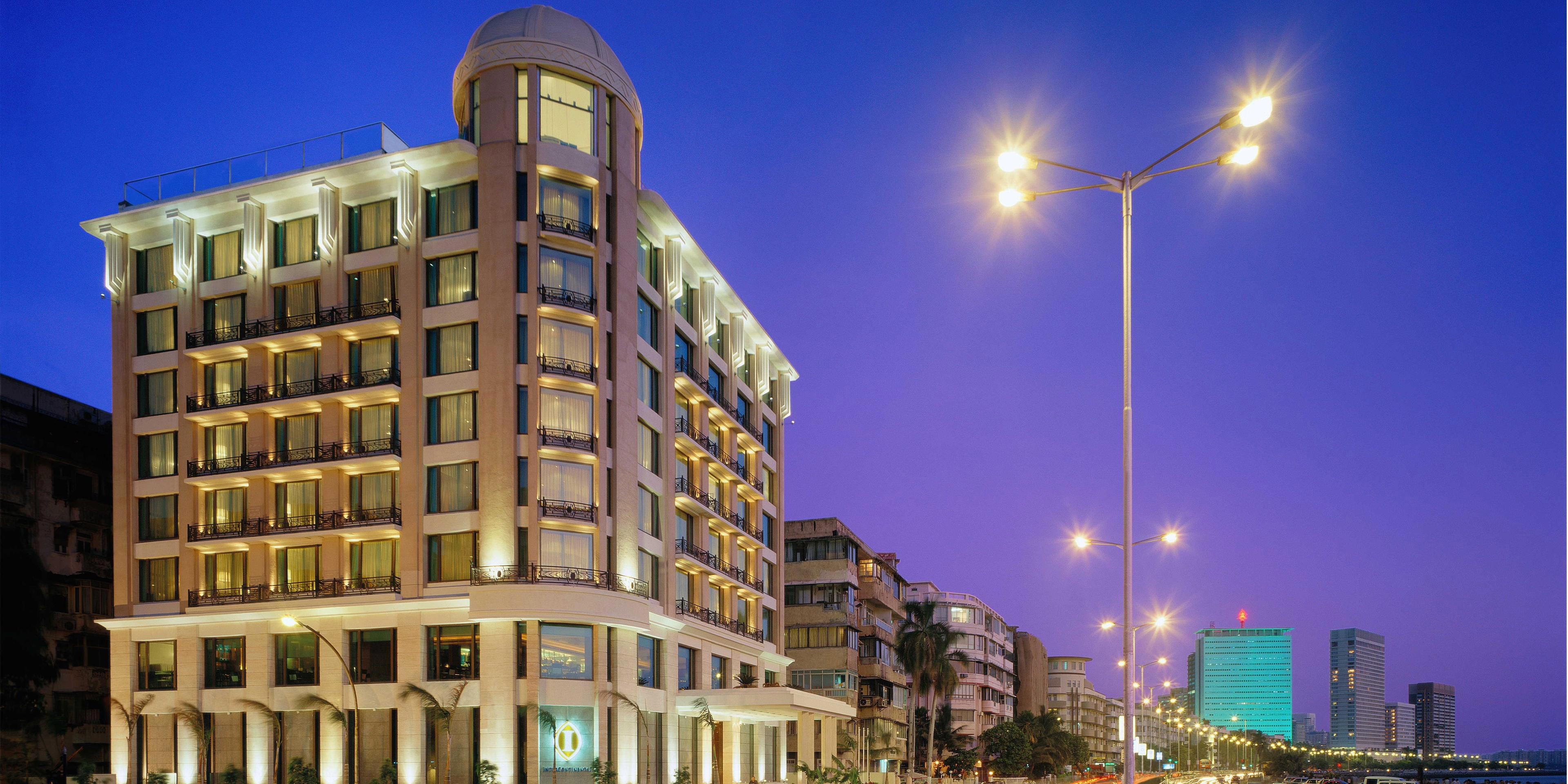
Mumbai’s hotel choices often reveal the purpose of the trip before the itinerary does. InterContinental Marine Drive-Mumbai speaks to the Arabian Sea-facing, South Mumbai stay, where evening light and access to the old business districts carry weight. ITC Grand Central, A Luxury Collection Hotel, Mumbai fits the central-city grand-hotel model, with a more formal hospitality vocabulary. Grand Hyatt Mumbai belongs to the larger campus-style business hotel tradition, useful for meetings, events, and corporate movement.
The airport corridor makes a separate argument. Aurika Mumbai International Airport and Fairmont Mumbai (Various (Indo-French patisserie, Sichuan lounge, food hall)) are easier to understand through arrival, departure, and large-scale travel logistics. Worli is not playing that game. Its appeal is urban positioning inside the city rather than convenience to the terminal.
Architecture as an Editorial Filter
In a city where luxury can mean marble corridors, club lounges, colonial arches, or glass towers, the more useful question is not which property is grander. It is which architectural language matches the trip. A private-residence format in Upper Worli suggests a stay organized around separation from Mumbai’s intensity. The street may be loud, dense, and traffic-driven, but the building type promises a controlled interior sequence: arrival, lift, residence, view, privacy.
No architect, designer, materials palette, or amenity schedule is supplied, so those details should not be invented. The safer, more valuable point is comparative. Mumbai’s luxury design is no longer defined only by heritage hotels or five-star business towers. Branded residences have become part of the city’s premium accommodation conversation, especially for travellers who measure comfort by domestic scale and privacy rather than public rooms.
Dining Context: What the Residence Format Does and Does Not Tell You
The address does not list a cuisine type, chef, restaurant, bar, or room-service structure. A conventional hotel page can often be read through its restaurants and bars, especially in Mumbai, where hotel dining has long functioned as both social stage and safe harbour for international travellers. A private-residence page needs a different standard.
For dining-led planning, the stronger move is to read the residence as a base and then map the city around it. Mumbai’s serious eating is spread across South Mumbai clubs and old-room restaurants, Bandra’s contemporary tables, hotel dining rooms, regional specialists, and newer chef-driven rooms. The broader field is better handled through Our full Mumbai restaurants guide, while drinking culture can be mapped through Our full Mumbai bars guide. The residence format gives less editorial evidence about what happens on the plate, and more about how the traveller stages the city.
Who This Format Suits
The Upper Worli private-residence model suits travellers who want Mumbai access without the constant public choreography of a hotel. That can include executives on extended assignments, families needing more domestic rhythm, returning Indian diaspora visitors, or travellers splitting time between South Mumbai, Lower Parel, Worli, and the western suburbs. The appeal is not ceremony. It is control.
Travellers seeking a highly social hotel experience may prefer a property with documented restaurants, bars, spa facilities, and a more visible lobby culture. Travellers seeking heritage atmosphere should compare South Mumbai addresses before committing to a tower-based stay. Travellers who want a residential base in the city’s central corridor should keep Four Seasons Private Residences Mumbai on the shortlist, with the caveat that public data currently leaves pricing, booking method, room configuration, and facilities unspecified.
Planning Notes for a Mumbai Stay
The verified address is 1H, 136, Dr Elijah Moses Road, Gandhi Nagar, Upper Worli, Worli, Mumbai, Maharashtra 400018, India. No phone number, website, hours, price range, dress code, booking method, or star rating is supplied.
Mumbai also demands timing discipline. Cross-city travel can take longer than the map suggests, especially during weekday commute periods and monsoon disruptions. Without exact distance data in the record, the right planning principle is neighbourhood-based rather than kilometre-based: pair Worli with central and South Mumbai commitments when possible, and avoid stacking airport transfers, suburban meetings, and formal dinners too tightly in one day.
How to Place It Within India's Luxury Circuit
India’s premium hotel culture is unusually diverse. Palace hotels, wilderness camps, Himalayan retreats, business towers, and beach-adjacent resorts all sit under the same loose luxury umbrella, but they answer different desires. The Leela Palace Jaipur in Jaipur and The Oberoi Amarvilas in Agra are read through the architecture of occasion and destination. Suján Jawai in Pali, Amanbagh in Ajabgarh, and Woods at Sasan in Sasan Gir belong to retreat logic, where landscape, conservation, and removal from metropolitan pace shape the stay.
Mumbai is different. It is a working metropolis first, and its luxury properties are judged by how they mediate density. The Leela Palace New Delhi in New Delhi and Park Hyatt Hyderabad in Hyderabad offer useful urban comparisons, but Mumbai’s pressure is distinct: narrower land, heavier traffic rhythms, and a hospitality scene that must serve finance, film, family travel, and international business at once. A branded residence in Upper Worli should be assessed through that urban pressure.
Beyond Hotels: Building the City Around the Address
The strongest Mumbai trips are not built from accommodation alone. The city rewards category planning: restaurants for regional specificity, bars for neighbourhood tempo, experiences for culture beyond the hotel car, and, where relevant, wine or beverage-led research. EP Club’s city pages can help frame that wider map through Our full Mumbai hotels guide, Our full Mumbai experiences guide, and Our full Mumbai wineries guide.
International comparisons also sharpen the point. The Fifth Avenue Hotel in New York City makes sense through adaptive urban character. Hôtel de Paris Monte-Carlo in Monte Carlo is tied to civic glamour and casino-square theatre. Badrutt's Palace Hotel in St. Moritz is inseparable from alpine seasonality. Mumbai’s private-residence model is less theatrical than those examples, but it answers a modern urban need with clarity: shelter, scale, and service confidence in a city that rarely slows down.
Editorial Verdict
Four Seasons Private Residences Mumbai is best understood as a design-and-location proposition rather than a conventional hotel with a public-facing hospitality program. That makes the editorial judgment narrower and cleaner: this is for travellers who want the Four Seasons name attached to residential privacy in central Mumbai, not for those choosing primarily by dining, nightlife, or heritage architecture.
For a first-time leisure trip built around Colaba, museum hours, colonial architecture, and sea-facing walks, South Mumbai may carry more romance. For airport-heavy schedules, the terminal corridor will be easier. For a longer, more private, business-facing Mumbai stay, Upper Worli has logic. The decision turns on format, not ornament.
Reputation & Price
Comparable venues nearby, for context on price, style, and recognition.
| Venue | Price | Awards | Notes |
|---|---|---|---|
| Four Seasons Private Residences MumbaiThis venue — the venue you are viewing | $$$$ | Not listed | Not listed |
| Abode Bombay | $$$$ | 3-Star | Bombay Colaba, Heritage boutique hotel with eclectic shabby-chic character in a restored 1910 colonial building. |
| Fairmont Mumbai | $$$$ | 5-Star | Marol, Timeless Art Deco luxury with Neoclassical architecture and nostalgic 1920s grandeur. |
| ITC Maratha, A Luxury Collection Hotel, Mumbai | $$$$ | 5-Star | Sahar, Indo-Saracenic luxury with Maharashtrian influences |
| Le Sutra the Indian art hotel | $$$ | 4-Star | Bandra D, Art-inspired boutique hotel blending Indian philosophy with contemporary luxury. |
| Taj Lands End, Mumbai | $$$$ | 5-Star | Bandra B, Luxury urban resort with sea views |

At a Glance
- Modern
- Elegant
- Sophisticated
- Ornate
- Well Known
- Honeymoon
- Romantic Getaway
- Family Vacation
- Business Trip
- Weekend Escape
- Group Retreat
- Private Villa
- Panoramic View
- Design Destination
- Terrace
- Wi Fi
- Pool
- Spa
- Fitness Center
- Concierge
- Business Center
- Valet Parking
- EV Charging
- Waterfront
- Skyline
- Wi Fi
- Pool
- Spa
- Fitness Center
- Concierge
- Business Center
- Valet Parking
- EV Charging
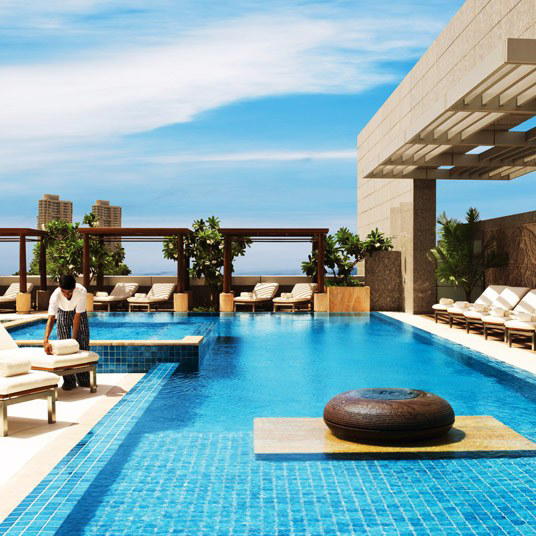
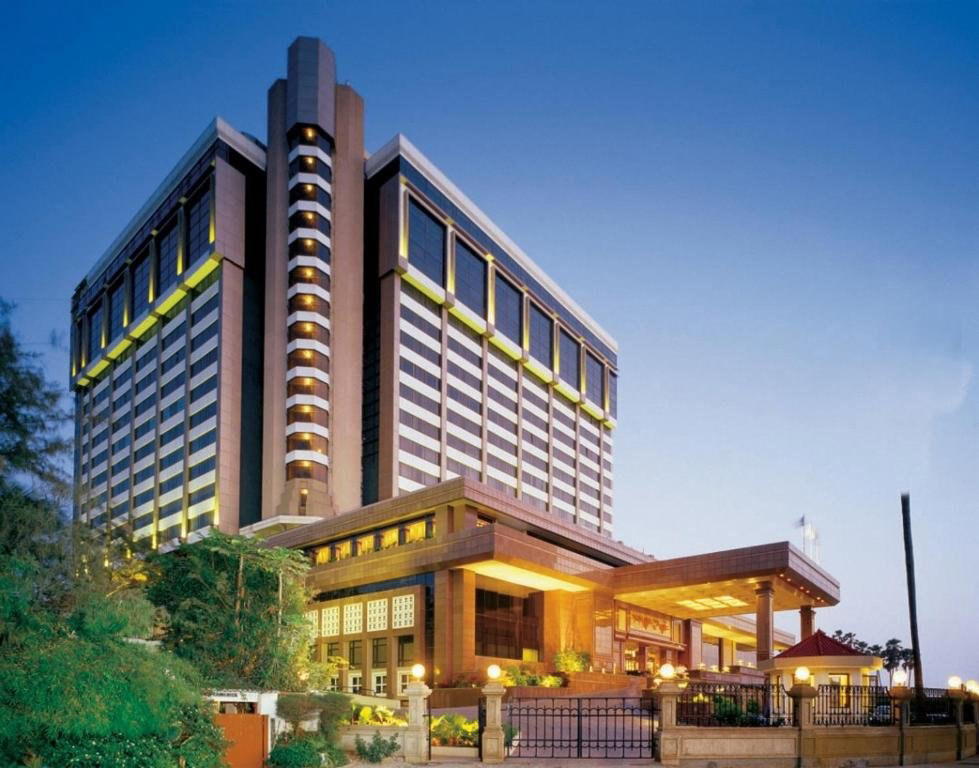
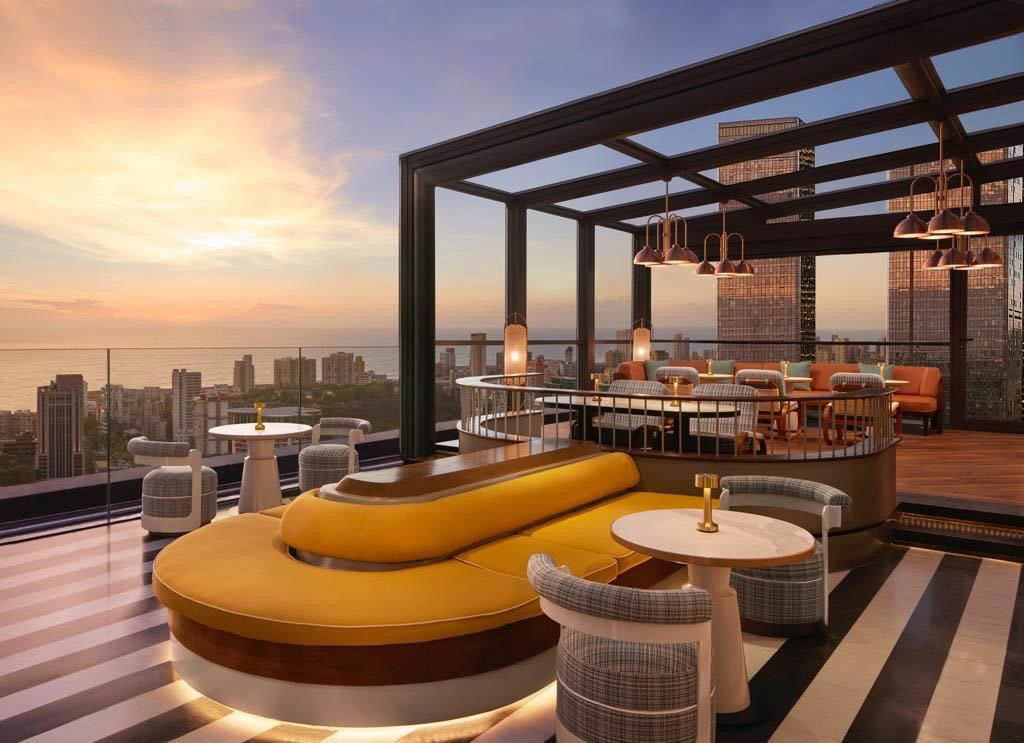
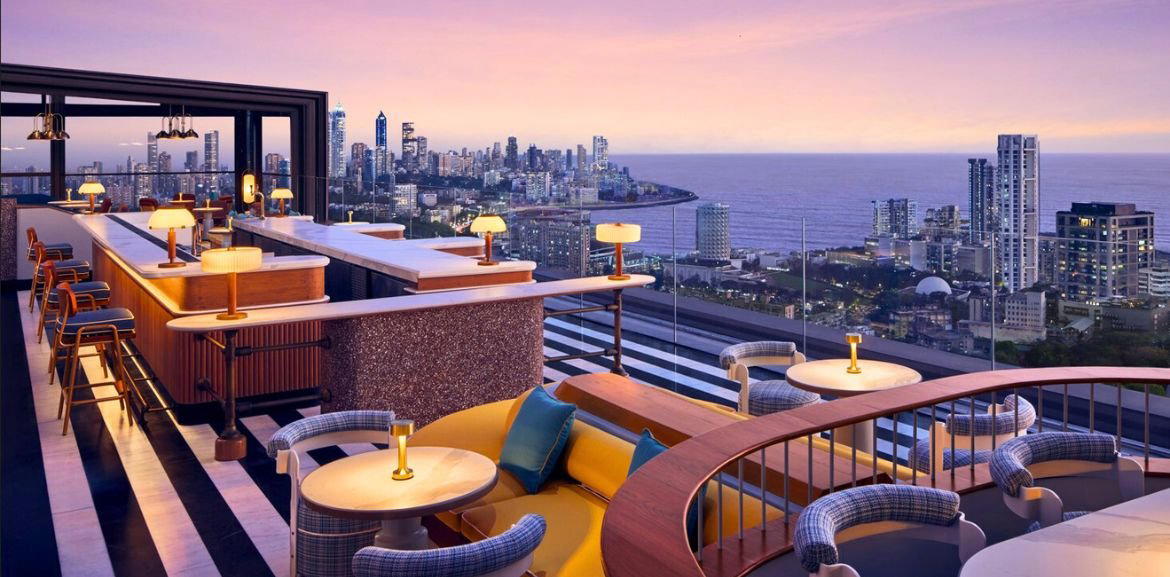
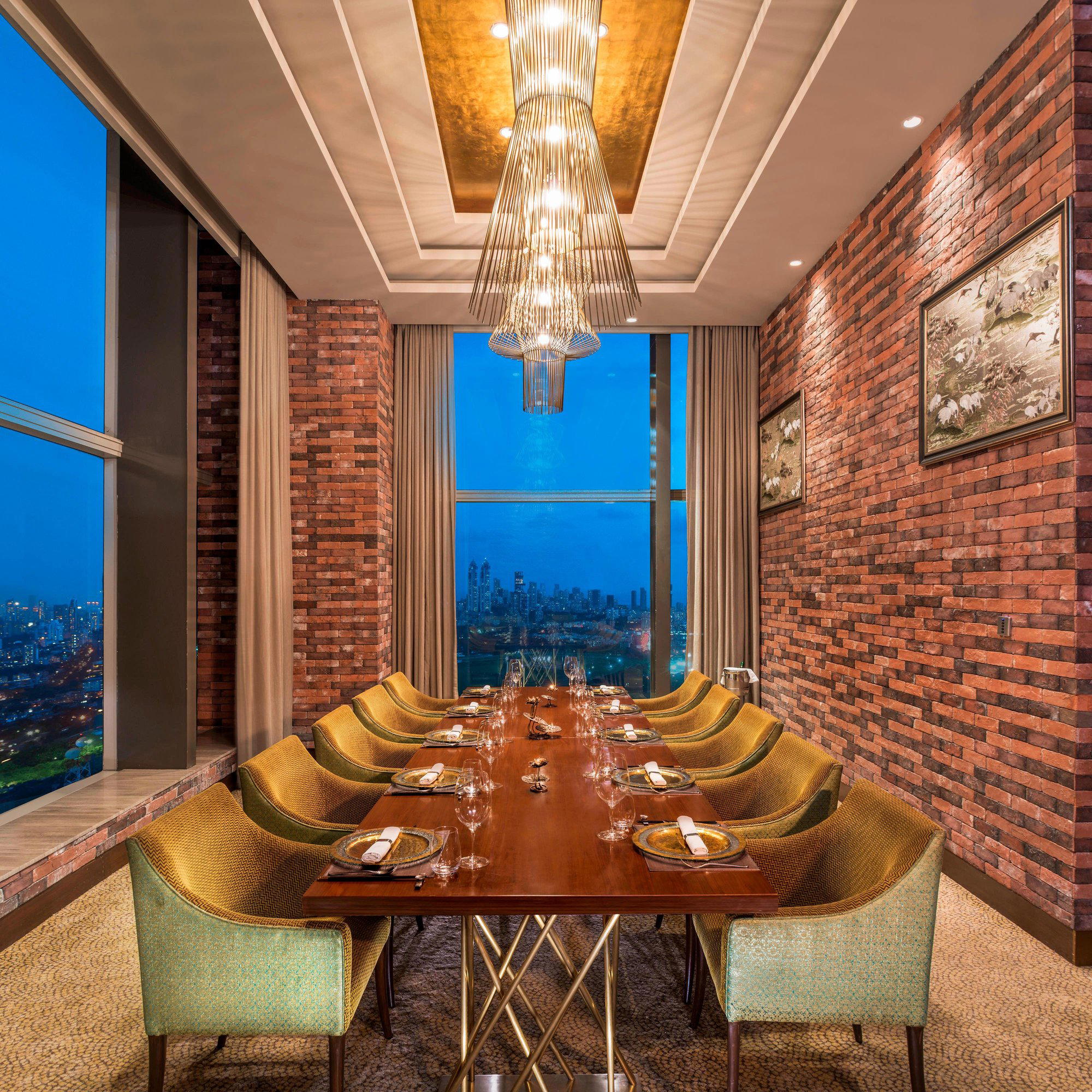
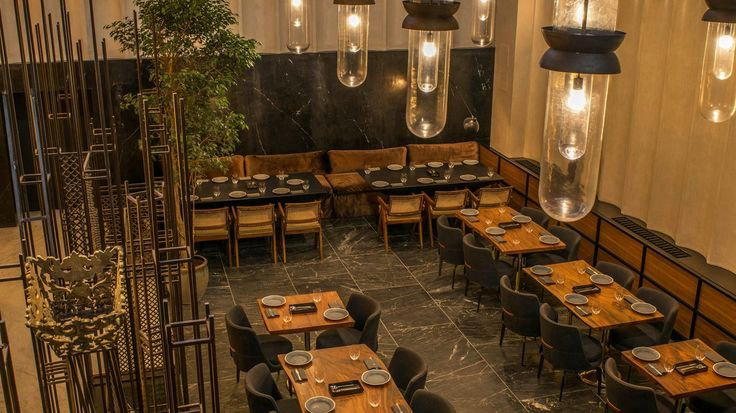
The residences are conceived as a serene, high‑luxury urban sanctuary: contemporary interiors by a world‑class design team, extensive use of marble and high‑end finishes, and floor‑to‑ceiling glass framing dramatic views of the Arabian Sea, Mahalaxmi Race Course, and the Bandra–Worli Sea Link, set above landscaped podium gardens and resort‑style amenities.