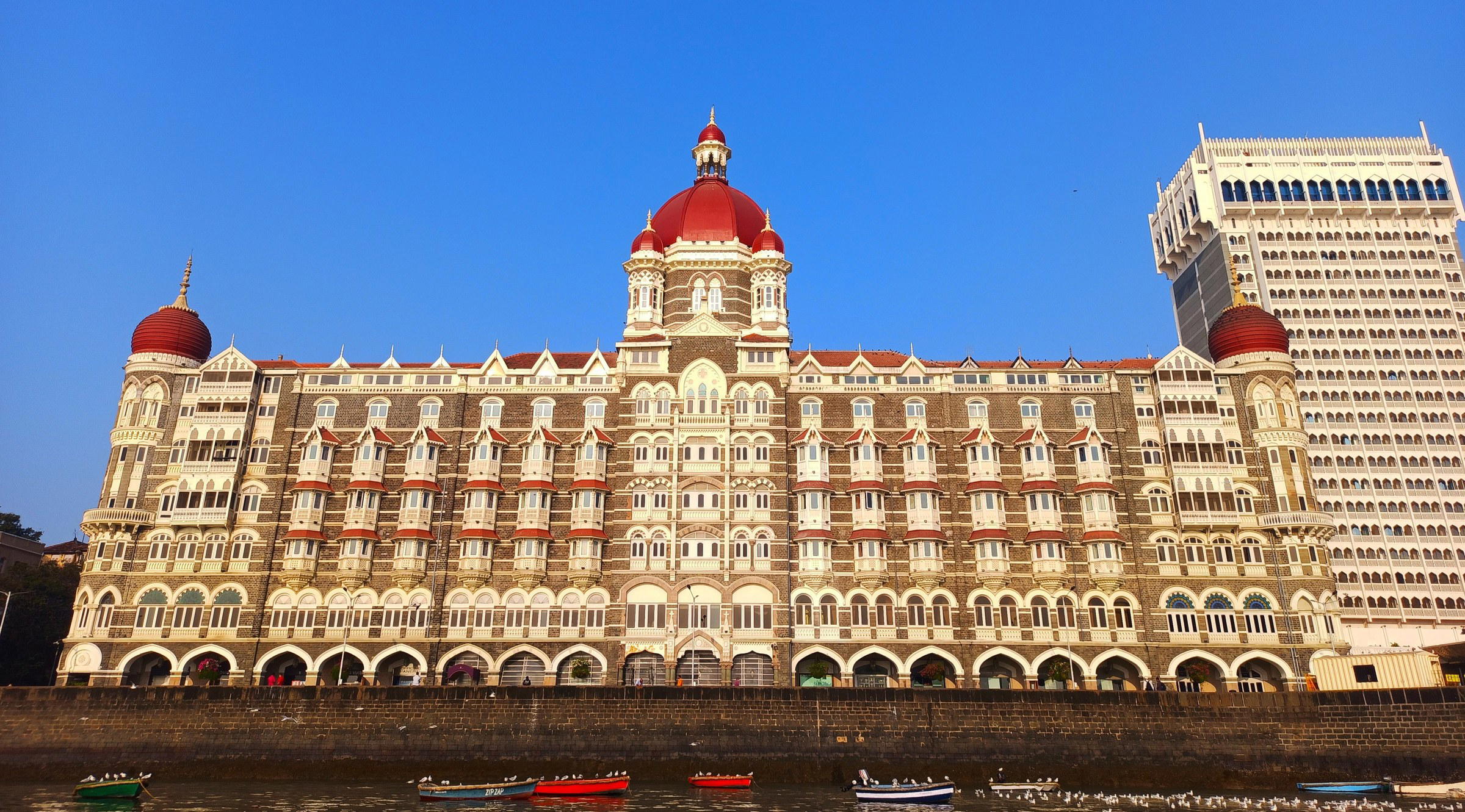
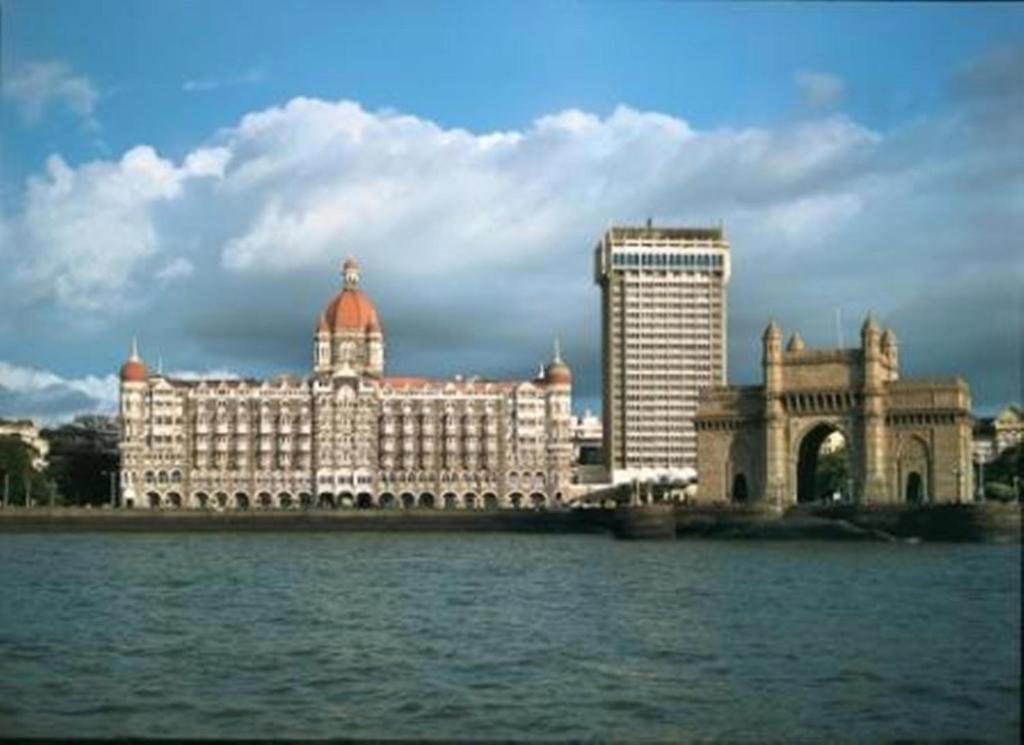
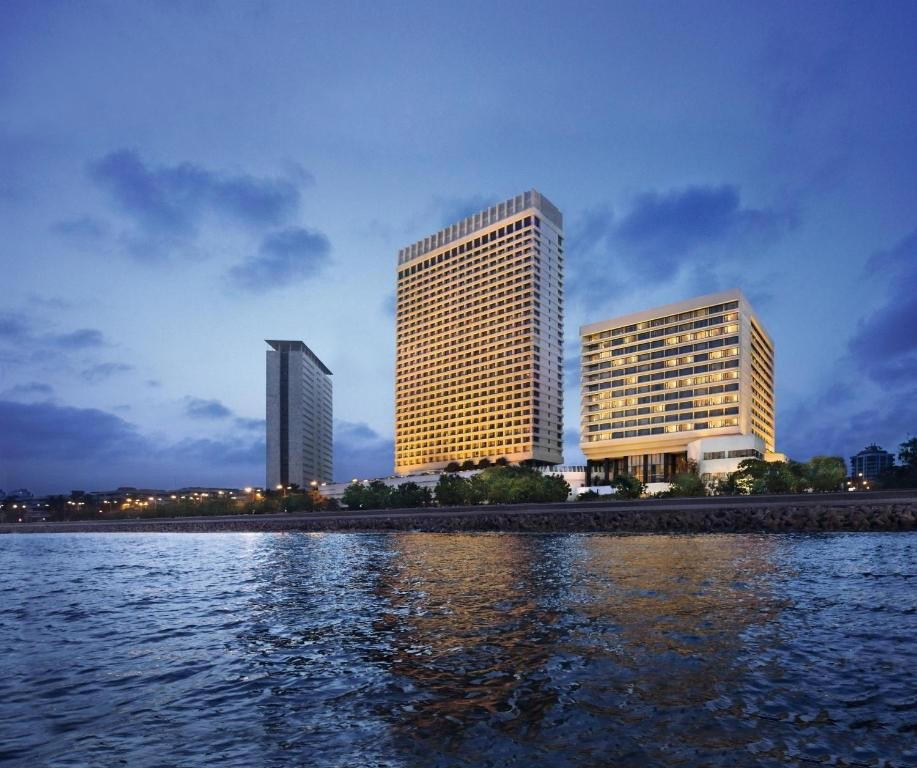
Aquarius sits inside The Taj Mahal Palace Hotel in Colaba, where Mumbai’s old harbour district still shapes the city’s hotel dining culture. With little public detail on menu format or pricing, the useful reading is contextual: this is a Taj Palace address to judge against the hotel’s wider restaurant ecosystem and Mumbai’s appetite for produce-led, coastal-minded cooking.
Pearl is the En Primeur Club membership app — saves, bookings, and concierge access live there. Same editors, same standards.
- Address
- The Taj Mahal Palace Hotel, K Boman Behram Marg, Apollo Bandar, Colaba, Mumbai, Maharashtra 400001, India
- Phone
- +91 22 6665 3382
- Website
- tajhotels.com
- Directions
- Get directions
 Saves & bookings on Pearl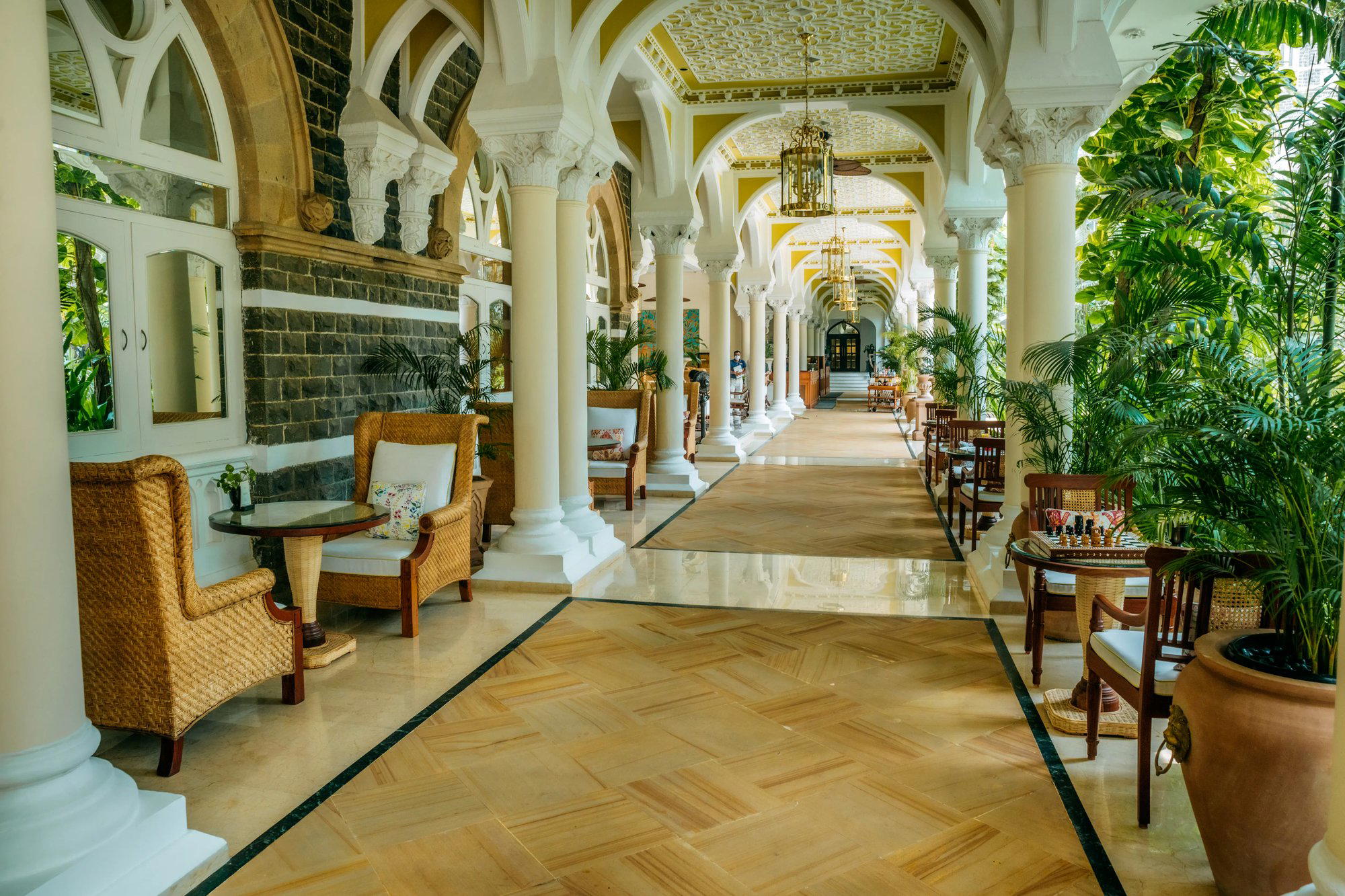
Approaching Aquarius in Mumbai means entering one of the city’s closely watched hospitality environments: a hotel dining culture built for residents, business tables, and travellers who want Mumbai compressed into a single evening. Aquarius belongs to that orbit. The point is not only what happens at one table, but how a Mumbai hotel restaurant must read the city around it: daily supply, seasonal produce, long-running hospitality expectations, and a clientele that can compare a hotel kitchen with the city’s independent dining rooms in one evening.
Mumbai hotel dining is judged by supply, not spectacle
In Mumbai, ingredient sourcing is not a decorative claim. The city’s cooking is shaped by daily produce networks, changing seasons, and a climate that forces kitchens to think about freshness with discipline. A restaurant in a major hotel has a different challenge from a neighbourhood canteen or a chef-led counter: it has to translate local abundance into a controlled hotel setting without flattening the regional signal.
That tension defines the more interesting part of Mumbai dining. The city pulls in visitors, but the food culture around it is not tourist-only. Within the same broad hotel ecosystem, diners can move between Loya, Souk, Golden Dragon, Wasabi By Morimoto - The Taj Mahal Palace Hotel, and Shamiana. Aquarius should be read inside that hotel ecosystem rather than as an isolated address. The stronger question is what role it plays in a property where format, sourcing expectations, and occasion differ sharply from room to room.
Mumbai’s wider restaurant conversation has also shifted. Independent dining rooms and hotel restaurants alike have trained diners to ask sharper questions about produce, technique, and regional authorship. Hotel restaurants now operate in that same field of scrutiny. A Mumbai table can no longer rely on address alone; it has to feel connected to the city’s supply lines and dining tempo.
The Mumbai hotel setting changes the reader's expectations
A major Mumbai hotel carries a form of trust that matters in a city where hospitality ranges from street-side specialists to multi-room luxury properties. For a restaurant inside that environment, the credential is the setting itself: an established hotel context with a role in the city’s social and travel life. That does not substitute for menu detail, but it sets the service expectation. Diners come prepared for polish, controlled pacing, and a room calibrated for mixed occasions rather than a single narrow audience.
That matters for Aquarius because the available public facts point less to a chef-personality restaurant and more to a hotel-dining choice within a larger property. In editorial terms, that makes it better suited to readers deciding how to use a Mumbai stay, an evening in the city, or a business meal than to diners chasing a named tasting menu. The supplied recognition record should be handled carefully, so the assessment should stay grounded rather than inflate the venue into trophy dining. It is a contextual Mumbai recommendation, useful when the priority is hotel reliability, service polish, and access to the city’s established hospitality culture.
For travellers building a broader itinerary, the better comparison is not only across Mumbai restaurants but across dining formats. Formal hotel dining, hotel all-day dining, regional specialist rooms, and contemporary Mumbai concepts all answer different questions. Useful cross-checks include other Indian hotel restaurants, regional dining rooms, and tightly focused casual formats abroad, all of which show how different concepts communicate sourcing, service style, and occasion in their own way.
How to place it in a Mumbai itinerary
Aquarius works as part of a Mumbai plan rather than a destination defined only by public accolades or a published chef narrative. Mumbai rewards compact scheduling, and hotel dining here often functions as a reset between appointments, cultural time, or late-evening plans. Readers comparing categories can use Our full Mumbai restaurants guide, Our full Mumbai hotels guide, Our full Mumbai bars guide, Our full Mumbai wineries guide, and Our full Mumbai experiences guide to separate a hotel-based meal from a night built around bars, cultural programming, or a more chef-specific restaurant.
The editorial call is measured: Aquarius is strongest for readers who value the Mumbai hotel context and want a dining option tied to the city’s luxury-hotel tradition. Diners seeking a highly documented tasting format, a publicly named chef agenda, or award-led validation should compare it with more transparent specialist rooms before committing an important meal slot.
How It Stacks Up
Nearby venues at a similar price tier for orientation.
| Venue | Cuisine |
|---|---|
| Wasabi By Morimoto - The Taj Mahal Palace Hotel | Japanese Indian |
At a Glance
- Scenic
- Elegant
- Classic
- Cozy
- Sophisticated
- Family
- Group Dining
- Business Dinner
- Casual Hangout
- Celebration
- Hotel Restaurant
- Garden
- Craft Cocktails
- Beer Program
- Waterfront
- Garden
Current opening hours
- Monday
- 7 AM–11:45 PM
- Tuesday
- 7 AM–11:45 PM
- Wednesday
- 7 AM–11:45 PM
- Thursday
- 7 AM–11:45 PM
- Friday
- 7 AM–11:45 PM
- Saturday
- 7 AM–12 AM
- Sunday
- 7 AM–12 AM
Hours can change for holidays and private events. Last verified .
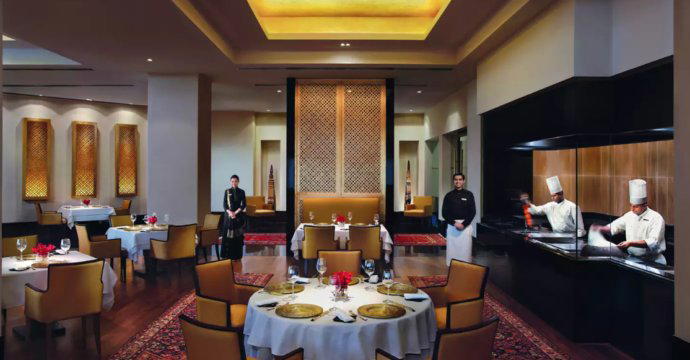
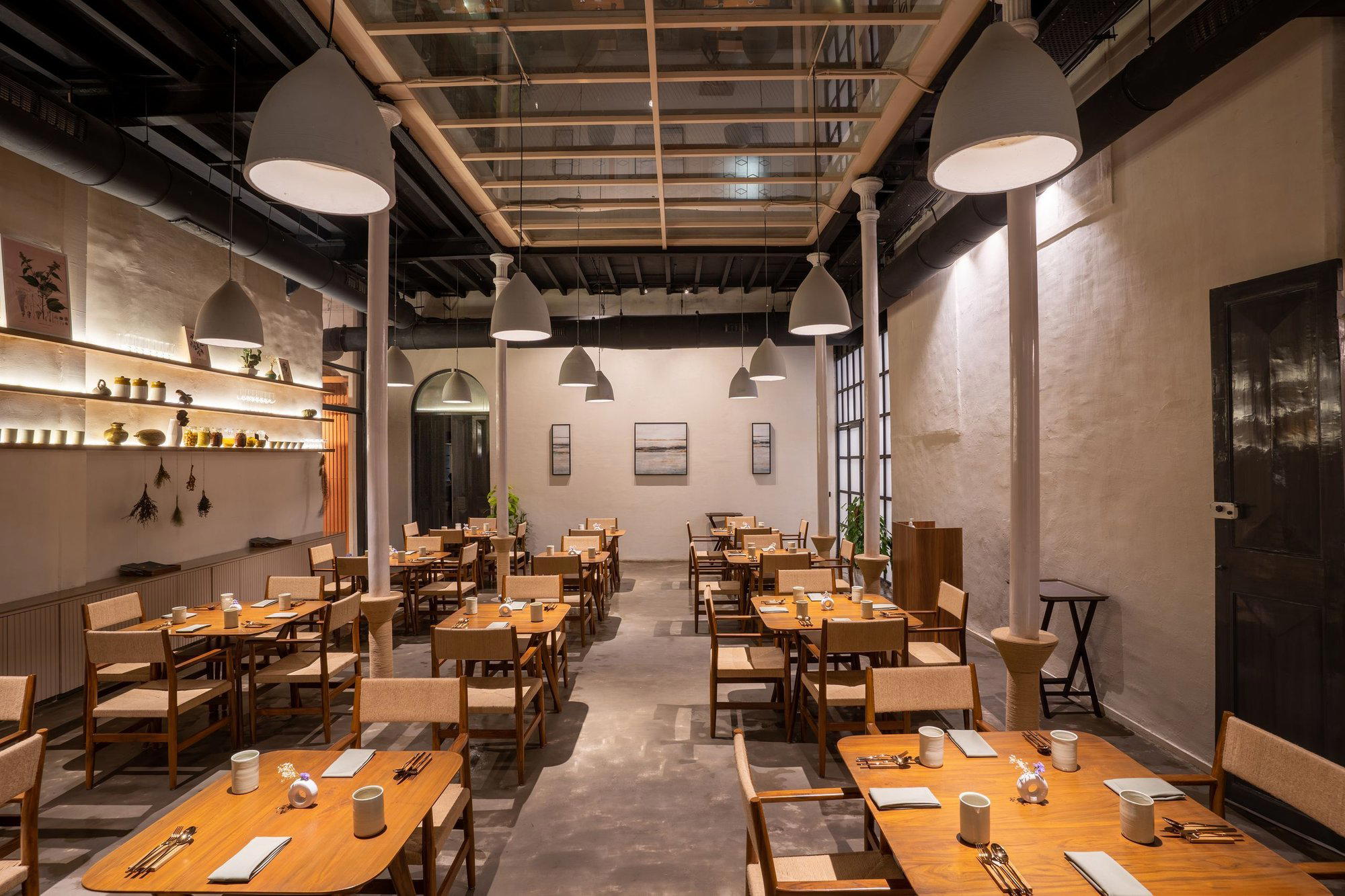
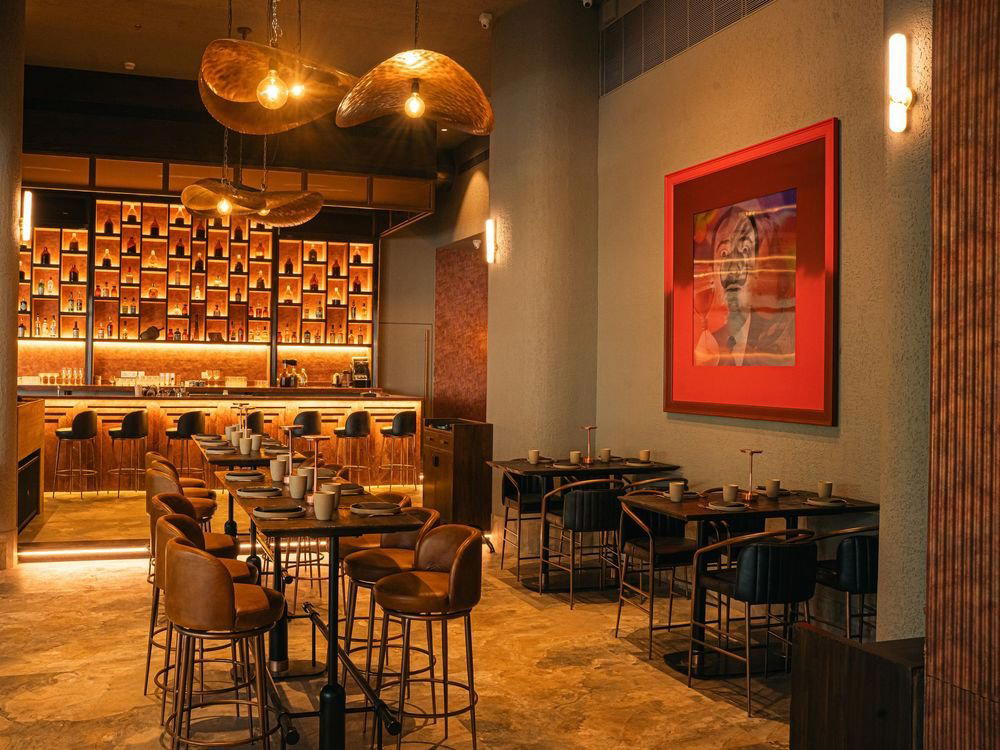
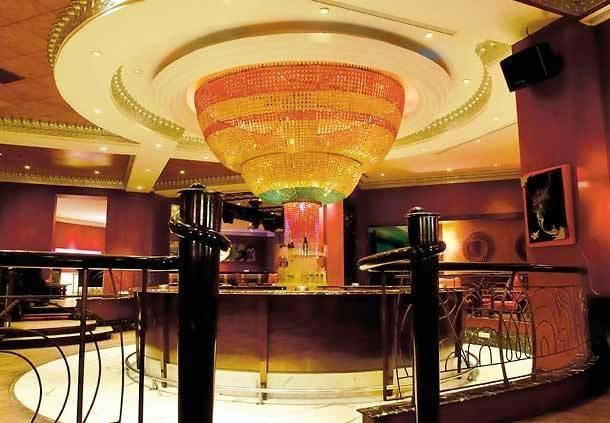
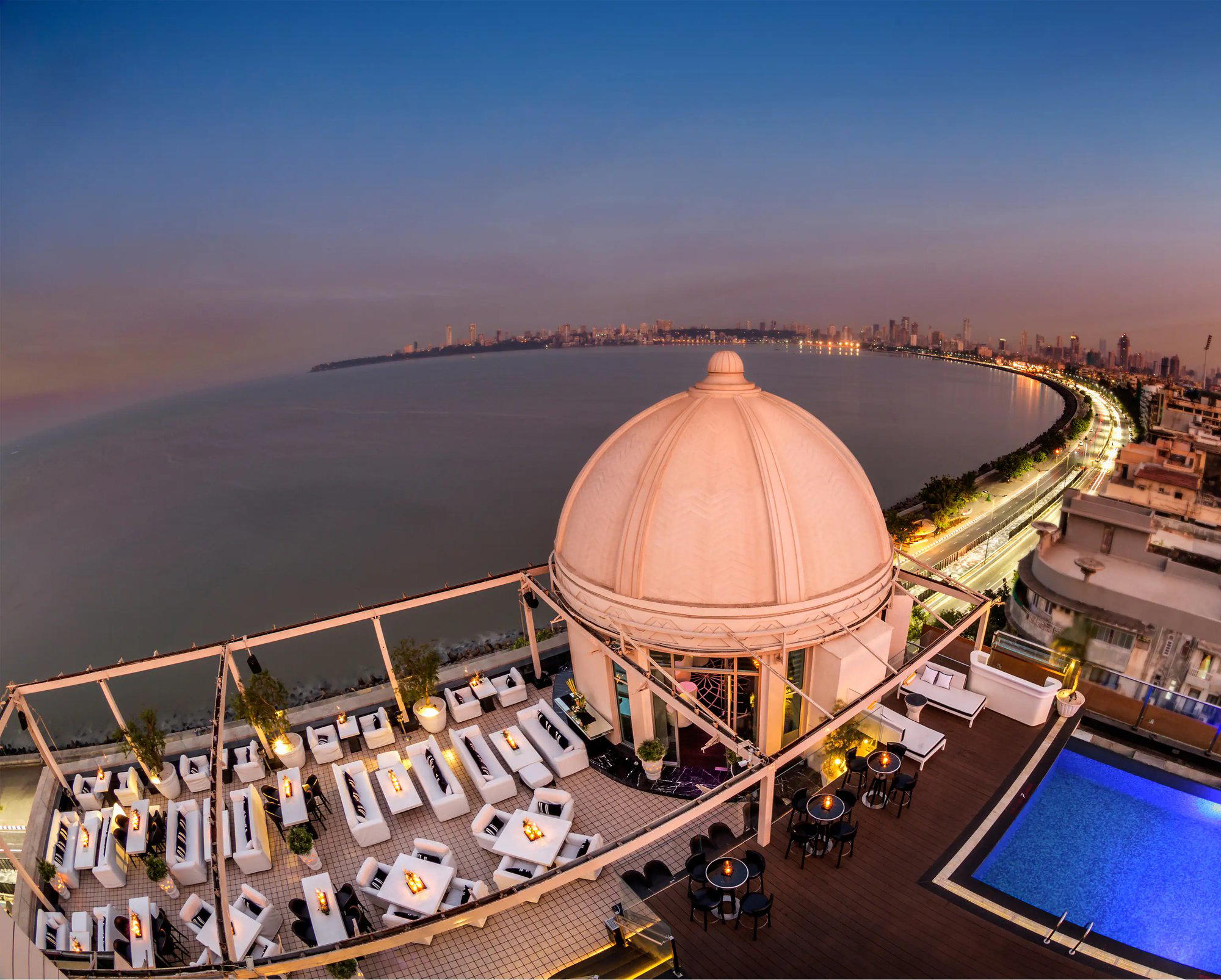
Poolside, serene, and classic luxury; reviews and guides describe it as cozy and charming with a serene breakfast atmosphere and views over the pool and harbor-adjacent setting.
Know Before You Go
- Reservations
- Recommended
- Dress code
- Smart casual
- Getting there
- The Taj Mahal Palace Hotel, K Boman Behram Marg, Apollo Bandar, Colaba, Mumbai, Maharashtra 400001, India