Our verdict
Avartana sits in airport-side Andheri East, where Mumbai’s hotel dining culture often serves business travel as much as destination dining. Its appeal is the contemporary Indian tasting-room idea: regional ingredients and familiar references treated with a more composed, urban format than the city’s traditional banquet restaurants.

Pearl is the En Primeur Club membership app — saves, bookings, and concierge access live there. Same editors, same standards.
- Address
- Ashok Nagar, near Chhatrapati Shivaji Maharaj International Airport Road, Sahar Village, Andheri East, Mumbai, Maharashtra 400099, India
- Phone
- +91 22 2830 3030
- Hours
- Mon–Sat 7–11 PMSun 12–3 PM, 7–11 PM
- Website
- itchotels.com
- Directions
- Get directions
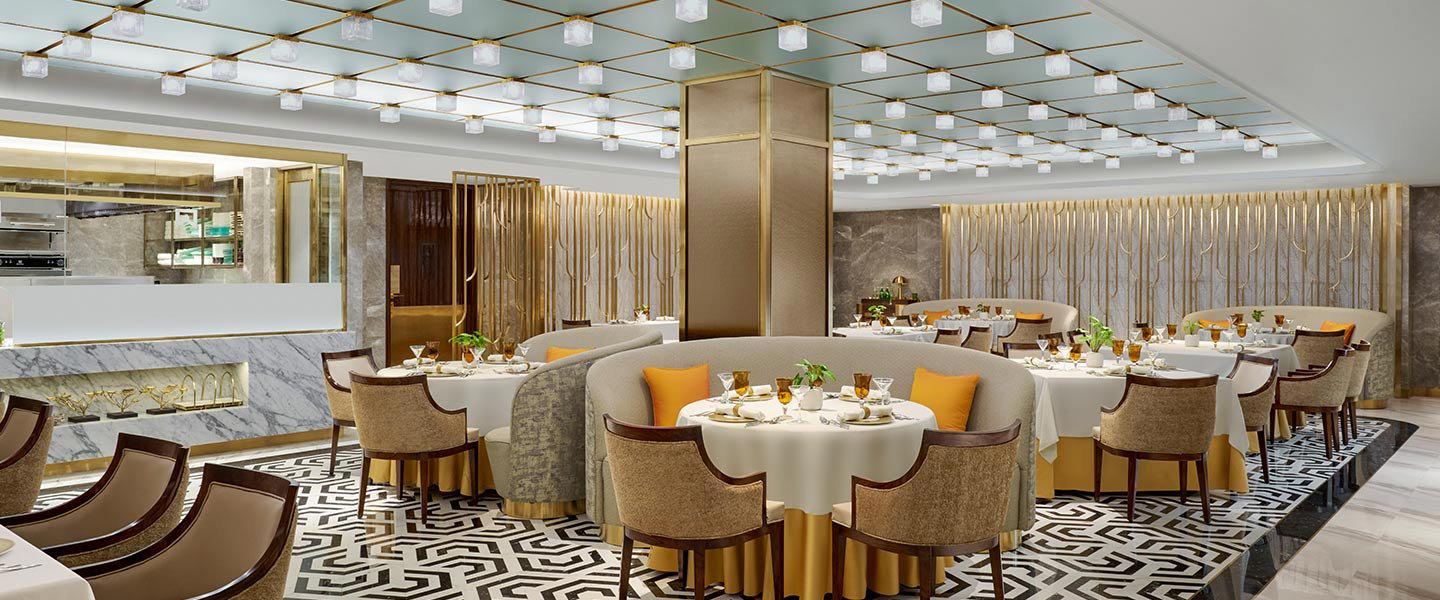
Mumbai has its own dining grammar: polished hotel rooms, business-heavy tables, late arrivals, and kitchens built to serve guests who may be between flights rather than neighbourhood regulars. Avartana belongs to that world in Mumbai, but the more useful way to read it is through the city’s broader shift from expansive hotel restaurants toward tighter, more authored Indian formats.
That shift matters because Mumbai has long had two parallel luxury dining traditions. One is the grand hotel room, where menus cover several regions and the room is built for corporate dinners, family occasions, and international guests. The other is the modern Indian table, where the cooking narrows its focus, plating becomes more deliberate, and regional memory is treated as material rather than nostalgia. Avartana sits closer to the second camp, which makes ingredient logic central to the experience: the question is not only what region a dish references, but how that reference changes when served in a composed, contemporary setting.
Regional ingredients, hotel discipline, and the modern Indian tasting-room idea
Indian fine dining has spent the past decade moving away from a single national shorthand. The stronger rooms now work by specifying grain, spice, fat, fermentation, and coastal or inland cues with greater precision. In that context, a Mumbai restaurant using Indian culinary references inside a premium environment is participating in a larger correction: less generic “Indian” cooking, more attention to where flavour comes from and why technique changes it.
For travellers, that distinction is useful. A tomato, coconut, pepper, rice, lentil, or ghee-led preparation carries different meaning depending on region, season, and household tradition. Contemporary restaurants often compress those references into shorter, cleaner courses, which can make the food feel less abundant than a conventional spread but more pointed. The value is in the edit. A room like Avartana is better judged against Mumbai’s modern Indian conversation than against the city’s all-day dining rooms or long-established luxury specialists.
The comparison set in Mumbai’s premium-dining orbit is broad. Peshwa Pavilion and Yi Jing speak to the multi-restaurant hotel model, while Peshawari Mumbai and Dum Pukht represent older luxury vocabularies built around depth of tradition, richness, and service ritual. The Great Wall signals another familiar Mumbai pattern: cuisine-specific dining presented with the reliability expected by corporate and international guests. Avartana’s lane is narrower, and that narrowness is the point.
Why the Mumbai location changes the decision
Mumbai is a working hospitality city shaped by business travel, short-stay itineraries, and cross-town planning. That affects how a meal here should be scheduled. Diners moving across the city at peak traffic need to treat location as a practical decision, not an afterthought. For guests already nearby, the setting can be an advantage; for those crossing Mumbai, the journey can define the evening as much as the meal.
This is also why Avartana makes the most sense for a specific kind of Mumbai itinerary: a serious dinner within the city, a hosted business meal that needs Indian reference points without a sprawling menu, or a final-night booking when minimizing friction matters. It is less suited to diners who want the street-level pulse of Mumbai’s eating culture. The room belongs to the city’s controlled luxury register, not its restless snack counters, old cafés, seafood institutions, or late-night routes.
For a wider read on the city, use Our full Mumbai restaurants guide, then compare nearby and category-adjacent listings across other Mumbai dining rooms, vegetarian-leaning formats, hotel restaurants, and contemporary Indian rooms. City planning is broader than restaurants alone: Our full Mumbai hotels guide, Our full Mumbai bars guide, Our full Mumbai wineries guide, and Our full Mumbai experiences guide help place dinner inside a larger trip.
How to judge the meal: precision over abundance
The critical lens here should be precision. Mumbai diners are fluent in generosity: layered gravies, breads arriving in sequence, seafood sold by freshness and familiarity, and regional restaurants that win loyalty through repetition. A contemporary Indian format asks for a different reading. Portion size, course rhythm, and restraint are part of the language. When it works, the meal gives familiar ingredients sharper edges; when it does not, the format can feel too composed for diners seeking the comfort of abundance.
That tension is not a flaw in itself. It is the central question around modern Indian dining in premium settings: can a restaurant honour regional sourcing and memory without turning them into decoration? Avartana is relevant because it occupies that question in Mumbai, a city where luxury dining has historically been comfortable with breadth. The more focused the kitchen’s ingredient choices feel, the more convincing the format becomes.
Travellers building an India dining itinerary can also compare how regional identity changes by city: formal dining rooms, cosmopolitan hotel restaurants, regional vegetarian formats, coastal reference points, everyday local eating, and tightly edited contemporary menus all show different ways that place can shape a meal. For contrast outside India, other international dining cultures show how concise formats can carry regional identity without relying on abundance alone.
Frequently asked questions
Is Avartana child-friendly?
Avartana’s Mumbai setting suggests a more formal dining room than a casual family venue. For children, that usually means it suits older diners better than a loose, walk-in meal.
Is Avartana formal or casual?
Avartana reads as formal. Its Mumbai location fits the kind of dining room that works around a more considered meal sequence rather than an easy drop-in format.
Where do I go for Avartana?
Mumbai.
Do they take walk-ins at Avartana?
Walk-ins should not be assumed here. A restaurant like Avartana in Mumbai is usually best handled with planning rather than spontaneous arrivals.
What is Avartana known for?
Avartana is associated with modern Indian dining in Mumbai. The draw is precision and sequence rather than a long à la carte spread.
How does Avartana handle allergies?
Allergies should be flagged before the meal and repeated on arrival, especially at a tasting-room style restaurant in Mumbai. That matters more in a format where the meal may follow a planned sequence.
How It Stacks Up
Comparable venues by cuisine and price in the same metro.
| Venue | Cuisine | Price |
|---|---|---|
| AvartanaThis venue — the venue you are viewing | Progressive South Indian Fine Dining | $100–150 |
| Yi Jing | Modern Chinese Fine Dining | $50–100 |
| Peshwa Pavilion | Indian and International All-Day Dining | $30–50 |
| Peshawari Mumbai | North West Frontier Indian | Not listed |
| Dum Pukht | Awadhi Fine Dining | Not listed |
| The Great Wall | Upscale Chinese | $30–50 |
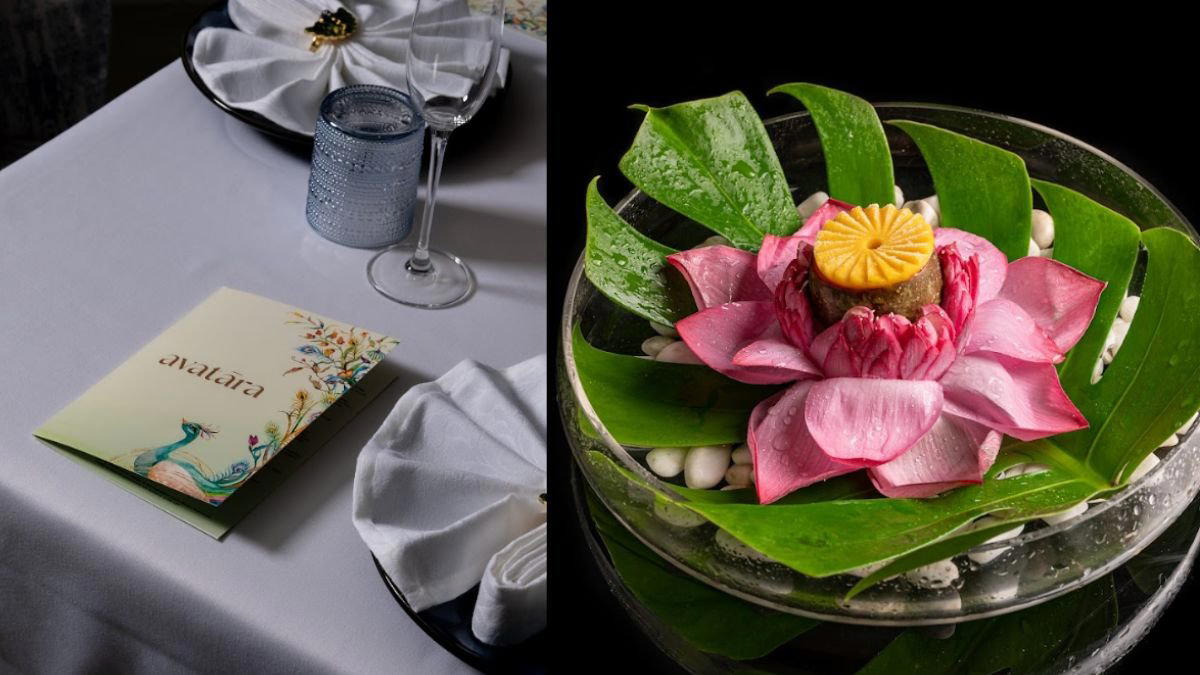
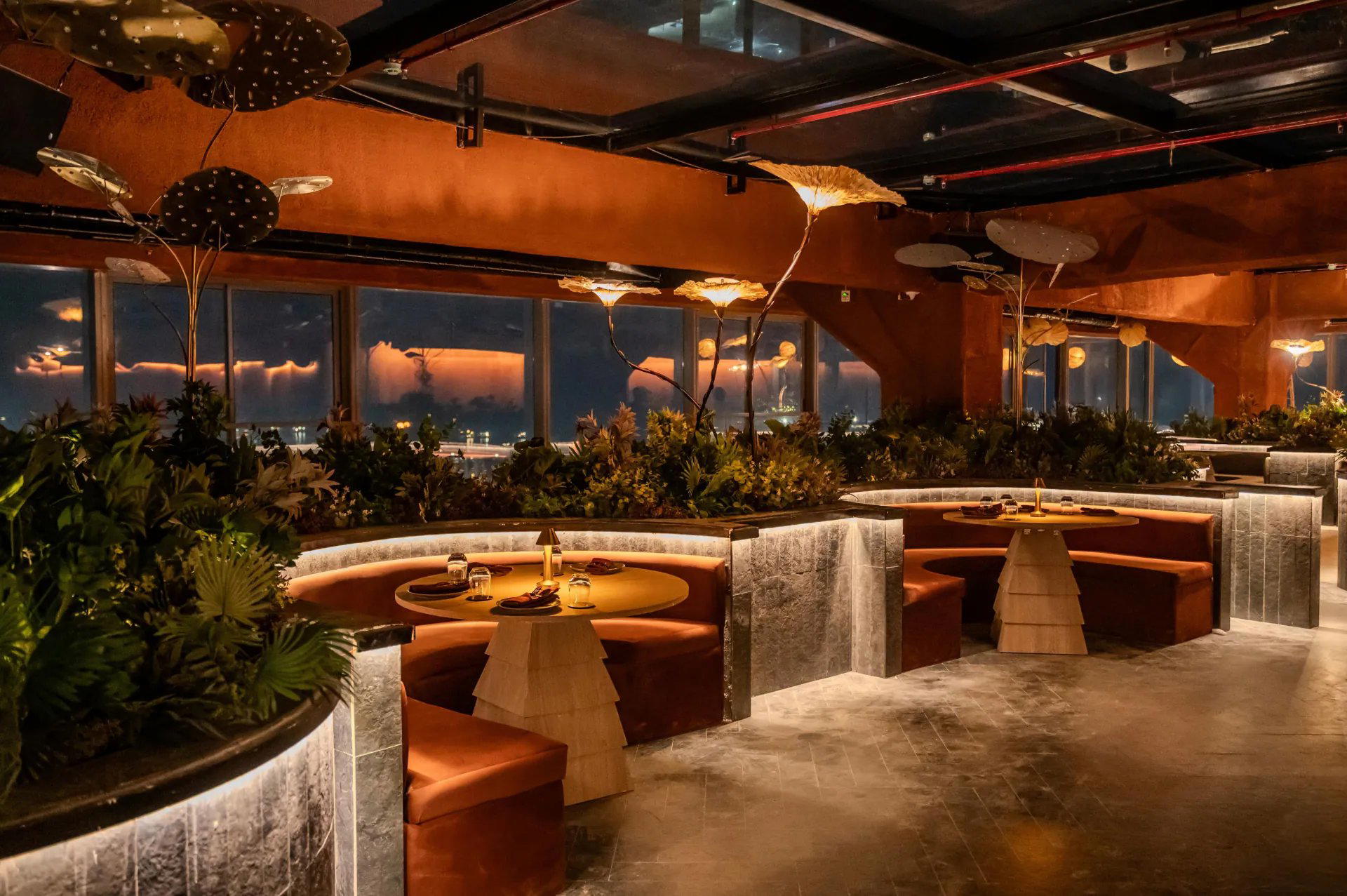
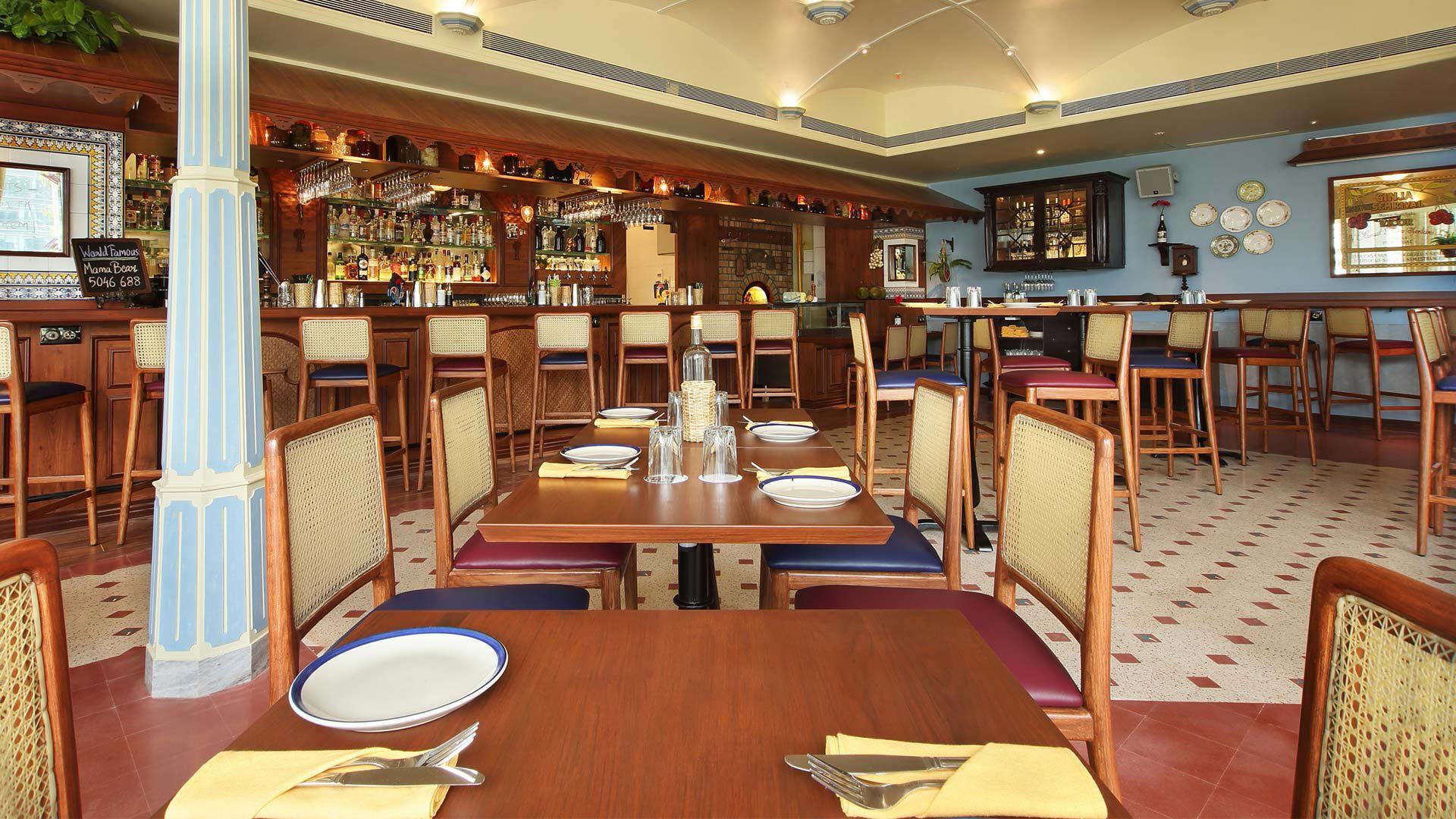
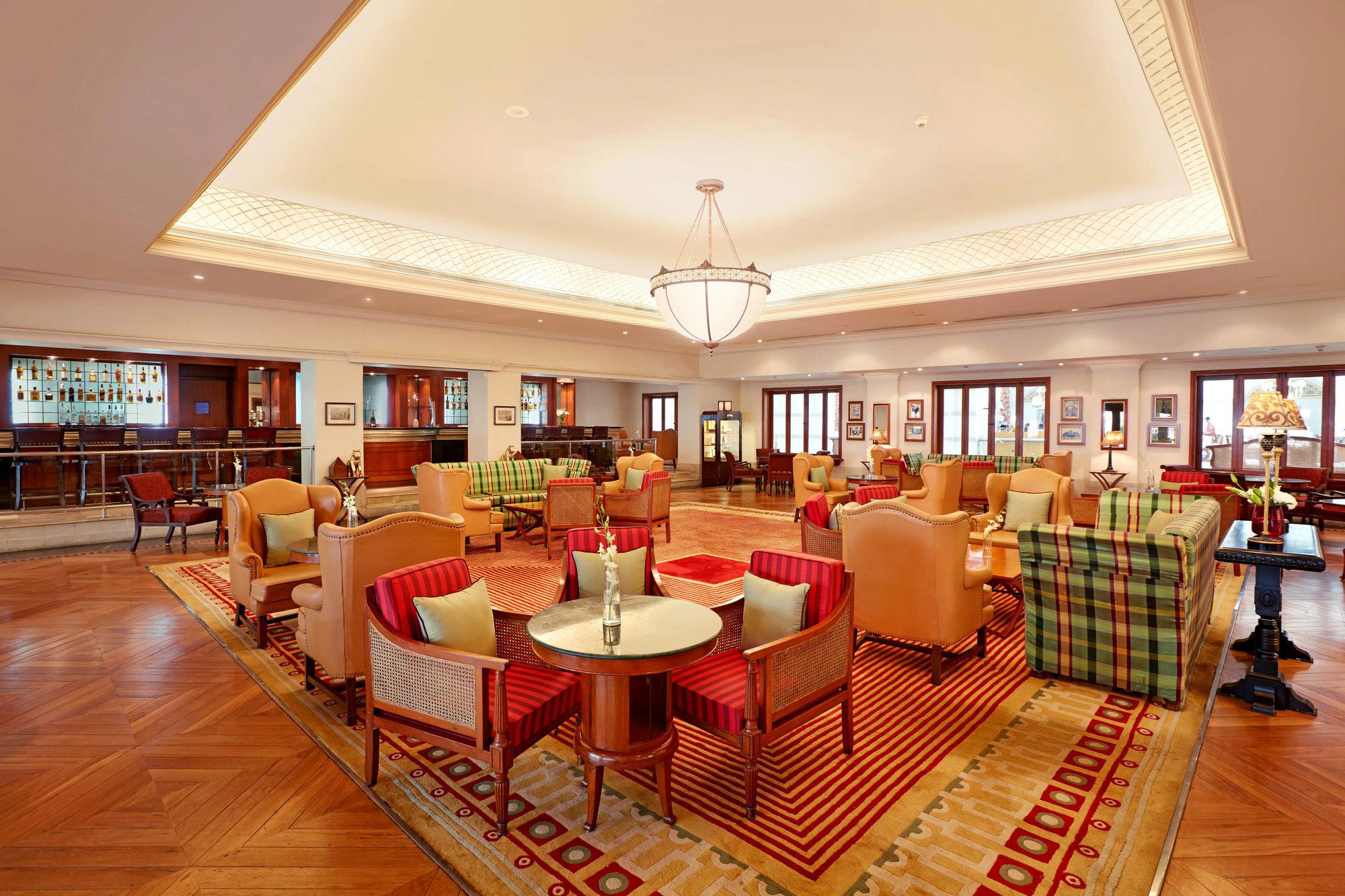
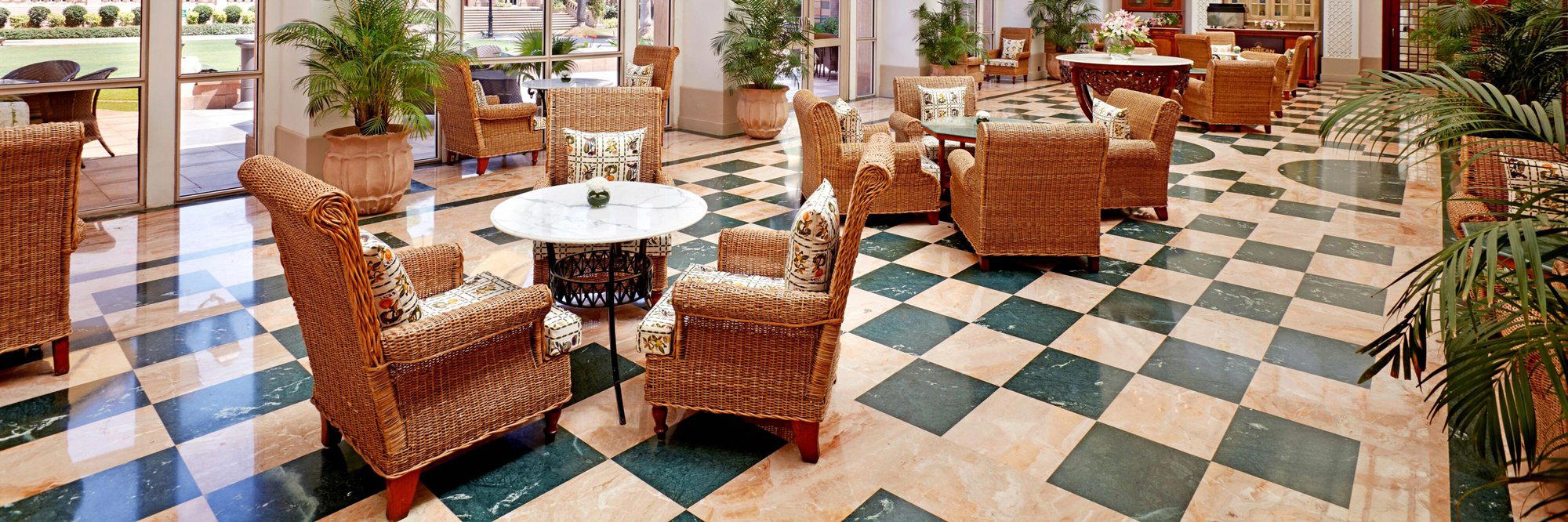
Avartana
The wine
- Wine program
- Curated wine list
- Extensive wine list
- Craft cocktails
Details
- Elegant
- Sophisticated
- Ornate
- Classic
- Date Night
- Business Dinner
- Group Dining
- Special Occasion
- Hotel Restaurant
- Design Destination
- Craft Cocktails
- Extensive Wine List
- Tasting Menu
- Wine
- Cocktails
- Vegetarian Friendly
Current opening hours
- Monday
- 7–11 PM
- Tuesday
- 7–11 PM
- Wednesday
- 7–11 PM
- Thursday
- 7–11 PM
- Friday
- 7–11 PM
- Saturday
- 7–11 PM
- Sunday
- 12–3 PM, 7–11 PM
Hours can change for holidays and private events. Last verified .
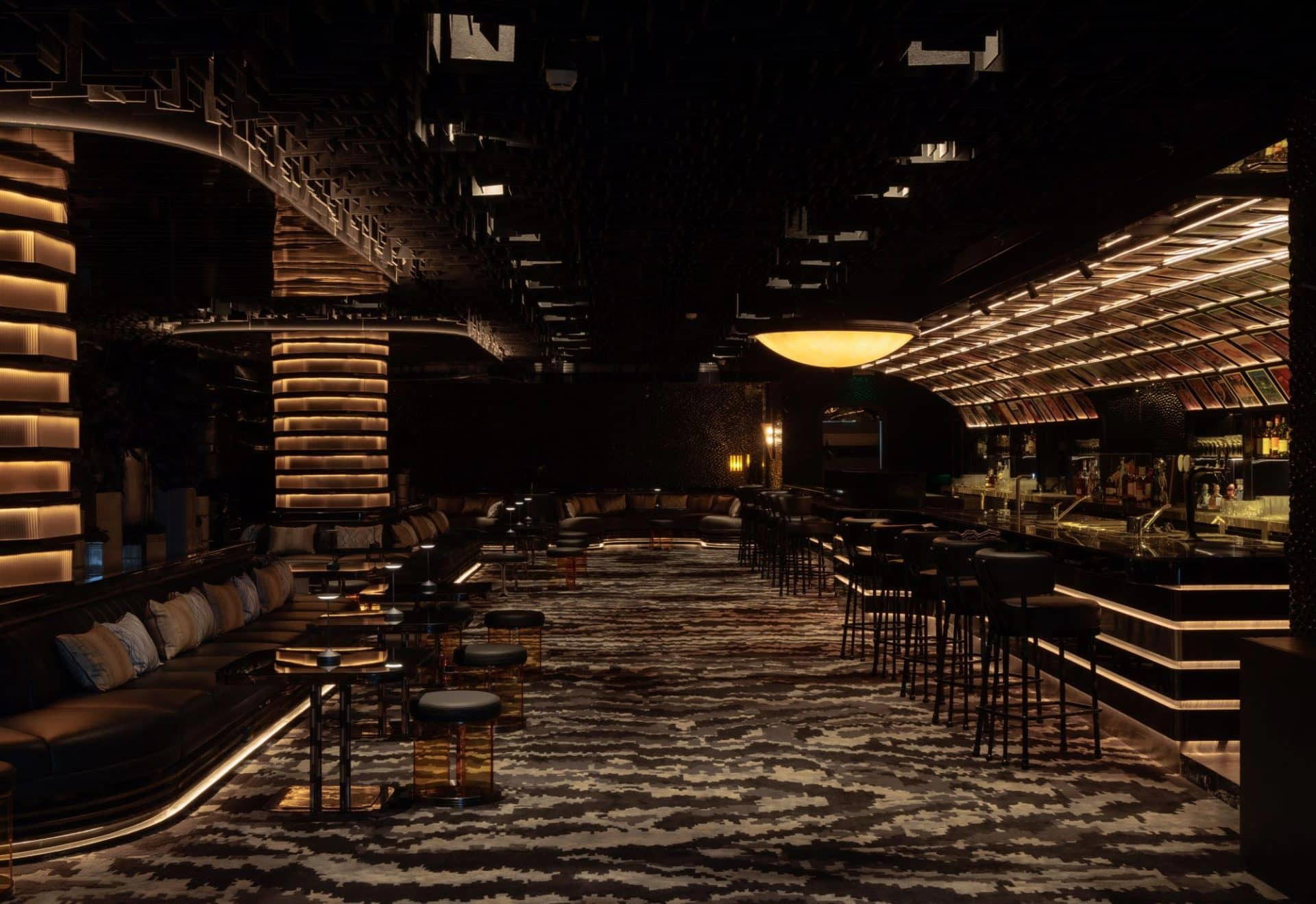
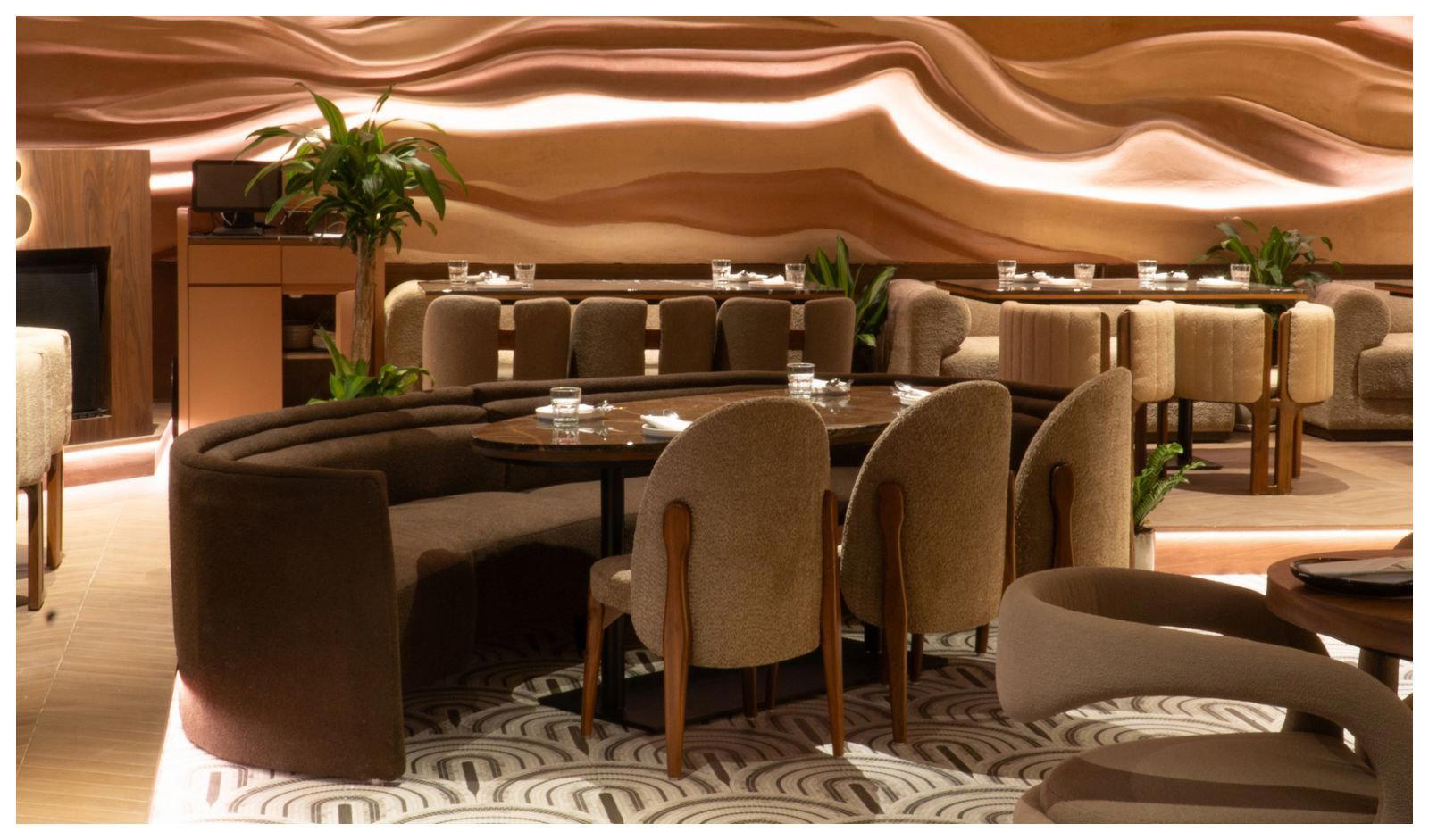
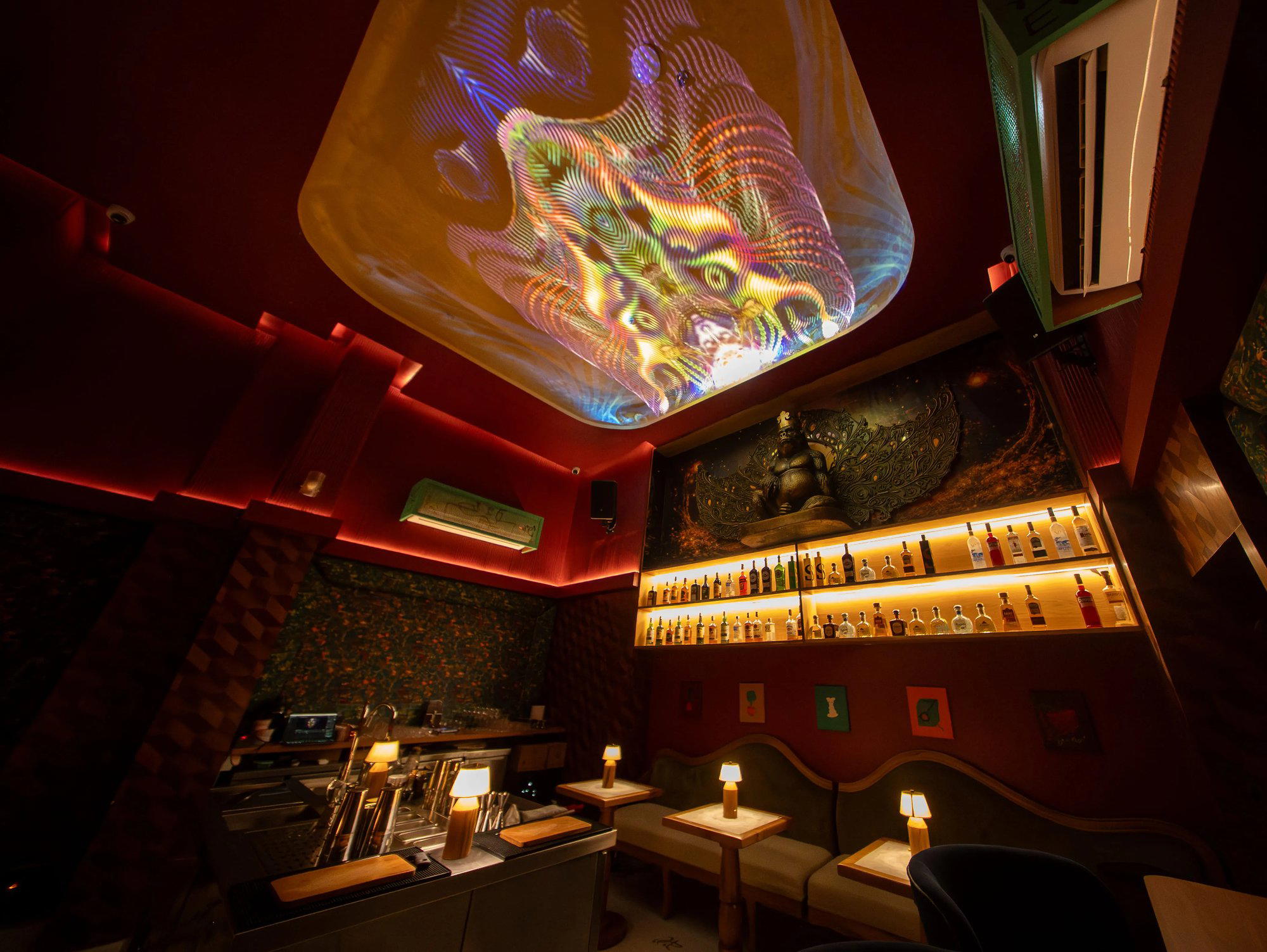
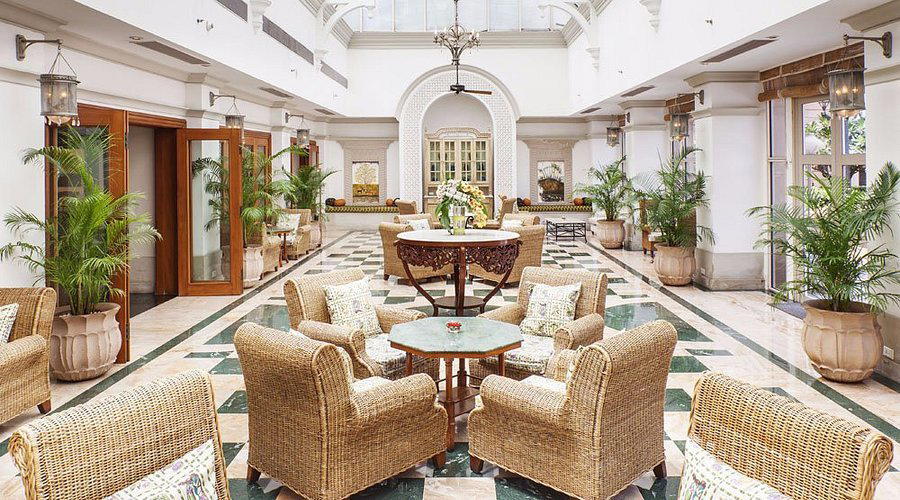
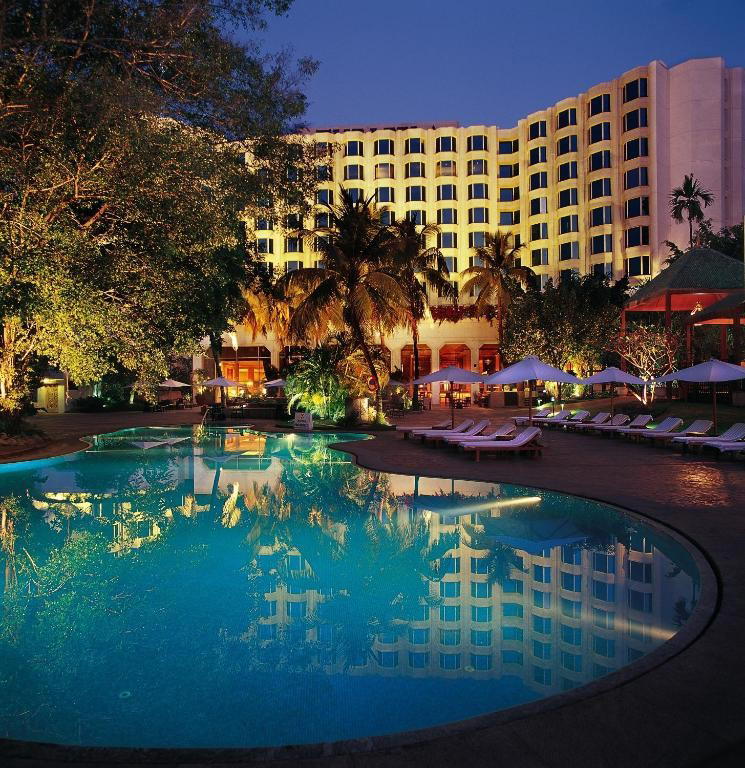
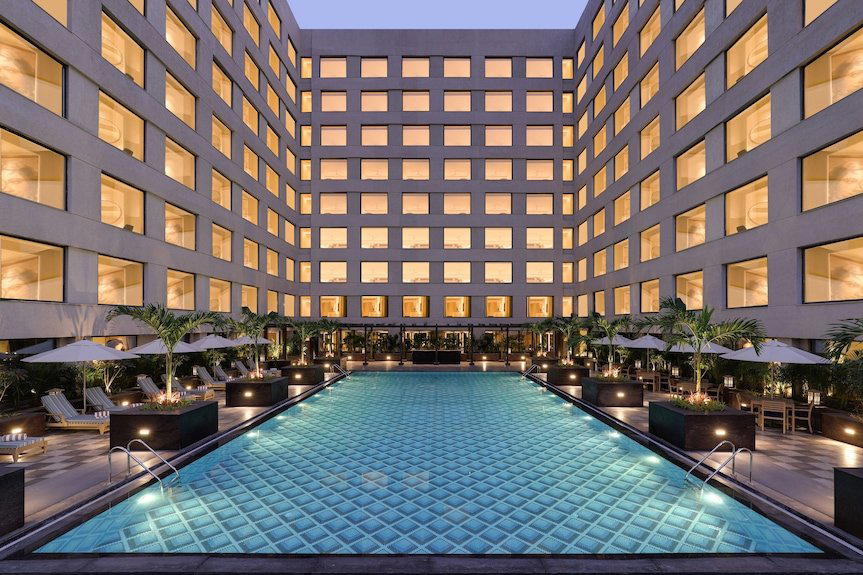
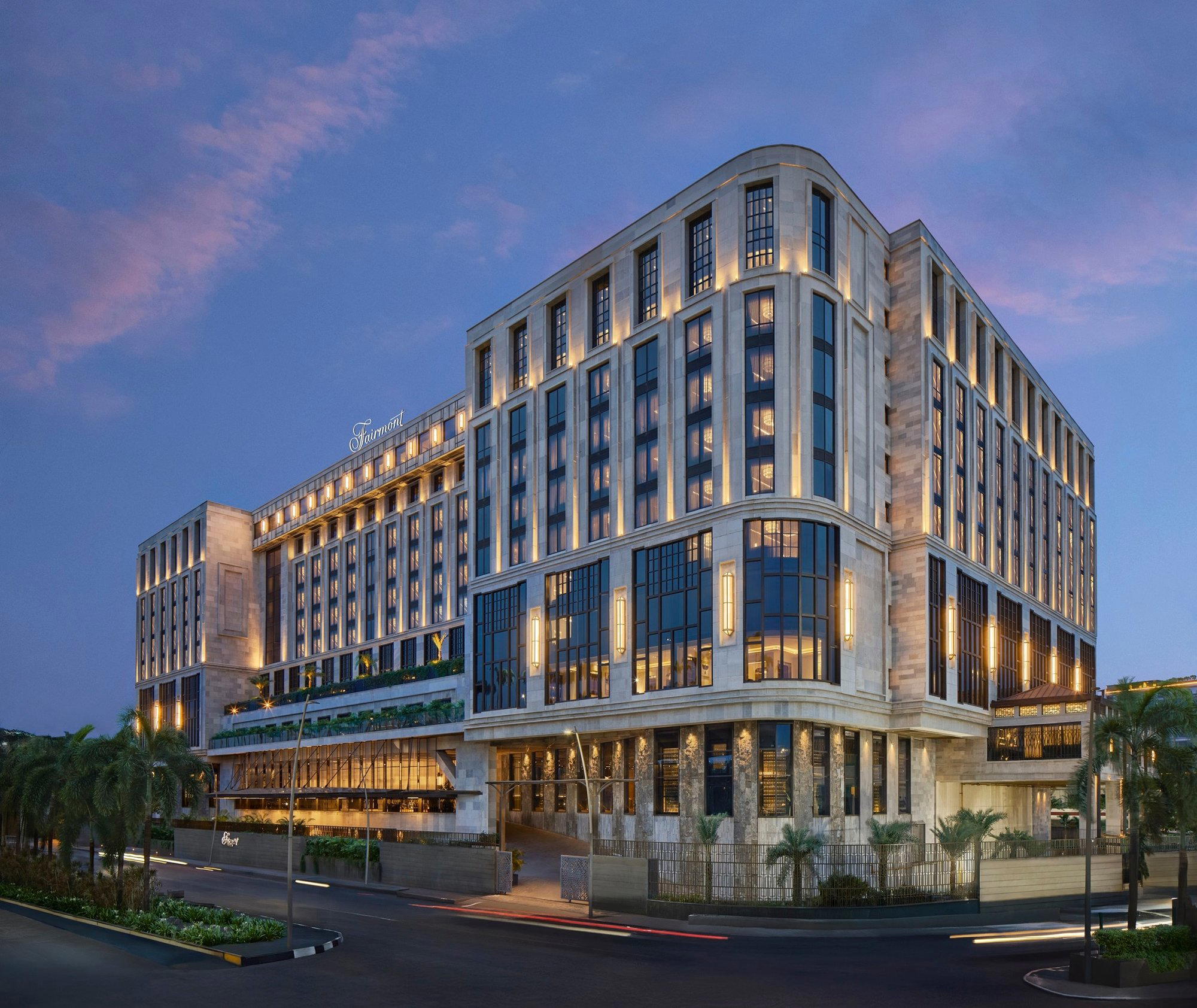
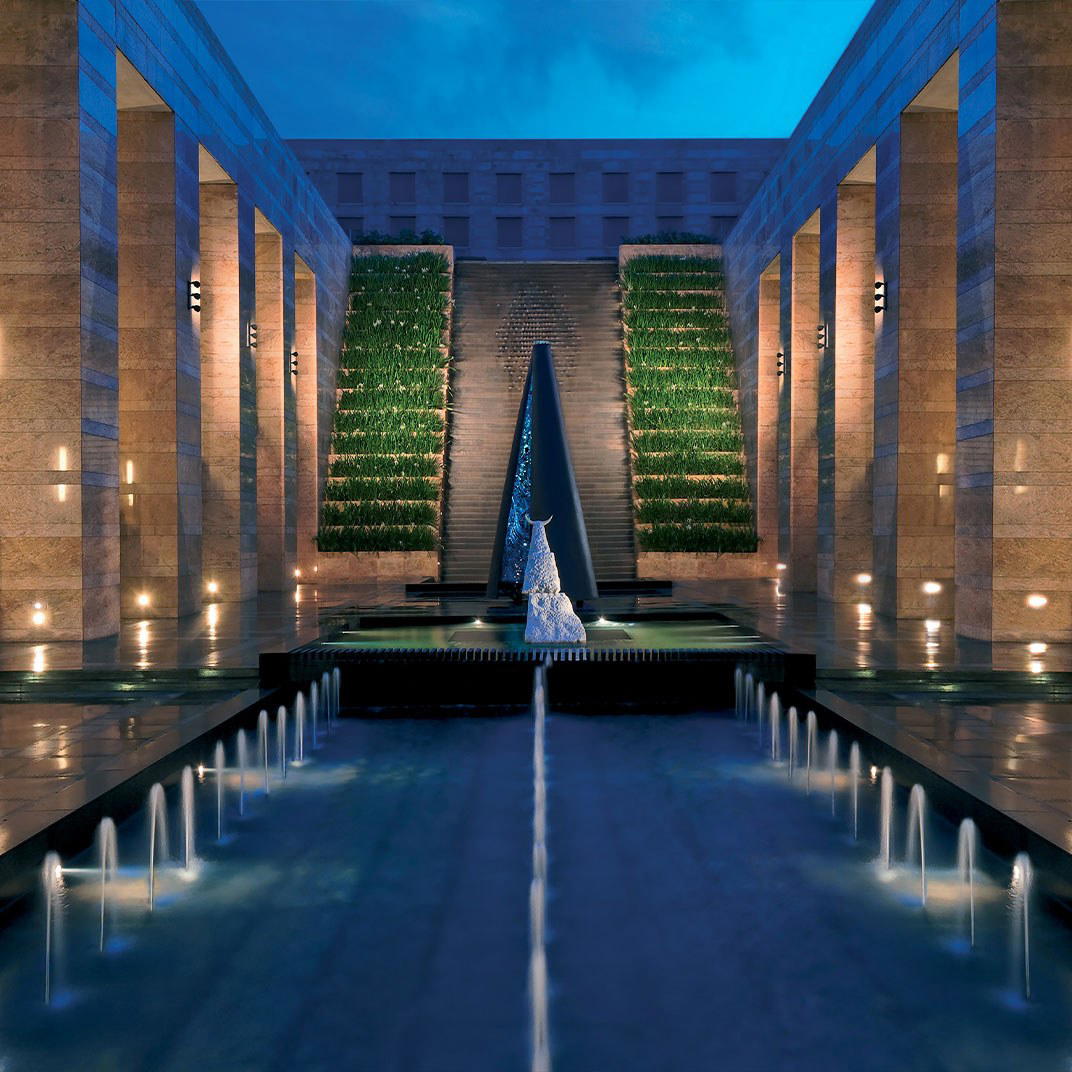
Lavish and elegant, with a refined luxury-dining atmosphere suited to a premium hotel restaurant.