Anglo Indian Cafe sits in Khar West, a Mumbai neighbourhood where Bandra’s casual dining culture spills into quieter lanes. The interest here is less trophy dining than a particular city question: how colonial-era pantry habits, local produce, bakery culture, and café pacing translate for a contemporary Mumbai table.
Pearl is the En Primeur Club membership app — saves, bookings, and concierge access live there. Same editors, same standards.
- Address
- 14, next to Olive Restaurant, Union Park, Khar West, Mumbai, Maharashtra 400052, India
- Directions
- Get directions
 Saves & bookings on Pearl
Union Park has a different rhythm from Mumbai’s hotel dining rooms and tasting-menu addresses. The approach is residential, social, and low-rise by city standards, with cafés and restaurants functioning as neighbourhood anchors rather than destination monuments. Anglo Indian Cafe belongs to that Khar West register: a room to read through the city’s everyday appetite for cross-cultural food, not through awards hardware or chef mythology.
That matters because Anglo-Indian cooking is often misunderstood as nostalgia alone. At its strongest, the tradition is about pantry logic: vinegar, spice, bakery starches, meat cookery, eggs, relishes, and vegetables shaped by Indian households, colonial-era clubs, railway rooms, and port-city exchange. Mumbai gives that language a particular charge. The city’s food culture has long absorbed outside influences without treating them as museum pieces, from Irani cafés and Catholic East Indian kitchens to Bandra’s continental-leaning bistros and newer Indian-fusion rooms.
Khar West is the right setting for a hybrid café tradition
Khar West sits close enough to Bandra’s restaurant circuit to share its casual confidence, but it tends to feel less performative than the city’s marquee dining zones. That makes the café format useful. Rather than forcing Anglo-Indian references into a formal degustation frame, the neighbourhood café model lets the tradition sit where it often makes sense: around repeat visits, mixed groups, and food that can move between snack, lunch, and dinner modes.
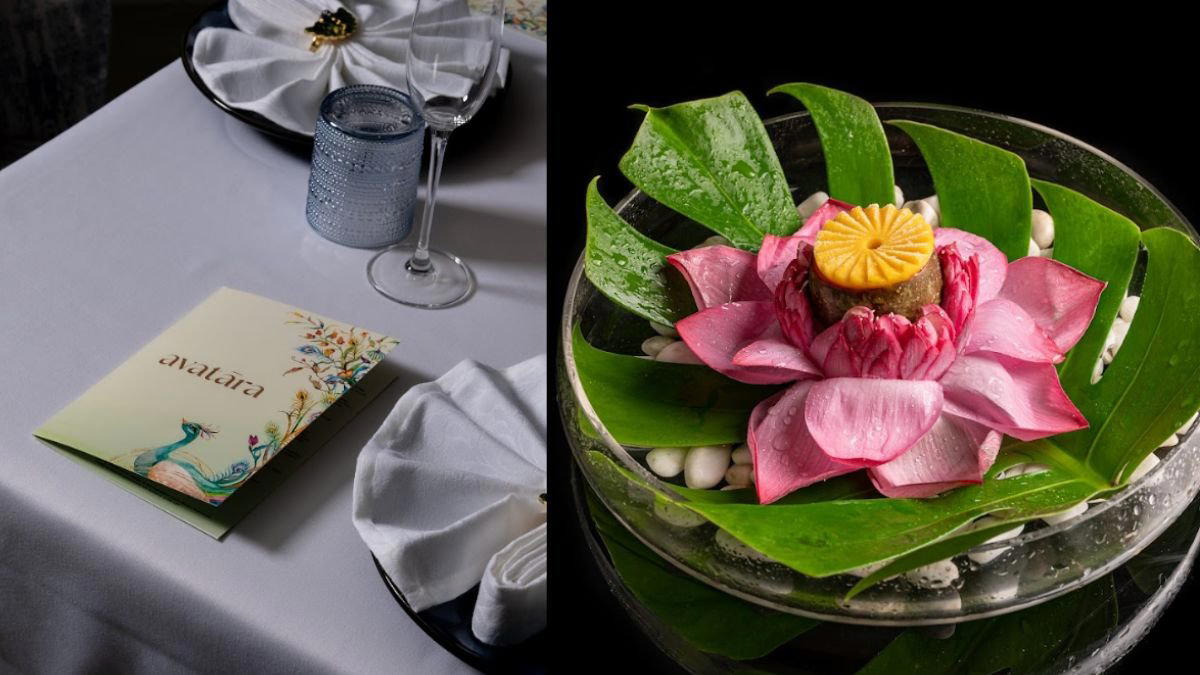
The competitive context in Mumbai is broad. Americano (Indian Fusion) reads through a more polished contemporary lens, while Avatara and Avatara Mumbai (Modern Indian (vegetarian)) point to the city’s appetite for composed Indian formats. Nearby Bandra names such as Olive Bar and Kitchen and Out of the Blue occupy a different social-dining lane, built around the long meal and the table as a gathering point. Anglo Indian Cafe is better understood within that neighbourhood continuum than as a trophy-table contender.
The ingredient question is the point
Anglo-Indian food depends on sourcing more than its reputation suggests. The difference between a credible café version and a themed approximation often lies in everyday inputs: bakery bread with structure, eggs handled without fuss, vegetables that can take spice without collapsing, pickles and relishes used for contrast rather than decoration, and proteins suited to slow cooking or quick pan work. Mumbai’s advantage is access. The city has deep retail networks for spices, seafood, breads, dairy, and seasonal produce, and Khar’s proximity to Bandra’s restaurant supply culture gives cafés a practical base for menus that need both Indian pantry depth and Western café grammar.
For diners comparing categories, this is not the same promise as a luxury hotel restaurant or a reservation-led tasting room. Avartana represents a more formal modern-Indian conversation, while city cafés trade on flexibility and repeatability. That distinction is useful: Anglo-Indian cooking loses force when treated only as costume. It works when the kitchen understands how chutney, vinegar, spice, bread, stock, and heat behave in ordinary eating, not only in plated theatre.
Mumbai’s broader restaurant map helps place it. Aquarius sits in another part of the city’s dining spread, while guides to Mumbai restaurants, Mumbai hotels, Mumbai bars, Mumbai wineries, and Mumbai experiences show how fragmented the city’s premium travel decisions have become. A Khar café answers a different need from a hotel dining room: less ceremony, more neighbourhood specificity.
How to read it against India's wider dining map
The value of a place like this is clearest when set against India’s regional breadth. 1135 AD in Jaipur speaks to palace-dining heritage, 360° in New Delhi to capital-city hotel dining, 5868 Restaurant in Gandhinagar to Gujarat’s expanding restaurant circuit, 6 Ballygunge Place in Kolkata to Bengali culinary memory, Aaharam in Thanjavur to Tamil regional cooking, and ಸà³à²µà³à²¨à³à²¤à³ ಹà³à²µà³à²¨à³ à²à³à²à³ ಠà²à²à²¡à²¿ in Chitradurga to local bakery culture. The international comparison is instructive too: Jōdo Saké Bar in Los Angeles and Onigiri Time in Pasadena show how diaspora and format can reshape familiar food languages abroad.
Anglo Indian Cafe should be approached as a neighbourhood café within Mumbai’s western-suburb dining ecology. Its appeal rests on how convincingly it handles a hybrid tradition that depends on ingredients, restraint, and everyday usefulness. In a city crowded with concept-led restaurants, that narrower brief can be the more interesting test.
- Cajun Crispy Cauliflower
- Sourdough Pizzas
- Backyard Bowls
- Smoked Chipotle Paneer Tikka
- Flaxburg plant-based burger
- Chikki Cheesecake
At-a-Glance Comparison
Nearby venues at a similar price tier for orientation.
| Venue | Cuisine | Price |
|---|---|---|
| Anglo Indian Cafe | This venue | Not listed |
| Izumi Bandra | Indian Cuisine | Indian Cuisine |
At a Glance
- Scenic
- Rustic
- Elegant
- Cozy
- Brunch
- Date Night
- Group Dining
- Celebration
- Casual Hangout
- Private Event
- Panoramic View
- Design Destination
- Hotel Restaurant
- Terrace
- Beer Program
- Farm To Table
- Organic
- Local Sourcing
- Sustainable Seafood
- Mountain
- Garden
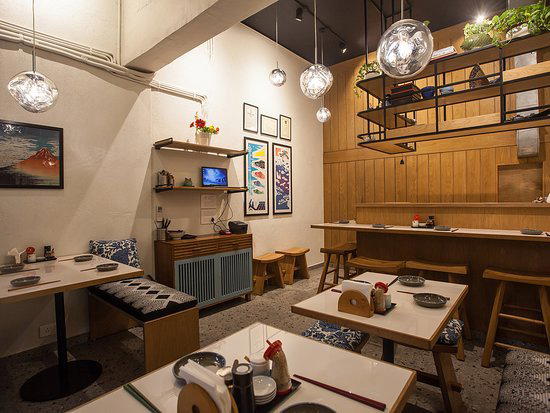
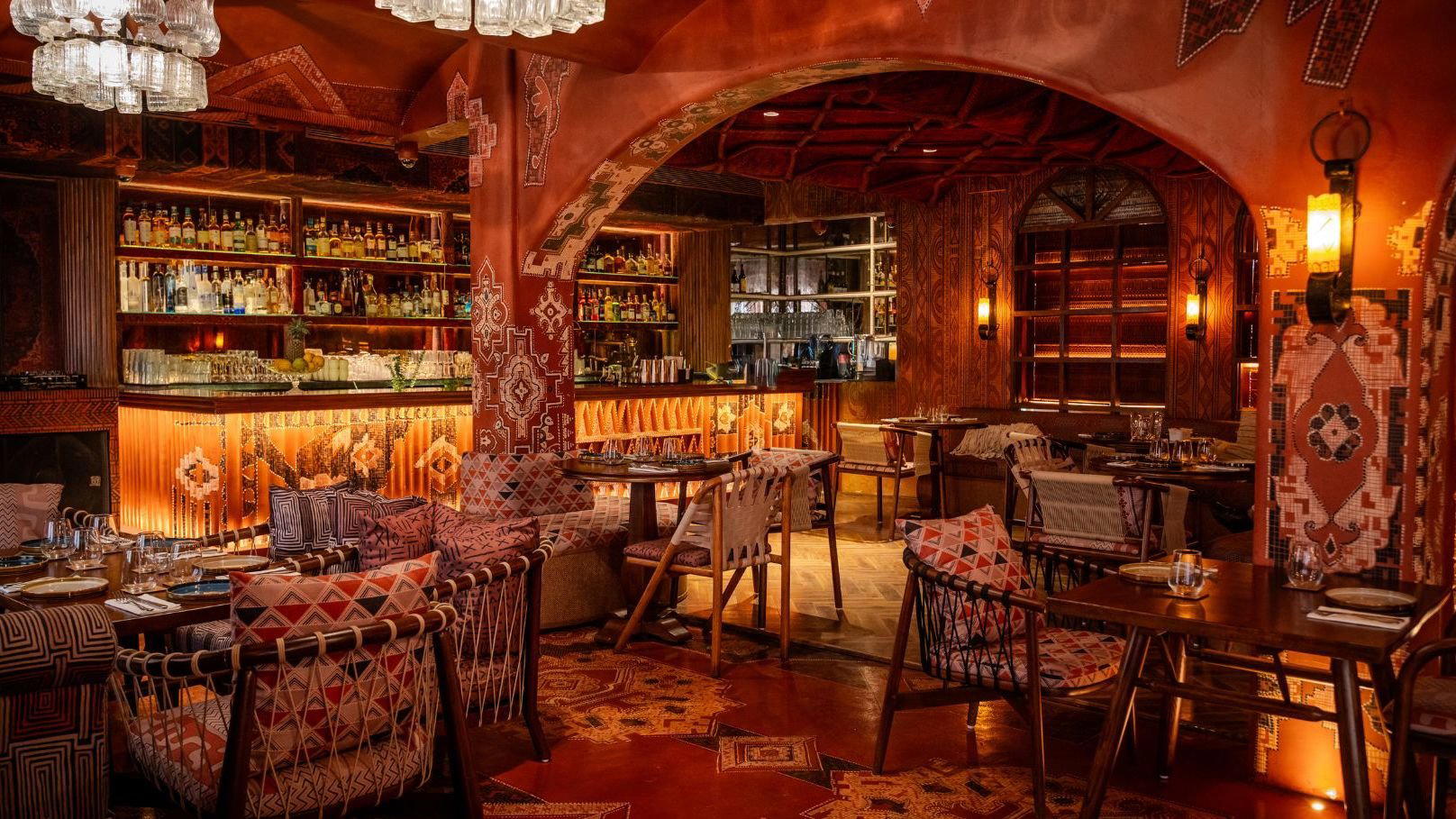
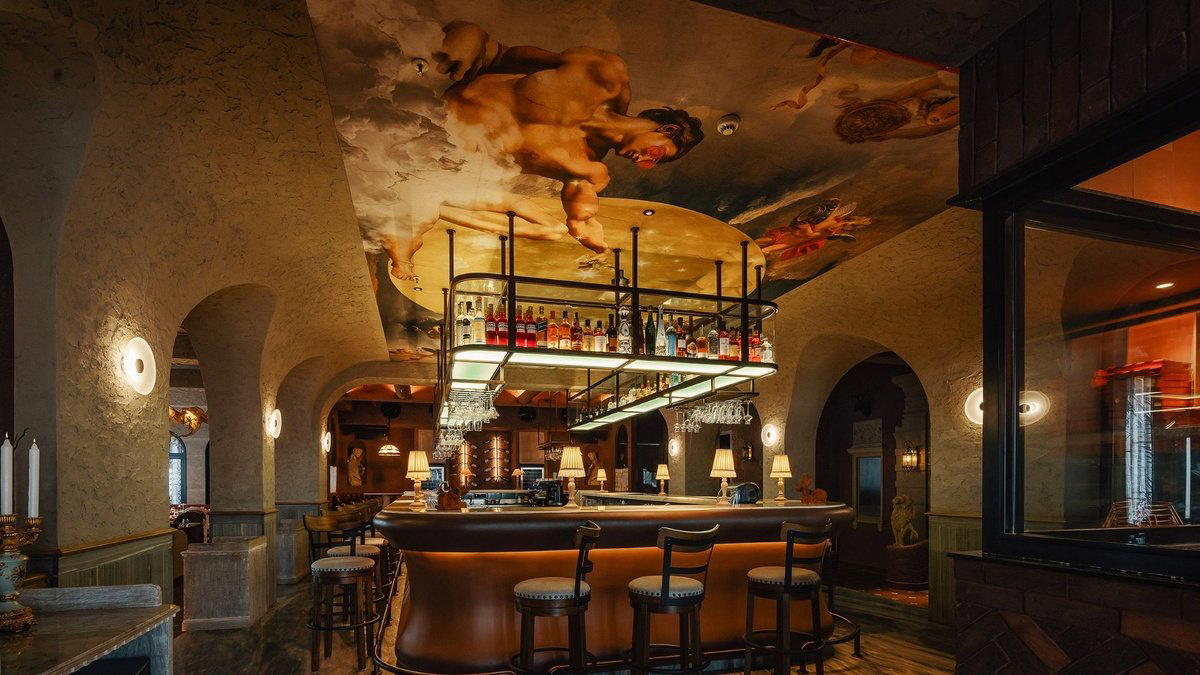
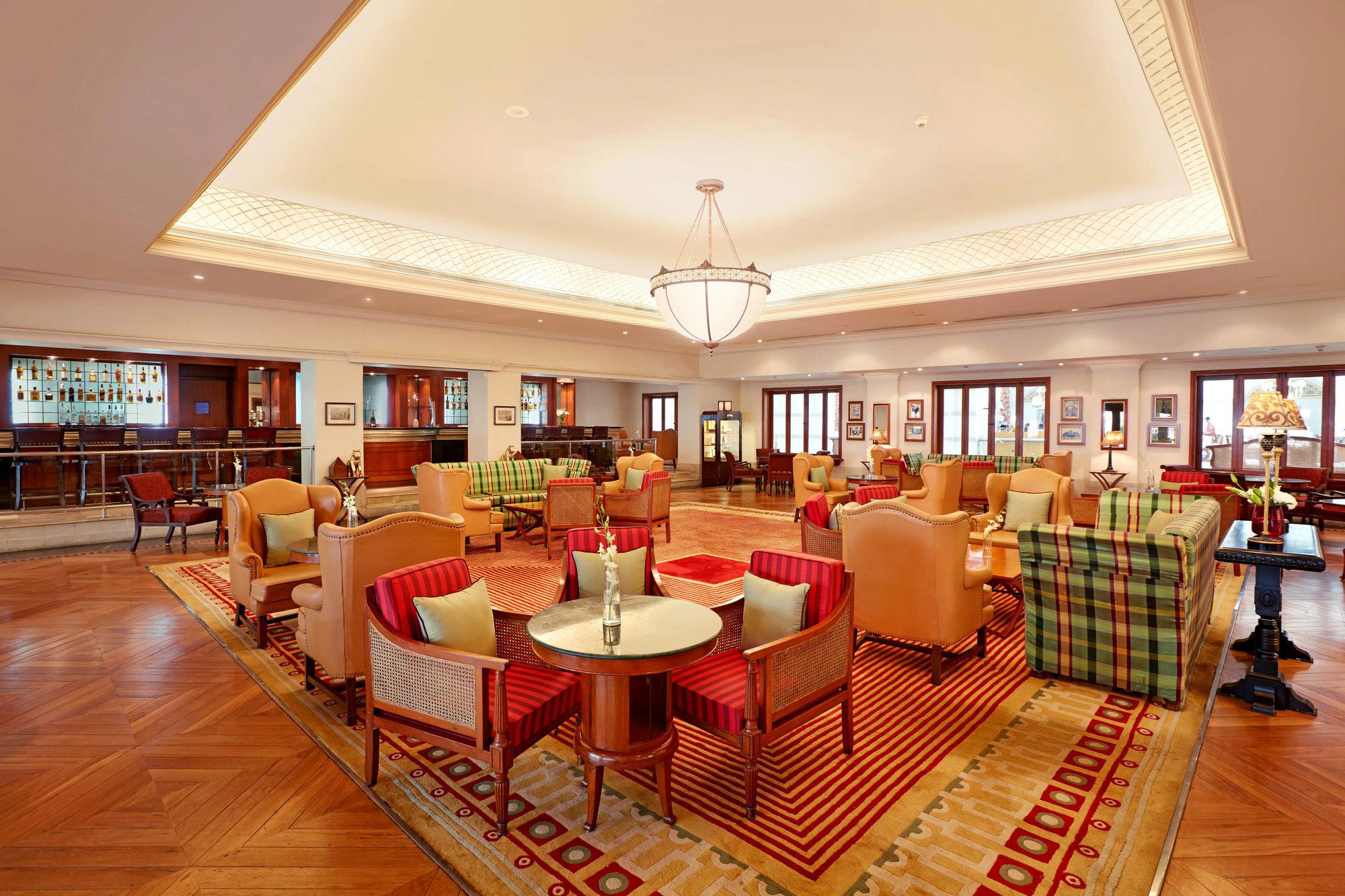
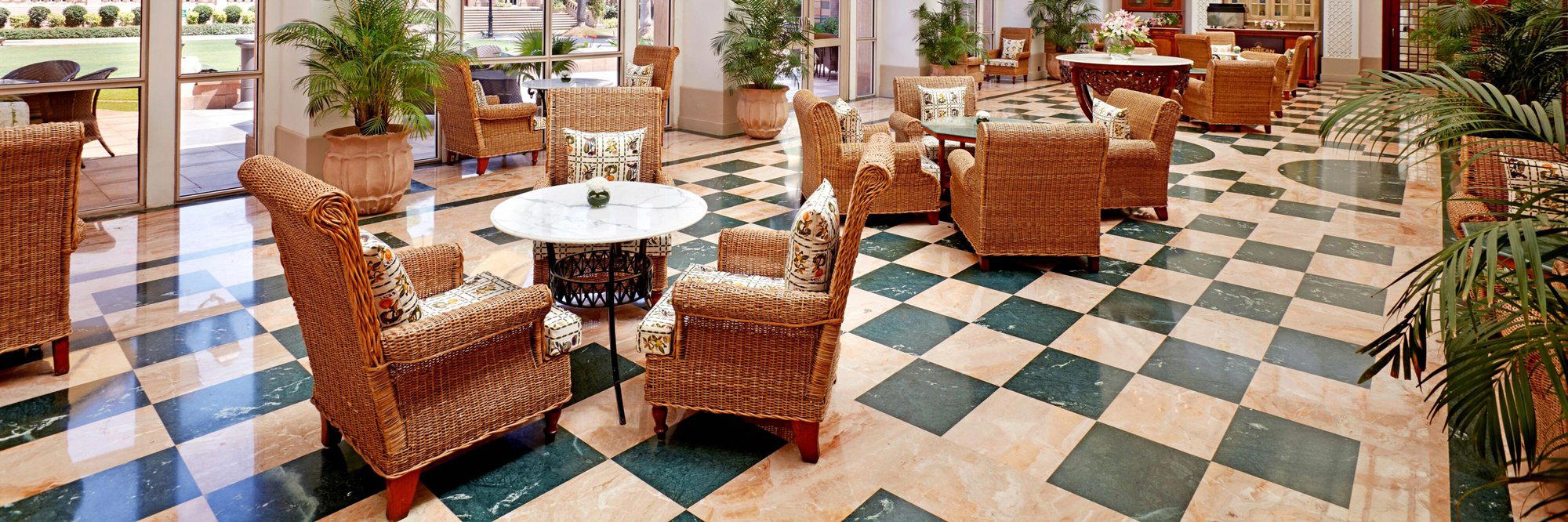
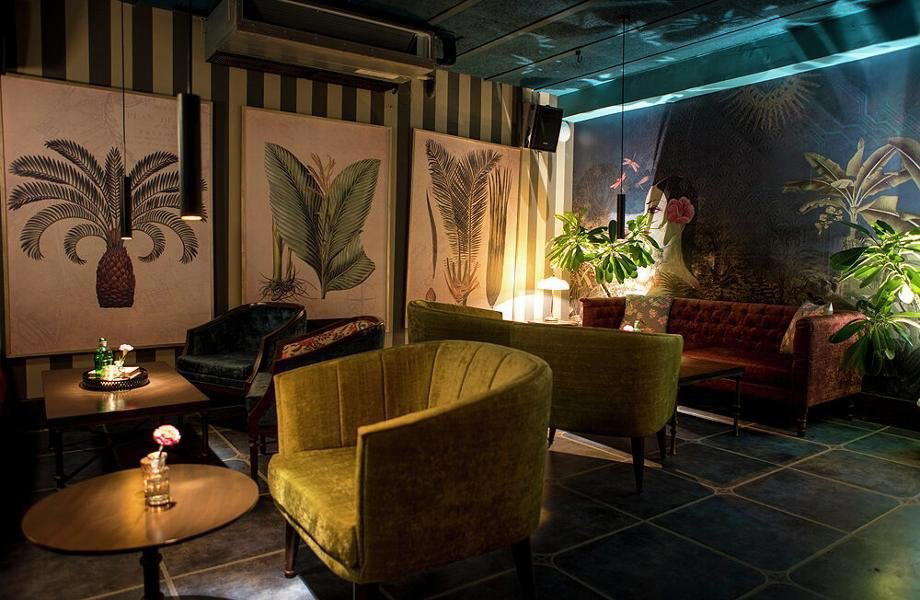
A rustic yet refined hill-station cafe with calming decor, colonial pillars, cane swings, and European-style windows opening to lush green hill views; relaxed enough for brunch yet polished enough for intimate dinners.