

.png)
The Four Seasons Toronto holds a particular position in Yorkville: it is the brand's global headquarters city, which means the 259-room Yorkville tower carries an implicit obligation to set the standard. Awarded Forbes Five Stars, Michelin Two Keys (2024), and a 98.5-point score on La Liste's 2026 hotel ranking, it delivers on that obligation through room scale, service consistency, and Café Boulud's French kitchen.
 Discover on Pearl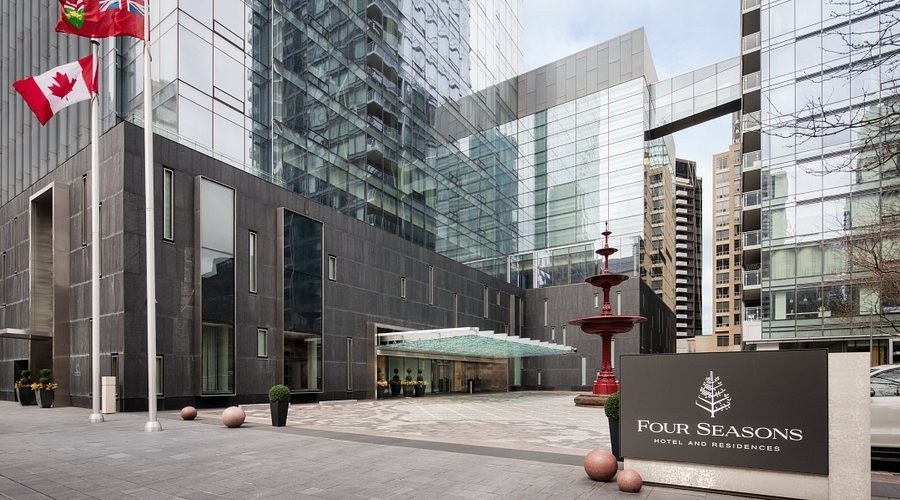
Yorkville's Anchor: Where the Brand Sets Its Own Benchmark
Approaching 60 Yorkville Avenue from street level, the visual grammar is immediately legible: a blue glass tower rising above one of Toronto's most consistently expensive retail corridors, flanked by Holt Renfrew and a walkable grid of Bloor Street flagships. The building does not try to look discreet. It is a statement of brand confidence in a neighbourhood that has positioned itself as the city's luxury commercial centre for decades. What happens inside, however, is where the story earns its complexity.
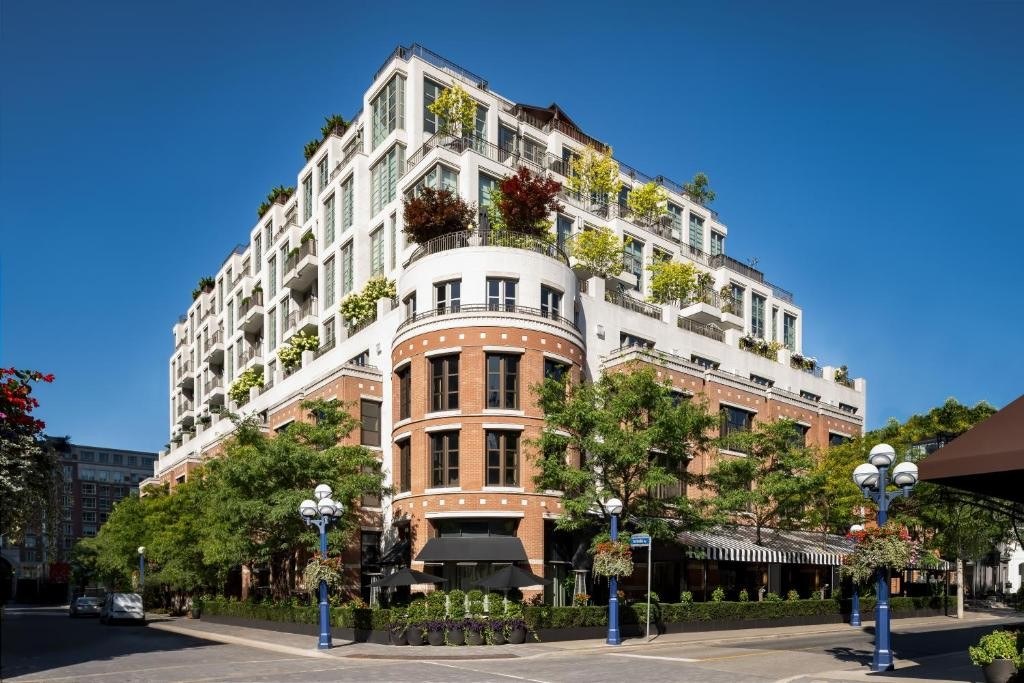
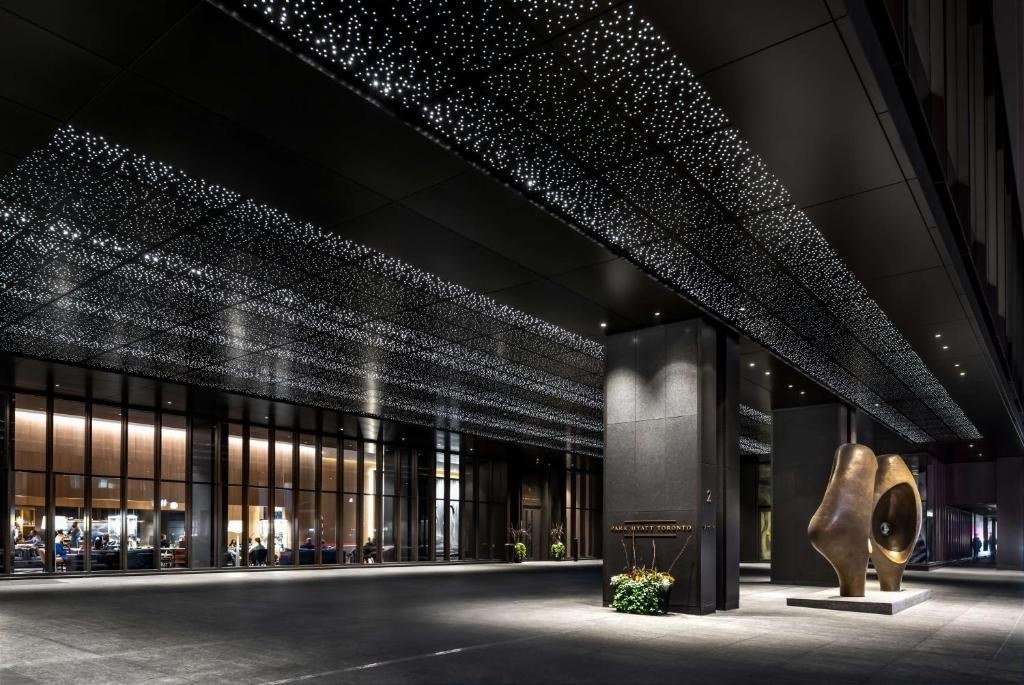
Four Seasons Hotels and Resorts is headquartered in Toronto, a fact that shapes how this particular property is evaluated — internally, by press, and by guests who know the portfolio. The Yorkville hotel functions as a reference point against which other Four Seasons openings measure service protocol and room standards. That institutional pressure produces a level of operational consistency that is difficult to replicate in a standalone luxury hotel, and it is the single most important contextual fact for any guest deciding between this address and its Yorkville neighbours, including The Hazelton Hotel or the nearby Park Hyatt Toronto.
The Room Experience: Scale, Technology, and the Bathroom Question
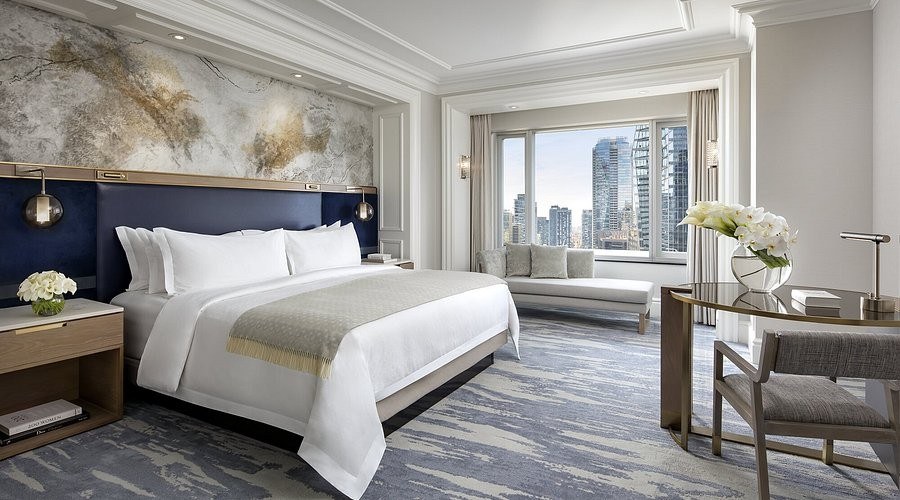
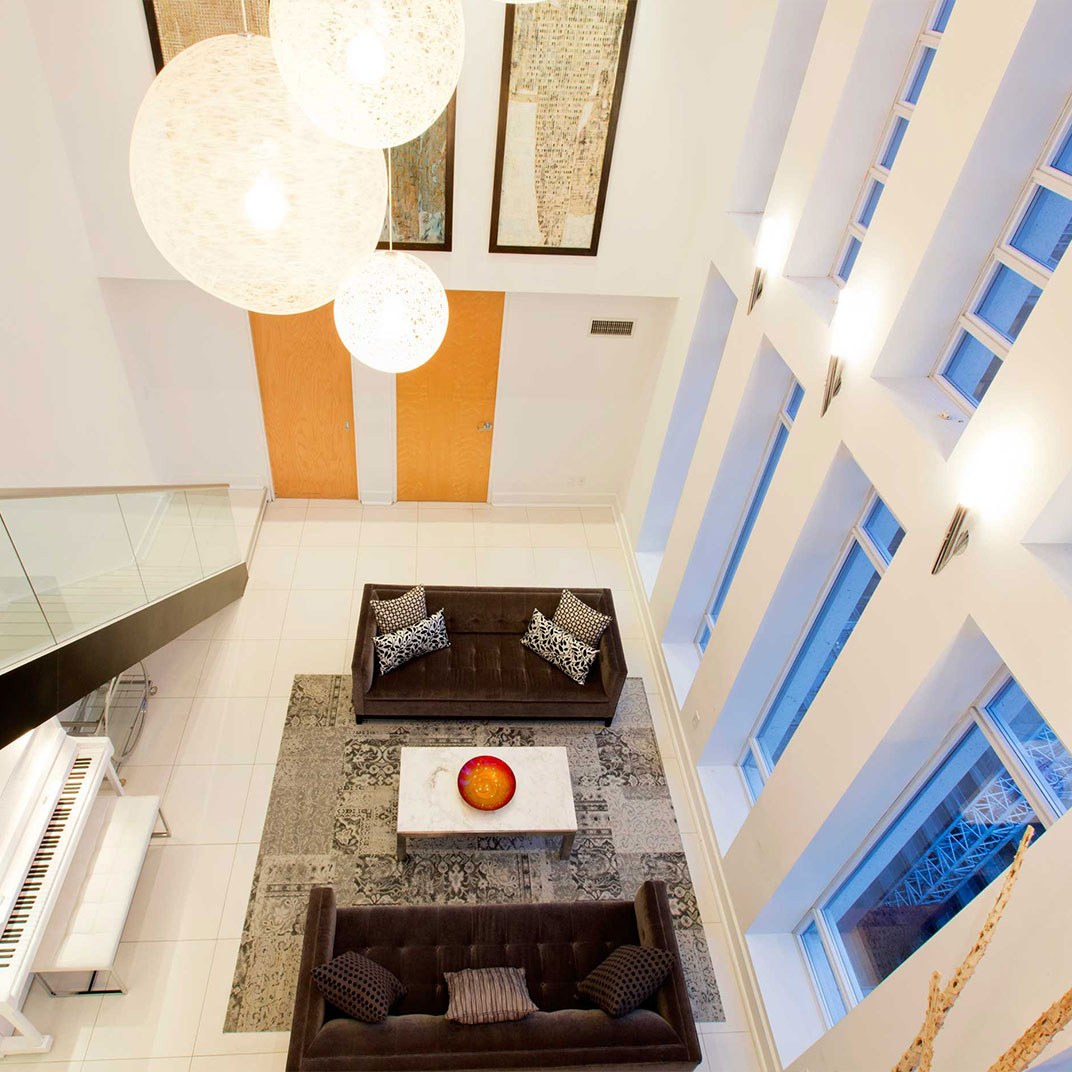
Luxury hotel rooms in Toronto's top tier tend to compress as construction costs rise and operators optimise for yield. The Four Seasons bucks that pressure with guest rooms described consistently as among the largest in the city. The spatial logic is residential: curved sofas and coffee tables anchor a living area, floor-to-ceiling windows open to admit fresh air rather than simply admit light, and the overall arrangement discourages the sensation of inhabiting a hotel box. That residential framing is a deliberate positioning choice, one that differentiates the property from the more design-forward but tighter rooms at Ace Hotel Toronto or the fashion-led interiors at Bisha Hotel Toronto.
Technology in the rooms is integrated rather than decorative. Bose stereo systems, high-definition smart televisions, and iPad-driven room service controls are standard across the inventory. The detail that most consistently registers with guests is the bathroom television embedded in the mirror — a feature that signals a particular philosophy about the overnight experience: the bath and shower should be an event in their own right, not an interlude. The granite-covered bathrooms with glass-walled rain showers and standalone quick-filling tubs reinforce that reading. In Toronto's luxury tier, bathroom scale and finish quality function as a reliable proxy for overall room investment, and the Four Seasons reads high on both measures.
The Royal Suite on the 21st floor represents the property's ceiling. It contains a dining room table for eight, two separate common areas, a bedroom with connecting rooms, a study, and a fully equipped kitchen. Contemporary Canadian art throughout the suite connects the space to local cultural identity without overclaiming. For guests who need that scale , extended corporate stays, family travel requiring adjoining rooms, or private entertaining , the configuration is genuinely functional rather than simply theatrical.
A practical note on arrival: GPS navigation frequently routes guests to the Bay Street entrance rather than the Yorkville Avenue door. The correct approach is via Yorkville Avenue, where valet service and arrival staff are positioned. It is a minor logistical detail that becomes relevant after a long flight.
Café Boulud and the Property's Dining Position
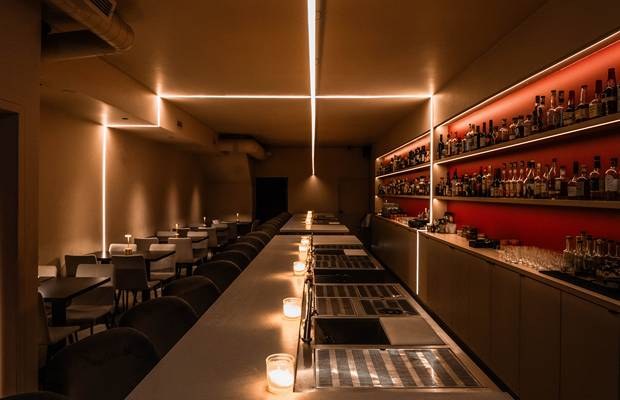
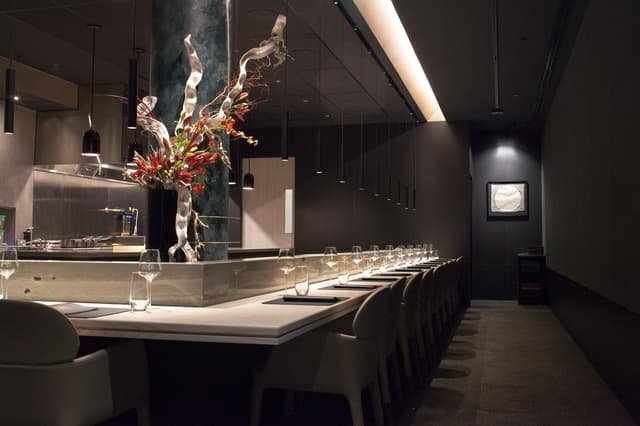
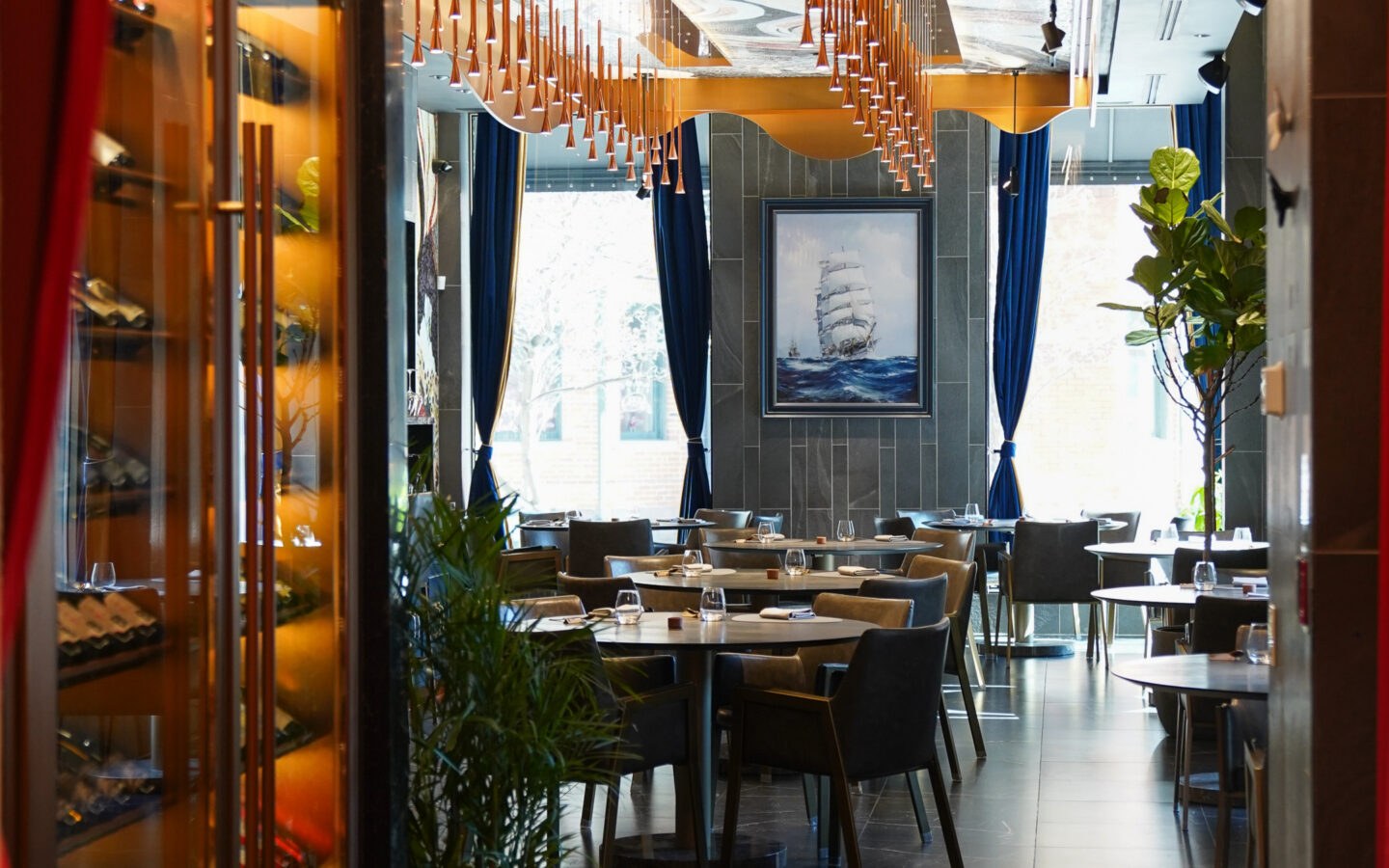
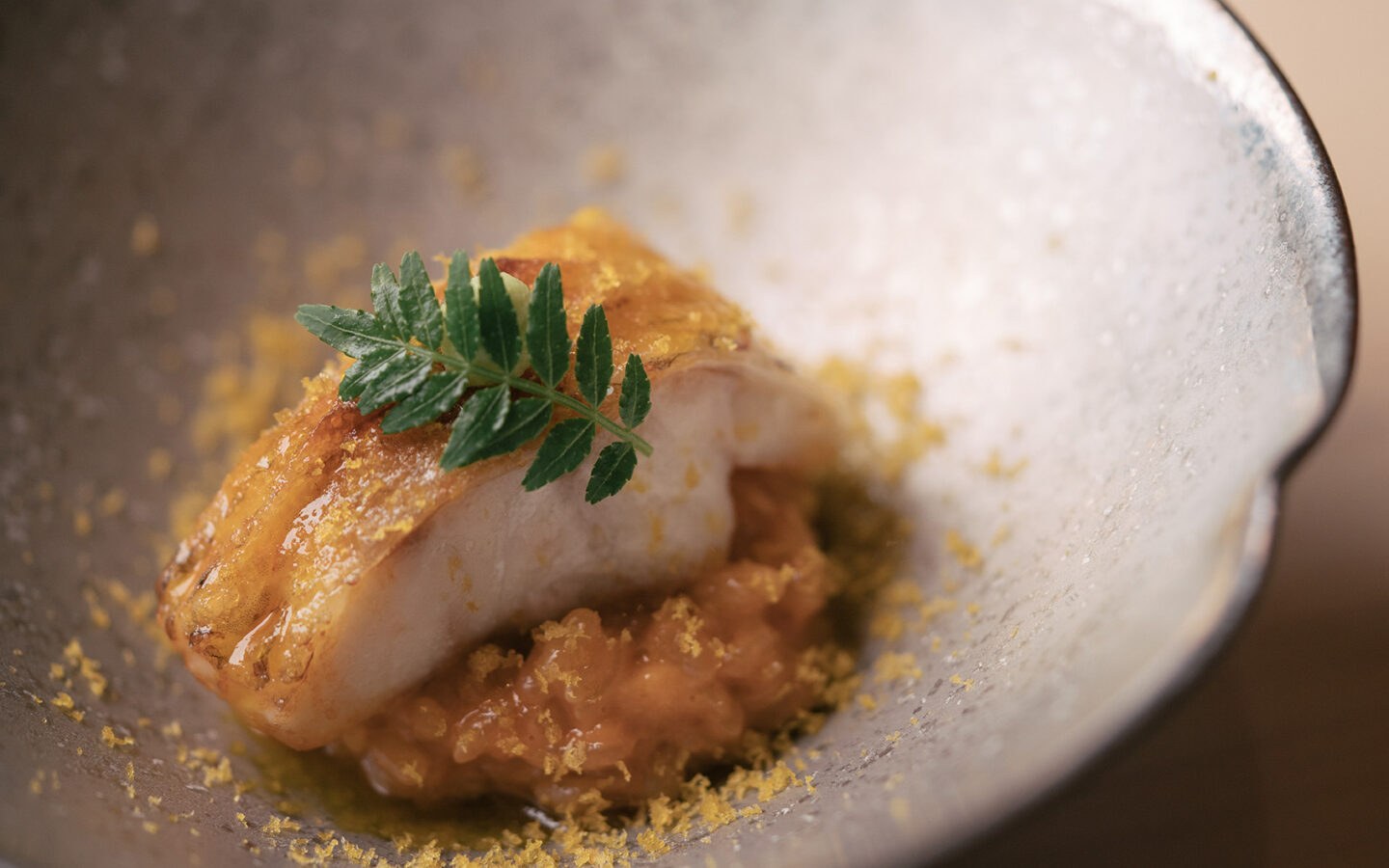
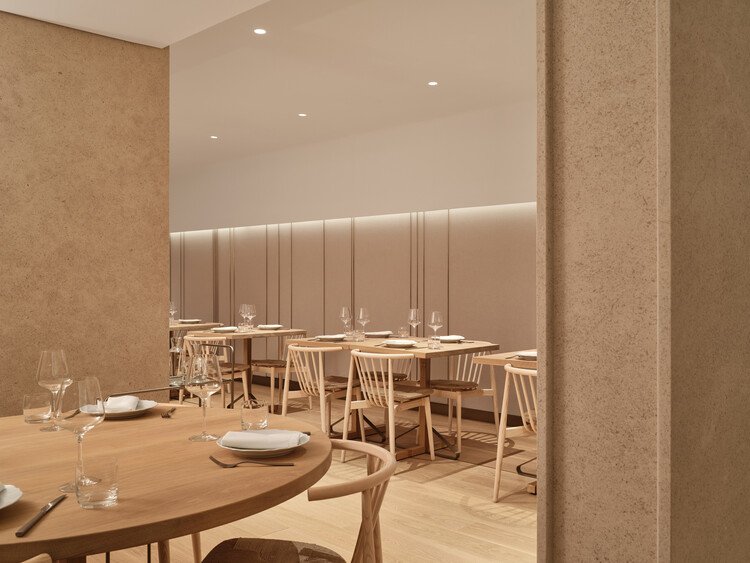
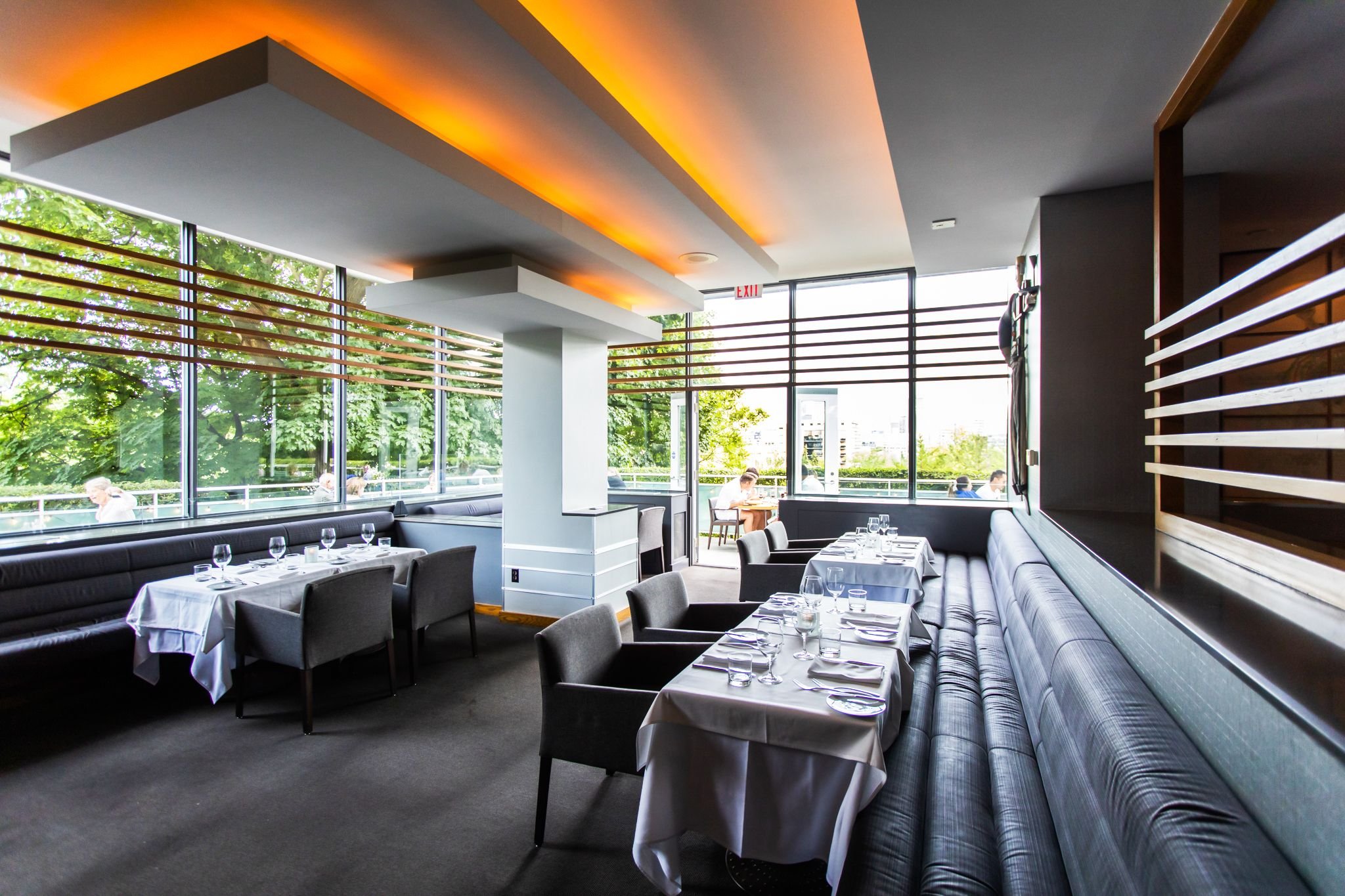
Within Toronto's restaurant grid, Café Boulud occupies a specific position: modern French cooking anchored by a rotisserie program, operating inside a hotel that actively promotes it as a dining destination in its own right rather than a convenience option for guests who cannot be bothered to leave. The chicken from the in-house rotisserie is the dish cited most consistently by the property's own inspectors as a reference point, cooked to a standard that reflects the French bistro tradition the kitchen draws from. For broader context on where this restaurant fits within Toronto's dining scene, the full Toronto restaurants guide maps the city's current options across price tiers and neighbourhoods.
The Spa: Capacity as a Differentiator
Eighteen treatment rooms position the Four Seasons spa as one of the largest hotel wellness facilities in Toronto. In a city where luxury hotel spas frequently operate at capacity constraints that limit availability, room count is a practical consideration rather than simply a prestige signal. The Himalayan Salt Stone Massage, which uses an organic whipped shea butter formulation, is the treatment most specifically highlighted by the property's inspector notes. Whether spa access fits a given itinerary depends on lead time for booking, but the scale of the facility improves the odds relative to smaller hotel spa operations.
Awards and Competitive Positioning
Three independent trust signals converge on this property. Forbes Five Star recognition places it within a small cohort of Toronto hotels operating at that certification level. Michelin's Two Keys designation, awarded in 2024, reflects the French tire company's hospitality rating system, which evaluates guest experience and hotel craft alongside more conventional metrics. La Liste's 2026 hotel ranking at 98.5 points situates the property in a very narrow band of globally recognised hotels. First awarded in 2013, the property has maintained its positioning across more than a decade of competitive evolution in Toronto's luxury hotel market.
That competitive market has grown more complex. Properties like Hotel, Toronto occupy a similar price tier, while the Fairmont Royal York carries a different kind of institutional weight , historical and civic rather than brand-operational. The Gladstone House and 1 Hotel Toronto represent a different competitive register entirely, oriented toward design identity and sustainability positioning rather than service depth. Four Seasons Toronto's argument is service consistency and room scale. The awards suggest that argument holds.
Location and the Yorkville Context
The Yorkville address provides walkable access to Bloor Street's luxury retail concentration, including Burberry and Prada, and proximity to the Royal Ontario Museum and the Bata Shoe Museum. The Financial District is close enough for business travel to function efficiently without requiring the hotel to position itself as a business-first property. That dual utility , leisure credibility alongside corporate practicality , is reflected in the room rate, which begins around CAD $985. At that price point, the property prices against The Fifth Avenue Hotel in New York City and Aman New York in terms of positioning philosophy, if not in absolute competitive set.
For guests mapping Canada's wider luxury hotel landscape, the Four Seasons Toronto sits at a different point on the spectrum than properties like Fogo Island Inn in Joe Batt's Arm, Clayoquot Wilderness Lodge in Tofino, or Manoir Hovey in North Hatley, all of which trade on landscape immersion and small-scale intimacy. The Yorkville property is emphatically urban and brand-anchored, which is the correct choice for some itineraries and the wrong one for others. Those planning broader Canadian itineraries might also consider Fairmont Chateau Whistler in Whistler, Rosewood Hotel Georgia in Vancouver, Fairmont Banff Springs in Banff, Fairmont Chateau Lake Louise in Lake Louise, Fairmont Empress Hotel in Victoria, Hotel Le Germain Montreal in Montreal, Hôtel Quintessence in Mont-Tremblant, Le Germain Charlevoix Hotel & Spa in Baie-St-Paul, and The Dorian, Autograph Collection in Calgary. For something off the main urban grid, The Royal Hotel in Picton represents Ontario's growing wine country hotel category, while Aman Venice in Venice draws comparisons for guests who evaluate international luxury properties against the same service depth criteria.
Planning Your Stay
With 259 rooms across the tower, availability is less constrained than at smaller luxury properties, but weekend bookings during Toronto's busiest cultural and commercial calendar periods merit advance planning. The property offers family-specific programming , children receive dedicated welcome amenities, bathrobes, toiletries, and a complimentary in-room film with popcorn, alongside weekend family swim sessions and babysitting services , which places it in a practical tier for family travel that most comparable luxury addresses in the city do not match with equivalent operational depth.
Peer Set Snapshot
A quick context table based on similar venues in our dataset.
| Venue | Cuisine | Price | Awards | Notes |
|---|---|---|---|---|
| Four Seasons Hotel Toronto | Michelin 2 Key | This venue | ||
| Park Hyatt Toronto | Michelin 1 Key | |||
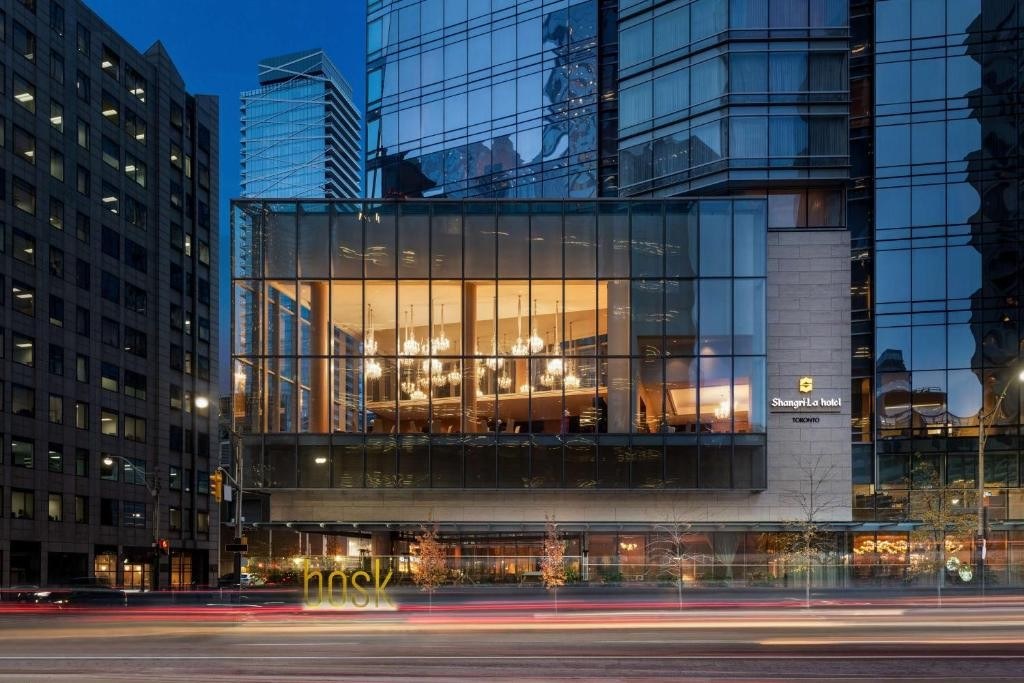
| Shangri-La Hotel, Toronto | Michelin 1 Key | |||
| The Ritz-Carlton, Toronto | ||||
| The Hazelton Hotel | Michelin 2 Key | |||
| Bisha Hotel Toronto | Michelin 1 Key |
Continue exploring