Google: 4.5 · 3,758 reviews
Kimpton Clocktower Hotel
The Kimpton Clocktower Hotel occupies one of Manchester's most recognisable Victorian Gothic buildings on Oxford Street, a structure whose terracotta turrets and ornate stonework have defined the city's southern approach for over a century. Inside, the conversion trades period grandeur for a contemporary hospitality sensibility, placing it squarely in the tier of character-led city hotels that compete on architecture and atmosphere as much as amenity.
 Discover on Pearl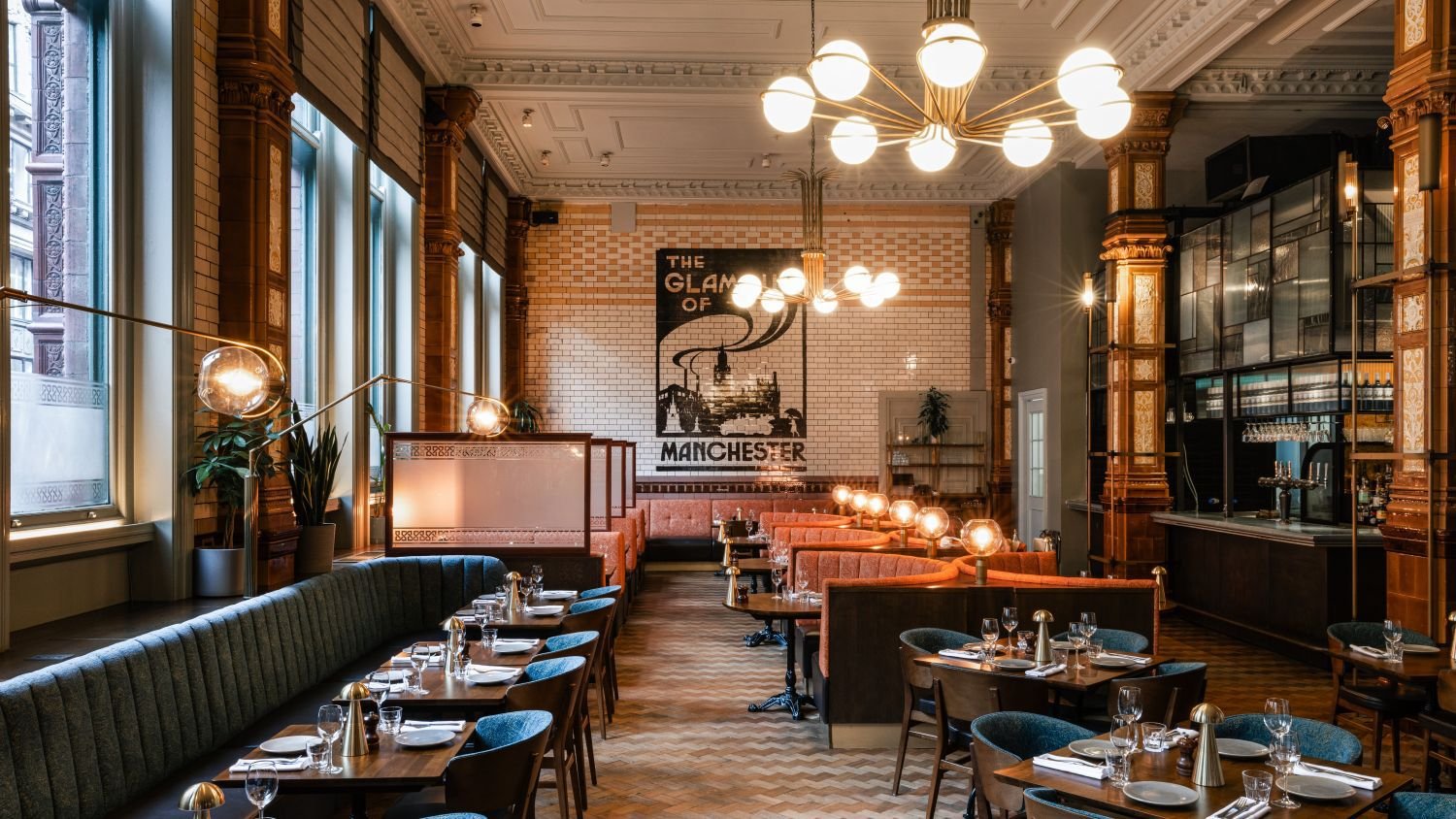
Victorian Stone, Contemporary Tempo
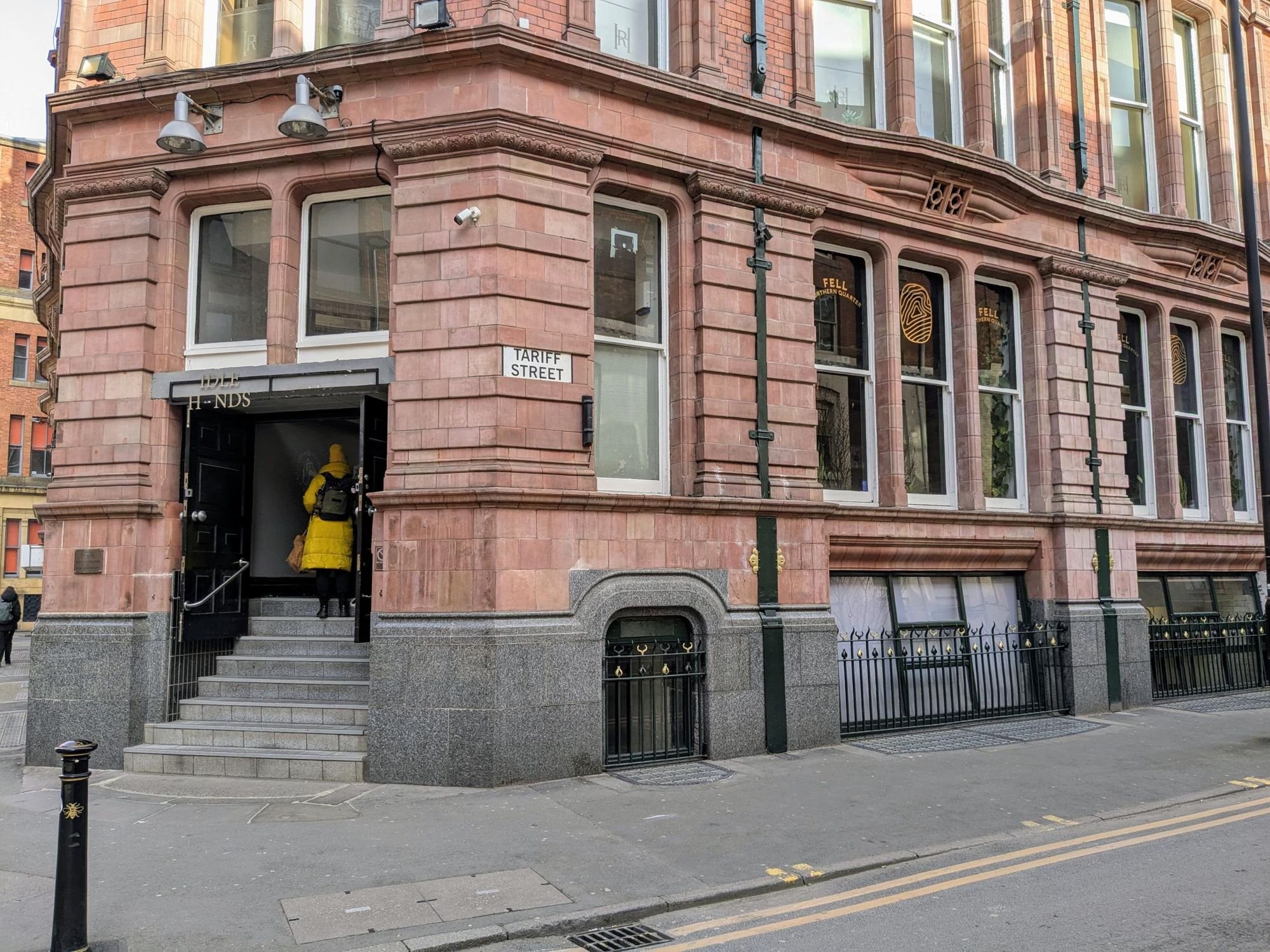
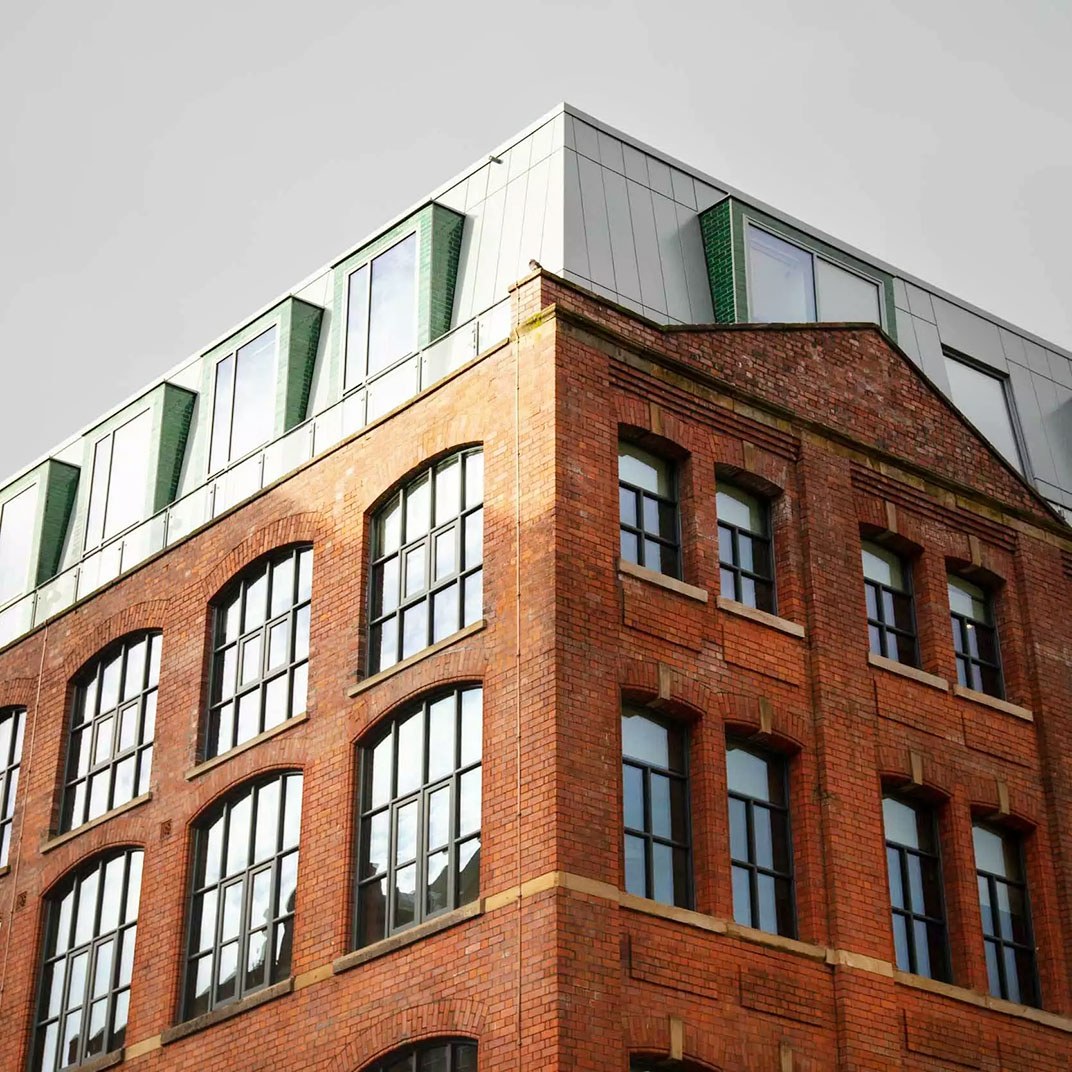
Manchester's Oxford Street corridor has long been a study in contrasts: student bars alongside boutique hotels, Victorian municipal ambition pressed against 1970s concrete. The Kimpton Clocktower Hotel sits at the weighted end of that spectrum. Its terracotta Gothic facade, completed in 1891 as the Palace Hotel, rises above the pavement with the kind of civic confidence that later decades of hospitality development never quite replicated. Approaching from the south, the clocktower itself registers before anything else — a navigational landmark that has oriented Mancunians for generations. That relationship between building and city is not decorative; it is structural to how the hotel operates as an experience.
The broader pattern in British city-centre hospitality is instructive here. Over the past decade, the market has bifurcated between large-footprint international-brand hotels that compete on consistency and loyalty programmes, and a smaller cohort of architecturally significant buildings repositioned under lifestyle-focused operators. The Kimpton Clocktower belongs to the second category. IHG's Kimpton brand, which absorbed the property into its portfolio, has built its identity around exactly this kind of conversion: historic fabric, local character, deliberately smaller-scale programming. That positions the hotel against peers like Hotel Gotham Manchester, which similarly occupies a landmark building and competes on design and atmosphere rather than room count alone.
What the Building Does to a Room
The sensory experience of staying or drinking in a Victorian Gothic conversion differs from a purpose-built hotel in ways that are difficult to overstate. Stone walls retain cold in winter and dampen sound differently from partition board; ceiling heights in the original public rooms run to proportions that modern builds rarely match on cost grounds. Leaded windows filter light at angles that shift through the afternoon. These are not aesthetic choices made by an interior designer — they are inherited conditions that the leading conversions work with rather than against.
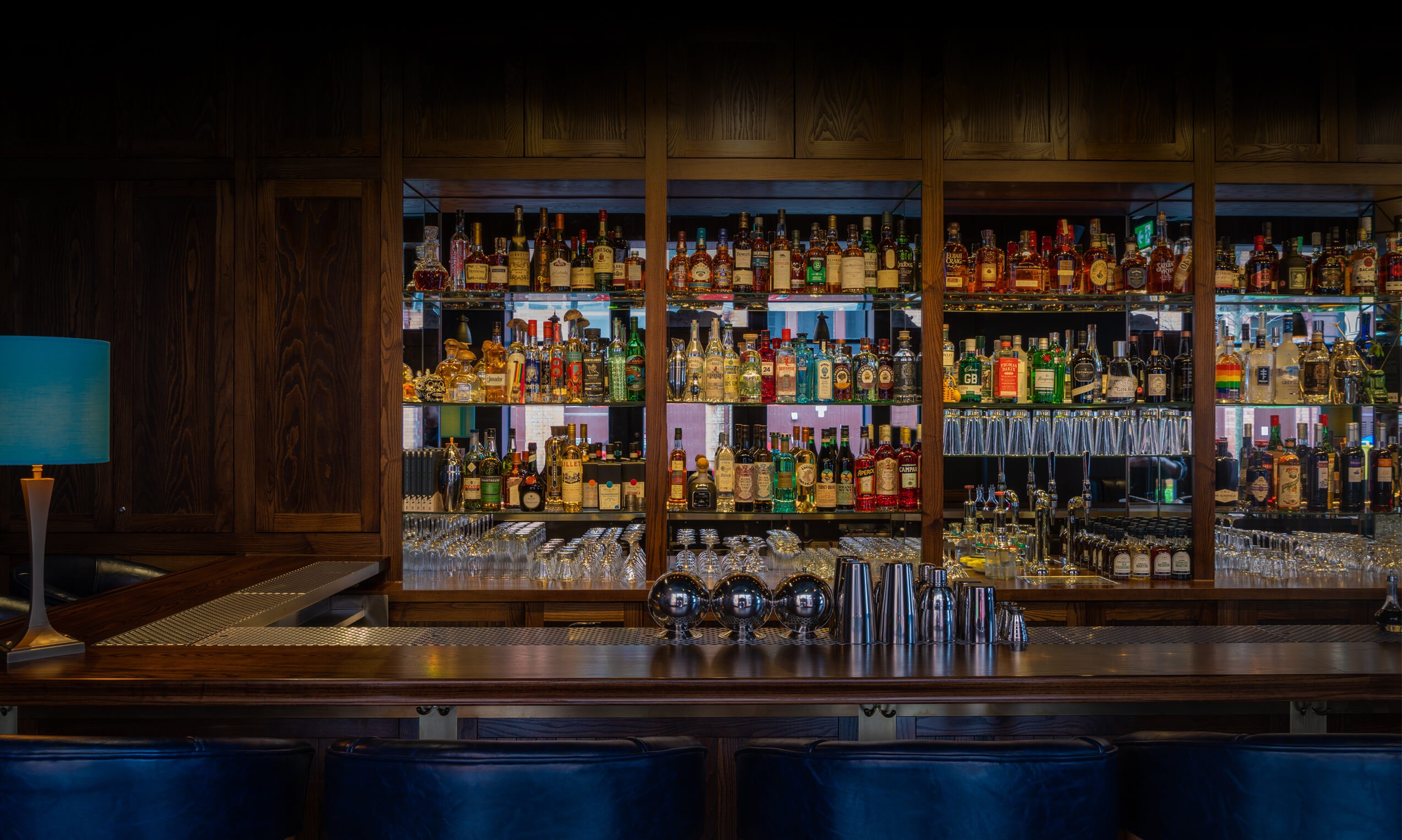
At the Kimpton Clocktower, the ground-floor bar and lounge spaces occupy rooms that carry that inherited weight. The arched detailing, the original stonework, the sense of verticality: these set a register that a seasonal drinks programme or a well-curated playlist has to earn the right to sit alongside. Manchester's bar scene has moved significantly in recent years, with operators like Schofield's setting a high baseline for serious cocktail programming in period-adjacent spaces. The expectation that a hotel bar in a building of this pedigree should hold its own on the drinks side is now reasonable, not aspirational.
For a broader map of where cocktail culture has arrived in British cities, the contrast is useful: 69 Colebrooke Row in London built its reputation on technical rigour in an intimate format; Bramble in Edinburgh operates with similar intentionality in a basement room that punches well above its square footage; and Merchant Hotel in Belfast shows what a Victorian commercial building can do when its bar programme is treated as a primary offer rather than a hotel amenity. These are the reference points against which a hotel bar in a landmark Manchester building is now measured.
Manchester's Hotel Tier and Where This Property Sits
Manchester's city-centre hotel market has deepened considerably since 2015. The Northern Quarter and Spinningfields have attracted design-conscious openings, while the Oxford Road corridor , where the Clocktower sits , anchors a slightly different catchment: closer to the universities, the cultural institutions on Whitworth Street, and the major transport interchange at Piccadilly. That geography matters for how guests actually use the hotel. Day-of arrivals from London via Avanti West Coast take under two hours; Manchester Piccadilly is walkable from Oxford Street, making the Clocktower genuinely transit-efficient for short-break visitors who want a base rather than a destination resort.
Within Manchester's dining and drinking orbit, the hotel sits within reach of a spread of operators that reflect the city's current food character. 900 Degrees Neapolitan Pizzeria and Asian Yummy represent the city's appetite for honest, format-specific eating over formal dining room theatre. Bar Shrimp points toward the seafood bar format that has grown across northern cities. Guests using the Clocktower as a base have access to all of this within a short radius, which is part of what makes the Oxford Street location function well for visitors oriented toward the city's eating and drinking rather than conference facilities.
For those planning a wider northern itinerary, Mojo Leeds and Horseshoe Bar Glasgow offer points of comparison for how bar culture reads across different northern cities, while L'Atelier Du Vin in Brighton and Bar Leather Apron in Honolulu mark what the format looks like when wine and cocktail programming are treated with equal seriousness on opposite sides of the world. The Kimpton Clocktower's position in this geography is, ultimately, about what Manchester means as a city to visit: it is a working, changing place with genuine neighbourhood character, not a set piece destination, and a hotel grounded in the city's architectural history is better positioned to reflect that than a branded box off the motorway.
Planning a Visit
The Clocktower's Oxford Street address places it roughly equidistant between Manchester Piccadilly and Oxford Road rail stations, both within a ten-to-fifteen minute walk depending on pace. For visitors arriving by road, central Manchester's congestion charge zone and parking constraints make public transport the more practical approach. Autumn and winter are the seasons when the Victorian Gothic character of the building reads most clearly: low light through the stone windows, the clocktower visible against a grey Manchester sky, the ground-floor spaces carrying the warmth that large old rooms retain when properly heated. Summer weekends around the Manchester International Festival or major events at the nearby Bridgewater Hall and Manchester Opera House tend to compress availability across the city's better-known hotels, so forward planning is advisable for those periods. Details on current rates and room availability are leading confirmed directly through the hotel's own channels. Our full Manchester restaurants and bars guide covers the wider city in depth for those building a longer itinerary.
Peers in This Market
A small set of peers for context, based on recorded venue fields.
| Venue | Cuisine | Price | Notes |
|---|---|---|---|
| Kimpton Clocktower Hotel | This venue | ||
| Schofield's | |||
| Edinburgh Castle | |||
| Isca | |||
| Sexy Fish | |||
| Hotel Gotham Manchester |
Continue exploring
More in Manchester
Bars in Manchester
Browse all →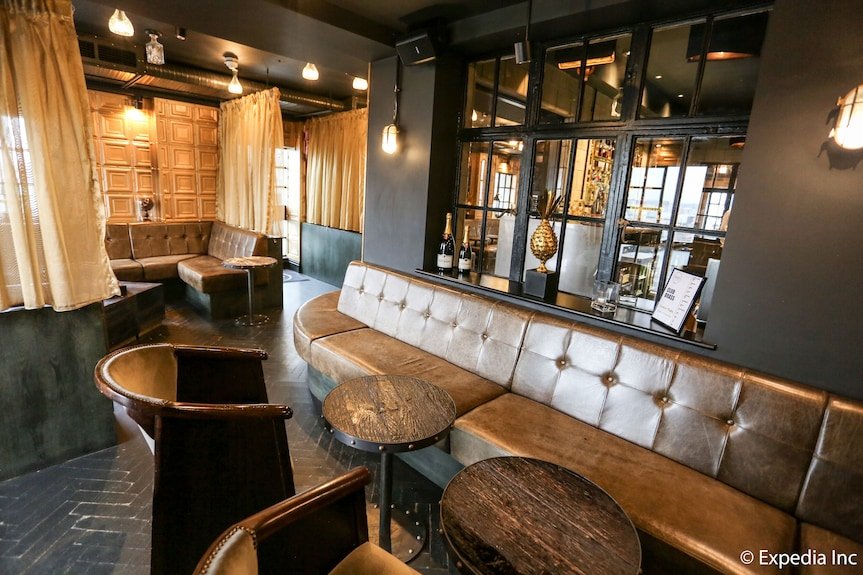
Restaurants in Manchester
Browse all →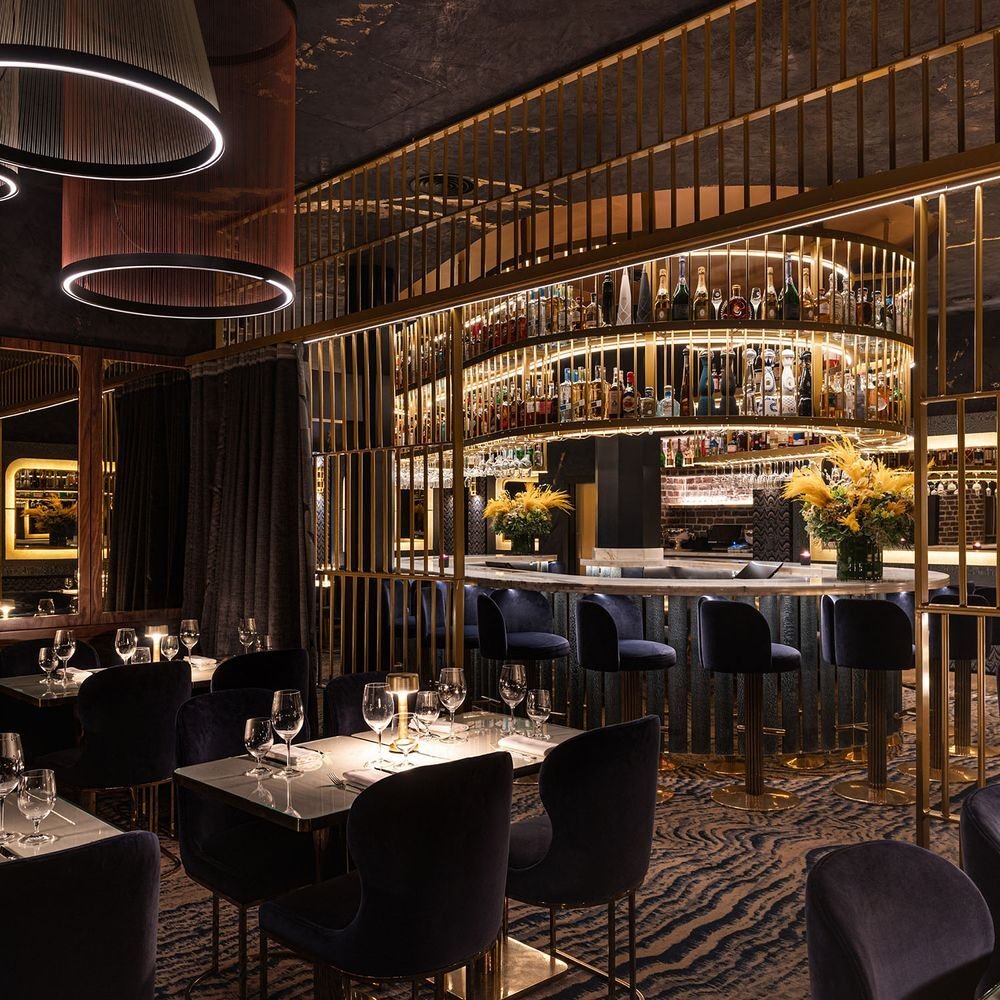
Hotels in Manchester
Browse all →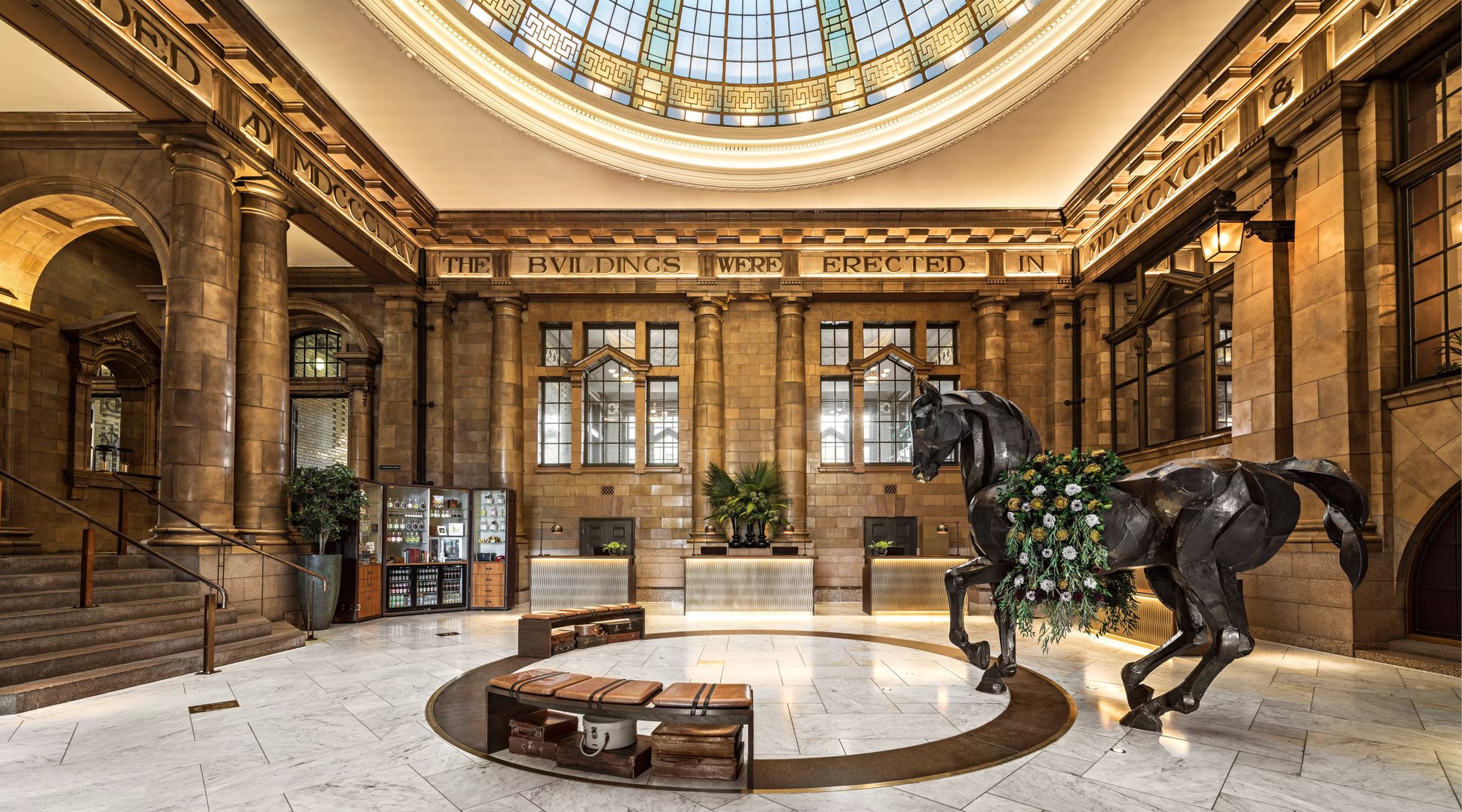
Wineries in Manchester
Browse all →
At a Glance
- Elegant
- Sophisticated
- Iconic
- Modern
- Date Night
- After Work
- Celebration
- Historic Building
- Hotel Bar
- Lounge Seating
- Booth Seating
- Craft Cocktails
- Classic Cocktails
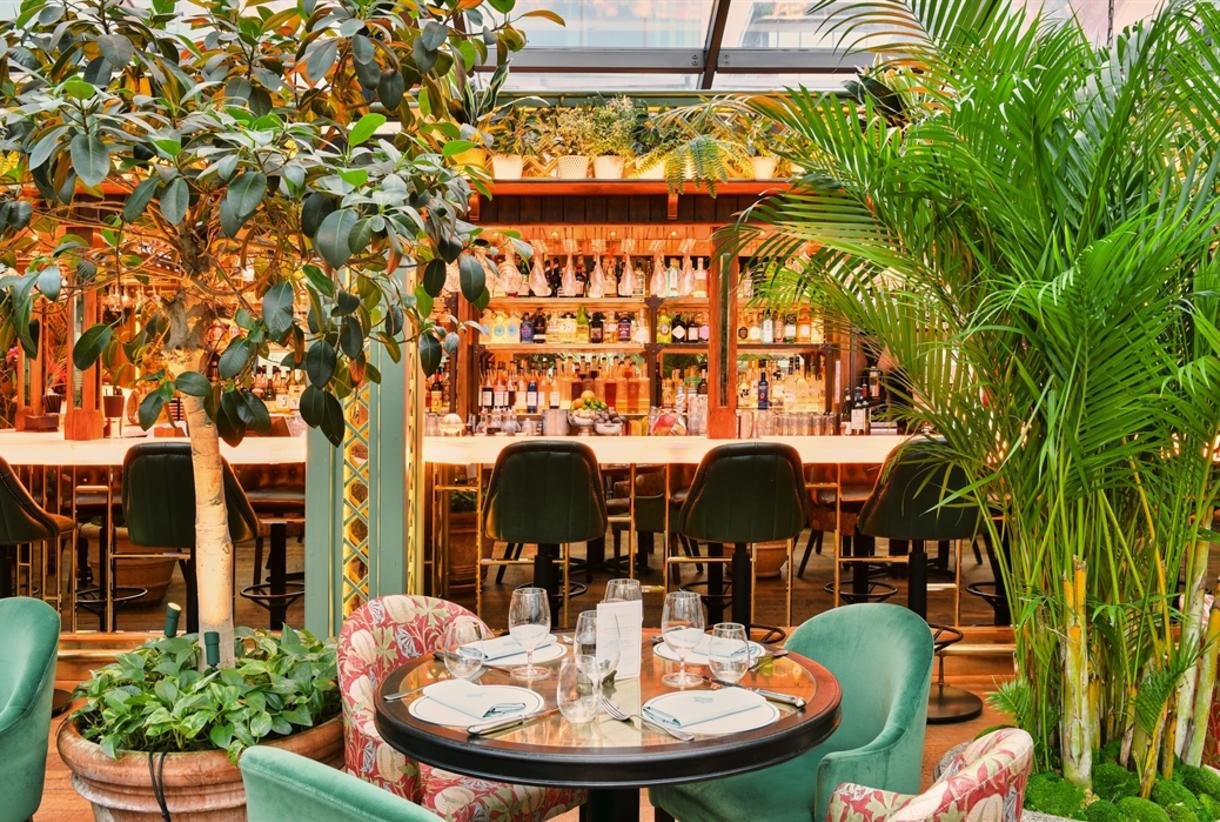
Lively green Winter Garden with natural light, comfortable seating, and a vibrant atmosphere blending industrial glamour with modern luxury.