FAWSLEY HALL

Michelin Selected
Fawsley Hall is a Michelin Selected country house hotel in the Northamptonshire countryside, listed under Birmingham in Michelin's 2025 guide. A Tudor manor with centuries of architectural layering, it sits in the quieter tier of British country house hotels that prioritise setting and heritage over urban convenience. For travellers working out of the Midlands, it offers a substantive alternative to the city-centre options.

Pearl is the En Primeur Club membership app — saves, bookings, and concierge access live there. Same editors, same standards.
- Address
- Fawsley, Birmingham, UK
- Phone
- +441327 892000
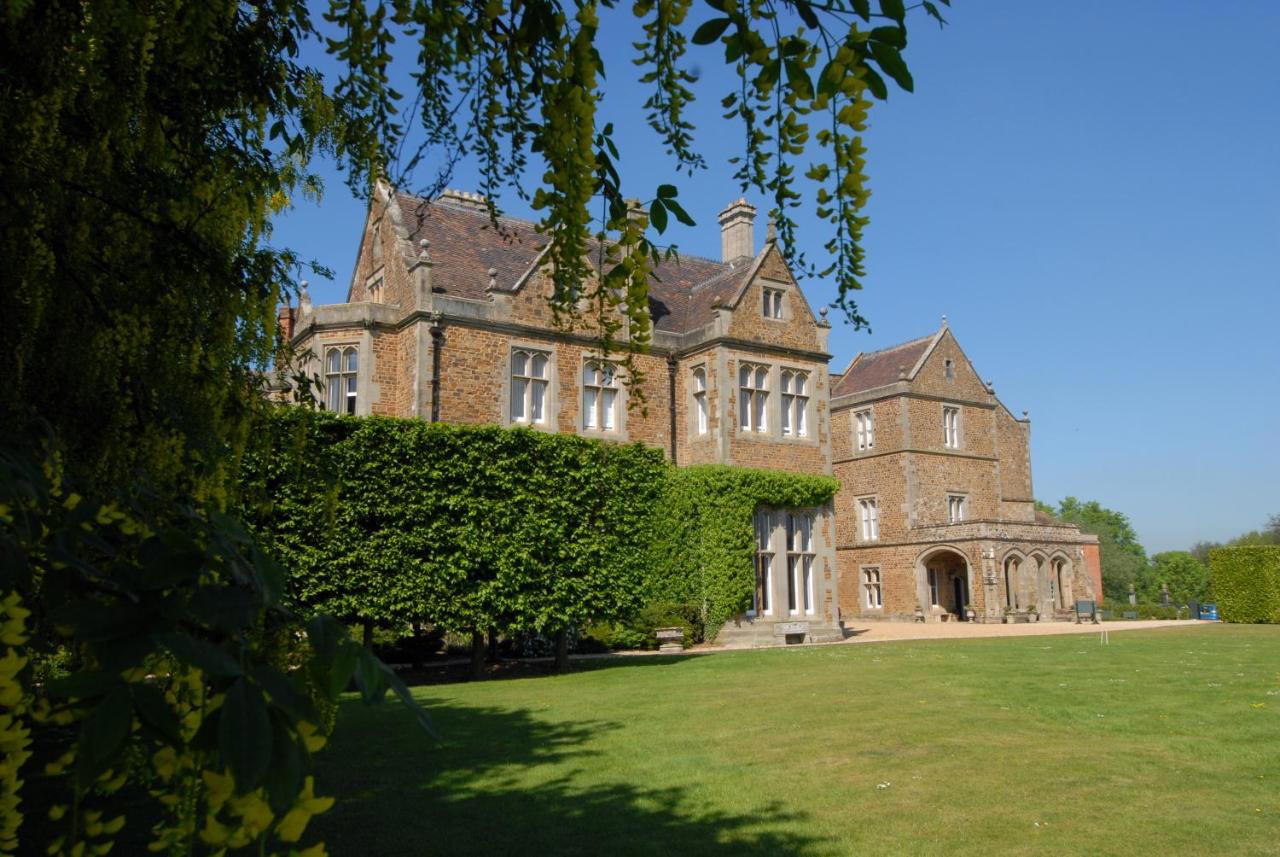
A Manor Built in Layers
The British country house hotel occupies a specific cultural position that no urban property can replicate. The format has survived centuries not because of reinvention, but because the architecture itself does the work. Stone that has weathered several hundred years, reception rooms where the proportions were set long before hospitality was a commercial category, gardens that predate landscape design as a profession: these are the structural facts that separate the serious country house from the converted farmhouse with aspirations. Fawsley Hall belongs to the former category.
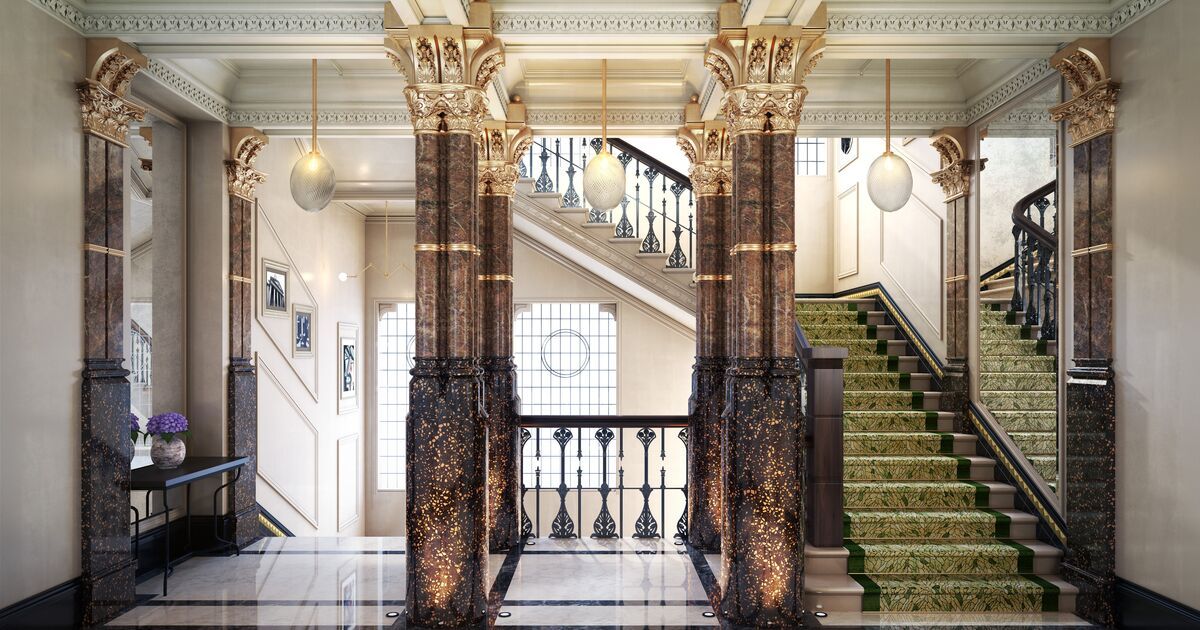
Set in Northamptonshire, the property carries a documented Tudor core, with subsequent additions that reflect each era's architectural priorities. This kind of layering, Tudor foundations meeting later Georgian or Victorian interventions, is precisely what gives the serious English country house its reading depth. You move through rooms that were not designed to be read as a single coherent statement, because they were not built in a single era. That accumulated quality is either the point or a distraction, depending entirely on what you are looking for in a hotel stay.
Where It Sits in the Country House Tier
Michelin's 2025 Selected Hotels list is a meaningful credential in this context. The list does not require a restaurant star and is not a volume exercise; properties are assessed on quality of accommodation, setting, and overall standard.
Within the broader Midlands and English country house category, the comparison set is instructive. Properties such as Estelle Manor in North Leigh and The Newt in Somerset represent the destination-estate model at a higher price point and with a more programmatic guest experience. Fawsley sits in a quieter register. It is not packaging the countryside as a lifestyle product in the same way; it is offering the country house in a more direct form. For some guests that is the appeal. For others, the lack of spa theatre or kitchen garden programming will feel like an absence.
At the broader UK country house level, Gleneagles in Auchterarder and Lime Wood in Lyndhurst operate at a different scale and recognition level, with the kind of editorial visibility and amenity depth that Fawsley does not claim. That comparison is useful precisely because it clarifies Fawsley's position: it is not competing in the same bracket, nor does the Michelin Selected credential position it there.
The Architecture as the Experience
Country houses of Tudor origin tend to present a specific spatial logic. The great hall format, the uneven room sizes, the way natural light enters through windows that were not designed with contemporary ideas of brightness in mind: these are architectural facts, not failures. The rooms at a property like Fawsley will carry the ceiling heights and wall thicknesses of their original period, and the leading rooms in that structure are almost always those that sit closest to the original fabric rather than later additions or converted outbuildings.
The gardens at Fawsley are part of the architectural proposition. Capability Brown is among the landscape designers historically associated with Northamptonshire estates of this period, and the parkland tradition of the English country house, where the relationship between building and land is considered as carefully as the interiors, is central to what Fawsley offers as an experience. Arriving at a property set within working parkland is materially different from arriving at a town hotel, and that difference is not a secondary detail.
The Birmingham Connection and Practical Geography
Fawsley Hall appears in Michelin's guide under the Birmingham header, which reflects regional categorisation rather than proximity. The property is in Northamptonshire, and the drive from central Birmingham runs to approximately one hour depending on route and traffic. This positions it as a viable weekend or midweek retreat for Midlands-based travellers, though guests flying into Birmingham and heading directly to the property should factor in the road time.
For travellers who want to stay within the city, the Birmingham hotel market has diversified considerably. The Daxton Hotel and Elyton Hotel offer design-led city options, while Hyatt Regency Birmingham provides the full-service international format. Hotel du Vin Birmingham and Malmaison Birmingham cover the boutique-chain segment, and The Painted Lady represents a smaller independent alternative. Fawsley's proposition is structurally different from all of them: the draw is the rural setting and the architectural fabric, not proximity to the city's dining or cultural programming. Our full Birmingham restaurants guide covers the city's dining scene for those splitting their time between urban and rural stays.
Planning a Stay
The country house hotel format at this level generally warrants direct booking to discuss room categories. Historic properties like Fawsley typically vary considerably across their room stock, with the original house rooms carrying different proportions and period detail compared to newer wings or garden annexes. For a stay where the architectural experience is the point, the specific room matters more than the category name suggests.
Weekends at English country houses in this tier book ahead, particularly in summer and during autumn when the parkland setting is at its most readable. A midweek stay often offers more availability and, in some cases, a quieter version of the property when it is not operating at full occupancy for weddings or events, which are a significant part of the revenue model for country houses at this scale.
Comparable UK properties in the smaller, characterful country house segment include Farlam Hall Hotel in the Lake District and Crossbasket Castle in High Blantyre, both of which operate in a similar register of historic fabric and intimate scale. For something at the more remote end of the British countryside spectrum, Kilchoan Estate in Inverie and Langass Lodge represent the Scottish alternative to the English country house tradition.
In Context: Similar Options
Comparable venues nearby, for context on price, style, and recognition.
| Venue | Cuisine | Price | Awards | Notes |
|---|---|---|---|---|
| FAWSLEY HALLThis venue — the venue you are viewing | Historic country house estate with Tudor, Georgian, and Victorian wings | $200–300 | Michelin Selected | Not listed |
| Hotel du Vin Birmingham | Victorian conversion with contemporary comfort | $100–200 | Michelin Selected | Jewellery Quarter |
| Hyatt Regency Birmingham | Contemporary classic atrium-style hotel | Not listed | Michelin Selected | city center |
| Malmaison Birmingham | contemporary boutique with lived-in spaces | $100–200 | Michelin Selected | City Centre |
| Hotel du Vin Henley | Georgian brewery conversion with Arts and Crafts style | $100–200 | Michelin Selected | Henley-on-Thames |
| Strattons Hotel | Family-owned eco-conscious boutique hotel in a listed Palladian/Victorian building with Italianate garden courtyard. | $200–300 | Michelin Selected | Swaffham |
Recognition history
Dated appearances from independent guides and award organizations, with the underlying list record or original source where available.
Michelin Selected
Michelin
Continue exploring
More in Birmingham
Hotels in Birmingham
Browse all →
Bars in Birmingham
Browse all →
Restaurants in Birmingham
Browse all →
Details
- Elegant
- Classic
- Romantic
- Sophisticated
- Cozy
- Romantic Getaway
- Anniversary
- Weekend Escape
- Historic Building
- Garden
- Spa
- Pool
- Room Service
- Concierge
- Fitness Center
- Wi Fi
- Garden
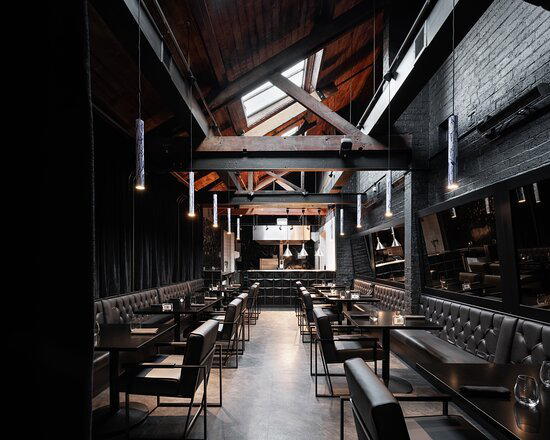
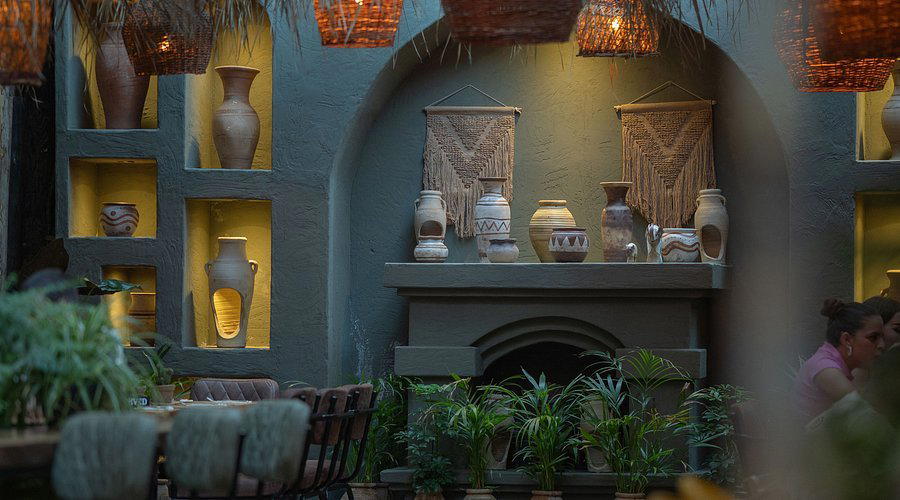
Intimate and cosy lighting in historic low-ceilinged Tudor restaurant with period features, complemented by elegant traditional rooms and secluded countryside surroundings.