The Painted Lady

A Michelin Selected property on Birmingham's historic 2nd Avenue South, The Painted Lady represents the quieter, character-led tier of Alabama's hospitality scene. The address places guests within reach of the city's evolving Southside dining corridor, and the Michelin recognition signals a level of care that separates it from the broader hotel market.
Pearl is the En Primeur Club membership app — saves, bookings, and concierge access live there. Same editors, same standards.
- Address
- 2143 2nd Ave S, Birmingham, AL, USA
- Phone
- (351)207-0765
- Website
- thepaintedladyhotel.com
 Saves & bookings on Pearl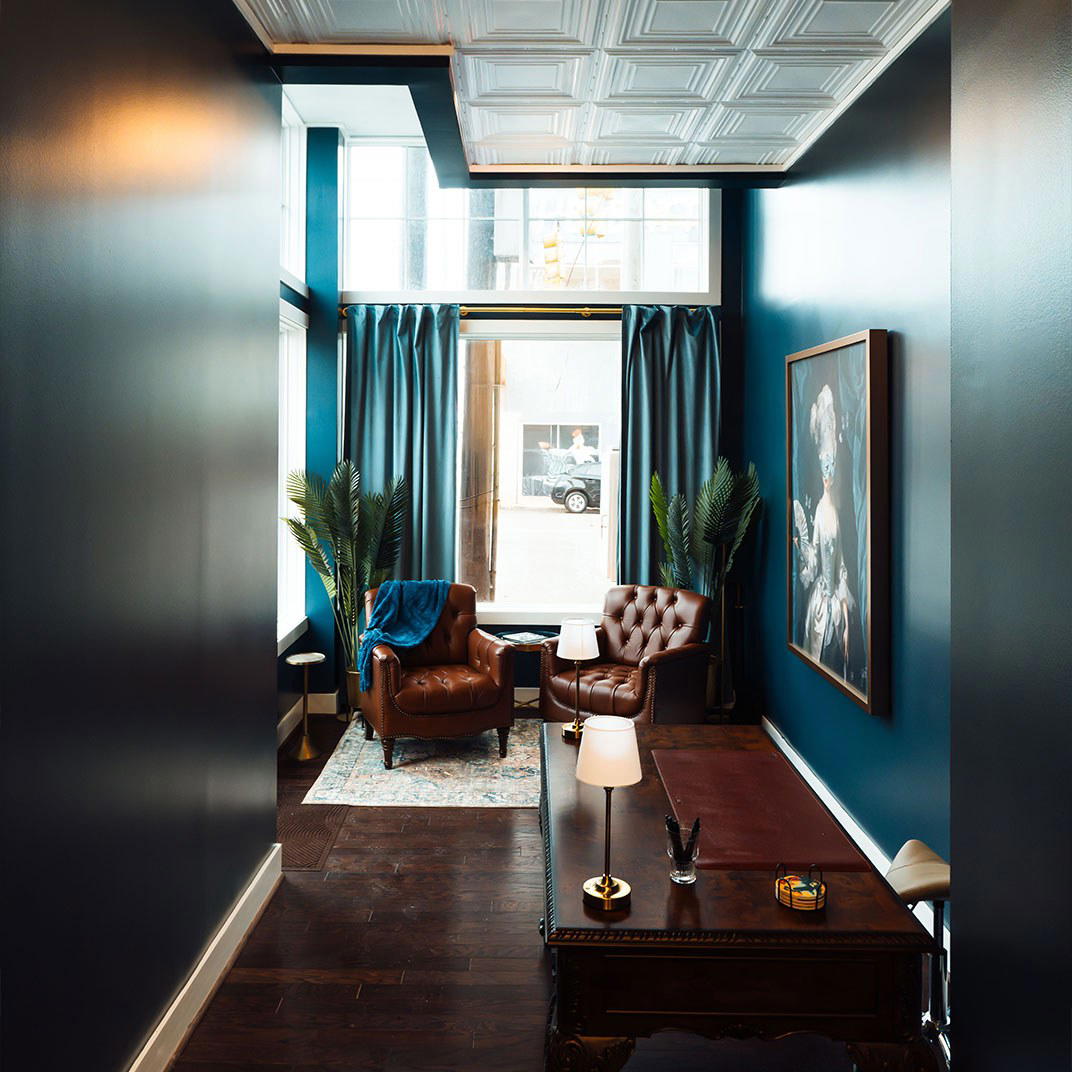
A Victorian Address in a City Rewriting Its Own Story
Birmingham, Alabama has spent the better part of two decades building a hospitality identity that reaches beyond its industrial past. The city's Southside, anchored by 2nd Avenue South, holds particularly architecturally textured blocks in the state: late-nineteenth and early-twentieth century commercial buildings that have cycled through various lives before finding their current ones. The Painted Lady is a 4-star hotel at 2143 2nd Ave S in Birmingham, Alabama, with. The Painted Lady sits inside this tradition, at 2143 2nd Ave S, occupying a building whose name alone signals an allegiance to the Victorian-era design vocabulary that defined the neighbourhood's original character. The term "painted lady" refers specifically to the ornate, multi-coloured detailing of Victorian and Edwardian architecture, a design language that prioritised surface complexity over the stripped-back minimalism that came later.
Among American cities of comparable size, Birmingham has produced a hotel scene that now splits between large-footprint chain properties and smaller, individually run houses with genuine architectural identity. The Painted Lady belongs firmly to the second category. Its Michelin Selected distinction for 2025 places it in a comparable set where the selection criteria weight quality of experience and character over room count or amenity breadth. Michelin's hotel programme does not operate on the same star-count logic as its restaurant guide; inclusion in the Selected tier signals a consistent standard of hospitality worth the attention of a well-travelled guest.
What the Building Carries
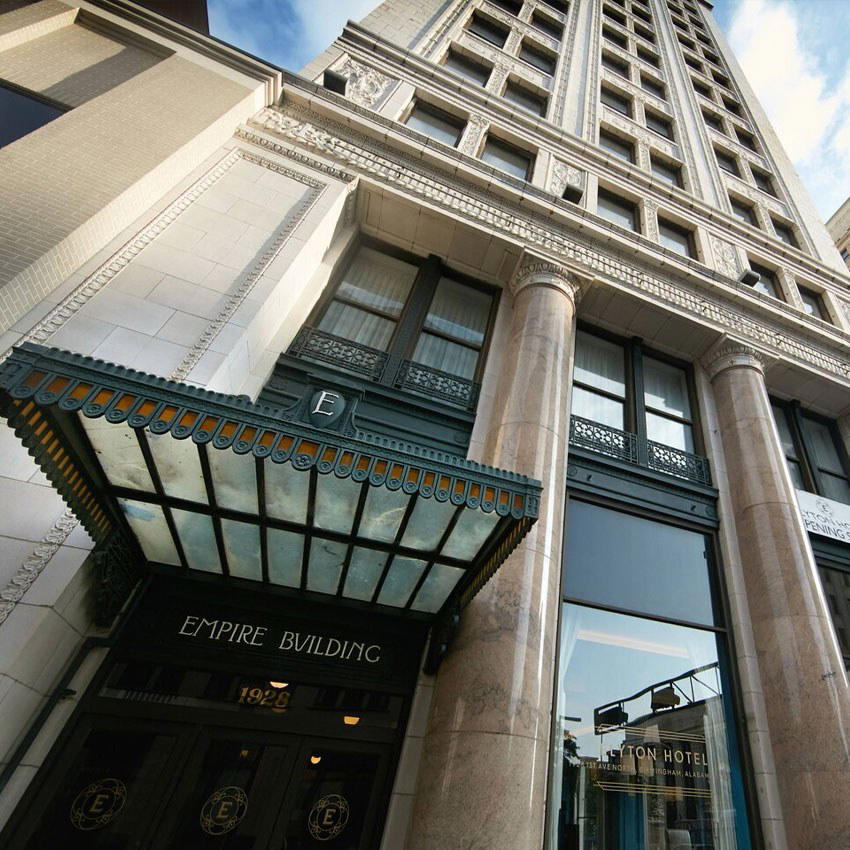
The heritage angle at a property like this is not purely aesthetic. In Birmingham's Southside, buildings of this era carry specific civic and cultural histories tied to the neighbourhood's shifting demographics and commercial fortunes across more than a century. The late Victorian construction period in Birmingham coincided with the city's rapid industrial expansion, when the local iron and steel economy was drawing workers, merchants, and capital at a pace that transformed a post-Civil War settlement into a mid-sized American city within a single generation. Architecture from that window tends to be ambitious in ornamentation precisely because it was built by people who wanted the built environment to signal permanence and aspiration.
Properties that choose to preserve and inhabit that architectural language rather than strip it back make a specific editorial statement about their relationship to place. Across the American hotel market, the comparison set for this kind of approach includes properties like the Chicago Athletic Association in Chicago, where historic building fabric is the primary experiential asset, or Troutbeck in Amenia, where a historic country property defines the offer entirely. The Painted Lady operates in that same register at a smaller, more regional scale.
The Birmingham Context
Guests choosing between Birmingham properties are working through a market that has added meaningful options over the past decade. The Elyton Hotel brought boutique-hotel sensibility to the city's downtown in a historic building of its own, while the Hotel du Vin Birmingham imported a proven European formula for character-led hospitality. The Hyatt Regency Birmingham and Malmaison Birmingham serve a different traveller: the business guest or conference attendee for whom consistency and amenity depth outweigh architectural specificity. The Daxton Hotel represents a newer design-forward entry in the local market.
The hotel's position on 2nd Avenue South places it in Southside rather than the CBD, which means a different rhythm of neighbourhood life. Southside has Birmingham's densest concentration of independent restaurants, bars, and coffee shops, along with the Five Points South intersection that anchors the area's social geography. For a guest whose itinerary is built around the city's food and drink scene rather than its convention centre, the address is a functional advantage. For a broader look at what Birmingham's restaurant scene offers, our full Birmingham restaurants guide maps the city's dining options by neighbourhood and format.
Michelin Selection and What It Signals
The 2025 Michelin Selected distinction is legible quality signal the hotel carries. Within the Michelin Hotels programme, which covers properties across the United States and a growing list of international markets, the Selected designation is entry-level recognition but not a trivial one. It indicates that Michelin's inspectors found the property meeting a defined threshold across criteria that include welcome, comfort, and the overall quality of the stay experience. It does not imply a starred restaurant on site, a spa of a particular calibre, or any specific room configuration. What it does imply is that the property does what it proposes to do at a consistent and credible standard.
For travellers who use Michelin recognition as a filtering mechanism, this matters most when comparing properties with limited online review depth. A smaller independent property in a secondary American city benefits from third-party validation in ways that a major-brand hotel in a gateway city does not require. Across the broader American market, the Michelin Hotels programme has begun creating clearer signal value for exactly this kind of property, from independently run inns in rural settings like Sage Lodge in Pray to resort-scale addresses like Amangiri in Canyon Point. The hotel sits at a different price point and scale than either of those comparisons, but the selection logic applies across the range.
Planning a Stay
The 2nd Avenue South address is walkable to Five Points South and the bulk of Southside's independent dining and bar scene, which makes the property most useful for guests whose Birmingham itinerary is oriented around the neighbourhood rather than the downtown core or the University of Alabama at Birmingham medical complex further west. Guests with business at the convention centre or downtown offices should account for the distance, which is manageable by car or rideshare but is not a walking trip.
The Michelin Selected recognition makes the hotel a credible anchor for a Birmingham stay built around character and neighbourhood access. Travellers accustomed to the kind of historic-property hospitality offered by Raffles Boston or The Fifth Avenue Hotel in New York City at a much larger scale will find a related sensibility here, compressed into a smaller and more regional format. The trade-off is breadth of amenity for depth of place, which is a reasonable exchange for the right kind of guest in a city that rewards attention to its neighbourhood fabric.
Nearby-ish Comparables
Comparable venues nearby, for context on price, style, and recognition.
| Venue | Cuisine | Price | Notes |
|---|---|---|---|
| The Painted LadyThis venue — the venue you are viewing | historic boutique with modern design | $$$$ | Not listed |
| Elyton Hotel | Modernized historic boutique hotel | $$$$ | Downtown Birmingham |
| GunRunner Boutique Hotel | Renovated boutique hotel with luxury themed suites in a historic downtown building. | $$$ | downtown |
| 106 Jefferson | Urban lifestyle boutique hotel anchored in Huntsville’s role as the Space Capital, combining residential comfort with an upscale, design‑forward feel. | $$$ | Downtown Huntsville / Twickenham district |
| The Laurel Hotel and Spa | teaching hotel with student-run hospitality | $$$$ | Auburn University |
| The Hotel at Auburn University & Dixon Conference Center | Contemporary luxury hotel blending modern amenities with Southern hospitality, positioned as the 'Front Door to Auburn' with emphasis on design and cultural integration. | $$$ | Downtown Auburn |
Recognition history
Dated appearances from independent guides and award organizations, with the underlying list record or original source where available.
Michelin Selected
Michelin
At a Glance
- Elegant
- Sophisticated
- Whimsical
- Modern
- Cozy
- Romantic Getaway
- Business Trip
- Weekend Escape
- Historic Building
- Design Destination
- Wi Fi
- Housekeeping
- Concierge
- Wi Fi
- Housekeeping
- Concierge
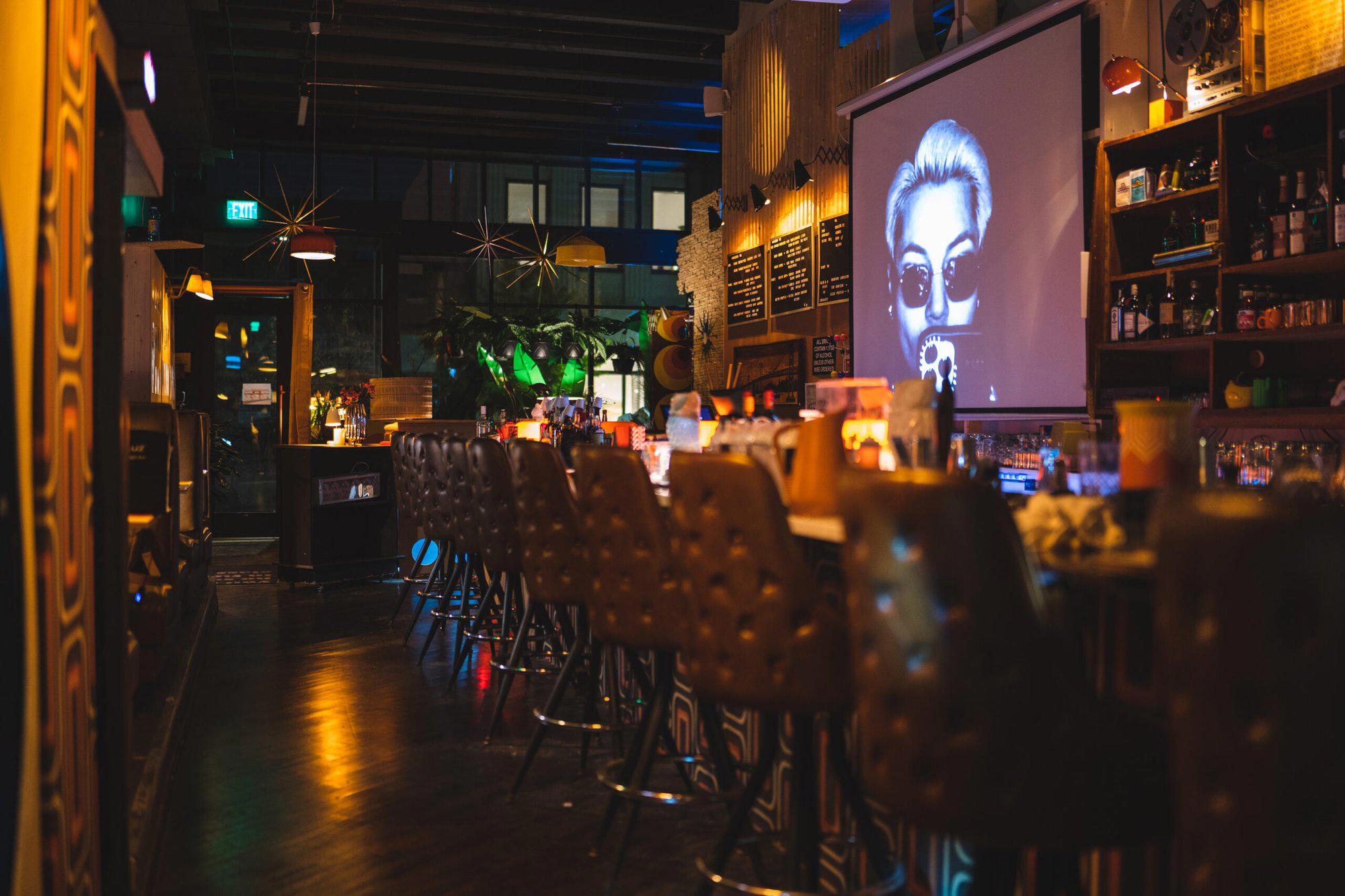
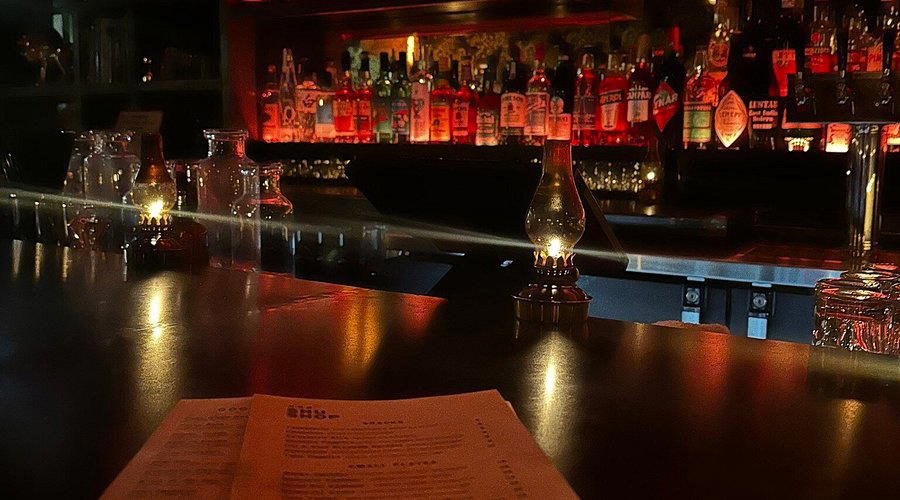
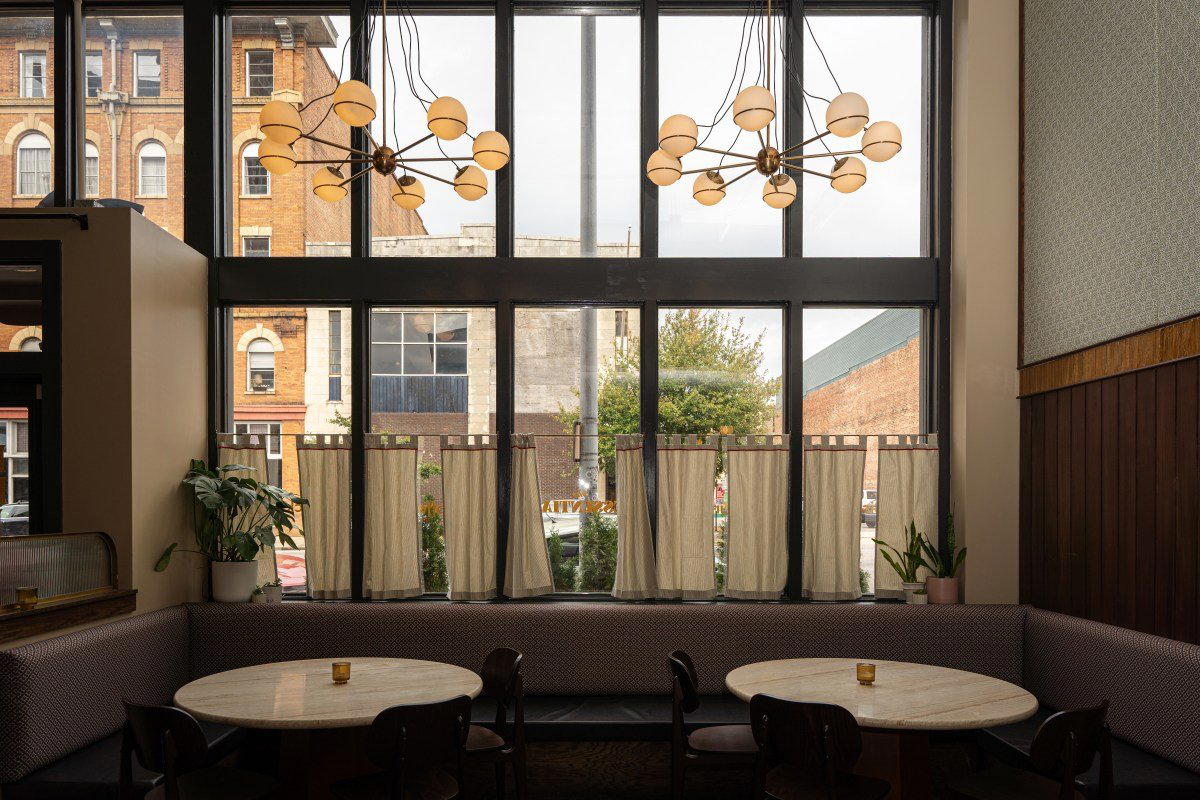
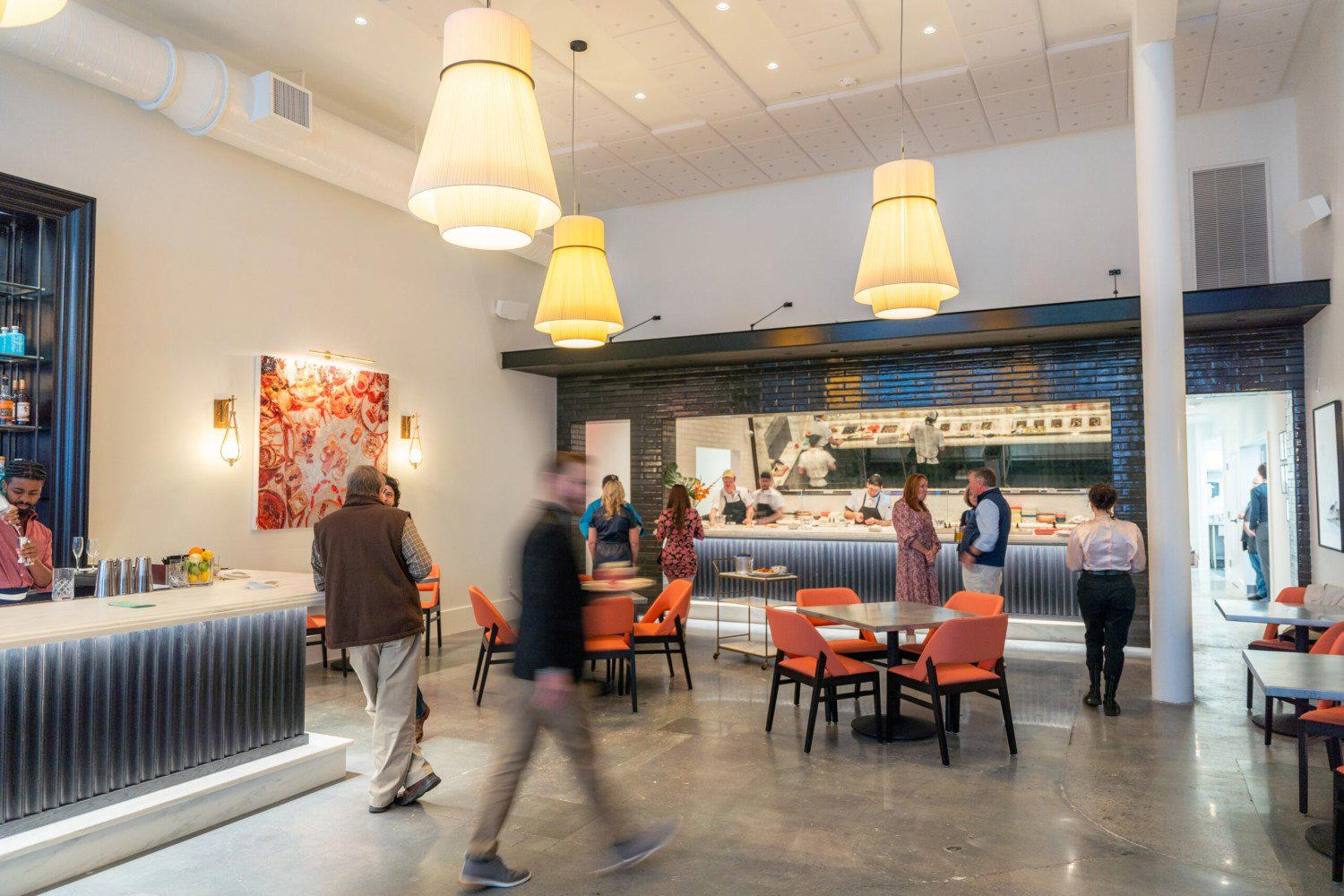
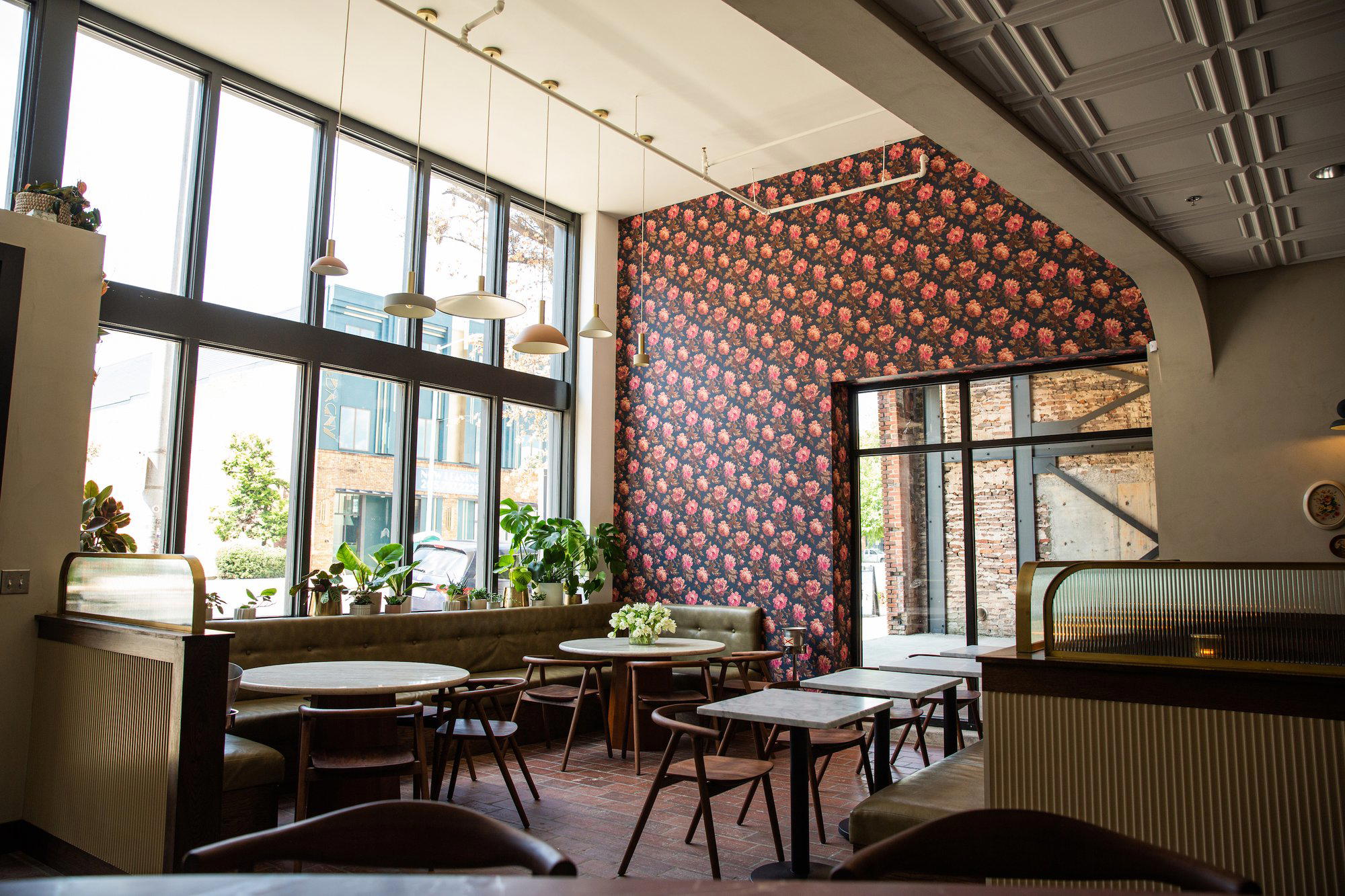
Vivid colors, modern furniture, bold graphics, and quirky wallpapers create a chic, playful atmosphere in a preserved historic setting.