
Michelin Selected
Selected by the Michelin Guide Hotels 2025, Evolve Back Coorg occupies a coffee-estate setting in Siddapura, placing it among India's small tier of plantation-based luxury properties.

Pearl is the En Primeur Club membership app — saves, bookings, and concierge access live there. Same editors, same standards.
Coffee Country Hospitality at a Different Pitch
Coorg's appeal as a destination has always rested on the same paradox: one of India's most intensively farmed highland regions is also one of its most restful. The Western Ghats district produces roughly a third of India's coffee, and that agricultural identity has shaped how its better properties position themselves. Rather than importing a generic resort formula, the stronger Coorg hotels place guests inside the working landscape. Evolve Back Coorg, addressed at Karadigodu Post in Siddapura, is a property built around that premise, carrying a MICHELIN Selected designation in the Michelin Guide Hotels 2025.
That selection places it within a small peer group of Indian properties the Guide considers worthy of attention. In the same guide cycle, Indian hotels earning MICHELIN recognition range from palace conversions and urban flagships such as The Taj Mahal Palace, Mumbai in Mumbai and The Leela Palace New Delhi in New Delhi to smaller destination properties like this one. The fact that Evolve Back Coorg is selected alongside such city-anchored names says something about how the Guide has widened its hospitality lens beyond restaurant adjacency.
The Dining Programme in Context
Coorg's food culture is distinct and underrepresented at the national level. The Kodava kitchen relies on pork prepared with black pepper and vinegar, rice-based preparations such as akki roti, and coconut-forward curries that carry a different profile from both the coastal Karnataka dishes to the west and the Mysore-adjacent cooking to the east. A property serious about its dining programme in this region faces a choice: interpret local cuisine for guests unfamiliar with it, import a more legible pan-Indian or continental format, or find some balance between the two.
The plantation-stay category in Coorg has historically leaned toward the second option, offering buffet setups that gesture at local food without fully committing to it. Properties that distinguish themselves through dining tend to anchor at least part of their food offering to the estate itself: coffee-driven preparations, estate-grown cardamom and pepper appearing in actual dishes rather than just spa menus, and a kitchen that treats the geography as a source rather than a backdrop. For readers travelling specifically to understand Coorg's culinary identity, the dining programme at any plantation property is the first filter to apply.
For a broader picture of where Evolve Back sits relative to Coorg's full hospitality range, our full Coorg restaurants guide maps the category in more depth. The closest direct comparator within the region is Taj Madikeri Resort and Spa, Coorg, which occupies a different price tier and operates at a larger scale, though both properties position around the landscape rather than against it.
Where Evolve Back Sits in India's Plantation-Luxury Tier
India's premium nature-immersion properties have developed along several distinct lines over the past decade. One strand follows the wildlife-lodge model, seen in properties like Suján Jawai in Pali and Suján Sher Bagh in Ranthambhore, where the programme is organised around animal sightings and conservation framing. Another follows the wellness-immersion model, represented by properties such as Ananda in the Himalayas in Narendra Nagar, where the landscape serves primarily as context for a therapeutic programme.
The plantation-stay model that Evolve Back Coorg represents is a third strand: the working-estate property, where agriculture itself is the experiential hook. Guests walk coffee rows at harvest, understand the processing from cherry to cup, and eat in proximity to the growing conditions that produced what they're drinking. This format is gaining traction across India's agricultural highlands, from tea estates in Munnar to spice plantations in Kerala, with properties like Kumarakom Lake Resort in Kumarakom and Anantya By The Lake in Kaliyal working adjacent territory in the backwaters region. Evolve Back Coorg's MICHELIN Selected status signals that this plantation-stay format, when executed at sufficient quality, now registers in the same editorial conversation as India's established palace and heritage hotel tier.
Planning a Stay
Siddapura sits within Coorg's coffee-growing heartland, and the practical implications of that location matter for trip planning. The nearest major transport hub is Mysore, roughly 100 kilometres away, making the property a self-contained destination rather than a city-adjacent base. Guests typically arrive by road, and the drive through the Ghats foothills is part of the transition into the pace the property requires. Coorg's high season runs from October through February, when the monsoon has cleared and temperatures sit in a range that makes estate walks comfortable. The coffee-harvest window, typically November to February, adds a specific experiential dimension to a winter visit. Pre-monsoon months from March to May are warmer but quieter, and the monsoon itself, June through September, transforms the landscape dramatically, though road conditions and trail access become variable.
Booking windows for MICHELIN Selected properties in India's destination-stay category vary, but peak-season availability at plantation properties in Coorg tends to compress quickly once travel intentions crystallise in September and October. Readers considering a December or January visit would do well to lock reservations early. For those comparing across India's premium heritage segment, properties like Taj Lake Palace in Udaipur, The Oberoi Amarvilas in Agra, and Amanbagh in Ajabgarh operate in a comparable premium bracket, though each represents a fundamentally different landscape and experiential logic. India's south, including Coorg, remains underrepresented in premium travel itineraries relative to the Rajasthan circuit, which means the plantation-stay tier here rewards travellers willing to route around the established golden triangle.
Budget Reality Check
Comparable venues nearby, for context on price, style, and recognition.
| Venue | Price | Awards | Notes |
|---|---|---|---|
| Evolve Back CoorgThis venue — the venue you are viewing | Not listed | Michelin Selected | Not listed |
| Taj Madikeri Resort and Spa, Coorg | $200–300 | Michelin Selected | Monnangeri, Inspired by traditional Kodagu architecture with contemporary luxury cottages and villas set in rainforest. |
| Taj Bengal | $100–200 | Michelin Selected | Alipore, Classic luxury with timeless charm |
| The Oberoi Vindhyavilas Wildlife Resort, Bandhavgarh | Not listed | Travel + Leisure It List Hotels | Bandhavgarh National Park, Tented luxury wildlife resort inspired by Vindhya mountains and tribal heritage |
| The Ritz-Carlton, Pune | Not listed | 1 Michelin Key | downtown, Well-known luxury urban retreat reflecting classic glamour. |
| The Oberoi Rajgarh Palace, Khajuraho | Not listed | Travel + Leisure It List Hotels · Conde Nast Hot List Hotels | Chandranagar, Restored 350-year-old royal Bundelkhand palace with British colonial influences and contemporary elegance. |
Recognition history
Dated appearances from independent guides and award organizations, with the underlying list record or original source where available.
Michelin Selected
Michelin
Continue exploring
More in Coorg
Details
- Elegant
- Rustic
- Scenic
- Sophisticated
- Cozy
- Honeymoon
- Romantic Getaway
- Family Vacation
- Wellness Retreat
- Weekend Escape
- Private Villa
- Infinity Pool
- Panoramic View
- Pool
- Spa
- Kids Club
- Room Service
- Concierge
- Garden
- Mountain
- Wheelchair Accessible
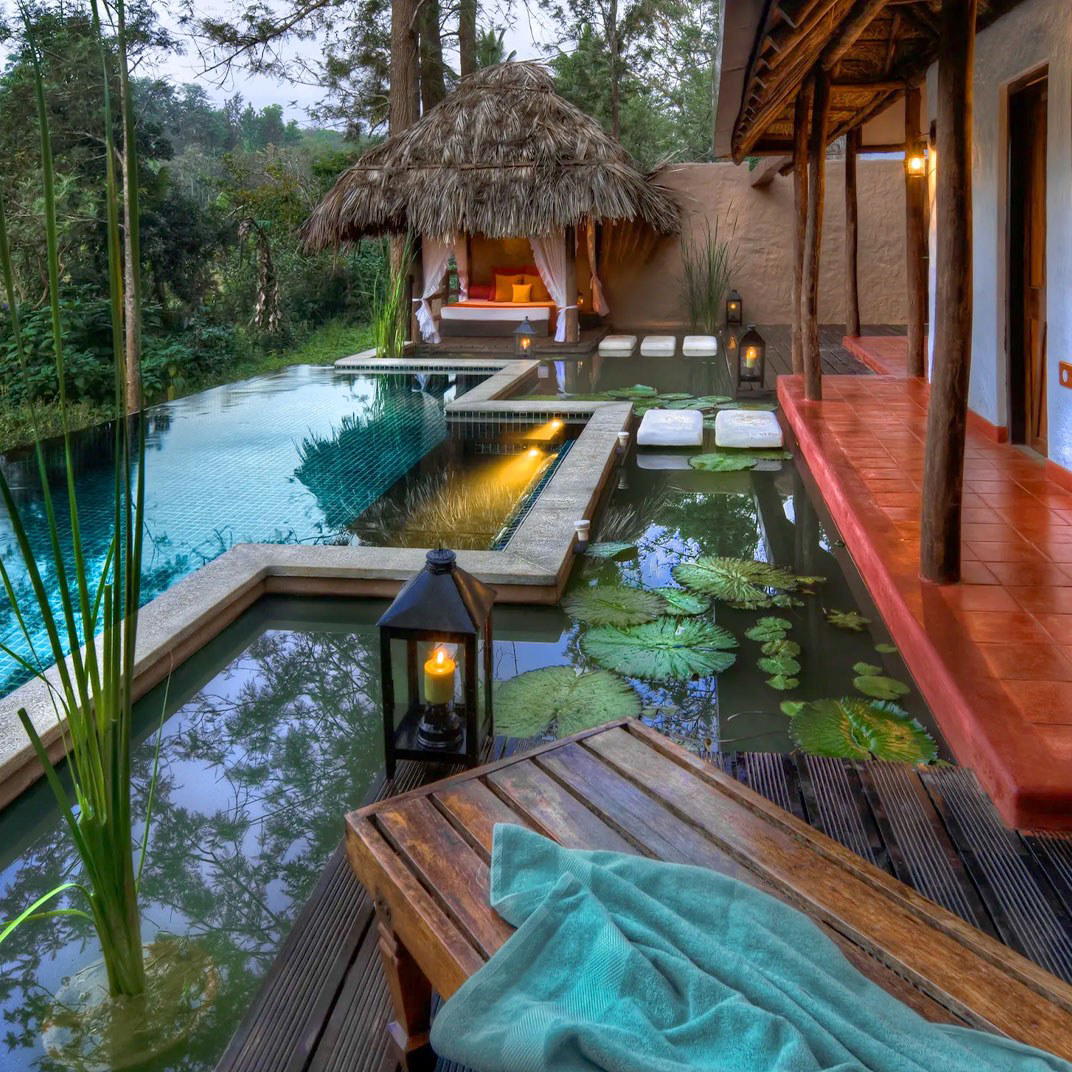
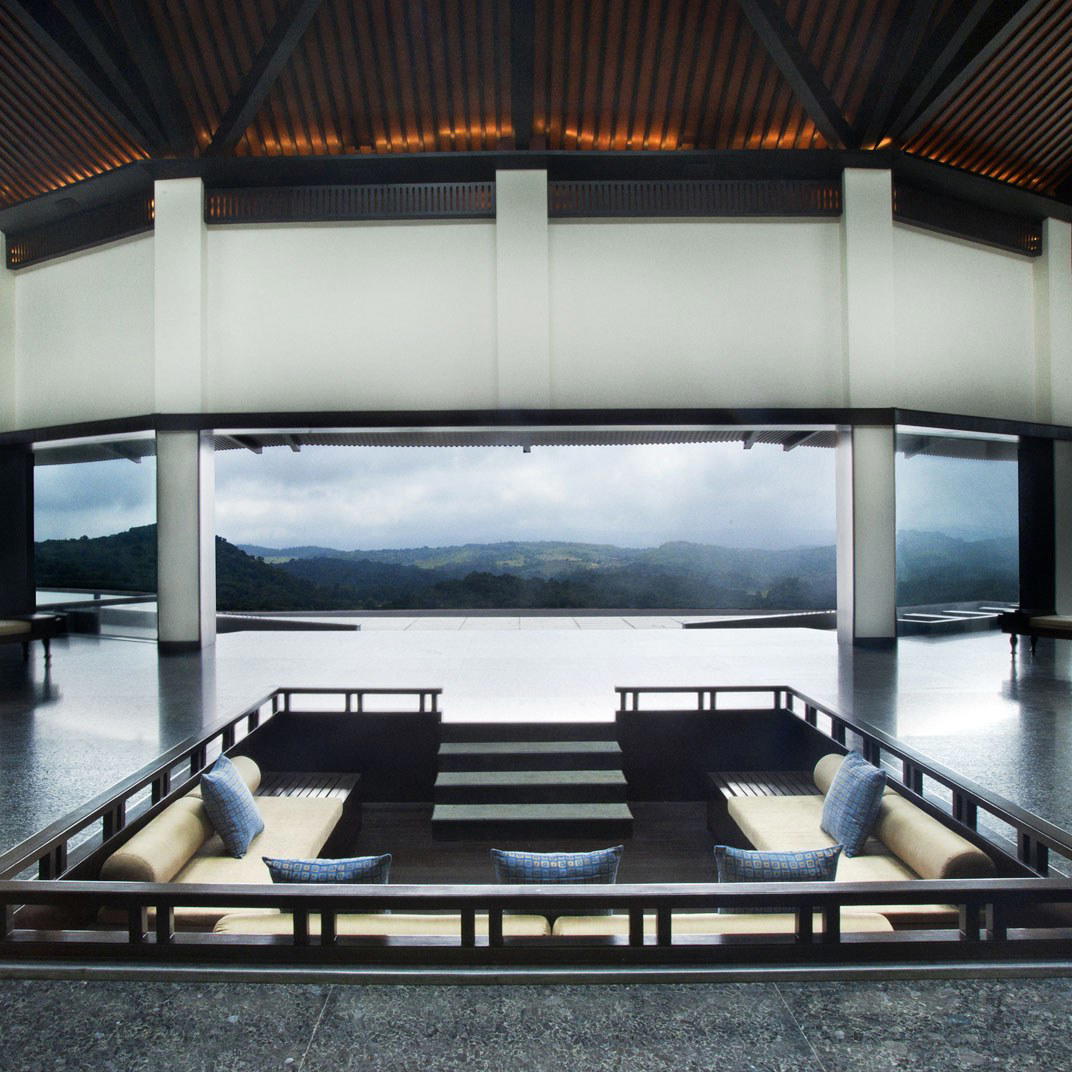
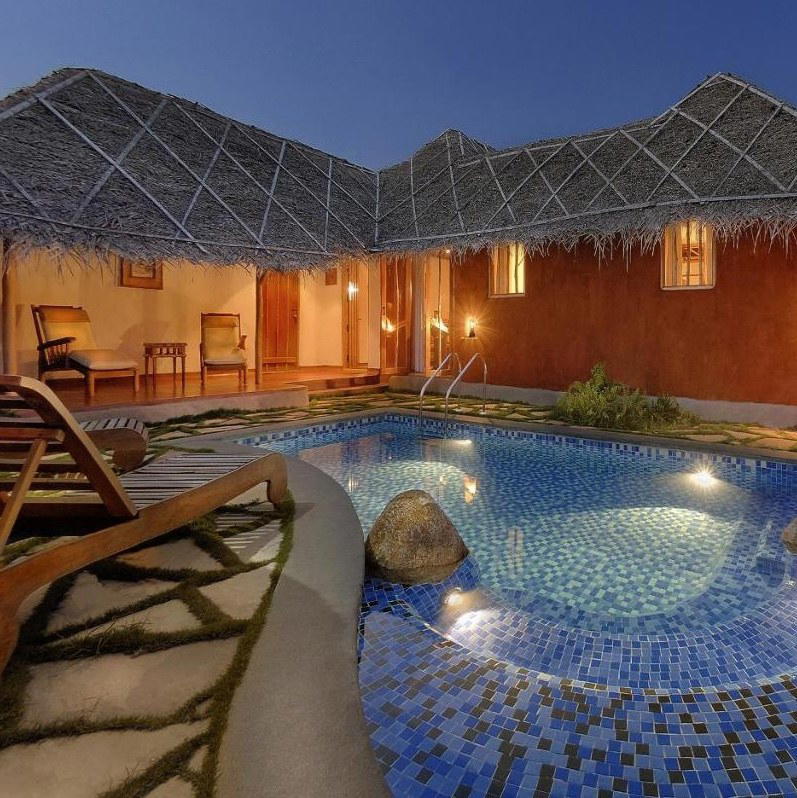
Tranquil plantation paradise with earthy tones, antique furniture, terracotta floors, and natural light from open courtyards, perfumed by coffee aromas.