Suján Sher Bagh



2 Michelin Keys · Conde Nast Gold List · Relais Chateaux Award
A 12-tent luxury camp beside Ranthambhore National Park, Suján Sher Bagh operates in the tradition of early 20th-century safari camps: canvas and wood construction, private verandahs, campfire dinners, and jeep safaris into one of India's most active tiger reserves. Rates from US$1,004 per night. Open October to mid-May only.

Pearl is the En Primeur Club membership app — saves, bookings, and concierge access live there. Same editors, same standards.
- Address
- Sherpur, Khiljipur, Kutalpura Maliyan, Jamool Khera, Rajasthan 322001
- Phone
- +91 11 4617 2700
- Website
- thesujanlife.com
- Directions
- Get directions
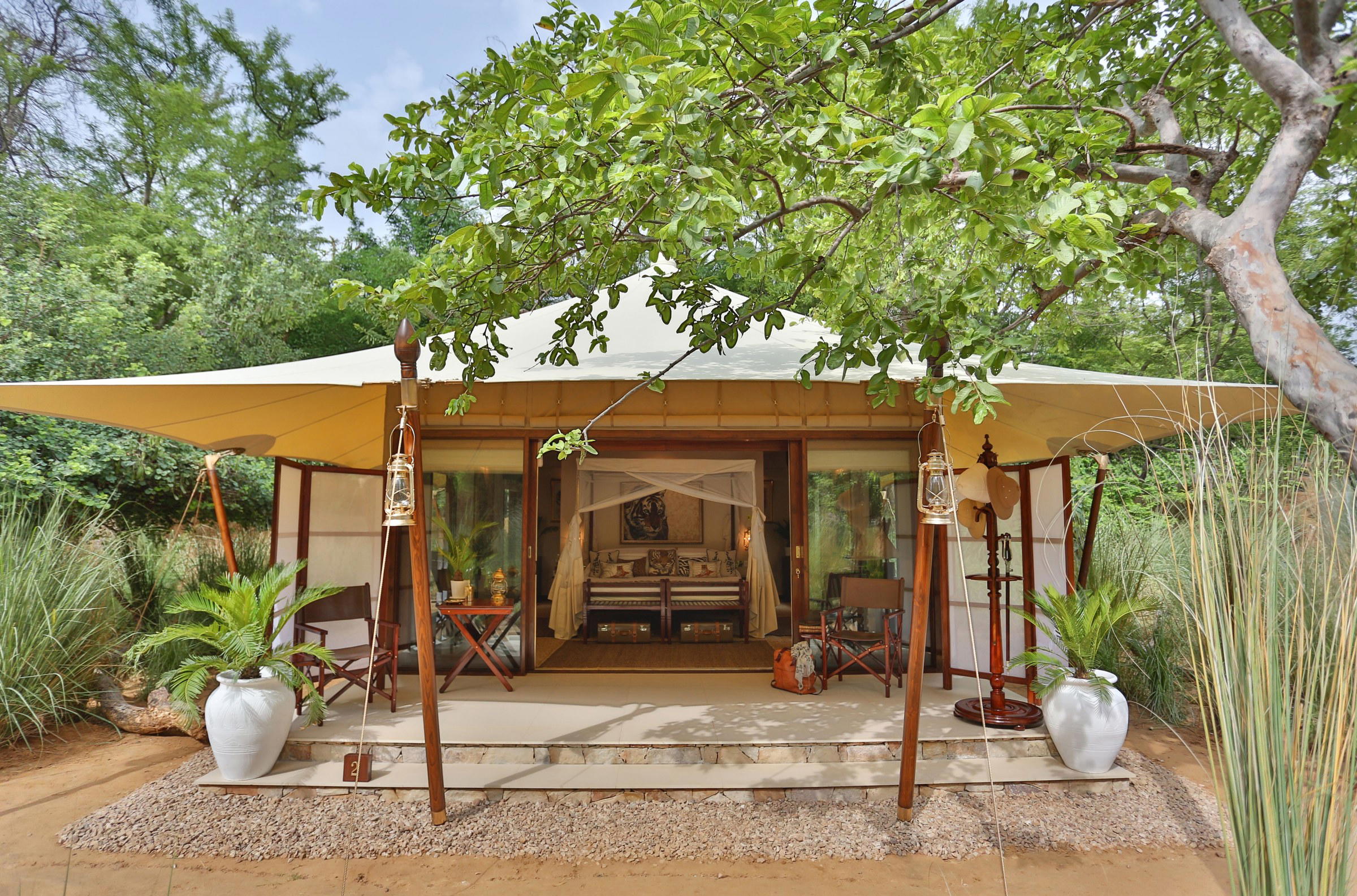
Canvas, Campfire, and the Architecture of the Wild
The approach to Suján Sher Bagh sets the register before you arrive. The road from Sawai Madhopur, 12 kilometres away, runs through dry deciduous forest and scrub that belongs, in character if not in boundary, to the edge of Ranthambhore. By the time the camp appears, the built environment has already receded. That transition is not accidental: the physical design of Sher Bagh is organised around the idea that the surrounding forest is the main event, and the camp's role is to create the conditions for engagement with it rather than to compete for attention.
Luxury tented camps occupy a particular niche in Indian wildlife hospitality. They sit between the large-footprint resort and the bare-bones field station, offering environmental proximity without structural permanence. At that price point, the comparison set includes Aman-i-Khas in Ranthambore and, more broadly, the premium wildlife camp category that has grown steadily across Rajasthan in the past two decades.
Twelve Tents and a Deliberate Semicircle
The camp's layout is worth examining as a design decision. The twelve tents are arranged in a semicircle, a configuration that serves two purposes: it creates a legible communal geometry around the central lodge, and it allows each tent to face outward toward the treeline rather than inward toward its neighbours. Privacy in a tented camp is primarily a spatial problem, and the semicircular plan solves it without walls or hedges.
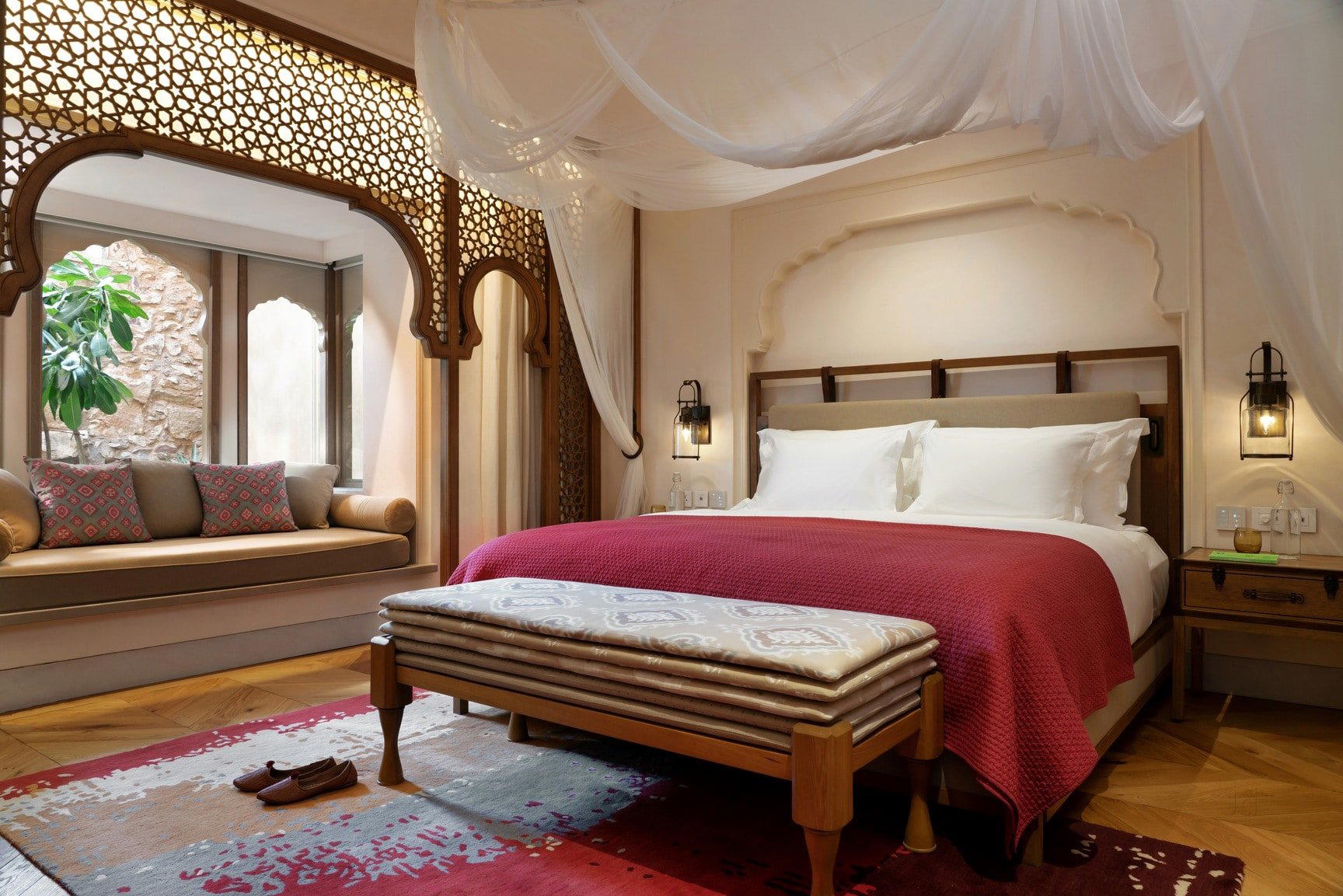
The tents themselves draw on the visual language of the 1920s safari era: canvas exteriors, wooden platforms, and covered verandahs that frame the forest view. Each unit includes an en suite bathroom, which positions Sher Bagh firmly in the glamping tier rather than the field-camp tier, but the material vocabulary remains deliberately low to the ground. Nothing about the structure rises above the surrounding vegetation line in a way that would disrupt the sense of being inside rather than adjacent to the forest.
Within Rajasthan's broader luxury camp scene, this design approach has become something of a marker for properties that came out of wildlife and conservation backgrounds rather than the hotel industry. Sher Bagh was founded by a family of wildlife filmmakers, and that origin is legible in the camp's proportions: small enough to maintain intimacy, spare enough to keep the attention directed outward. The same instinct can be found, at different scale and price points, in properties like Suján Jawai in Pali, which operates within the same collection and applies a comparable design ethic to a different ecosystem.
The Lodge, the Dining Tent, and the Campfire
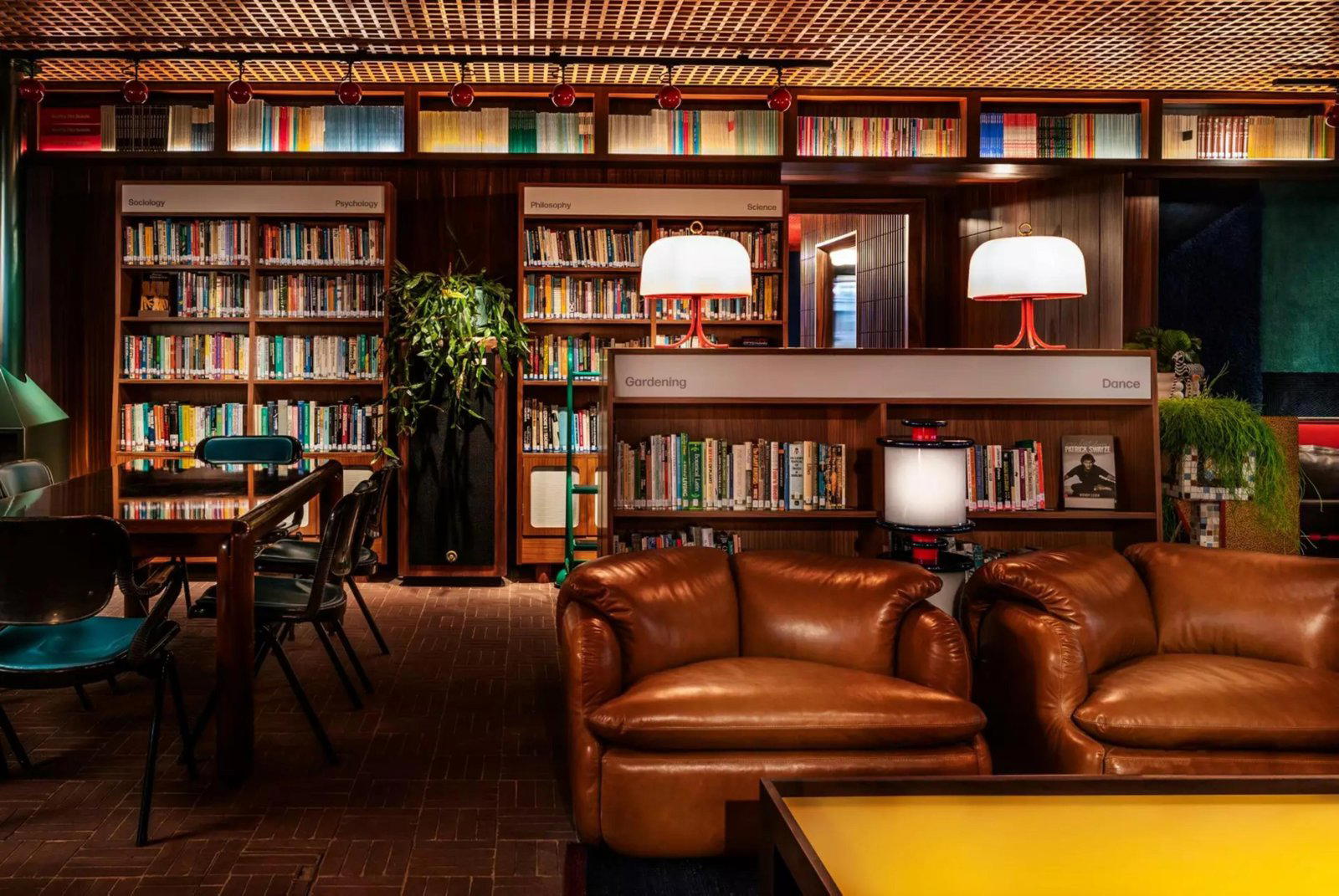
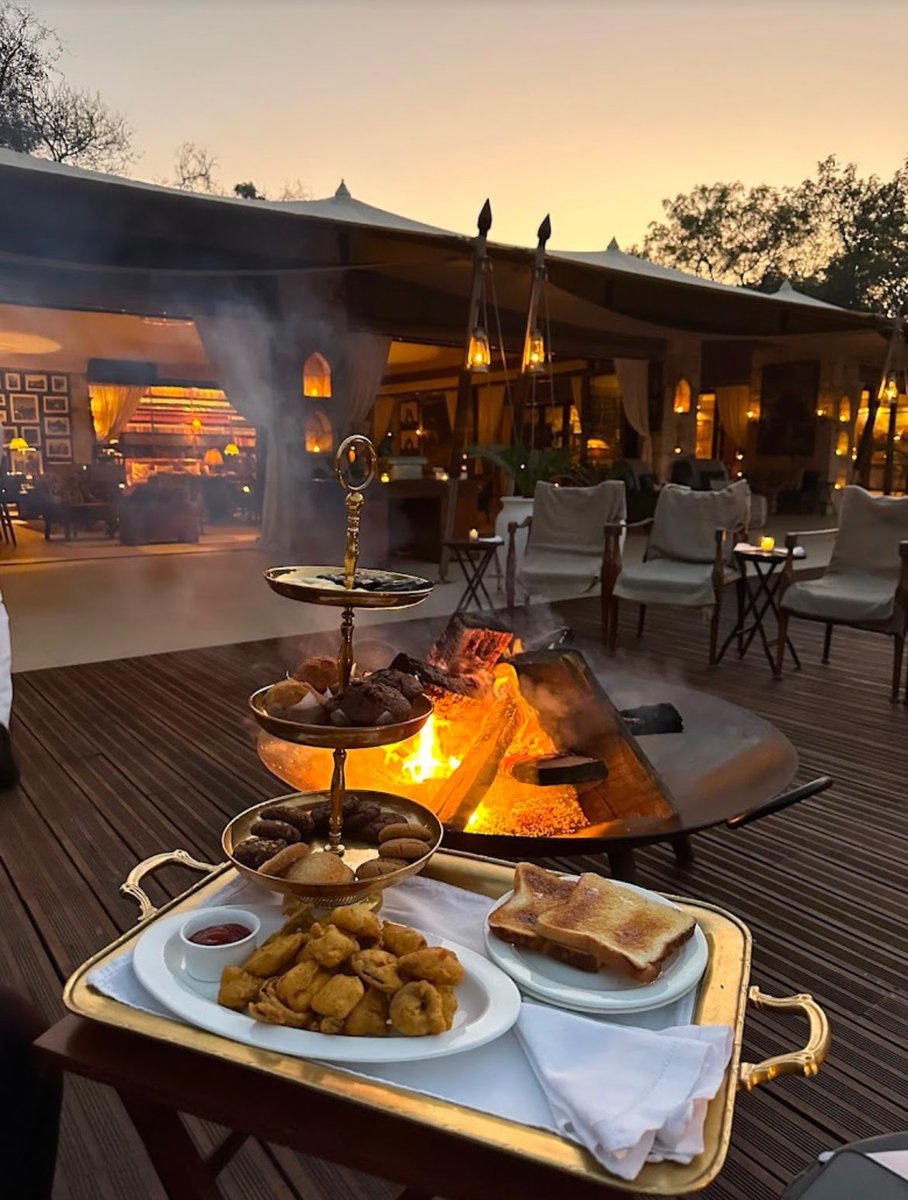
The central lodge anchors the semicircle with a sitting room and cocktail bar, functioning as the social core of the camp during the hours between safaris. The dining tent exists as a weather contingency: the default is dinner around the campfire, where the day's game sightings become the evening's primary currency. This is a format common to the better safari camps globally, and it works here for the same reason it works in East Africa: shared experience in an unfamiliar environment generates conversation that a dining room cannot replicate.
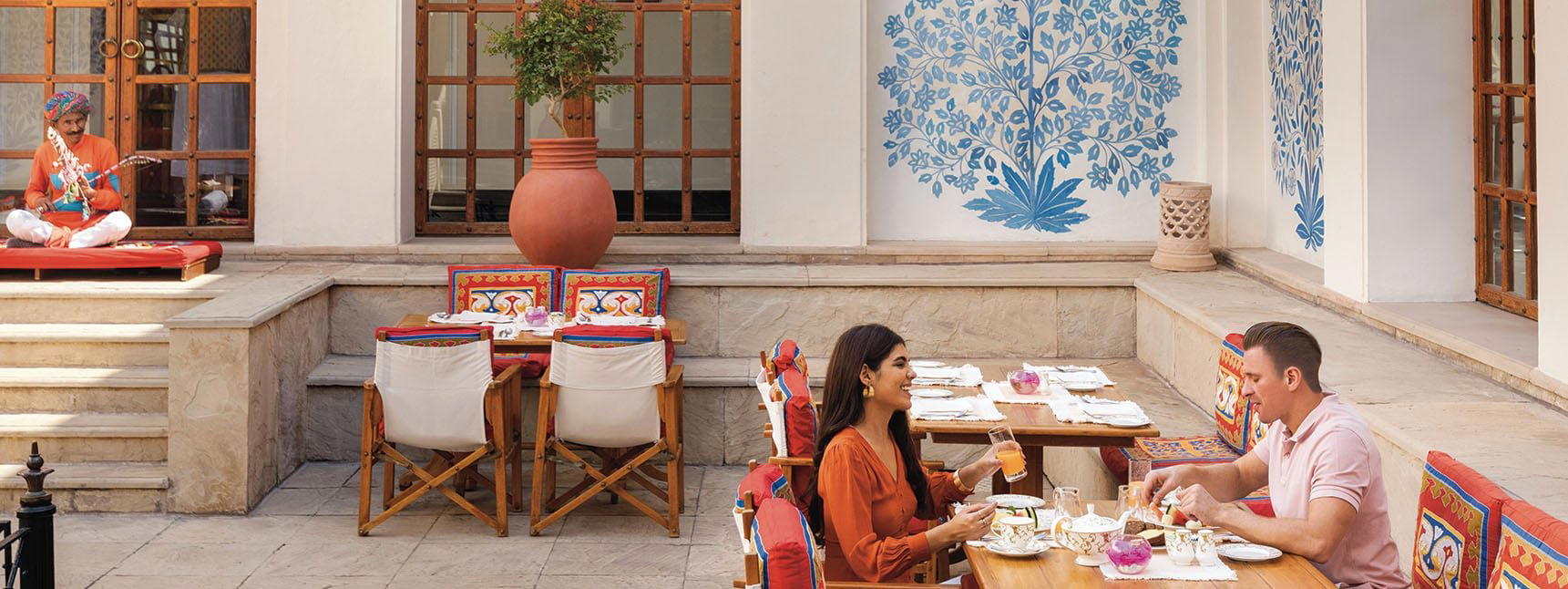
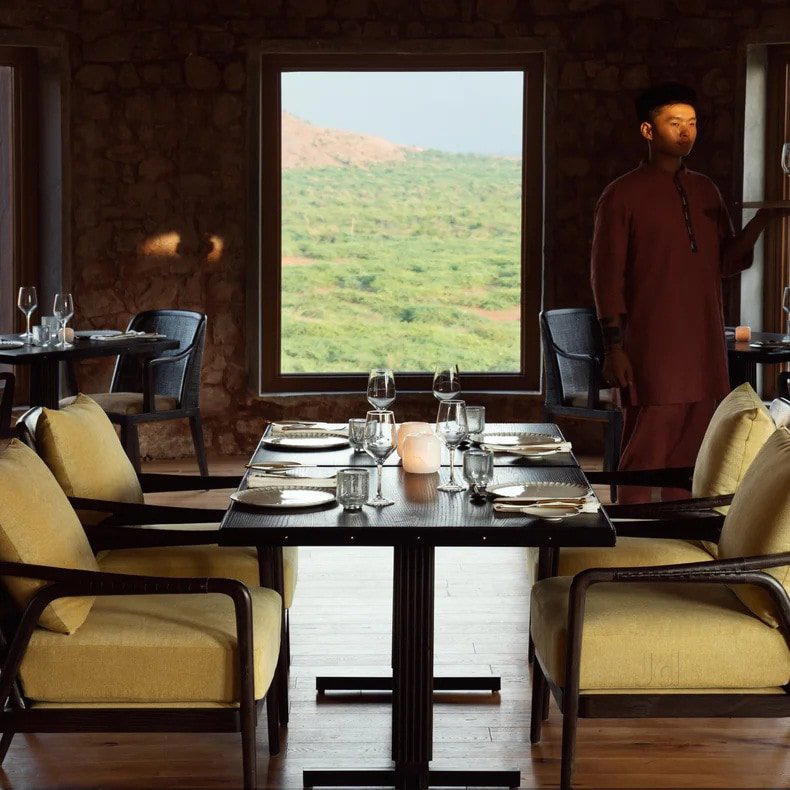
Sher Bagh describes its food approach as farm-to-table, a term that in this context signals sourcing discipline and seasonal alignment rather than any specific cuisine category. The camp is family-friendly, and the dining format reflects that: campfire settings are accessible to children without being designed exclusively around them.
Ranthambhore and the Tiger Question
Ranthambhore National Park is among India's most reliably productive tiger reserves, which is the primary reason guests travel this far from Jaipur or Delhi. Tiger sightings are never guaranteed on any single safari, but Ranthambhore's combination of open terrain, ruined Mughal fort infrastructure, and relatively dense tiger population makes visibility higher here than in many comparable reserves. The camp offers both jeep and horse safaris, the latter providing a different pace and altitude relative to the animals and landscape.
The wildlife argument for this location extends well beyond the big cats. The rest of Ranthambhore's fauna, from leopards and sloth bears to mugger crocodiles and a documented bird list running into the hundreds, is sufficient on its own to sustain several days of observation. The campfire debrief format the camp employs turns this into a cumulative narrative across the stay rather than a series of isolated moments.
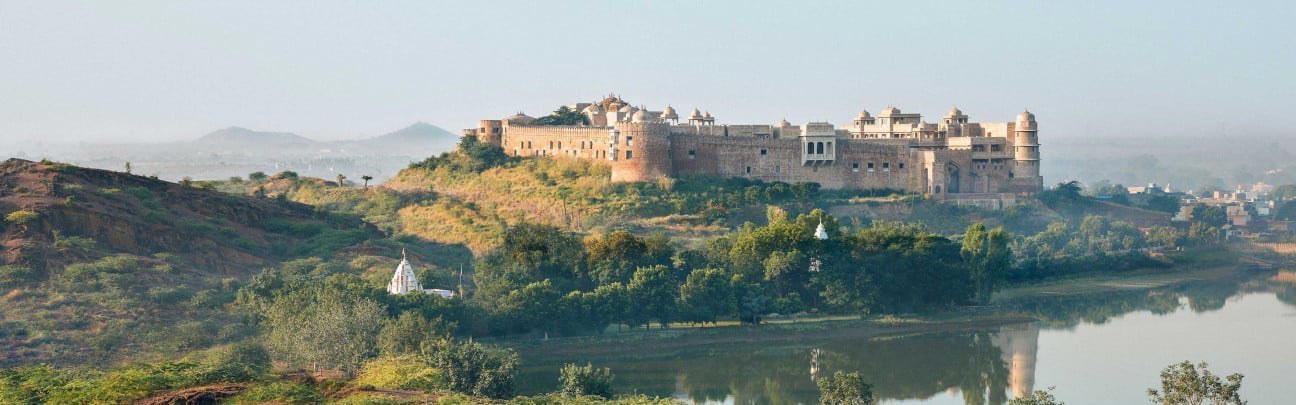
For guests considering the wider circuit of Rajasthan's wildlife and heritage properties, Amanbagh in Ajabgarh and Alila Fort Bishangarh in Manoharpur represent adjacent options that position heritage architecture alongside natural access, while The Leela Palace Jaipur works as a logical urban anchor at either end of the Ranthambhore leg. For the full picture of what is available in the region, see our full Ranthambhore restaurants guide.
Getting There and When to Go
Sher Bagh operates seasonally, from early October to mid-May, closing during the monsoon months when the park itself restricts access. The timing matters: the dry season from February onward concentrates wildlife around water sources and makes sightings more predictable, while October and November offer the opening flush of the post-monsoon period with lush vegetation and high animal activity.
Jaipur International Airport is the primary air access point, 170 kilometres away and approximately three hours by road. For those arriving by rail, Sawai Madhopur Junction is 12 kilometres from the camp and connects to Delhi (3.5 to 5.5 hours depending on the service), Mumbai (overnight), and Jaipur (around three hours). Car transfers are available from the airport and station at additional cost. There is also an airfield at Sawai Madhopur and a helipad four kilometres from camp for guests arriving by private aircraft.
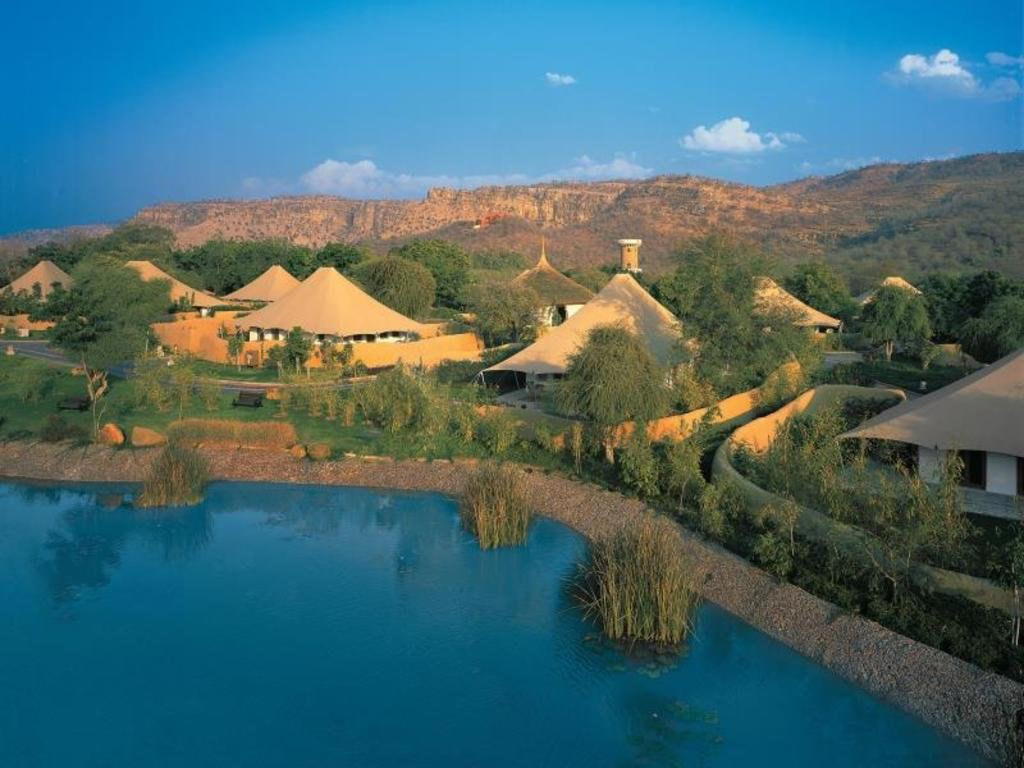
Within the Ranthambhore luxury tier, the direct competition includes The Oberoi Vanyavilas, which operates on a larger footprint with a more conventional resort structure. Sher Bagh's 12-tent format and camp-over-resort design philosophy place it in a different conversation: smaller, more seasonally concentrated, and more explicitly organised around the safari experience as a daily rhythm rather than a backdrop to a broader hotel stay.
Comparison Snapshot
Comparable venues nearby, for context on price, style, and recognition.
| Venue | Cuisine | Awards | Notes |
|---|---|---|---|
| Suján Sher BaghThis venue — the venue you are viewing | 1920s-style luxury tented safari camp blending conservation, heritage, and ornate wilderness comfort | 2 Michelin Keys · Conde Nast Gold List | Not listed |
| The Oberoi Vanyavilas | Luxury wildlife resort with lavish tented villas evoking royal caravans in a pristine natural setting. | 1 Michelin Key · La Liste Top Hotels | Ranthambhore |
| The Johri, Jaipur | Restored 19th-century haveli blending Rajasthani heritage with contemporary luxury | 1 Michelin Key · World's 50 Best #94 | Johri Bazaar |
| Ran Baas The Palace | Restored 18th-century royal guesthouse blending heritage grandeur with modern luxury | 1 Michelin Key · Relais Chateaux Award | Qila Mubarak |
| Taj Mahal, New Delhi | Classic luxury heritage property with modern amenities | 1 Michelin Key · Virtuoso Luxury Hotel Partner | Lutyens' Delhi |
| The Lodhi | Contemporary urban oasis blending modern luxury with Delhi's heritage amid lush gardens. | 1 Michelin Key · Mr & Mrs Smith Seal of Approval | Lutyens Bungalow Zone |
Recognition history
Dated appearances from independent guides and award organizations, with the underlying list record or original source where available.
Michelin 2 Keys
Michelin
Conde Nast Gold List
Conde Nast
Relais Chateaux Award
Relais Chateaux
Full recognition history (5 entries)
Michelin 1 Key
Michelin
Relais Chateaux Award
Relais Chateaux
Continue exploring
More in Ranthambhore
Hotels in Ranthambhore
Browse all →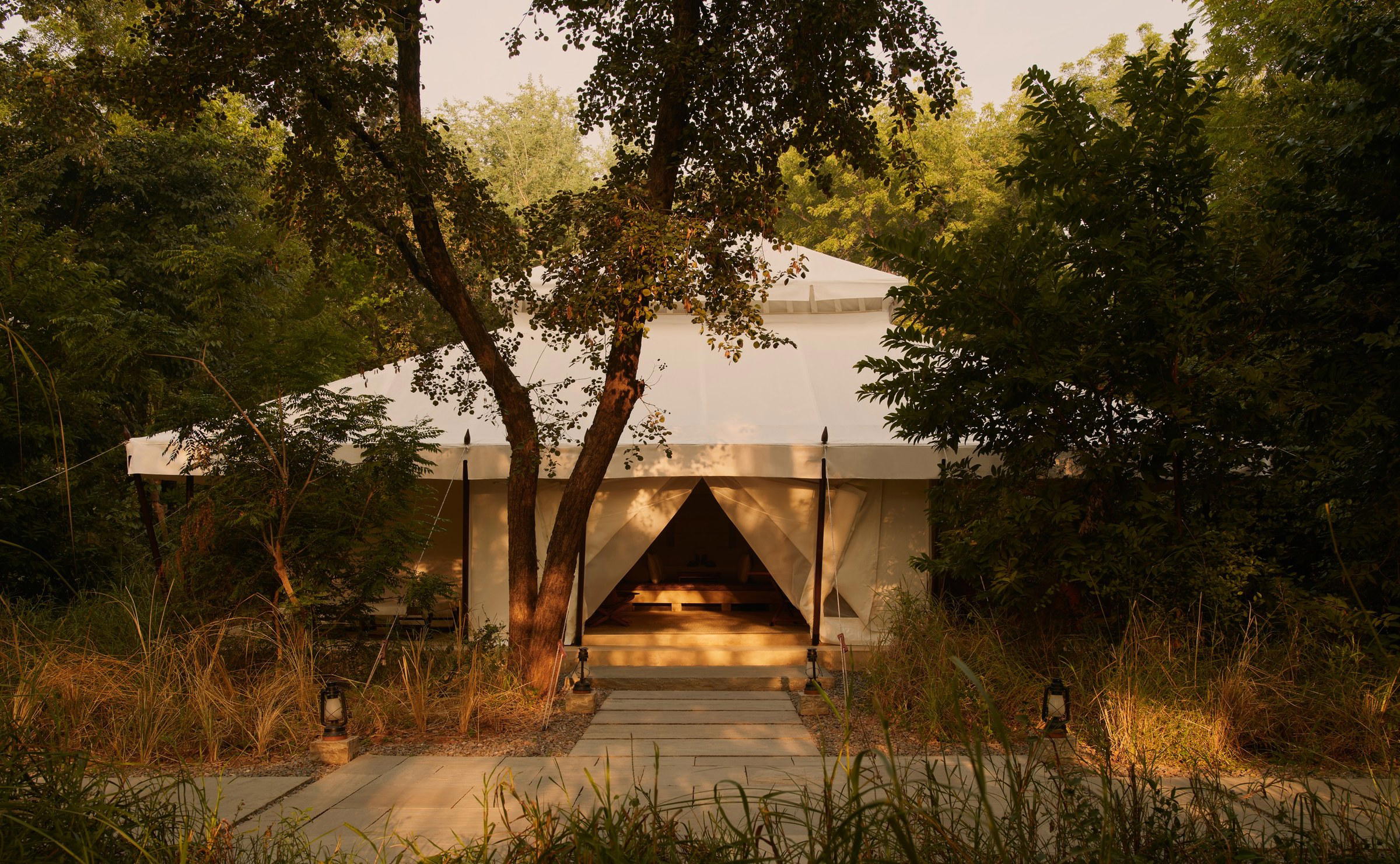
Bars in Ranthambhore
Browse all →

Details
- Romantic
- Quiet
- Elegant
- Rustic
- Scenic
- Intimate
- Sophisticated
- Ornate
- Honeymoon
- Romantic Getaway
- Anniversary
- Weekend Escape
- Group Retreat
- Private Villa
- Panoramic View
- Private Dining
- Historic Building
- Pool
- Spa
- Wi Fi
- Room Service
- Concierge
- Laundry Service
- Butler Service
- Garden
Warm, nostalgic 1920s safari atmosphere with old-world hospitality, soft lighting from vintage details, cozy fire pits, and a sense of refined wilderness tranquility.