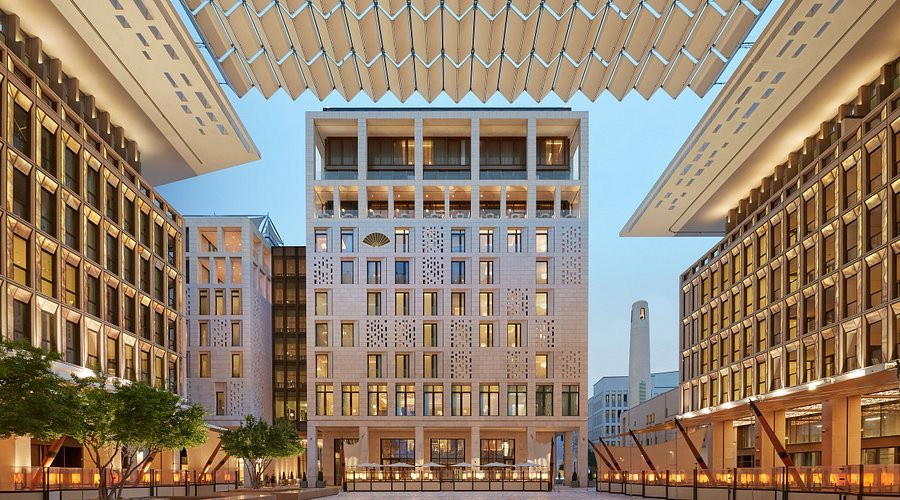
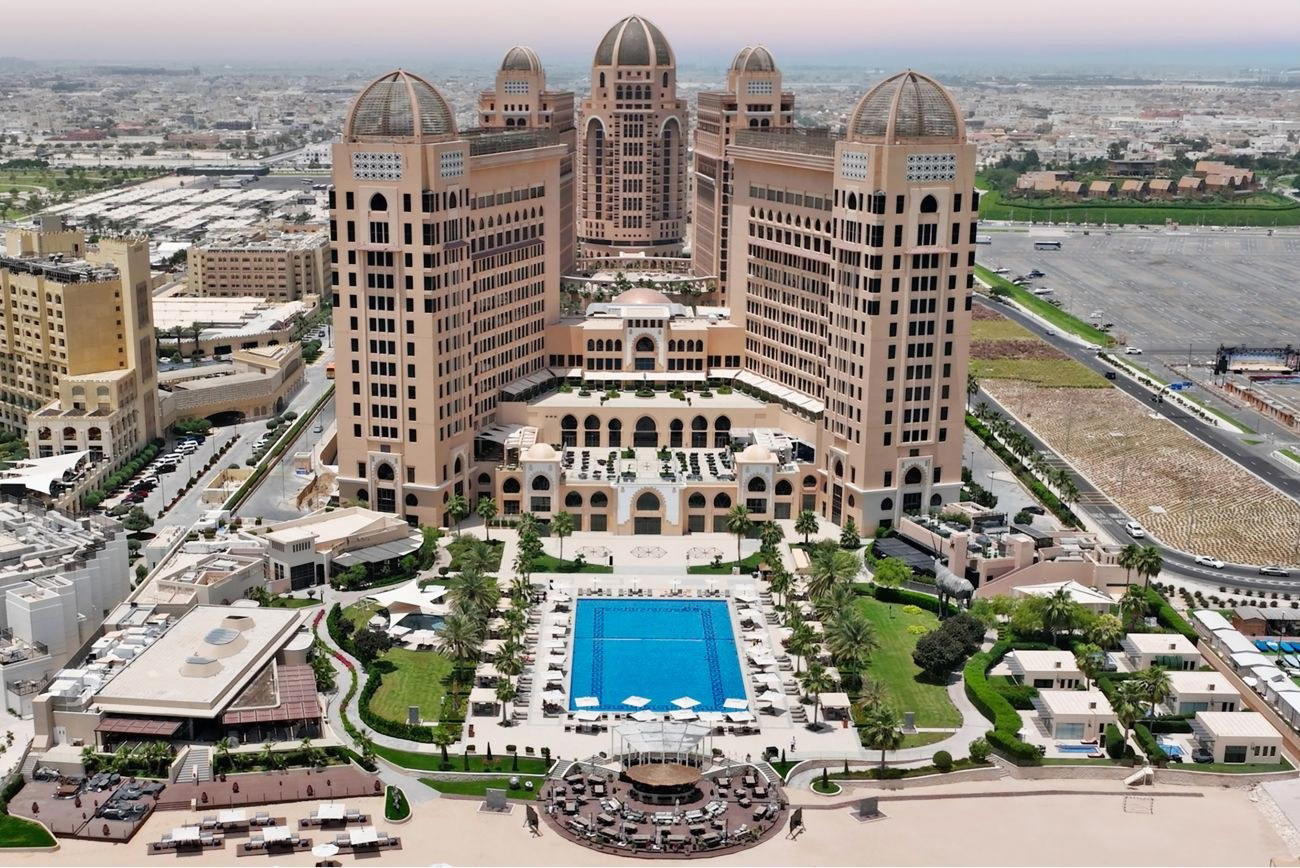
Doha Tower Hotel occupies one of Qatar's most recognisable addresses, placing guests at the centre of a city that has repositioned itself as a serious destination for architecture, hospitality, and dining. The hotel sits within the context of Doha's competitive luxury tier, where international brand standards meet Gulf-scale ambition. Proximity to the West Bay district connects it to the financial and cultural core of the capital.

Pearl is the En Primeur Club membership app — saves, bookings, and concierge access live there. Same editors, same standards.
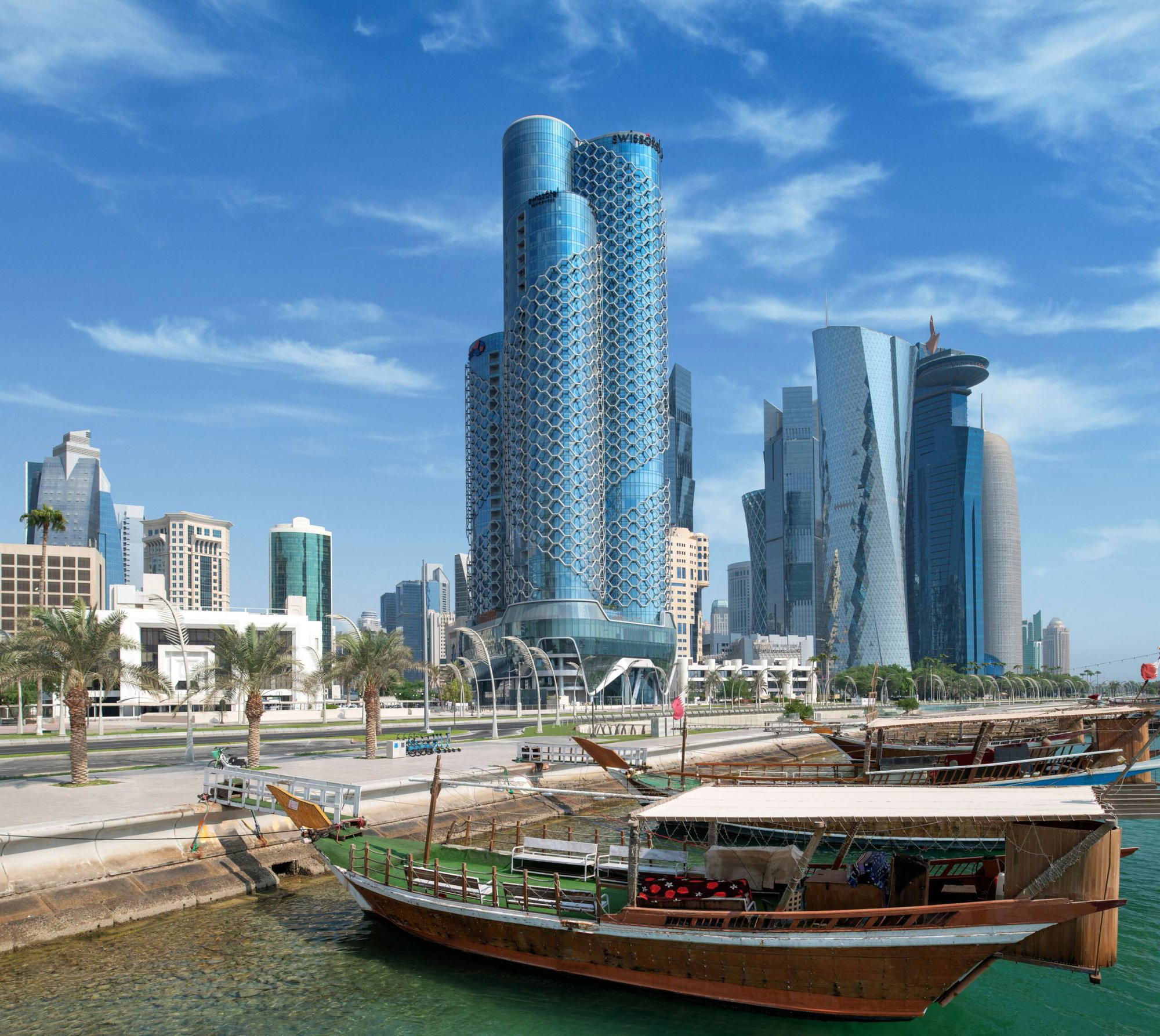
Doha's Skyline Hotels and the Case for Altitude
West Bay, the cluster of towers that defines Doha's modern silhouette, has become the reference point for the city's upper-tier hotel market. Properties here compete less on neighbourhood charm and more on scale, verticality, and the kind of amenity depth that a Gulf business and leisure traveller expects as baseline.
What that competitive environment means in practice is that Doha's tower hotels are evaluated against a demanding checklist: multiple food and beverage outlets, pool and wellness facilities with genuine depth, and guest rooms that read as spacious by any international standard. The city's rapid build-out has also created real differentiation within the luxury tier. Some properties, like Banyan Tree Doha At La Cigale Mushaireb and Banana Island Resort Doha by Anantara, have carved out positioning through distinct design identities or resort-style separation from the urban core. Others lean into the convention and business travel axis that West Bay naturally serves.
The Dining Programme in Context
Doha's hotel dining scene has undergone a structural shift over the past decade. When the city's tourism infrastructure was younger, hotel restaurants operated as the default option for international visitors who had few alternatives. That situation has changed considerably. The arrival of international restaurant groups, standalone concepts backed by operators from Dubai and Beirut, and a growing appetite among Qatari diners for serious food and beverage programming has raised the bar across the board. Hotel food and beverage directors now compete for relevance in a city where the dining alternatives are genuinely compelling.
Within that context, the hotels that hold dining authority in Doha tend to be those with either significant investment in named culinary talent or a format that addresses a specific gap in the market. The Grand Hyatt Doha Hotel and Villas operates multiple outlets across different cuisine categories, a model common to large-footprint properties. Dusit Doha Hotel brings a Southeast Asian hospitality sensibility that differentiates its food and beverage approach. The question for any tower hotel in Doha is whether its dining programme has a point of view or whether it defaults to the internationally generic.
Internationally, the comparison is instructive. Properties like Cheval Blanc Paris and Hotel Plaza Athenee in Paris have built global reputations partly on the strength of their restaurant programmes. In the Gulf context, the benchmark is set by properties that treat food and beverage as a primary identity signal rather than an amenity footnote. Bvlgari Hotel Tokyo represents a model where the dining programme is integral to the hotel's luxury positioning rather than incidental to it. Doha's most ambitious properties are moving in the same direction.
Where Doha Tower Hotel Sits in the City's Accommodation Spectrum
Doha has built out accommodation options across a wide spectrum. At the resort end of the spectrum, Hilton Salwa Beach Resort and Villas in Abu Samra and Zulal Wellness Resort by Chiva-Som in Al Ruwais offer immersive alternatives to the capital's urban density. At the branded residence end, Aleph Doha Residences, Curio Collection by Hilton and 21 High Street Residence by The Torch serve long-stay and semi-residential demand. The tower hotel format occupies a position between these poles: urban, vertically concentrated, and oriented toward guests whose primary reason for being in Doha is business or a combination of business and leisure.
That positioning carries specific advantages. West Bay proximity means access to Qatar's main financial district, the Corniche, and the Museum of Islamic Art within reasonable distance. The museum, which houses one of the Arab world's most significant collections of Islamic art and design, is a draw that aligns with the cultural programming Doha has invested in heavily since the 2010s. For guests arriving via Hamad International Airport, the routing into West Bay is direct, and the airport itself has grown into a destination of its own, with retail and food programming that signals how seriously Qatar takes the transit experience.
Doha Against the Global Luxury Hotel Context
It is worth placing Doha's hotel ambitions in the global frame. The city has studied markets like Dubai, Singapore, and Abu Dhabi closely, absorbing lessons about what separates genuinely competitive luxury hospitality from volume-driven upscale. Properties like Aman New York, Badrutt's Palace Hotel in St. Moritz, and Hotel Du Cap-Eden-Roc in Cap d'Antibes have built reputations over decades through a combination of physical setting, consistent service culture, and programming depth. Doha's newer properties are working from a compressed timeline, attempting to achieve comparable positioning in a fraction of the time.
The city's sports and events calendar has accelerated that process. Hosting the FIFA World Cup in 2022 placed Doha's hotel infrastructure under a level of international scrutiny that accelerated investment and raised baseline standards across the sector. Properties that opened or refurbished around that period benefited from a city-wide push toward international benchmarking. For guests exploring what Doha offers now, the result is a hotel market that punches above the weight its geographic scale might suggest. For broader context on where to eat and drink across the city, our full Doha restaurants guide covers the dining scene in detail.
Travellers comparing Doha against established destinations should also consider the experiential gap that exists between a city built for the 21st century and one that evolved organically over centuries. Places like Aman Venice, Castello di Reschio in Lisciano Niccone, or Hotel Sacher Wien in Vienna trade on accumulated history and architectural heritage. Doha trades on newness, ambition, and a level of investment in public infrastructure that few cities can match. Both represent legitimate forms of luxury travel; they are simply different propositions.
Planning a Stay
For guests considering Doha Tower Hotel, the practical orientation is toward the West Bay district and the broader Doha city centre. Hamad International Airport is the primary entry point, with Qatar Airways operating direct services from most major international hubs. The airport's own infrastructure, including its transit hotel and food and beverage programming, makes it a viable stopover point even for guests not staying in the city. Hotel bookings in Doha are generally leading made directly or through verified travel platforms, with the city's event calendar worth checking in advance, as major conferences and sporting fixtures can tighten availability across the upper tier of the market.
Price and Positioning
A quick peer list to put this venue’s basics in context.
| Venue | Price | Awards |
|---|---|---|
| Doha tower hotelThis venue (the venue you are viewing) | Not listed | Not listed |
| Banana Island Resort Doha by Anantara | Not listed | Michelin Selected · Forbes Recommended |
| Banyan Tree Doha At La Cigale Mushaireb | Not listed | Michelin Selected · La Liste Top Hotels |
| Fairmont Doha | $300–500 | 1 Michelin Key · La Liste Top Hotels |
| Four Seasons Hotel Doha | Not listed | 1 Michelin Key · La Liste Top Hotels |
| InterContinental Doha Beach & Spa | $200–300 | Michelin Selected · Forbes Recommended |
Continue exploring
More in Doha
Hotels in Doha
All hotels in Doha →
Bars in Doha
All bars in Doha →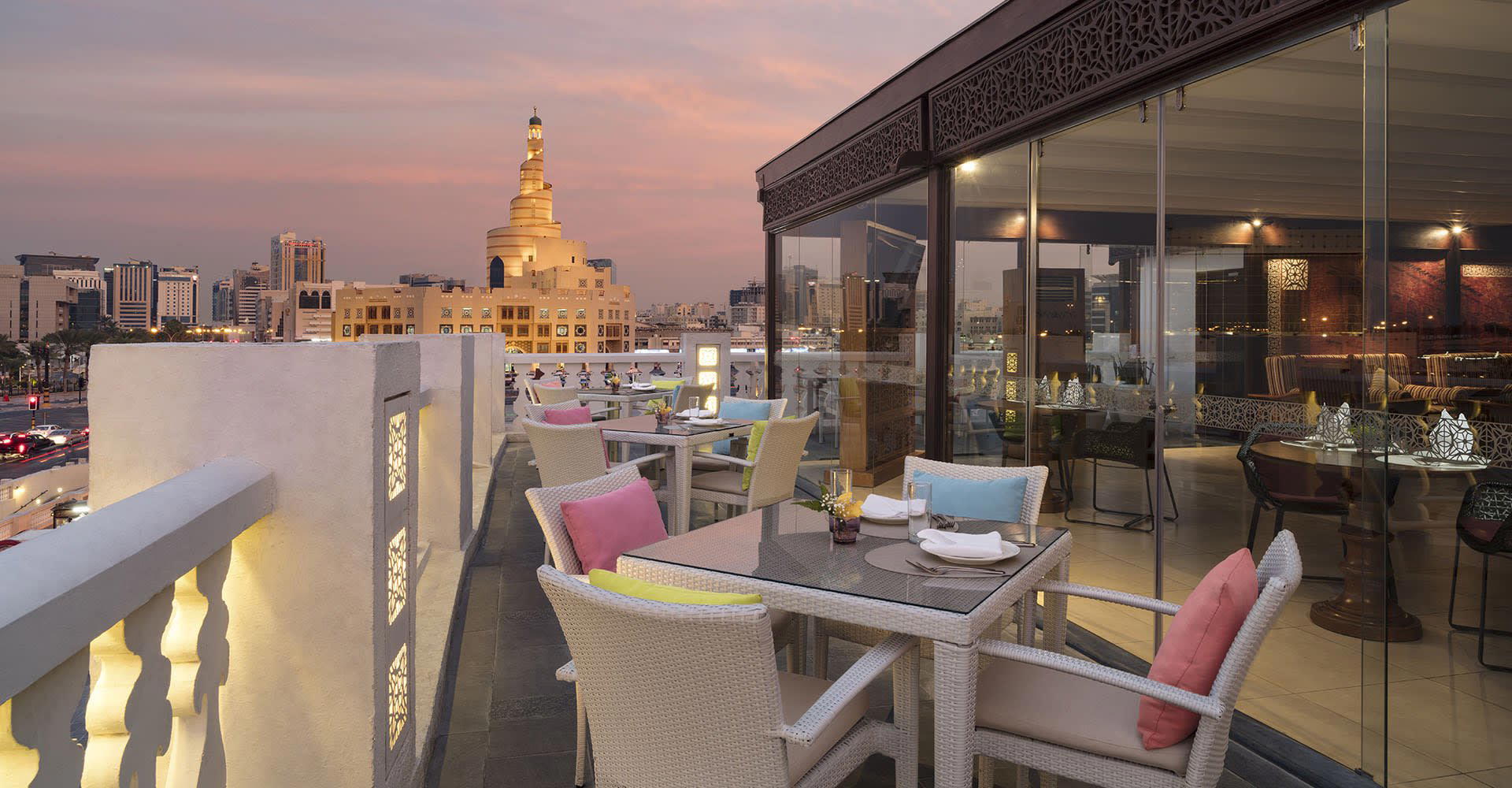
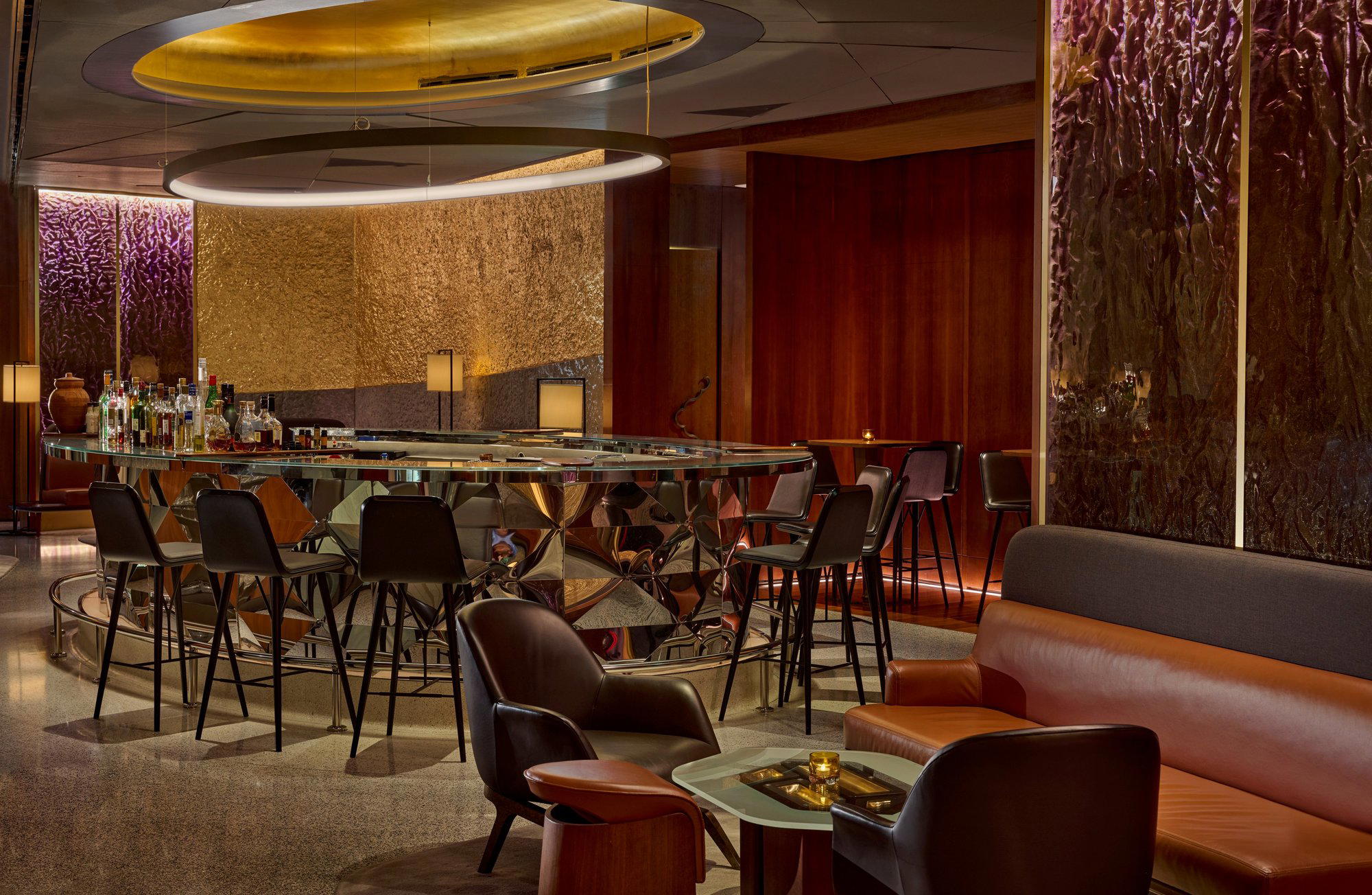
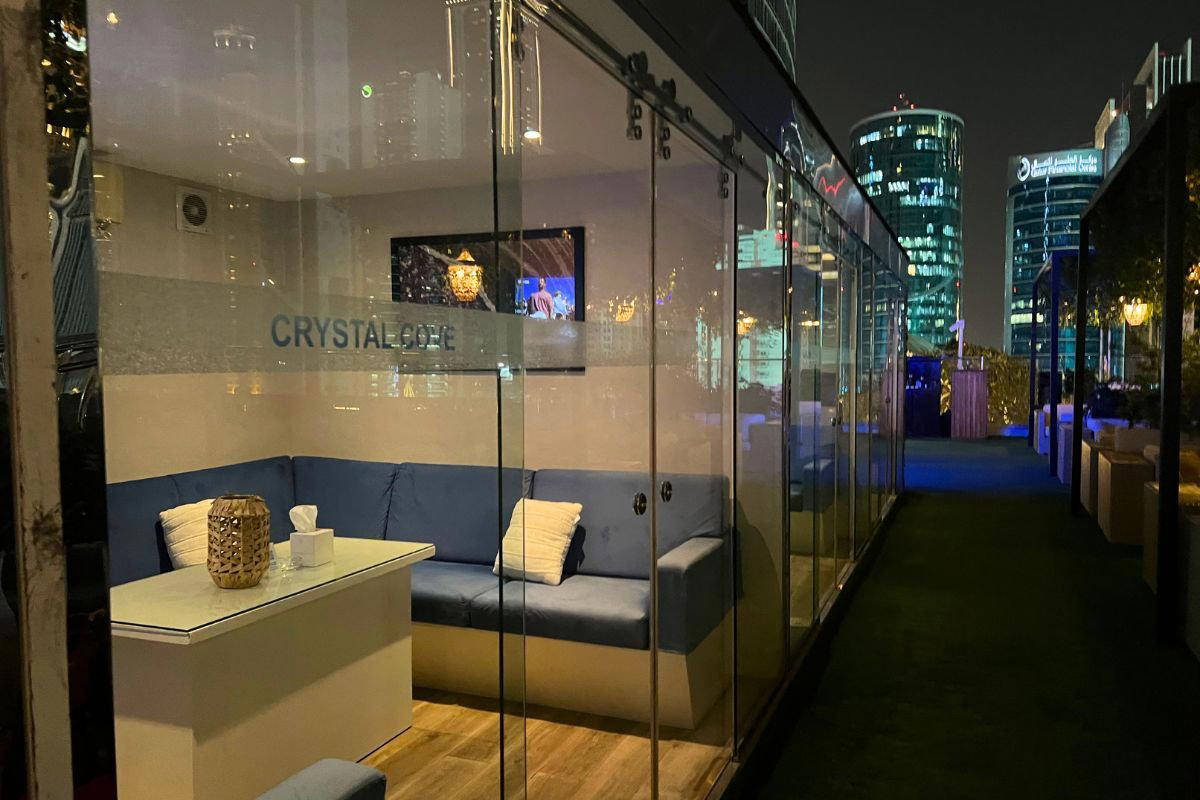
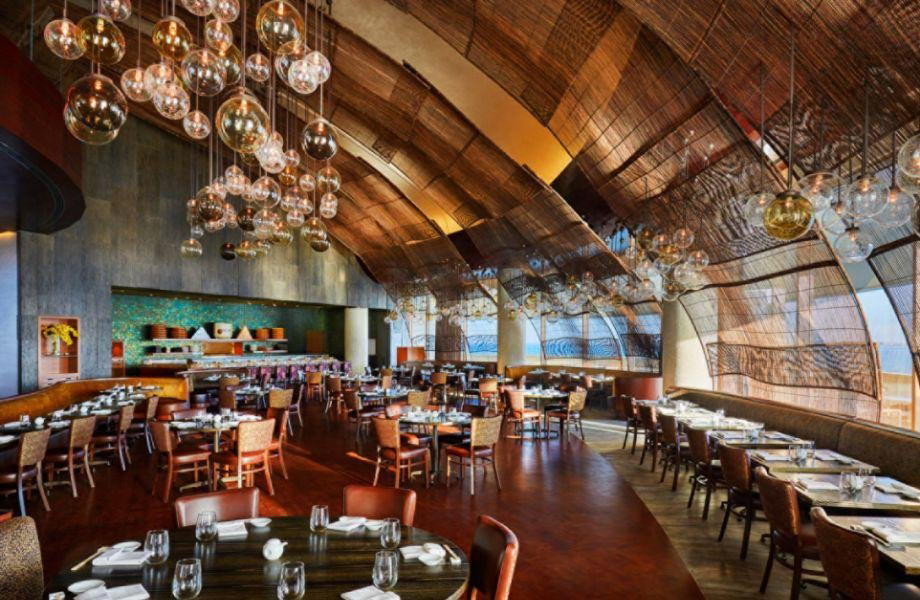
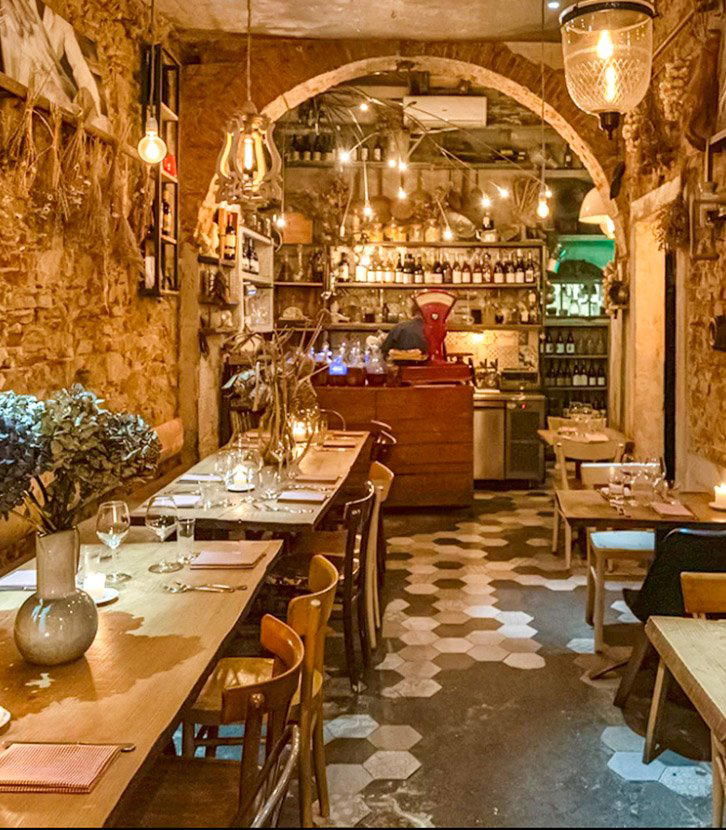
Details
- Modern
- Elegant
- Sophisticated
- Business Trip
- Romantic Getaway
- Rooftop Pool
- Panoramic View
- Pool
- Spa
- Fitness Center
- Room Service
- Concierge
- Valet Parking
- Skyline
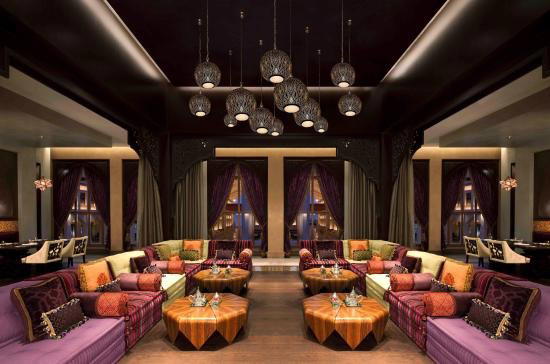
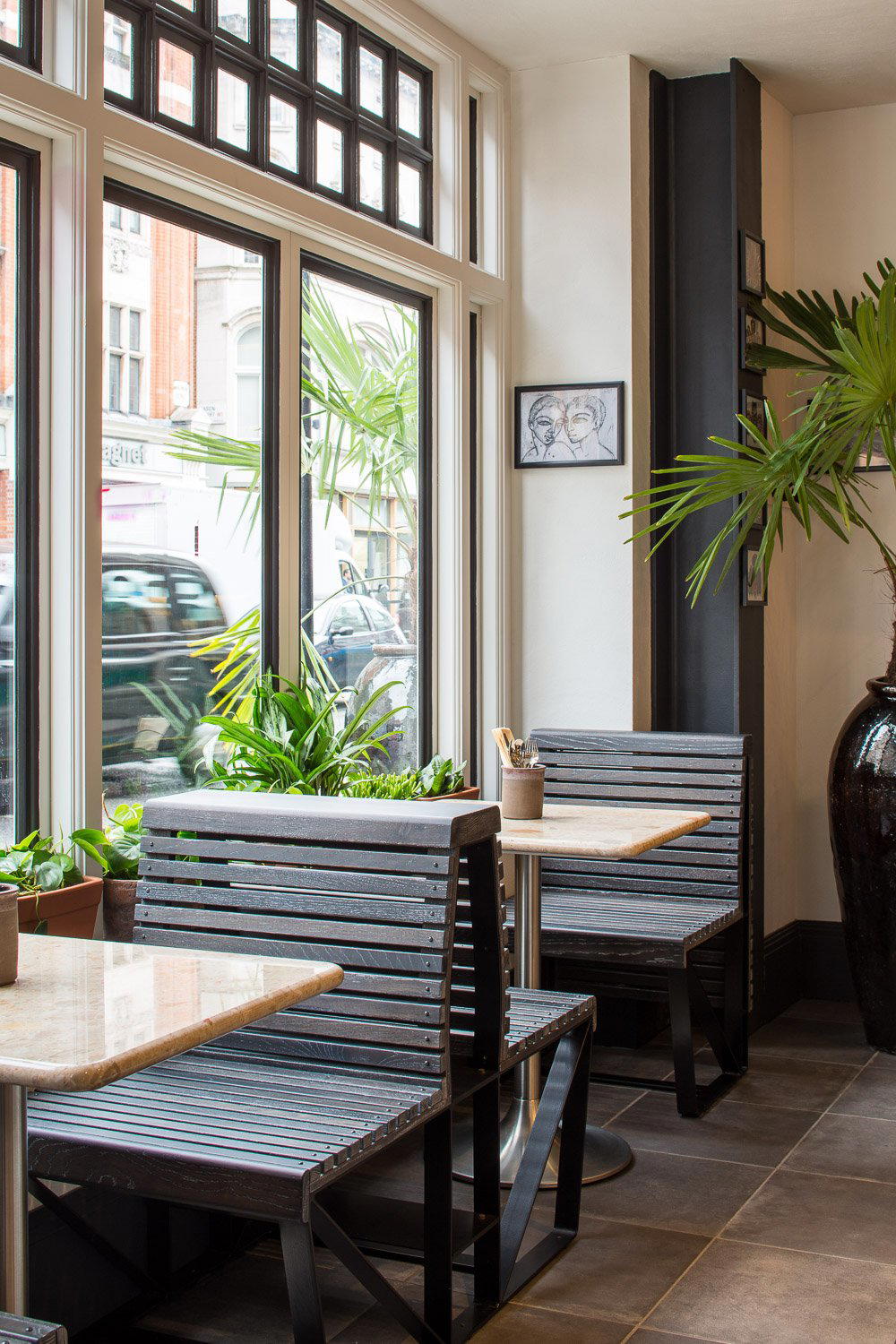
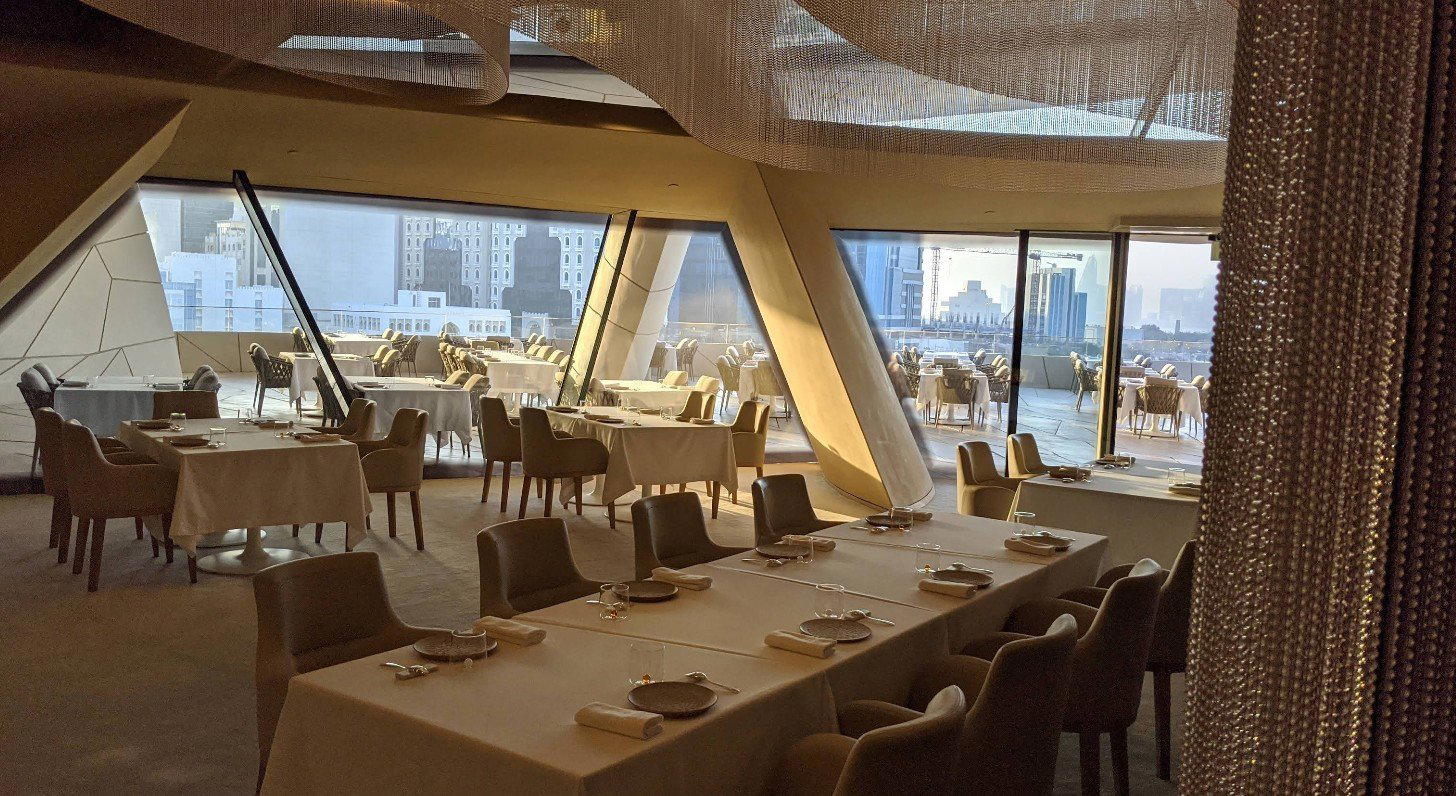
Ornate and modern with panoramic views, gold elevator to ballroom, separate spas, and relaxation areas.