Downtown Mexico



Michelin Selected · Mr & Mrs Smith Seal of Approval · Design Hotels Member
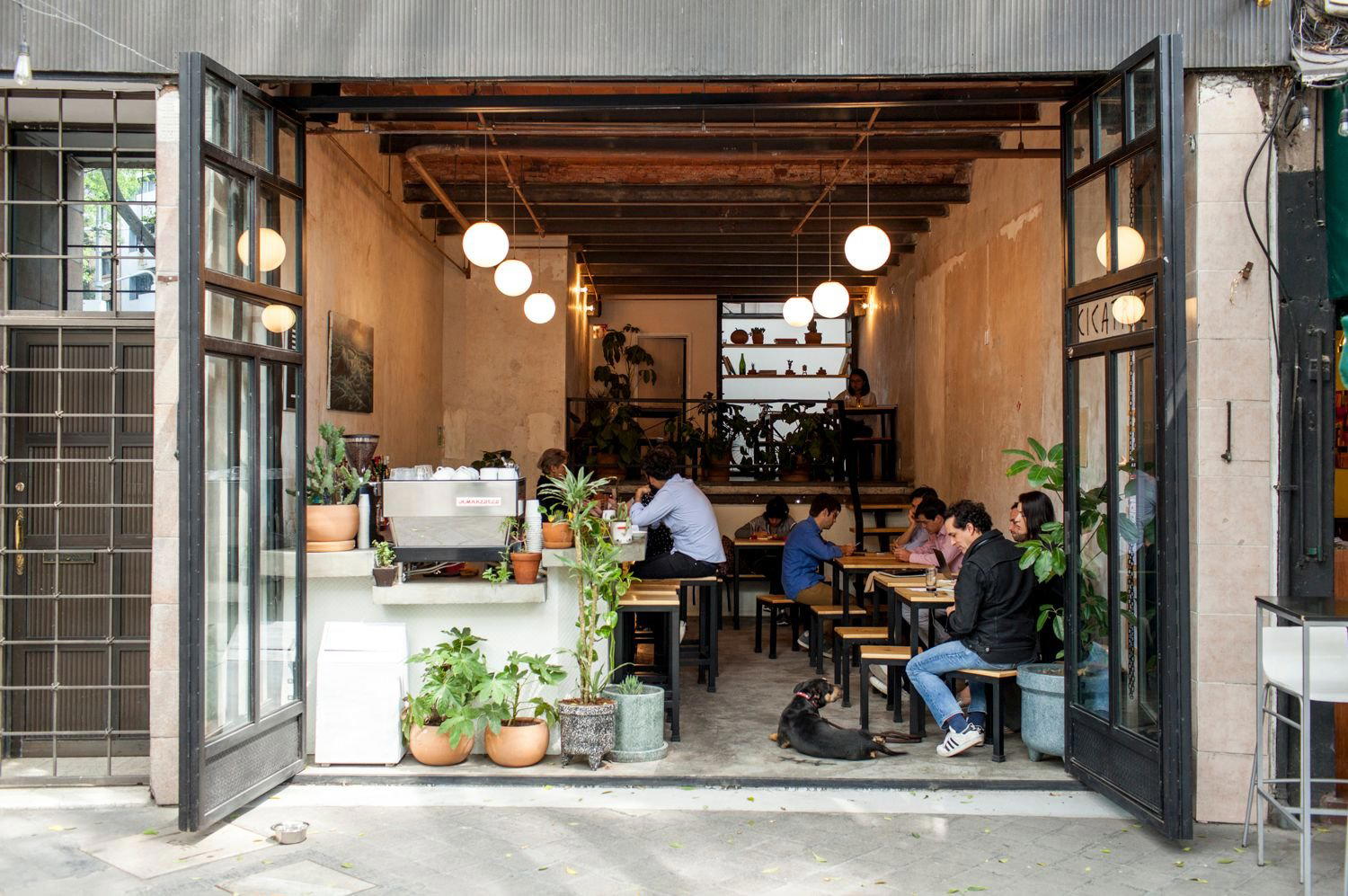
On Isabel la Católica in the Centro Histórico, Downtown Mexico occupies a colonial-era building at a UNESCO World Heritage Site, pairing stripped-back industrial interiors with bohemian-chic character. The property sits at the intersection of heritage architecture and contemporary hospitality, making it one of the more considered addresses in a neighbourhood undergoing sustained creative reinvestment.

Pearl is the En Primeur Club membership app — saves, bookings, and concierge access live there. Same editors, same standards.
- Address
- Isabel la Catolica, 30, Mexico City 6000, Mexico
- Phone
- +52 55 5130 6830
- Website
- marriott.com
- Directions
- Get directions
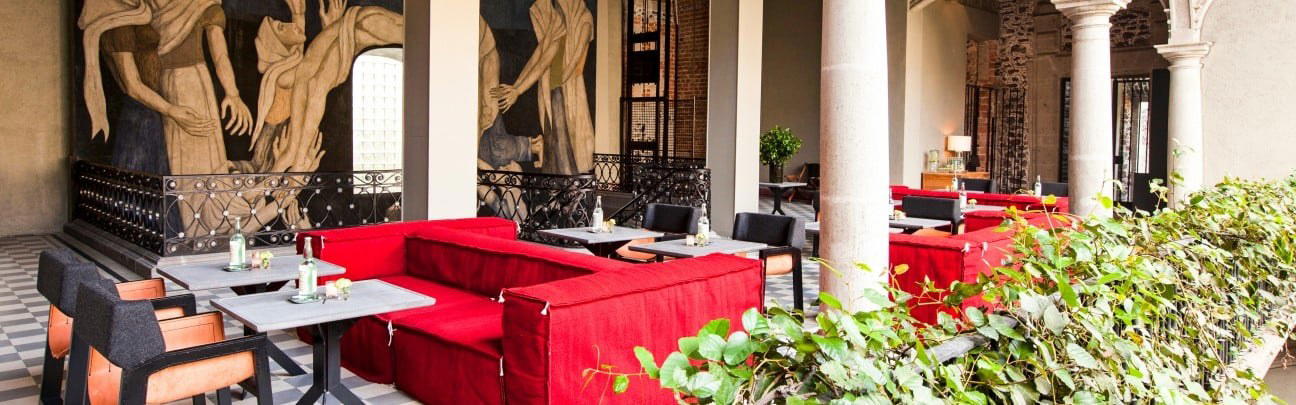
A Colonial Address in Mexico City's Historic Core
Mexico City's Centro Histórico operates on a different register from Polanco or Condesa. The neighbourhood carries the weight of the Spanish colonial grid, Aztec foundations beneath its streets, and decades of urban fluctuation that left grand baroque facades alternating with neglected courtyards. The past fifteen years have seen sustained reinvestment, as independent hotels, mezcalerías, and design-led restaurants have moved into the historic fabric rather than building around it. Downtown Mexico, on Calle Isabel la Católica at the edge of the old city core, belongs to that wave — a property that reads the UNESCO World Heritage designation not as a constraint but as a starting condition.
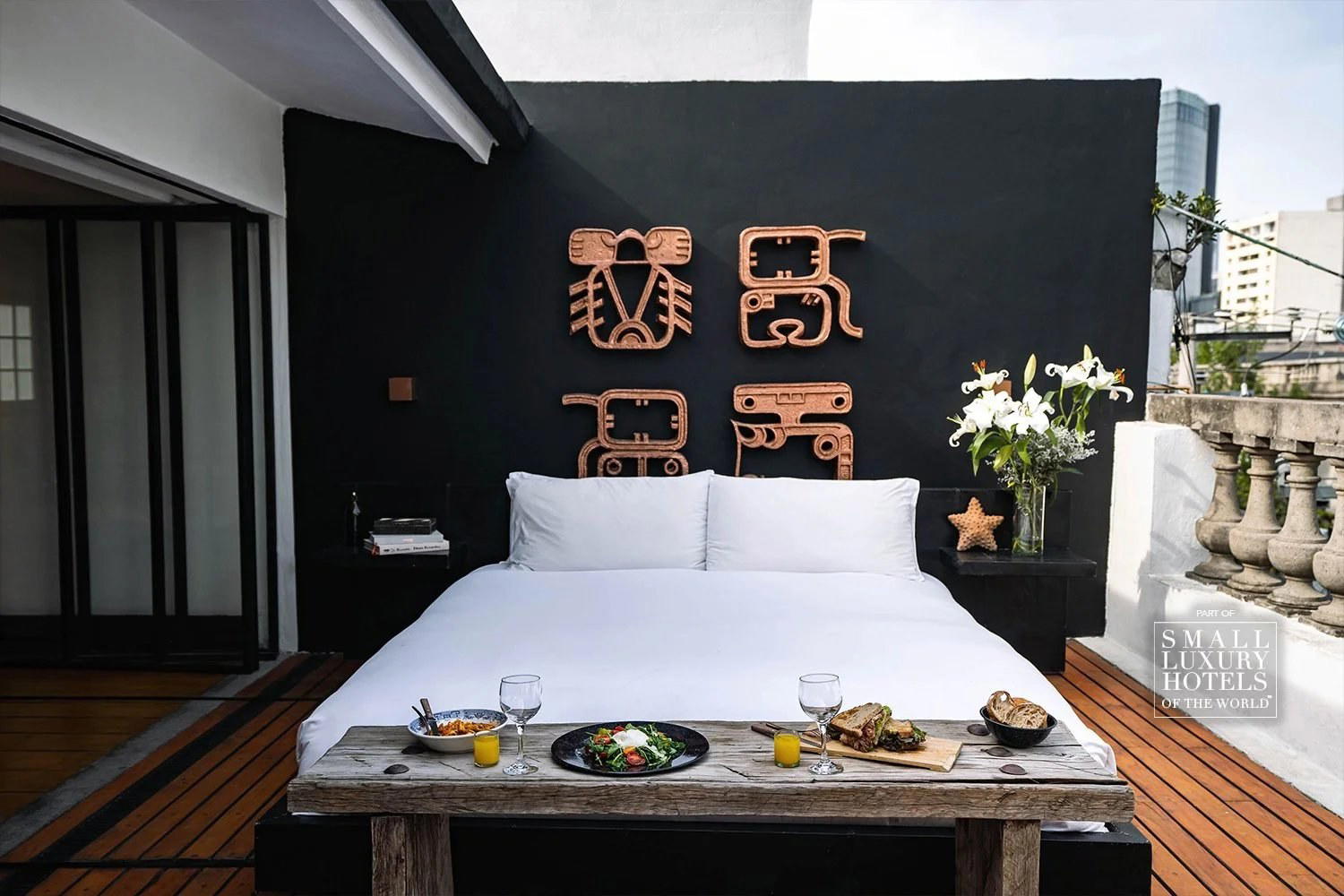
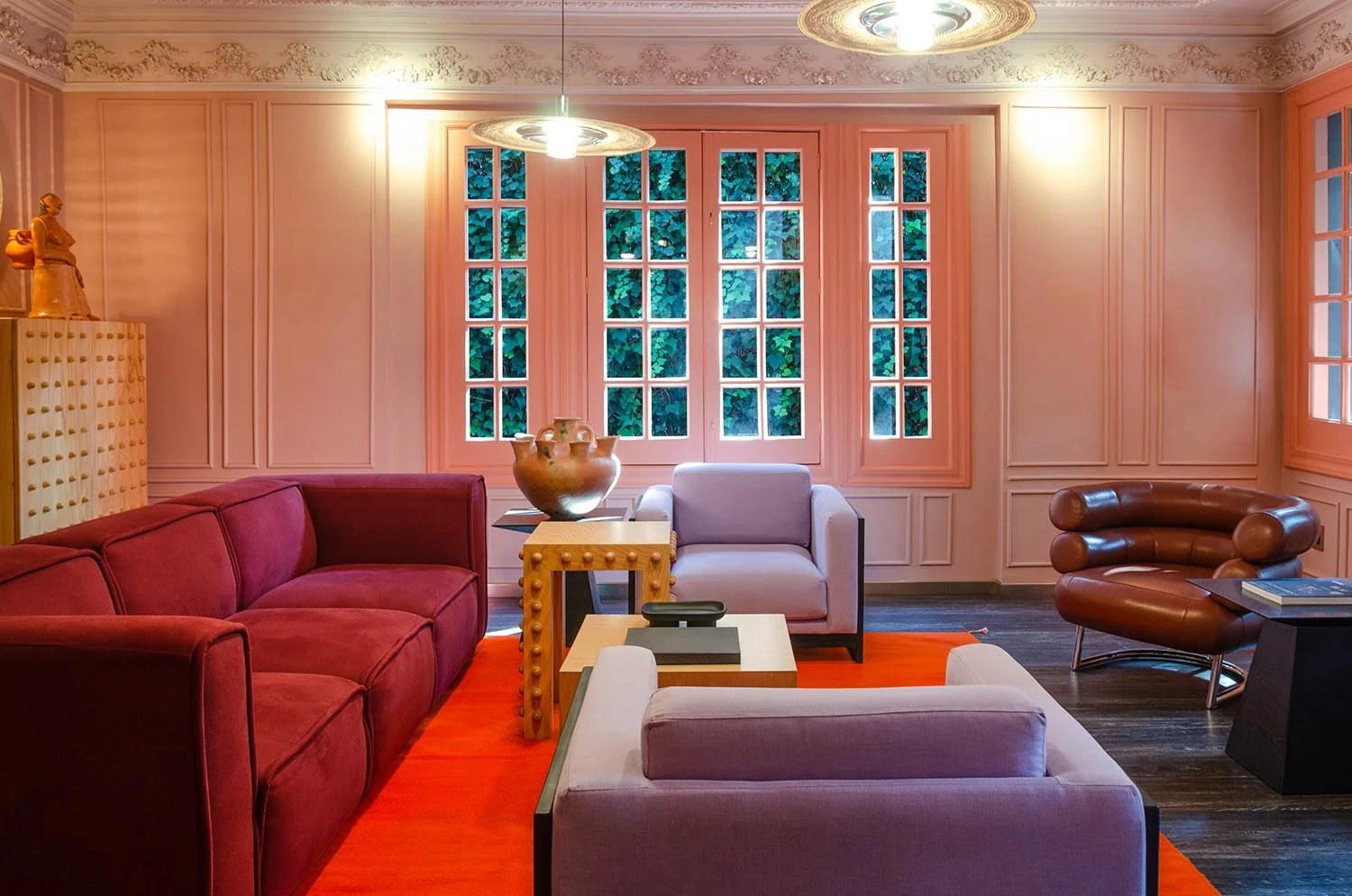
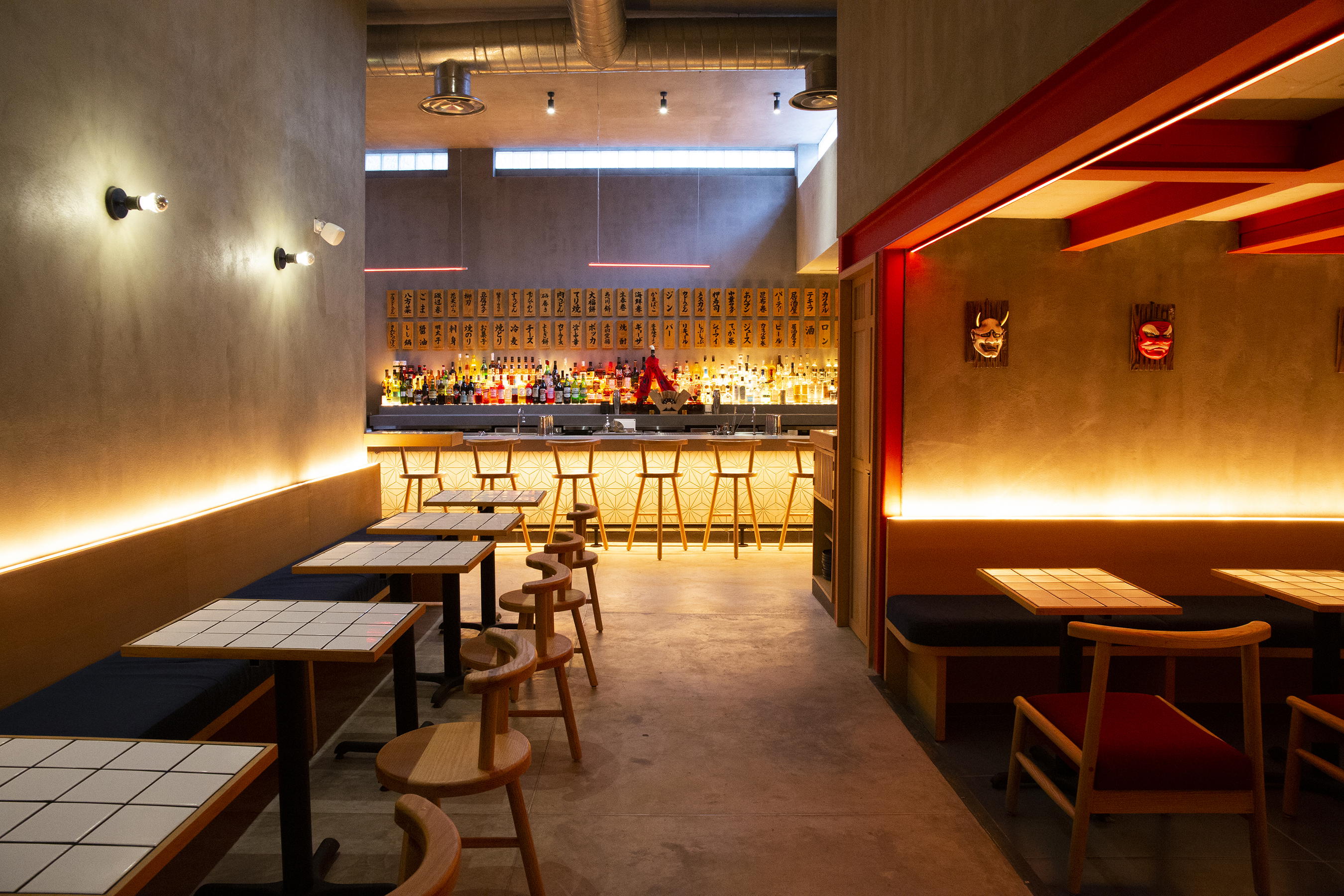
The building itself does much of the editorial work. Colonial grandeur is the structural fact: high ceilings, thick stone walls, proportions that predate modern construction logic. Against that, the interiors apply an industrial sensibility — stripped surfaces, exposed materials, a deliberate refusal of the over-restored heritage aesthetic that softens too many historic properties. The result is a visual tension that reads as bohemian-chic rather than either museum-piece preservation or boutique-hotel genericness. It is a combination that requires confident editing; executed well, it makes the architecture legible rather than nostalgic.
The Centro Histórico as Context
Understanding Downtown Mexico's positioning requires understanding where the Centro sits relative to Mexico City's other accommodation clusters. Polanco addresses, properties like Casa Polanco, Campos Polanco, and Alexander, offer proximity to high-end retail and the Bosque de Chapultepec. Roma and Condesa properties, including Casona Roma Norte and Brick Hotel, trade on tree-lined streets and a dense restaurant scene. The Centro operates on a third axis entirely: proximity to the Zócalo, the Palacio de Bellas Artes, the Templo Mayor archaeological site, and the concentrated civic and cultural weight that those landmarks carry. For a traveller whose primary interest is the colonial and pre-colonial city, the Centro address removes a logistical layer that staying elsewhere imposes.
Other boutique addresses in the city, CASA TEO, Casapani, and Casa Nuevo León Hotel, each anchor to specific neighbourhood identities. Downtown Mexico's anchor is the Centro itself, which carries both advantage and character. The streets around Isabel la Católica are active during the day with commercial and civic life and quieter at night than the colonias to the west, a rhythm that suits certain travellers and requires adjustment for others. For the full picture of what the city offers, our Mexico City restaurants and hotels guide maps across all the major neighbourhoods.
The Service Dynamic in a Heritage Property
In properties that sit inside UNESCO-designated zones, the relationship between building constraints and hospitality delivery is a practical editorial matter. Front-of-house teams at Centro Histórico hotels manage guest expectations shaped partly by the architecture itself: guests arrive primed by the visual drama of the surroundings and require a service register that matches that context rather than defaulting to international hotel convention. The stripped-back industrial interiors at Downtown Mexico signal a particular editorial position, that the property is not trying to compete with the formal grandeur of the Four Seasons or St. Regis on their own terms, but to offer something positioned differently in the market.
That positioning choice has implications for how the guest experience is assembled. Properties in this tier typically run lean teams with higher individual accountability across roles: front desk staff doubling as neighbourhood guides, breakfast service that functions as a genuine point of contact rather than a functional transaction. Whether Downtown Mexico executes against that model at a consistent level is a question leading resolved through recent guest reporting, since staff composition and service depth at independent properties shift more than at branded hotels. What the building and stated aesthetic suggest is that the intent is there.
Rooms and the Industrial-Colonial Tension
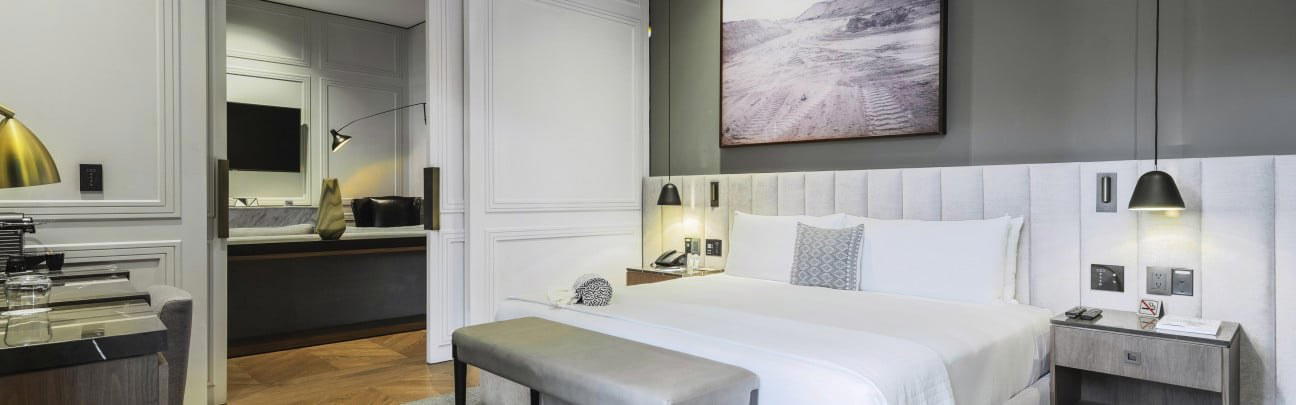
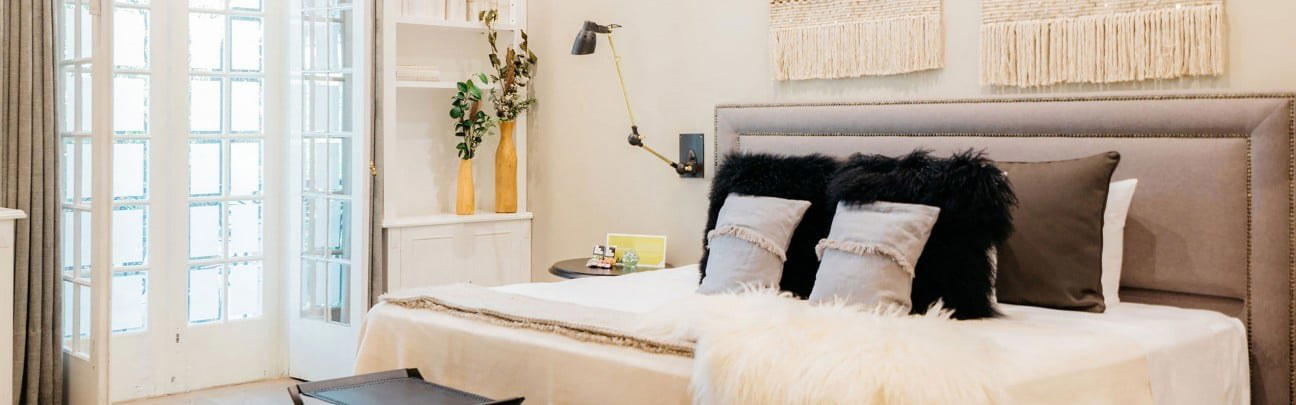
The aesthetic brief, colonial structure, industrial finish, bohemian-chic editing, creates a room typology that reads differently from either the heritage-luxury standard (antique furniture, canopied beds, heavily curated colonial objects) or the contemporary-minimal approach common in the colonias. Stripped-back rooms in a building with this provenance means the architecture itself is the primary visual content: the thickness of walls, the height of ceilings, the quality of light through period openings. Decoration operates at lower intensity than structure, which is a legitimate position when the structure is this strong.
Across Mexico, properties that work within colonial or hacienda fabric have taken divergent approaches to the interior question. Casa de Sierra Nevada, A Belmond Hotel in San Miguel de Allende layers period furniture against colonial bones. Chablé Yucatán near Mérida applies a spa-and-nature framework to its hacienda base. Downtown Mexico's industrial-bohemian approach is a third position, less common in Mexican heritage properties and more aligned with how boutique operators in cities like Buenos Aires or Cartagena have handled similar material. That comparative rarity within the Mexican market gives it a distinct character among the country's heritage hotel stock.
Mexico City as a Destination for the Architecturally-Led Traveller
Visitors who come to Mexico City specifically for the Centro Histórico are a distinct segment from those who anchor to Polanco's restaurant and gallery scene or the Condesa's midcentury residential character. The UNESCO designation covers one of the largest and most intact colonial urban centres in the Americas, and the density of significant buildings within walking distance of Isabel la Católica is considerable. Staying inside that fabric rather than commuting into it changes the quality of engagement with the neighbourhood.
For travellers extending their Mexico trip beyond the capital, the country's coastal and resort properties occupy a different register entirely. Hotel Esencia in Tulum, Maroma in Riviera Maya, and Etéreo, Auberge Resorts Collection in Punta Maroma represent the coastal end of Mexican luxury. On the Pacific side, One&Only; Mandarina in Riviera Nayarit, Four Seasons Resort Punta Mita, and Xinalani in Quimixto offer more secluded formats. The Los Cabos cluster, Las Ventanas al Paraíso, A Rosewood Resort, Montage Los Cabos, and Zadun, A Ritz-Carlton Reserve, holds the country's densest concentration of international luxury resort brands. Las Alamandas in Costalegre and Casa Silencio in San Pablo Villa de Mitla represent the more remote, low-capacity end of the spectrum. Downtown Mexico sits in a separate category from all of these: urban, heritage-centred, and calibrated to a different kind of Mexican travel.
Planning Your Stay
The property is on Calle Isabel la Católica 30 in the Centro Histórico, walkable from the Zócalo and within close range of the metro system's central lines, which makes getting around the wider city direct. The Centro is most navigable on foot during daylight hours; the neighbourhood's pace and street character shift significantly after dark, which is worth factoring into arrival timing and evening planning. For booking and current availability, the property's own channels are the starting point, and rates in the Centro Histórico tend to be more accessible than comparable boutique addresses in Polanco or the Roma. The UNESCO context, formal recognition of the area's outstanding universal value, is both a draw and a practical orientation point: the designation covers the streets themselves, not just individual monuments, which means the environment outside the hotel door is as considered as the one inside it.
Where the Accolades Land
Comparable venues nearby, for context on price, style, and recognition.
| Venue | Cuisine | Price | Awards | Notes |
|---|---|---|---|---|
| Downtown MexicoThis venue — the venue you are viewing | Renovated 17th-century colonial with bohemian-chic elegance. | $100–200 | Michelin Selected · Mr & Mrs Smith Seal of Approval | Not listed |
| Hotel Alexander | Luxury boutique design hotel in a high-rise urban setting | Not listed | 1 Michelin Key · Mr & Mrs Smith Seal of Approval | Molino Del Rey |
| Hotel San Fernando | Art Deco apartment-style boutique hotel | $300–500 | Michelin Selected · Vogue 2026 Vogue Best Hotels in Mexico City | Hipodromo |
| Four Seasons Hotel Mexico City | Refined urban retreat centered around a lush inner courtyard. | $300–500 | La Liste Top Hotels · Forbes 4-Star | Nva Anzures |
| Andaz Mexico City Condesa - A Concept by Hyatt | Luxury boutique hotel blending Art Deco heritage with modern Mexican design. | Not listed | Michelin Selected | Hipodromo |
| Maison Celeste | Historic renovated mansion blending colonial charm with contemporary art and design | Not listed | 1 Michelin Key · Vogue 2026 Vogue Best Hotels in Mexico City | Centro Urbano Benito Juarez |
Recognition history
Dated appearances from independent guides and award organizations, with the underlying list record or original source where available.
Michelin Selected
Michelin
Design Hotels Member
Design Hotels
Mr & Mrs Smith Seal of Approval
Mr & Mrs Smith
Continue exploring
More in Mexico City
Hotels in Mexico City
Browse all →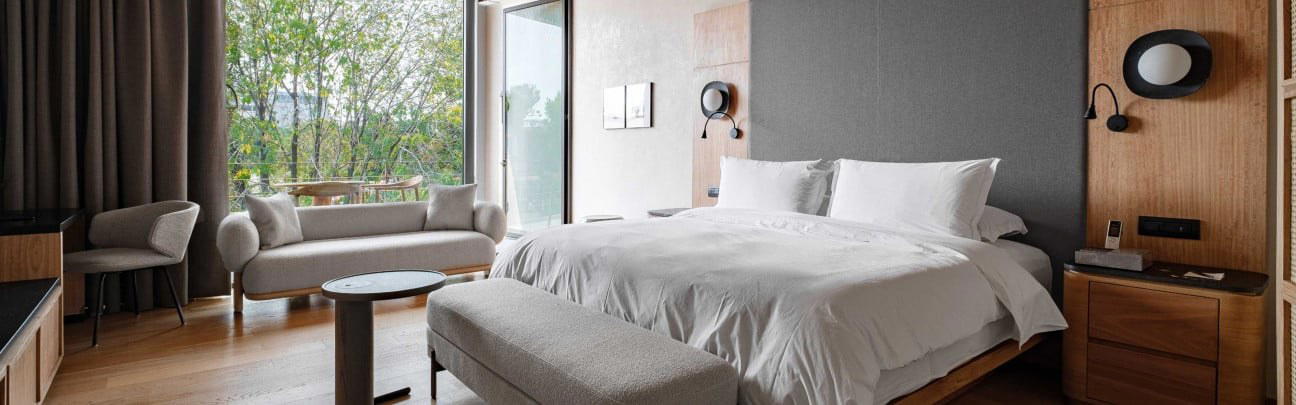
Bars in Mexico City
Browse all →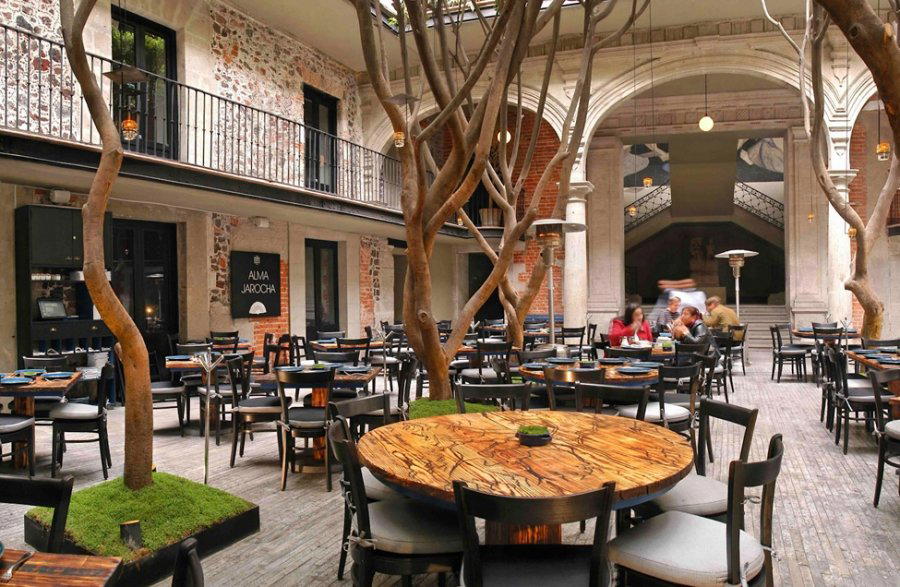
Details
- Modern
- Elegant
- Bohemian
- Sophisticated
- Historic
- Romantic Getaway
- Business Trip
- Weekend Escape
- Rooftop Pool
- Historic Building
- Terrace
- Wi Fi
- Pool
- Spa
- Room Service
- Concierge
- Restaurant
- Bar
- Fitness Center
- Laundry Service
- Street Scene
- Skyline
- Elevator
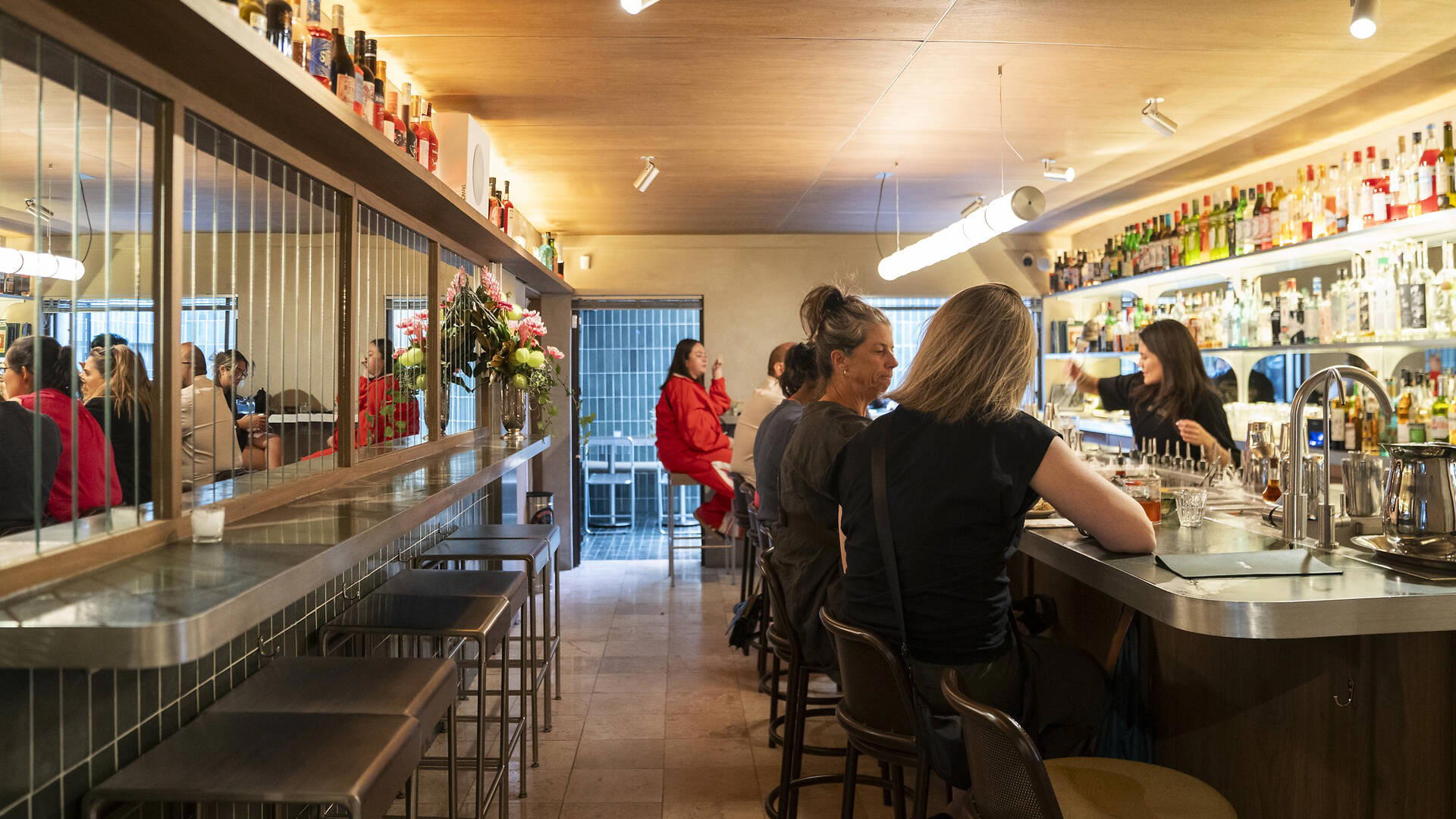
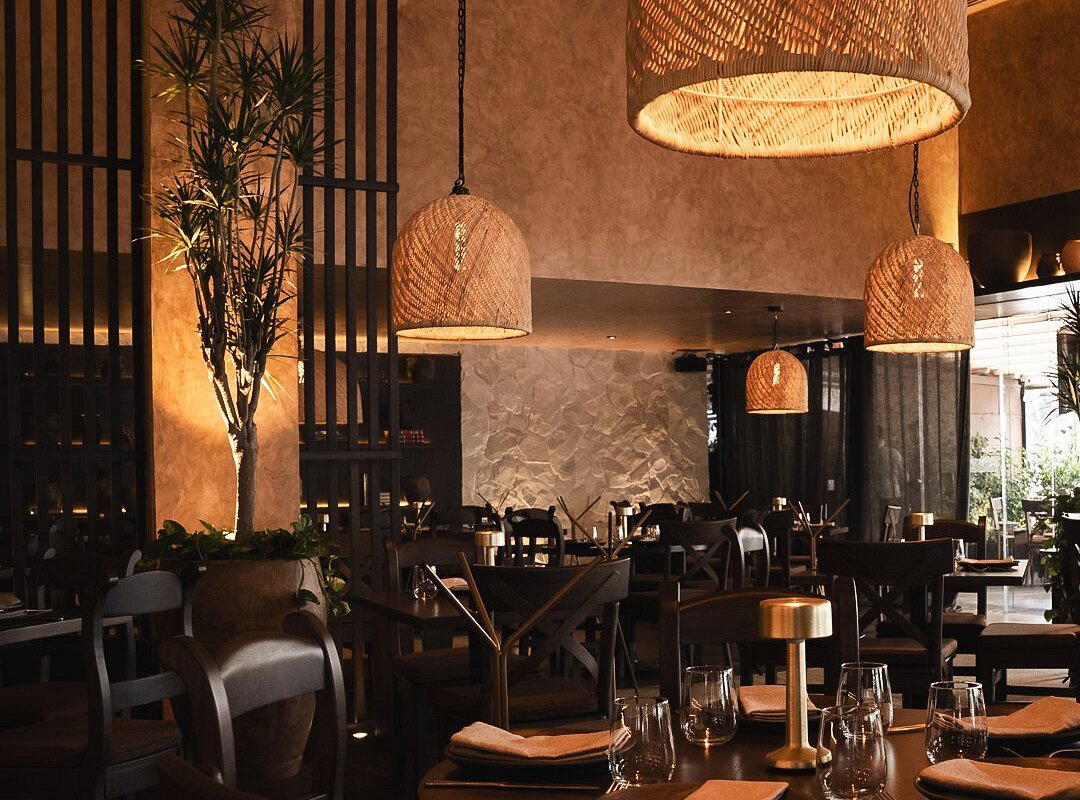
Sophisticated and moody with dim lighting, industrial touches, and a charming courtyard; rooftop terrace offers a relaxed vibe overlooking historic rooftops.