Dorsett Kai Tak Hotel Hong Kong places the hotel conversation on the Kowloon side, away from the established Central and Tsim Sha Tsui grand-hotel axis. Its address at 43 Shing Kai Road gives it a different urban frame: Kai Tak’s redevelopment zone, where infrastructure, scale and new-build architecture matter more than colonial nostalgia or harbourfront ceremony.
Pearl is the En Primeur Club membership app — saves, bookings, and concierge access live there. Same editors, same standards.
- Address
- 43 Shing Kai Rd, Kowloon City, Hong Kong
- Phone
- +852 3528 8288
- Website
- dorsetthotels.com
- Directions
- Get directions
 Saves & bookings on Pearl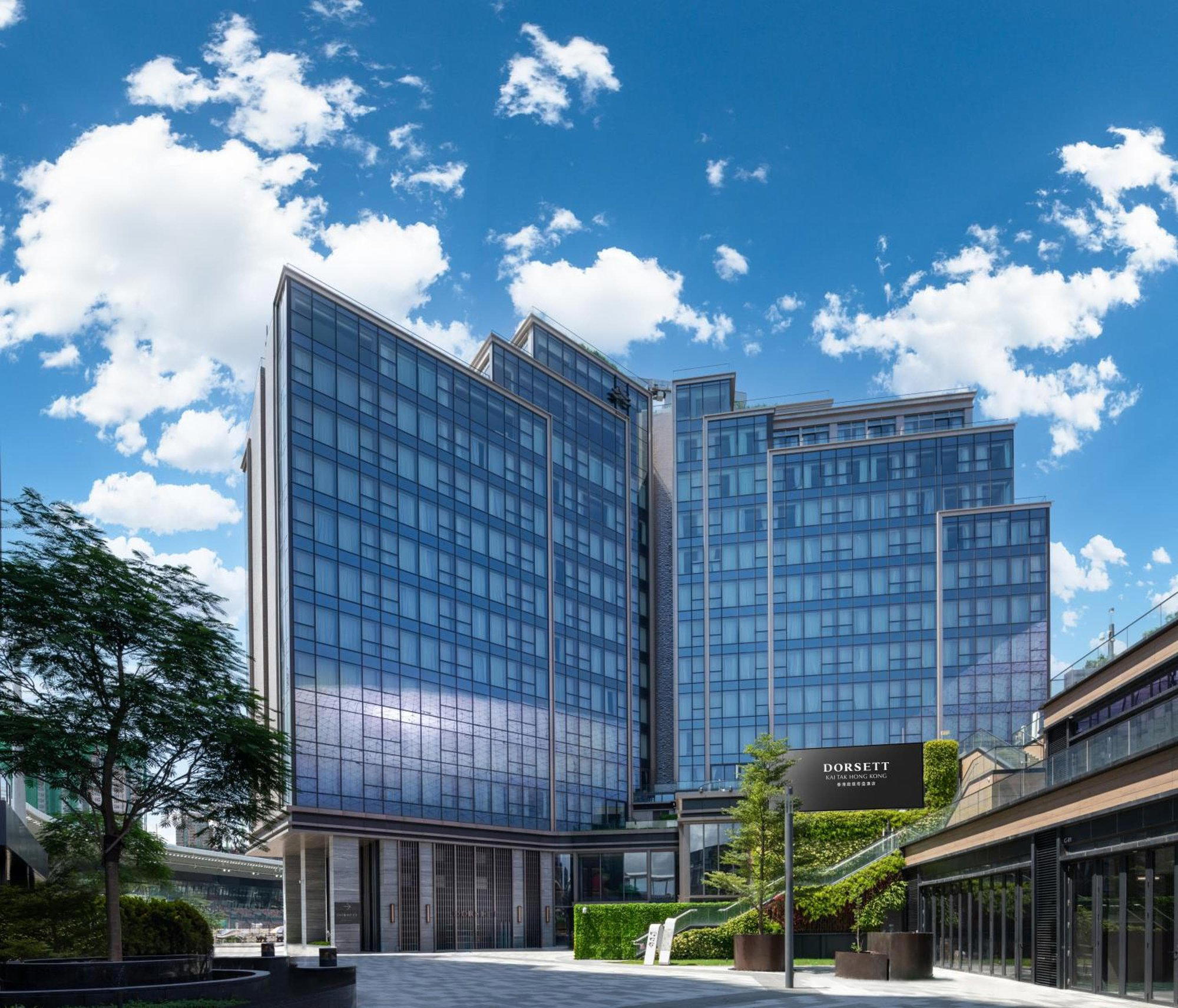
Kai Tak's new hotel grammar
Approaching 43 Shing Kai Road puts the traveller in a Hong Kong that feels engineered rather than inherited. This is not the marble-and-arcade Hong Kong of Central, nor the harbour-front setting of Tsim Sha Tsui. Kai Tak is a district of wide roads, recent plots and large civic ambition, built on land whose identity is tied to aviation history and post-airport reinvention. That physical context matters. A hotel here is judged less by patina and more by how well it answers a city problem: where contemporary Kowloon can absorb visitors without pretending to be the Peninsula lobby or a Central club floor.
Dorsett Kai Tak Hotel Hong Kong belongs to that new-build conversation. The address is 43 Shing Kai Rd, Kowloon City, Hong Kong. This is a page for travellers comparing location, city rhythm and hotel type. Hong Kong already has a deep bench of luxury hotels with long operating histories and international recognition. Kai Tak asks a different question: when does a newer Kowloon base make more sense than the established harbour corridor?
The answer begins with the district. Kai Tak’s redevelopment has shifted part of Kowloon’s centre of gravity eastward, away from the older hotel clusters around Tsim Sha Tsui, Mong Kok and Hung Hom. In design terms, the neighbourhood reads as contemporary urban infrastructure: stadium, transport links, commercial blocks, residential towers, waterfront planning and broad redevelopment parcels. For a hotel, that means the architecture carries a heavier load than inherited neighbourhood romance. Façade, arrival sequence, lobby scale and vertical circulation become the language of place, because there is less old street theatre to borrow from the pavement outside.
How it compares with Hong Kong's established hotel map
Hong Kong hotel choice is often a geography test disguised as a style preference. Central and Admiralty concentrate business convenience and club-floor culture. Tsim Sha Tsui trades on harbour views and ceremonial grandeur. Wan Chai and Causeway Bay pull travellers into a denser retail-and-restaurant pattern. Mong Kok and Kowloon City offer a more local Kowloon cadence, with food streets, transit nodes and sharper changes of pace. Kai Tak sits in a separate category: planned, expanding, and less burdened by the city’s old hotel hierarchy.
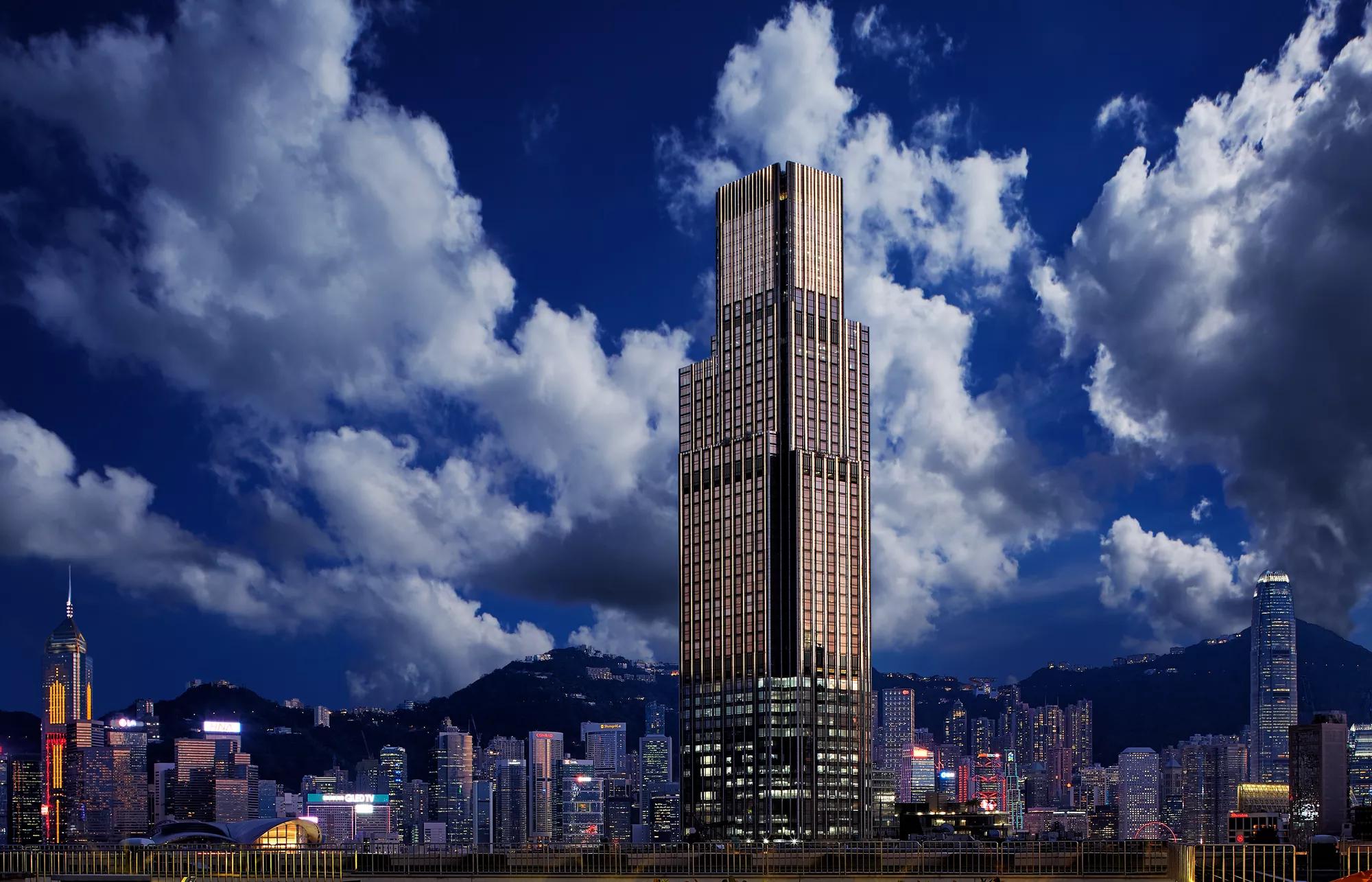
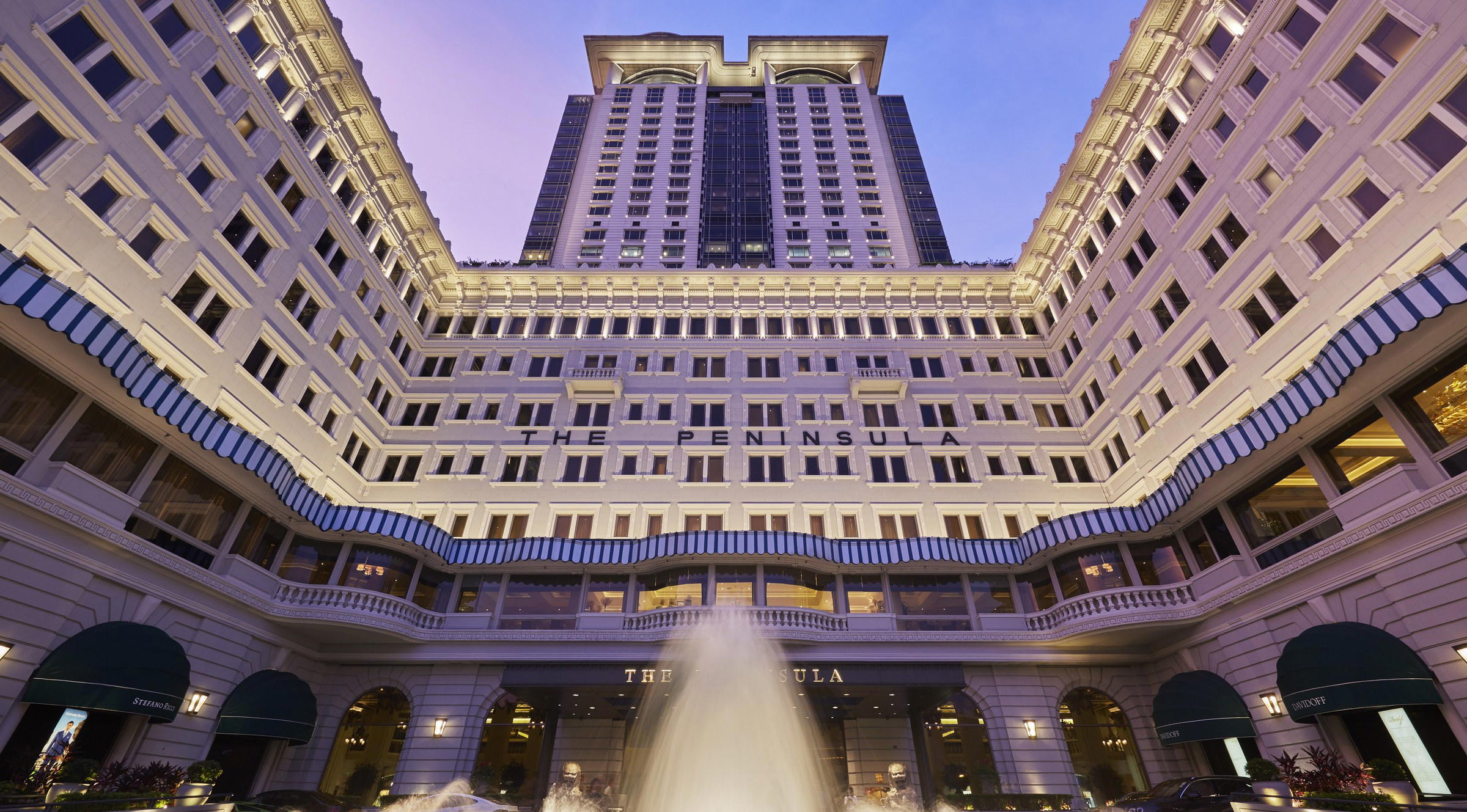
For the classic Hong Kong reference points, the comparison is immediate. Four Seasons Hotel Hong Kong ties itself to the finance-and-harbour axis, while Mandarin Oriental, Hong Kong remains a Central benchmark for heritage-led urban luxury. Across the water, Rosewood Hong Kong uses scale and harbourfront placement to define a newer Kowloon luxury model, and The Peninsula Hong Kong carries the city’s grand-hotel mythology. Against that set, a Kai Tak address is not competing on inherited glamour. It competes on redevelopment logic, Kowloon access and a contemporary building brief.
The Hong Kong Island design hotels create another useful peer contrast. The Landmark Mandarin Oriental, Hong Kong is tied to Central’s fashion-and-finance density, while The Upper House reads through residential calm and vertical understatement. Conrad Hong Kong anchors the Pacific Place ecosystem, and The Murray, Hong Kong, a Niccolo Hotel in Hong Kong Island brings adaptive reuse into the conversation. Kai Tak’s point of difference is not intimacy or heritage conversion; it is the feel of a district being assembled in public view.
On the Kowloon side, Cordis, Hong Kong gives a more established Mong Kok comparison, connected to retail, MTR movement and dense street life. Dorsett Kai Tak Hotel Hong Kong is better understood as a choice for travellers who want the Kowloon side without defaulting to either Tsim Sha Tsui ceremony or Mong Kok intensity. That is a specific decision, not a lesser one. Hong Kong’s hotel geography is compact but psychologically segmented, and the neighbourhood tells the guest what kind of city they will meet each morning.
Architecture, address and the changing Kowloon brief
Kai Tak’s appeal is inseparable from the scale of its redevelopment. The former airport site has been reworked into one of Hong Kong’s major urban-growth zones, with sports, leisure, residential and commercial uses gradually changing the east Kowloon map. Hotels in such districts have to do two jobs at once. They must provide the self-contained clarity expected by international travellers, and they must help make a not-yet-settled neighbourhood legible. That is why architecture and planning are more relevant here than nostalgia.
In older Hong Kong hotel districts, design often has a strong external partner: a famous skyline, a historic arcade, a harbourfront promenade, a colonial-era story or a dining district already thick with reputation. Kai Tak offers fewer ready-made props. The arrival experience, building mass, sightlines and public spaces must create their own sense of orientation. The safer editorial reading is broader: this is a hotel shaped by the demands of a new Kowloon district, where scale and access are central to the proposition.
That distinction matters for travellers who usually benchmark Hong Kong against international palace hotels. In Europe, Hôtel de Paris Monte-Carlo in Monte Carlo, Badrutt's Palace Hotel in St. Moritz, Le Bristol Paris in Paris and Hotel Sacher Wien in Vienna draw authority from age, ritual and address memory. In Venice, Aman Venice in Venice and Cipriani, A Belmond Hotel, Venice in Venice frame hospitality through water, palazzo architecture and resort separation. Kai Tak is the opposite case: a district where the present tense is the story.
Asian city hotels provide the closer comparison. Bvlgari Hotel Tokyo in Tokyo, Mandarin Oriental Bangkok in Bangkok and Aman New York in New York City each use vertical city placement, brand codes and urban choreography to establish identity. The Fifth Avenue Hotel in New York City and Mandarin Oriental Ritz, Madrid in Madrid show another route, placing design inside a strong historical shell. Kai Tak’s hotel stock, by contrast, is part of a district whose architectural memory is being written now.
Food, drink and the practical dining question
The hotel is best assessed first as a base, then paired with the city’s wider restaurant map. That limitation is useful because it prevents the common error of treating every hotel as a dining destination. In Hong Kong, food credibility is earned in public: through Michelin recognition, long local patronage, specialist kitchens, wine-cellar depth, critic attention or the simple pressure test of a city that eats seriously at every price point. Without documented dining details, this hotel should be assessed first as a base, then paired with the city’s wider restaurant map.
Kowloon is a practical advantage for that pairing. The broader side of the harbour contains old-school Cantonese rooms, dai pai dong heritage, Chiu Chow and Shanghainese specialists, noodle shops, dessert houses, contemporary Chinese kitchens and hotel dining rooms with serious international traffic. The better planning move is to treat the address as a launch point and then use the city’s restaurant ecosystem deliberately.
For that, Our full Hong Kong restaurants guide is the more useful companion than guessing at an in-house culinary identity. Travellers building a complete stay should also cross-check Our full Hong Kong bars guide, especially because Hong Kong’s cocktail culture is not concentrated in one district. Central, Sheung Wan, Tsim Sha Tsui and hotel bars each serve different drinking habits. The hotel’s Kai Tak location makes pre-planned movement more important than spontaneous bar-hopping outside the front door.
Wine-focused travellers should temper expectations unless confirmed cellar or sommelier data is provided by the hotel directly. Hong Kong’s tax position and auction culture have made the city a serious wine market, but that does not automatically turn every hotel into a wine address. For broader context, Our full Hong Kong wineries guide is a better starting point, and Our full Hong Kong experiences guide helps connect dining plans with cultural formats, private tours and district-led programming.
Who should choose Kai Tak
This is a sensible location for travellers whose Hong Kong schedule points toward Kowloon, East Kowloon or large-format events rather than daily Central meetings. It can also make sense for repeat visitors who no longer need to sleep beside the familiar harbour-view hotel circuit. First-time visitors chasing postcard Hong Kong may prefer Tsim Sha Tsui or Central; repeat travellers often gain more from a district that changes the daily route through the city.
Value should not be assumed. Rates in Hong Kong move with exhibitions, finance calendars, long weekends, school holidays and major events, and Kai Tak’s growing event infrastructure can affect demand patterns. The practical rule is simple: compare live rates against the older Kowloon and Hong Kong Island sets, then decide whether the address saves time or merely saves money. If the itinerary is weighted toward Central lunches and late-night drinks in Soho, the commute may erode the rate advantage. If the itinerary is Kowloon-heavy, Kai Tak becomes more persuasive.
Booking details are not listed here. Travellers should therefore use established hotel booking channels or verified direct channels surfaced through the hotel’s official presence, then confirm room category, bedding, view type, breakfast inclusion and transport timing before committing. That is not administrative fussiness. In Hong Kong, the difference between a smooth hotel choice and a frustrating one is often not the room itself but the daily movement pattern it creates.
Planning notes
- Address: 43 Shing Kai Rd, Kowloon City, Hong Kong.
- Neighbourhood frame: Kai Tak, a redevelopment district on the Kowloon side with a different rhythm from Central, Admiralty, Tsim Sha Tsui and Mong Kok.
- Comparable Hong Kong research: use Our full Hong Kong hotels guide to compare the Kai Tak address with Central, Tsim Sha Tsui, Mong Kok and Hong Kong Island options.
- Decision filter: choose the area when Kowloon access, event logistics or interest in the city’s newer urban development matters more than immediate harbourfront tradition.
In Context
Comparable venues nearby, for context on price, style, and recognition.
| Venue | Price | Awards | Notes |
|---|---|---|---|
| Dorsett Kai Tak Hotel Hong KongThis venue — the venue you are viewing | $$$$ | 5-Star | Not listed |
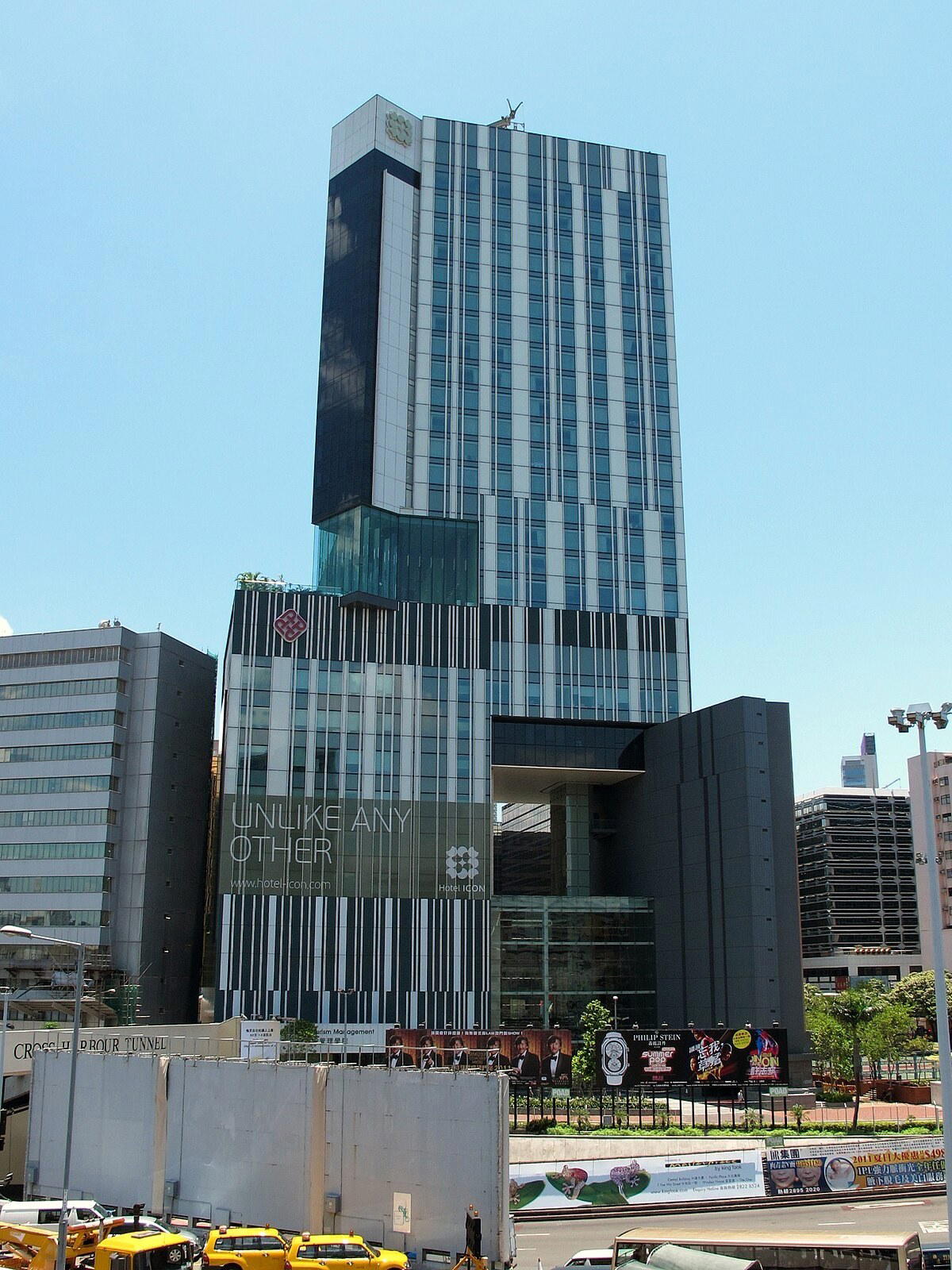
| Kimpton Tsim Sha Tsui | $$$$ | 5-Star | Yau Tsim Mong South, Contemporary harbourfront luxury with local Hong Kong influences |
| Marco Polo Hongkong Hotel | $$$$ | 5-Star | Yau Tsim Mong South, Luxury heritage hotel positioned as a refined urban retreat with premium service and integrated shopping access in Hong Kong's premier district. |
| Mira Moon | $$$$ | 5-Star | Wan Chai, Award-winning story boutique design hotel in the Mira Hotel Collection. |
| TUVE | $$$$ | 4-Star | Wan Chai, Timeless, placeless, and genderless boutique hotel with refinement over luxury. |
| The Pottinger Hong Kong | $$$$ | 5-Star | Central, Boutique hotel blending historic charm with modern luxury |
At a Glance
- Modern
- Elegant
- Scenic
- Sophisticated
- Family Vacation
- Business Trip
- Weekend Escape
- Celebration
- Group Retreat
- Destination Wedding
- Infinity Pool
- Rooftop Pool
- Waterfront
- Terrace
- Panoramic View
- Private Dining
- Wi Fi
- Pool
- Fitness Center
- Room Service
- Concierge
- Business Center
- Valet Parking
- Kids Club
- Waterfront
- Skyline
- Wi Fi
- Pool
- Fitness Center
- Room Service
- Concierge
- Business Center
- Valet Parking
- Kids Club
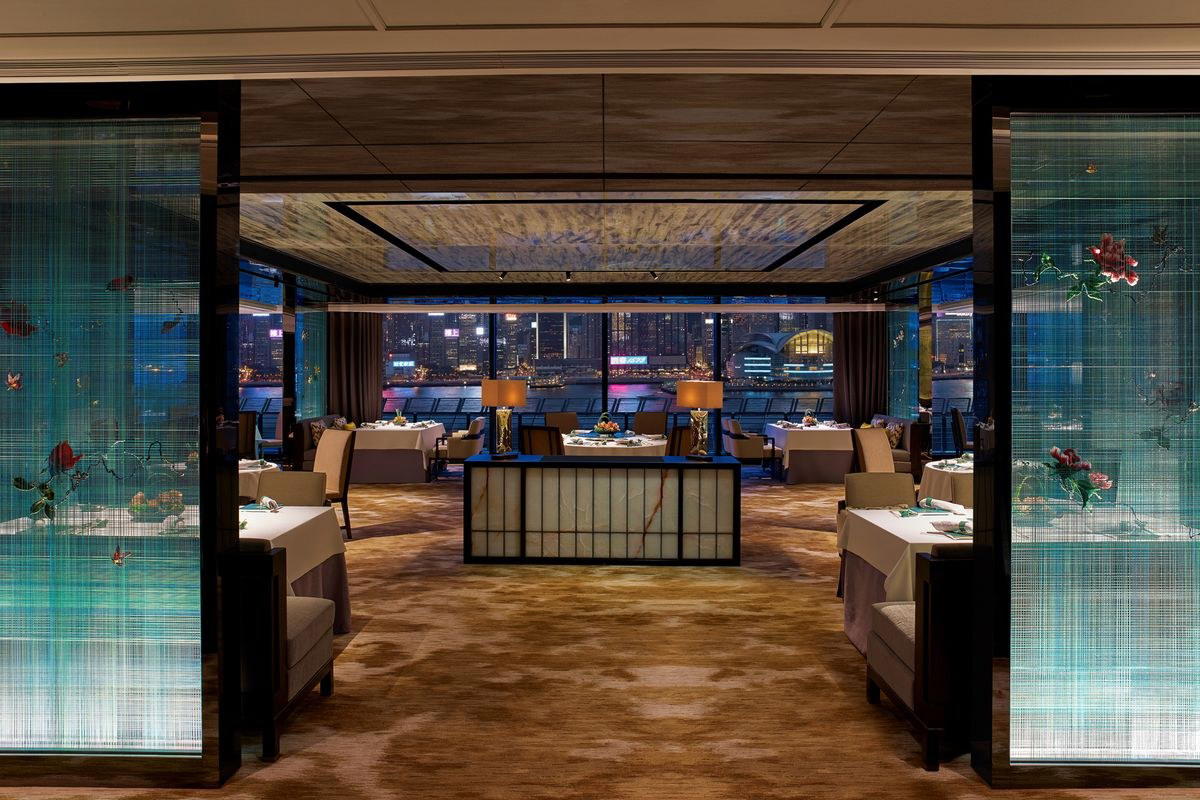
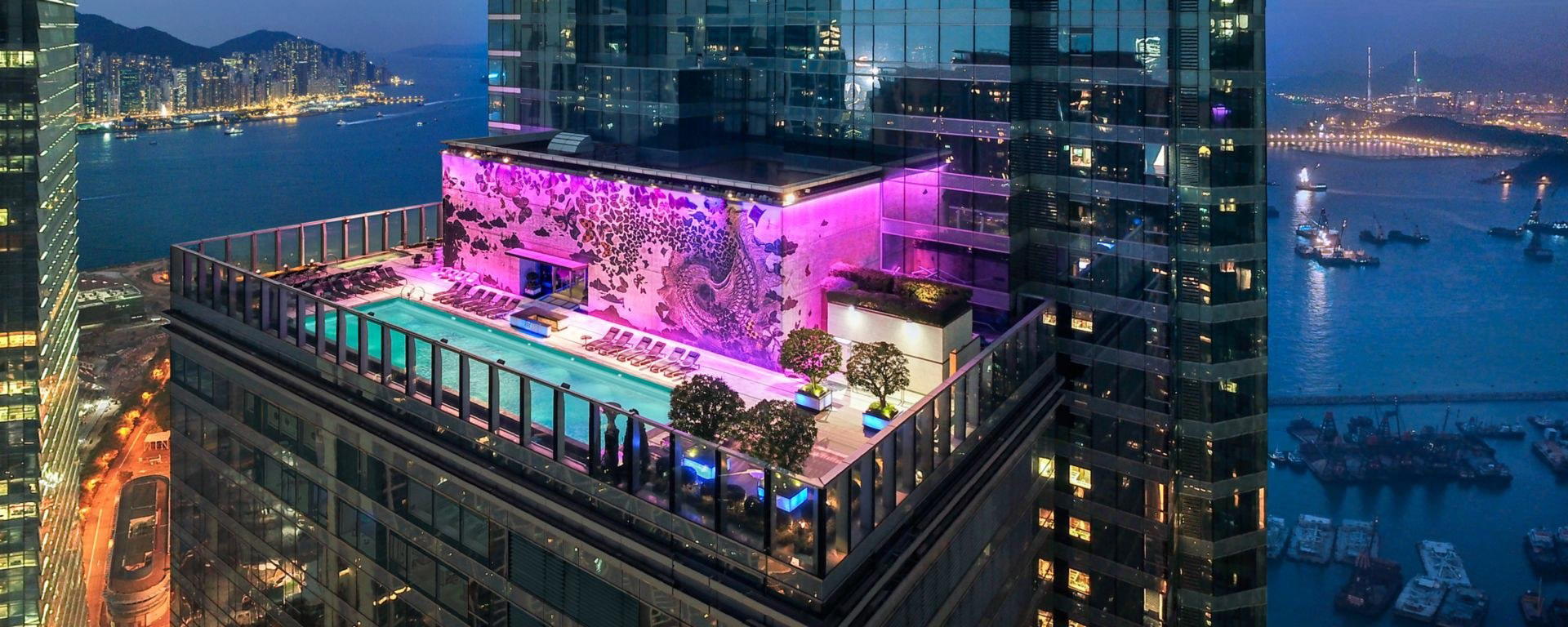
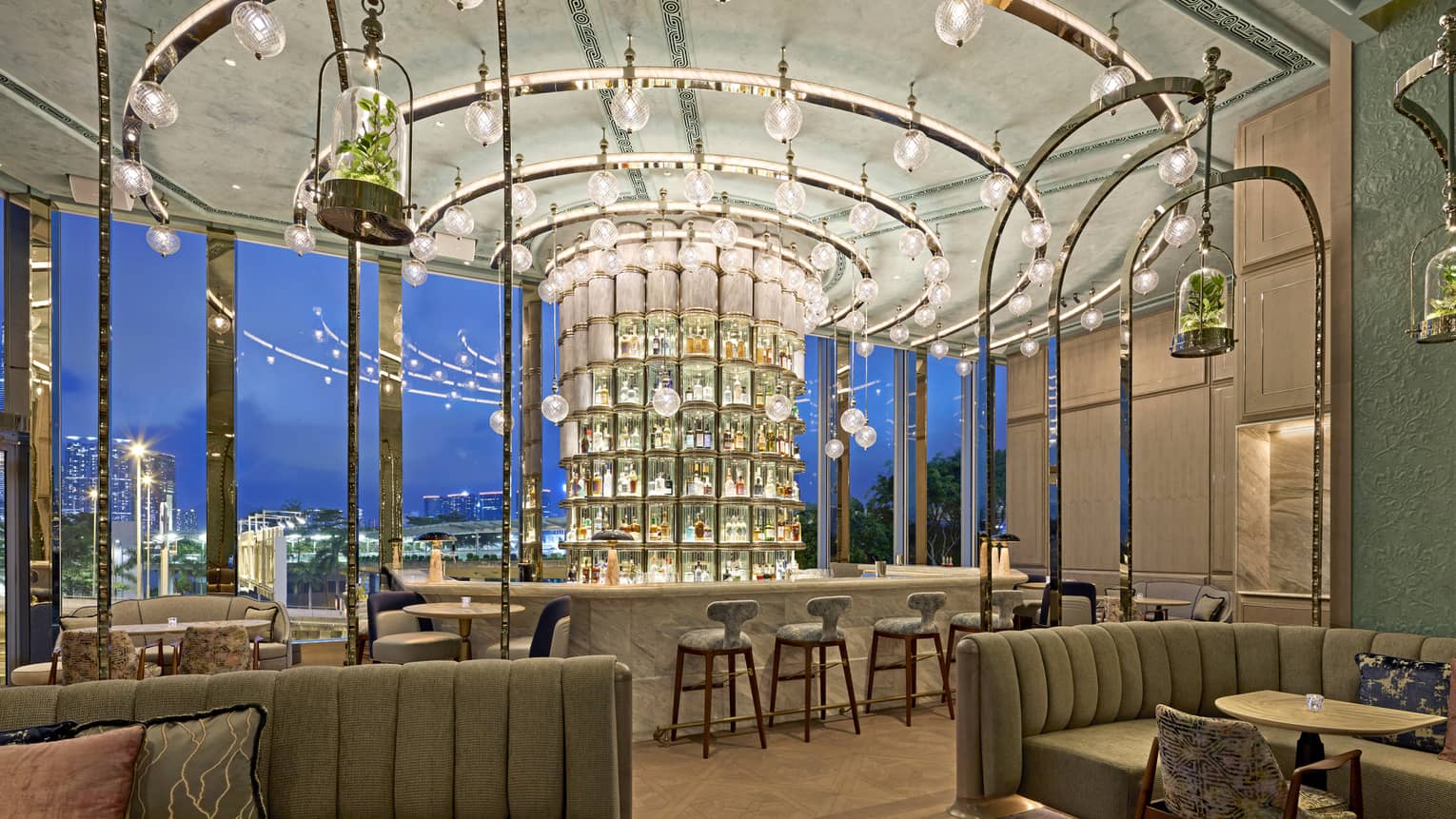
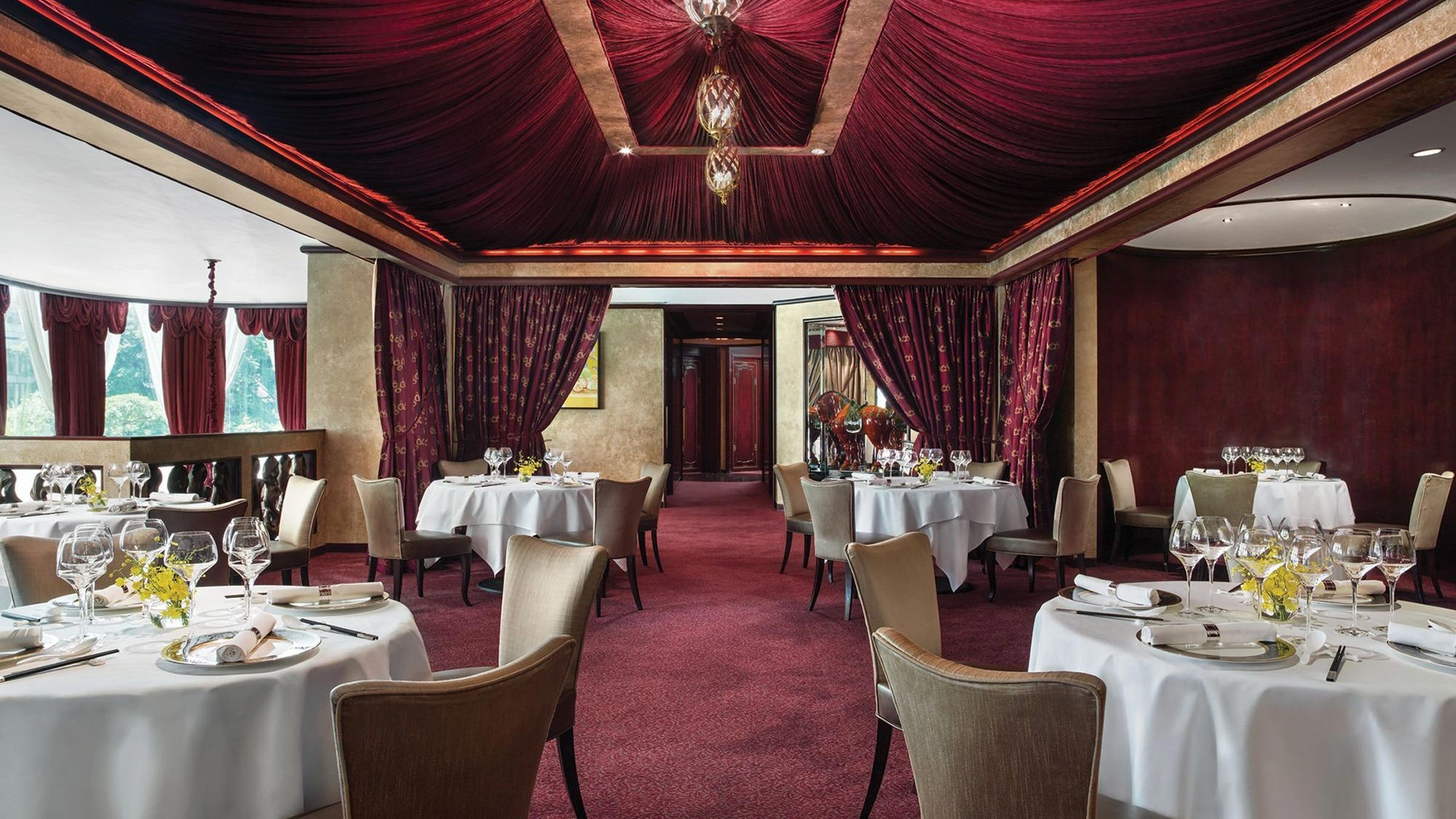
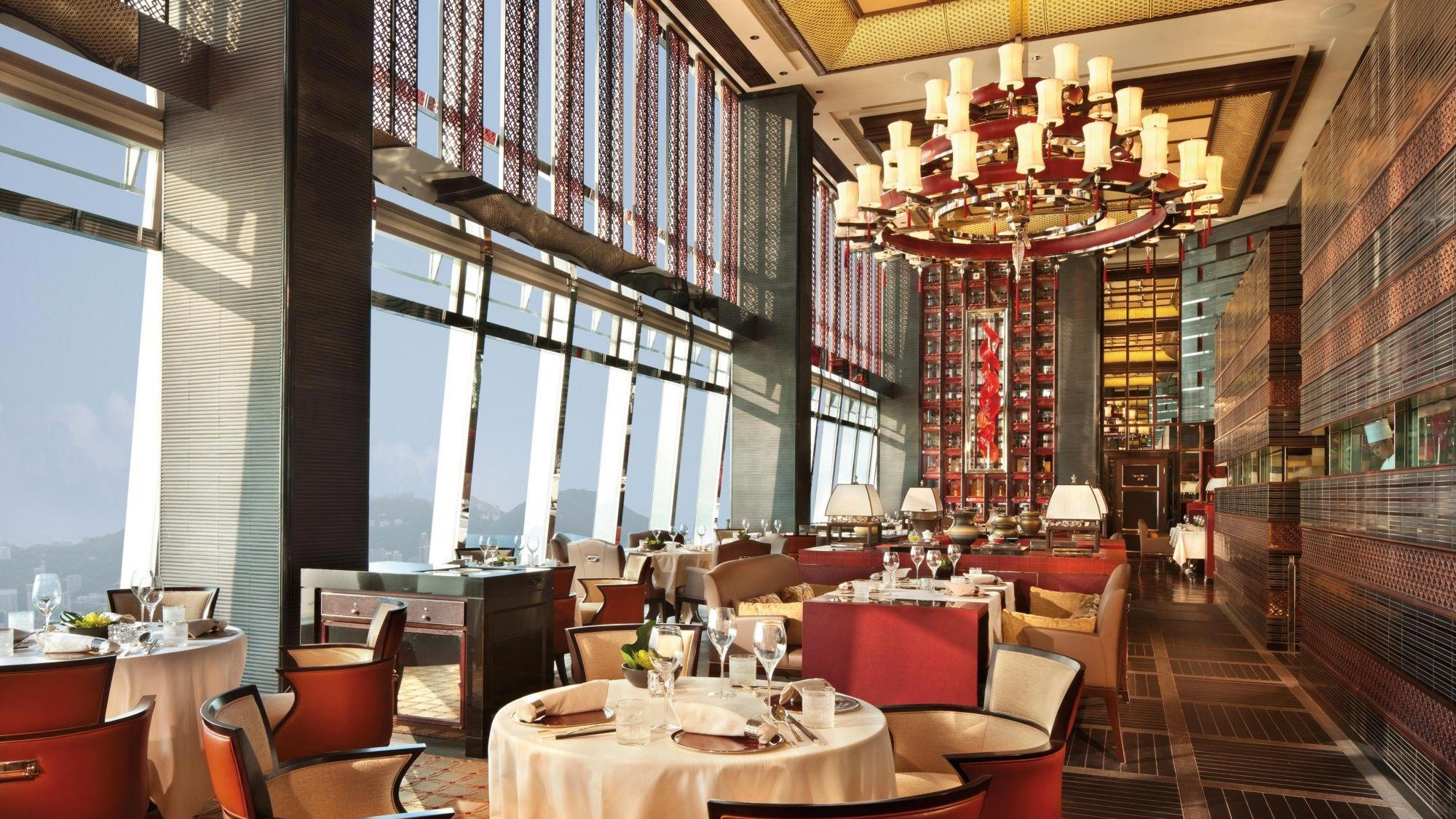
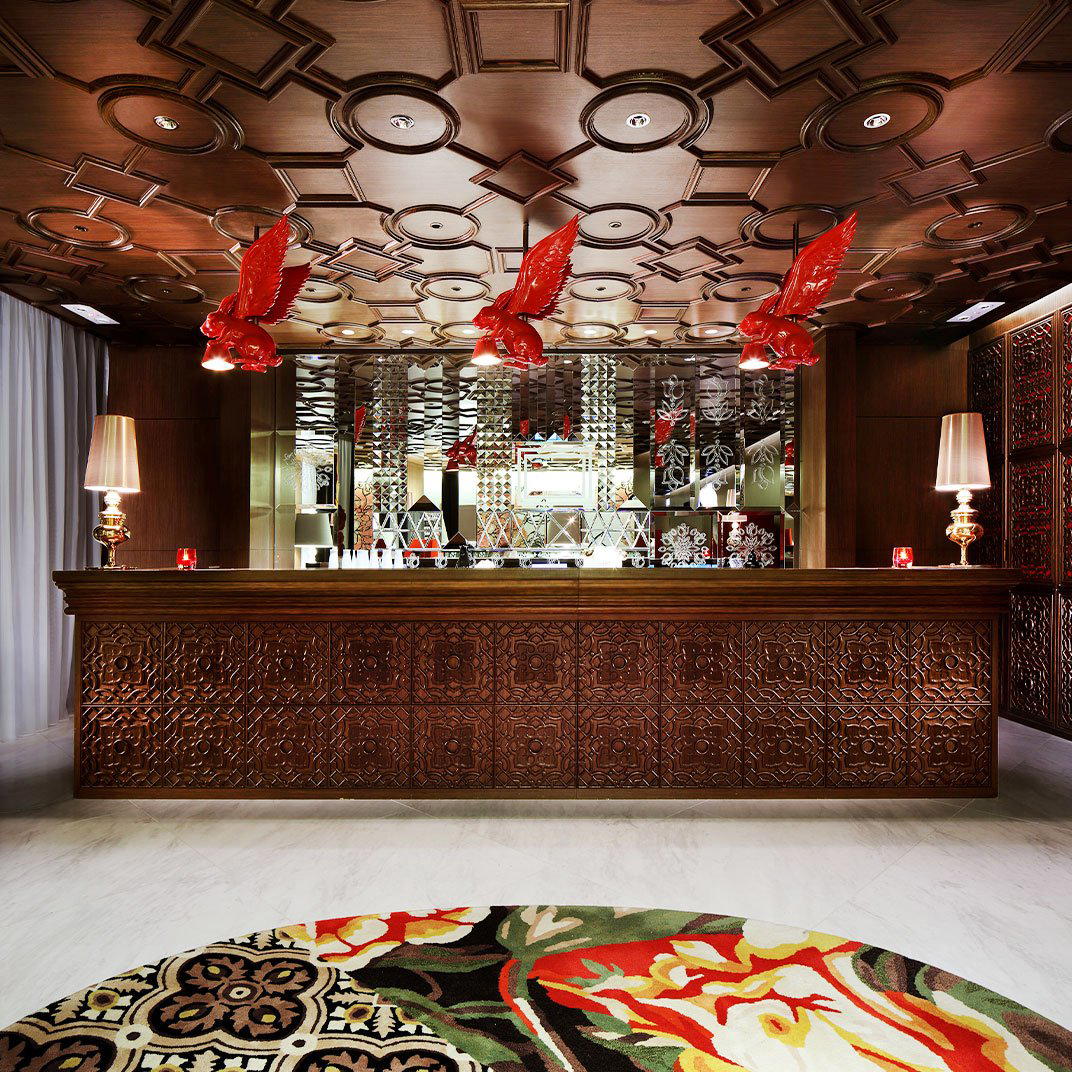
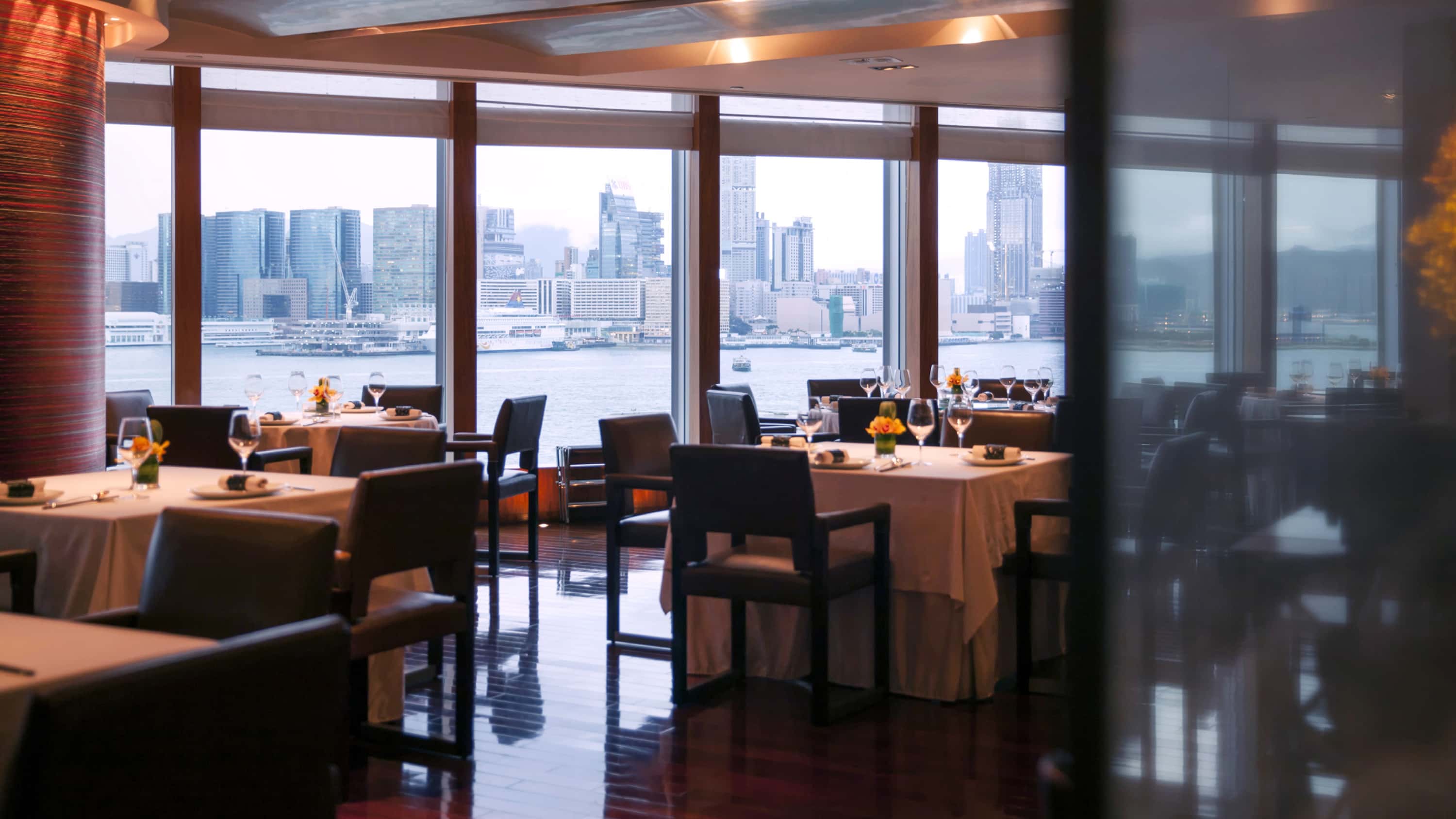
Contemporary, cruise- and superyacht-inspired interiors with bright, polished spaces and harbour/sports-park views create an upscale but relaxed urban resort feel suited to both business and leisure stays.