
Michelin Selected · Mr & Mrs Smith Seal of Approval
For travellers who read architecture before amenities, it merits serious attention.

Pearl is the En Primeur Club membership app — saves, bookings, and concierge access live there. Same editors, same standards.
This split between large-footprint international luxury and intimate, design-forward properties is not unique to Hong Kong. Properties like La Réserve Paris and Cheval Blanc Paris in Europe occupy similar ground: relatively modest in scale, overweight in design intention. In Asia, Bvlgari Hotel Tokyo and HOTEL THE MITSUI KYOTO reflect comparable instincts, though with brand infrastructure behind them. TUVE operates without that infrastructure, which is both a constraint and a point of distinction.
The Architecture as Argument
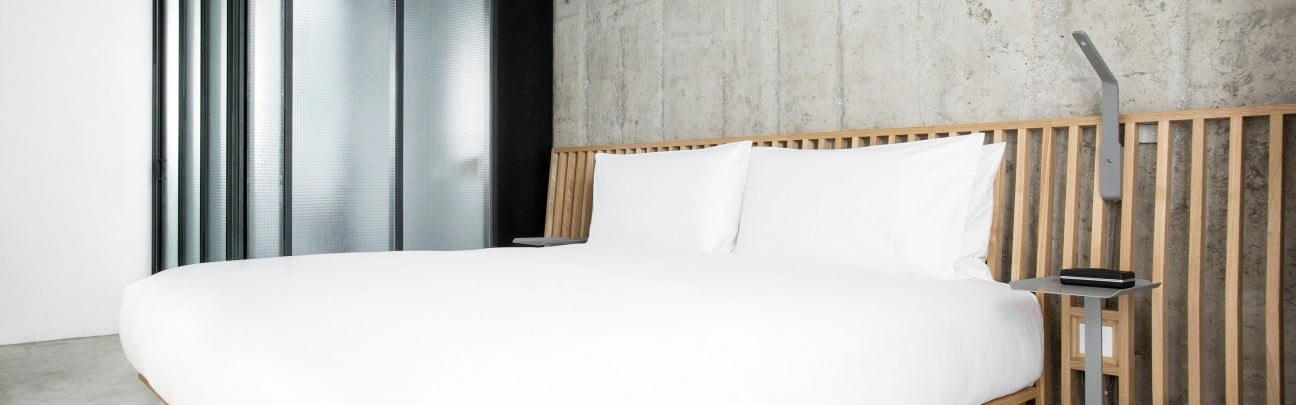
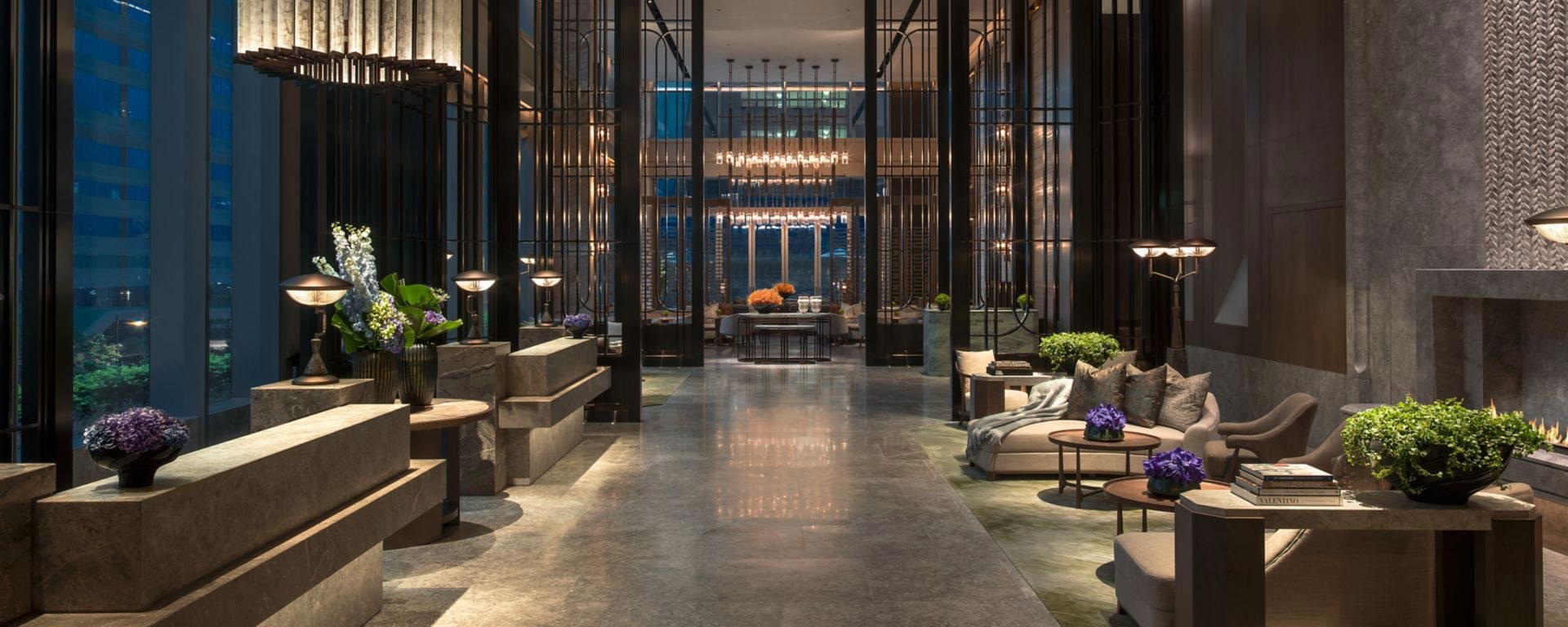
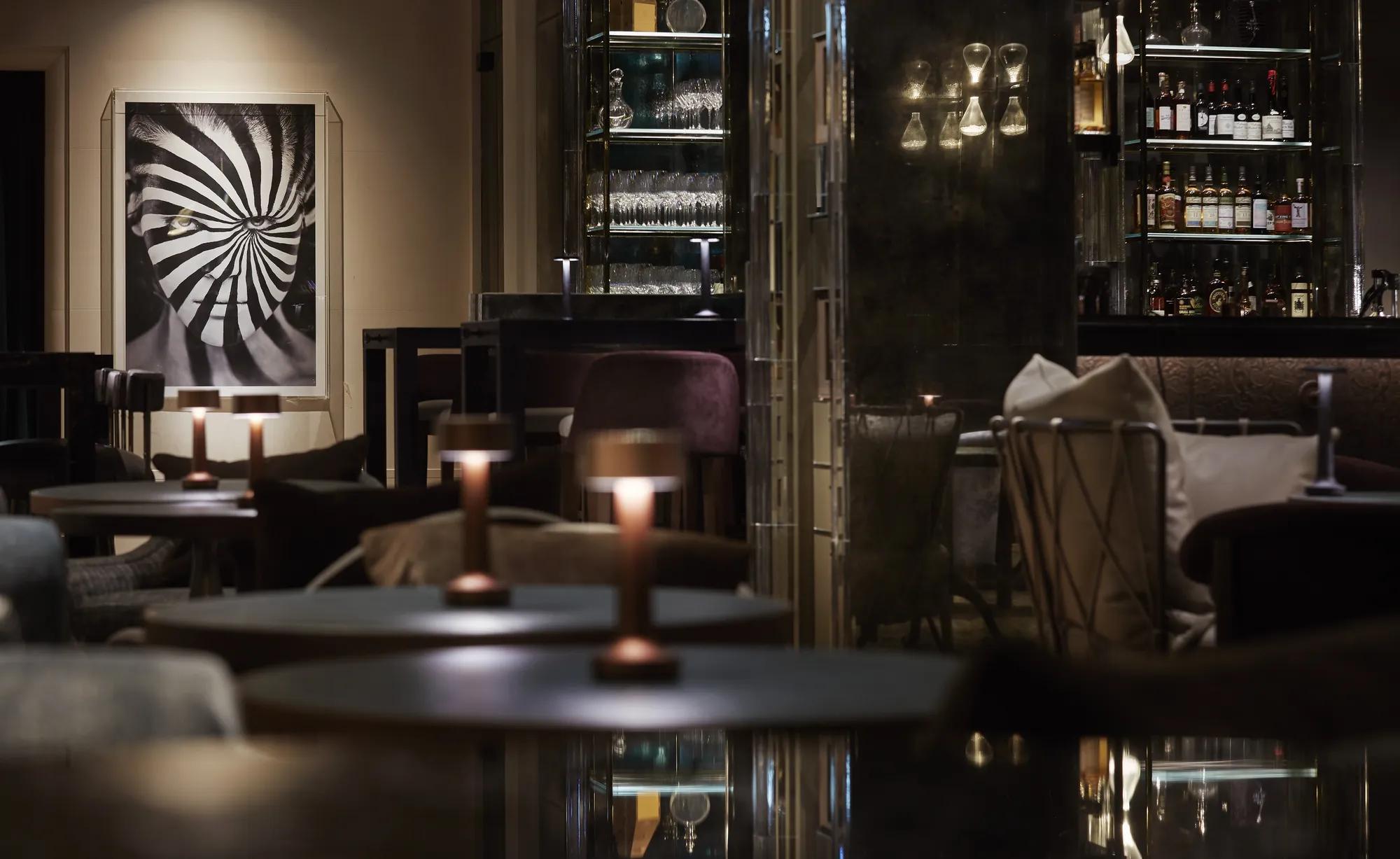
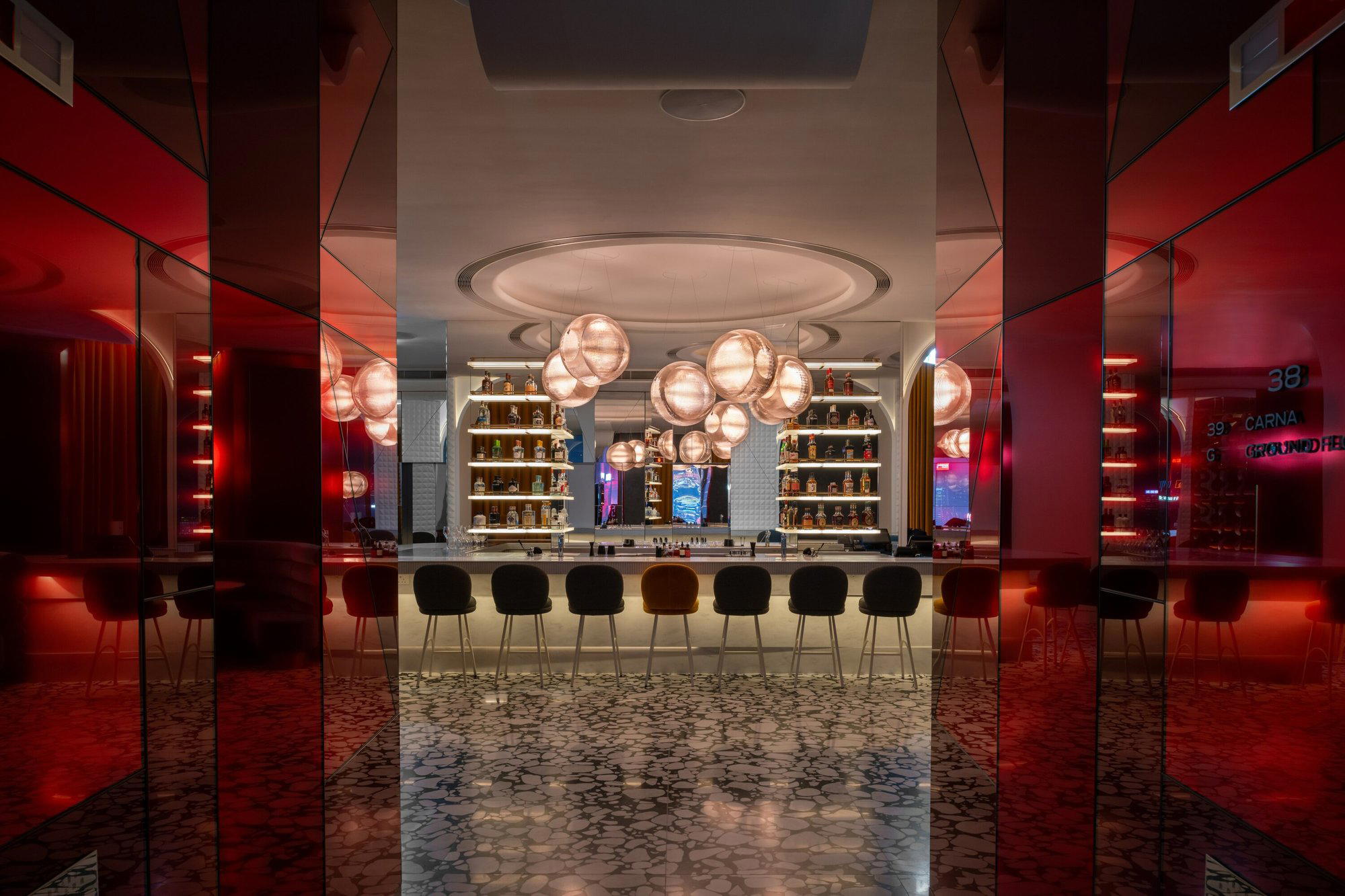
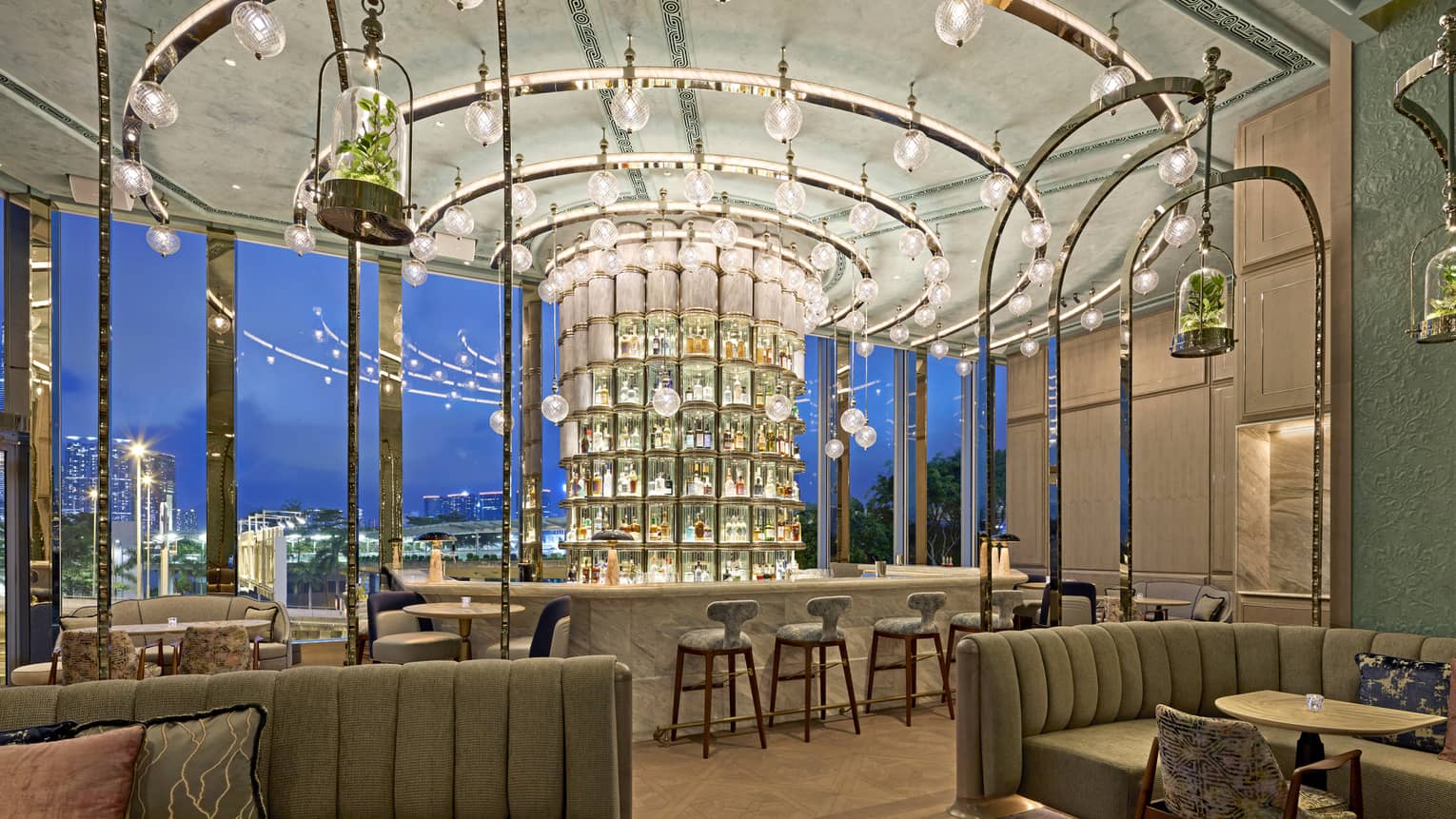
In a city where buildings compete aggressively for visual attention, the most considered interiors often turn inward. The hotel's approach to materiality and spatial compression reflects a broader tendency in premium Asian design — the idea that restraint signals confidence, and that a limited palette executed with precision communicates more than abundant ornamentation.
This is a position that other small luxury hotels globally have used to carve out durable reputations. Amangiri in Canyon Point uses the surrounding landscape as the dominant design element, with the built structure acting in dialogue with rock and desert light. Castello di Reschio in Lisciano Niccone achieves a similar effect through historical material and Umbrian craft. TUVE's context is urban rather than pastoral, but the underlying logic — that a strongly held spatial identity is more durable than amenity proliferation, connects these properties across geographies. A hotel that reads as deliberately still within that context is making a spatial statement. The contrast between the street and the interior becomes part of the experience, in the same way that Aman New York uses the hush of its Crown Building address against the noise of Fifth Avenue.
Where TUVE Sits in Hong Kong's Competitive Set
The comparison set for TUVE is not the city's flagship five-star hotels. The The Peninsula Hong Kong and The Landmark Mandarin Oriental, Hong Kong compete on institutional prestige, dining programmes with Michelin recognition, and decades of accumulated brand trust. The Upper House sits closer to TUVE's register: design-led, relatively intimate, and positioned as an alternative to the grand hotel tradition rather than a participant in it. The Conrad Hong Kong occupies a different tier again, leaning on its Pacific Place location and corporate infrastructure.
Guests at this type of property are typically not choosing between loyalty programme points and upgrade eligibility. They are choosing between spatial experiences, and in that frame, TUVE competes on the strength of its design conviction.
For travellers who move between properties like Hotel Esencia in Tulum, Aman Venice, or Hotel Bel-Air in Los Angeles, TUVE offers a consistent aesthetic logic: fewer keys, more considered interiors, and a room that functions as refuge rather than transit point. The Crowne Plaza Hong Kong Kowloon East anchors the opposite end of the city's geography, illustrating how distinct the two districts feel despite their MTR proximity. For TUVE guests, the neighbourhood's density is both a challenge and an asset: the tram network, the market streets of Jardine's Crescent, and the food corridors of the surrounding blocks are immediately accessible on foot. That is precisely why a hotel with strong spatial identity reads differently here than it would in, say, a quieter district in Kyoto or the controlled calm of St. Moritz, where Badrutt's Palace Hotel operates in a very different environmental register. TUVE's location demands that the hotel function as a genuine counterpoint to its surroundings. Whether the design achieves that consistently is the core question for any guest deciding whether this is the right property for their Hong Kong itinerary.
For practical orientation, visitors to Hong Kong's broader dining and hotel scene should consult our full Hong Kong restaurants guide, which maps the city's options across neighbourhoods and price tiers.
Planning a Stay
Travellers considering TUVE should book directly to confirm current room availability and rate structure, as the property's limited scale means that demand at peak periods, particularly the autumn Art Basel Hong Kong window and the Lunar New Year period, can compress availability quickly.
| Venue | Cuisine | Price | Awards |
|---|---|---|---|
| TUVEThis venue (the venue you are viewing) | This venue | $100–200 | Michelin Selected · Mr & Mrs Smith Seal of Approval |
| Four Seasons Hotel Hong Kong | World's 50 Best | Not listed | 2 Michelin Keys · World's 50 Best #86 |
| Mandarin Oriental, Hong Kong | World's 50 Best | Not listed | 1 Michelin Key · World's 50 Best #59 |
| Rosewood Hong Kong | World's 50 Best | Not listed | 3 Michelin Keys · World's 50 Best #1 |
| The Landmark Mandarin Oriental, Hong Kong | World's 50 Best | Not listed | La Liste Top Hotels · Forbes 5-Star |
| Conrad Hong Kong | Not listed | Not listed | Forbes Recommended |
Recognition history
Dated appearances from independent guides and award organizations, with the underlying list record or original source where available.
Michelin Selected
Michelin
Mr & Mrs Smith Seal of Approval
Mr & Mrs Smith
Continue exploring
More in Hong Kong
Hotels in Hong Kong
All hotels in Hong Kong →
Bars in Hong Kong
All bars in Hong Kong →
Restaurants in Hong Kong
All restaurants in Hong Kong →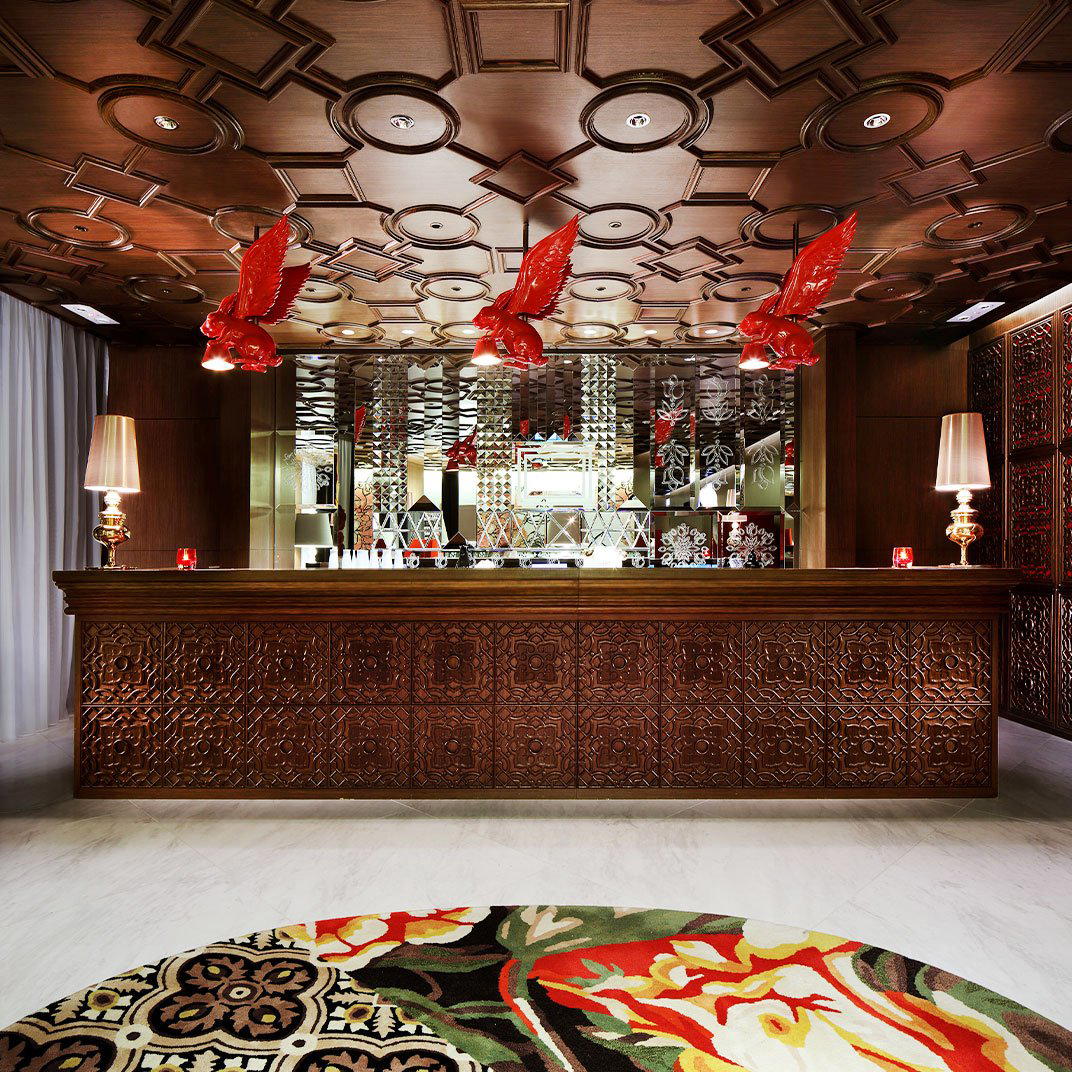
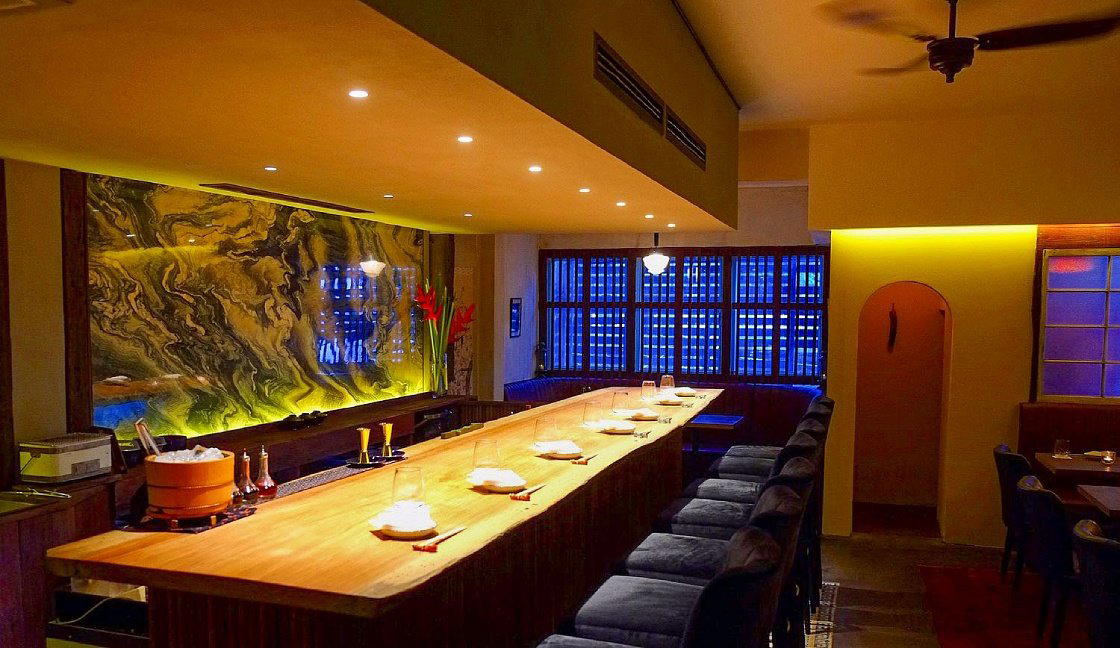
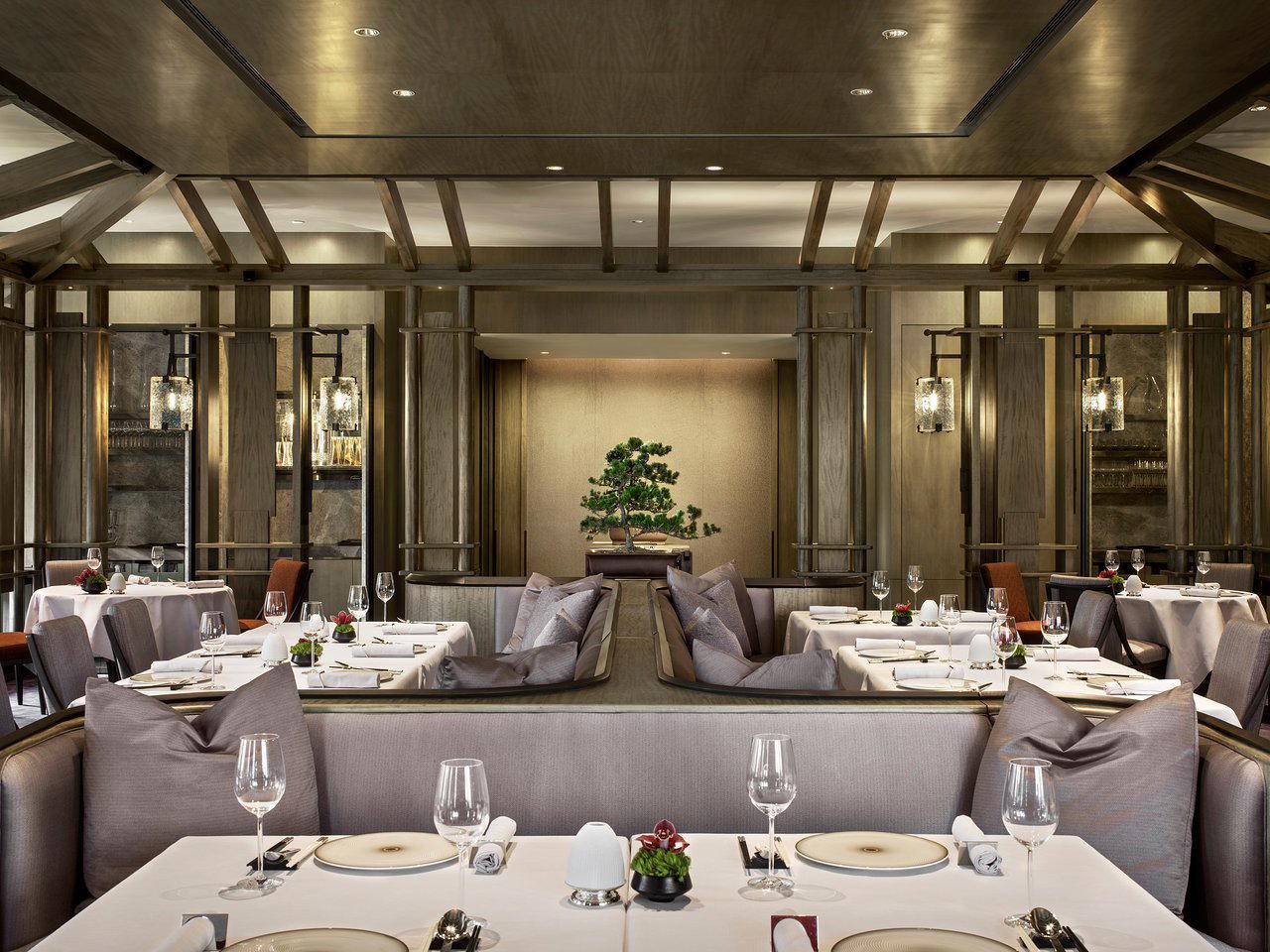
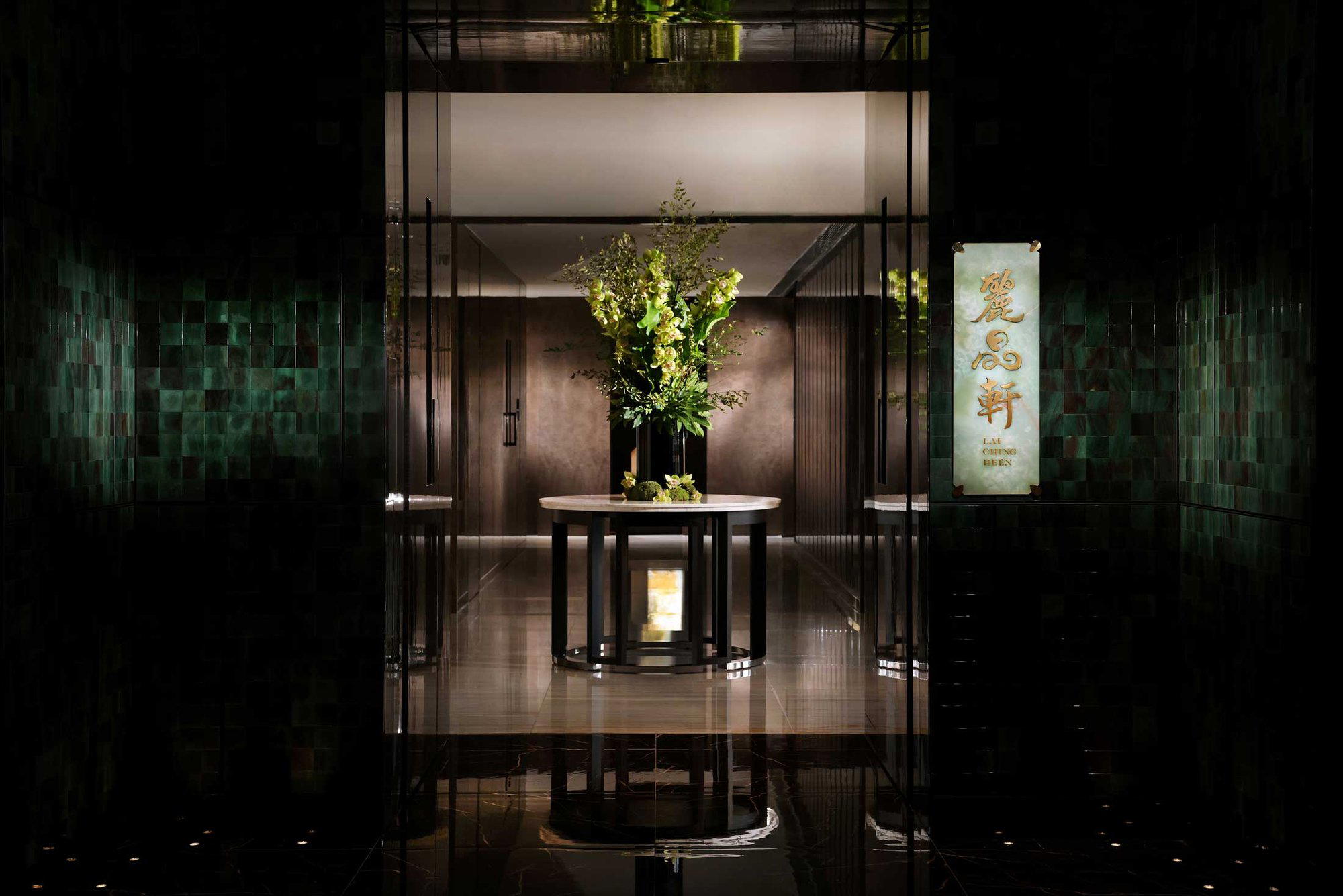
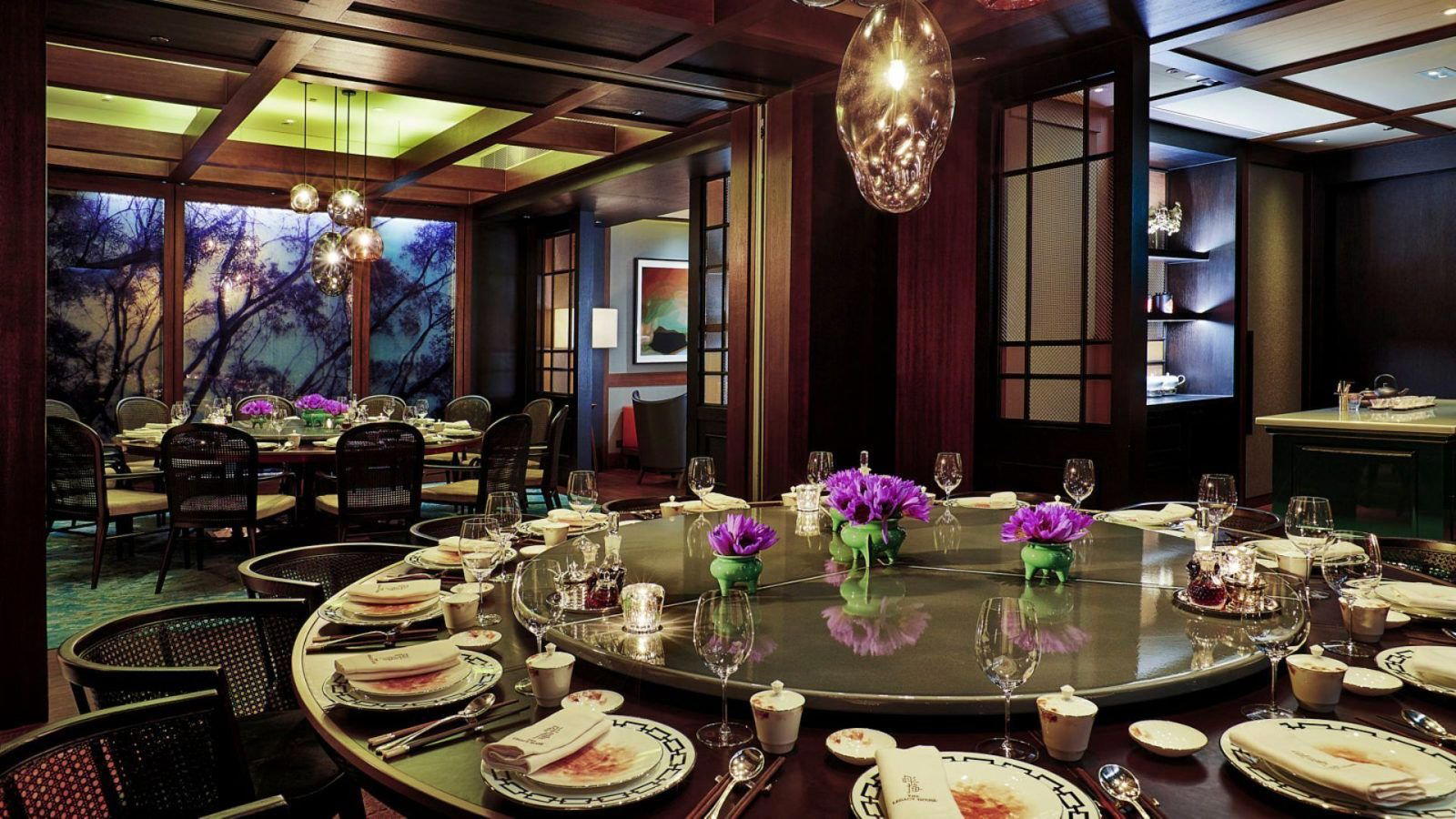
Wineries in Hong Kong
All wineries in Hong Kong →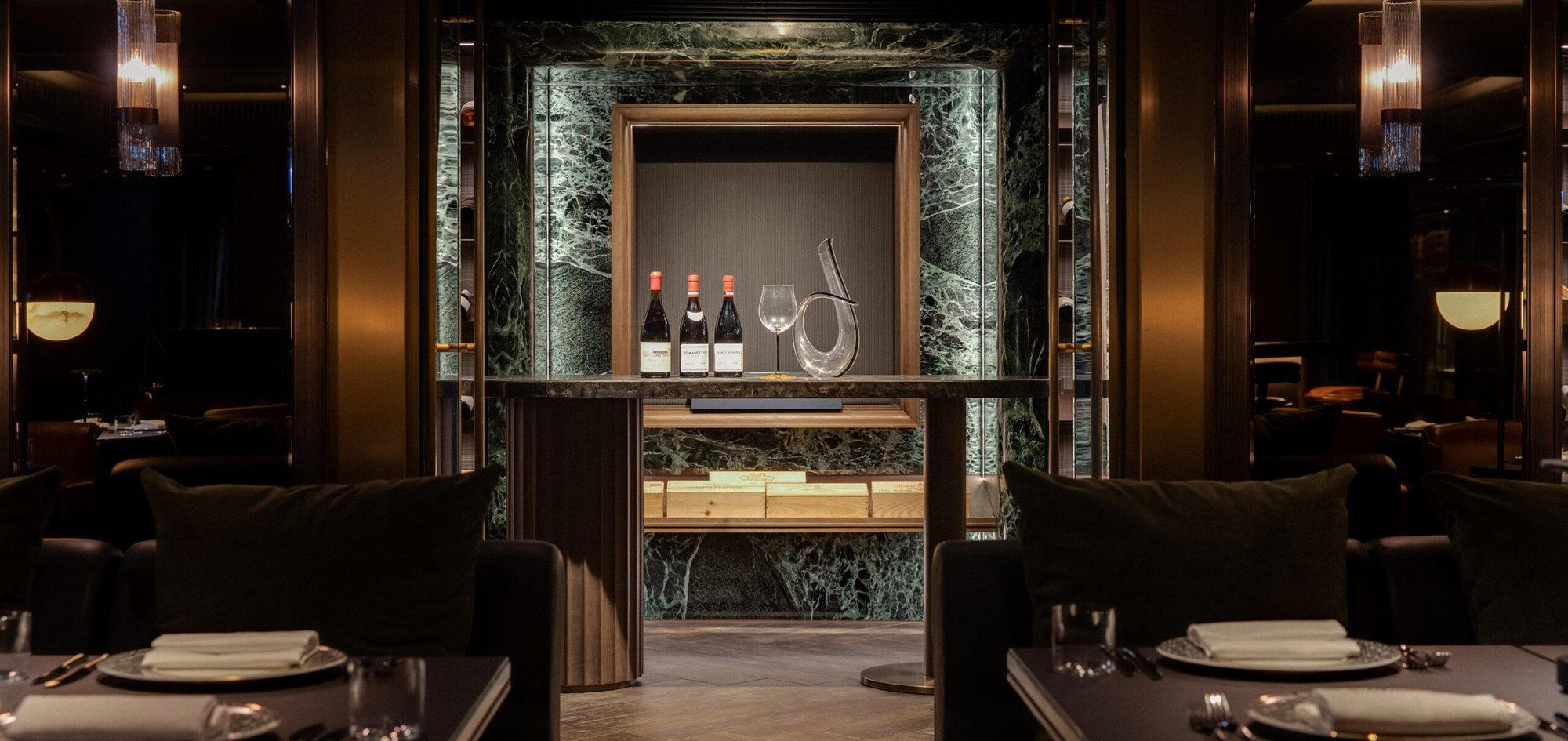
Details
- Minimalist
- Quiet
- Modern
- Elegant
- Sophisticated
- Romantic Getaway
- Weekend Escape
- Design Destination
- Wi Fi
- Concierge
- Room Service
- Skyline
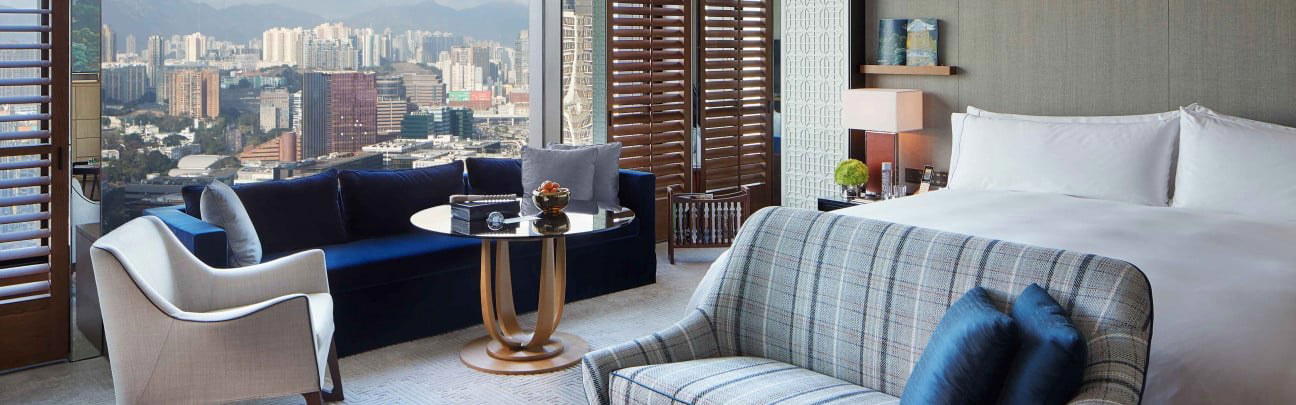
Moody and serene with natural lighting merging into sensuous interiors of concrete, marble, wood, and galactic-speckled lighting creating a tranquil urban retreat.