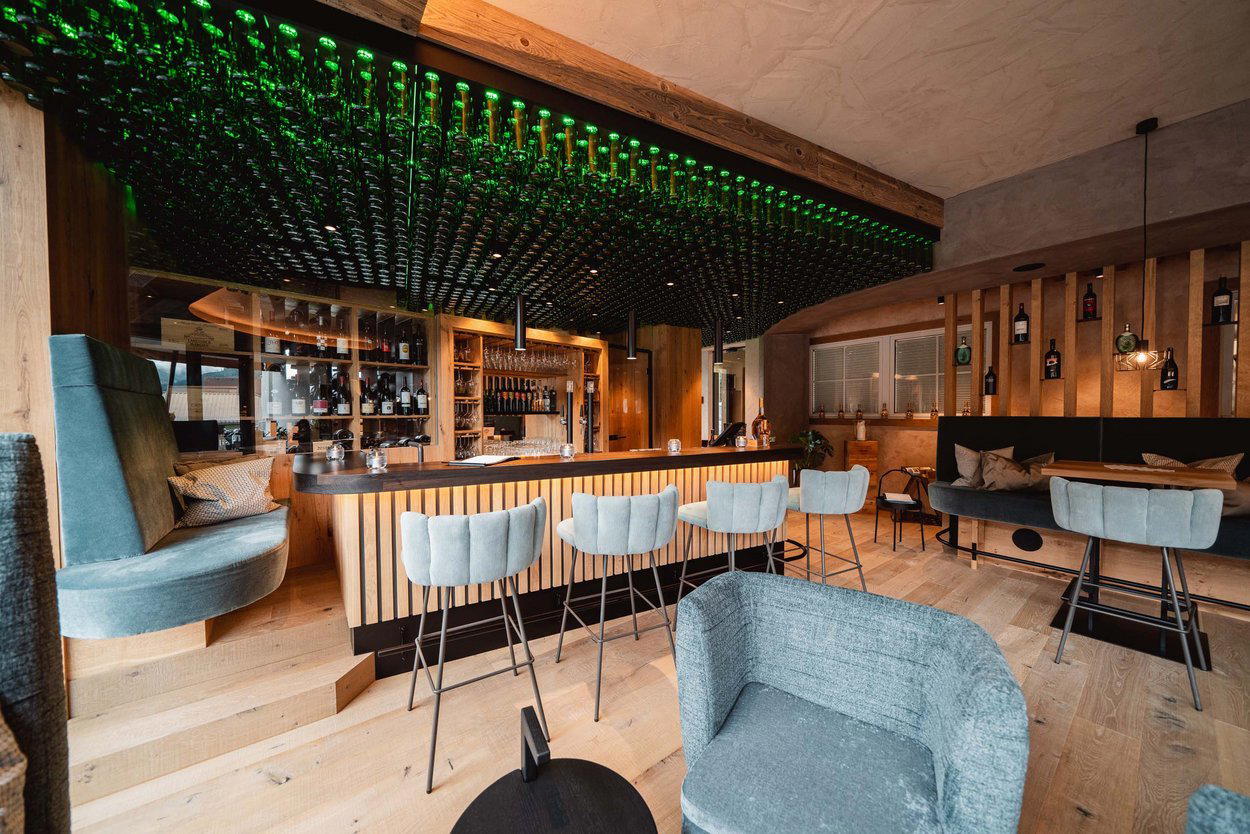
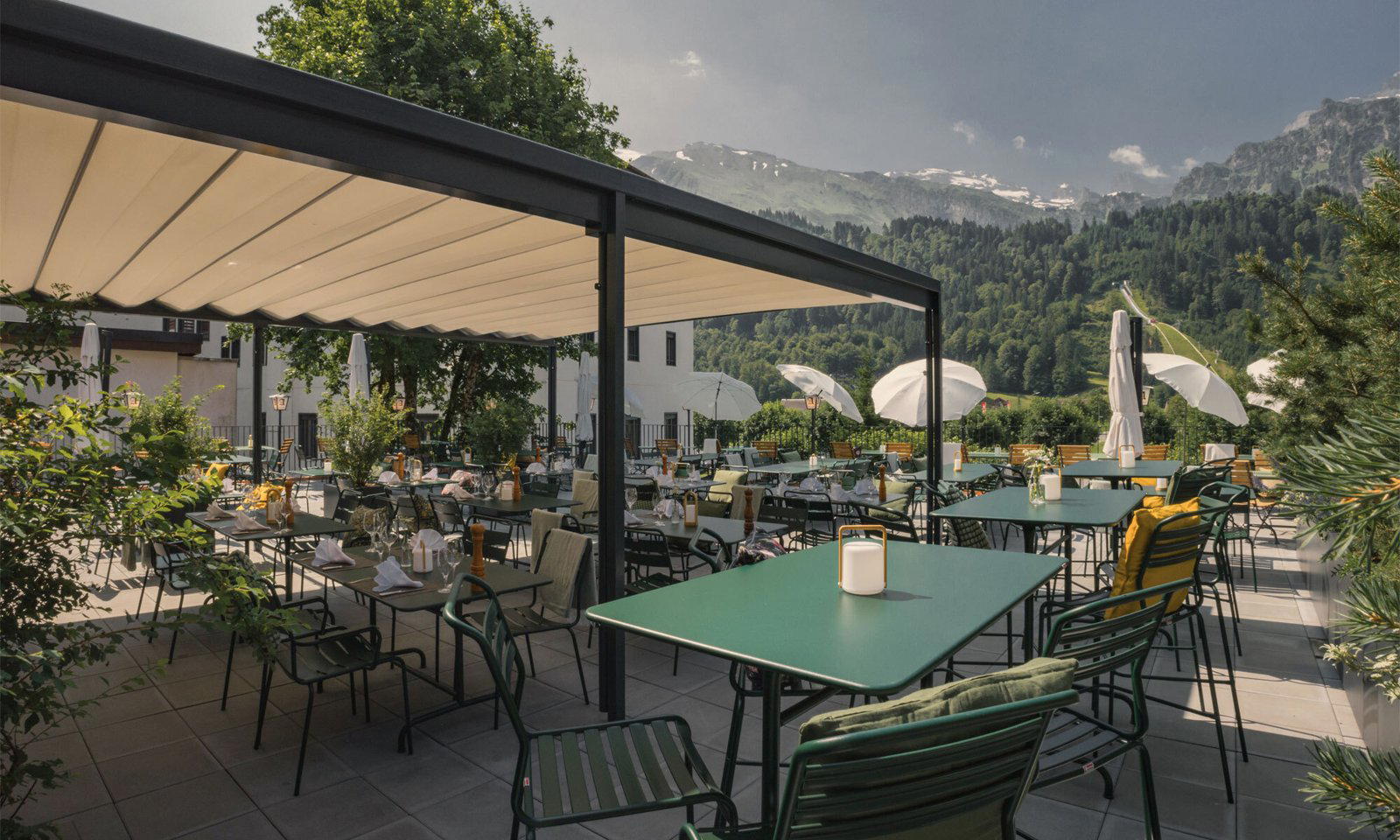
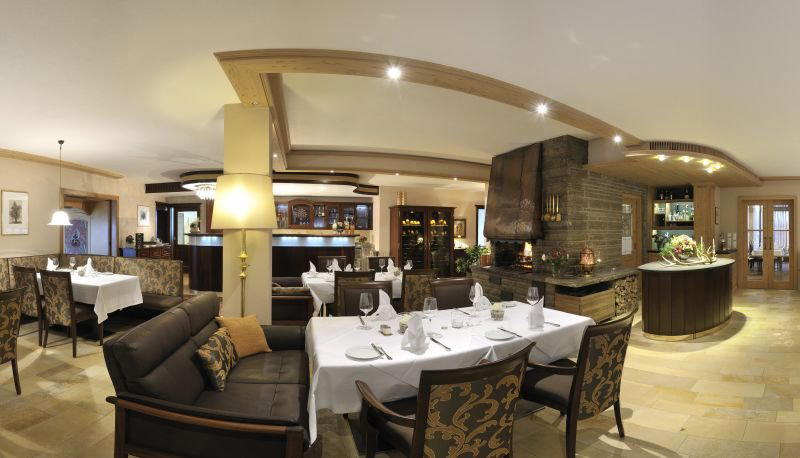
Dorint Hotel Weitblick in Vienna pairs 298 rooms with skyline and garden views, a rooftop pool, a terrace, on-site dining, and business-center facilities.
Pearl is the En Primeur Club membership app — saves, bookings, and concierge access live there. Same editors, same standards.
- Address
- Vienna, Austria
- Directions
- Get directions
 Saves & bookings on Pearl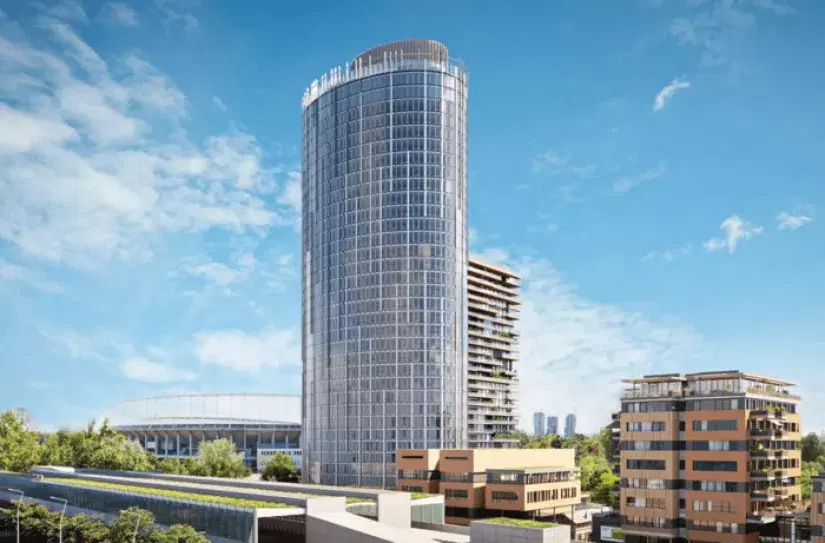
Vienna hospitality viewed through architecture, not ceremony
Arriving in Vienna, the city teaches visitors to read hotels through buildings before service scripts. The Ringstrasse announces itself in stone, symmetry, chandeliers and former palace logic; the museum district works through cultural adjacency and bolder contemporary interiors; the newer edges of the city often speak in glass, efficiency and a less ceremonial kind of comfort. That architectural split matters because Vienna is not a single hotel market. It is a city where the building often tells the traveller what kind of stay is being sold before a room key appears.
Dorint Hotel Weitblick sits in this broader design conversation rather than in the documented grand-hotel lineage represented by Hotel Sacher Wien or Hotel Imperial. That lack of published detail changes how a careful traveller should evaluate it. The decision cannot rest on Michelin-style trust signals, palace-hotel mythology, or a documented design pedigree. It has to rest on fit: whether a lower-profile Vienna hotel is preferable to a heavily coded luxury address.
In practical terms, Vienna rewards that kind of fit-based thinking. The city’s hotel map is shaped by three overlapping demands: proximity to the historic centre, access to cultural institutions, and the desire for quieter sleep outside the densest tourist corridors. The first produces the grand addresses; the second supports design-led properties around cultural districts; the third creates room for hotels that may not dominate international luxury lists but can make sense for travellers who treat the hotel as a calm base rather than the centre of the trip. Dorint Hotel Weitblick should be assessed in that third category until more venue-specific data is available.
The city's rooms divide into palace, gallery and functional calm
Vienna’s hotel hierarchy is unusually legible. The palace tradition is anchored by names such as Park Hyatt Vienna, Rosewood Vienna and The Amauris Vienna, where the building’s history, central address and service choreography are part of the value proposition. These hotels compete as much on symbolic capital as on bed quality. Their guest is often buying entry into a version of Vienna that is polished, formal and deeply tied to the city’s imperial architecture.
A second cohort takes a more contemporary route. Hotel Sans Souci Wien and 25hours Hotel Vienna at MuseumsQuartier illustrate how Vienna’s hotel culture can pivot toward art, informality and neighbourhood energy without abandoning comfort. This is the Vienna of gallery access, museum timing, café intervals and shorter walks between exhibitions. It suits travellers who want the city’s cultural density rather than its courtly theatre.
A third group is more useful than glamorous: newer or less mythologised properties that compete on clarity, room function and the ability to avoid the pressure of a grand address. A by Adina Vienna Danube belongs to that wider modern-apartment and city-base conversation. Dorint Hotel Weitblick appears, from the available public sources, to require the same kind of evaluation: not as a documented award hotel, not as a known heritage property, but as a Vienna stay whose value depends on location needs, price at the time of travel and how much weight the traveller places on formal luxury credentials.
This distinction is more than semantics. In Vienna, a hotel without supplied awards or star rating should be read against itinerary logic. It should be read against itinerary logic. If days are built around restaurants, bars, museums and trains, the hotel’s role becomes recovery, storage, sleep quality and access. If the hotel itself is meant to carry the trip, the better comparison set is the city’s palace and high-design addresses. The Vienna hotels guide keeps the city’s hotel options in one editorial frame.
Design value when the public record is thin
Architecture-led hotel writing usually depends on hard evidence: the architect, year of conversion, number of rooms, materials, art program, preservation constraints, or a named designer. None of that is supplied in public sources for Dorint Hotel Weitblick. The responsible reading is to explain what is missing and why it matters.A design hotel with a documented architect asks to be judged by its spatial argument.A hotel with no supplied style data asks to be judged first by function and second by how its public spaces and rooms read in current photography, direct booking materials and recent guest reporting.
Vienna makes that scrutiny necessary because design language can be used loosely. A property may describe itself through view, light, modernity or calm, while the actual guest decision depends on tighter questions. Are public spaces built for lingering or only transit? Are rooms configured for work as well as sleep? Does the location support evening returns after dinner without friction? Is the property better for a business stay, a museum-heavy weekend, or a longer city break? Those questions are not glamorous, but they are the questions that separate a useful Vienna hotel from a decorative one.
The word “Weitblick” in German points toward breadth of view or long sight, but a name is not a room guarantee. Without supplied latitude, longitude, floor-plan detail or room-category data, no claim should be made about specific outlooks, skyline angles or views from particular rooms. That caution is part of good travel editing. Vienna has enough hotels with documented heritage, awards and category depth that a property with sparse published data should be handled with clean limits rather than embroidered certainty.
For travellers whose Vienna trip is food-led, the hotel decision should also be linked to dining geography. The city’s restaurant culture rewards planning across districts rather than staying pinned to a single square. Fine dining, wine bars, coffeehouses and contemporary Austrian kitchens are spread widely enough that the hotel’s exact location will affect taxi time, public-transport choices and the rhythm of the evening. Use the Vienna restaurants guide, Vienna bars guide, Vienna wineries guide and Vienna experiences guide as the city-planning layer around the hotel choice.
Who should shortlist it, and who should look elsewhere
The case for a lower-profile Vienna hotel is strongest when the trip is not built around hotel theatre. Travellers arriving for business, rail connections, museum days or a dense restaurant schedule may prefer a quieter, less performative base if the price and location line up. That is especially true in a city where the historic centre can feel ceremonious even during ordinary errands. A calm room outside the heaviest tourist flow can be an advantage, provided transport works and the rate is sensible.
The case against it is also clear. Anyone seeking a trophy lobby, documented awards, known service lineage, a famous restaurant, a named designer or a heritage address should compare established luxury properties first. Vienna is unusually strong in that category, and the evidence is easier to verify. A traveller choosing between Dorint Hotel Weitblick and a recognised palace hotel is not choosing between two versions of the same product. The decision is between documented prestige and a more practical, less publicly credentialed stay.
That is not a criticism; it is classification. The modern hotel market across Austria has widened beyond capital-city hotels. Resort culture, alpine wellness and lakeside luxury now carry as much travel desire as the Vienna grand hotel. For a national comparison, Rosewood Schloss Fuschl in Hof bei Salzburg, Naturhotel Waldklause in Längenfeld, Hotel Schloss Seefels in Techelsberg, Family Nature Resort Moar Gut in Grossarl and Grand Tirolia Kitzbühel in Kitzbühel show how Austria’s premium stays shift dramatically once mountains, lakes and wellness infrastructure enter the equation.
That national context helps clarify Vienna’s specific appeal. The capital is less about retreat than concentration: opera, museums, cafés, restaurants, bars, architecture and transit compressed into a city that can be navigated with ease. Alpine peers such as LEADING Hotel Hochgurgl in Hochgurgl, Hotel Almhof Schneider in Lech, Alpen-Wellness Resort Hochfirst in Obergurgl and Aktiv & Wellnesshotel Bergfried in Tux compete through landscape, spa time and seasonality. Vienna hotels compete through address, building, cultural access and room value. That makes the absence of an address in the current record a material gap, not a minor omission.
Planning notes for a Vienna stay
The practical approach is simple: verify the address, current rate, room category, cancellation terms, breakfast policy and direct booking channel before treating the hotel as a final choice. Direct confirmation should come from the property’s official channel once identified. The record also does not include a price range, which means value cannot be judged from the page alone. A fair comparison should be made against central palace hotels, design-led museum-quarter stays and newer functional properties for the same dates.
Seasonality matters in Vienna. Spring and early autumn tend to suit culture-heavy itineraries, while December brings a different demand pattern around markets, concerts and holiday travel. Major exhibition openings, opera dates and conference weeks can distort hotel pricing. Without a supplied booking method or room inventory, the page does not state how far ahead this property fills. The safer rule is to treat Vienna as a city where culturally dense weekends require earlier planning, especially if dinner reservations and hotel location need to work together.
For travellers comparing Vienna with other high-prestige city hotels, the useful international references are not identical but instructive. The Fifth Avenue Hotel in New York City shows how a modern luxury stay can turn design character into the main argument. Hôtel de Paris Monte-Carlo in Monte Carlo represents the opposite pole: social history, address power and formal glamour. Badrutt's Palace Hotel in St. Moritz shows how a hotel can define a resort’s mythology. Vienna contains versions of all three impulses, but a sparsely documented hotel must be measured by evidence rather than borrowed prestige.
Comparable venues nearby, for context on price, style, and recognition.
| Venue | Cuisine | Price | Awards | Notes |
|---|---|---|---|---|
| Dorint Hotel WeitblickThis venue — the venue you are viewing | Large, mixed‑use business hotel integrated into a new high‑rise in Vienna’s Viertel Zwei district, positioned as a contemporary four‑star city property. | Not listed | 4-Star | Not listed |
| Miiro Spittelberg | Lifestyle hotel with atelier-style approach in historic neighborhood | $$$ | 4-Star | Spittelberg |
| Hotel Schani City Vienna | Urban design hotel and quiet city hideaway close to Vienna’s historic core. | $$ | 4-Star | Leopoldstadt |
| Buxbaum Boutique Hotel | 19th-century Gründerzeit boutique in Vienna's historic center | $$$ | 4-Star | Innere Stadt |
| Imperial Riding School, Autograph Collection | Historic landmark reimagined as a grand meeting hotel with contemporary addition. | $$$$ | 4-Star | Landstraße |
| Boutique Hotel am Stephansplatz | Modern boutique hotel in historic Vienna center | $$$ | 4-Star | Innere Stadt |
At a Glance
- Modern
- Scenic
- Elegant
- Sophisticated
- Business Trip
- Group Retreat
- Weekend Escape
- Celebration
- Panoramic View
- Rooftop Pool
- Design Destination
- Terrace
- Wi Fi
- Business Center
- Fitness Center
- Meeting Rooms
- Skyline
- Garden
- Wi Fi
- Business Center
- Fitness Center
- Meeting Rooms
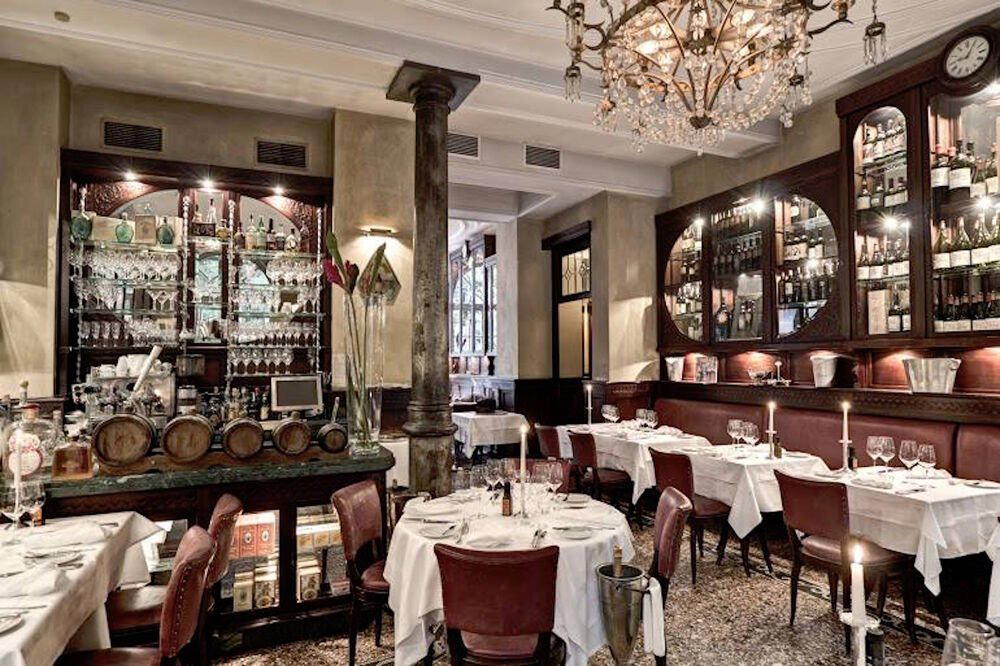
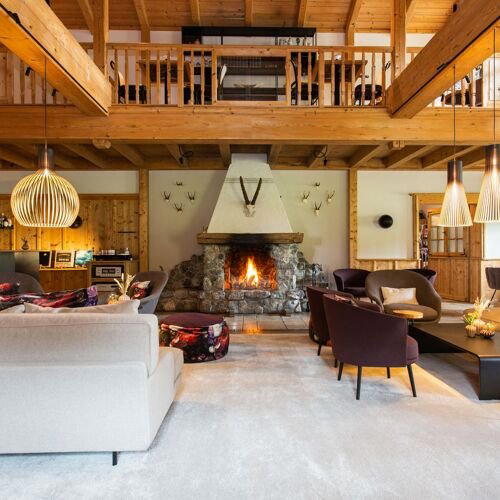
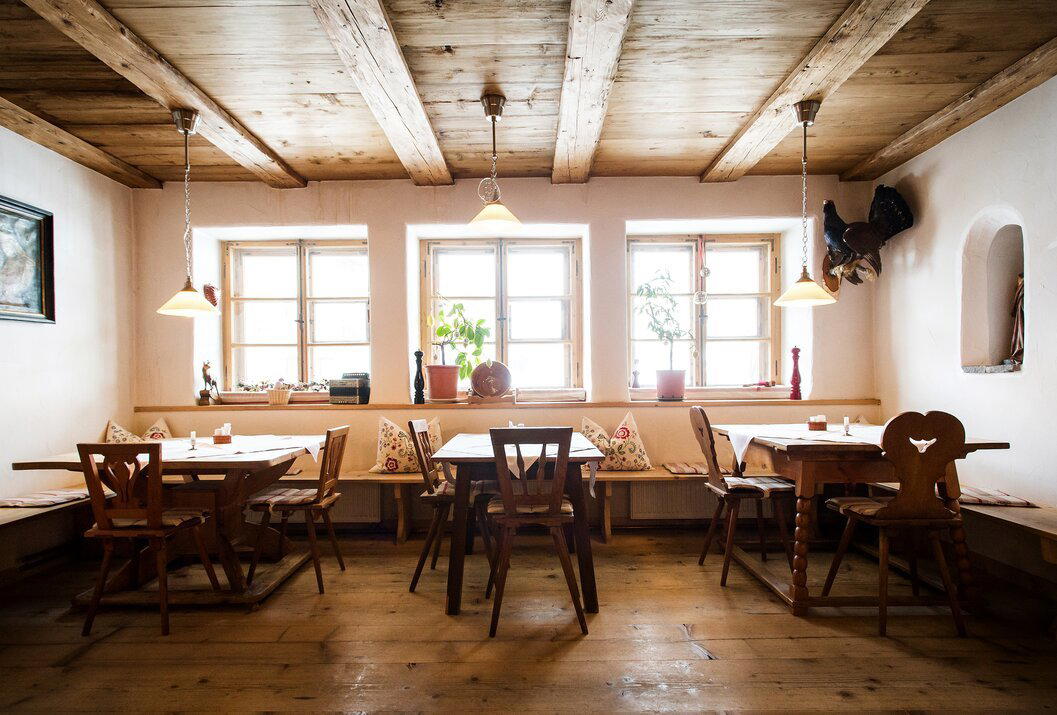
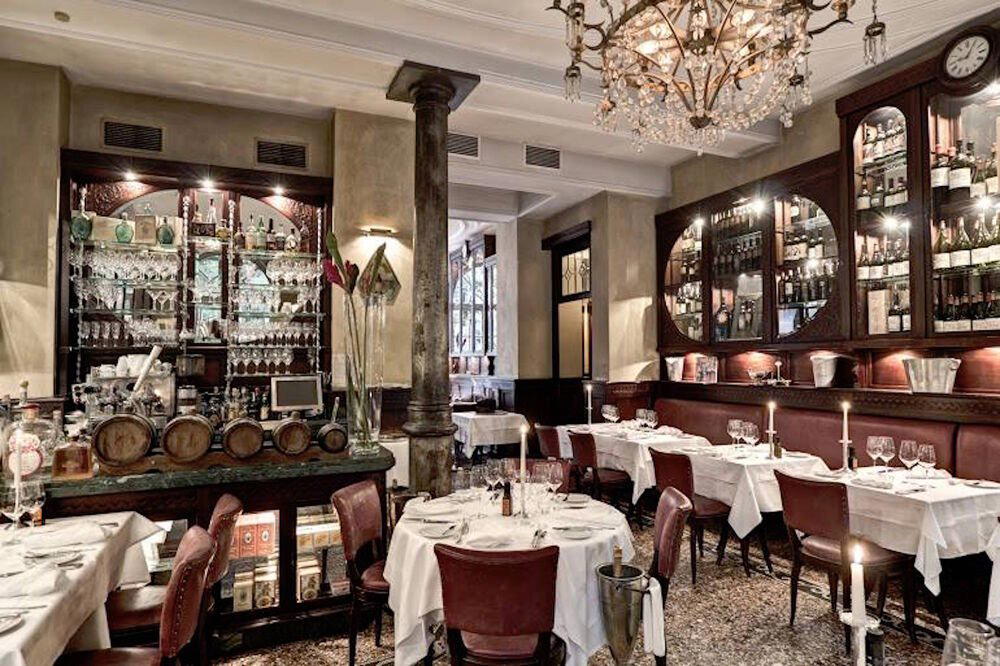
Contemporary high‑rise business hotel atmosphere with a strong focus on sustainable technology, glass façades, and panoramic views over the Prater and the Viertel Zwei development district.