Makkah Clock Royal Tower, A Fairmont Hotel


Michelin Selected · Star Wine List
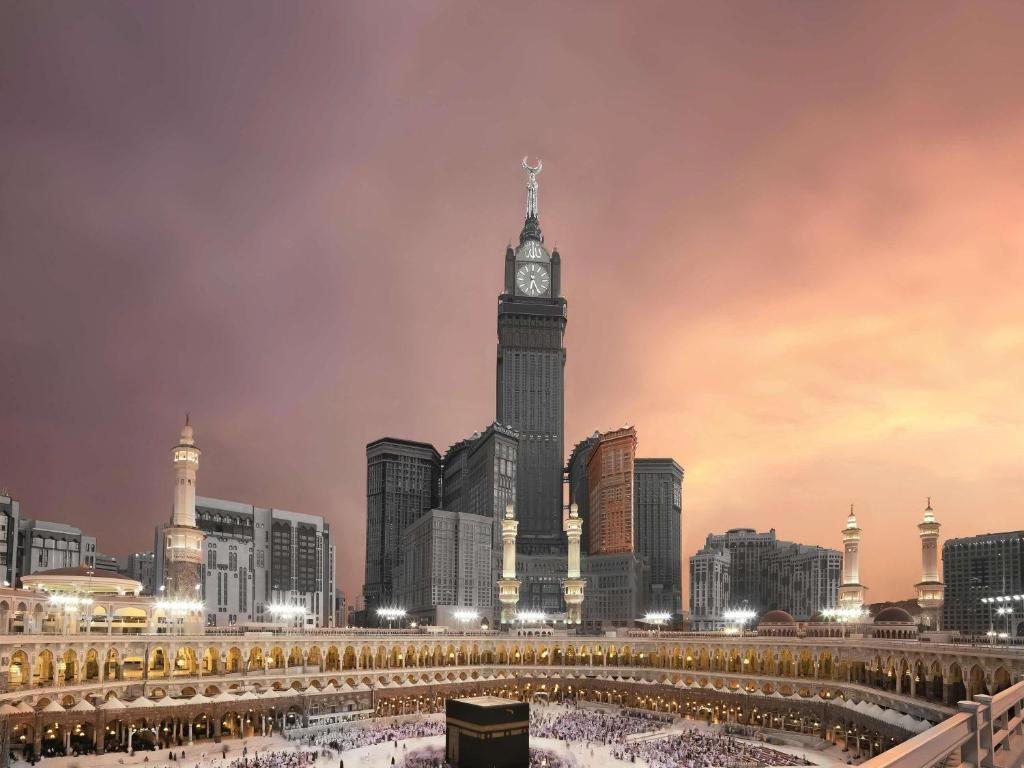
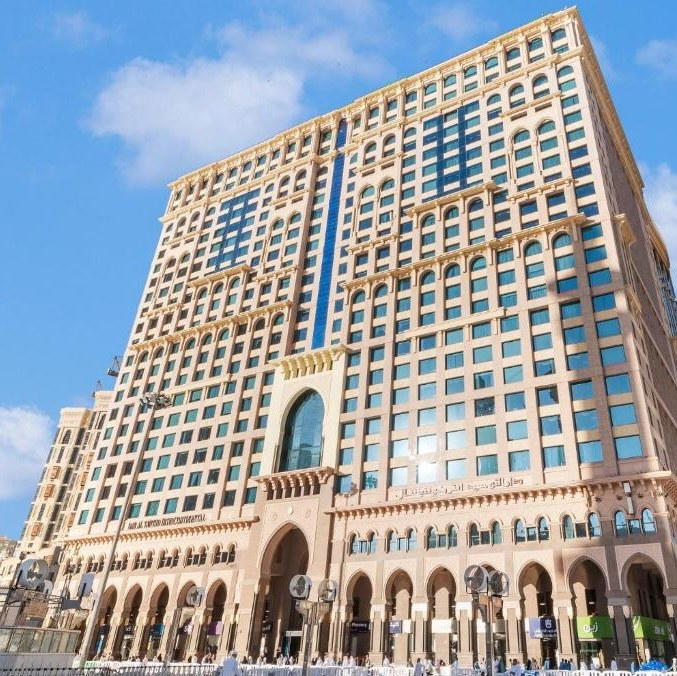
Rising 76 stories above the Great Mosque, this monumental hotel is impossible to miss: its clock faces can be seen from 17 kilometers away. Inside, it is just as commanding, with over 1,600 rooms and suites, some with direct views of the Kaaba. Fairmont Gold adds a layer of privacy and tailored service, while a dedicated museum and diverse dining options round out the experience. For many pilgrims, this is as close as luxury gets to the Haram.

Pearl is the En Primeur Club membership app — saves, bookings, and concierge access live there. Same editors, same standards.
- Address
- King Abdul Aziz - 38 Rd, Endowment, Ajyad Street, Makkah 24231, Saudi Arabia
- Phone
- +966 12 571 7777
- Website
- fairmont.com
- Directions
- Get directions
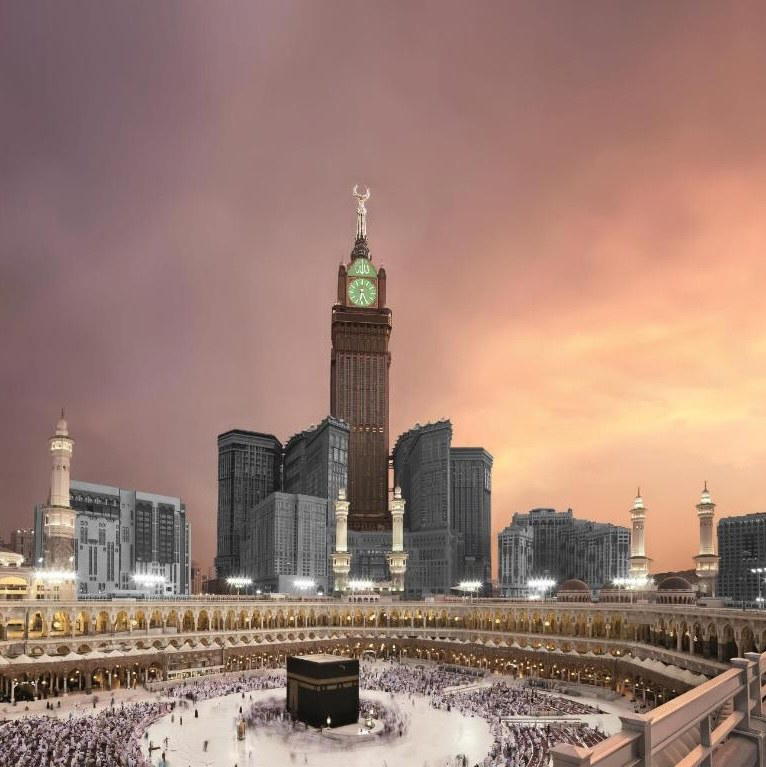
At 76 stories above the Grand Mosque, the Makkah Clock Royal Tower operates at a scale that few hotels anywhere attempt: clock faces readable from 17 kilometers out, more than 1,600 rooms and suites, and a position so close to the Kaaba that certain rooms look directly onto Islam's holiest site. The Fairmont flag here is not incidental — the Gold floor adds a layer of curated privacy that separates it from the broader pilgrimage-accommodation tier, where proximity to Al Masjid Al Haram is the primary selling point and service depth is often secondary.
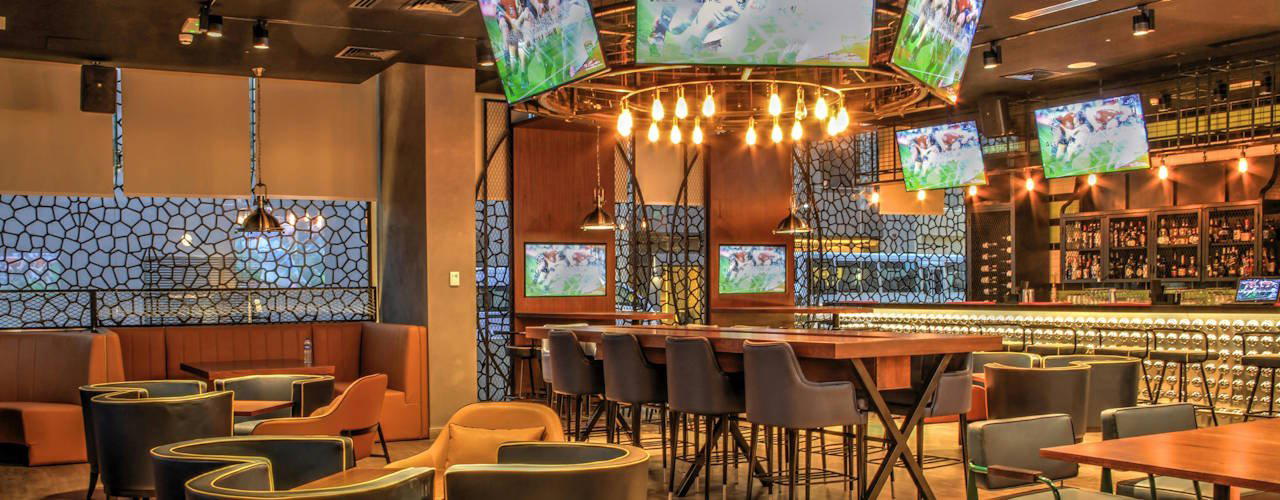
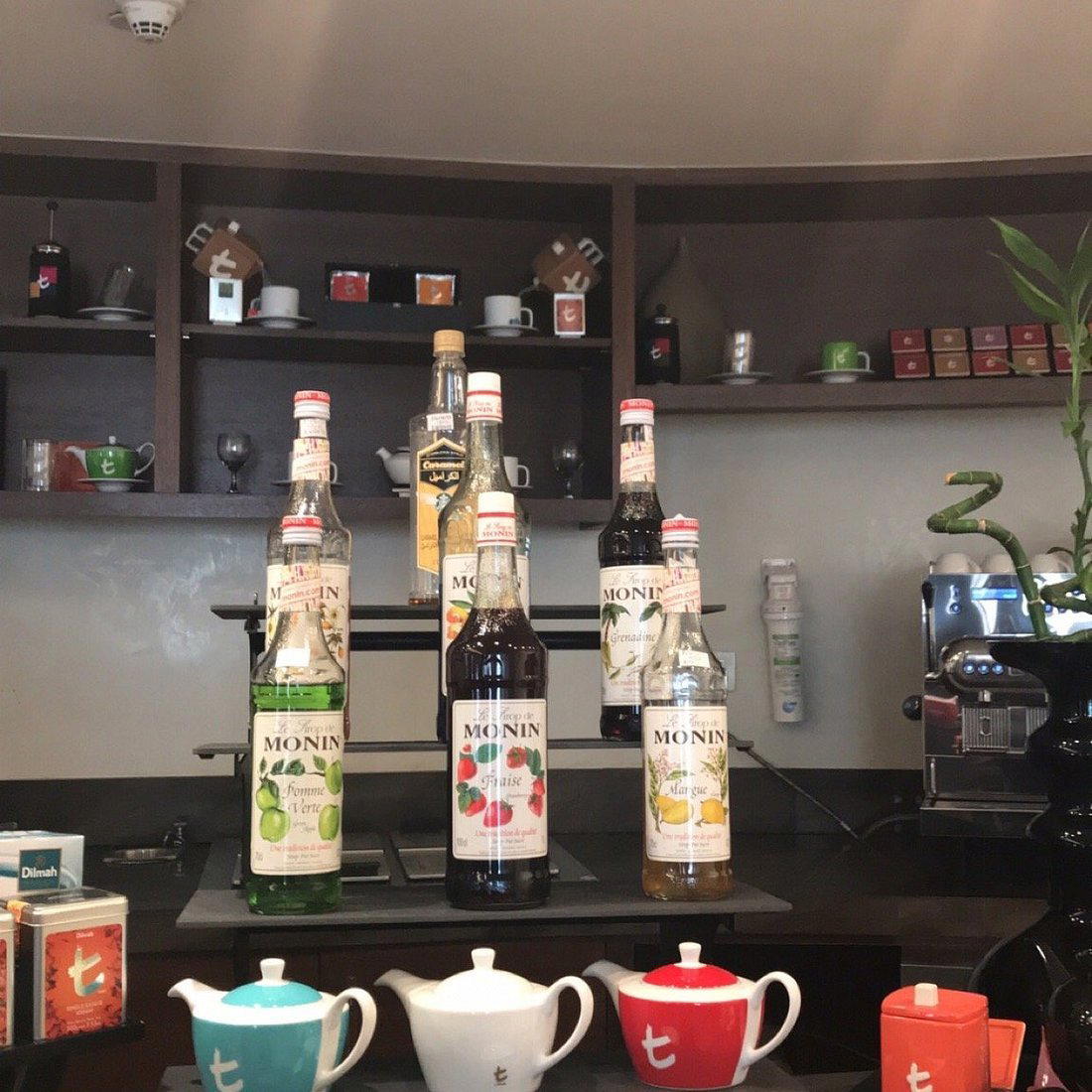
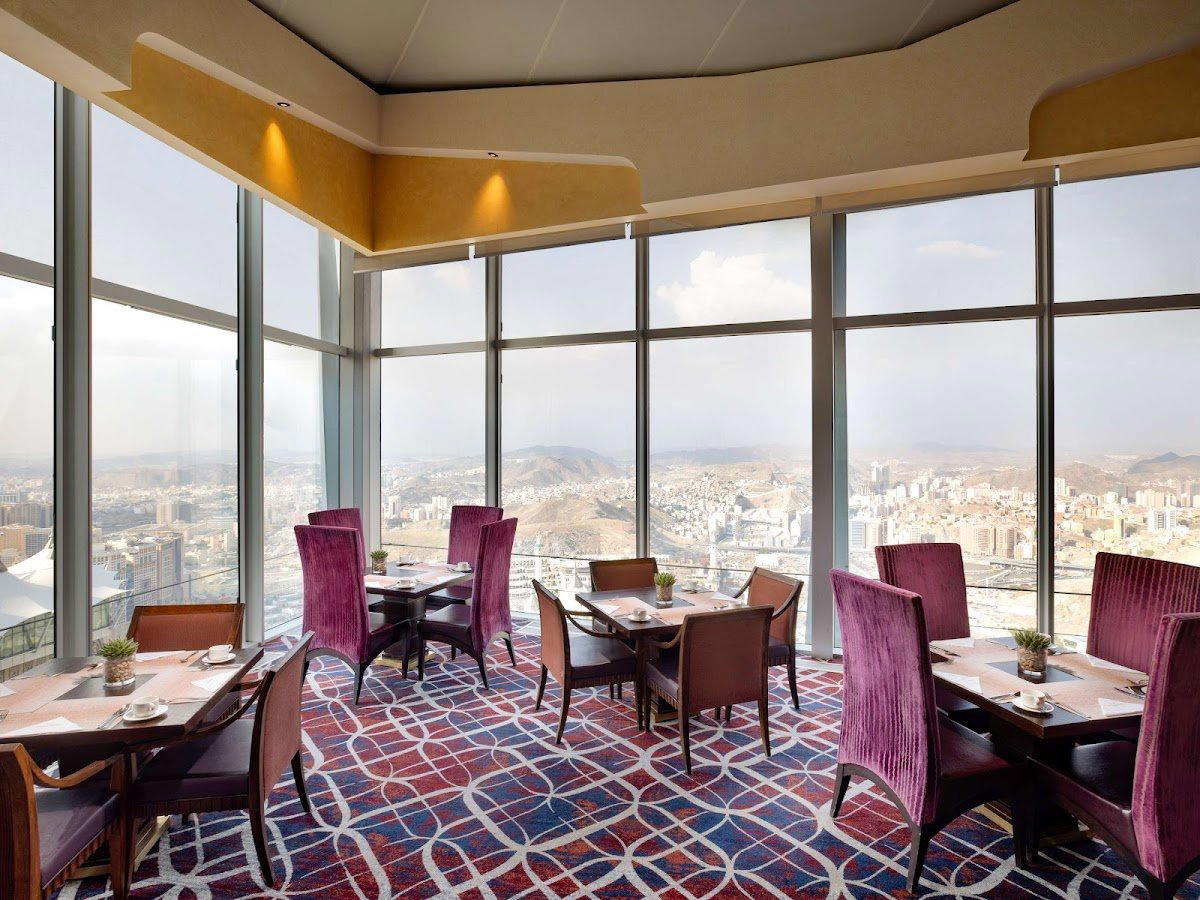
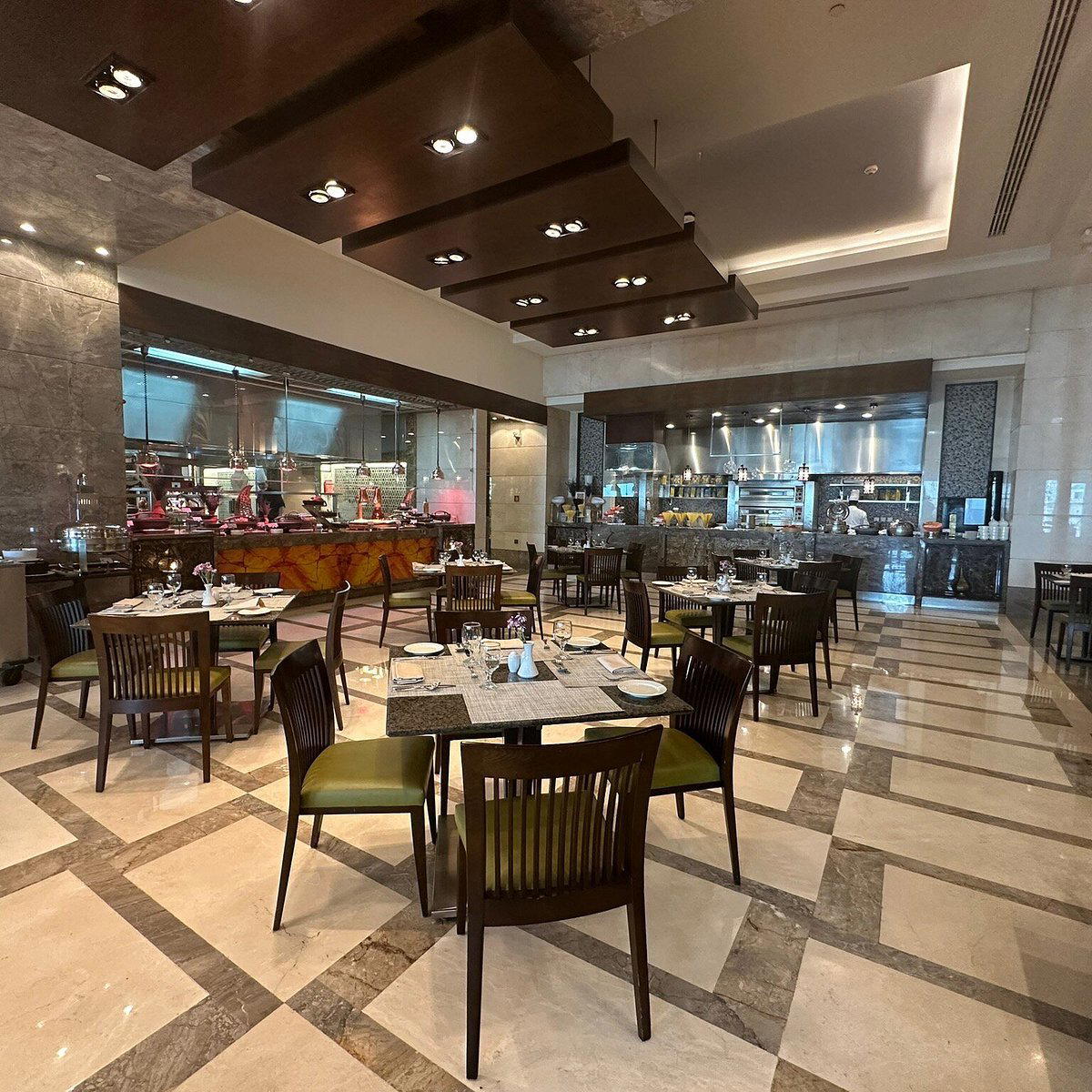
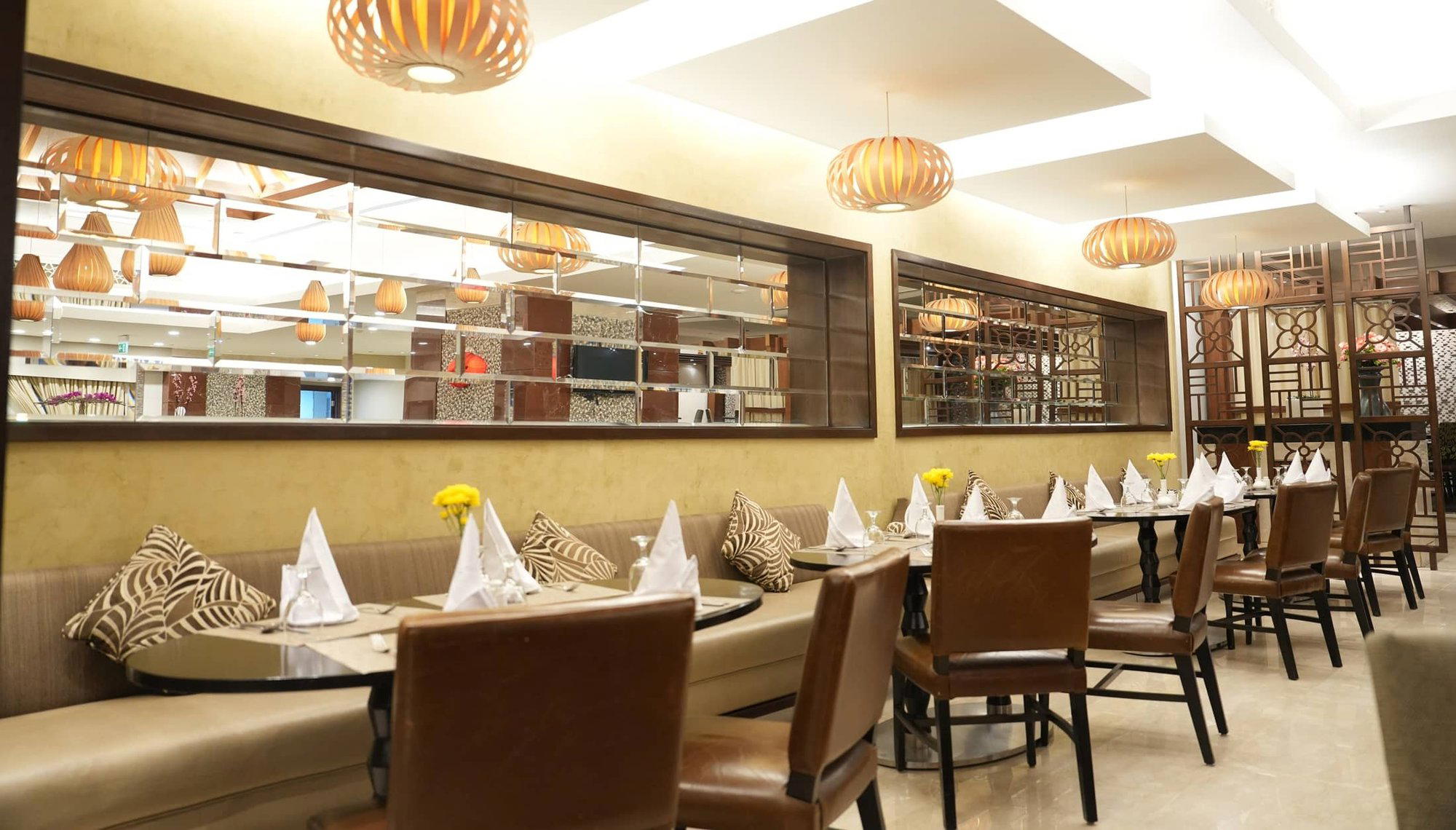
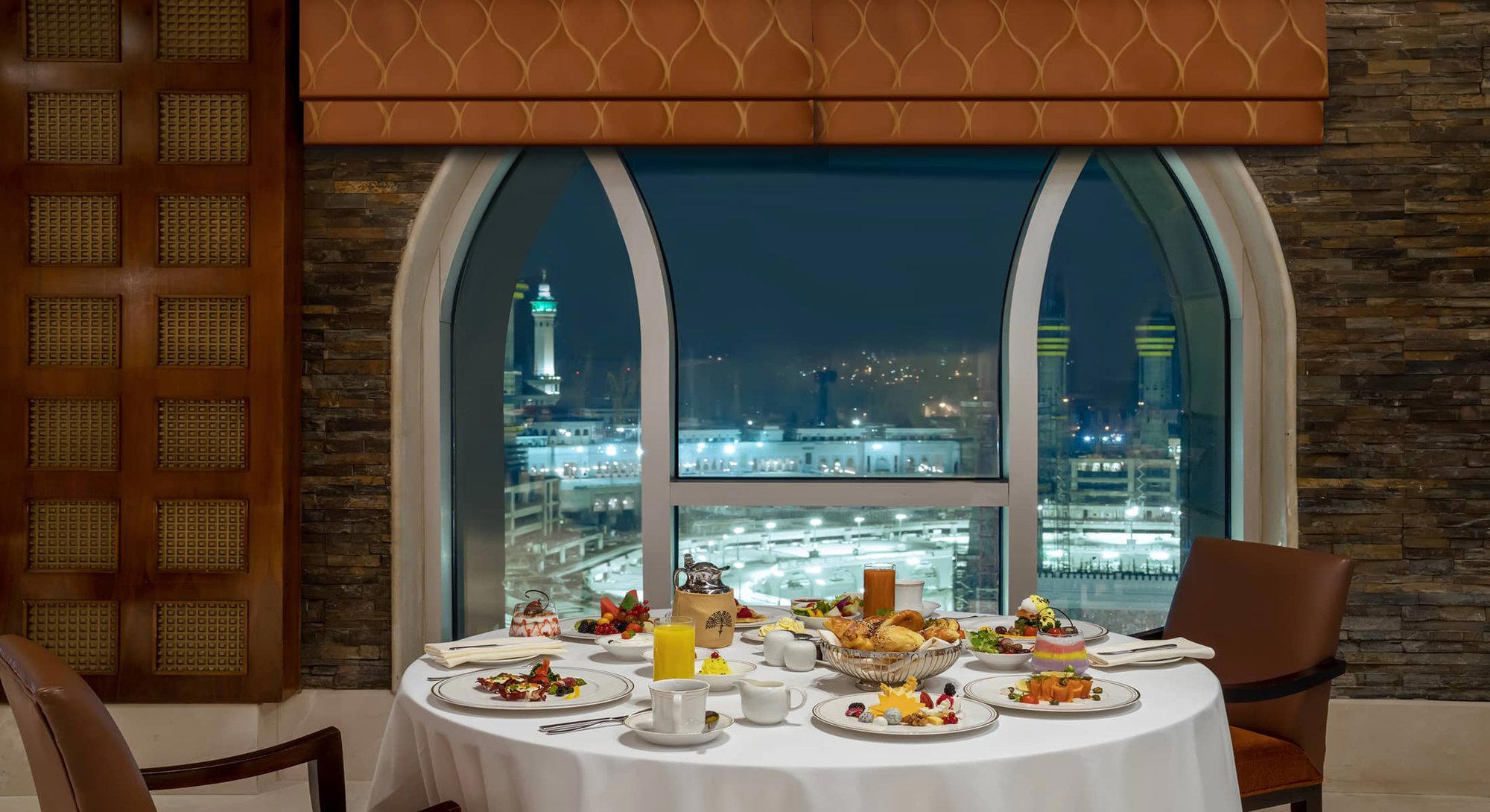
Ten restaurants across the property cover a range that reflects the international composition of Hajj and Umrah visitors. Al Dira, which holds the distinction of being Makkah's first five-star Saudi restaurant, runs a Bedouin-to-Levant buffet with panoramic views of the Kaaba — a combination of setting and format that has no direct equivalent in the city. Elsewhere, the dining program spans Indian, Mediterranean, and pan-Asian formats, with the Asian noodle restaurant offering dim sum and fresh noodles alongside nasi goreng. A dedicated coffee and tea sommelier operates within the food and beverage program, a detail that signals the hotel's intent to serve guests whose stays extend well beyond a single night of transit.
The hotel received the Luxury Hotel in Makkah, Saudi Arabia recognition from the Luxury Lifestyle Awards, and the property carries a five-star eco-certification. Room rates run from approximately $1,000 to $15,000 per night depending on room type and view category, with buffet dining priced around $50–$60 per person. Those figures place it at the upper end of Mecca's accommodation market, though the context differs from a conventional luxury hotel stay: guests are here for religious obligation, and the value calculus involves proximity to the Haram, logistical ease during peak pilgrimage periods, and the ability to observe the Tawaf from a private room rather than a crowded street.
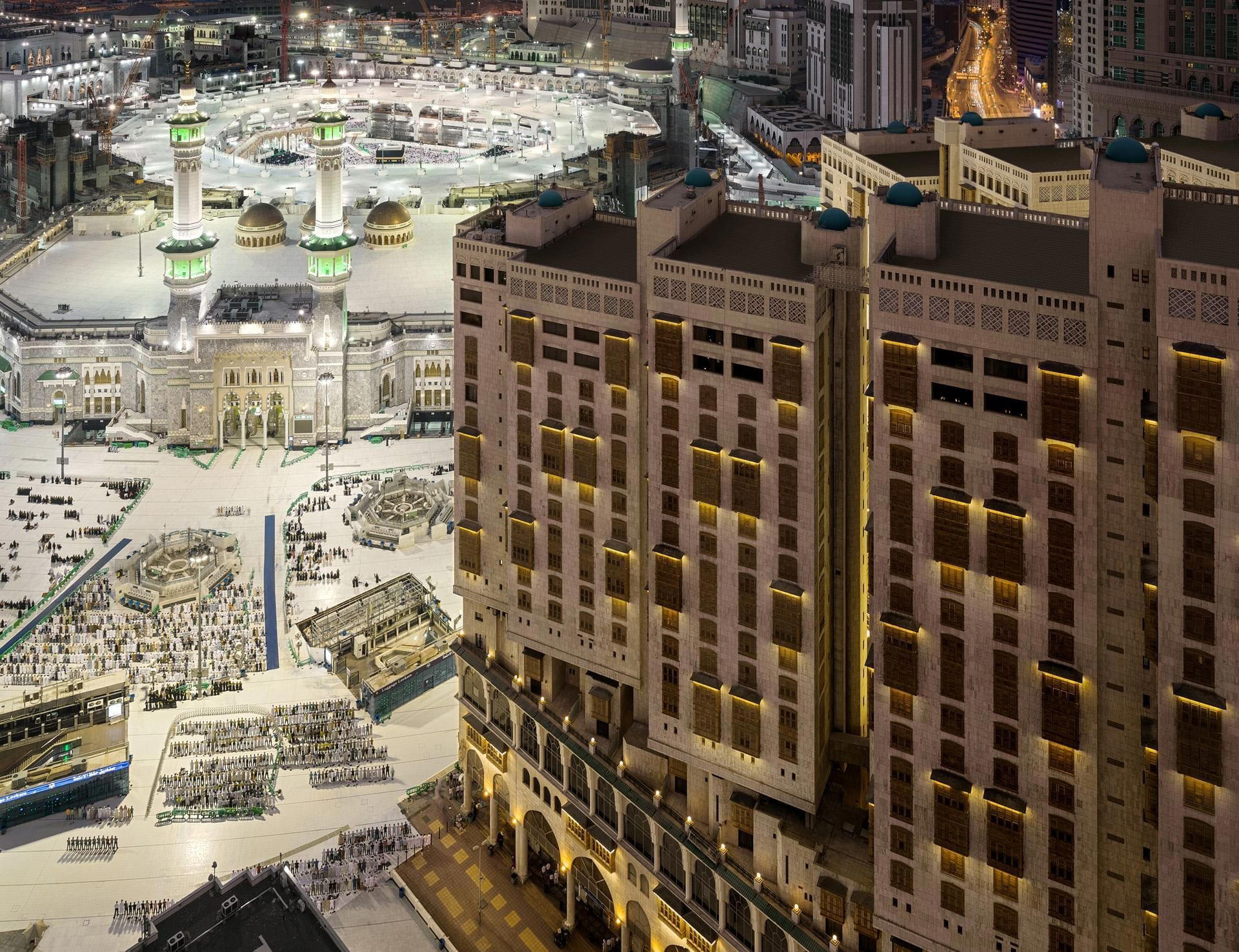
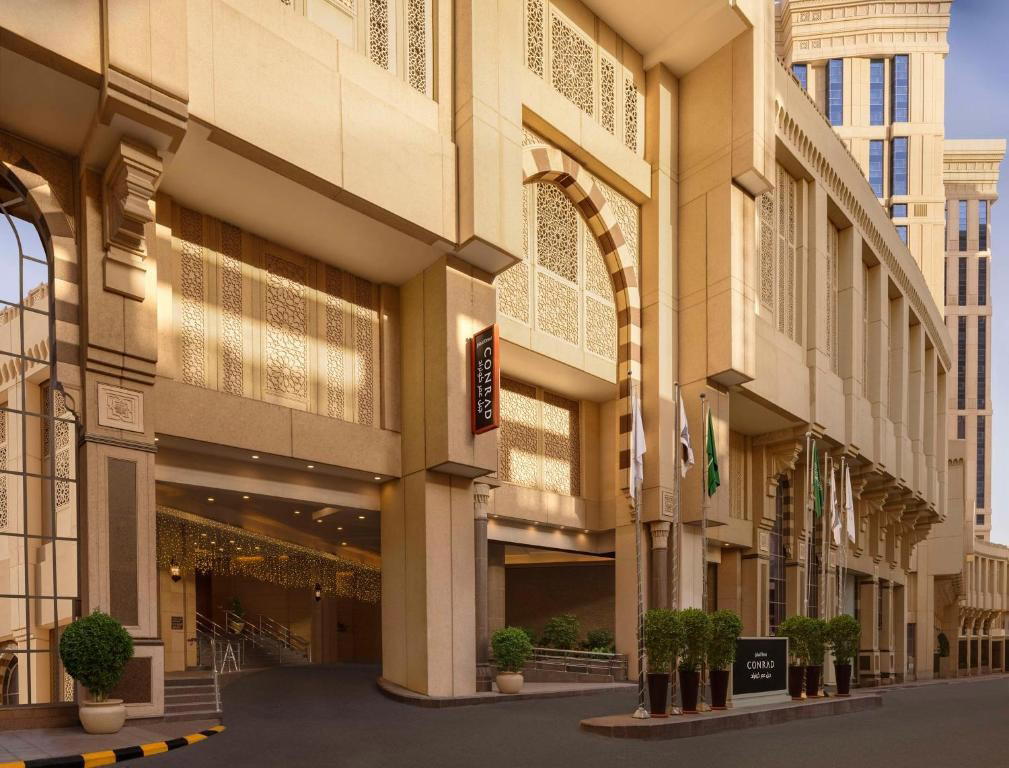
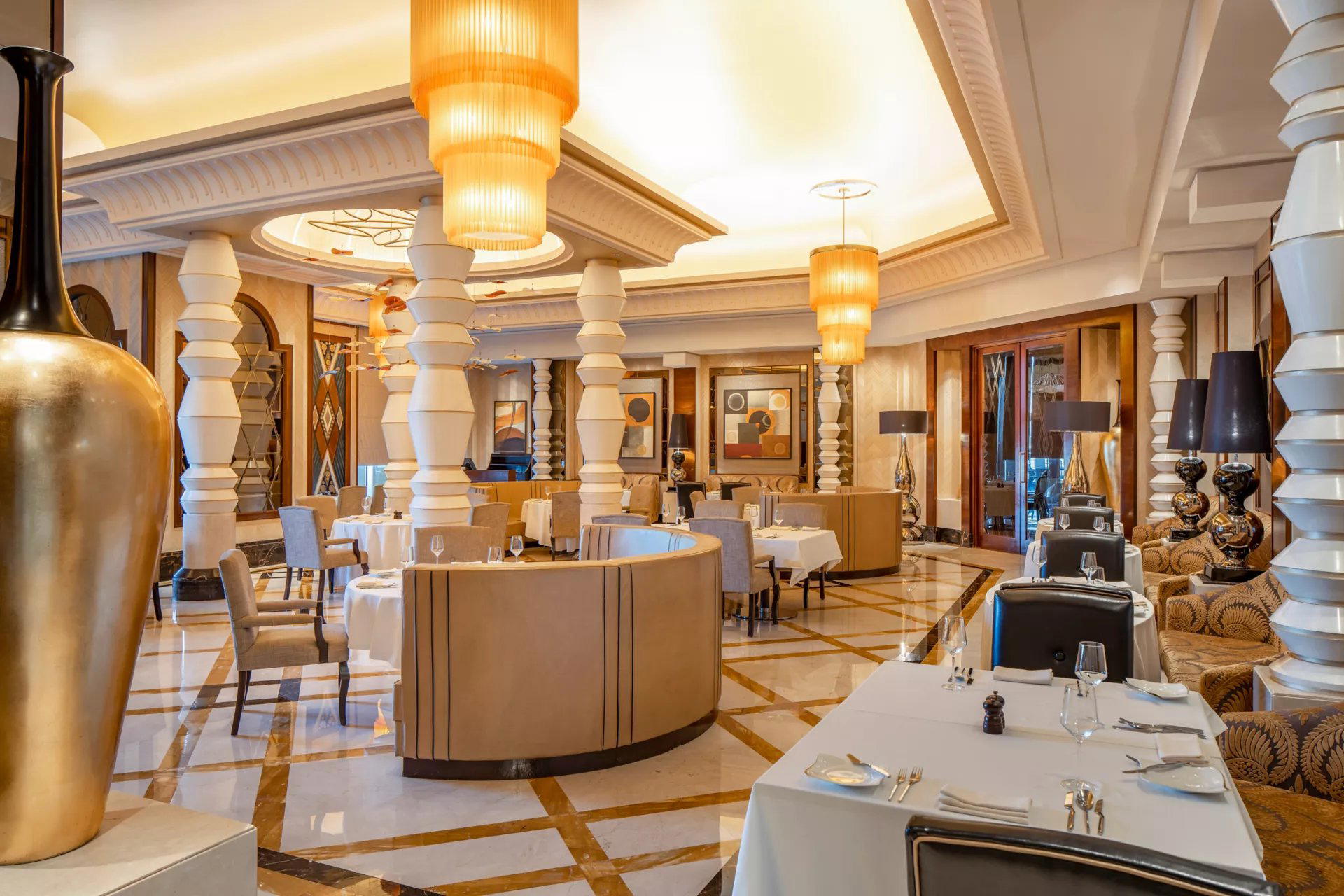
Access is restricted to Muslim guests, consistent with Mecca's entry requirements for non-Muslims. That constraint defines the entire guest profile and shapes how the hotel operates — the food and beverage program is fully halal, the spiritual calendar drives occupancy patterns, and the architecture of the building itself, with its Art Deco detailing set against the backdrop of the world's largest mosque, is a product of a city that exists for a single, specific purpose.
Comparable Venues Nearby
Comparable venues nearby, for context on price, style, and recognition.
| Venue | Cuisine | Price | Awards | Notes |
|---|---|---|---|---|
| Makkah Clock Royal Tower, A Fairmont HotelThis venue — the venue you are viewing | Well-known architectural masterpiece blending luxury with spiritual significance | $200–300 | Michelin Selected · Star Wine List | Not listed |
| voco Makkah an IHG Hotel | Contemporary upscale hotel tailored for pilgrims with spacious family accommodations and pilgrimage-focused services. | $1–100 | Michelin Selected | Al Mesfalah |
| Jumeirah Jabal Omar Makkah | Contemporary luxury with Islamic architectural heritage; seamlessly blends modern amenities with traditional design elements and spiritual spaces for pilgrims. | $200–300 | Michelin Selected | Ash Shubaikah District |
| Dar Al Tawhid Intercontinental Makkah by IHG | Luxury Islamic-inspired palace hotel designed for pilgrims and luxury travelers, combining modern amenities with spiritual reverence. | $300–500 | Michelin Selected | Central Mecca |
| voco Riyadh | Contemporary fusion of Saudi heritage and modern hospitality | $100–200 | Michelin Selected | King Fahad Road |
| AMAALA | Palatial luxury blending Arabian tradition with modern sophistication in harmony with rugged coastal terrain. | Not listed | Not listed | Triple Bay |
Recognition history
Dated appearances from independent guides and award organizations, with the underlying list record or original source where available.
Michelin Selected
Michelin
Star Wine List
Star Wine List
Details
- Elegant
- Sophisticated
- Ornate
- Modern
- Family Vacation
- Business Trip
- Panoramic View
- Historic Building
- Wi Fi
- Pool
- Spa
- Fitness Center
- Room Service
- Concierge
- Business Center
- Valet Parking
- Kids Club
- Skyline
- Elevator
Ornate and elegant with Art Deco furnishings, serene lighting, and a spiritual atmosphere enhanced by proximity to sacred sites.