COMO Metropolitan Miami Beach
On Collins Avenue in the Mid-Beach corridor, COMO Metropolitan Miami Beach occupies a quieter stretch of the strip where the brand's signature wellness-forward service philosophy carries more weight than the surrounding spectacle. The property sits in a tier of design-led boutique hotels that trade volume for restraint, placing it alongside a different competitive set than the larger resort operations further south.
 Discover on Pearl
Pearl is the En Primeur Club membership app — saves, bookings, and concierge access live there. Same editors, same standards.
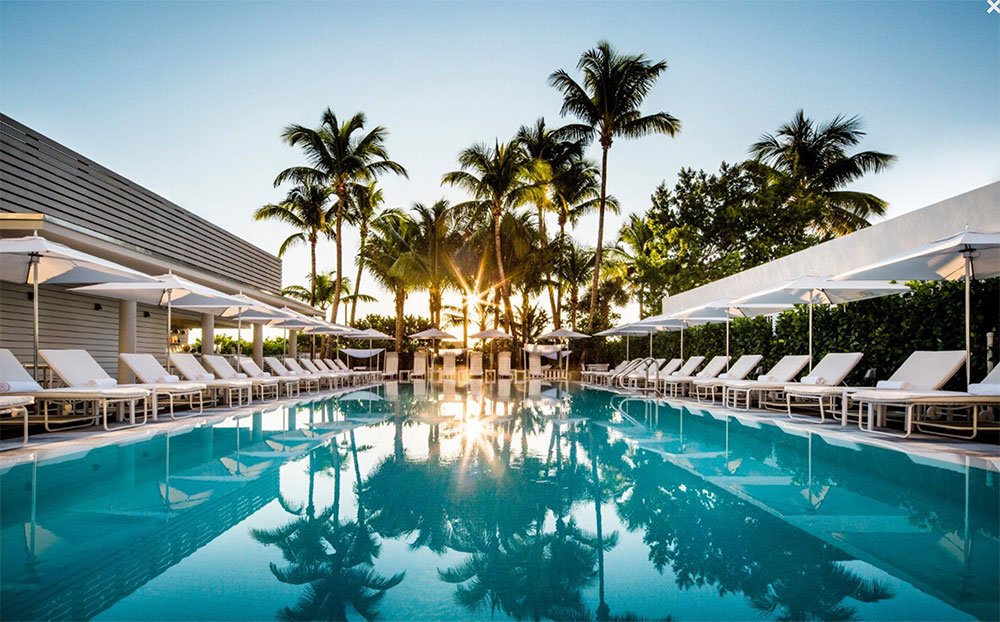
Collins Avenue, Composed
The Mid-Beach stretch of Collins Avenue runs between the concentrated nightlife of South Beach and the residential calm of Surfside, and that geography shapes what a hotel here can plausibly be. The block at 2445 Collins sits close enough to the Art Deco district to feel connected, far enough to be quiet by 11pm. COMO Metropolitan Miami Beach occupies that zone deliberately. Where properties like Delano (Miami Beach) and Andaz Miami Beach operate with a stronger programmatic pulse, this property defaults to restraint as its organizing principle.
COMO Hotels and Resorts built its international reputation on exactly this posture: design-led properties with a wellness orientation and a service culture that prizes discretion over performance. Guests arriving at the Miami Beach outpost encounter the same framework that defines the brand's other addresses globally, calibrated to a city that does not always reward subtlety. The result is a property that reads as a counterpoint within its own market rather than a participant in the louder competition for attention on the strip.
Where the COMO Service Model Lands in Miami
The broader question in Miami Beach luxury is whether restrained, anticipatory service translates in a city where hospitality is often theatrical. The answer, increasingly, is that a segment of the market actively seeks the alternative. Guests who might also consider properties like Fisher Island Club or Carillon Miami Wellness Resort are selecting on different criteria than those choosing high-volume South Beach operations: fewer interruptions, staff who read the room rather than animate it, and wellness infrastructure treated as a primary amenity rather than an add-on.
COMO's service philosophy across its properties is structured around anticipation rather than reaction. The model trains staff toward small adjustments that accumulate into a legible sense of being looked after, without the scripted warmth that characterizes larger resort operations. In Miami Beach, where hospitality culture often skews toward surface-level energy, that differentiation carries commercial weight. It places COMO Metropolitan in a peer set that includes Found Miami Beach and, to a degree, the quieter wings of Cadillac Hotel & Beach Club, Autograph Collection, though the service DNA differs meaningfully across those options.
Internationally, the comparison set for COMO's approach would include properties where the host-to-guest ratio and operational philosophy matter more than brand recognition: think Amangiri in Canyon Point at the high end of that philosophy, or Post Ranch Inn in Big Sur as a domestic equivalent where setting and service are deliberately co-authored. COMO sits below those price points but draws from the same orientation toward low-interruption hospitality.
The Wellness Positioning in Context
Wellness-oriented hotels in Miami Beach range from full destination-spa operations like Carillon Miami Wellness Resort, which organizes everything around programming, to properties that offer amenities without any real wellness identity. COMO sits between those poles, closer to the former. The brand's COMO Shambhala wellness concept, applied across its global portfolio, gives Miami Beach guests access to a structured approach to spa and fitness rather than a generic facility. That distinction matters for guests who arrive with wellness as a primary reason for travel, not just a secondary perk.
The contrast with volume-first competitors on the strip is instructive. Properties like AC Hotel Miami Beach or Freehand Miami serve a different primary use case, where social programming and accessible price points drive the selection. COMO's positioning is narrower and, within that narrower band, more consistent. That consistency is itself a form of service: guests who have stayed at COMO properties in other cities arrive with accurate expectations, which is a more reliable foundation for satisfaction than surprise.
Miami Beach Placement and What It Implies
Mid-Beach has developed a more considered identity over the past decade as the Art Deco core of South Beach became increasingly commercialized. The area around Collins and 24th draws a traveler who wants proximity to Miami Beach's pull without full immersion in it. That demographic overlaps naturally with COMO's guest profile. The Four Seasons at The Surf Club in Surfside, further north, occupies a similarly calibrated position in its own neighborhood, though at a higher price point and with greater brand visibility.
For guests comparing COMO Metropolitan against other premium options along the corridor, the decision often comes down to whether service culture or facility scale is the primary criterion. Those prioritizing the former, and willing to trade some of the spectacle of a larger resort operation for a more composed stay, find COMO's model coherent and well-executed in context. For broader orientation on what the Miami Beach hotel market offers across segments, our full Miami Beach restaurants and hotels guide maps the options by neighborhood and positioning.
Elsewhere in the US, hotels that share a philosophical kinship with COMO's approach include Hotel Bel-Air in Los Angeles, Troutbeck in Amenia, and SingleThread Farm Inn in Healdsburg. Internationally, the design-led boutique model COMO represents finds expression in properties like Aman Venice in Venice and Badrutt's Palace Hotel in St. Moritz, though those operate at a different scale and price tier. Within the domestic luxury market, Aman New York in New York City and The Fifth Avenue Hotel in New York City represent comparable commitments to service-led differentiation in high-noise urban markets.
For guests planning around the Florida Keys or further south, the contrast with Little Palm Island Resort & Spa in Little Torch Key is useful framing: both properties invest in seclusion and service quality, but one sells geographic isolation while the other sells urban restraint. Different use cases, similar underlying values.
Planning Your Stay
COMO Metropolitan Miami Beach is located at 2445 Collins Ave, Miami Beach, FL 33140, in the Mid-Beach corridor between the denser commercial activity of South Beach and the quieter residential stretch heading toward Bal Harbour. Guests arriving from Miami International Airport can expect approximately 30 minutes by car depending on traffic. The hotel's position on Collins Avenue puts it within walking distance of the beach, while keeping it removed from the concentrated foot traffic around Ocean Drive. For booking and current rate information, direct contact through the property's official channels is the most reliable route, as availability in the COMO portfolio can shift quickly during the Miami Beach high season, which runs from December through April. Those with flexibility should consider shoulder periods in late November or early May, when rates tend to ease and the city operates at a more manageable pace. Additional comparison options on the island include Kona Village, A Rosewood Resort in Kailua Kona for those weighing a Pacific alternative, and Raffles Boston in Boston or Auberge du Soleil in Napa for guests building a wider US itinerary around the same service tier.
Cuisine-First Comparison
Comparable options at a glance, pulled from our tracked venues.
| Venue | Cuisine | Awards | Notes |
|---|---|---|---|
| COMO Metropolitan Miami Beach | This venue | ||
| Andaz Miami Beach | |||
| Delano (Miami Beach) | |||
| Fisher Island Club | |||
| Lennox Miami Beach | |||
| Nobu Hotel Miami Beach |
Continue exploring
More in Miami Beach
Hotels in Miami Beach
Browse all →
Bars in Miami Beach
Browse all →
At a Glance
- Elegant
- Modern
- Sophisticated
- Romantic Getaway
- Wellness Retreat
- Weekend Escape
- Beachfront
- Rooftop Pool
- Destination Spa
- Pool
- Spa
- Fitness Center
- Wifi
- Concierge
- Room Service
- Waterfront
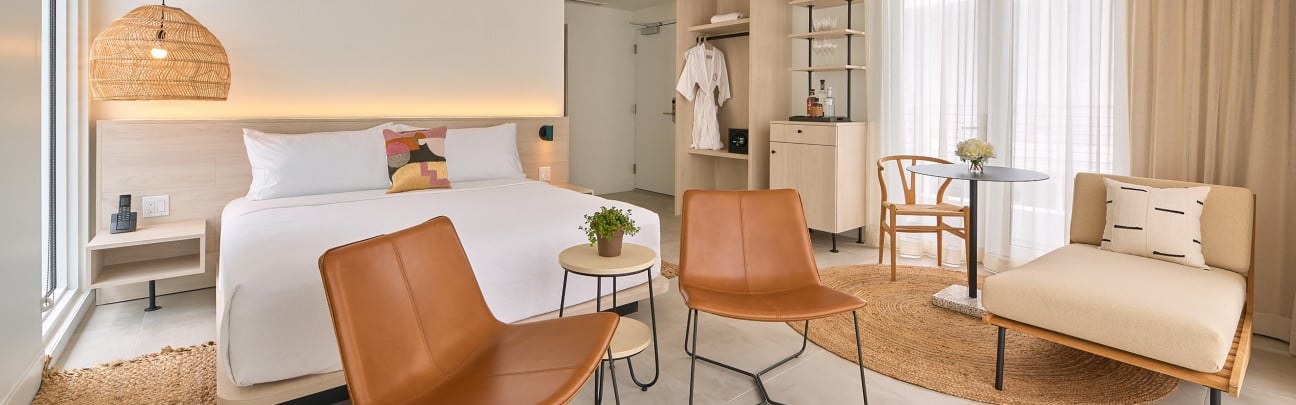
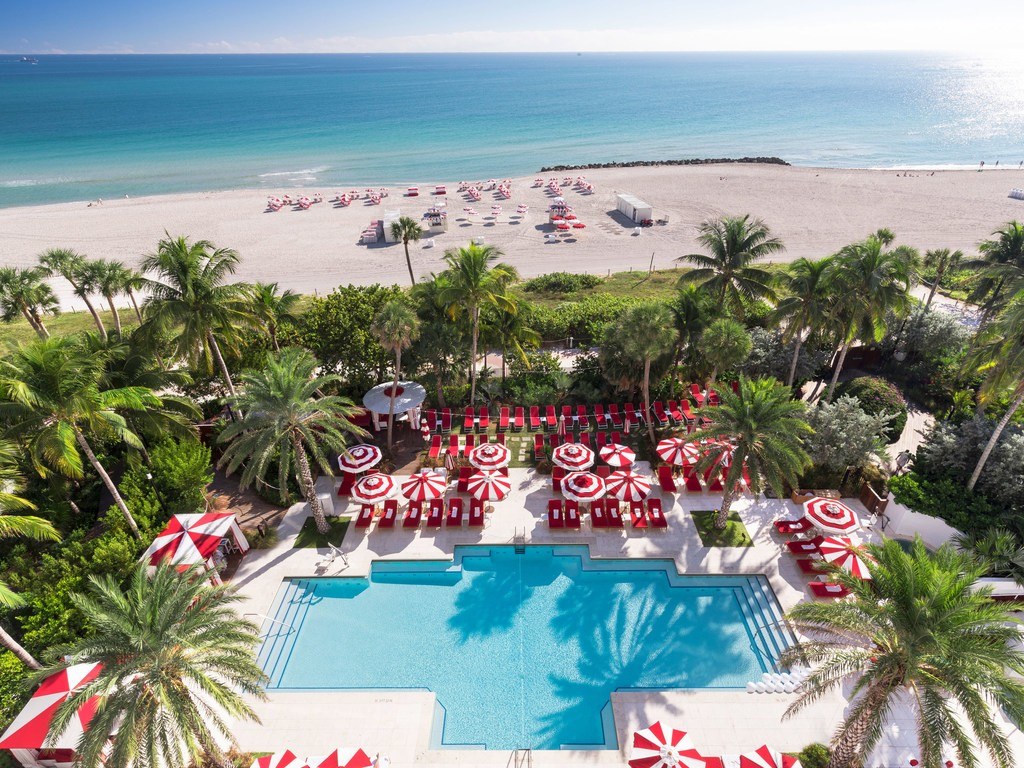
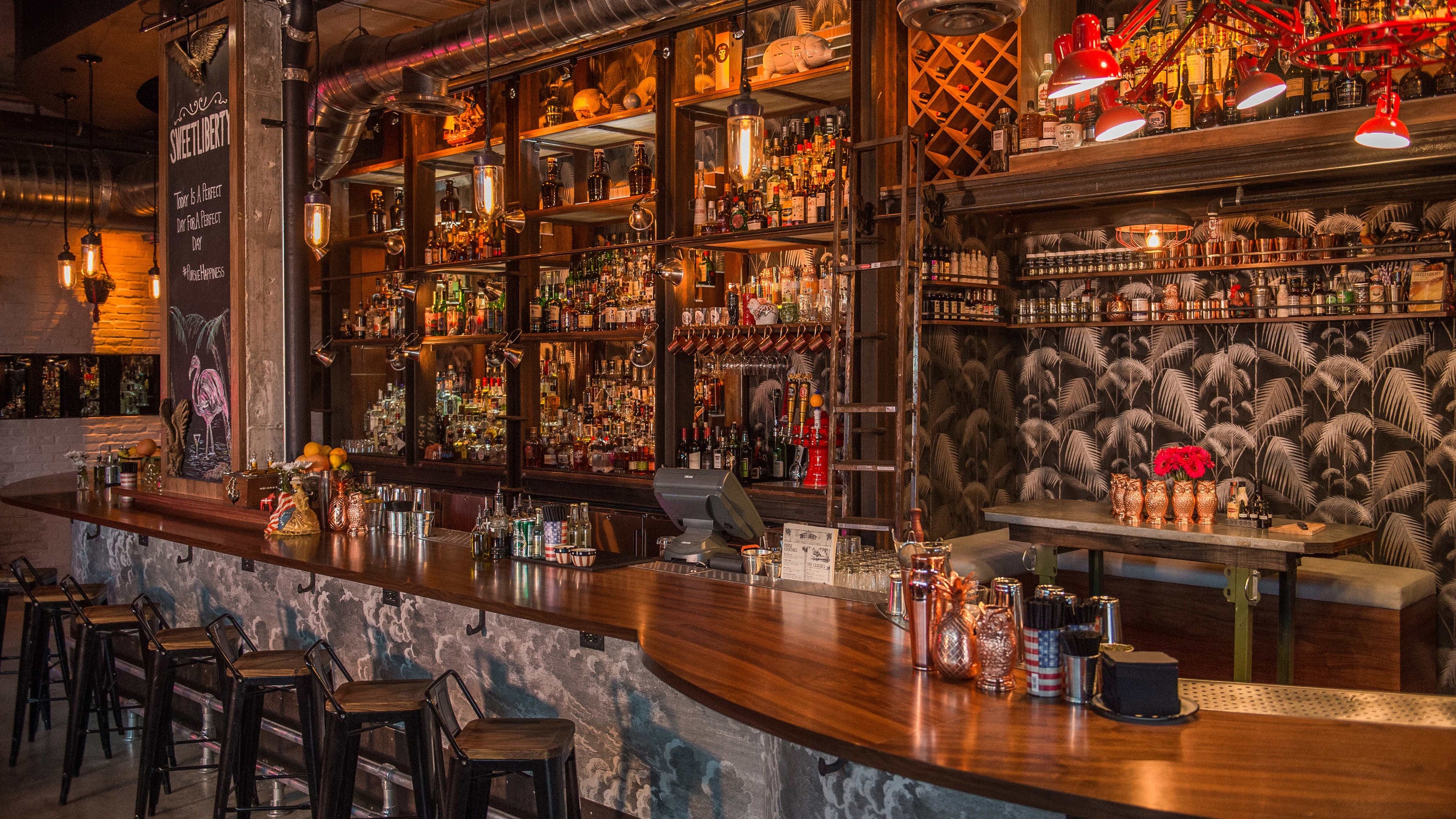
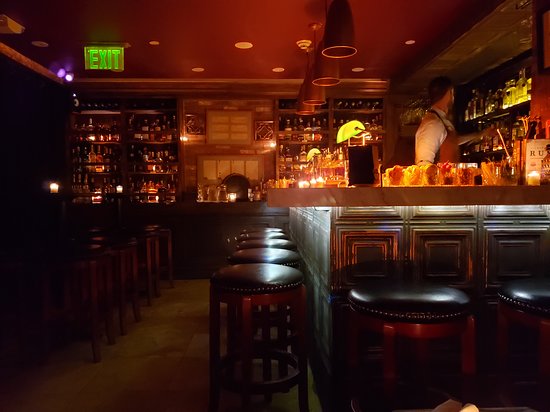
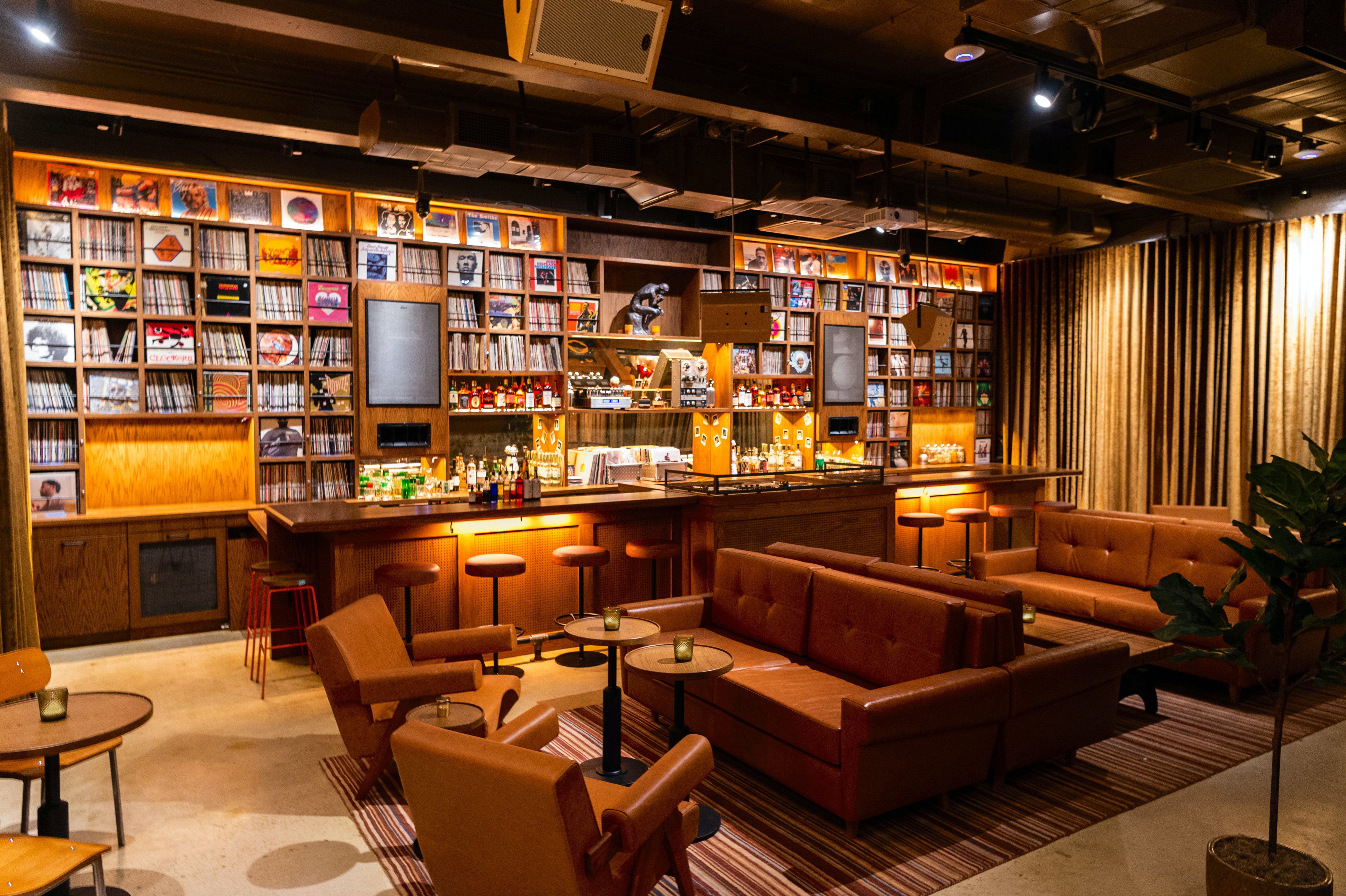
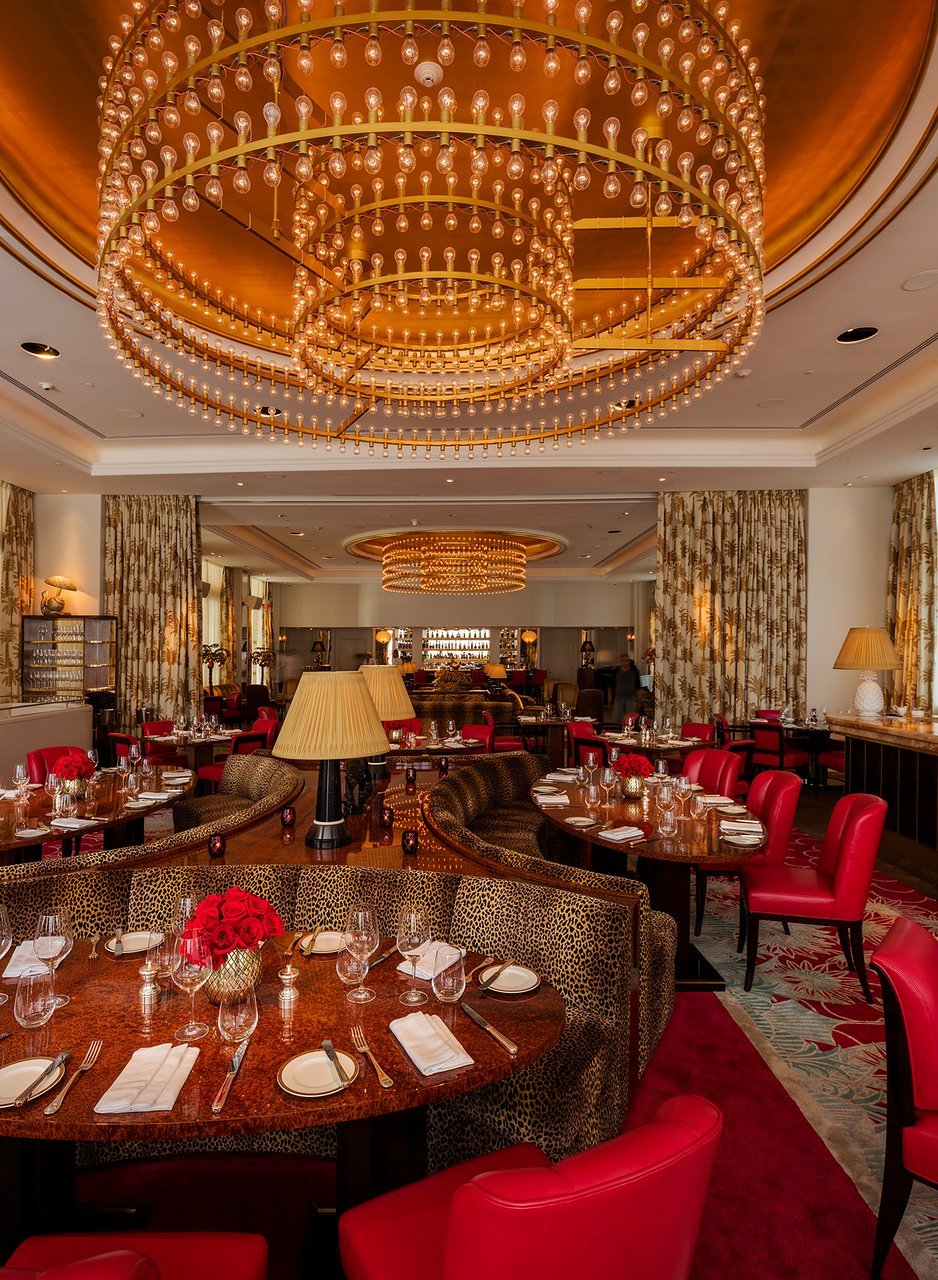
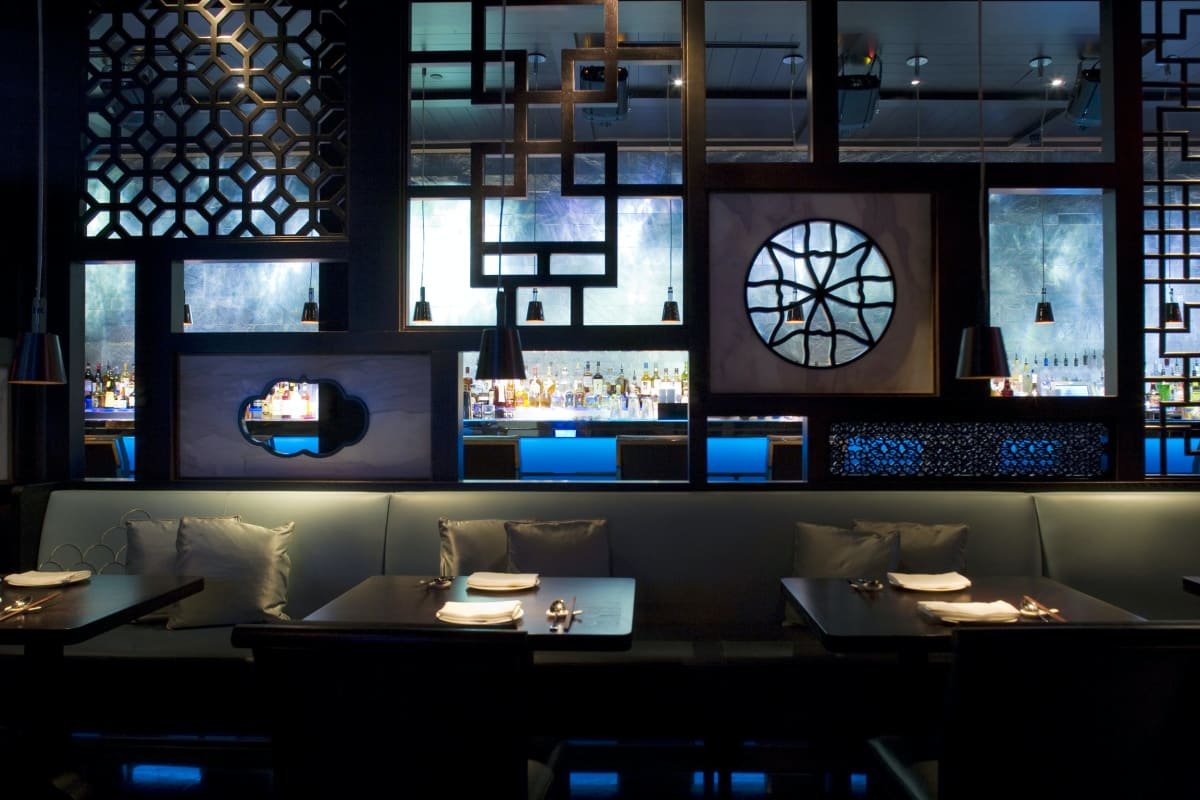
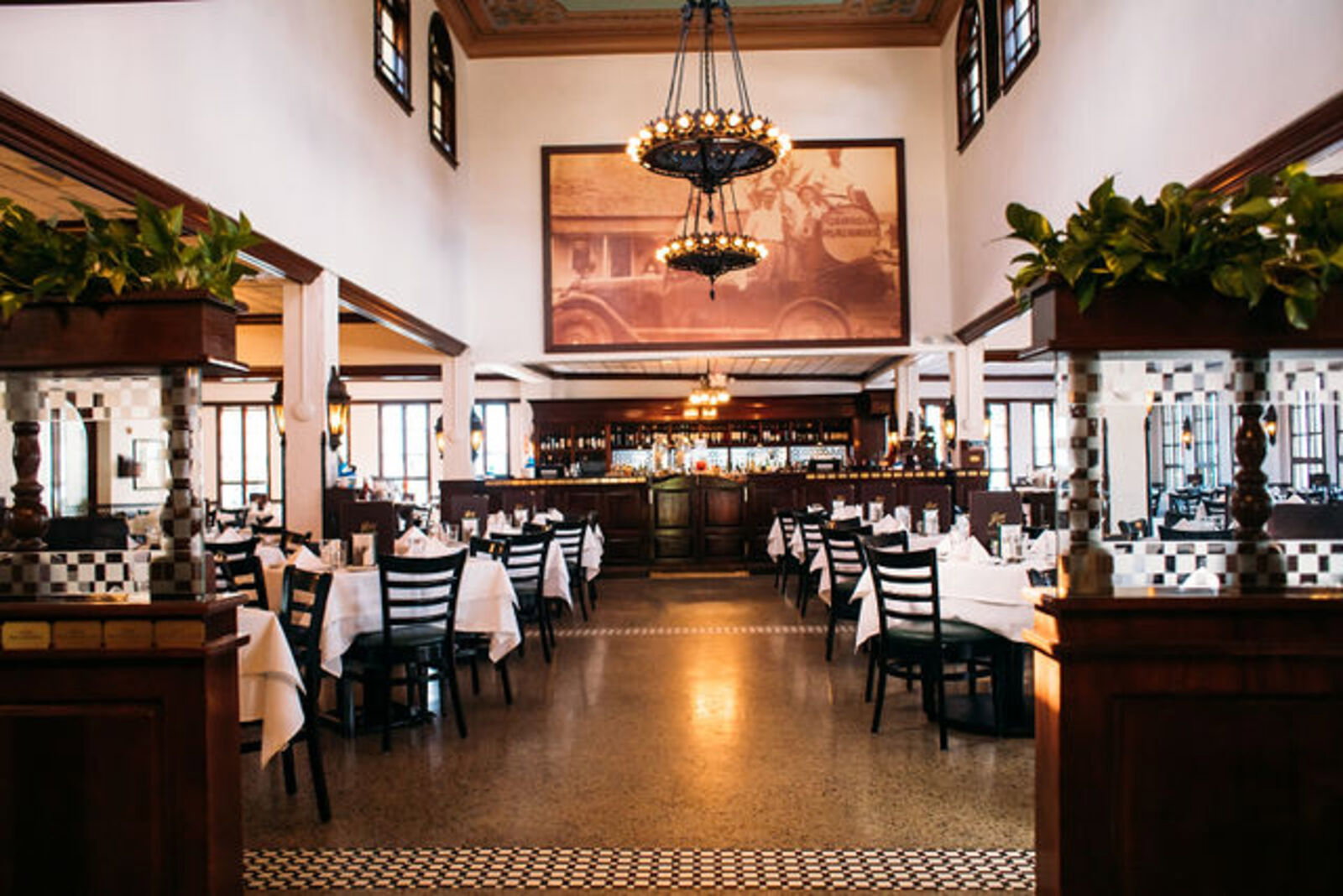
Calm and tranquil vibe with bright, light-filled spaces, ocean breezes, and a mix of Art Deco charm and modern urban elegance.