
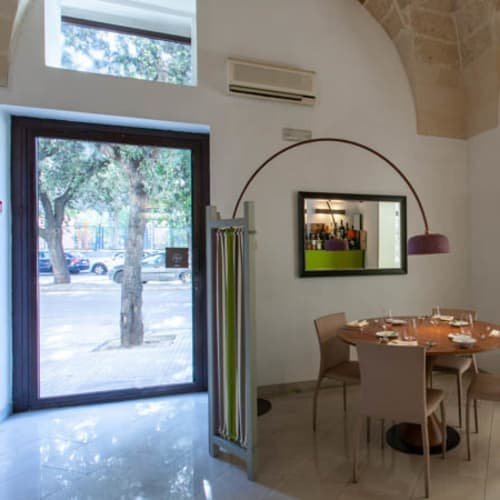
A 17th-century estate in the heart of Lecce's Baroque quarter, La Fiermontina Luxury Home operates across 19 rooms in a property whose architectural bones date to the 16th century. The interiors layer contemporary Italian design furniture against original Pugliese vaulting, while the Zèphyr restaurant serves modern Puglian cooking in a courtyard framed by citrus groves.
Pearl is the En Primeur Club membership app — saves, bookings, and concierge access live there. Same editors, same standards.
- Address
- Piazzetta De Summa Scipione, 4, 73100 Lecce LE
- Phone
- +39 0832 302481
- Website
- lafiermontina.com
- Directions
- Get directions
 Saves & bookings on Pearl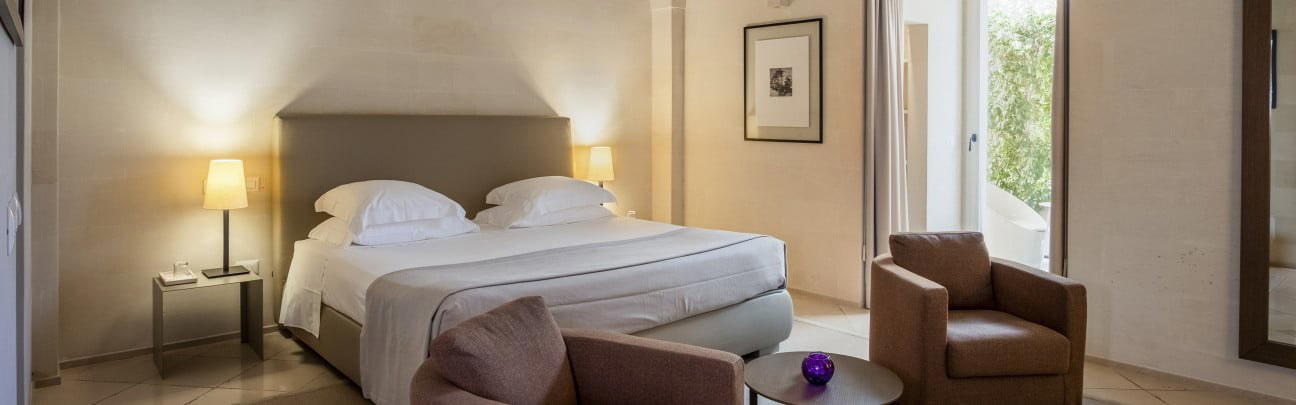
Stone, Arch, and the Weight of Centuries
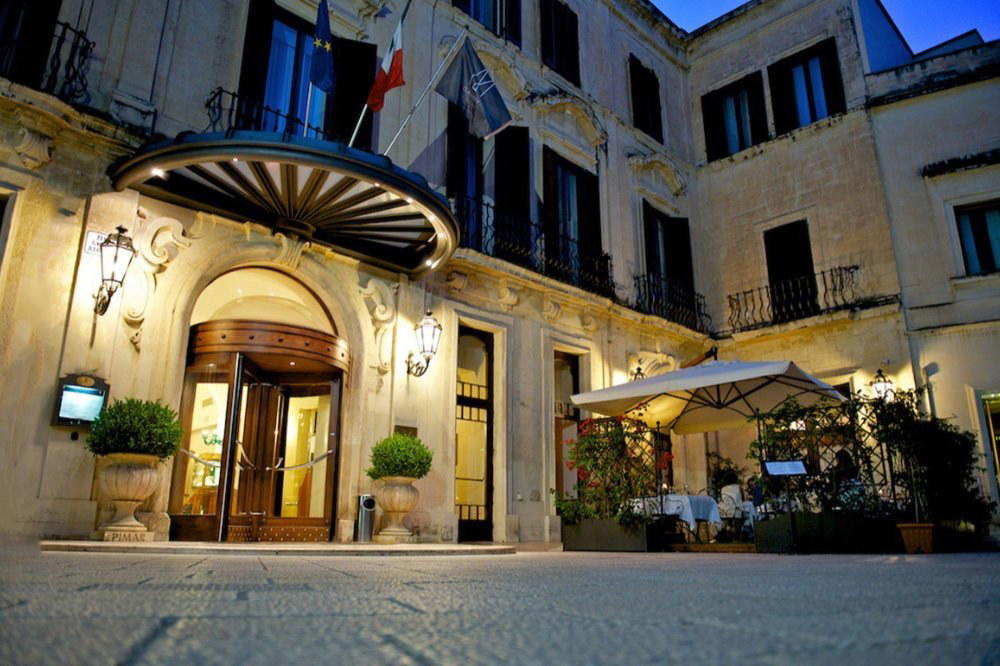
Lecce does something to visitors that few Italian cities manage with quite the same consistency: it makes architecture feel personal. The city's Baroque facade work, carved from the local calcareous stone called pietra leccese, runs so deep into the streetscape that it stops registering as ornament and starts reading as the city's natural texture. Arriving at Piazzetta De Summa Scipione, in the historic centre, that texture is the first thing La Fiermontina Luxury Home offers. The piazzetta is quiet by Lecce standards, and the property's exterior presents itself without theatrical signage, the kind of studied restraint that boutique hotels in Italy's smaller cities have learned to use as a signal of their own.
The estate's roots reach to the 16th century, the house itself to the 17th, though what stands today is the result of a substantial reconstruction overseen by local architect Antonio Annicchiarico. That collaboration matters for the reading of the space: Annicchiarico worked within the vernacular of the Pugliese masseria, preserving the logic of arched passageways and barrel-vaulted ceilings while updating the property into something thoroughly contemporary in its finishes and proportions. The tension between those two timescales, the structural memory of the 17th century and the material ambitions of the present, defines the property's architectural character more than any single design decision. Across southern Italy, the more considered boutique hotels have found that working with inherited structure rather than against it produces something that international design-led properties at scale, like Aman Venice in Venice or Four Seasons Hotel Firenze in Florence, approach through budget and curation rather than genuine architectural continuity.
A Layered Interior: Art, Memory, and Contemporary Design
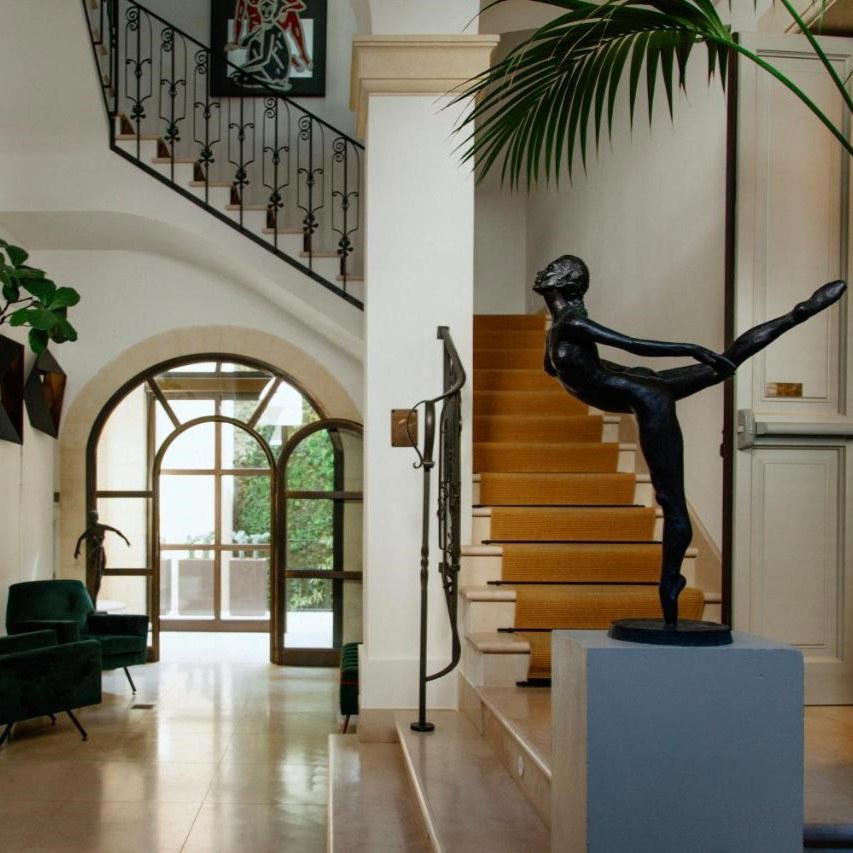
The interior program at La Fiermontina operates on multiple registers at once. The family's connection to the Italian art world is not incidental background: it shapes how the space is programmed. Paintings, photographs, and sculptures from the family collection are distributed through the property, and the Fiermonte Museum on-site documents the life and work of Antonia Fiermonte, the owners' grandmother, who was an artist working in the first half of the 20th century. The hotel's name carries that tribute forward. In a category where properties frequently invoke provenance without much evidence, the presence of an actual museum, a verifiable, structured archival component, places La Fiermontina in a different tier of historical seriousness.
Against those inherited works, the furniture and fittings read as contemporary Italian design, creating the kind of layered visual conversation that requires genuine curatorial attention to avoid feeling cluttered. Boutique properties in Italy's historic south have increasingly moved in this direction: the Borgo Egnazia in Savelletri di Fasano occupies a comparable position in Puglia's premium accommodation sector, though its scale is considerably larger. At 10 rooms, La Fiermontina operates in a more intimate register, closer in format to properties like Palazzo de Noha or Patria Palace within Lecce itself, where the city's concentration of Baroque palazzi has produced a small cluster of historically grounded hotel conversions.
The Courtyard, the Kitchen, and the Salentine Table
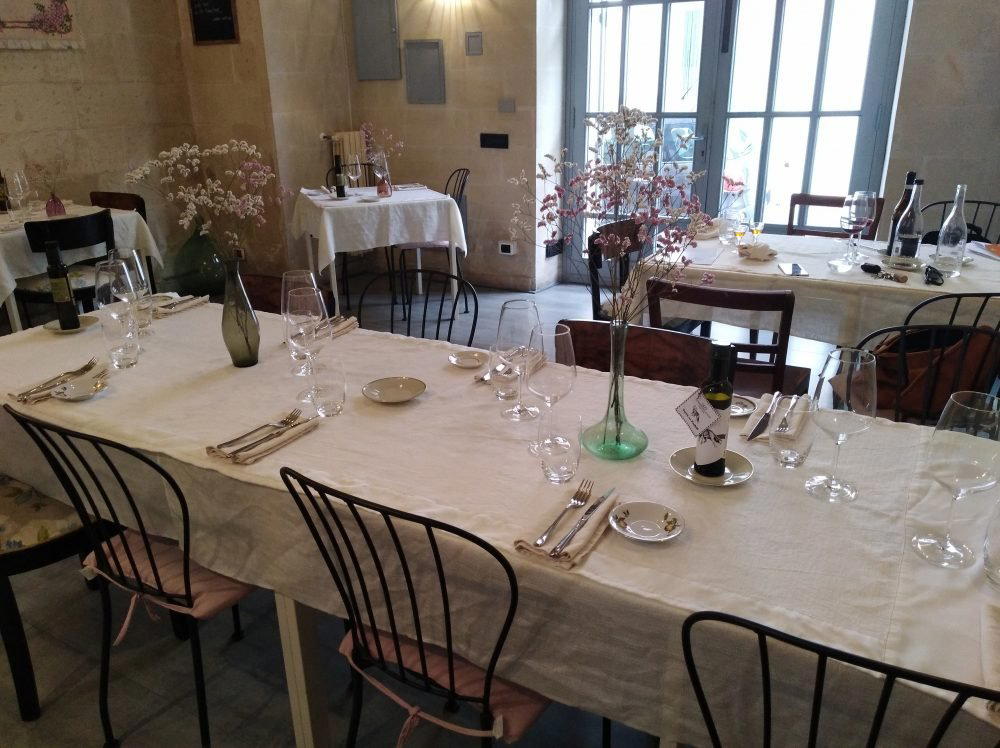
Zèphyr, the property's restaurant, operates within the courtyard surrounded by citrus groves, a spatial arrangement that is less decorative feature than defining context. Dining beneath or alongside productive citrus growth is a specific southern Italian condition: it speaks to the agricultural character of the Salentine peninsula, where the relationship between land and table has never fully been aestheticised away. The menu takes modern Puglian cooking as its frame, which in practical terms means working within one of southern Italy's most ingredient-specific regional traditions: orecchiette, cicoria, fave, burrata, local olive oils with Protected Designation of Origin status, and seafood caught along a coastline that runs from the Adriatic to the Ionian.
Across Puglia, the question of how to handle that tradition in a fine-dining or premium-hotel context has produced a spectrum of responses. At its least convincing, modern Puglian cooking simply plates rustic dishes on expensive ceramics. At its most considered, it finds the places where the regional canon allows for genuine technique without abandoning its agricultural grounding. Zèphyr's courtyard setting, framed by the masseria architecture Annicchiarico preserved, gives the restaurant a physical argument for the approach, the space itself insists on continuity with the land. For a broader map of where to eat and stay in the city, our full Lecce restaurants guide places the local dining scene in fuller context.
Cooking Classes, City Tours, and the Wider Peninsula
Southern Italian boutique hotels have increasingly moved toward programming that positions the property as a base for regional engagement rather than a destination complete in itself. La Fiermontina fits that pattern: on-site cooking classes and organised tours of both Lecce and the wider Salentine peninsula are offered as structured extensions of a stay. The Salentine peninsula is, by any measure, undersold relative to its northern Puglian counterparts. Alberobello and Ostuni attract higher visitor volumes; the southern tip, including towns like Gallipoli, Otranto, and the coast around Capo di Leuca, sees proportionally fewer international visitors despite offering comparable historical depth and a more dramatically varied coastline.
The property's position in central Lecce makes that wider exploration practical. The city itself is compact and walkable, and the major Baroque monuments, the Cathedral complex, the Basilica di Santa Croce, the Roman amphitheatre on Piazza Sant'Oronzo, are within short walking distance of Piazzetta De Summa Scipione. For guests treating La Fiermontina as a base for the peninsula, the property's tour programming provides structured access to the kind of itineraries that would otherwise require local knowledge to construct independently.
Lecce's Boutique Hotel Tier
Lecce's premium accommodation market has matured considerably over the past decade. The city's concentration of intact Baroque architecture, combined with growing international awareness of southern Italy as a travel destination, has produced a small group of historically grounded properties that compete on design quality and cultural programming rather than resort amenities. La Fiermontina Palazzo Bozzi Corso, the sibling property under the same family, extends that model to a second palazzo in the city. Within Italy more broadly, comparable approaches to historic-property conversion can be found at properties like Castello di Reschio in Lisciano Niccone, Casa Maria Luigia in Modena, Passalacqua in Moltrasio, and Corte della Maestà in Civita di Bagnoregio, each operating in a different regional register but sharing the same underlying logic: inherited structure as the primary design asset, kept honest rather than cosmetically restored.
Planning a Stay
La Fiermontina operates 19 rooms across the historic property. Lecce is best reached by train from Bari or Naples, or by flying into Brindisi airport, which sits approximately 40 kilometres north of the city and is served by several European carriers. The Salentine summer runs hot and busy from July through August; late spring (May to June) and early autumn (September to October) offer more manageable temperatures and lower visitor pressure while keeping the agricultural calendar and local food markets active. Guests intending to use the property as a base for peninsula exploration would do well to book a car alongside their room, as public transport links to the southern tip of Salento are limited. The property should be contacted directly for current room availability and pricing, given the dynamic nature of boutique hotel inventory in a city where high-season demand regularly outpaces supply.
Quick Comparison
Comparable venues nearby, for context on price, style, and recognition.
| Venue | Cuisine | Price | Awards | Notes |
|---|---|---|---|---|
| La Fiermontina Luxury HomeThis venue — the venue you are viewing | Contemporary luxury within a restored 17th-century palazzo, blending modern design with authentic Puglian architectural heritage. | $$$$ | Michelin 1 Key | Not listed |
| Patria Palace | Historic 18th-century aristocratic palace blending baroque heritage with contemporary design. | $$$$ | Michelin 1 Key | Old Town |
| Palazzo Maresgallo Suites & SPA | Historic 16th-century palazzo with contemporary art curation | $$$$ | 4-Star | Old Town |
| La Fiermontina Palazzo Bozzi Corso | 18th-century palazzo with contemporary design fusion | $$$$ | Michelin 2 Key | Lecce Historic Center |
| Palazzo de Noha | Historic boutique palazzo blending antique architecture with contemporary luxury | $$$$ | Michelin 1 Key | Old Town |
| Casa 300Mila | Intimate luxury guesthouse in a historic city setting with modern polish. | $$$$ | 4-Star | Centro Storico |
Recognition history
Dated appearances from independent guides and award organizations, with the underlying list record or original source where available.
Mr & Mrs Smith Smith Seal of Approval
Mr & Mrs Smith
Michelin 1 Key
Michelin
Continue exploring
More in Lecce
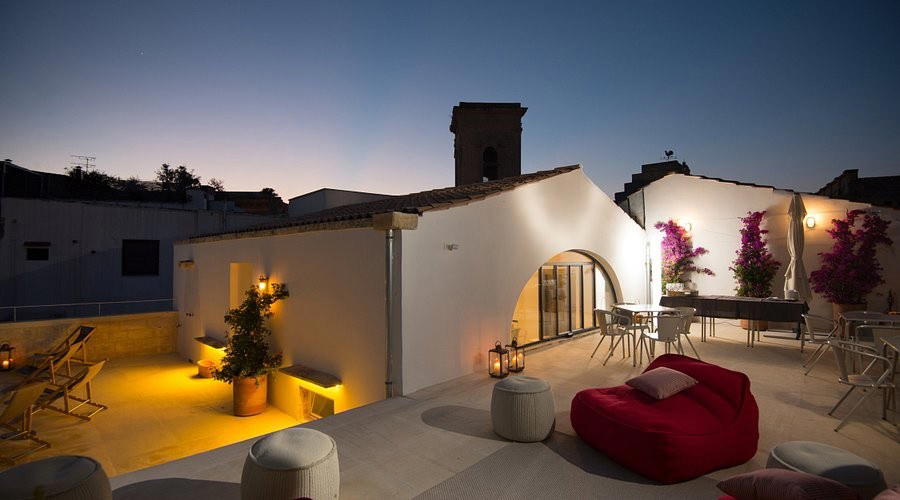
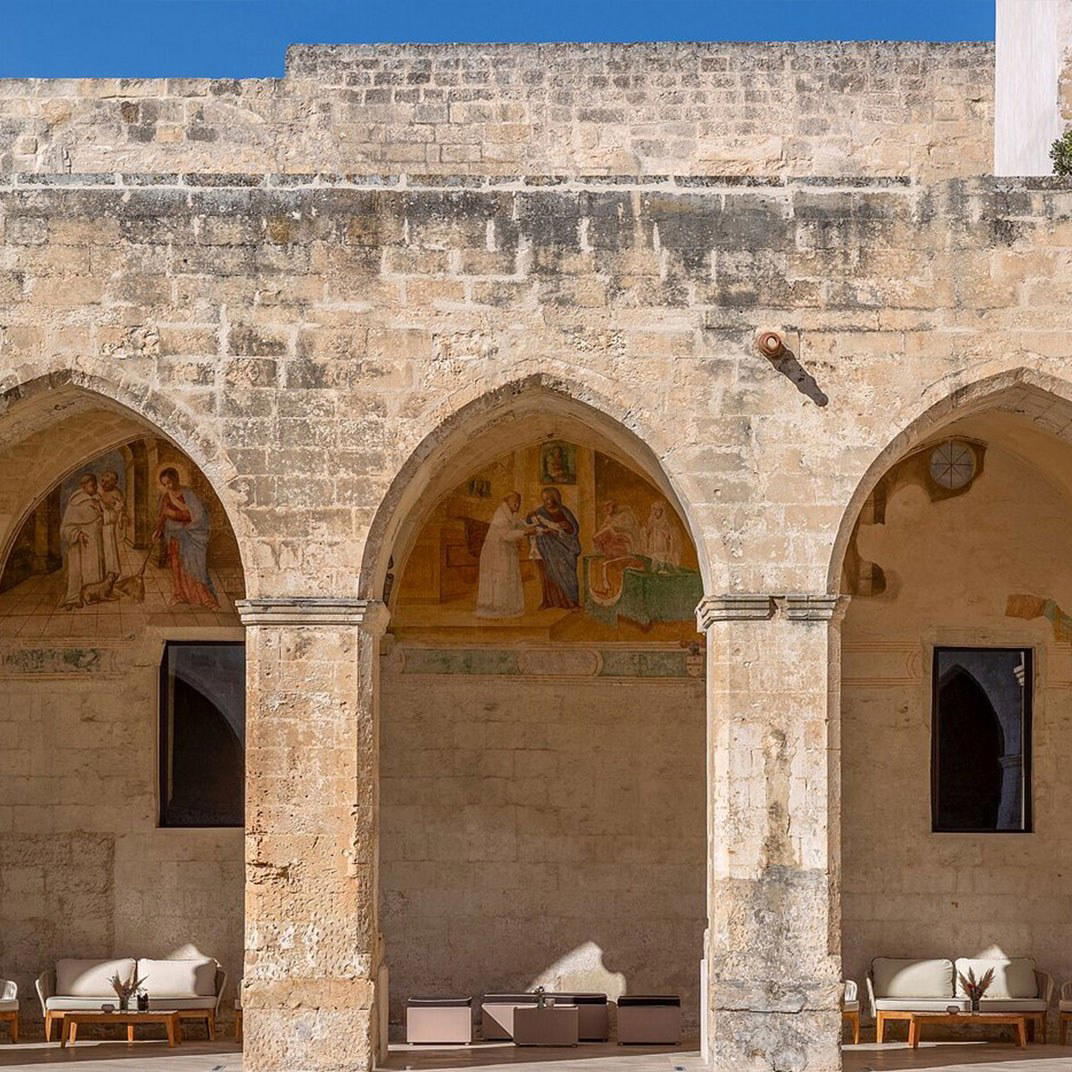
Hotels in Lecce
Browse all →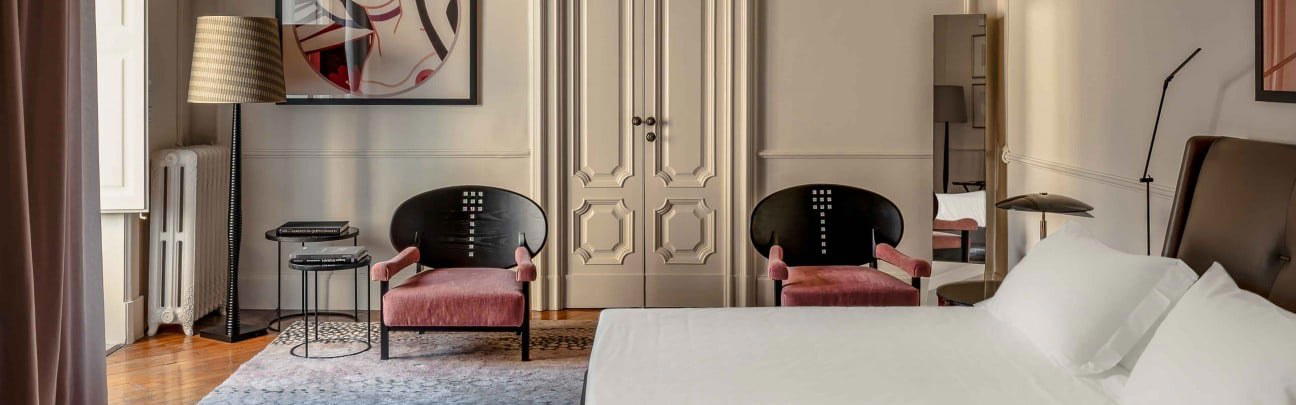
Bars in Lecce
Browse all →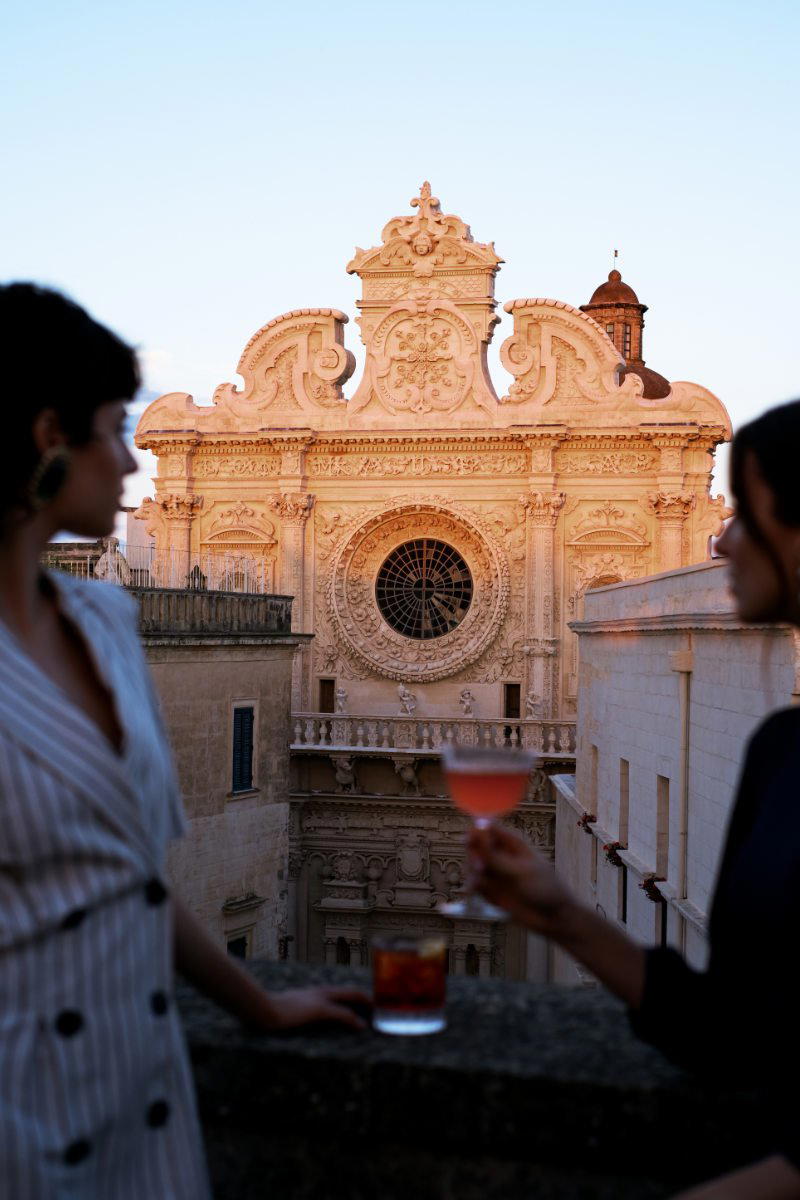
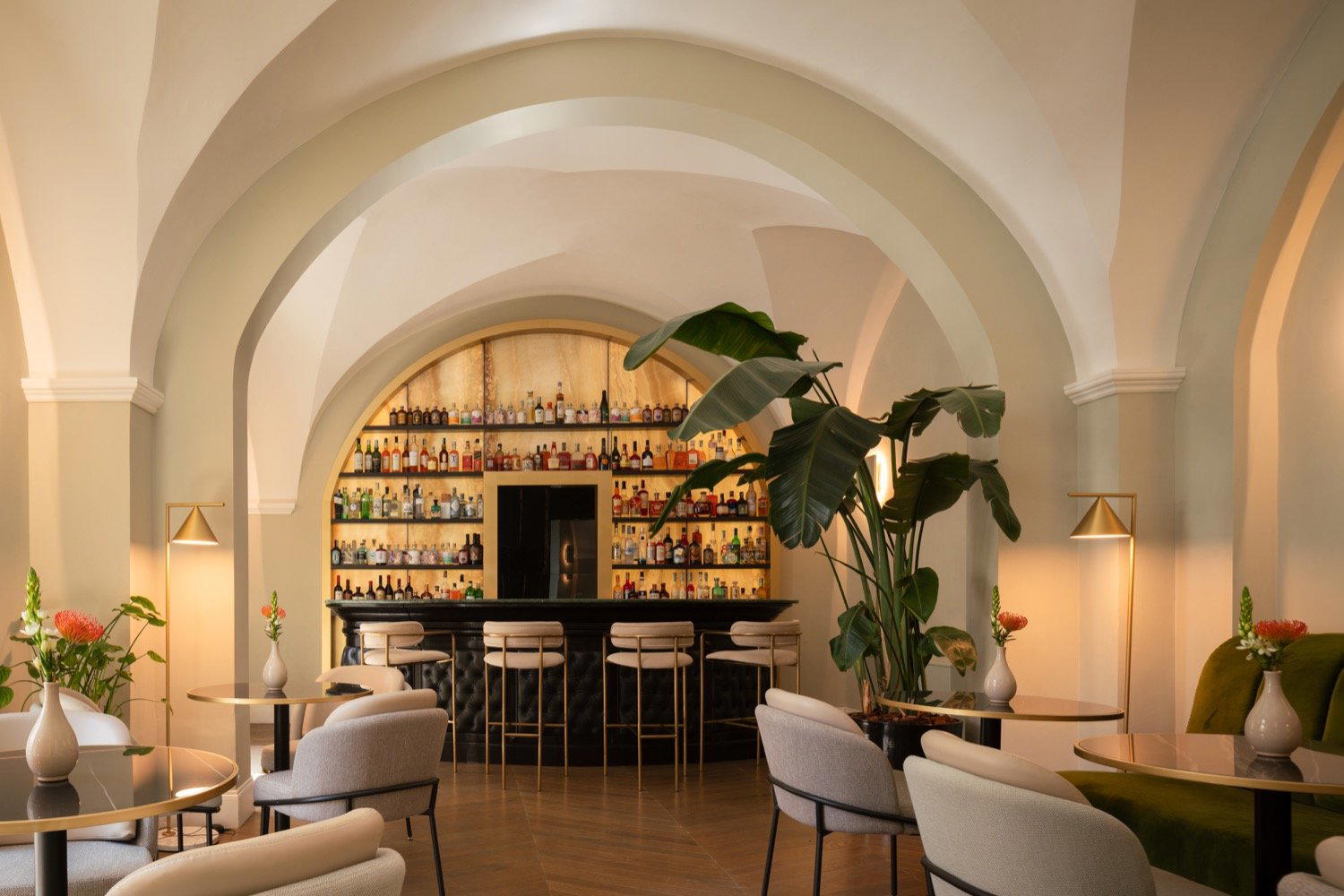
Restaurants in Lecce
Browse all →

At a Glance
- Romantic
- Elegant
- Quiet
- Sophisticated
- Intimate
- Romantic Getaway
- Honeymoon
- Anniversary
- Wellness Retreat
- Celebration
- Infinity Pool
- Garden
- Terrace
- Historic Building
- Design Destination
- Private Dining
- Wi Fi
- Pool
- Spa
- Room Service
- Concierge
- Restaurant
- Bar
- Bicycle Rental
- Airport Transfer
- EV Charging
- Garden
- Wi Fi
- Pool
- Spa
- Room Service
- Concierge
- Restaurant
- Bar
- Bicycle Rental
- Airport Transfer
- EV Charging
Serene and refined with vaulted ceilings and thick stone walls creating authentic historic charm, complemented by modern amenities, abundant natural light, and a tranquil garden setting with sculpture and lush landscaping.