Our verdict
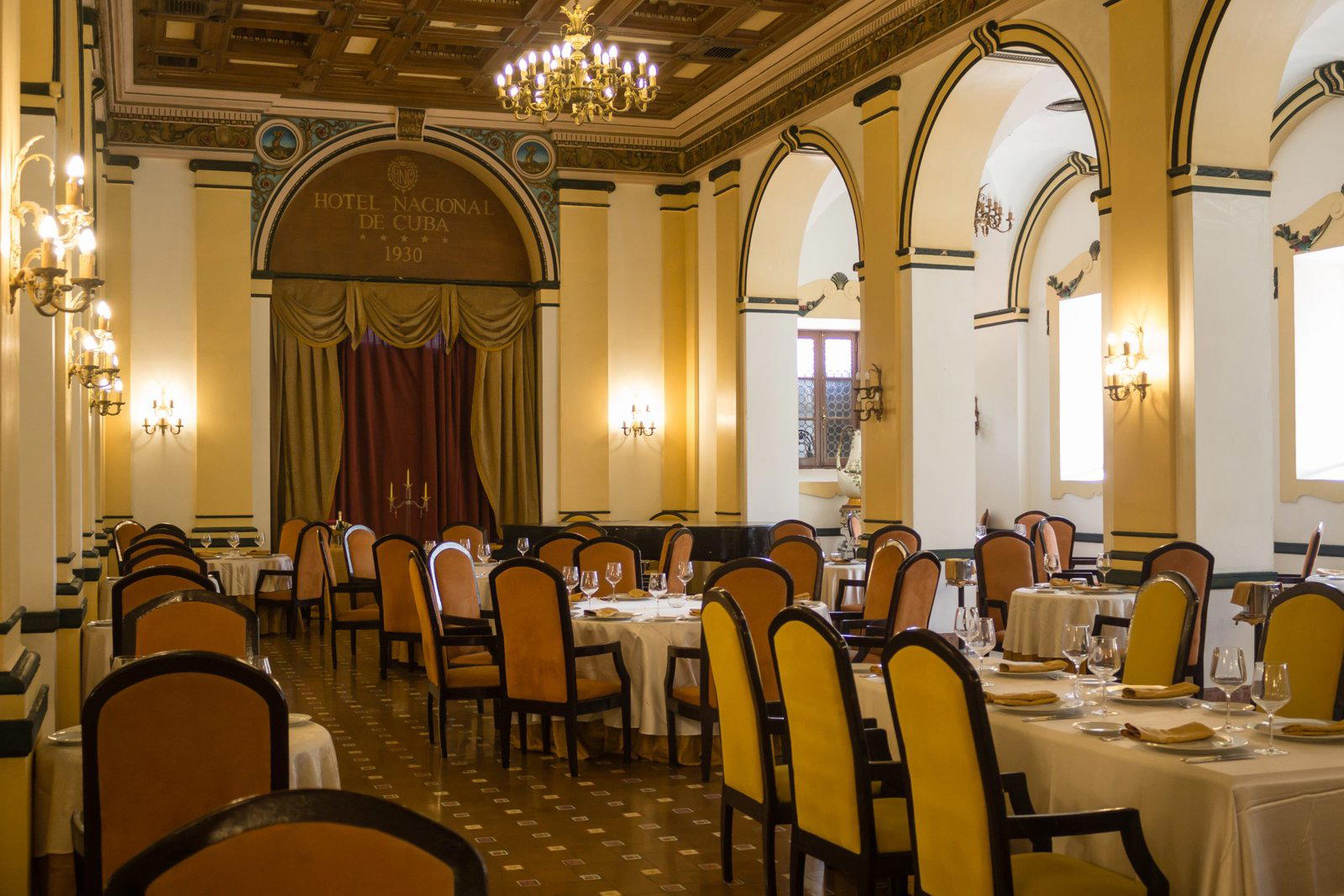
Comedor de Aguiar sits in Vedado, a Havana district where hotel dining, private kitchens, and state-run traditions overlap more visibly than in the restored old quarter. The draw is less about chef mythology than context: a lobby address in Plaza La Habana, useful for readers comparing Cuban dining formats across the city.

Pearl is the En Primeur Club membership app — saves, bookings, and concierge access live there. Same editors, same standards.
- Address
- Calle 21 y O, Vedado, Plaza La Habana, 10400, Cuba (lobby)
- Directions
- Get directions
The menu
What to order
- Rosas de Salmón Ahumado
- Langosta Hotel Nacional
- Chateaubriand con salsa bearnesa
Havana changes the rhythm of eating across the city. The streets, façades, and dining rooms can shift quickly from one area to the next, and the restaurant scene moves between hotel rooms, residential paladares, and long-running local addresses that reflect the city’s uneven supply chains. Comedor de Aguiar belongs to that side of the capital: a Havana restaurant where the room often matters as much as the plate.
Ingredient sourcing is the lens that makes Havana dining legible. Menus across the city are shaped by what can be bought consistently, what arrives through private channels, and what a kitchen can adapt when availability changes. That reality gives Cuban restaurants a different kind of discipline from cities built around stable luxury supply. A meal here is rarely about a long list of imported goods; it is about how a kitchen handles local staples, seasonal availability, and the pantry logic of an island city.
Havana dining is defined by supply, format, and city rhythm
Havana’s restaurant culture does not divide neatly into fine dining and casual dining. It runs through a mix of hotel dining rooms, family-run paladares, state-linked addresses, and newer private restaurants. The city adds another layer: cultural venues, apartment blocks, and hotels create settings that can feel steadier and less performative than the most photographed tourist corridors. That makes Havana useful for travellers who want dinner without turning every meal into a staged room shot.
Comedor de Aguiar’s setting places it within a practical Havana category: restaurants attached to larger buildings, where access, comfort, and predictability can carry weight. That does not make the food secondary. In Cuba, a kitchen’s choices are inseparable from logistics. Sourcing determines breadth, repetition, and substitution; readers should judge the experience with that in mind rather than expecting the menu architecture of Madrid, Mexico City, or Miami.
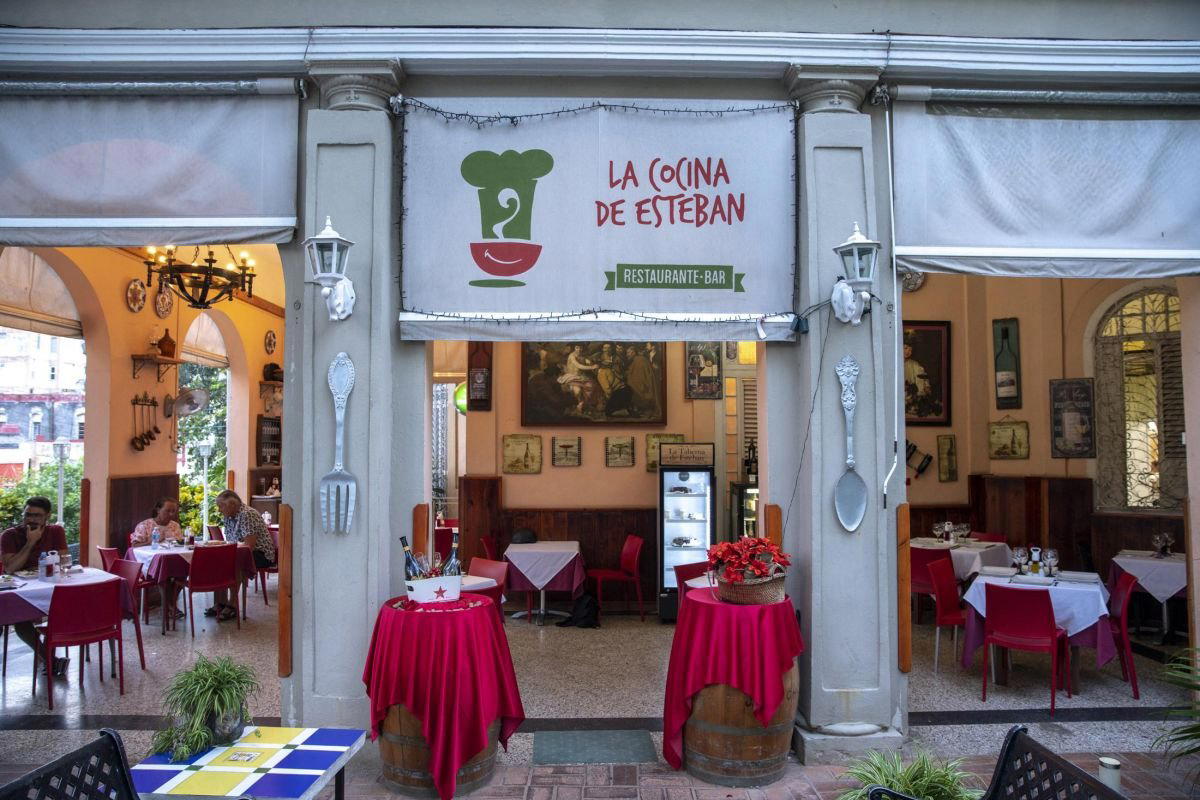
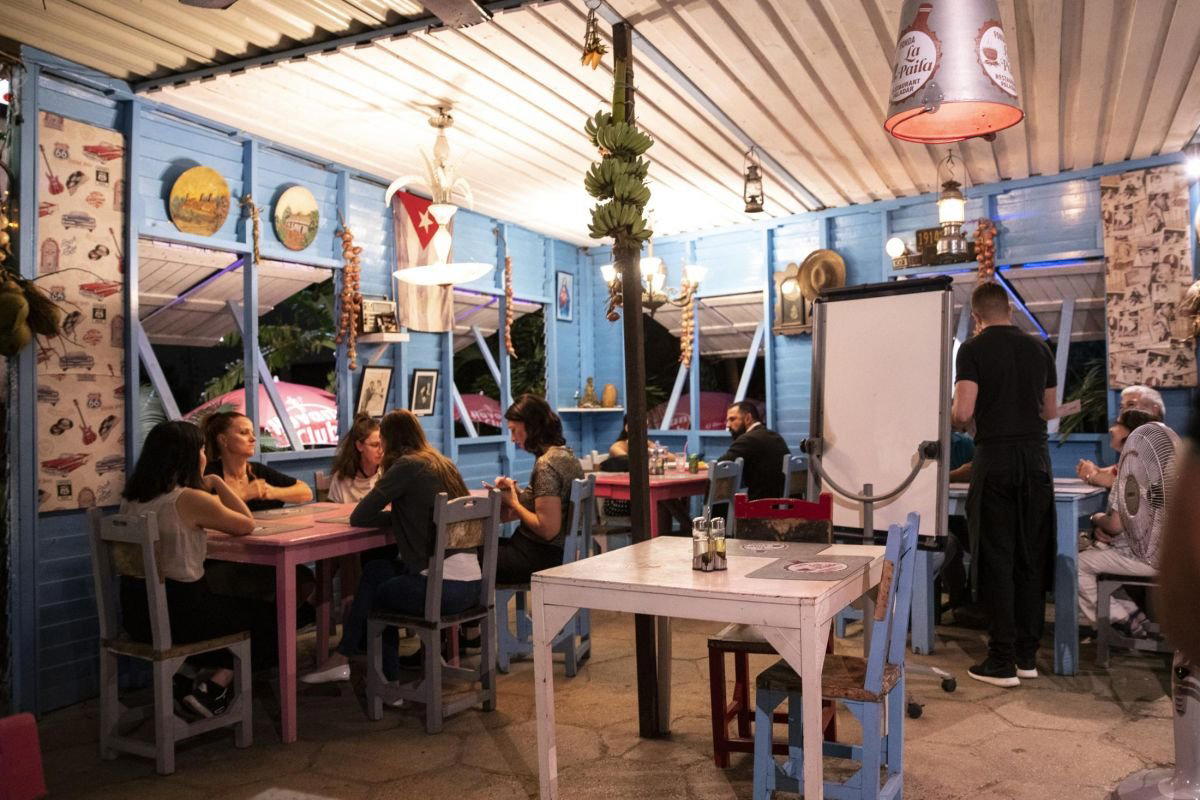
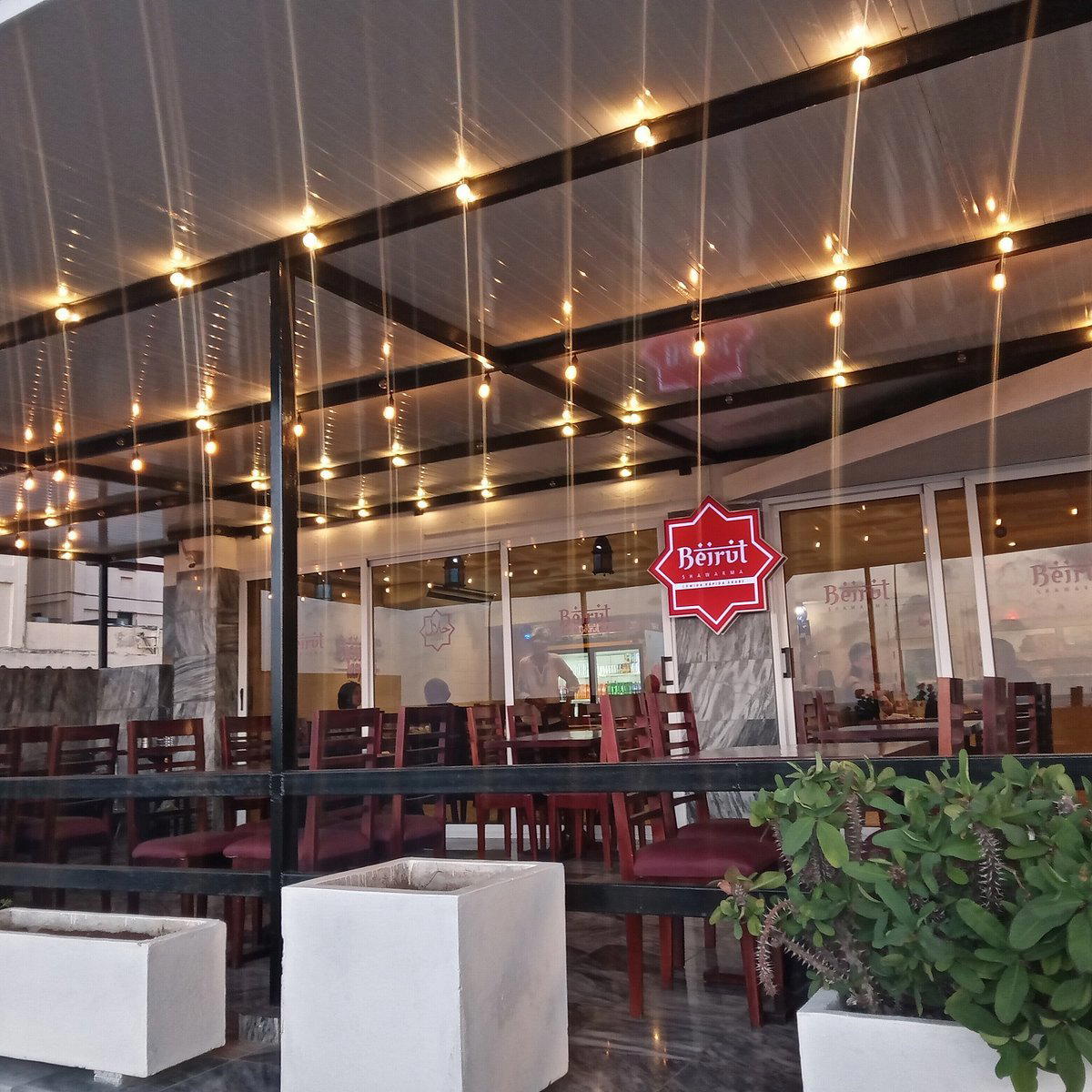
For comparison inside Havana, Beirut points to the city’s non-Cuban dining thread, while La Guarida represents one of the paladar models that many visitors use as a reference point. La Barraca, La Cocina de Esteban, and La Paila Fonda sit in the broader local conversation around Cuban cooking and setting, but the more useful distinction is format: a composed Havana dining room answers a different need from a destination paladar or a tightly packed counter.
The useful question is not luxury, but reliability
Havana rewards diners who separate atmosphere from certainty. Awards and chef-led tasting-menu language are not the only markers of value here; in many cases, the stronger signal is whether a restaurant fits the evening’s purpose. A family meal, a calm lunch, or a convenient dinner in Havana asks for a different address than a late-night bar crawl or a highly staged celebratory table.
That is where Comedor de Aguiar is easiest to understand. The restaurant anchors itself in Havana rather than in a more heavily trafficked tourist shorthand. The room is part of the proposition: this kind of dining tends to favour accessibility, spacing, and a more contained pace. For travellers building several meals across the capital, this kind of venue can balance more character-driven stops elsewhere in Havana.
The sourcing angle also changes expectations around signature dishes. In cities with stable premium distribution, signature plates often become fixed brand assets. In Havana, ingredient availability can make fixed expectations less useful. The smarter approach is to read the menu by category: local ingredients, Cuban staples, simple preparations, and dishes that show how the kitchen is working with what the market can support that week.
How to place it in a Havana itinerary
Comedor de Aguiar makes the most sense as part of a Havana day rather than as a cross-city pilgrimage. Pair it with cultural time in the city, or use it as a calmer meal between more crowded addresses. Travellers comparing options across the capital should start with our full Havana restaurants guide, then add category context from our full Havana hotels guide, our full Havana bars guide, our full Havana wineries guide, and our full Havana experiences guide.
For a broader Cuba route, the contrast is useful. Other dining rooms across the country may lean toward performance, resort service, heritage-city demand, or neighbourhood regulars. Those comparisons matter because Cuba is not a single dining scene. It is a set of local economies, each with different access to ingredients, labour, and travellers.
Readers using EP Club beyond Cuba may also find the contrast instructive: restaurants in other global cities operate in different supply systems altogether. Comedor de Aguiar is better read through Havana’s own constraints and habits: a city dining room, an island pantry, and a dining culture where logistics shape taste before style does.
Frequently asked questions
Does Comedor de Aguiar work for a family meal?
Yes. Its Havana setting makes it a straightforward choice for a shared meal, especially when convenience matters more than ceremony.
What's the vibe at Comedor de Aguiar?
It reads as composed Havana dining rather than destination-only dining. The setting gives it a practical, contained feel that fits a day in the city.
Where exactly is Comedor de Aguiar?
Comedor de Aguiar is located in Havana.
Do they take walk-ins at Comedor de Aguiar?
Those details are not published. Check the venue's official channels for the latest details.
What's the signature at Comedor de Aguiar?
No named signature is listed, so the defining feature is the setting itself: a Havana restaurant shaped by the city’s dining rhythm.
Side-by-Side Snapshot
Comparable venues by cuisine and price in the same metro.
| Venue | Cuisine | Price | Awards | Notes |
|---|---|---|---|---|
| Comedor de AguiarThis venue — the venue you are viewing | Luxury Cuban and international fine dining | Not listed | Not listed | Not listed |
| La Barraca | Traditional Cuban Creole | Not listed | Not listed | Not listed |
| La Cocina de Esteban | Cuban Caribbean with Spanish influences | $10–20 | Not listed | Not listed |
| La Paila Fonda | Authentic Cuban BBQ & Paladar | $10–20 | Diners, Drive-Ins and Dives Featured Restaurant | Not listed |
| La Guarida | Modern Caribbean | $30–50 | Not listed | Cuban |
| Beirut | Lebanese Fusion Rooftop | Not listed | Not listed | Not listed |
Continue exploring
More in Havana
Restaurants in Havana
Browse all →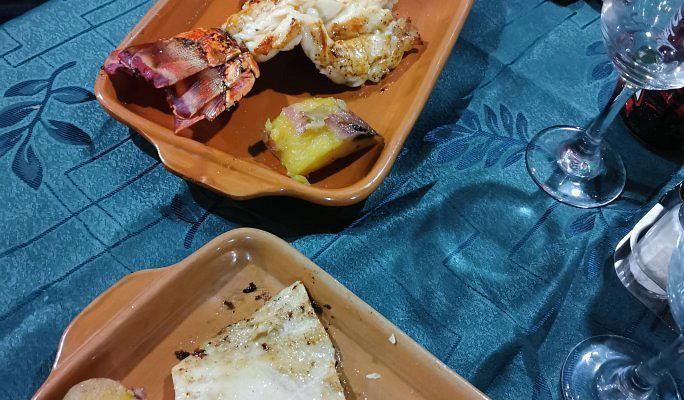
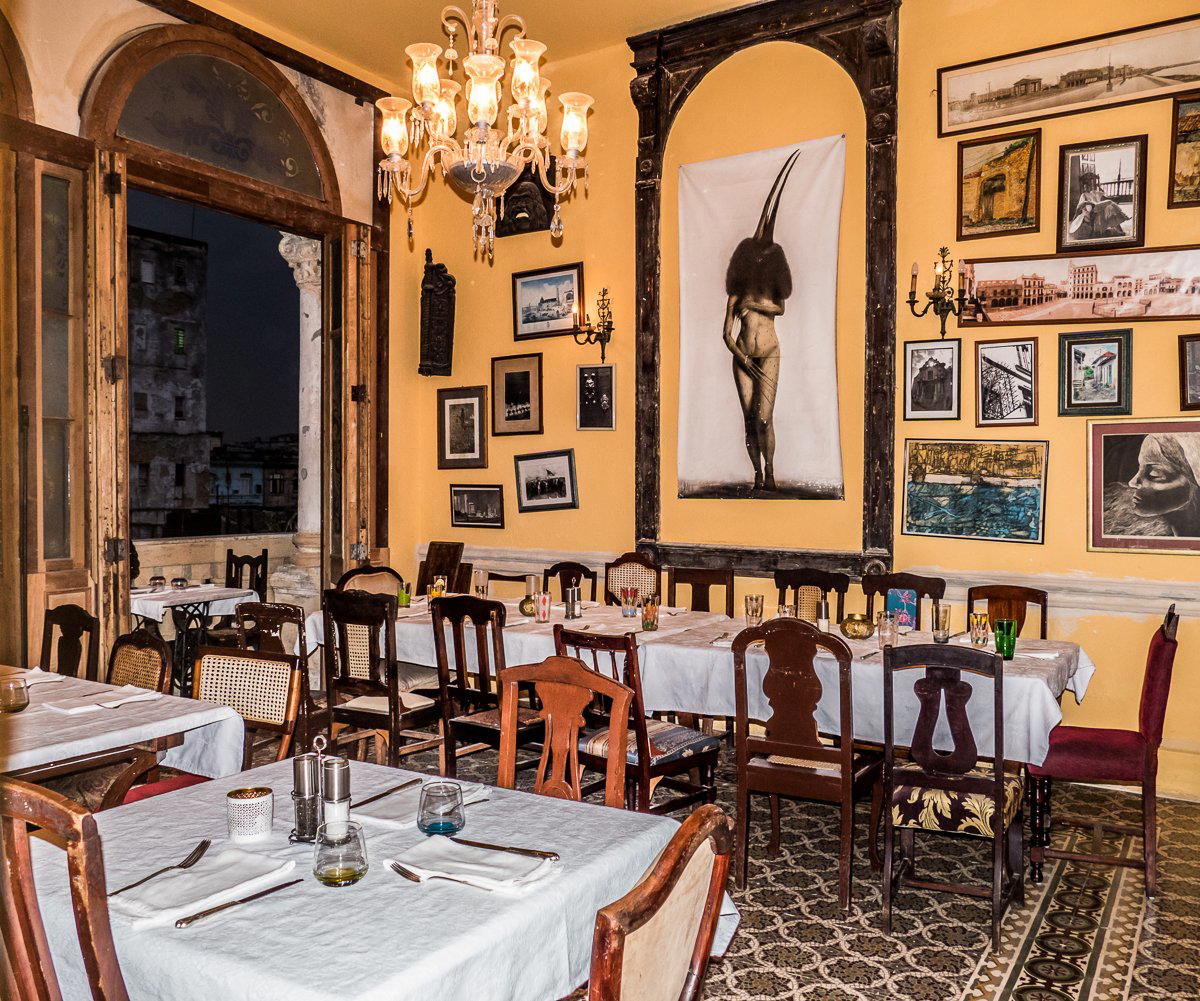
Bars in Havana
Browse all →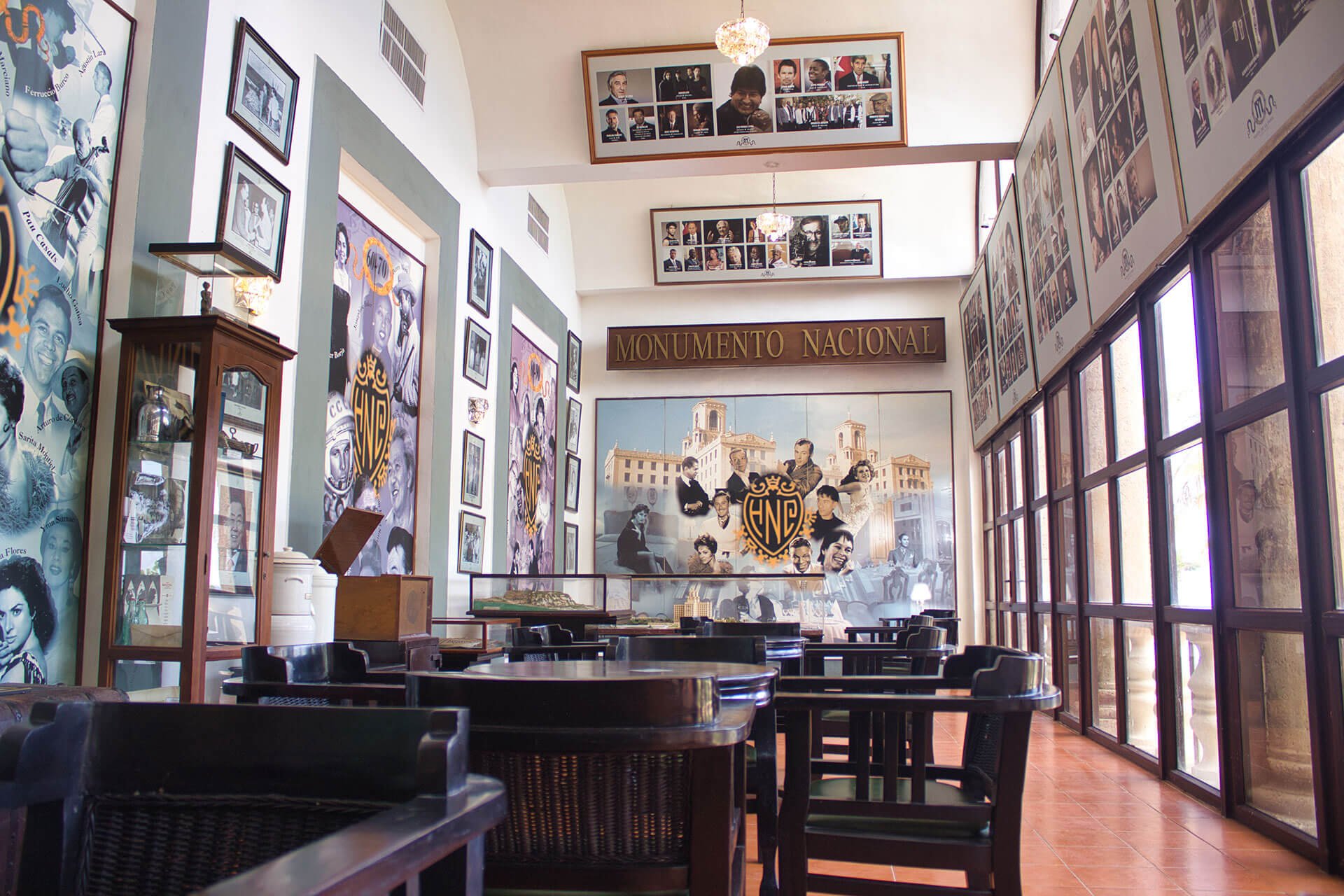


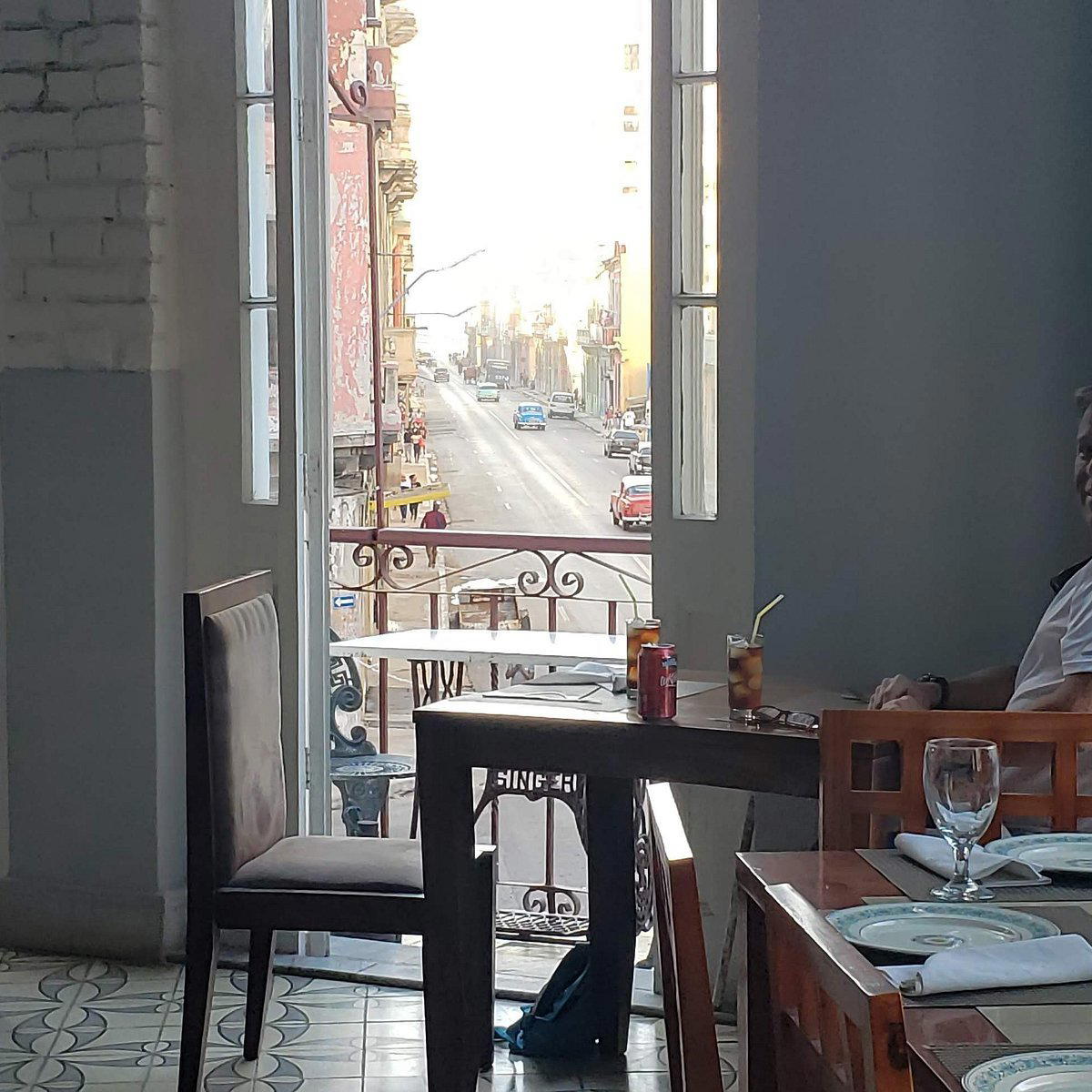
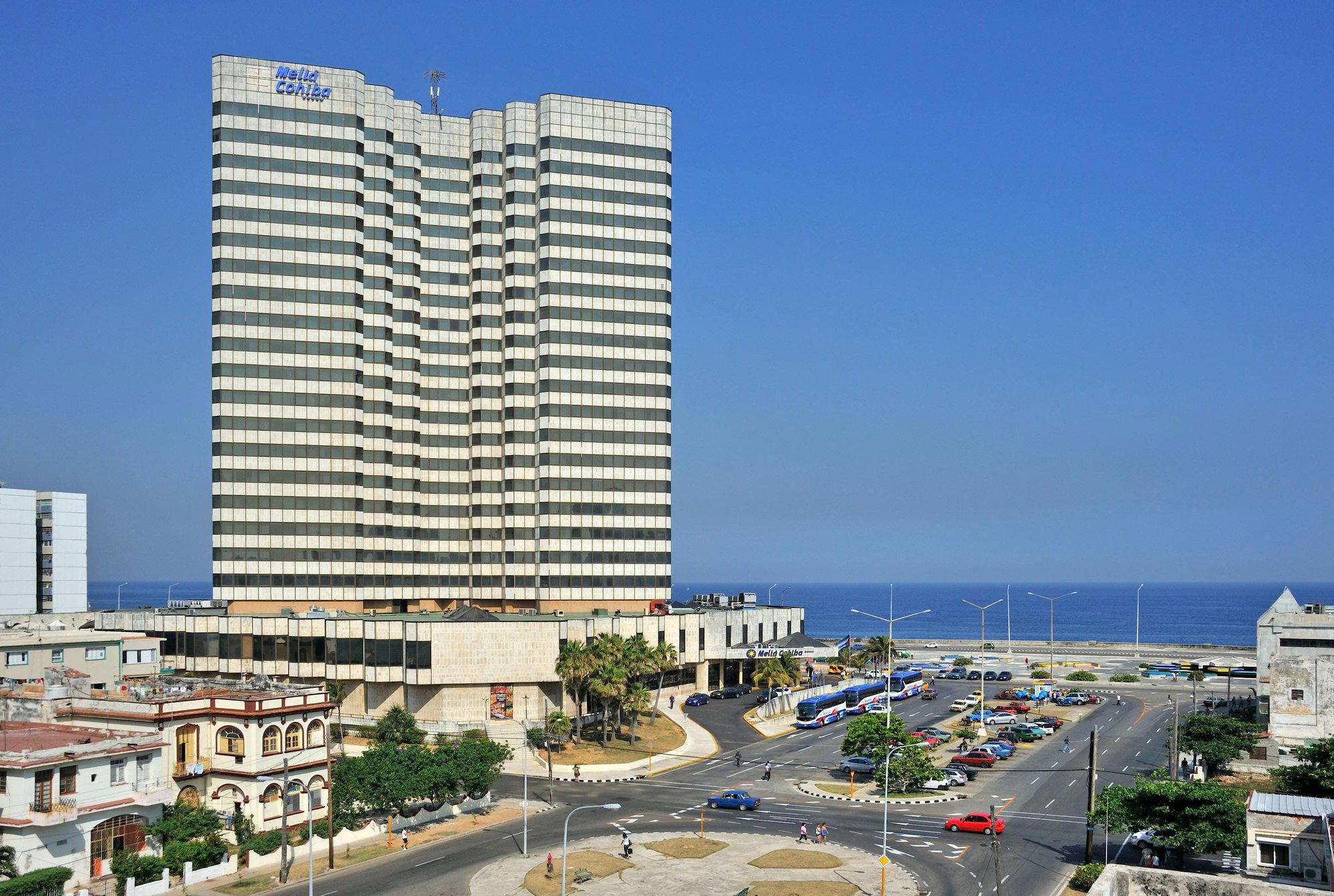
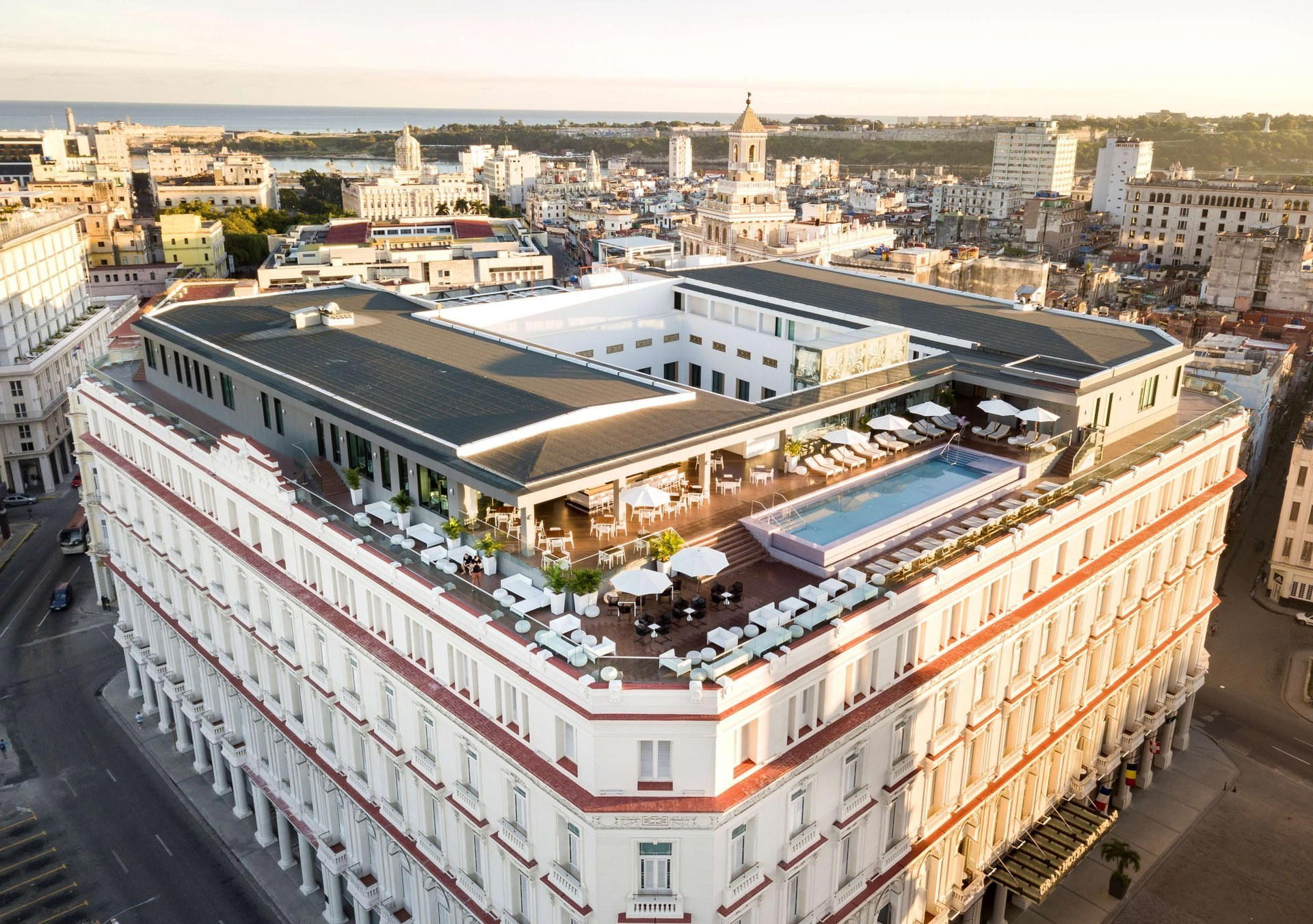
Hotels in Havana
Browse all →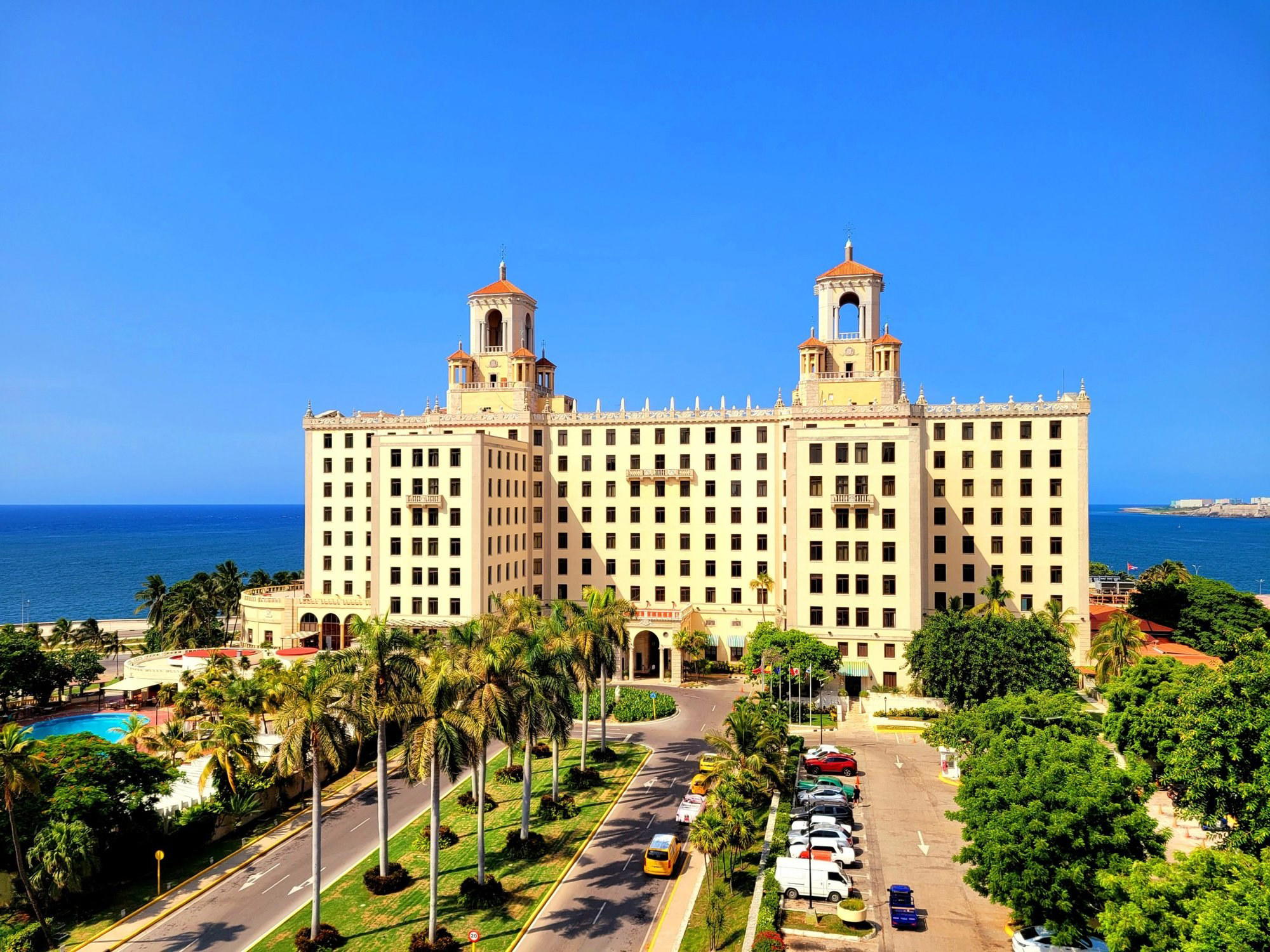
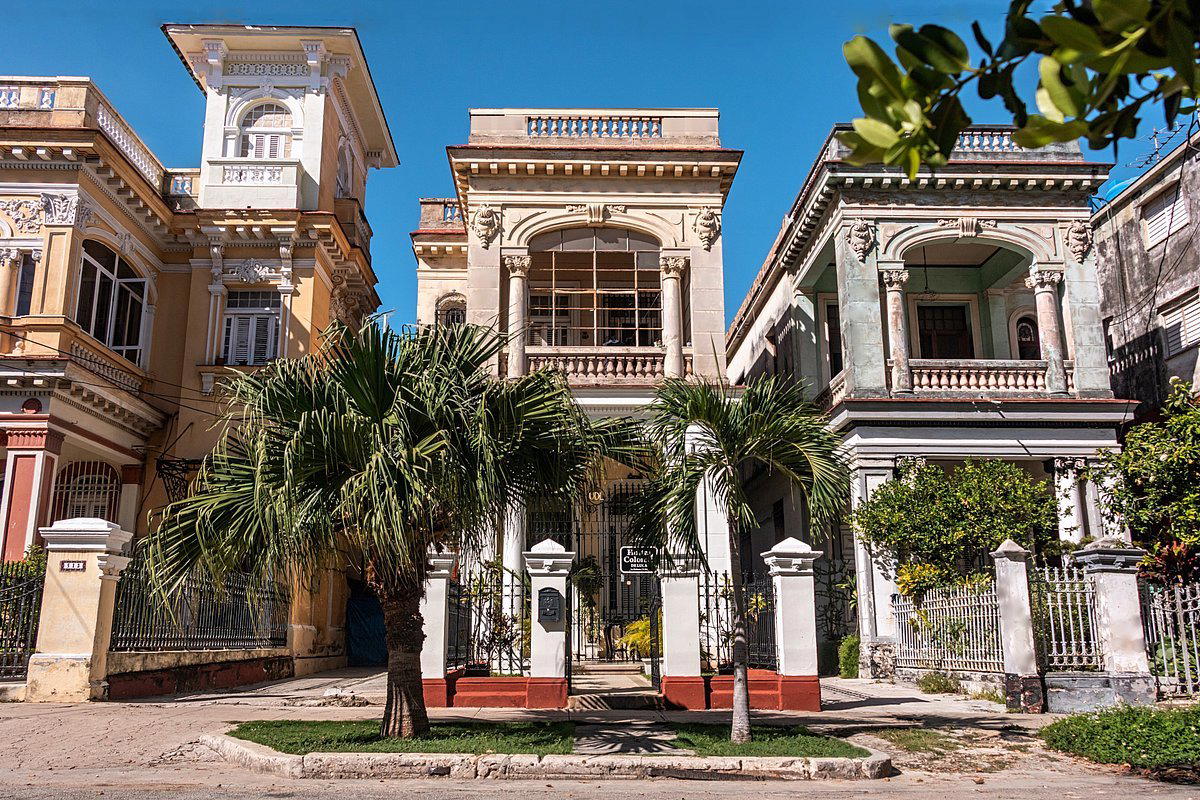
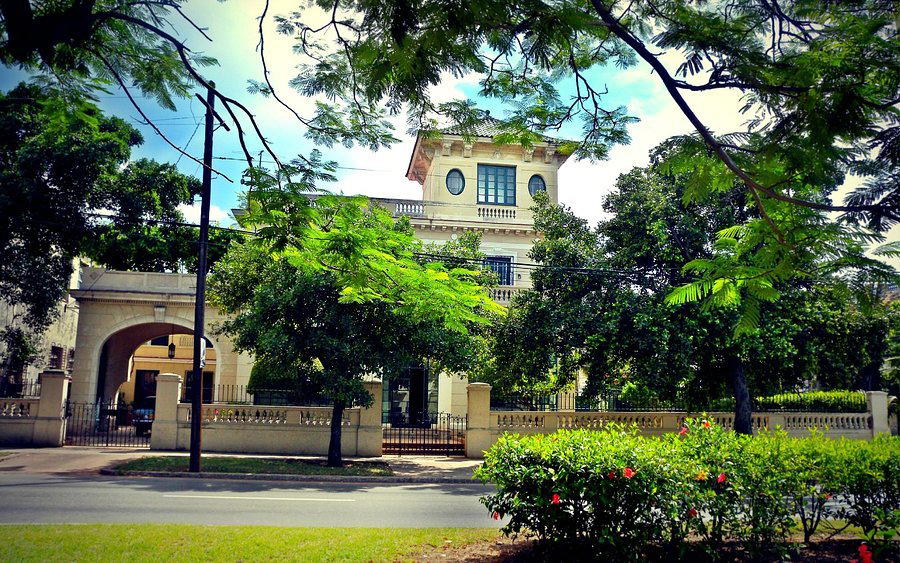
Wineries in Havana
Browse all →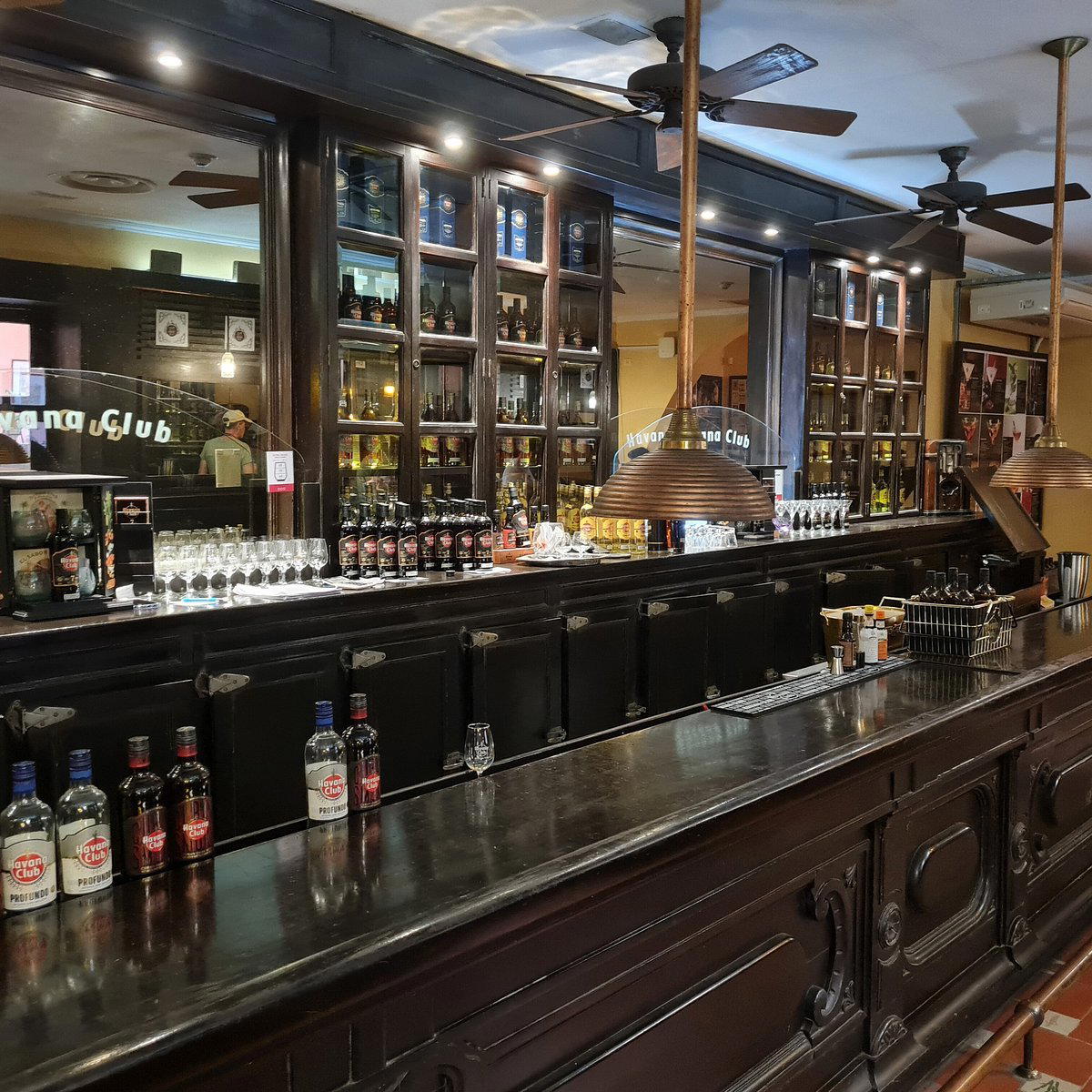
Comedor de Aguiar
The wine
- Wine program
- Exceptional wine program
- Extensive wine list
Details
- Elegant
- Classic
- Well Known
- Romantic
- Sophisticated
- Ornate
- Date Night
- Business Dinner
- Group Dining
- Celebration
- Special Occasion
- Private Event
- Wine Cellar
- Design Destination
- Hotel Restaurant
- Historic Building
- Private Dining
- Extensive Wine List
- A La Carte
- Wine
Formal, old-world dining room with high ceilings, ornate chandeliers and artistic interior design, combining classic hotel grandeur with live or background melodies for a refined, romantic atmosphere.