Google: 4.4 · 227 reviews
Carmo\u0027s Boutique Hotel

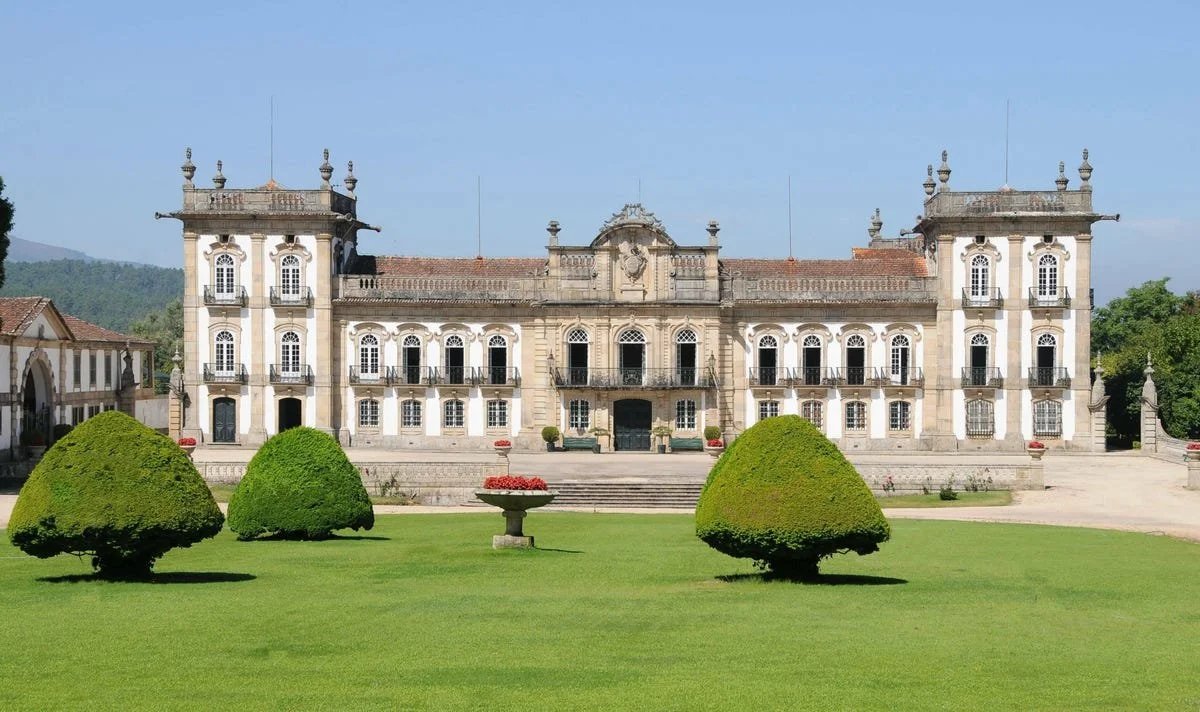
Carmo's Boutique Hotel sits in Gemieira, a rural parish just outside Ponte de Lima in Portugal's Minho region, and holds a place in the Michelin Selected Hotels 2025 list. The property occupies a converted stone building characteristic of northern Portugal's manor house tradition, placing it within a small cohort of intimate, design-conscious stays that position themselves against the region's agricultural heritage rather than its coastal resort circuit.
 Discover on Pearl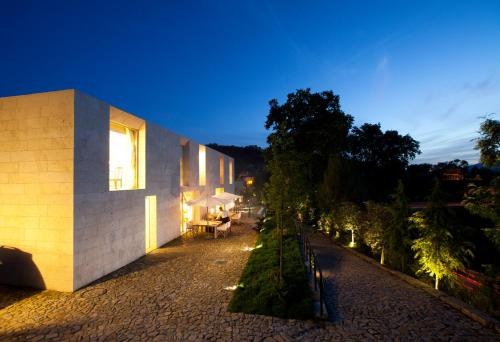
Stone, Silence, and the Minho Manor Tradition
The road into Gemieira, a quiet parish on the outskirts of Ponte de Lima, narrows gradually as granite field walls close in on either side. Arriving at Carmo's Boutique Hotel is less a check-in than a decompression: the stone facade absorbs afternoon light differently than rendered concrete, and the surrounding range of vine-draped pergolas and cultivated terraces sets an immediate register for what the stay will ask of you. That register is one of slowness, of architecture that resists the impulse to signal luxury through volume or spectacle.
Northern Portugal has long maintained a hotel typology that the rest of Europe periodically rediscovers: the converted manor house, or solar, where centuries of domestic history are legible in doorways, floor levels, and the thickness of walls. Ponte de Lima sits at the centre of this tradition. The town is one of Portugal's oldest, its weekly market predating the foundation of the nation itself, and the surrounding parishes are dense with solares and quintas that once housed the Minho's landed families. The more considered boutique conversions in this area work with that inherited architecture rather than against it, retaining structural idiosyncrasies that would be smoothed away in a new-build.
Design Logic in a Converted Building
The architectural argument made by properties in this category, of which Carmo's Boutique Hotel is a current example, rests on constraint as a design value. Thick granite walls dictate room proportions. Existing window positions determine how light enters and where furniture can sit. The result is a spatial experience that larger properties cannot replicate by choice: you are inside a building that was made to last centuries, and that fact is present in every ceiling height and stone reveal.
The Michelin Selected Hotels programme, which included Carmo's Boutique Hotel in its 2025 edition, applies a filtering standard that goes beyond bedroom count or spa square footage. The selection rewards character, quality of welcome, and a sense of place that connects the stay to its specific location. In the Minho, that connection is architectural before it is anything else. The valley's vernacular building materials, granite, schist, terracotta, carry a regional identity that no imported design vocabulary can reproduce. Properties that lean into this rather than papering over it tend to occupy a distinct tier in terms of how the stay is remembered.
Portugal's boutique hotel segment has diversified considerably over the past decade. The Algarve anchors one end, with large-footprint resort properties such as Conrad Algarve and the beach-club formats of Dunas Douradas Beach Club in Almancil. At the other end, northern Portugal and the Douro Valley have generated a cohort of smaller, conversion-led properties that prioritise setting and material authenticity. Ventozelo Hotel & Quinta in Ervedosa do Douro and Vidago Palace in Norte sit within this northern Portuguese arc, each making a different argument about how heritage architecture and contemporary hospitality coexist. Carmo's operates at the more intimate end of that spectrum, with a parish-level address that places it well outside any urban hotel circuit.
Ponte de Lima as Context
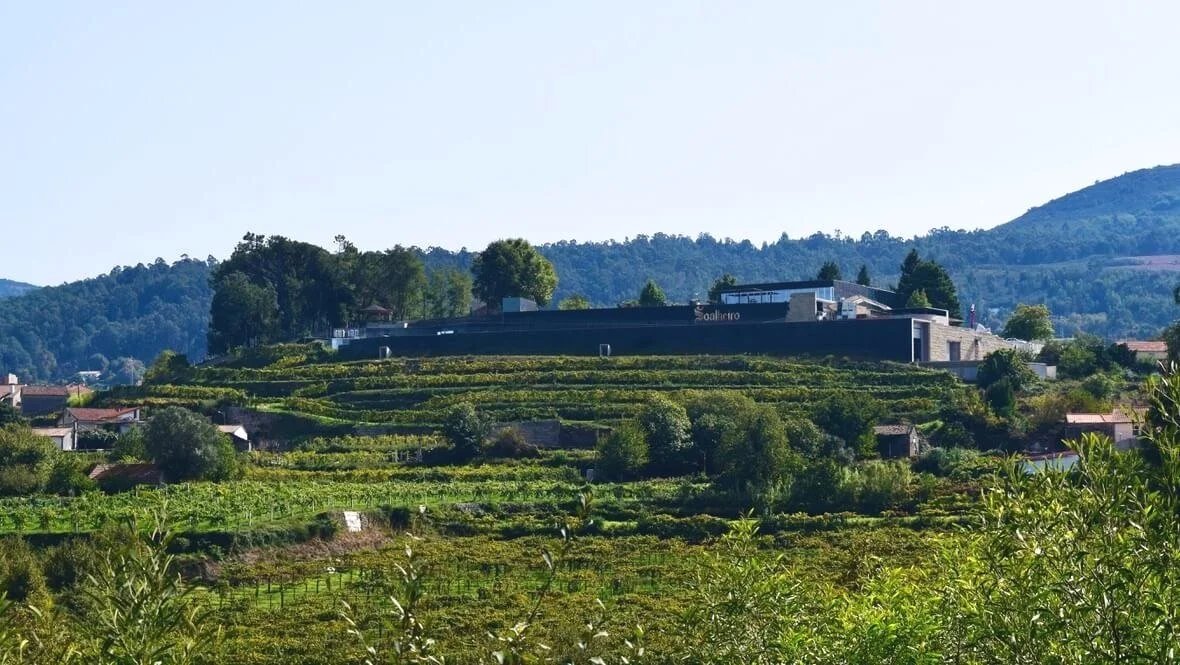
Understanding what Carmo's Boutique Hotel offers requires understanding what Ponte de Lima is. The town sits on the Lima river in the Viana do Castelo district, roughly an hour north of Porto by car. Its claim to Portugal's oldest town is tied to a royal charter from 1125, and the market held on alternate Mondays along the riverbank has been running in some form since before that. The surrounding countryside, designated as part of the Peneda-Gerês hinterland, produces Vinho Verde under the Lima sub-region designation, meaning the local wine is not background detail but a product of the same terroir the hotel occupies.
For travellers arriving from Porto, the approach via the A28 and then smaller regional roads gives a clear sense of how quickly the urban centre gives way to working agricultural landscape. This is not scenic countryside preserved for tourism; it is a region where viticulture, dairy farming, and market gardening remain active parts of the economy, and where the built environment reflects that continuity. A stay in Gemieira, rather than in Ponte de Lima's historic centre, places the traveller inside that landscape rather than adjacent to it.
The northern Portuguese boutique scene is well-served by Michelin's hotel programme, which in 2025 recognised properties across Porto, the Douro, the Minho, and Trás-os-Montes. The Lince Braga occupies the city end of the regional spectrum; Carmo's sits at the rural, deeply local end. Both carry the 2025 Michelin Selected designation, which suggests the programme is mapping a range of experiences rather than a single type.
Elsewhere in Portugal, the conversion-led approach takes different forms depending on the architectural stock available. MS Collection Aveiro - Palacete Valdemouro and Palacete Severo in Porto both work within urban palacete typologies, where the conversion challenge is about density and street presence. Hotel Casa Palmela in Setubal brings a southern estate character to the same category. The Minho variant, which Carmo's represents, is shaped by rural granite construction and the specific silence of a valley that has no reason to be loud.
Planning a Stay
Carmo's Boutique Hotel is addressed at Rua Santiago da Gemieira, nº 10, Gemieira, placing it in a rural parish rather than on Ponte de Lima's main tourist circuit. Travellers should plan on having a car for the duration: the parish is not walkable to town amenities, and the surrounding area is leading explored by road. The Michelin Selected designation in 2025 gives a useful quality benchmark without prescribing the exact format of the stay, but properties in this category in the Minho tend toward the quieter, more self-contained end of the boutique spectrum. Booking directly through the property or via the Michelin hotels portal is the recommended approach given the limited scale of stays in this tier.
For those building a wider northern Portugal itinerary, Ponte de Lima makes a plausible base for day trips toward Viana do Castelo on the coast, the national park to the east, and the river towns of the Lima valley. See our full Ponte de Lima restaurants guide for dining context in the area.
At-a-Glance Comparison
These are the closest comparables we have in our database for quick context.
Continue exploring
More in Ponte de Lima
Hotels in Ponte de Lima
Browse all →
Restaurants in Ponte de Lima
Browse all →
Wineries in Ponte de Lima
Browse all →
At a Glance
- Romantic
- Quiet
- Elegant
- Intimate
- Scenic
- Cozy
- Romantic Getaway
- Honeymoon
- Wellness Retreat
- Weekend Escape
- Garden
- Terrace
- Wifi
- Pool
- Spa
- Restaurant
- Parking
- Sauna
- Massage
- Garden
Tranquil and homely atmosphere with tasteful modern-classic decor, bright romantic rooms, and relaxing spa lighting.