Hotel FeelViana sits in Cabedelo, the narrow sand-spit district across the Lima estuary from Viana do Castelo, where the river meets the Atlantic. The address places it at a geographic intersection that few properties in northern Portugal can match, trading city-centre proximity for direct contact with dune landscape and open water. For travellers arriving via Porto or the A28 corridor, it reads as a deliberate escape from the Minho's more trafficked routes.
Pearl is the En Primeur Club membership app — saves, bookings, and concierge access live there. Same editors, same standards.
- Address
- Rua Brás de Abreu Soares 222, Cabedelo, 4935-159 Viana do Castelo, Portugal
- Phone
- +351 258 330 330
- Website
- feelviana.com
- Directions
- Get directions
 Saves & bookings on Pearl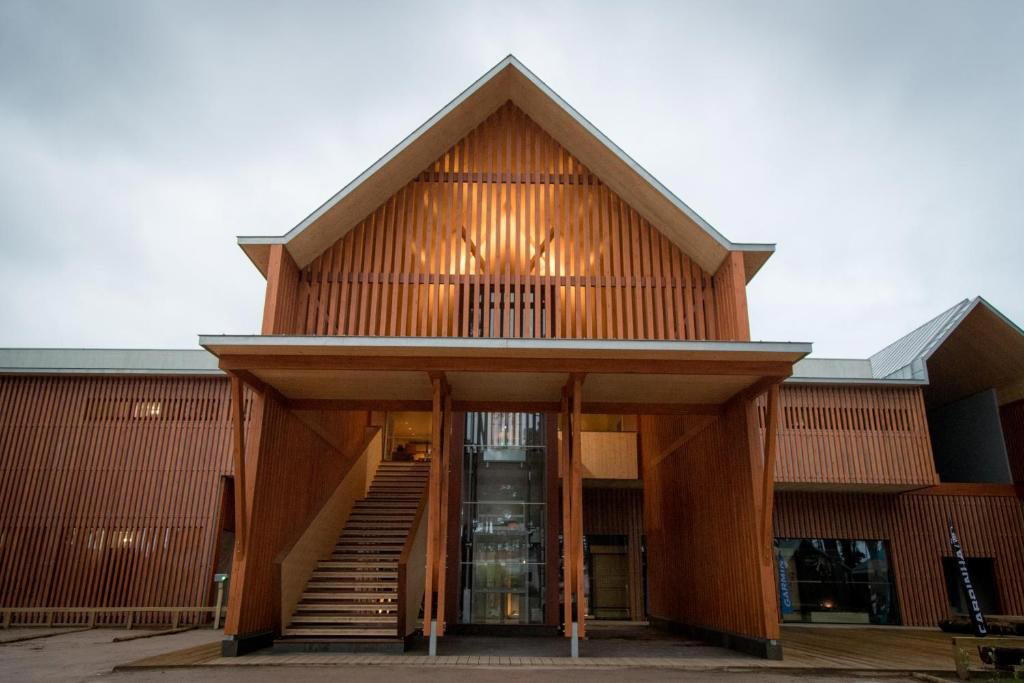
Hotel FeelViana is a 4-star hotel in Viana do Castelo, Portugal.
The stretch of coast where the Lima River pushes into the Atlantic at Viana do Castelo represents one of Portugal's most overlooked hospitality zones. Darque sits on the southern bank of that estuary, a quieter address than Viana's historic centre across the water, but one with direct access to Cabedelo beach, one of the longest and least developed Atlantic-facing strands in the Minho region. Hotel FeelViana, addressed at Rua Brás de Abreu Soares 222 in Cabedelo, occupies a position that places it at the edge of that beach corridor, where the landscape shifts from fishing harbour to open dune. For Portuguese design-led hotels in the north, that kind of site is a significant asset: the Minho coast has not been subject to the resort-dense development that characterises the Algarve, and properties here tend to define themselves through their relationship with terrain rather than amenity stack.
Design Logic on the Northern Coast
Northern Portugal's hotel design tradition sits between two poles. On one side, historic manor houses and quintas, properties like Carmo's Boutique Hotel in Ponte de Lima or Casa da Calçada in Amarante, draw authority from stone walls and centuries of occupancy. On the other, a newer generation of coastal and countryside properties takes a cleaner architectural line, using local materials and orientation toward water or hills as their primary design statement. Hotel FeelViana belongs to the second category by geography and name. The "Feel" prefix has become a recognisable branding convention in Portuguese lifestyle hospitality, typically signalling a sensory and experiential emphasis rather than a heritage or grandeur pitch.
What distinguishes design-led Atlantic-facing properties in this part of Portugal is the challenge of building something that holds up against an elemental setting. The Minho coast is windier and greyer than the south for a significant portion of the year, and interiors that perform well in Algarve sunshine, all whitewash and terracotta, require rethinking for a northern light that is cooler and more lateral. Properties in this tier tend to prioritise materials that age well under salt air: concrete, weathered timber, natural stone, glass that frames rather than excludes the exterior.
For comparison with properties that have committed to a strong design identity as their primary market differentiator, see Hotel Britania Art Deco in Lisbon, where a specific architectural period defines every design choice, or Ventozelo Hotel and Quinta in Ervedosa do Douro, where the quinta format creates a self-contained aesthetic logic. Further south, Bela Vista Hotel and Spa in Praia da Rocha and Anantara Vilamoura Algarve Resort in Quarteira represent the Algarve's premium coastal tier, a useful benchmark for how northern properties position against a better-established resort market.
The Cabedelo Address and What It Implies
Cabedelo is not Viana do Castelo's commercial or cultural centre. The town's azulejo-tiled facade, the basilica on Monte de Santa Luzia above the river, the covered market, the CCCI cultural centre: all of these sit north of the Lima, a short crossing by ferry or a longer loop by road. Staying in Cabedelo means accepting that distance from urban amenity in exchange for immediate beach access and a quieter rhythm. That trade-off is well understood in northern Portuguese hospitality: rural and coastal properties here draw guests who have already decided that proximity to terrain matters more than proximity to restaurants and nightlife.
The Minho region around Viana do Castelo produces its own Vinho Verde, characterised by high acidity and low alcohol, and the local seafood, particularly percebes (barnacles), fresh sardines, and bacalhau prepared in dozens of configurations, is a consistent draw for visitors who treat the north as a food destination rather than a beach destination. For guests who want a property where wine region identity is built into the guest experience at the site level, Douro Valley Casa Vale do Douro in Cambres or Q.ta da Corte in Valença do Douro offer that more explicitly within the Douro appellation.
Minho Against the Broader Portuguese Hotel Map
Portugal's premium independent hotel sector has expanded considerably in the past decade, with new properties opening across the Alentejo coast, the Douro, and the Algarve interior. The Minho remains less saturated at the leading end, which means fewer peer properties but also a smaller pool of guests who specifically seek out that region for a luxury or design-led stay. Properties like M Maison Particulière Porto pull design-conscious travellers into the city axis, while rural retreats in the Green Wine country serve a more specialist audience. Hotel FeelViana's Cabedelo address places it in a gap in that market, servicing guests who want Atlantic coast access in the north without the scale of an Algarve resort. For reference on what mid-to-large resort formats look like at the other end of the country, see Masana Algarve in Albufeira or 3HB Faro in Faro.
Internationally, design hotels that trade on a strong environmental relationship, sea-facing orientation, limited scale, and material authenticity find their reference points in properties like Aman Venice, where the architecture and site are inseparable from the stay proposition. The hotel is operating at a different scale and in a different category context, but the editorial question for any Atlantic-facing design property is the same: does the building justify the site, or does the site carry the building?
Planning a Stay
The hotel sits in Cabedelo, reachable from Viana do Castelo via the ferry crossing from the town centre, which takes around ten minutes and runs regularly during the day, or by road via the N13. Viana do Castelo itself is approximately 70 kilometres north of Braga, making it accessible from Francisco Sá Carneiro Airport in Porto in around an hour by car. The beach at Cabedelo is one of the Minho's primary summer draws, which places July and August as one competitive booking window. The shoulder months of May, June, and September offer more moderate Atlantic weather and fewer visitors. Guests seeking similar coastal stays elsewhere in Portugal can reference Villa Epicurea in Sesimbra, Casa Mãe Hotel in Lagos, or Craveiral Farmhouse in São Teotônio for comparable beach-adjacent formats with more detailed data available.
A Quick Peer Check
Comparable venues nearby, for context on price, style, and recognition.
| Venue | Cuisine | Price | Awards | Notes |
|---|---|---|---|---|
| Hotel FeelVianaThis venue — the venue you are viewing | Sustainable sport hotel with wooden architecture blending into pine forest. | $$$ | 4-Star | Not listed |
| Casa Amor Olhão | Restored 19th-century Algarve townhouse blending history and contemporary elegance. | $$$ | 4-Star | historic centre |
| Lisbon Cheese & Wine Suites | Boutique guesthouse with handmade hospitality in trendy districts | $$$ | 4-Star | Santos |
| The Lisbonaire Apartments | Boutique serviced apartments in renovated 1960s building | $$$ | 4-Star | Baixa |
| Casa do Conto | Renovated 19th-century bourgeois townhouse blending heritage architecture with contemporary arts residence concept. | $$$ | 4-Star | Cedofeita |
| ROSA ET AL | 19th-century townhouse sensitively renovated into an exclusive boutique stay | $$$ | 4-Star | Cedofeita |
Continue exploring
More in Darque
Hotels in Darque
Browse all →
Bars in Darque
Browse all →

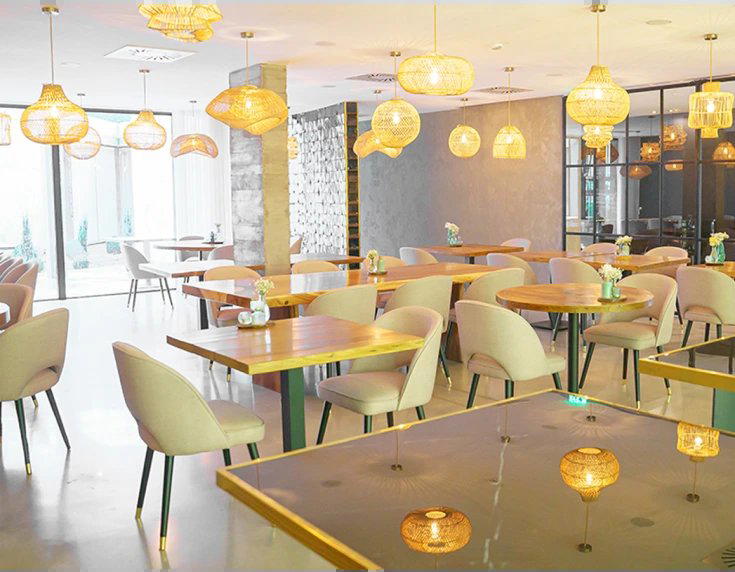
Restaurants in Darque
Browse all →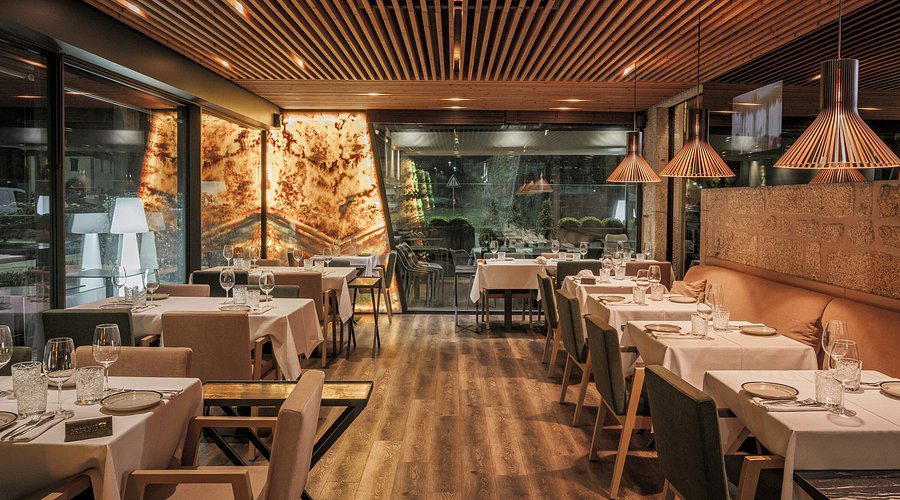
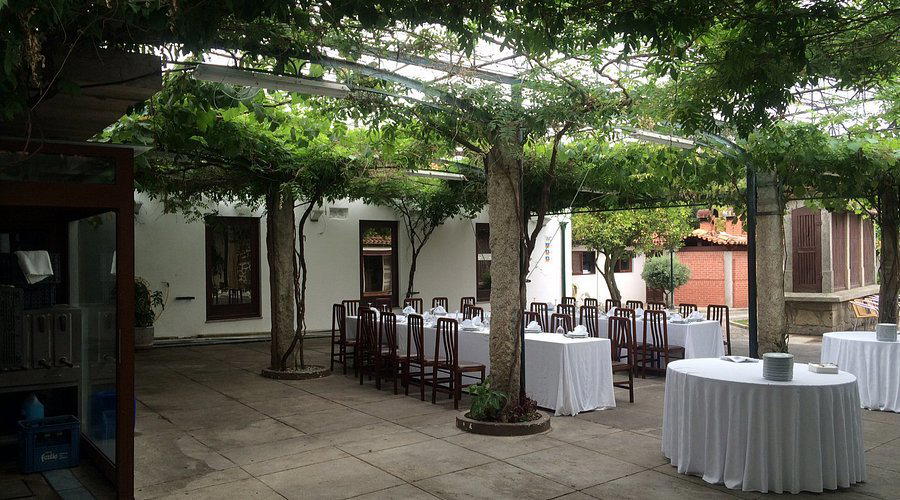
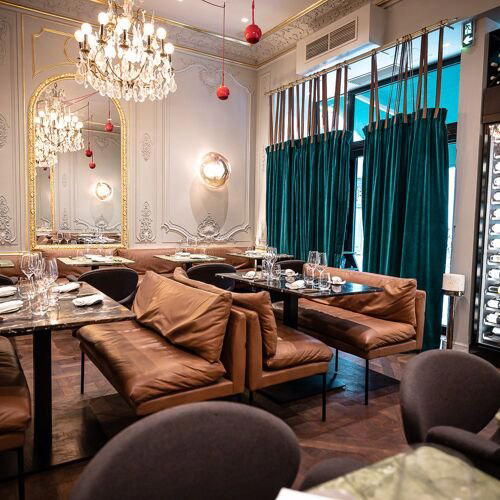
At a Glance
- Modern
- Scenic
- Family Vacation
- Weekend Escape
- Beachfront
- Terrace
- Pool
- Indoor Pool
- Outdoor Pool
- Spa
- Fitness Center
- Wi Fi
- Pool
- Indoor Pool
- Outdoor Pool
- Spa
- Fitness Center
- Wi Fi
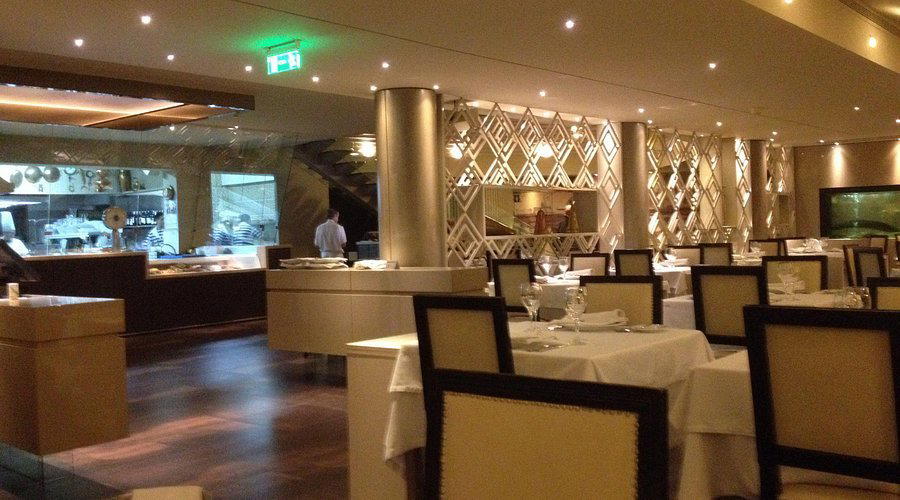
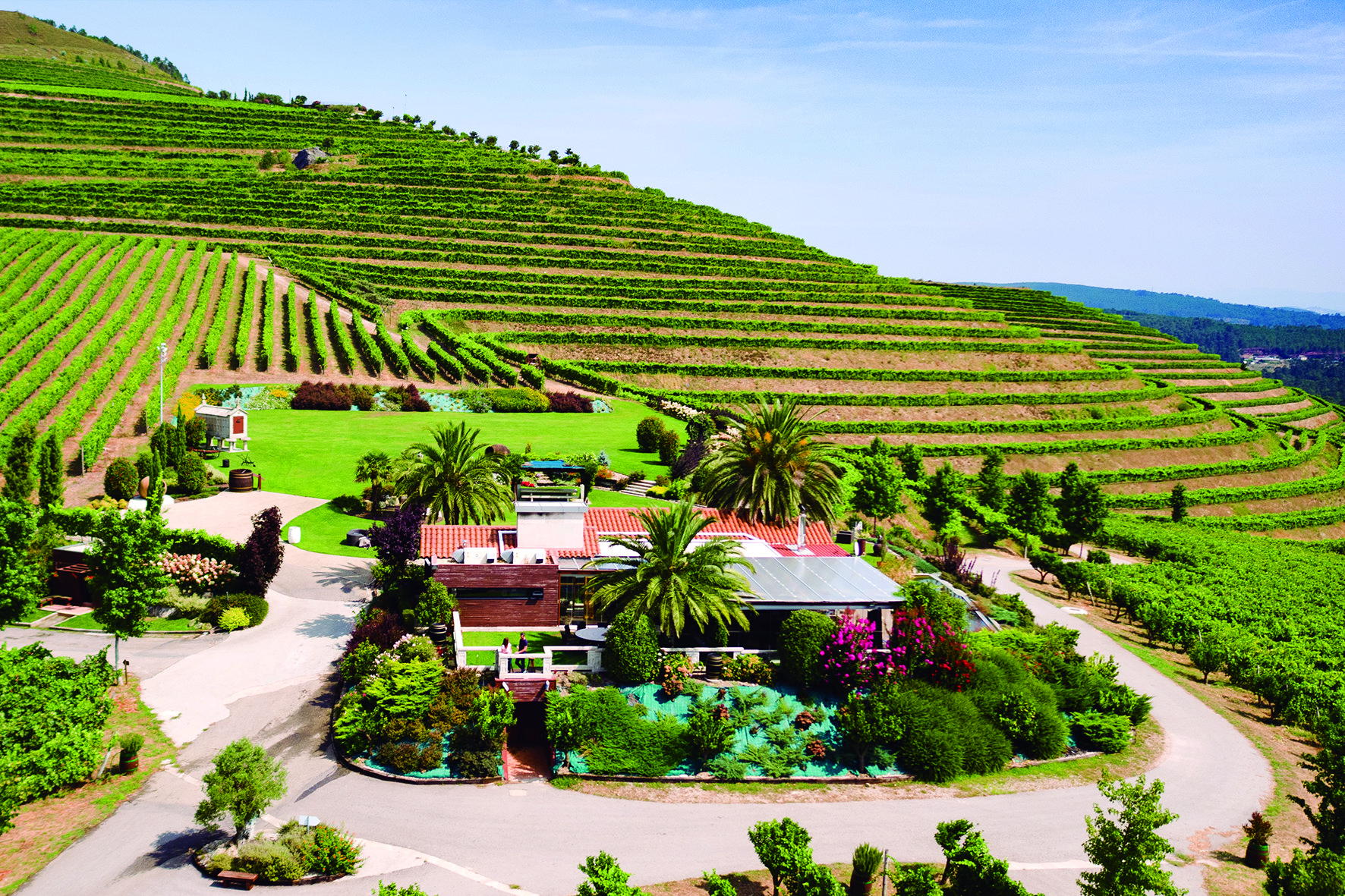
Warm, welcoming atmosphere with spacious rooms featuring balconies and beach views, enhanced by natural wood materials and harmonious forest integration.