
Tucked just beyond the city’s bustle, Esperança Verde rewards the informed palate with a modern, technical, and exquisitely poised expression of Portuguese terroir. Under chef Hugo Sousa’s refined vision, tradition is recast with clarity: artisanal breads honor communal oven heritage while pristine local ingredients are sculpted into thoughtful compositions. Choose from three tasting journeys, from the focused New Directions to the expansive My Story, each a choreography of texture, temperature, and elegant restraint. Signature plates like the marinated pond trout with parsnip, dill, and wild herbs capture the restaurant’s ethos: quietly luxurious, remarkably pure, and deeply rooted in place.
Pearl is the En Primeur Club membership app — saves, bookings, and concierge access live there. Same editors, same standards.
- Address
- Av. Dr. Artur Soares 312, 4700-363 Braga, Portugal
- Phone
- +351 253 218 303
- Directions
- Get directions
 Saves & bookings on Pearl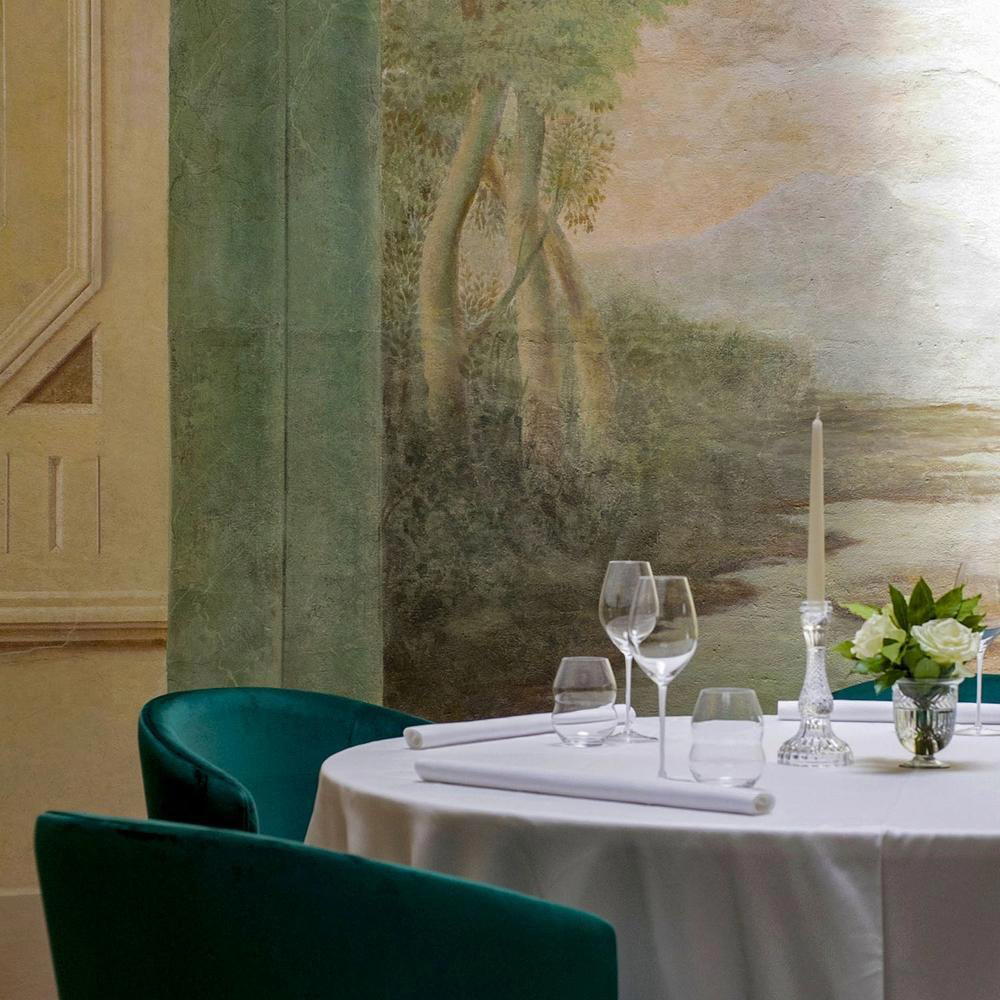
Where Braga's Ring Road Meets Considered Cooking
The approach to Esperança Verde does not promise much. Av. Dr. Artur Soares runs along the outer edge of Braga, a wide arterial road lined with residential towers and the practical architecture of a city that has grown faster than it has been designed. The restaurant occupies the ground floor of one such tower, about ten minutes on foot from the historic centre, close to the ring road exit. Nothing in the streetscape signals that serious cooking is happening here.
Inside, the register shifts. The room reads as considered rather than lavish, with the kind of quiet restraint that signals a kitchen-led operation rather than a design-led one. This is a space that asks you to pay attention to the plate.
Local Sourcing as the Kitchen's Structural Logic
Portugal's northern interior, the territory between the Minho and the Trás-os-Montes, produces ingredients that rarely reach the menus of Lisbon or Porto: pond-raised trout from cold-water systems, mountain herbs gathered at altitude, parsnips and root vegetables shaped by granite soil and Atlantic-influenced winters. Esperança Verde works within that current, positioning its menus around produce from the Braga region and the mountains to the east.
The kitchen's approach is modern and technical, but the sourcing rationale comes first. A dish described in Michelin's notes as Trout, Parsnip, Dill and Wild Herbs makes that logic legible on the plate: the trout is a marinated pond specimen, the parsnip provides an earthy counterpoint, and the wild herbs connect the dish to a foraging tradition that pre-dates any current trend. Artisanal bread, produced in reference to communal oven baking, performs a similar function: it is a technical product that carries a regional memory. In this framing, sourcing is not a marketing position but a structural decision that shapes what the kitchen can and cannot do.
This approach places Esperança Verde in a coherent peer group within Portugal's modern restaurant scene. Operations like Antiqvvm in Porto and A Cozinha in Guimarães have built their identities around northern Portuguese produce with a similar discipline. Further afield, Belcanto in Lisbon, Casa de Chá da Boa Nova in Leça da Palmeira, and Vila Joya in Albufeira represent the country's starred tier, showing how far regional-produce logic can travel when supported by consistent technique. Esperança Verde holds a Michelin Plate.
Two Menus, Two Registers
The format is tasting menus only, which is a deliberate positioning choice. Short à la carte formats allow a kitchen to hedge; a tasting menu commits it to a narrative. The restaurant offers two options: A New Vision, a six-course format, and Between Mountains and Seas, a nine-course progression. The naming is instructive. The shorter menu frames itself as a statement of culinary direction; the longer one maps the geography that supplies the kitchen, from the altitude of the Serra do Gerês to the Atlantic coastline that shapes the climate of the Minho coast. Nine courses in this price register, at a €€€ bracket, positions the restaurant above the casual end of Braga's dining scene while remaining below the full fine-dining pricing of Portugal's starred operations.
Within Braga's own dining context, the competitive set is defined by a small number of more ambitious kitchens. Palatial, which holds a Michelin star in the Contemporary category at the same €€€ price point, sits at the tier directly above. Inato Bistrô and O Filho da Mãe operate at the € bracket, serving creative and South American formats respectively. The restaurant occupies the middle tier: more ambitious than the city's casual options, not yet carrying the star that would put it in direct competition with Palatial or with Porto's recognised rooms.
The Chef and the Continuity Question
The kitchen is led by Hugo Sousa, whose background involves taking over a family operation and steering it in a more technically demanding direction, with the previous owner moving from kitchen to dining room. This generational shift is a pattern that appears across Portugal's regional restaurant scene: a first generation builds a loyal local clientele around comfort and familiarity; a second generation uses that platform to introduce more precise, produce-driven cooking. The risk in such transitions is losing the original audience while not yet attracting a new one.
Braga in Portugal's Broader Restaurant Conversation
Portugal's restaurant recognition has historically concentrated in Lisbon and the Algarve, with Porto gaining ground significantly over the past decade. The Minho region, anchored by Braga and Guimarães, has been slower to attract international attention despite producing some of the country's most ingredient-specific kitchens. Properties like Il Gallo d'Oro in Funchal, Ocean in Porches, and The Yeatman in Vila Nova de Gaia illustrate how far Portugal's recognition has spread geographically, but Braga's modern dining scene remains less travelled by international food visitors than its quality might warrant.
The comparison with contemporary modern-cuisine operations at the global tier, such as Frantzén in Stockholm or FZN by Björn Frantzén in Dubai, is not one of equivalence but of format logic: the tasting-menu-only structure, the sourcing narrative, and the technical ambition operate within a shared grammar even when the scale and recognition differ considerably. What those rooms took years and multiple awards cycles to achieve, kitchens in cities like Braga are building from a lower-profile starting point.
Planning Your Visit
The restaurant is located at Av. Dr. Artur Soares 312, 4700-363 Braga, roughly ten minutes on foot from the city centre near the ring road exit. The price point sits at €€€, reflecting the tasting-menu format: the six-course A New Vision and the nine-course Between Mountains and Seas are the two available options. Reservations are recommended. For a wider view of the city's dining options, our full Braga restaurants guide maps the range from the restaurant's modern technical register to the casual creative formats that fill out the city's evening offer.
What Regulars Order
What do regulars order at Esperança Verde?
The dishes that have drawn particularly commentary from returning visitors are the artisanal bread, produced through a method referencing traditional communal-oven baking, and the Trout, Parsnip, Dill and Wild Herbs, in which a marinated pond trout is paired with root vegetables and foraged herbs. Both appear on the longer Between Mountains and Seas nine-course menu, which is the format Michelin's inspectors have specifically cited in their Plate recognition for 2024 and 2025. For readers choosing between the two menus, the nine-course option gives the kitchen's sourcing logic its fullest expression, tracing a geographic arc from the northern mountains to the Atlantic coast. The six-course A New Vision is the shorter commitment for those less accustomed to extended tasting formats. See also Antiqvvm in Porto and A Cozinha in Guimarães for comparable northern Portuguese kitchens with their own regional sourcing disciplines.
Quick Comparison
Comparable venues nearby, for context on price, style, and recognition.
| Venue | Cuisine | Price | Awards | Notes |
|---|---|---|---|---|
| Esperança VerdeThis venue — the venue you are viewing | Modern Portuguese Tasting Menu | $$$ | Michelin Plate | Not listed |
| O Filho da Mãe | Modern South American Fusion | $$$ | Michelin Plate | centro histórico |
| Inato Bistrô | Modern Portuguese Bistro | $$$ | Bib Gourmand | Praça do Município |
| Íntimista Steakhouse | Portuguese Steakhouse | $$$ | Not listed | São Vicente |
| Omakase | Traditional Japanese Omakase | $$$$ | Not listed | Braga District |
| pPlace Restaurant | European BBQ Ribs & Small Plates | $$ | Not listed | Braga Centro |
Recognition history
Dated appearances from independent guides and award organizations, with the underlying list record or original source where available.
Michelin Plate
Michelin
Michelin Plate
Michelin
Michelin Plate
Michelin
Continue exploring
More in Braga
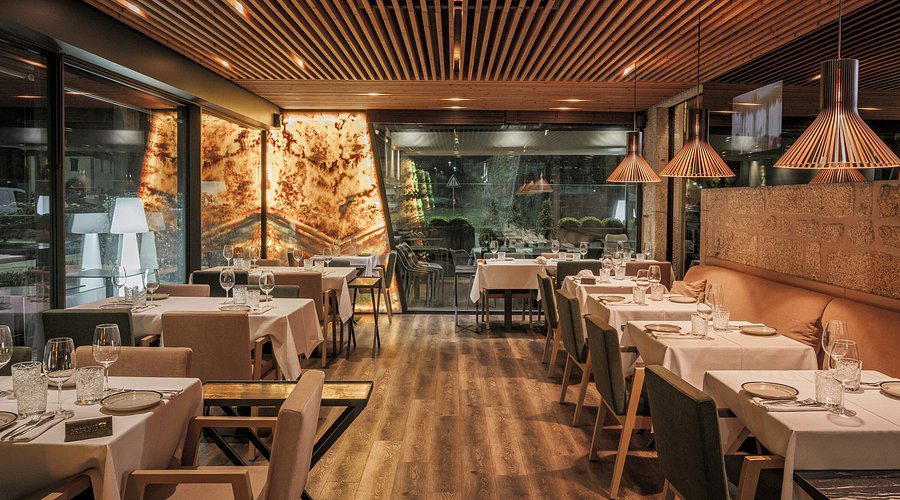
Restaurants in Braga
Browse all →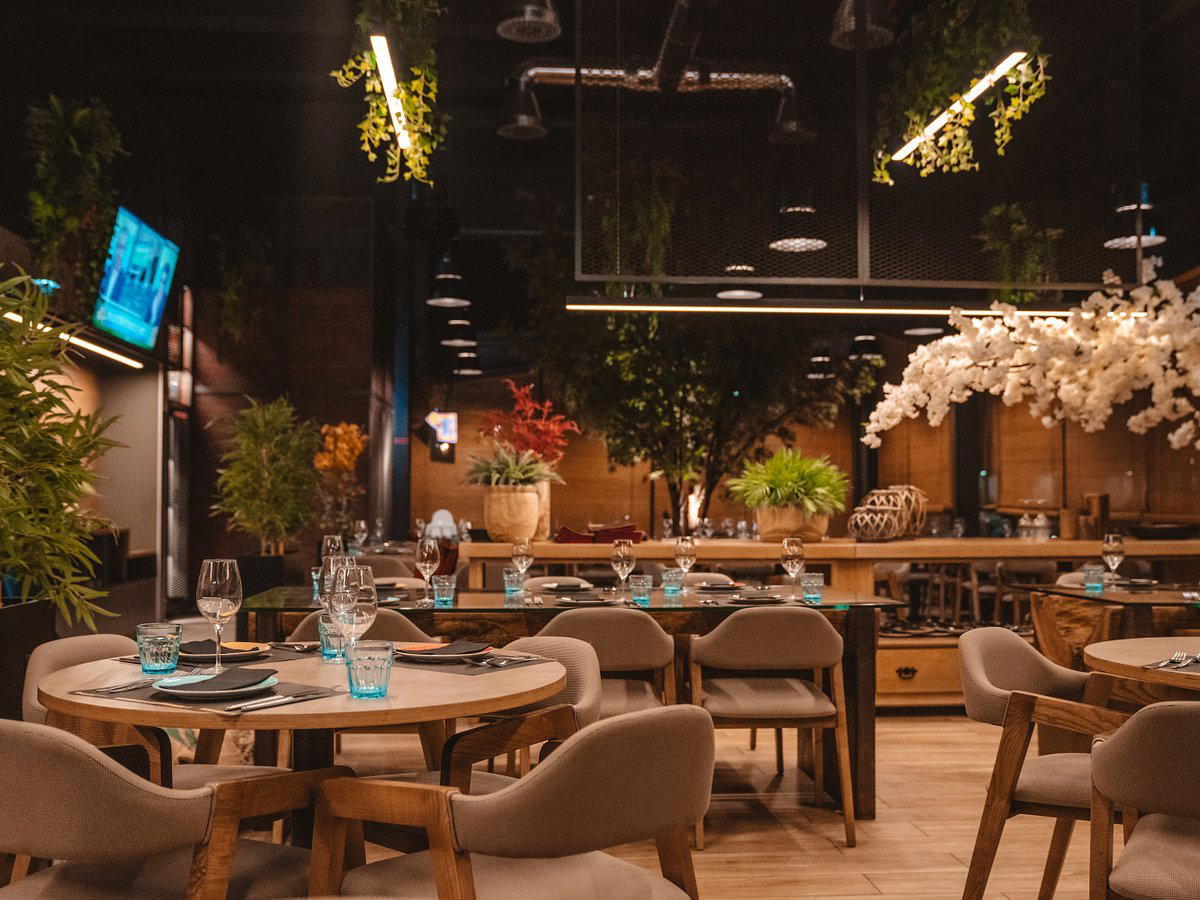
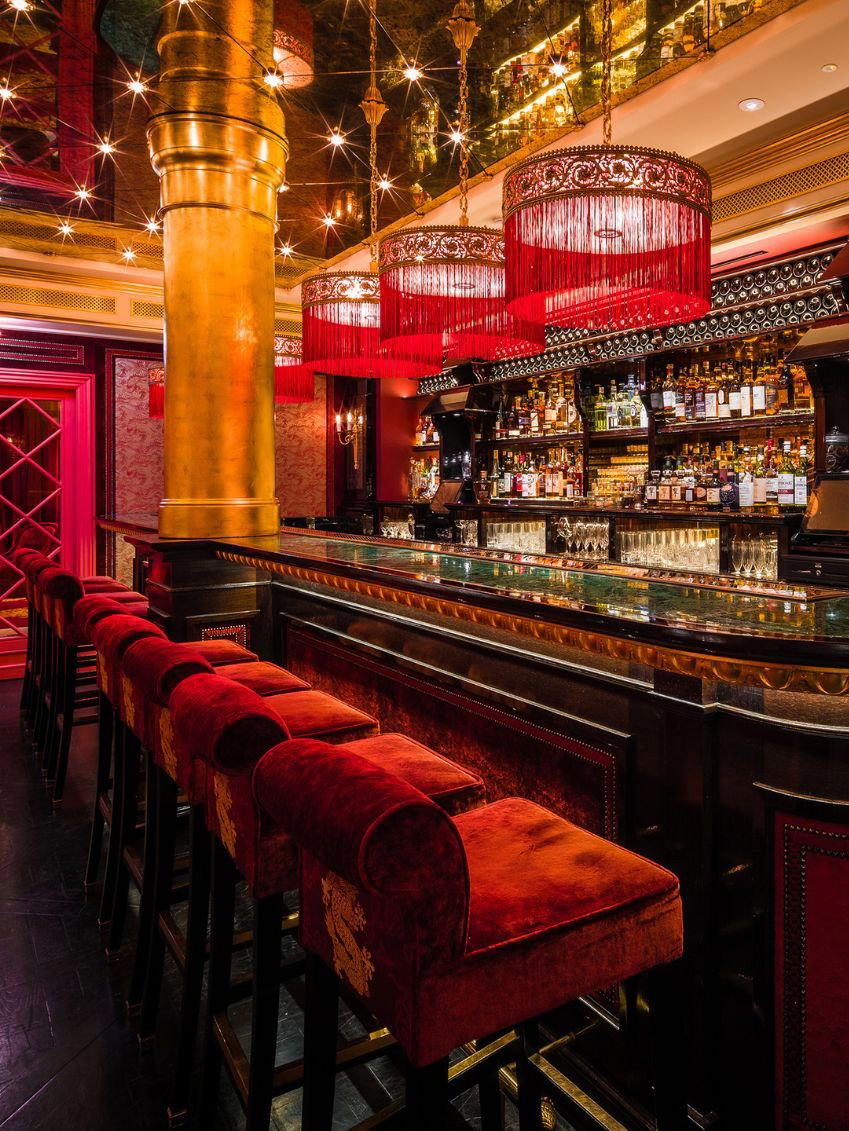
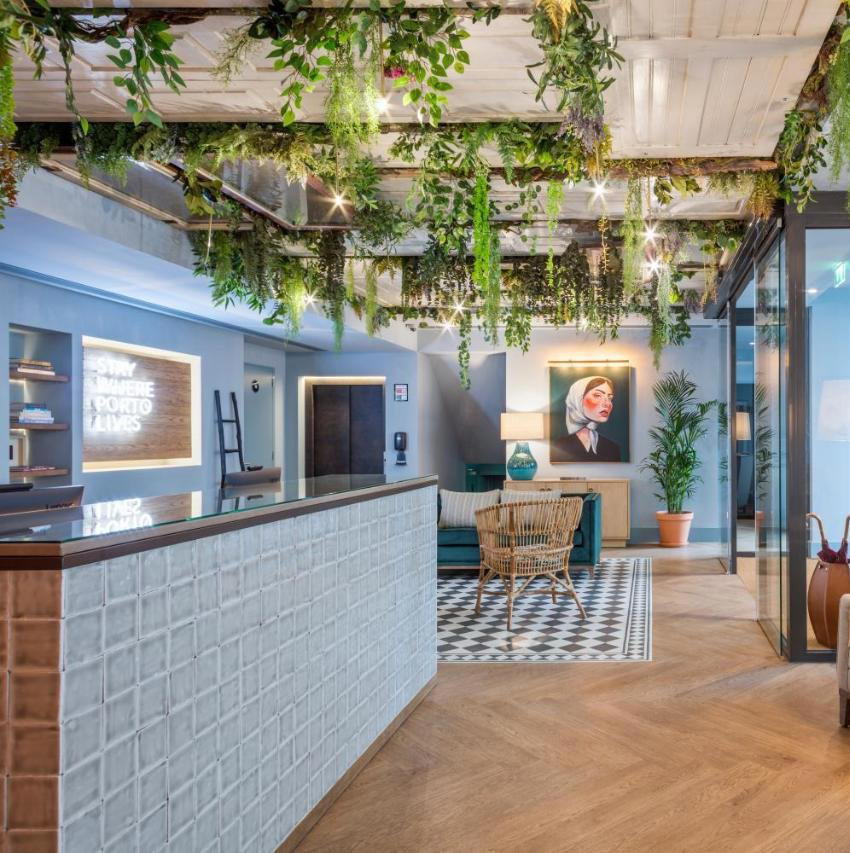
Bars in Braga
Browse all →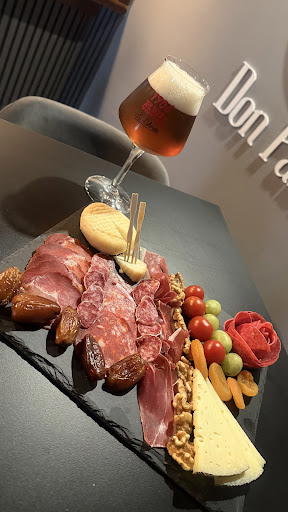
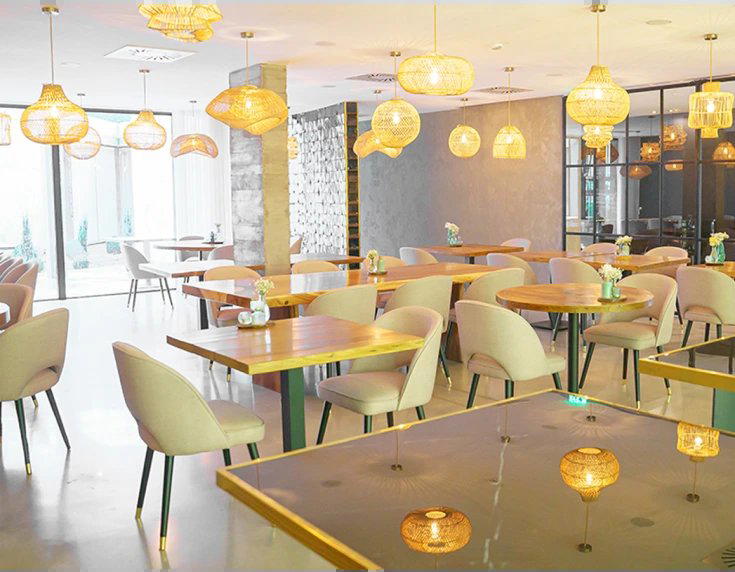
Hotels in Braga
Browse all →

At a Glance
- Cozy
- Intimate
- Elegant
- Date Night
- Special Occasion
- Celebration
- Open Kitchen
- Extensive Wine List
- Local Sourcing
- Sustainable
Current opening hours
- Monday
- Closed
- Tuesday
- 7–10:30 PM
- Wednesday
- 7–10:30 PM
- Thursday
- 7–10:30 PM
- Friday
- 12:30–2:30 PM, 7:30–10 PM
- Saturday
- 12:30–3 PM, 7:30–11 PM
- Sunday
- Closed
Hours can change for holidays and private events. Last verified .
Cozy and welcoming home-like atmosphere with warm lighting, intimate setting of just a few tables, and elegant, calm ambiance.