Capella at Galaxy Macau belongs to Macau’s newer luxury-hotel conversation, where Cotai scale is being reframed through quieter design, controlled arrival sequences, and high-service hospitality. With public operating details not yet listed in the available record, the useful way to read it is through context: a Capella address inside Galaxy Macau signals a design-led counterpoint to the city’s larger resort format.
Pearl is the En Primeur Club membership app — saves, bookings, and concierge access live there. Same editors, same standards.
- Address
- Galaxy Macau™ Integrated Resort, Macao
- Website
- galaxymacau.com
- Directions
- Get directions
 Saves & bookings on Pearl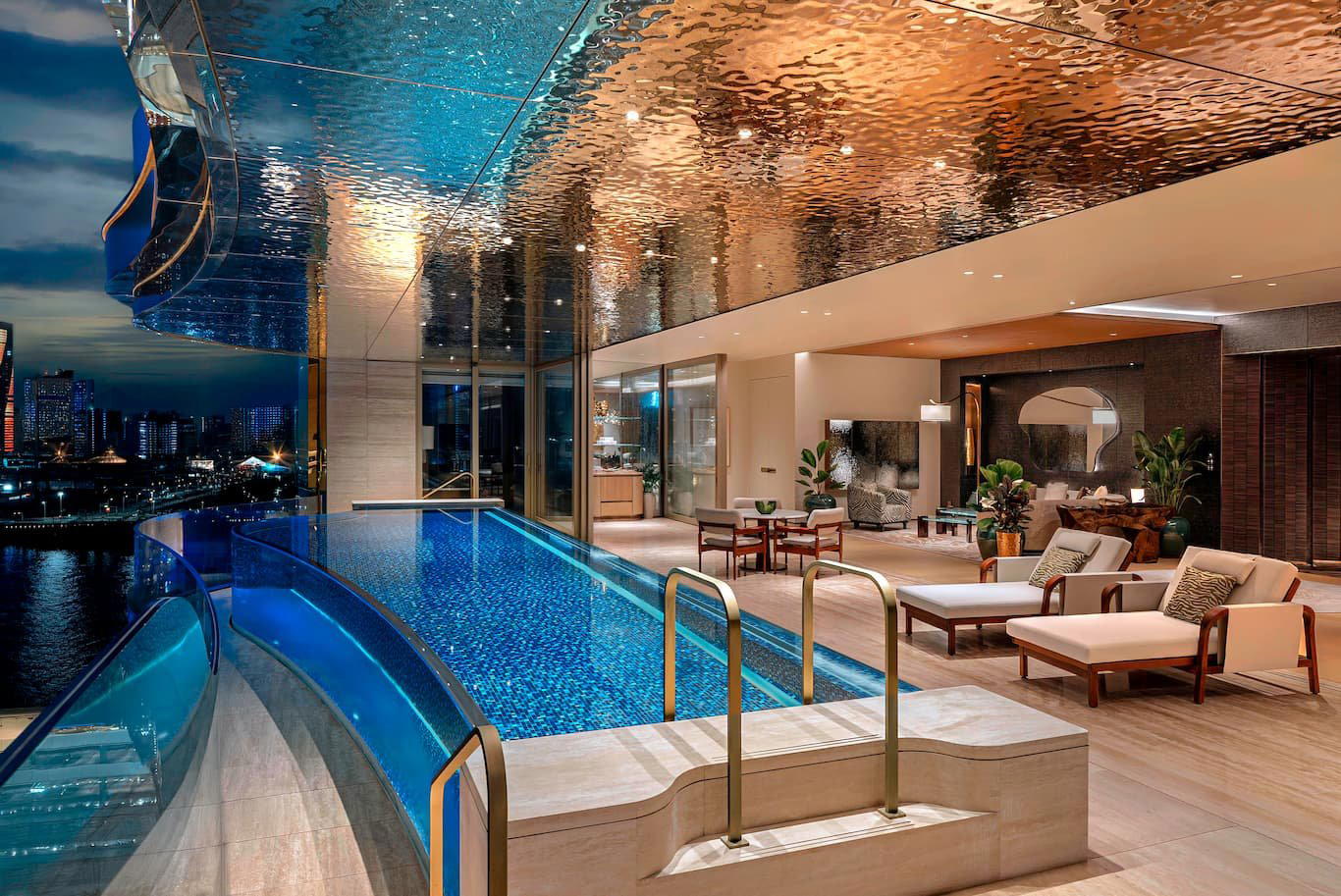
Arrival as the first design statement
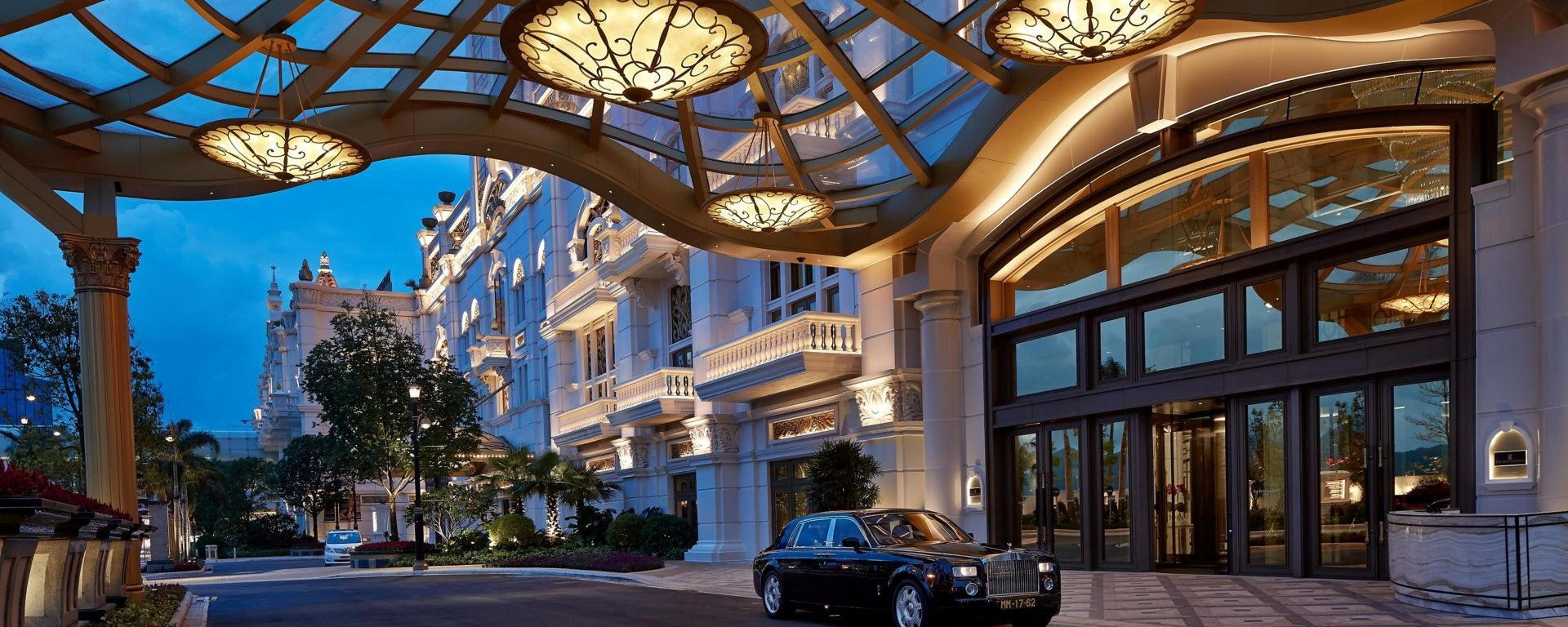
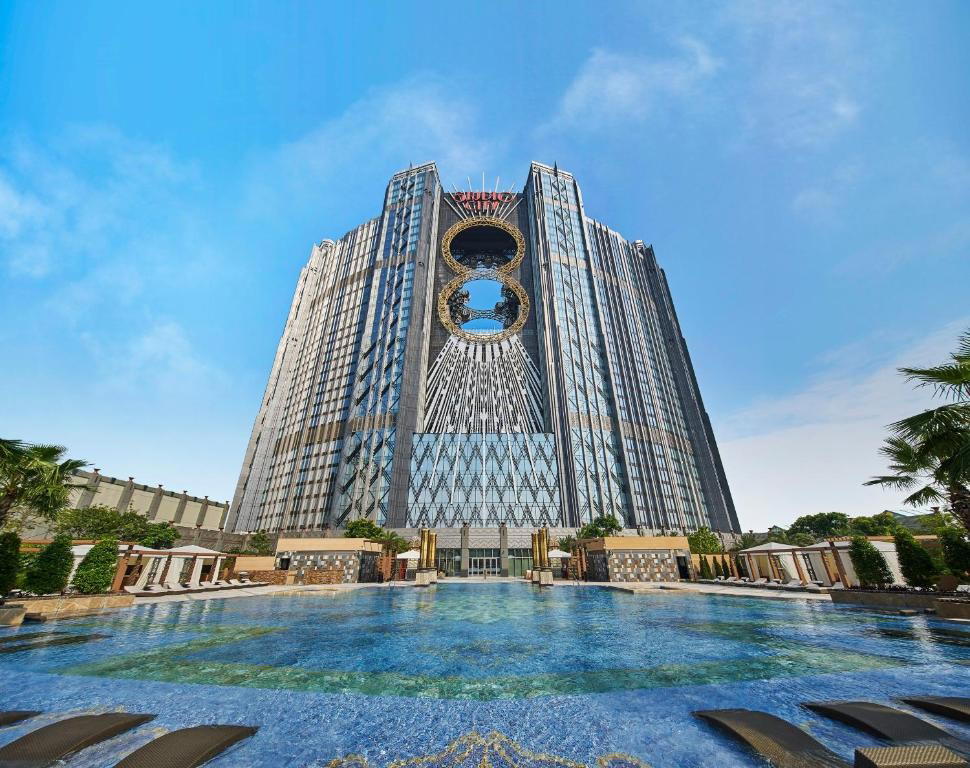
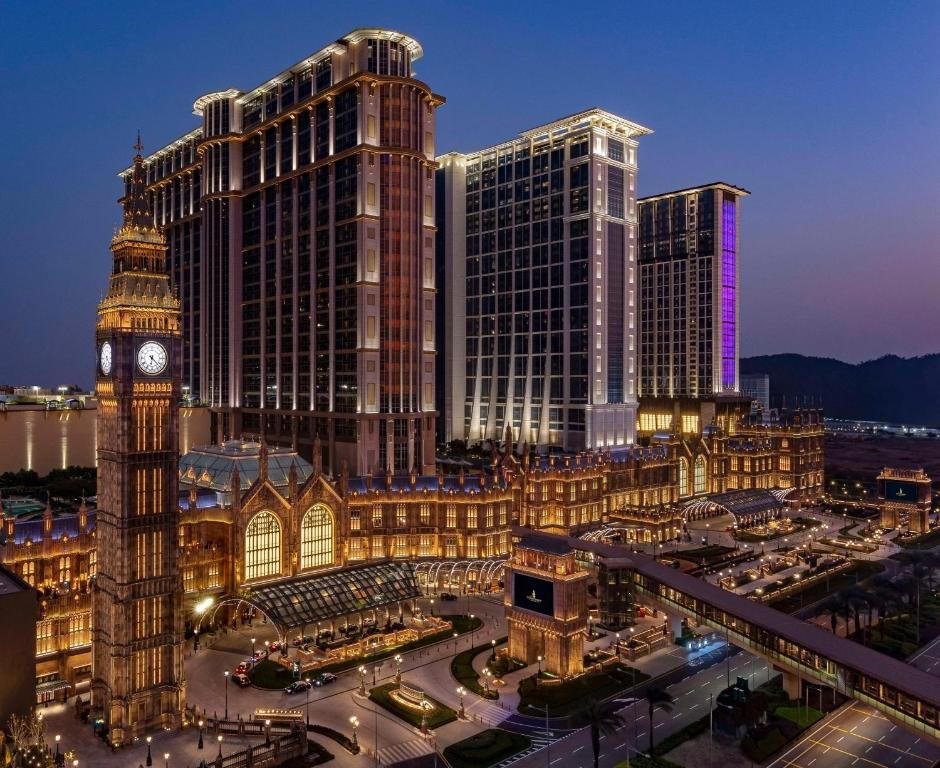
Macau hotel arrivals have a particular theatre. On the peninsula, the drama often comes from water, old streets, and a sense of colonial layering. In Cotai, it comes from scale: porte-cochères, atriums, shopping corridors, casino floors, and towers that read less as single buildings than as compact districts. Capella at Galaxy Macau enters that second tradition, but its interest lies in how a quieter hospitality language can sit inside a resort environment built for movement, spectacle, and high occupancy.
That distinction matters in Macau. The city’s luxury-hotel market is not short on marble, height, or branded restaurants; what separates the newer high-end tier is control. The controlled arrival, the edited materials palette, the sense that sound and lighting have been disciplined rather than amplified, these have become stronger signals than sheer scale. Capella at Galaxy Macau should be read through that lens: not as an isolated hotel story, but as part of Cotai’s shift from megaresort display toward more private, design-conscious forms of stay.
In Macau, a Capella-branded hotel inside Galaxy Macau carries a clear positioning signal even before those operational details are public: it belongs to the small group of hotel projects attempting to bring residential calm into a resort city known for abundance.
Cotai luxury is no longer only about size
Cotai was built on the logic of integrated resorts. The district joined hotel rooms, gaming, shopping, entertainment, and dining into a single guest circuit, borrowing from Las Vegas while adding a distinctly Pearl River Delta intensity. For years, the measure of a Macau luxury hotel was tied to visible scale: more suites, more restaurants, more retail, more spectacle. That model has not disappeared, but the upper tier has become more segmented.
One segment remains grand and theatrical, represented by addresses where volume, ceremony, and brand density are part of the appeal. Another segment is more design-led, prioritising privacy, proportion, and a softer sense of place. Capella at Galaxy Macau sits in the conversation around the second segment, though within the infrastructure of the first. That tension is the editorial point. A guest can want the access and amenities of Cotai without wanting every public space to feel like a concourse.
Macau comparisons make the split clearer. Andaz Macau speaks to a more contemporary lifestyle-hotel idiom inside a large development. Conrad Macao belongs to the polished international business-and-resort category. Banyan Tree Macau has long given Cotai a more spa-and-suite-driven resort register. Emerald Tower at MGM COTAI and Epic Tower at Studio City Macau show how the district keeps refining tower-based luxury within entertainment-led complexes. Capella at Galaxy Macau belongs in that peer discussion, but its brand associations point toward a lower-volume emotional pitch: privacy, spatial rhythm, and service choreography rather than constant visual escalation.
Design-led hospitality in a city of maximal gestures
Architecture in Macau has to work harder than in quieter hotel cities because attention is already over-supplied. A lobby cannot simply be large; size is the local default. A suite cannot rely only on finish level; high finish is expected at this tier. Design-led hospitality here is measured by restraint, sequencing, and how well a property protects the guest from resort fatigue.
This is where Capella’s broader hotel identity becomes relevant without turning the article into a brand brochure. The group is associated with high-touch, residentially inflected luxury rather than standardised big-box hospitality. In Macau, that matters because the competitive set is dense with properties attached to casino and entertainment ecosystems. A design philosophy that privileges enclosure, calm, and guest pacing can create a meaningful counterweight to Cotai’s public energy.
The stronger comparison may be with international palace and urban-resort hotels that use architecture to manage transition. Hôtel de Paris Monte-Carlo in Monte Carlo turns arrival into old-world civic theatre. Badrutt's Palace Hotel in St. Moritz uses alpine grandeur as social architecture. Aman Venice in Venice and Cipriani, A Belmond Hotel, Venice in Venice frame privacy through water, heritage, and distance from the crowd. Aman New York in New York City uses vertical separation and quiet interiors to soften Midtown density. Macau’s version of that problem is different, but the design question is similar: how does a hotel give guests a sense of composure while placing them close to the city’s major engines?
Macau's hotel scene, viewed through Capella's arrival
Macau’s hotel geography divides roughly into three useful guest logics. The peninsula is better for older urban texture, heritage sightseeing, and a closer relationship with the city’s Portuguese-Chinese street pattern. Taipa and Coloane offer a more local, slower counterpoint, especially for food streets, temples, and coastal edges. Cotai is the integrated-resort belt, where hotel choice is often about which ecosystem a traveller wants to inhabit.
Capella at Galaxy Macau belongs to the Cotai question. For travellers comparing Macau hotels, the decision is less about whether Cotai has enough to do and more about how much resort density one wants around the stay. The presence of Galaxy Macau places the hotel within a major hospitality and entertainment complex, which has practical advantages for dining variety, retail access, and indoor connectivity, especially during humid months or heavy rain. The trade-off is that Cotai can feel engineered, and the better hotels have to create a convincing private world inside that machinery.
Within Macau, useful contrasts include Altira Macau, which sits outside the Cotai megaresort mould, and Artyzen Grand Lapa Macau, which carries a different relationship to the peninsula-side resort tradition. Encore Macau reflects another established luxury vocabulary in the city, while The Londoner Hotel, Macau in Cotai shows Cotai’s appetite for themed urban fantasy. The hotel is better understood against these contrasts than in isolation: the question is whether design calm can become as persuasive as spectacle in a market that has long rewarded spectacle.
Dining and drinking context around the stay
For a city as credential-heavy as Macau, restraint on this point is not a technicality; it is the difference between useful criticism and invented gloss.
The broader dining context, however, is clear. Macau’s luxury hotels have helped turn the city into one of Asia’s densest high-end dining markets, with Cantonese banquet traditions, Portuguese-Macanese heritage, regional Chinese cooking, Japanese counters, French fine dining, and international resort restaurants operating within a compact urban area. Hotel dining here is not a side offering. It is often the reason a traveller chooses one property over another, especially when short stays make cross-city logistics less appealing.
Who should consider it
The clearest fit is the traveller who wants Cotai access without making scale the emotional centre of the stay. That includes repeat Macau visitors who already understand the resort geography, business travellers who need efficient movement through the Cotai corridor, and leisure guests who prefer a calmer base inside a major complex rather than a standalone urban hotel.
It is also a sensible name to watch for design-focused travellers who compare hotels internationally rather than only within Macau. The relevant peer language might include The Fifth Avenue Hotel in New York City, where personality and interiors are part of the proposition, or Bvlgari Hotel Tokyo in Tokyo, where brand, skyline, and controlled finish define the urban luxury pitch. European grande-dame comparisons such as Mandarin Oriental Ritz, Madrid in Madrid, Le Bristol Paris in Paris, and Hotel Sacher Wien in Vienna are not direct stylistic matches, but they clarify what mature luxury hotels have in common: they manage arrival, circulation, social space, and privacy as carefully as they manage rooms.
For Asia-based travellers, Mandarin Oriental Bangkok in Bangkok offers another useful point of reference: a hotel can be deeply connected to a city’s hospitality identity while giving guests a composed retreat from urban pressure. The hotel has to solve that equation in Cotai’s more engineered setting. That is why architecture and spatial discipline are the right editorial lens for it.
Planning notes for Macau
Practical planning should start with the address at Galaxy Macau™ Integrated Resort, Macao, the dress code of smart casual, and a reservation policy that recommends booking ahead. Travellers should verify current operating information through official hotel and resort channels before committing plans, especially because new luxury openings can release room inventory, dining details, and service policies in stages.
Seasonality affects the experience more than many first-time visitors expect. Macau summers are humid, with rain and typhoon risk part of the regional climate pattern, so Cotai’s indoor connectivity becomes a practical advantage rather than a convenience. Autumn and winter generally make walking, heritage sightseeing, and cross-city dining easier. Weekends and holiday periods can change the feel of Cotai sharply, as regional demand increases pressure on rooms, restaurants, taxis, and border crossings.
The right choice depends on the desired version of Macau: peninsula texture, resort concentration, dining-led itineraries, or a design-forward stay that uses Cotai’s infrastructure while trying to soften its intensity.
Comparable Venues Nearby
Comparable venues nearby, for context on price, style, and recognition.
| Venue | Cuisine | Price | Notes |
|---|---|---|---|
| Capella at Galaxy MacauThis venue — the venue you are viewing | Ultra-luxury all-suite residence within an integrated casino resort, blending high-roller hospitality with a residential, service-forward Capella experience. | $$$$ | Not listed |
| Sofitel Macau At Ponte 16 | French luxury with Portuguese colonial heritage influences, blending European elegance with oriental serenity in a historic waterfront setting. | $$$$ | Macau Peninsula Historic Quarter |
| REM Hotel | Ultra-luxury boutique hotel integrated into the City of Dreams resort, focused on spacious all-suite accommodation and exclusivity. | $$$$ | Cotai |
| City of Dreams - Morpheus | ultra-luxury contemporary resort hotel | $$$$ | Cotai |
| The Londoner Hotel, Macau | British luxury resort with reinterpreted Georgian architecture and Mayfair-inspired grandeur | $$$$ | Cotai |
At a Glance
- Ornate
- Elegant
- Sophisticated
- Modern
- Whimsical
- Romantic
- Honeymoon
- Romantic Getaway
- Family Vacation
- Weekend Escape
- Celebration
- Group Retreat
- Infinity Pool
- Butler Service
- Terrace
- Design Destination
- Panoramic View
- Private Dining
- Wi Fi
- Pool
- Spa
- Fitness Center
- Room Service
- Concierge
- Kids Club
- Business Center
- Skyline
- Garden
- Wi Fi
- Pool
- Spa
- Fitness Center
- Room Service
- Concierge
- Kids Club
- Business Center
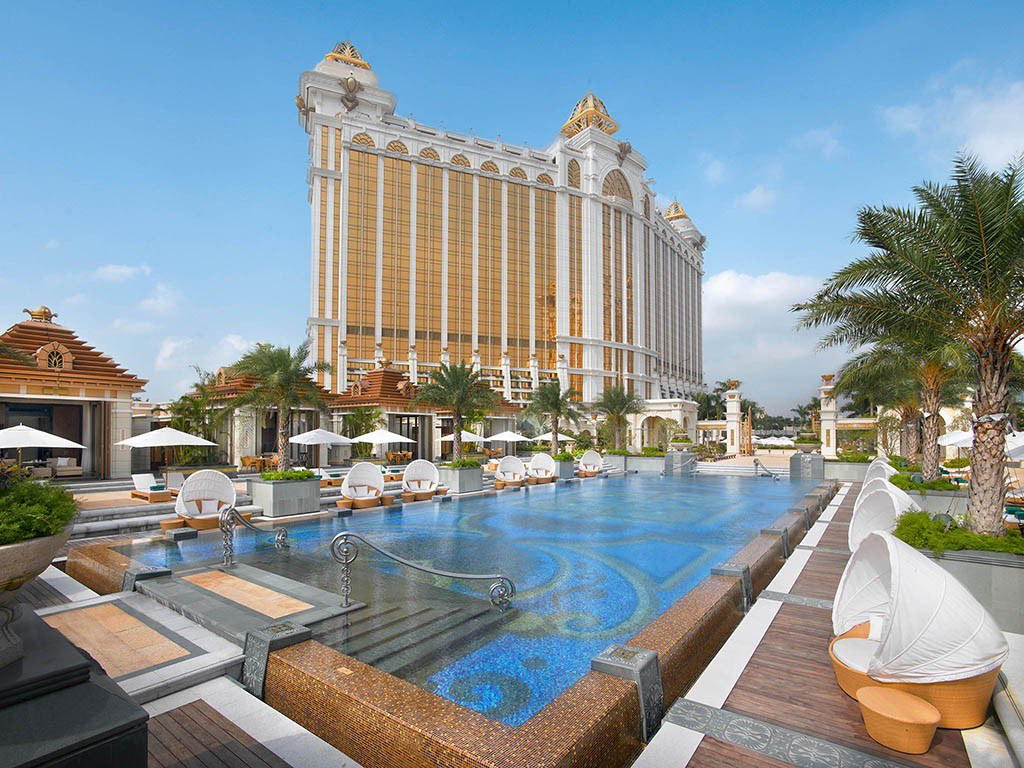
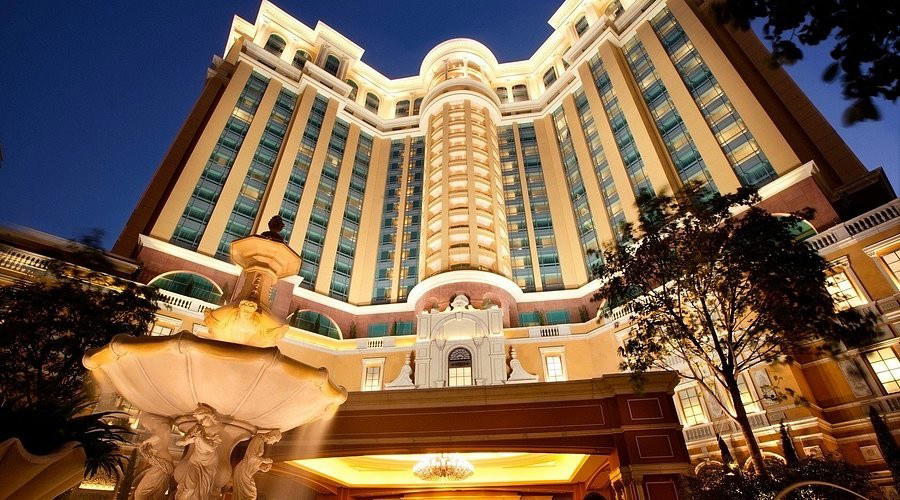
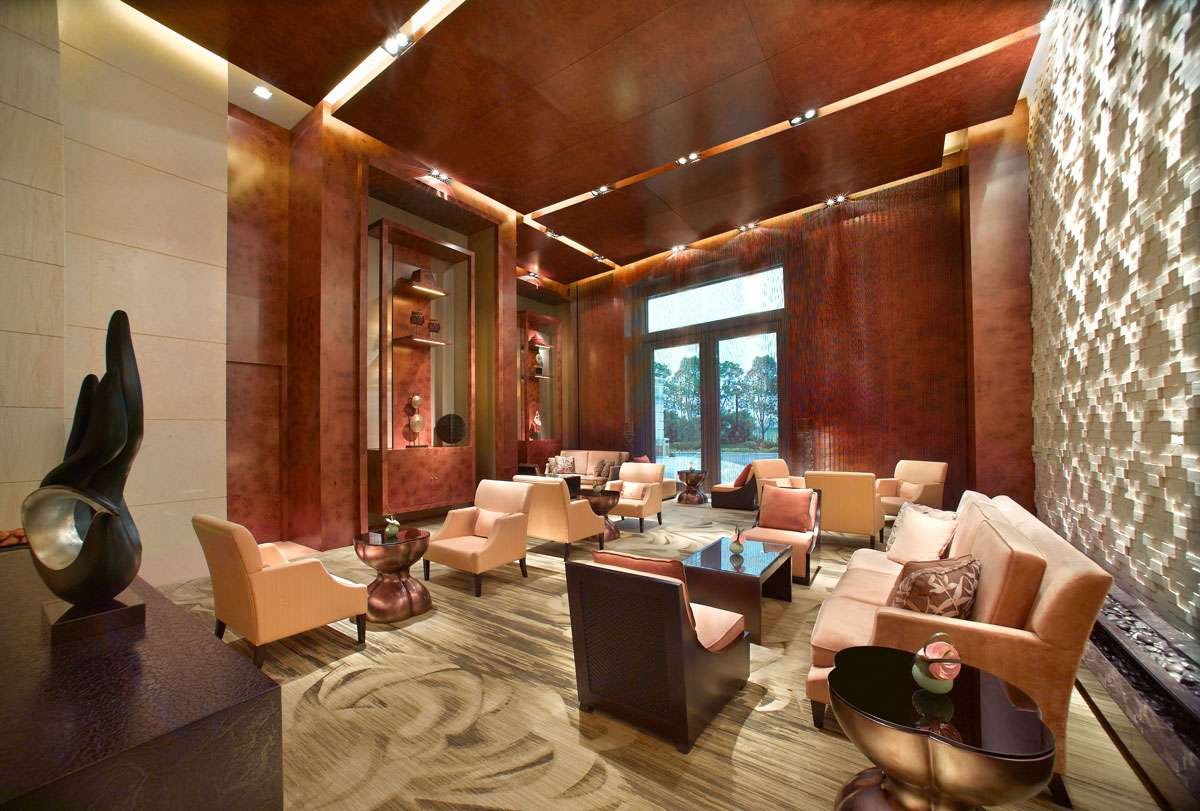
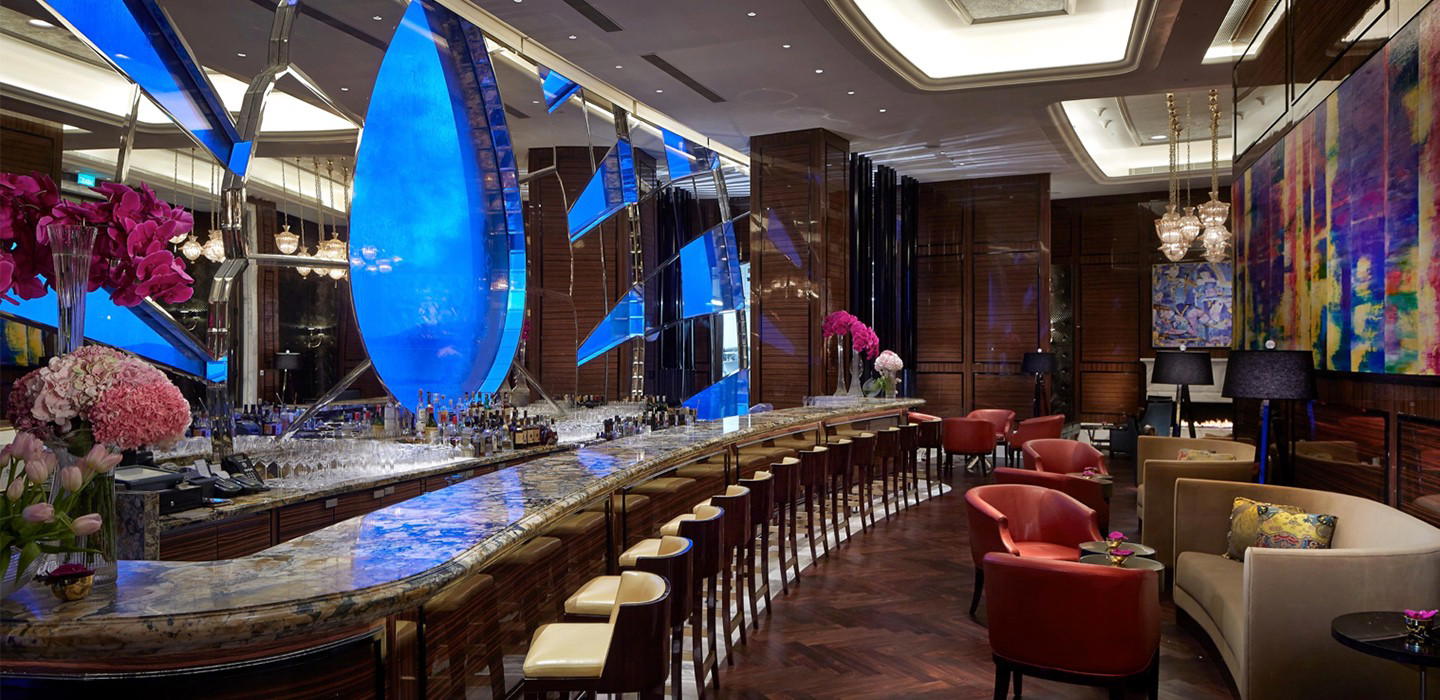
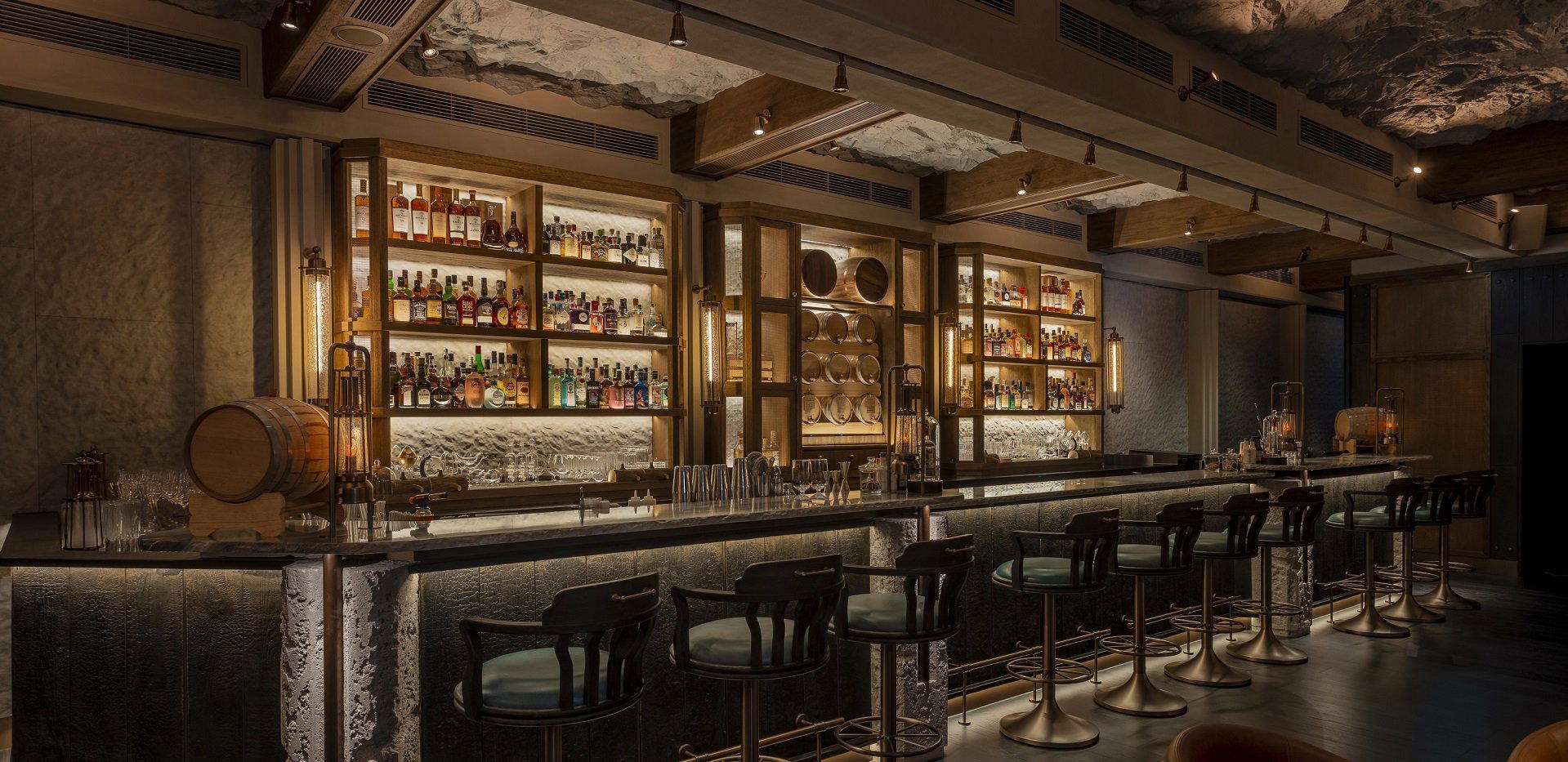
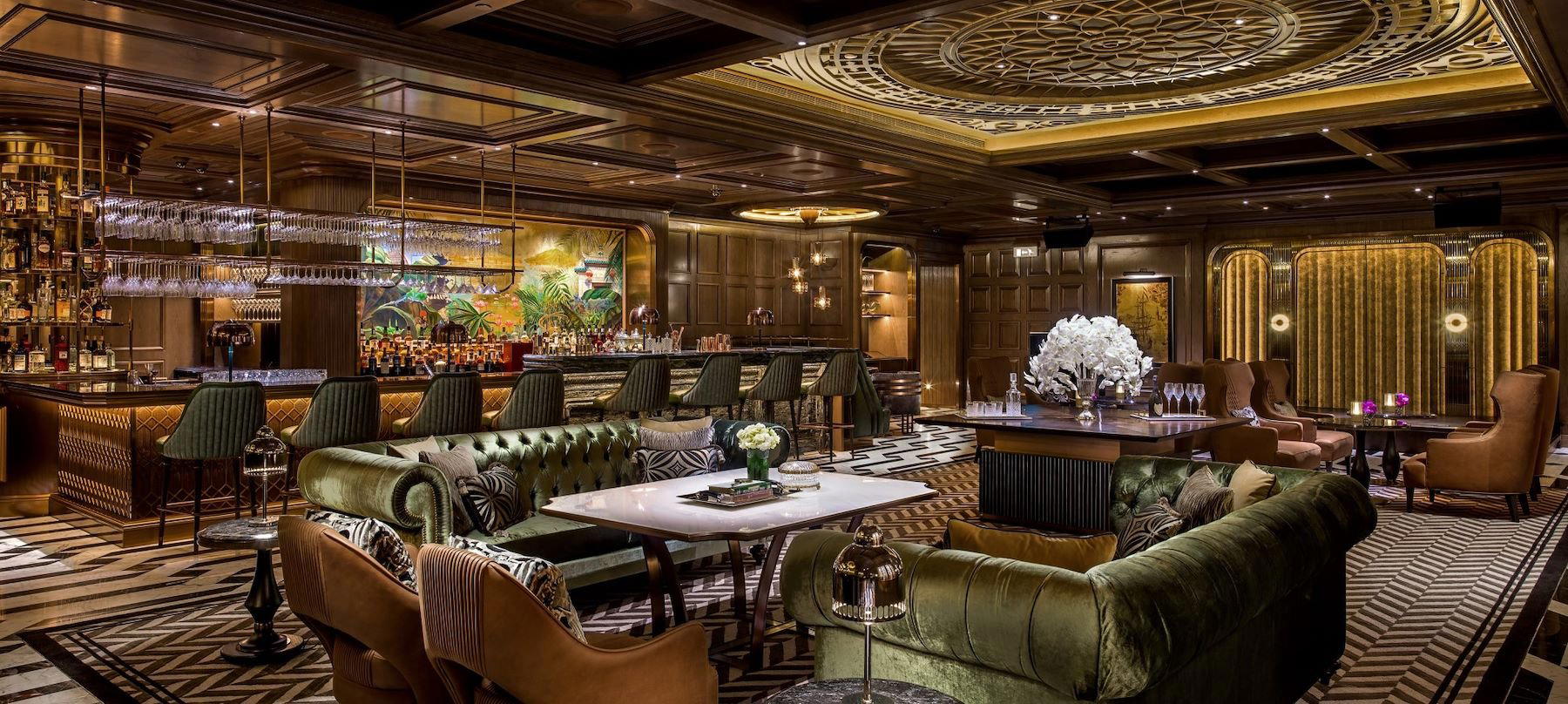
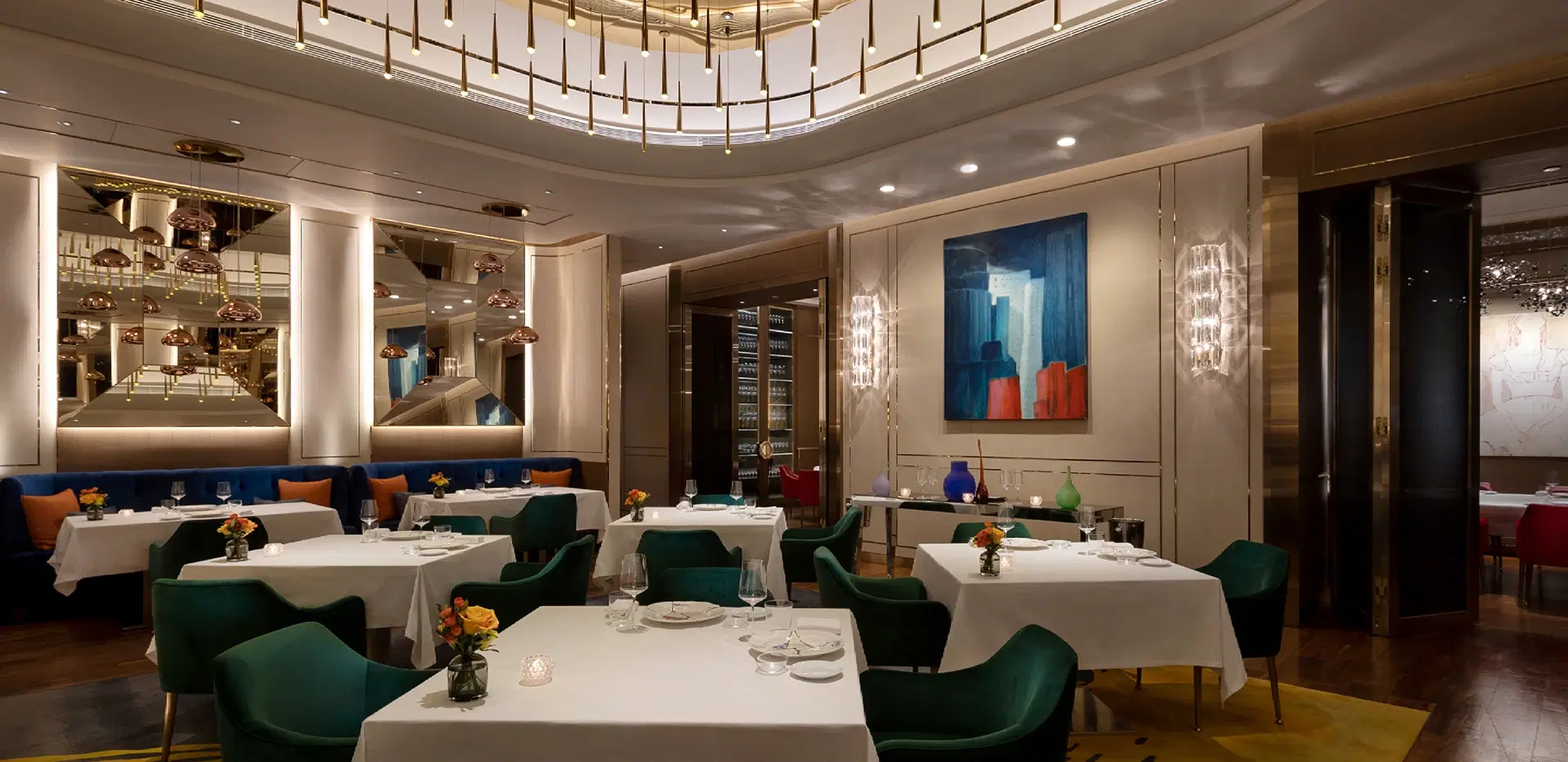
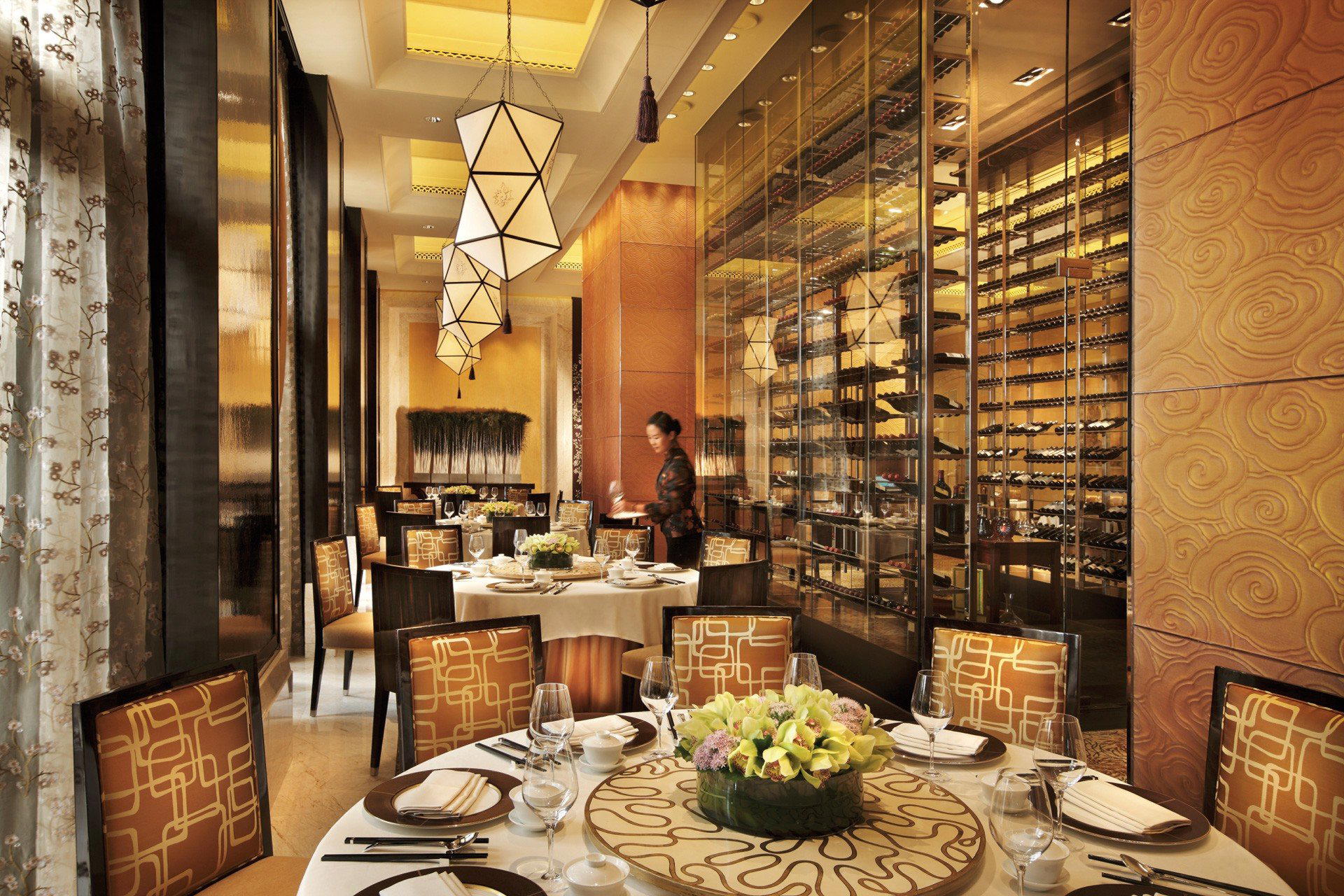
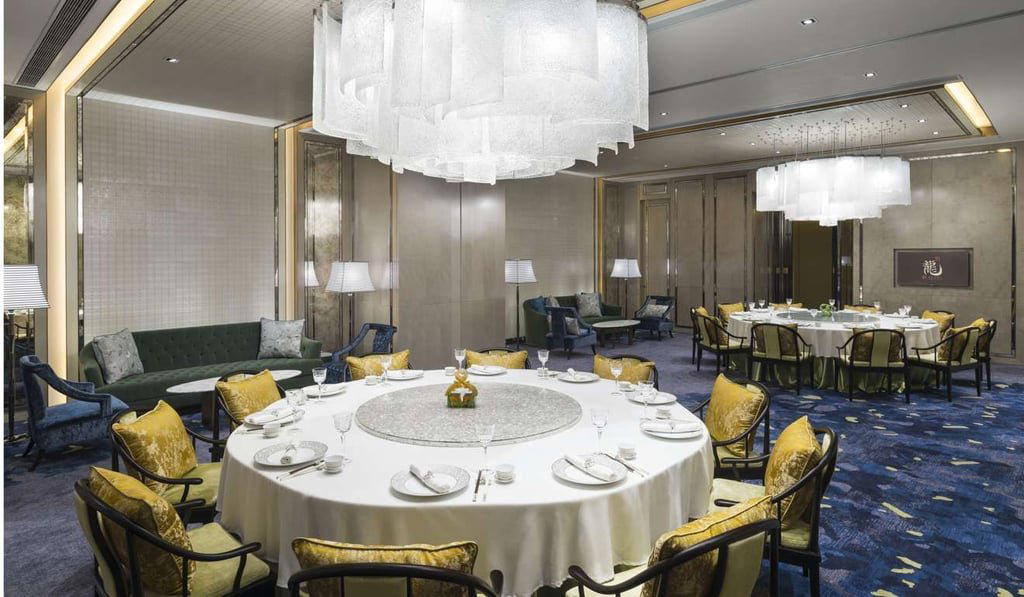
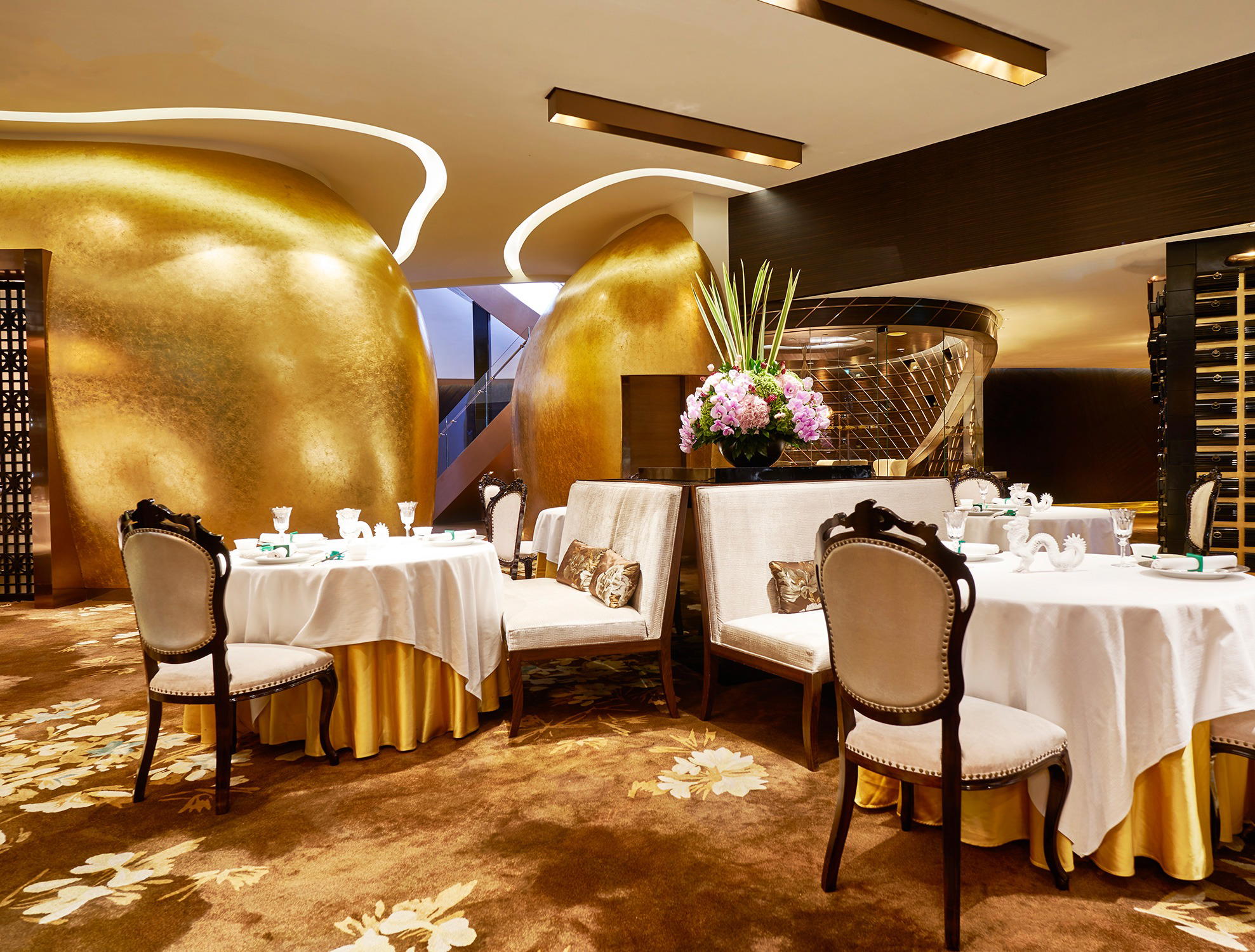
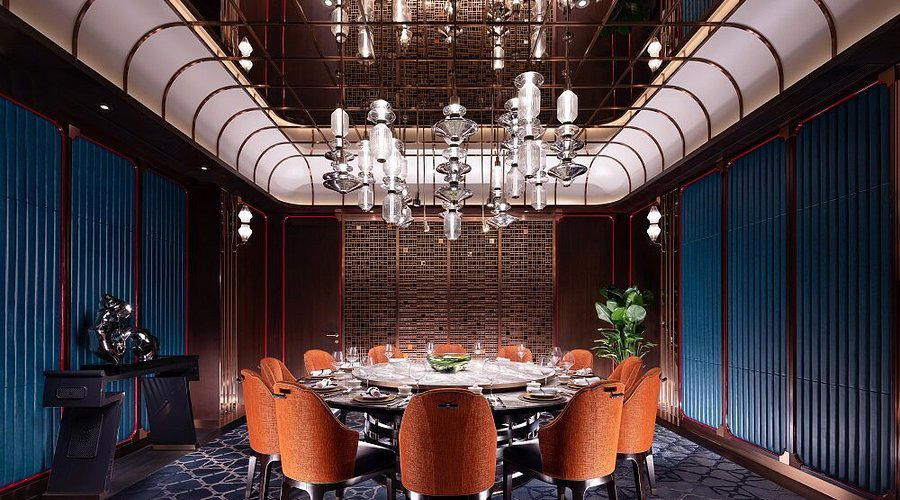
Luxurious and theatrical yet residential in feel, with golden tones, lush jungle-inspired art, LED ‘living forest’ installations, and softly lit social spaces like the Capella Living Room, Pony & Plume whisky bar, and Botanica’s tropical-forest dining room creating an intimate sanctuary amid the larger resort.