


Five Foot Road brings Sichuan cooking into Macau’s casino-resort dining circuit, where heat, oil, smoke, and timing matter as much as luxury-room polish. Chef Yang Dengquan’s kitchen has Black Pearl Restaurant Guide 2026 one-diamond recognition and a 2026 Opinionated About Dining Asia Recommended listing, giving the room credible weight beyond resort convenience.
Pearl is the En Primeur Club membership app — saves, bookings, and concierge access live there. Same editors, same standards.
- Address
- MGM Cotai, 4HW9+78V, Av. da Nave Desportiva, Macau, Macau, China
- Phone
- +853 8806 8888
- Website
- mgm.mo
 Saves & bookings on Pearl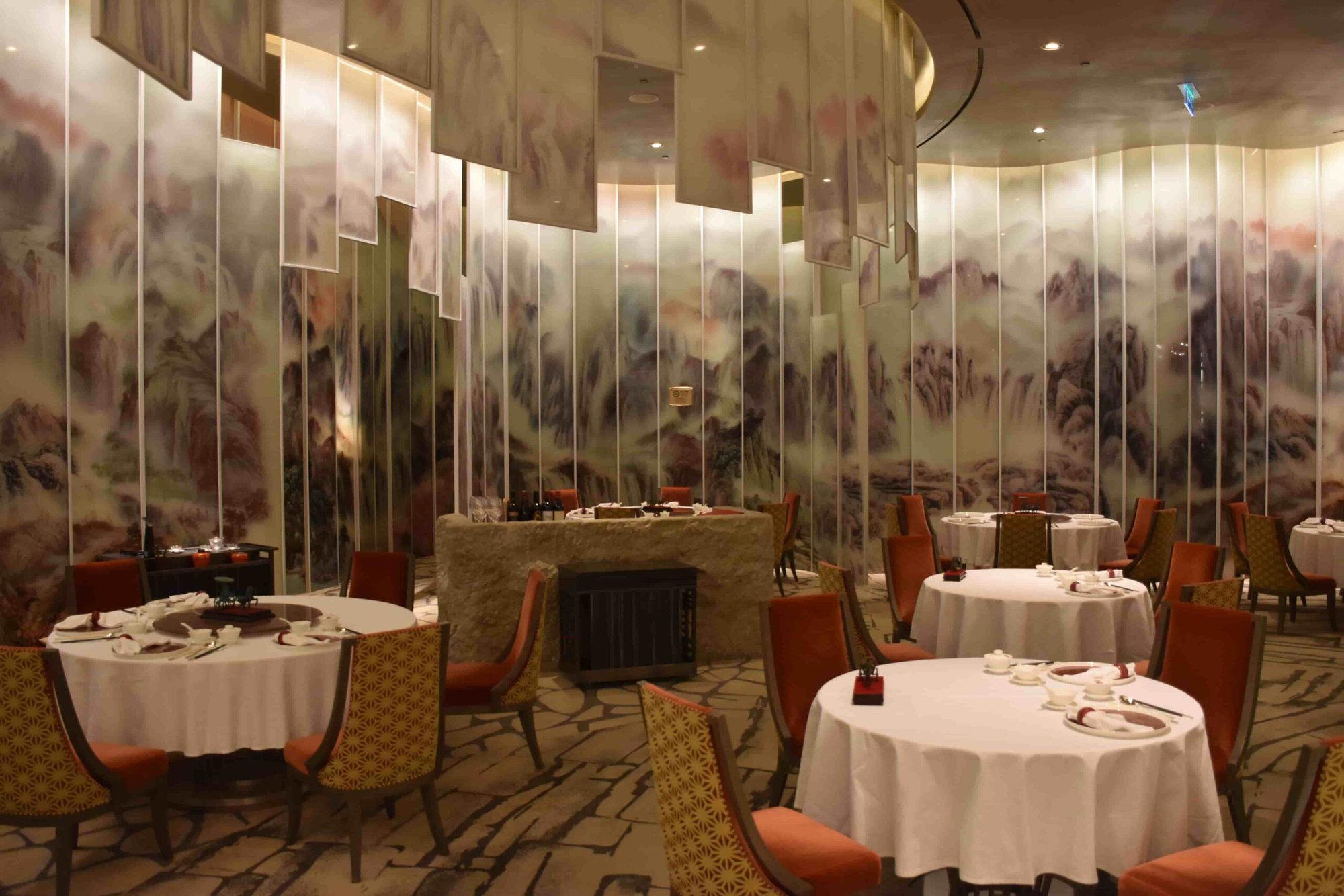
Approaching a Sichuan dining room inside a Cotai resort shifts expectations. Macau’s polished hotel grammar meets cooking built on speed, heat, and control: oil flashing in a wok, aromatics released in seconds, chilli used for rhythm rather than force. That tension defines Five Foot Road: not just Sichuan food in a luxury complex, but a test of whether velocity, smoke, and layered pungency keep their force inside a managed resort environment.
Macau’s premium dining scene often favours Cantonese formality, French tasting menus, Portuguese inheritance, and hotel-led international dining. Sichuan sits apart. Its authority comes from technique under pressure: the wok must sear without stewing, seasoning must land in layers, and mala should build rather than burn in one note. Within that frame, Five Foot Road gives Macau a serious Sichuan address, backed by Black Restaurant Guide 2026 one-diamond status and a 2026 Opinionated About Dining Asia Recommended listing. Those signals matter because resort dining can blur into ambience-led luxury; here, recognition points back to the kitchen.
High-heat Sichuan technique in a Cotai dining room
The strongest argument for this Sichuan category is not chilli tolerance. It is timing. A good wok station allows little hesitation: garlic, ginger, scallion, fermented bean pastes, dried chilli, Sichuan peppercorn, and stock reductions each need distinct handling, and the line between fragrance and bitterness can be seconds wide. In hotel dining, that precision must coexist with table spacing, pacing, wine service, and a room built for a broader luxury audience.
That makes the “wok and flame” lens more useful than standard spice language. Sichuan cuisine has a wide register: numbing heat, pickled brightness, smoke, sweet-savoury gloss, broth depth, and cold-dish clarity. A Macau version with award attention has to show range, not just intensity. Chef Yang Dengquan’s name gives the kitchen accountability, but the more interesting story is how a Sichuan brigade works inside the larger Cotai model, where diners may arrive from gaming floors, theatre schedules, or multi-restaurant itineraries rather than one neighbourhood circuit.
For readers mapping Macau dining by cuisine rather than hotel, the restaurant has a useful lane. Cantonese banqueting and dim sum remain central to the city’s high-end Chinese identity, while Sichuan brings a sharper, faster grammar. The contrast is clear beside The Eight (8餐廳) in Se, the formal Cantonese pole, while Five Foot Road works from heat, oil, peppercorn, and wok breath. For a wider city view, use Our full Macau restaurants guide.
Macau's resort dining circuit, seen through Sichuan fire
Cotai has made Macau unusually strong at importing serious dining formats into hotel towers. The city supports French contemporary rooms, Italian fine dining, Portuguese institutions, Nikkei menus, grills, and regional Chinese restaurants within a compact hospitality zone. For travellers, choices become comparative rather than merely logistical: one night may centre on French precision at Alain Ducasse at Morpheus, another on Italian fine dining at 8 1/2 Otto e Mezzo Bombana (Macau), or Portuguese continuity at A Lorcha. Sichuan changes the tempo. It asks for appetite, heat tolerance, and interest in technique driven less by ceremony than combustion.
That does not make the room casual. Awarded Sichuan cooking inside a major Macau resort occupies a specific middle ground: polished service around food that should retain edge. The danger is domestication, when spice is softened and smoke cleaned away until only luxury plating remains. The editorial case for the restaurant rests on whether that edge survives the room. Black one-diamond recognition in 2026 suggests it operates above generic resort-Chinese expectations, while the OAD Asia Recommended listing places it in a broader regional conversation, not just a local hotel directory.
The city’s range makes the distinction clear. 58 Degree Grill answers a different appetite, built around grill cuisine and steakhouse logic. Aji works through Nikkei and innovative cooking, where acidity, seafood, and cross-cultural technique shape the meal. Sichuan depends on heat management and seasoning architecture. In a city where luxury often reads through imported formats, this regional Chinese register gives Macau another kind of intensity.
Travellers building a longer Macau stay should treat dining as part of the resort ecosystem. Hotel choice shapes movement between Cotai, the peninsula, and older neighbourhoods; Our full Macau hotels guide is the better planning layer. Drinking and after-dinner pacing sit in Our full Macau bars guide. Wine-focused readers can scan Our full Macau wineries guide, while culture-led itineraries belong in Our full Macau experiences guide. The point is not to over-schedule dinner, but to understand that Macau rewards precise sequencing.
How to read the Sichuan signal beyond Macau
Sichuan restaurants outside Chengdu often reveal a city’s tolerance for regional specificity. Some soften the cuisine into chilli-forward comfort food; others keep the grammar intact enough that diners notice pickling, peppercorn aroma, dry-fry technique, and oil as a flavour carrier. The restaurant belongs in that second conversation because its recognition places it alongside a wider contemporary Sichuan circuit, even as Macau has its own resort-driven economics and audience.
For context across China, Chengdu remains the reference point, and EP Club’s Sichuan coverage includes Art Yinba, Sichuan in Chengdu, Chaimen Gong Guan, Sichuan in Chengdu, and Chaimen Hui, Sichuan in Chengdu. Shanghai shows how the cuisine adapts to a sharper metropolitan dining market through Bu Chi Su, Sichuan in Shanghai and Chaimen Hui (Pudong), Sichuan in Shanghai. Beijing’s version can be tracked through Chef 1996, Sichuan in Beijing, while the international translation is visible at Astoria DC, Sichuan in Washington, D.C..
Macau’s version has its own pressure. The city attracts diners comparing luxury rooms in a single weekend rather than returning weekly as locals. That pushes a Sichuan kitchen to communicate quickly: heat must be legible, technique must show, and the meal has to justify attention among competing formats. The restaurant’s award trail gives it the necessary trust signal, but the better reason to pay attention is the category itself. In a city fluent in polished hospitality, high-heat Sichuan cooking introduces a less forgiving standard: the wok either speaks clearly, or it does not.
Comparable venues nearby, for context on price, style, and recognition.
| Venue | Cuisine | Price | Notes |
|---|---|---|---|
| Five Foot RoadThis venue — the venue you are viewing | Sichuan Fine Dining | $$$$ | Not listed |
| Diva | Contemporary Cantonese in a cinematic Art Deco setting | $$$$ | Cotai |
| Pearl Dragon | Michelin-starred Contemporary Cantonese | $$$$ | Cotai |
| Yi | Seasonal Modern Chinese Tasting Menu | $$$$ | Cotai |
| Don Alfonso 1890 Macau | Fine Italian dining inspired by the Amalfi Coast | $$$$ | Cotai |
| Alain Ducasse at Morpheus | French Fine Dining | $$$$ | Cotai |
Recognition history
Dated appearances from independent guides and award organizations, with the underlying list record or original source where available.
Black Pearl 1 Diamond
Black Pearl
Opinionated About Dining Top Restaurants in Asia Recommended
Opinionated About Dining
Wine Spectator Best of Award of Excellence
Wine Spectator
Continue exploring
More in Macau
Restaurants in Macau
Browse all →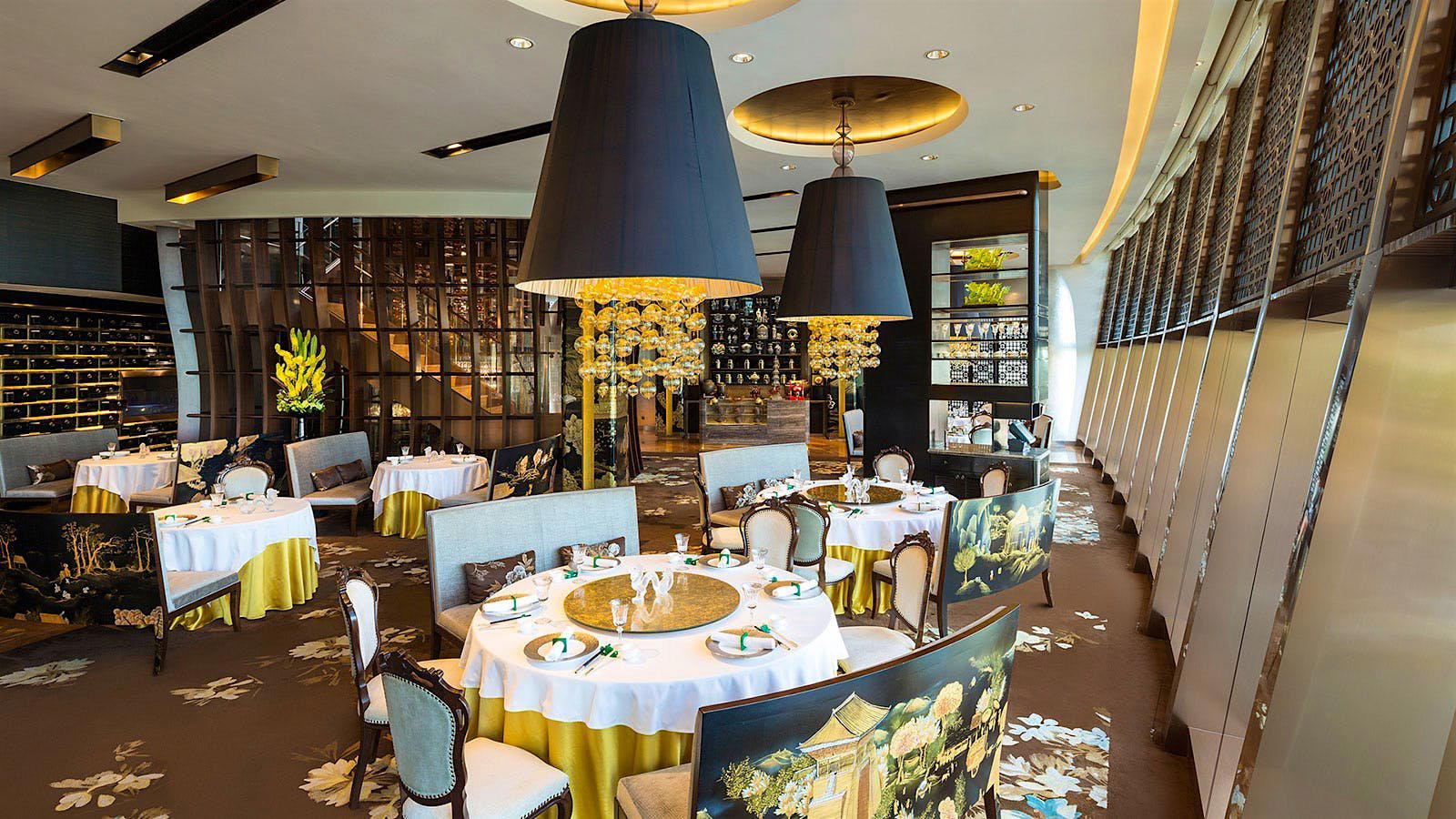
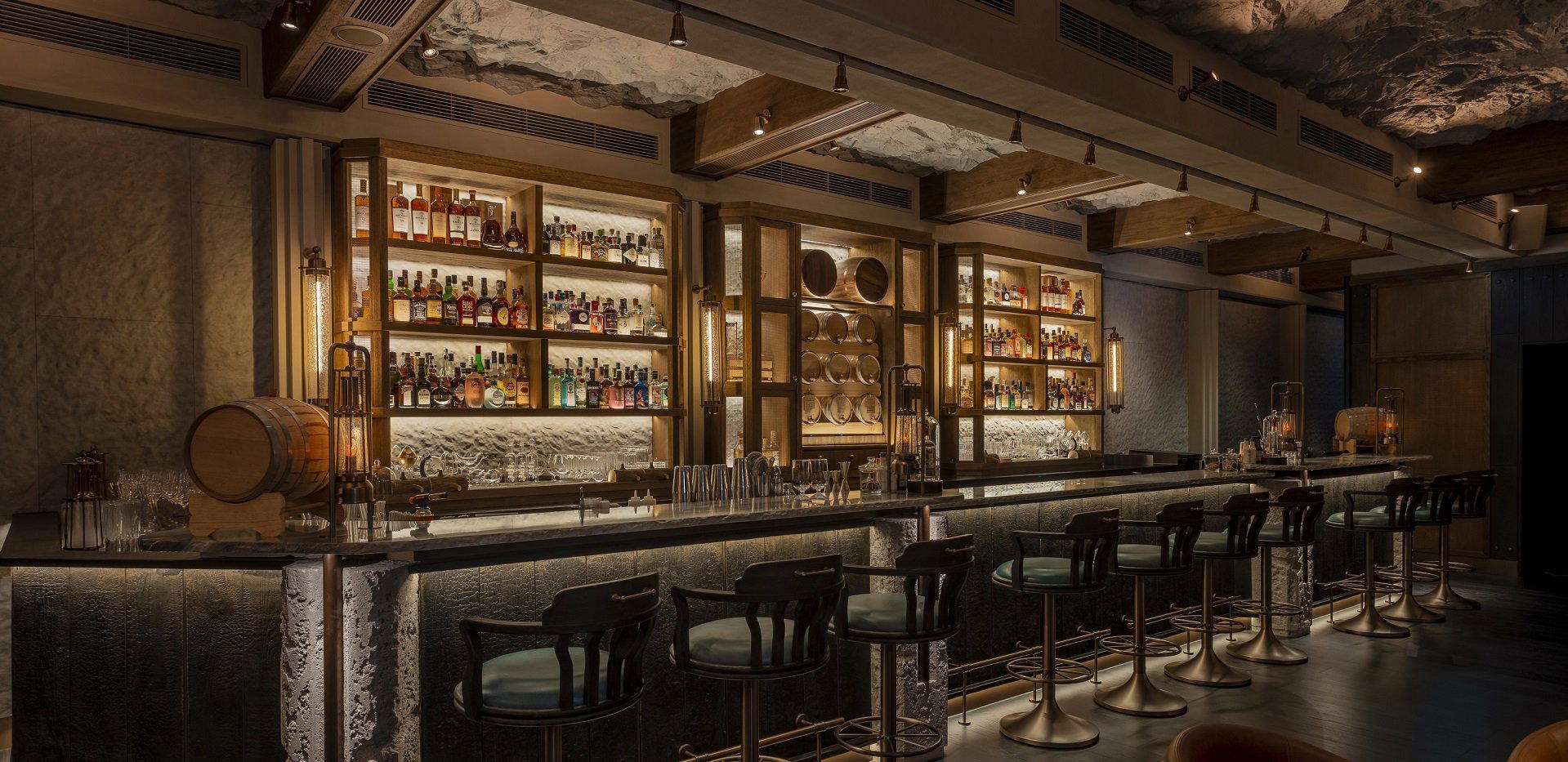
Bars in Macau
Browse all →
Hotels in Macau
Browse all →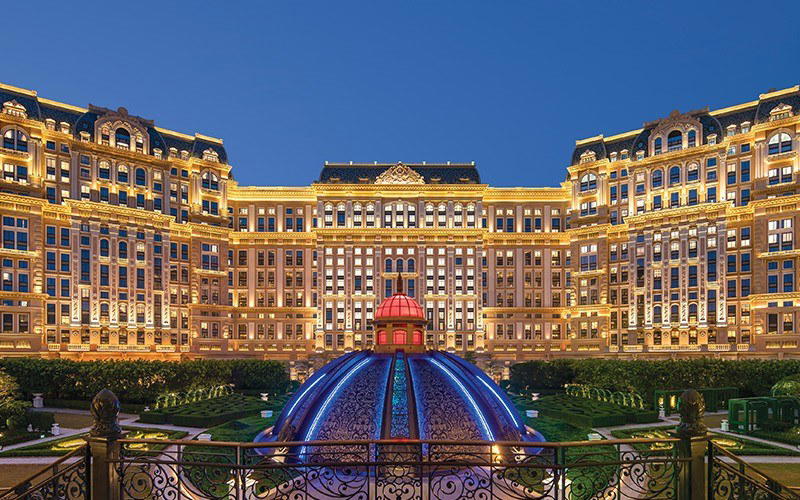
Wineries in Macau
Browse all →
At a Glance
- Elegant
- Sophisticated
- Classic
- Ornate
- Business Dinner
- Celebration
- Special Occasion
- Group Dining
- Hotel Restaurant
- Extensive Wine List
- Local Sourcing
Refined and theatrical, with a classic high-end Chinese dining room feel that emphasizes heritage, craftsmanship, and a polished guest experience.