
Selected by the Michelin Guide Hotels 2025, Sofitel Macau At Ponte 16 occupies a section of Macau's historic Inner Harbour waterfront, placing it squarely in the peninsula's older urban fabric rather than the casino-resort corridor of Cotai. The property pairs Accor's French hospitality framework with a neighbourhood that still reads as a working city district, making it a distinctly different proposition from the integrated resort model that dominates the territory.
Pearl is the En Primeur Club membership app — saves, bookings, and concierge access live there. Same editors, same standards.
- Address
- Rua do Visconde Paco de Arcos, Paco de Arcos, Macau
- Phone
- 853 8861 0016
- Directions
- Get directions
 Saves & bookings on Pearl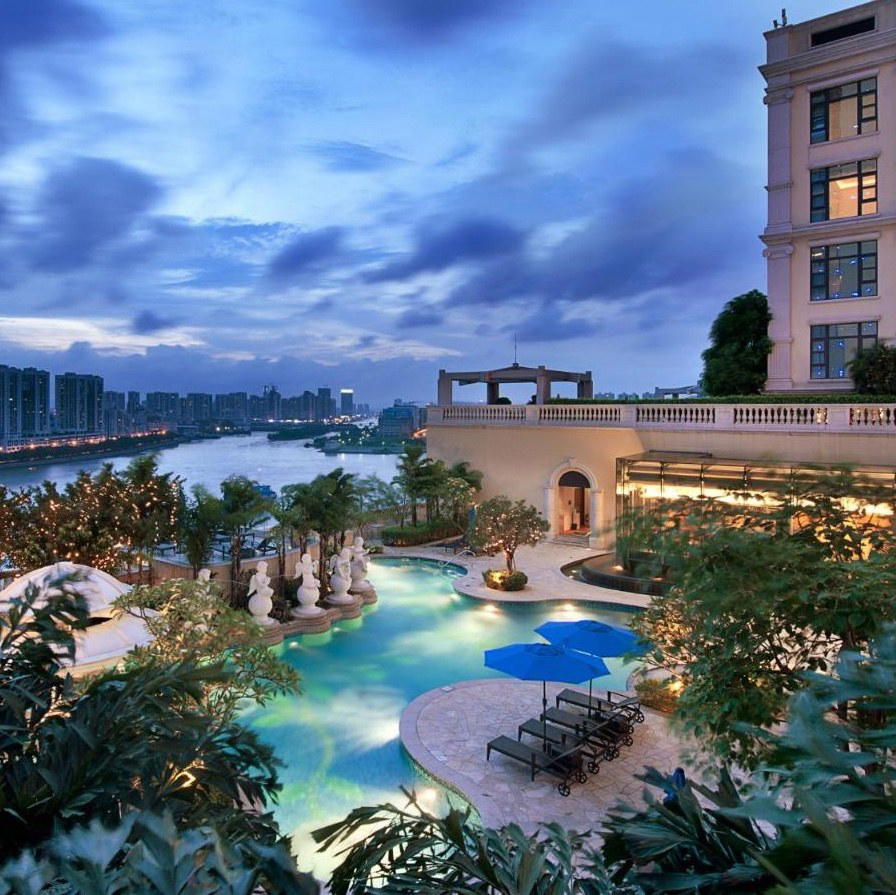
The Inner Harbour Setting and What It Means
Macau's hotel geography has split into two distinct modes. The dominant model is the integrated resort: vast, self-contained complexes on reclaimed Cotai land where properties like Banyan Tree Macau, Encore Macau, Emerald Tower at MGM COTAI, and Epic Tower at Studio City Macau operate within sealed entertainment ecosystems. The alternative, and the one Sofitel Macau At Ponte 16 represents, is a peninsula property embedded in the older urban fabric, where the city's Portuguese colonial streetscape and working harbour district are not backdrop decoration but the actual immediate environment. On Rua do Visconde Paco de Arcos, the building faces the Inner Harbour waterfront, a stretch of Macau that predates the casino economy and still carries the architectural memory of the territory's trading-port history.
That distinction carries real consequences for how a stay feels. Cotai's integrated resorts insulate guests from the city; the peninsula puts them inside it. For travellers who have already done the spectacle circuit, or who are travelling to Macau for reasons other than gaming, the peninsula address changes the entire texture of a visit. Guests can walk to the Ruins of St. Paul's, the Senado Square, and the cluster of Macanese and Cantonese restaurants that define the territory's food culture as it existed before the resort era.
French Brand Logic in a Portuguese-Chinese Neighbourhood
Sofitel is Accor's premium flag, positioned globally to carry a French hospitality sensibility, attentiveness without formality, design with a point of view, into international markets. In Macau, that framework lands in a neighbourhood that already has a European overlay in its architecture: the narrow streets, the ochre and white facades, the azulejo tile details that mark the Inner Harbour district as distinctly different from any mainland Chinese city across the water. The convergence is not accidental. Ponte 16 as a precinct was developed partly around the idea of activating the historic waterfront, and the Sofitel anchor gives the development an international hotel flag with a European cultural register that rhymes, loosely, with the colonial architectural context.
This is a dynamic that appears in other markets where European brand logic meets historic built environments. Aman Venice and Cipriani, A Belmond Hotel, Venice work a similar tension in Venice, where international luxury brands occupy historic palazzi without dissolving into the fabric entirely. Le Bristol Paris and Cheval Blanc Paris demonstrate how French luxury properties calibrate their aesthetic to historic city contexts. In Macau, the challenge is different, the European layer is a colonial residue rather than an organic tradition, but the underlying question of how a premium international brand sits inside a historic district is the same.
Design Register and Architectural Context
The editorial angle that matters most here is spatial: how the property handles the translation between Sofitel's global design language and the specific physical character of Ponte 16. The Sofitel brand has, across different markets, moved between classically French interiors and more locally inflected design choices. In a location like the Inner Harbour, the meaningful design decision is the degree to which the property acknowledges its surroundings, the water views, the low-rise colonial street scale, the working-city texture outside, versus retreating into a generic international hotel interior that could be anywhere.
From an architectural standpoint, the Inner Harbour waterfront is one of Macau's more coherent historic streetscapes. The building stock is lower and older than the Cotai towers, and the relationship to the water is immediate rather than mediated by landscaped casino grounds. A hotel that uses that orientation well, rooms with harbour aspect, public spaces that frame the view, is working with a genuine urban asset that the integrated resorts on reclaimed land cannot replicate.
Properties at a similar design-and-positioning intersection in other cities offer useful comparisons. Hôtel de Paris Monte-Carlo sits in a historic city square with views that are inseparable from the property's identity. Mandarin Oriental Ritz, Madrid occupies a landmark building where the architecture precedes the brand. Hotel Sacher Wien in Vienna and Badrutt's Palace Hotel in St. Moritz are properties where the physical setting and the building's own history are as load-bearing to the guest experience as the service program. Sofitel Macau At Ponte 16 is not in that heritage-landmark tier, but the logic of place-as-asset applies in the same direction.
Michelin Selected Status and What It Signals
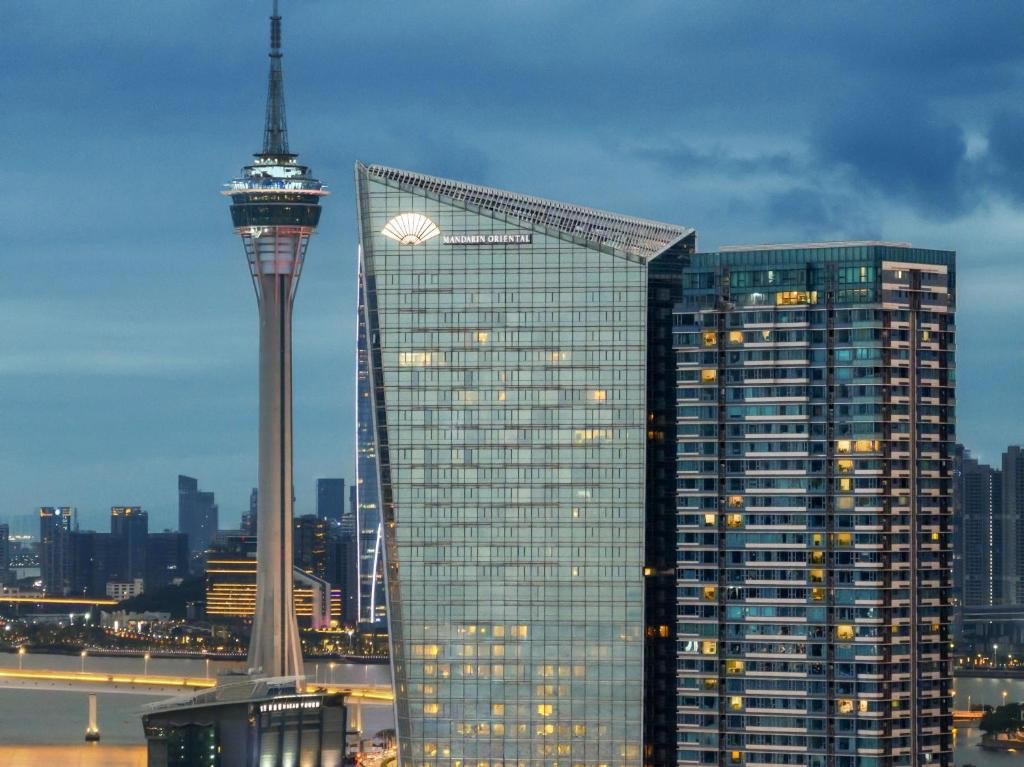
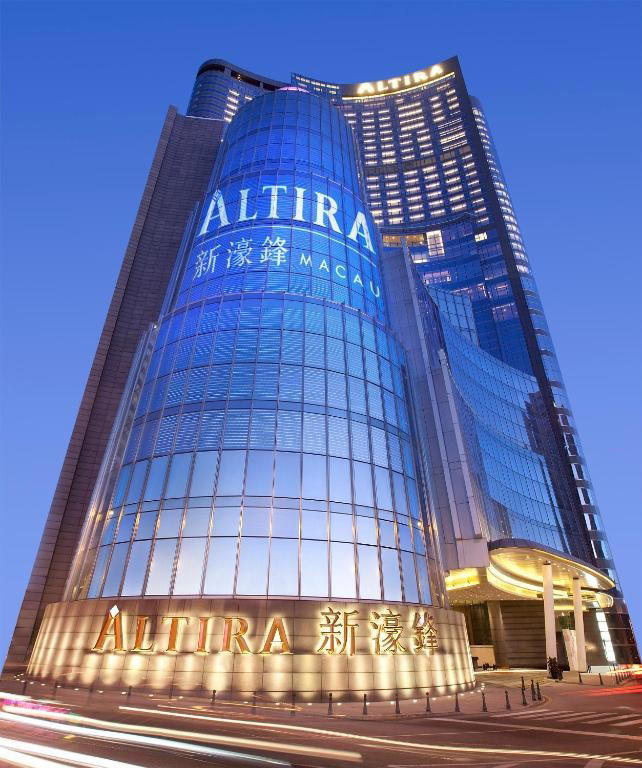
The property's inclusion in the Michelin Guide Hotels 2025 under the MICHELIN Selected designation places it in the guide's broader curated tier, distinct from the starred restaurant world but carrying the same editorial premise: that Michelin's inspectors have assessed the property against a consistent set of quality criteria. Within Macau's hotel landscape, Michelin Selected properties sit alongside a group that includes Altira Macau, Andaz Macau, Artyzen Grand Lapa Macau, and Conrad Macao, among others. The designation confirms a baseline of quality but does not position the property at the summit of Macau's hotel hierarchy; that upper tier is occupied by the likes of the Ritz-Carlton, Four Seasons, and St. Regis operations on Cotai.
Where the Michelin Selected marker matters most for Sofitel Macau At Ponte 16 is as a signal to travellers who use the guide as a quality filter across categories. It confirms that the property has been assessed, not just marketed. For a city where hotel options span an enormous range and where the largest properties are backed by substantial casino-resort marketing budgets, independent recognition of any kind carries informational weight. For comparison, European hotels in the Selected tier, Hotel Du Cap-Eden-Roc in Cap d'Antibes, Castello di Reschio in Lisciano Niccone, demonstrate the range of property types that earn the designation.
Practical Orientation
The address on Rua do Visconde Paco de Arcos places the hotel within the Ponte 16 precinct on Macau's western peninsula waterfront. The Inner Harbour location is accessible by taxi from Macau International Airport or the ferry terminals that connect to Hong Kong, Shenzhen, and Zhuhai; the peninsula's road network is compact enough that most journeys within the historic core are short. The precinct includes a casino component as part of the broader Ponte 16 development, which means gaming is available on site for guests who want it, without the property being subsumed by a resort-scale operation in the way that The Londoner Hotel in Cotai or the larger Cotai integrated resorts are structured.
For travellers calibrating Macau within a broader Asia itinerary, the peninsula properties serve a different purpose than the Cotai resorts. Mandarin Oriental Bangkok, Bvlgari Hotel Tokyo, and comparable city-embedded properties in other Asian capitals demonstrate that the premium urban hotel format, where the city itself is the amenity, remains a coherent alternative to the self-contained resort model. Sofitel Macau At Ponte 16 makes that argument in a city where the resort model is otherwise dominant.
How It Stacks Up
Comparable venues nearby, for context on price, style, and recognition.
| Venue | Cuisine | Price | Awards | Notes |
|---|---|---|---|---|
| Sofitel Macau At Ponte 16This venue — the venue you are viewing | French luxury with Portuguese colonial heritage influences, blending European elegance with oriental serenity in a historic waterfront setting. | $$$$ | 5-Star | Not listed |
| REM Hotel | Ultra-luxury boutique hotel integrated into the City of Dreams resort, focused on spacious all-suite accommodation and exclusivity. | $$$$ | 5-Star | Cotai |
| Capella at Galaxy Macau | Ultra-luxury all-suite residence within an integrated casino resort, blending high-roller hospitality with a residential, service-forward Capella experience. | $$$$ | 5-Star | Cotai |
| City of Dreams - Morpheus | ultra-luxury contemporary resort hotel | $$$$ | 5-Star | Cotai |
| The Londoner Hotel, Macau | British luxury resort with reinterpreted Georgian architecture and Mayfair-inspired grandeur | $$$$ | 5-Star | Cotai |
Recognition history
Dated appearances from independent guides and award organizations, with the underlying list record or original source where available.
Michelin Selected
Michelin
At a Glance
- Elegant
- Romantic
- Sophisticated
- Intimate
- Romantic Getaway
- Family Vacation
- Business Trip
- Anniversary
- Waterfront
- Historic Building
- Panoramic View
- Private Dining
- Destination Spa
- Terrace
- Wi Fi
- Pool
- Spa
- Fitness Center
- Room Service
- Concierge
- Business Center
- Restaurant
- Bar
- Garden
- Waterfront
- Skyline
- Wi Fi
- Pool
- Spa
- Fitness Center
- Room Service
- Concierge
- Business Center
- Restaurant
- Bar
- Garden
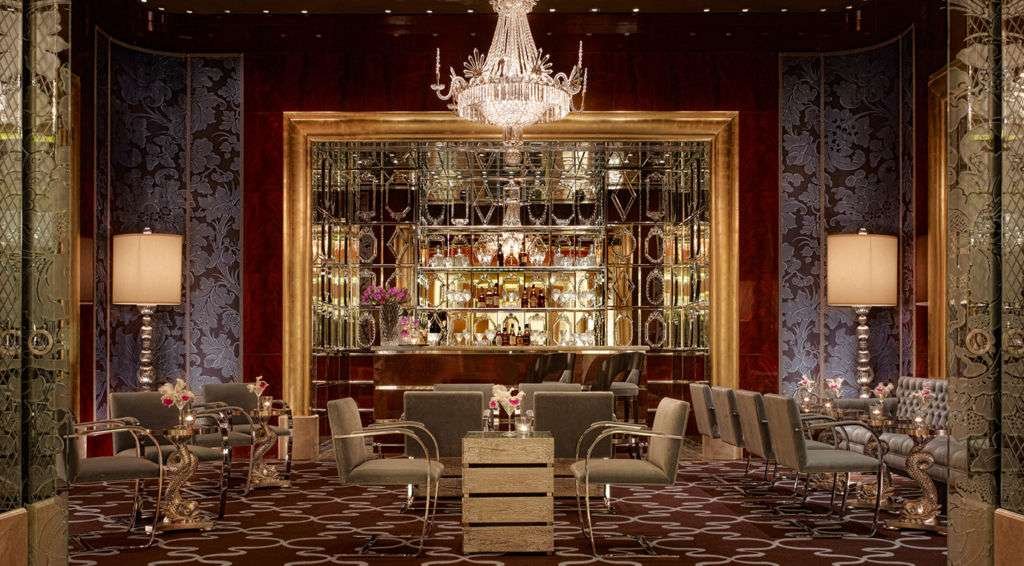
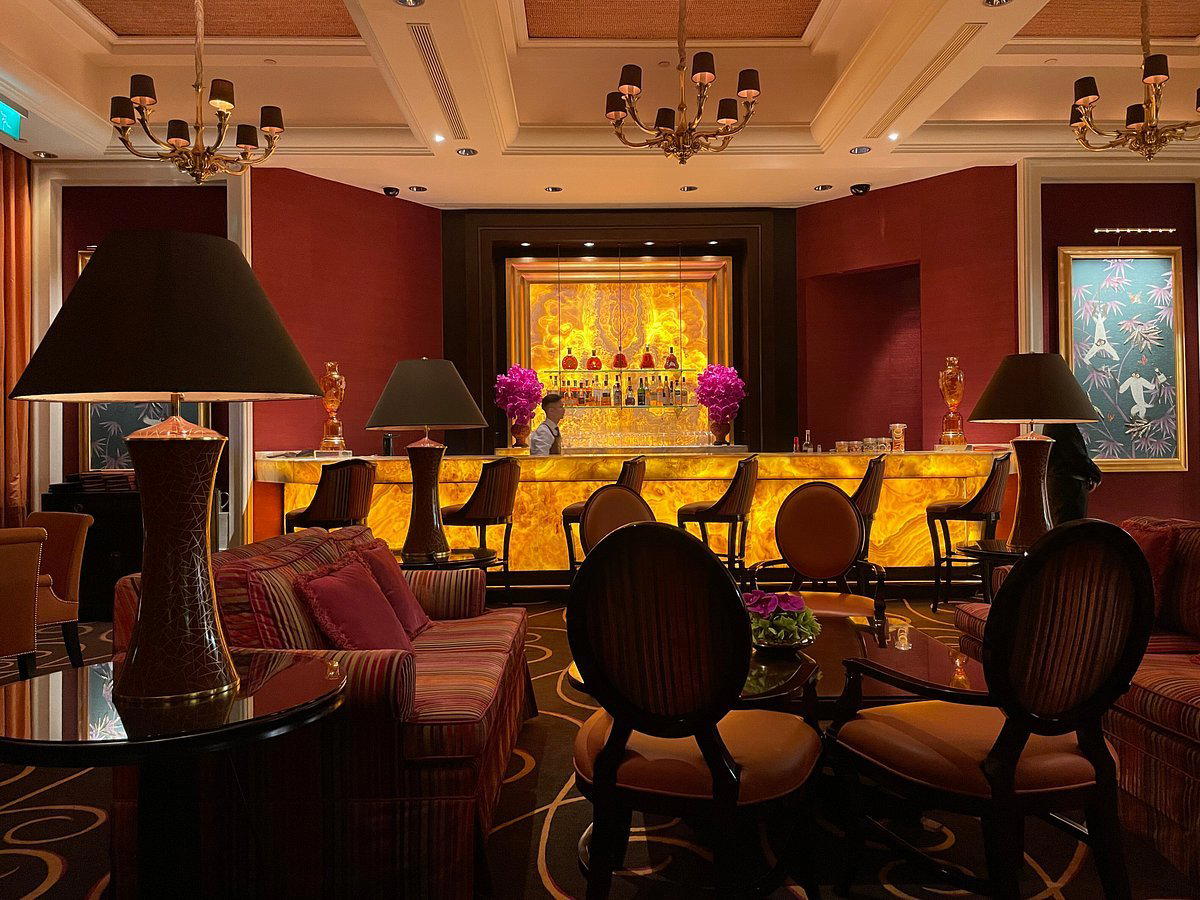
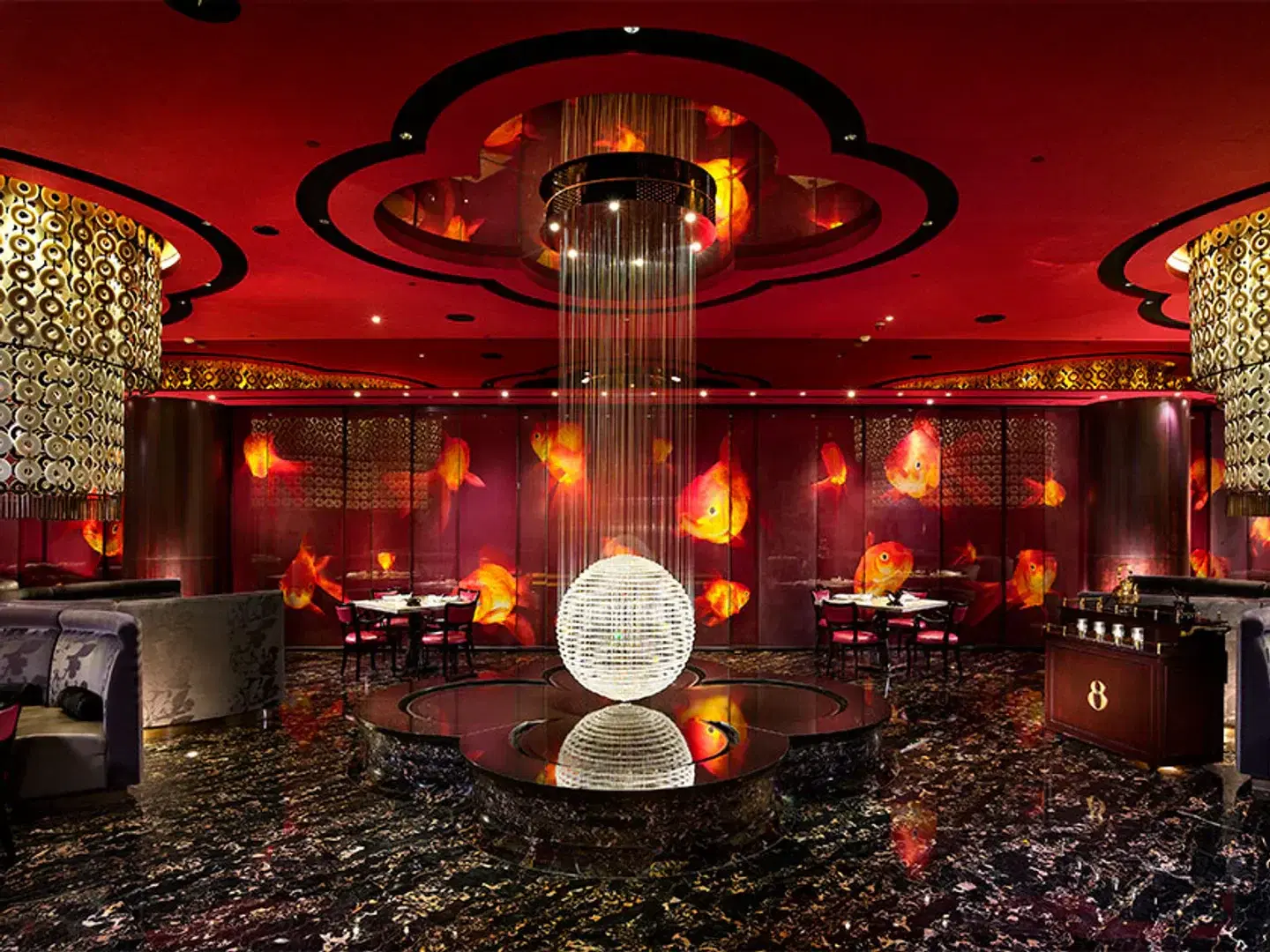
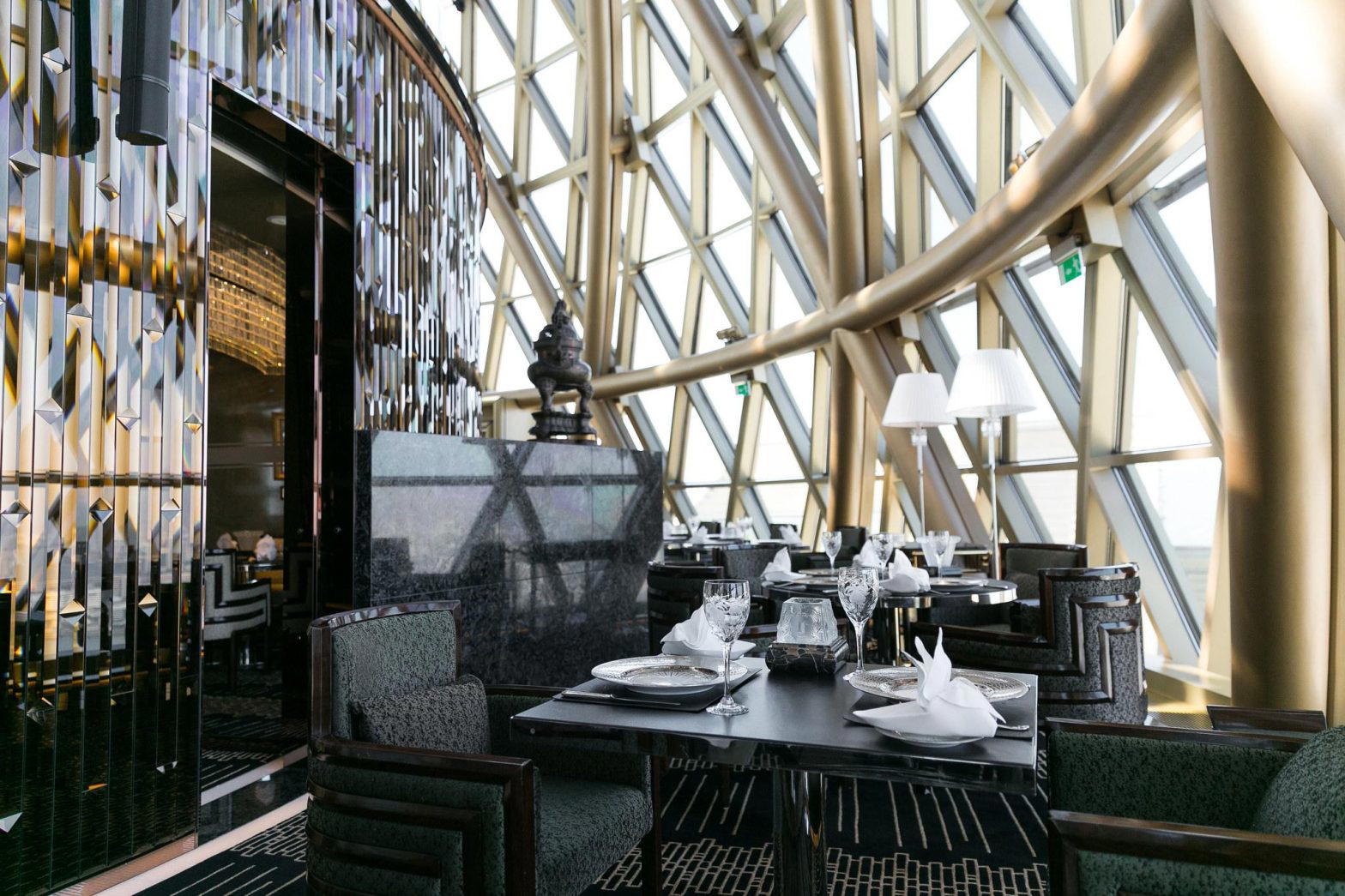
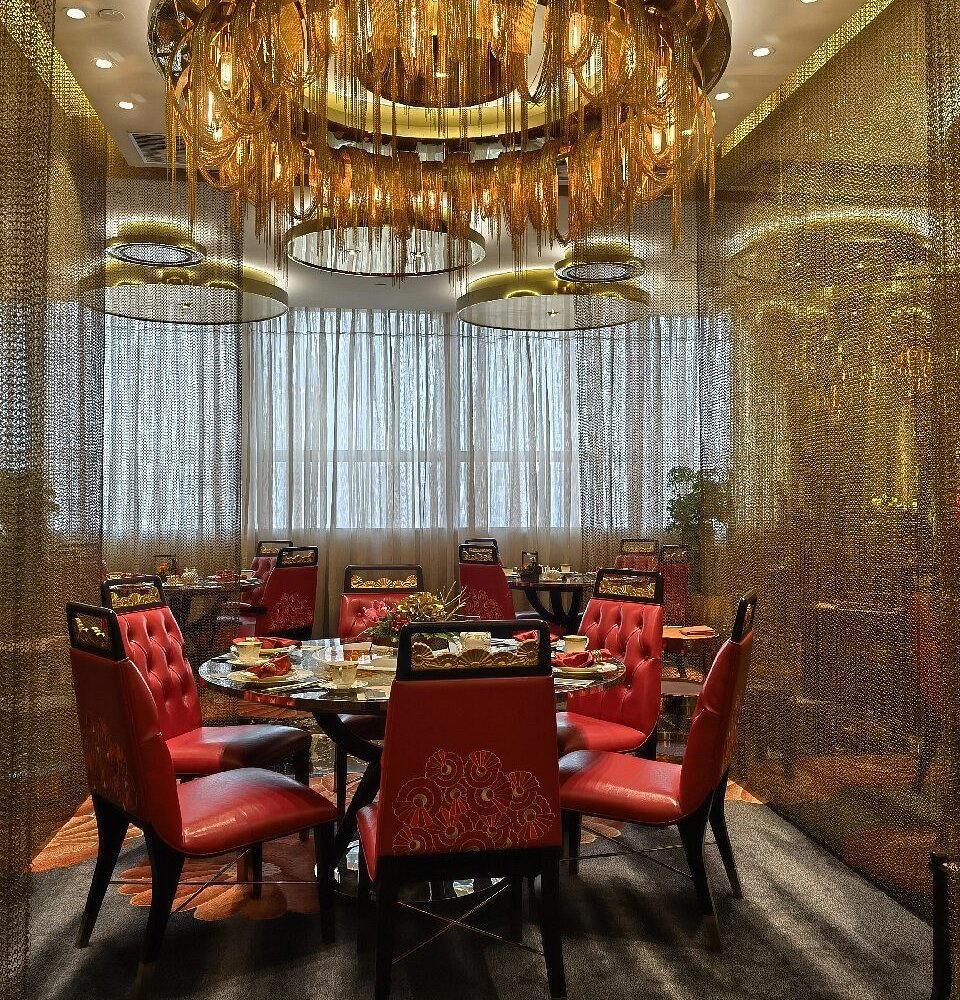
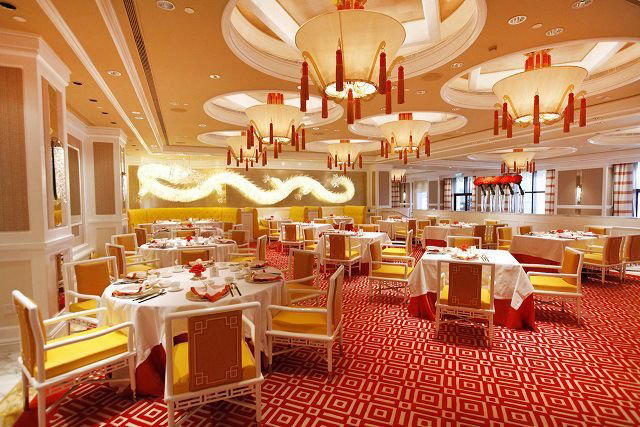
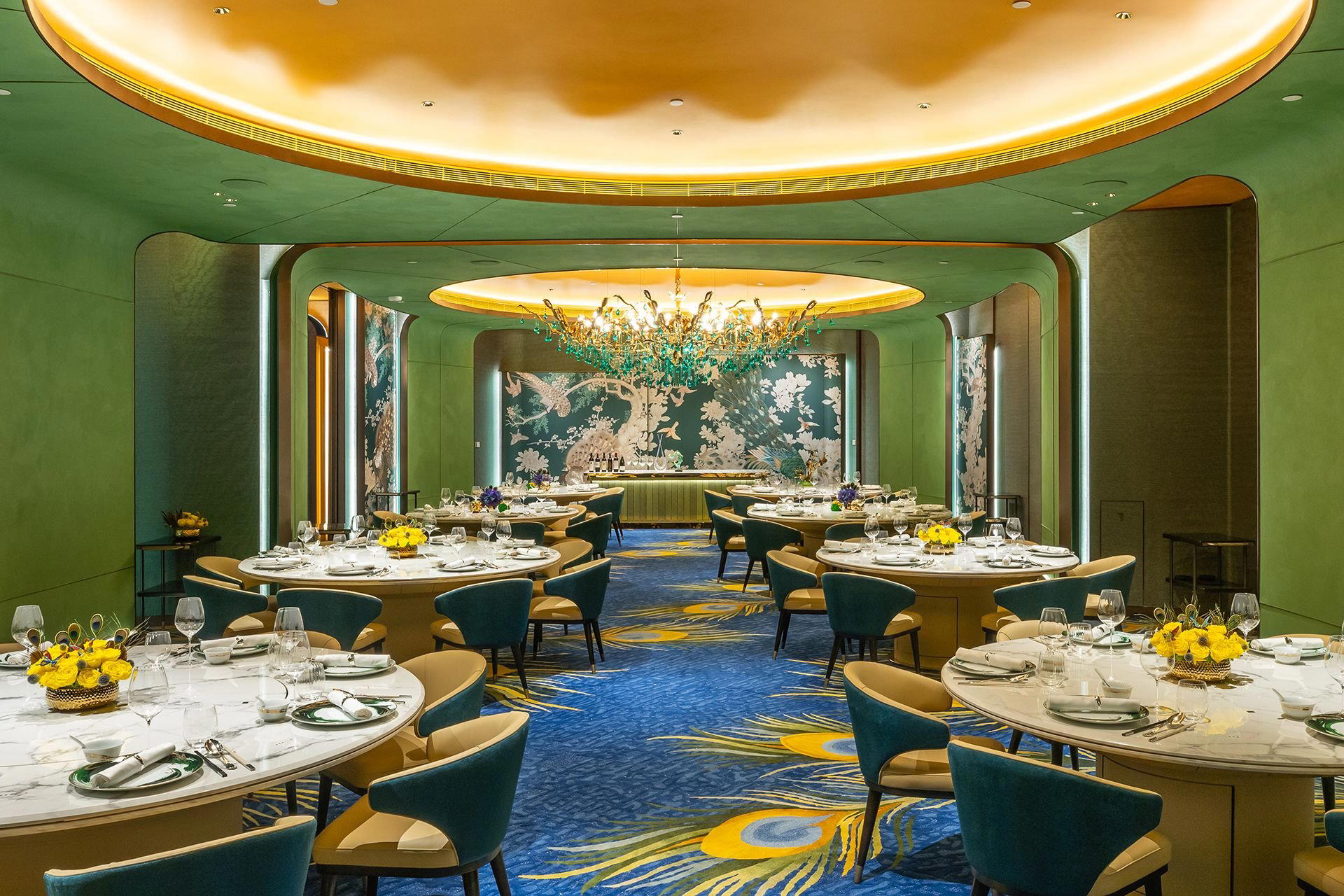
Timeless tranquility with mosaics and gleaming wood accents, crystal and latticework overhead, serene cocoons of plush linens with expansive cityscape views, blending classical European elegance with oriental calm.