
Artyzen Grand Lapa Macau sits on Avenida da Amizade, where the city's Portuguese colonial character meets its contemporary hotel infrastructure. The property holds a 2026 Star Wine List award, signalling a wine program that places it in a specific tier among Macau's heritage-adjacent luxury hotels. For travellers who want proximity to the historic peninsula without sacrificing service depth, it occupies a distinct position in the city's accommodation mix.
Pearl is the En Primeur Club membership app — saves, bookings, and concierge access live there. Same editors, same standards.
- Address
- 956-1110 Avenida Da Amizade, Macau
- Phone
- 853-2856-7888
- Website
- artyzen.grandlapa.com
- Directions
- Get directions
 Saves & bookings on Pearl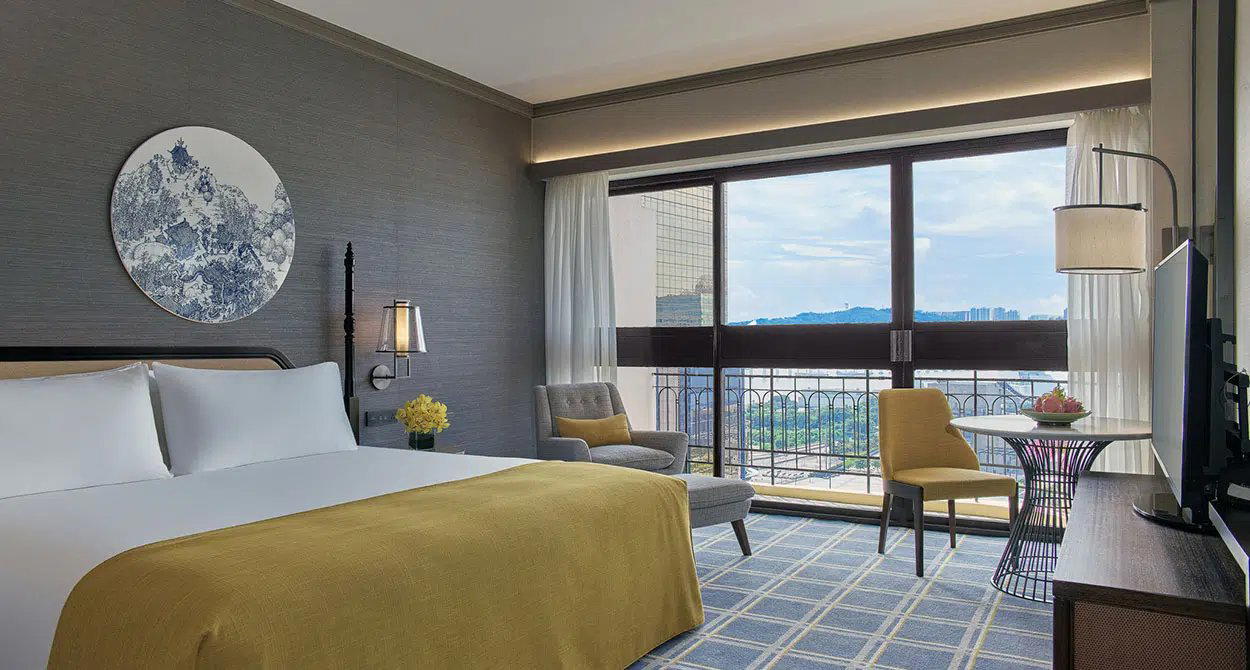
Where Macau's Colonial Character Meets Contemporary Hospitality
Avenida da Amizade runs along Macau's outer harbour, connecting the peninsula's historic core to its newer reclaimed-land districts. Hotels positioned along this corridor occupy an interesting middle ground: close enough to the Portuguese-influenced streetscape of the old city to benefit from its atmosphere, far enough from the Cotai Strip's casino-resort density to offer a different register of stay. Artyzen Grand Lapa Macau sits in this position on the avenue, at address 956-1110, and the location shapes the guest experience before any service interaction begins.
The broader Macau luxury hotel market has split into two recognisable tiers. One cohort clusters in Cotai, where properties like Four Seasons Hotel, Macau, Banyan Tree Macau, and Emerald Tower at MGM COTAI compete on scale, spectacle, and integrated entertainment. The other cohort anchors to the peninsula, where the city's older architectural identity, its UNESCO-listed historic centre, and a more resident-facing urban rhythm create a different context for hospitality. Artyzen Grand Lapa belongs to this second grouping, and that positioning matters for how service is structured and what the hotel is actually selling.
The Wine Program as a Proxy for Service Depth
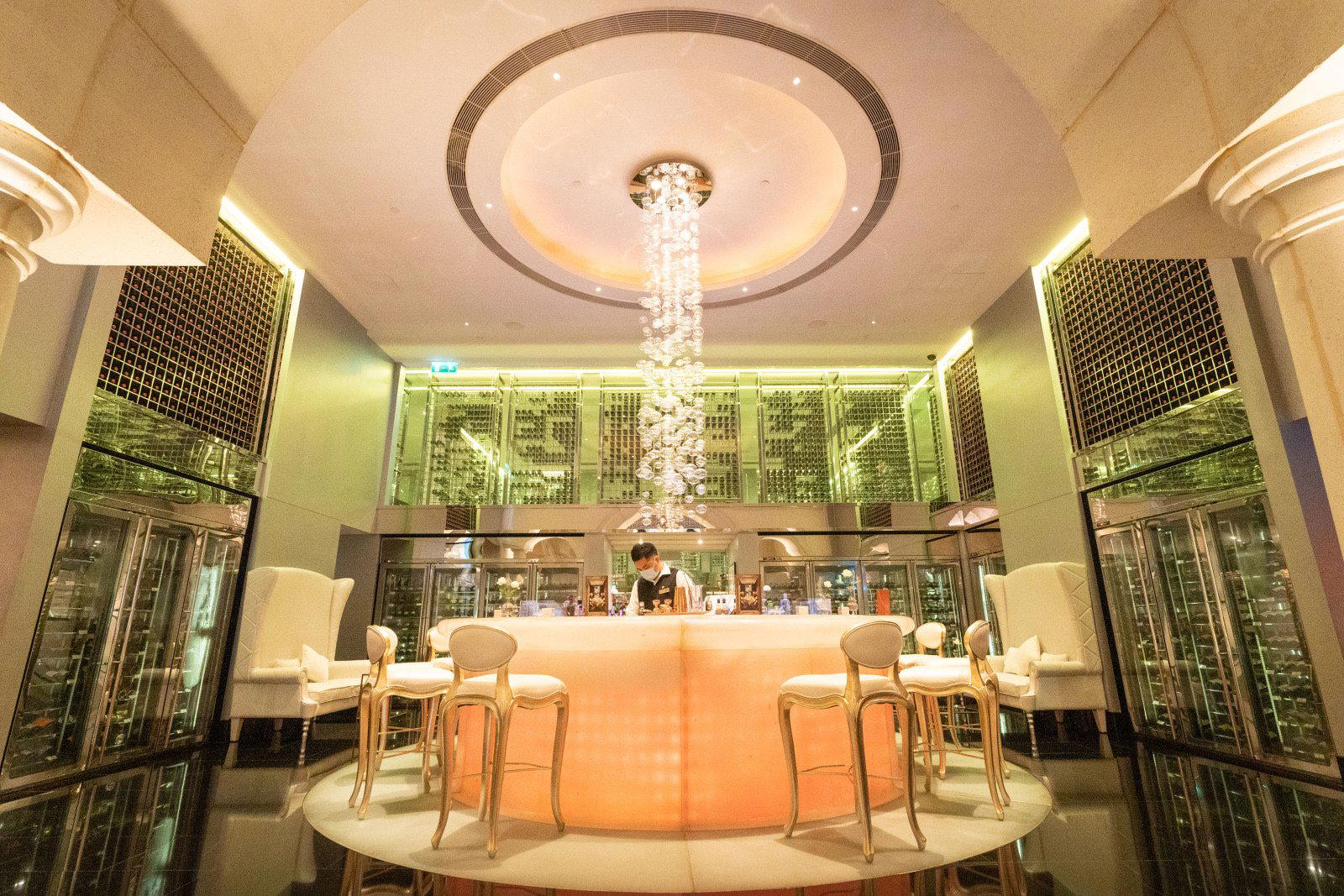
Among Macau's peninsula hotels, a wine program credentialed by Star Wine List in 2026 is not a standard feature. The Star Wine List recognition, awarded by a specialist publication that focuses on list curation, depth by region, and staff training rather than bottle count alone, signals a food and beverage operation with professional infrastructure behind it. In the context of a city whose luxury hotel scene is dominated by properties competing on gaming adjacency and large-format F&B, a specialised wine credential positions Artyzen Grand Lapa in a smaller peer group: hotels where the dining experience is treated as a primary offering rather than an ancillary amenity.
For comparison, properties like Andaz Macau and Encore Macau operate within integrated resort footprints where F&B competes for attention with a much larger entertainment program. A standalone wine list award at a peninsula property implies that the beverage team is carrying real weight in the hotel's identity, and that guests who arrive with an interest in the table will find the infrastructure to support it.
Service Orientation: Heritage-Aware, Not Heritage-Themed
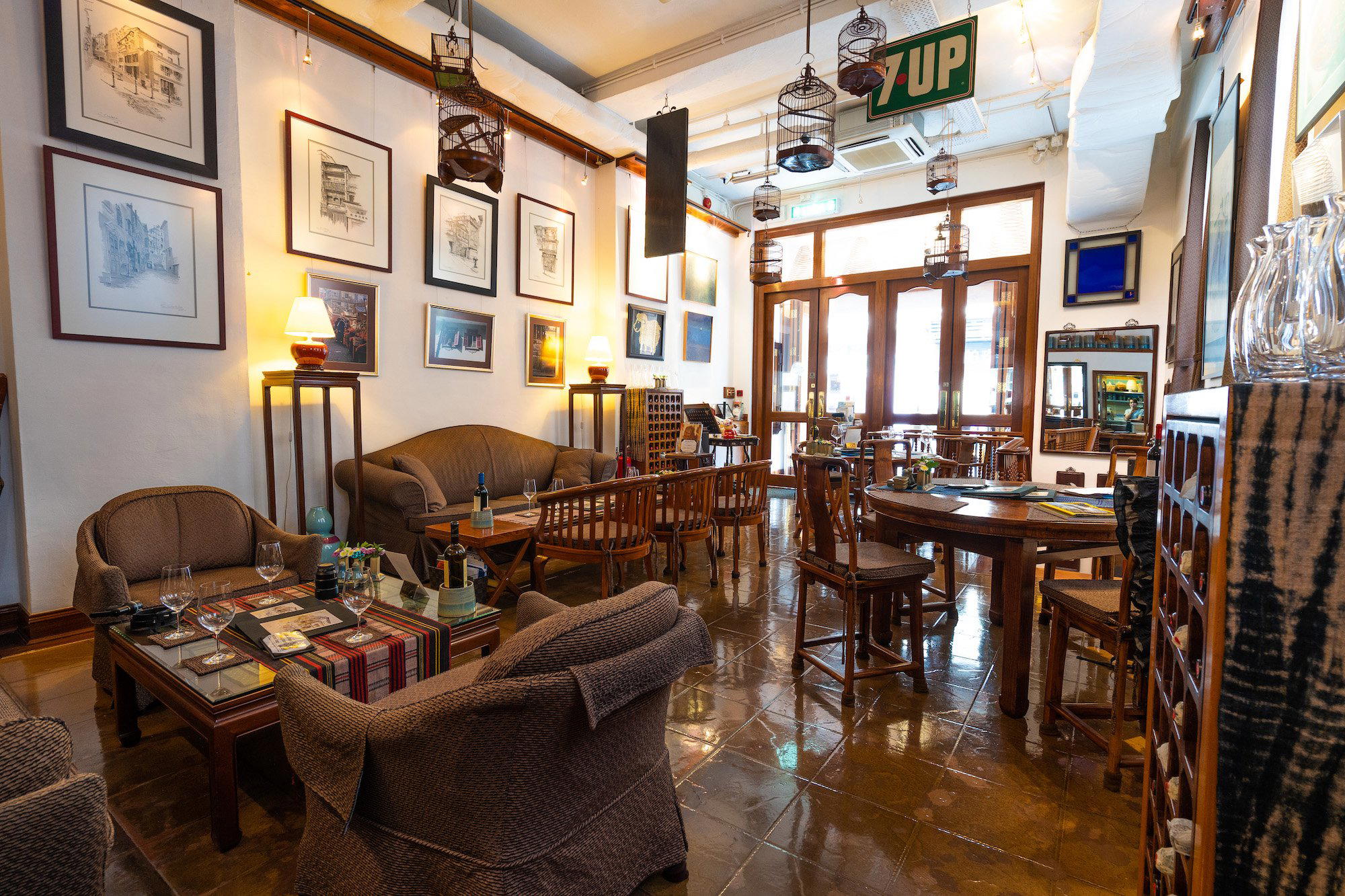
Macau's hospitality character is distinct from Hong Kong's or mainland China's, shaped by four centuries of Portuguese administration that left behind a specific architectural grammar, a creole cuisine tradition, and a civil service culture that mixed European and Cantonese approaches. The better peninsula hotels draw on this heritage without reducing it to surface decoration. What that looks like in practice is staff who understand both the city's Portuguese-speaking community and its Cantonese majority, food and beverage programs that reference local ingredients and cooking traditions, and a physical environment that references the colonial-era built fabric rather than approximating it in new construction.
Artyzen as a brand positions itself at the intersection of local heritage and contemporary delivery, and the Grand Lapa property in Macau is one of the clearest expressions of that positioning. The guest experience this implies is one where local knowledge is embedded in the service rather than performed for effect: where a recommendation about the nearby Rua do Almirante Sérgio or the A-Ma Temple area comes from familiarity rather than a printed card.
This kind of service orientation is relevant to a specific traveller profile. Those visiting Macau primarily for its gaming resorts will find more integrated infrastructure at Conrad Macao or Epic Tower at Studio City Macau. Guests whose interest is the city's historic fabric, its restaurant scene along the peninsula streets, and the particular atmosphere of an older Macau will find Artyzen Grand Lapa's positioning more aligned with that agenda.
Placing Artyzen Grand Lapa in the Wider China Luxury Hotel Context
Across mainland China and its special administrative regions, the luxury hotel market has seen a sharpening distinction between international brand flagships and properties that work harder to embed local character. The Artyzen brand sits deliberately in the second category. Properties like Amandayan in Lijiang and Amanfayun in Hangzhou occupy a similar space: luxury that takes its aesthetic and service cues from the specific place rather than from a global standard template. Mandarin Oriental Qianmen in Beijing pursues a comparable logic, using a historically sensitive location to differentiate from the city's newer hotel corridors.
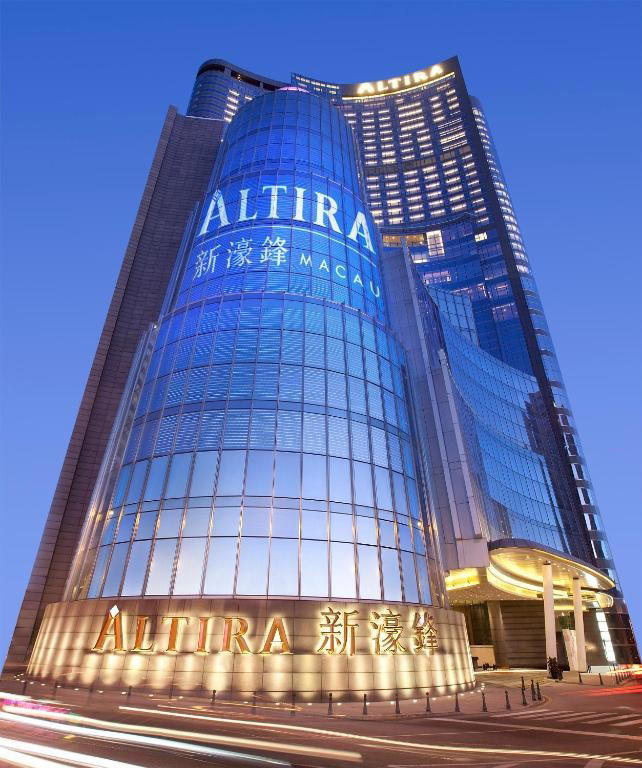
Within Macau specifically, this positions Artyzen Grand Lapa against Altira Macau as a comparable point of reference: both are peninsula-adjacent properties that operate outside the Cotai integrated resort model and compete on service quality and location character rather than on scale. For travellers who have consulted our full Macau restaurants guide, the hotel's positioning on the peninsula makes it a practical base for the city's older dining institutions.
Planning Your Stay
The hotel's address at 956-1110 Avenida da Amizade places it within reach of both the Macau Ferry Terminal and the older streets of the historic centre. Guests arriving by ferry from Hong Kong can typically reach the property without requiring onward ground transport, which is a practical advantage over Cotai properties that require a second leg by shuttle or taxi. For those planning visits around the wine program specifically, the Star Wine List 2026 recognition is the clearest advance signal of what to expect, and the F&B team should be the first point of contact for reservations and program details. As with all peninsula properties, proximity to Cotai entertainment is manageable by taxi but not walkable, so guests who anticipate splitting time between the old city and the casino resort district should factor that transit into their planning.
Travellers comparing options across the region may find useful parallels at Andaz Shenzhen Bay in Shenzhen or 1 Hotel Haitang Bay, Sanya, both of which pursue a location-specific luxury logic in markets where large-format resort competition is the dominant mode. For international comparisons in the heritage-meets-contemporary bracket, Aman Venice and The Fifth Avenue Hotel in New York City represent the same general positioning philosophy applied to different urban contexts.
What It’s Closest To
Comparable venues nearby, for context on price, style, and recognition.
| Venue | Cuisine | Price | Awards | Notes |
|---|---|---|---|---|
| Artyzen Grand Lapa MacauThis venue — the venue you are viewing | Urban resort blending Sino-Portuguese heritage with contemporary elegance | $$$$ | 4-Star | Not listed |
| The Venetian Macao | Venetian-themed integrated resort | $$$$ | 5-Star | Cotai Strip |
| Grand Suites at Four Seasons Hotel, Macao | residential luxury suites | $$$$ | 5-Star | Cotai Strip |
| The Parisian Macao | Luxury palace-style resort with Parisian-inspired architecture and contemporary French design elements throughout. | $$$$ | 5-Star | Cotai Strip |
| Hotel Okura Macau | Japanese luxury resort within integrated entertainment complex | $$$$ | 5-Star | Cotai |
| Nüwa Macau | Contemporary Asian luxury with bespoke hospitality | $$$$ | 5-Star | Cotai |
Recognition history
Dated appearances from independent guides and award organizations, with the underlying list record or original source where available.
Star Wine List
Star Wine List
Continue exploring
More in Macau
Hotels in Macau
Browse all →
At a Glance
- Elegant
- Sophisticated
- Scenic
- Family Vacation
- Romantic Getaway
- Business Trip
- Rooftop Pool
- Destination Spa
- Panoramic View
- Terrace
- Wi Fi
- Pool
- Spa
- Fitness Center
- Room Service
- Concierge
- Business Center
- Tennis
- Waterfront
- Skyline
- Wi Fi
- Pool
- Spa
- Fitness Center
- Room Service
- Concierge
- Business Center
- Tennis
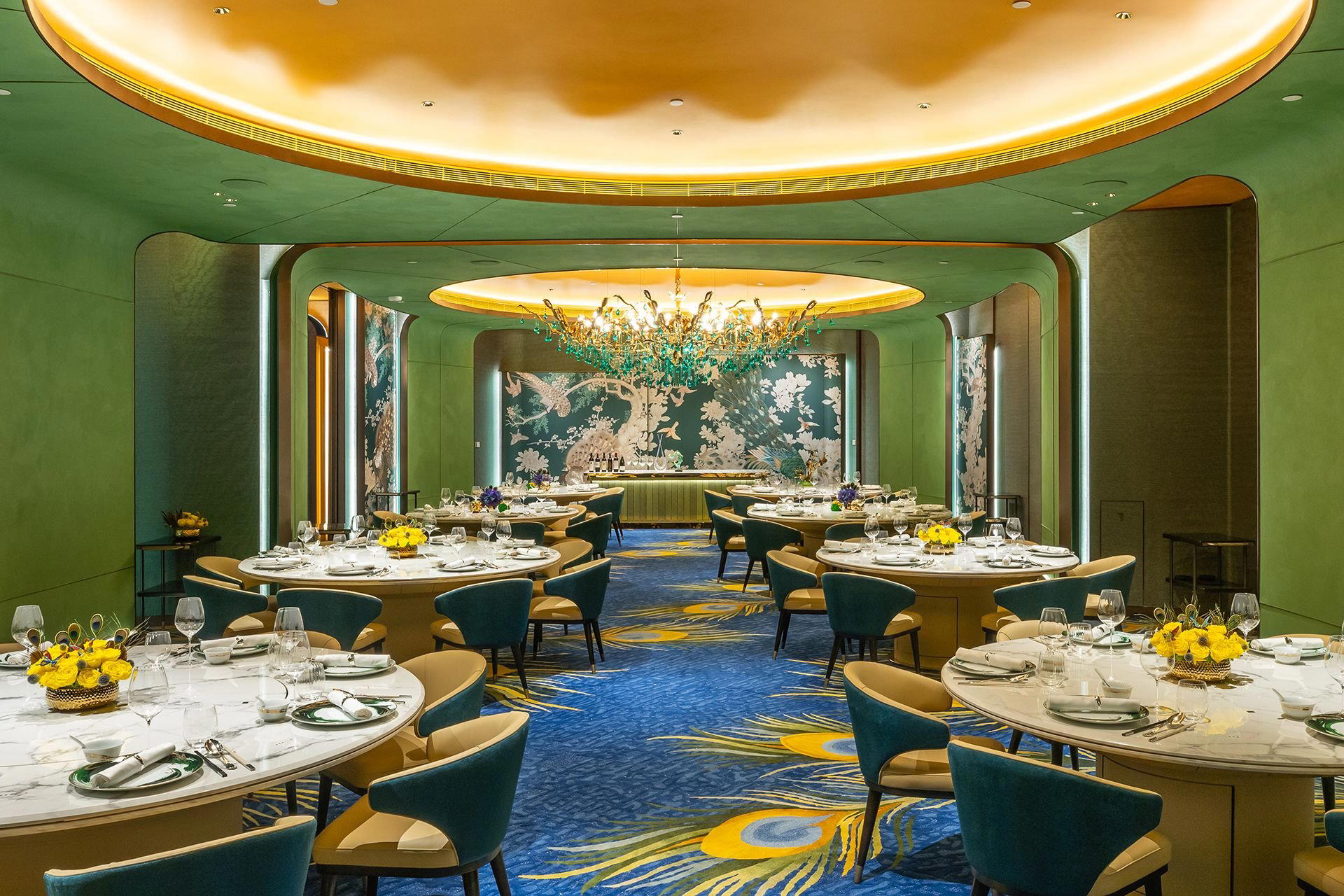
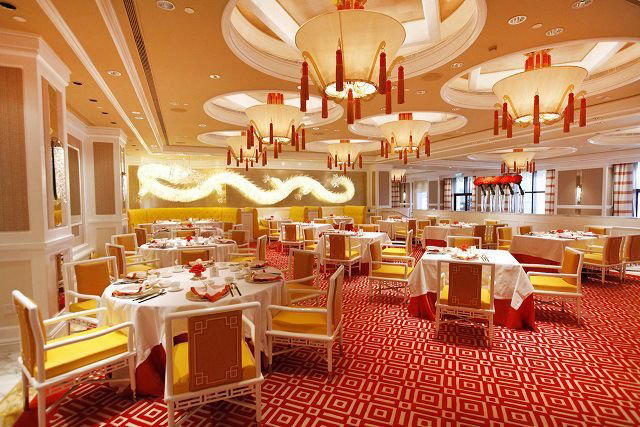
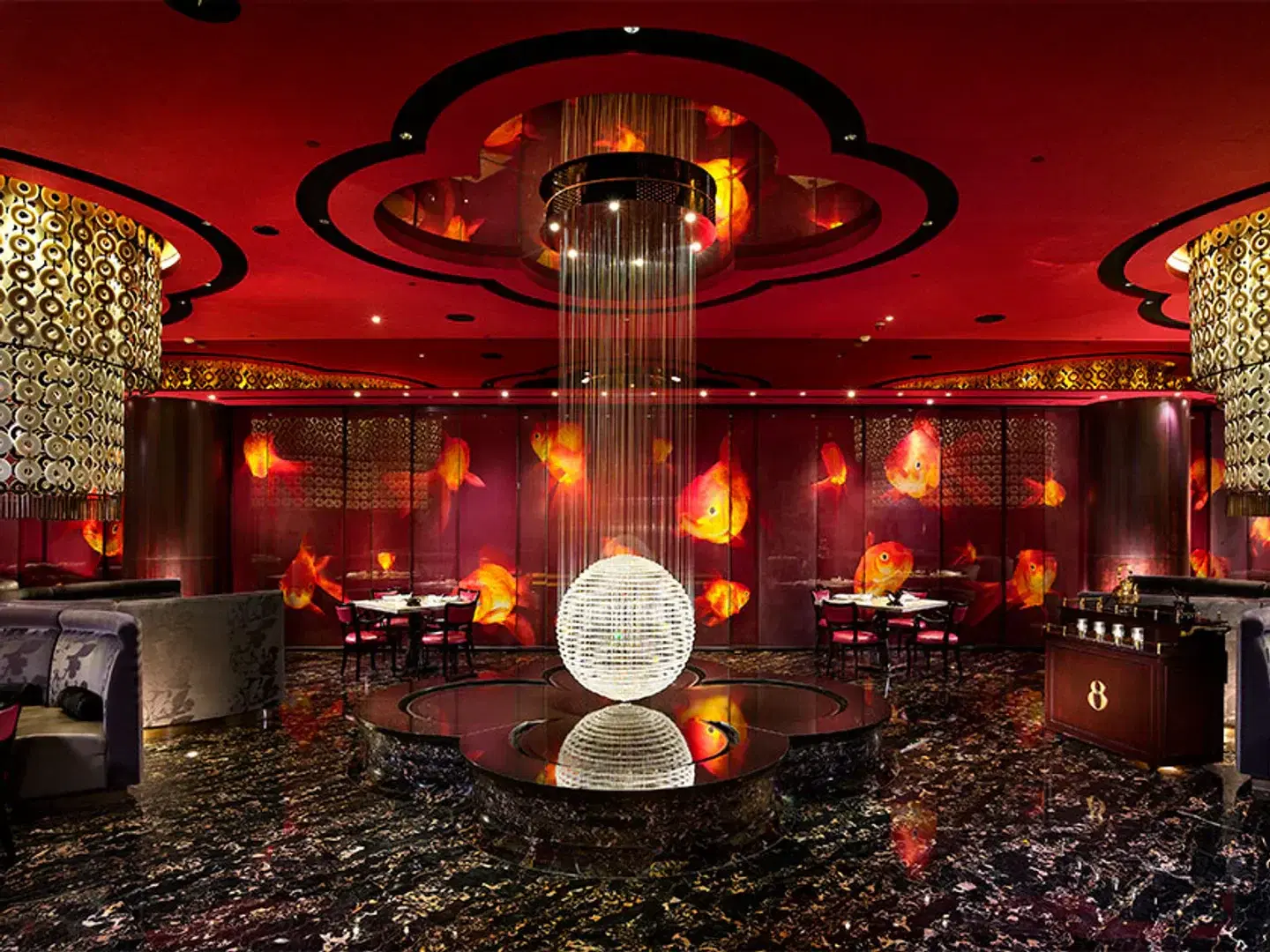
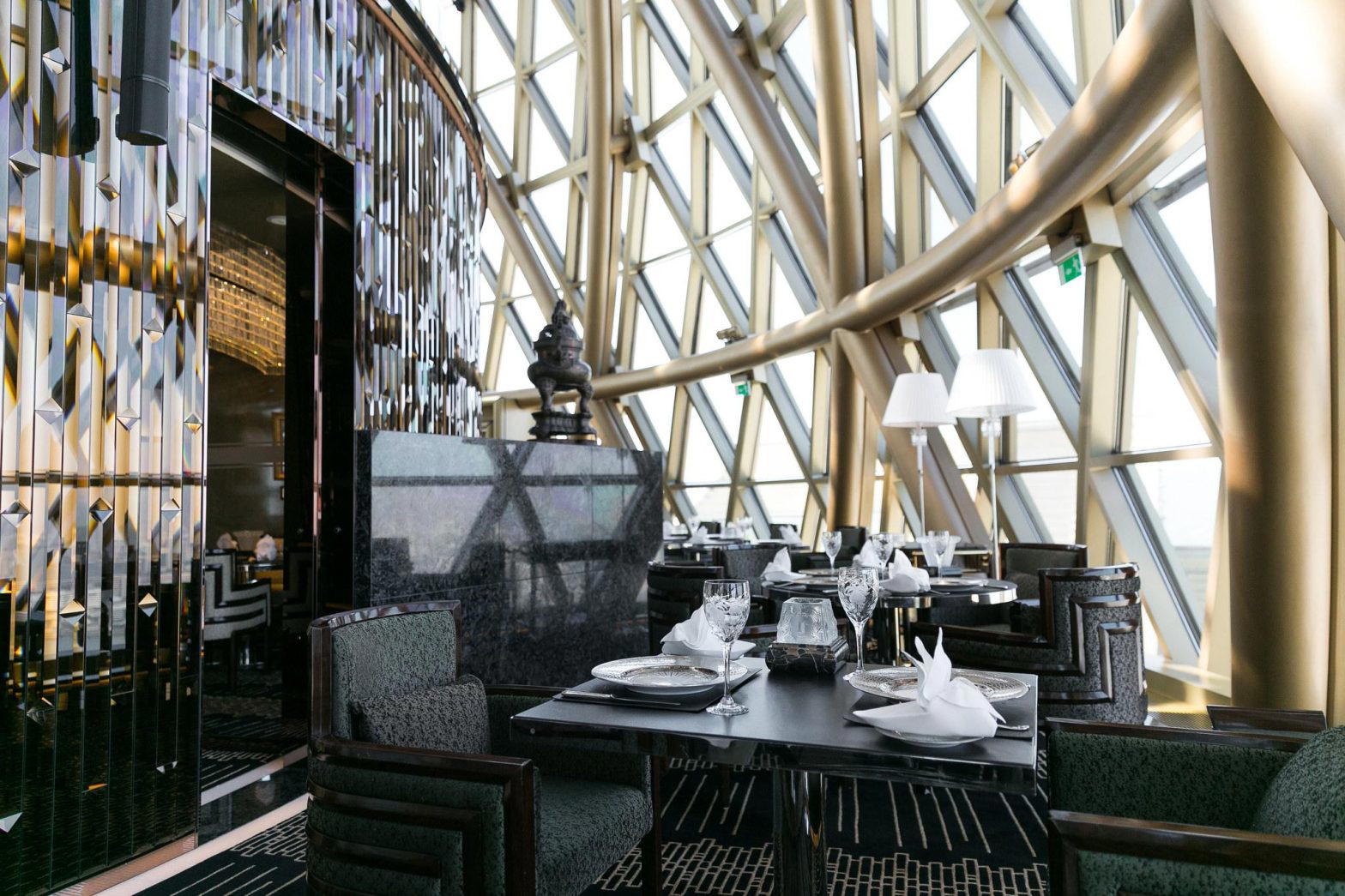
Relaxing blend of timeless tones, rich furnishings, and lush tropical gardens surrounding the pool, creating a tranquil East-West fusion atmosphere.