Brimstone Hotel

Selected by the Michelin Guide 2025, Brimstone Hotel sits in Great Langdale, one of the Lake District's most dramatic valley settings. The property occupies the smaller, design-led end of Cumbrian luxury accommodation, where architecture responds directly to the fells rather than retreating from them. For travellers choosing between Ambleside's premium options, it represents the area's most terrain-integrated proposition.
Pearl is the En Primeur Club membership app — saves, bookings, and concierge access live there. Same editors, same standards.
- Address
- Great Langdale, Ambleside LA22 9JD, United Kingdom
- Phone
- +44 15394 38014
- Website
- brimstonehotel.co.uk
 Saves & bookings on Pearl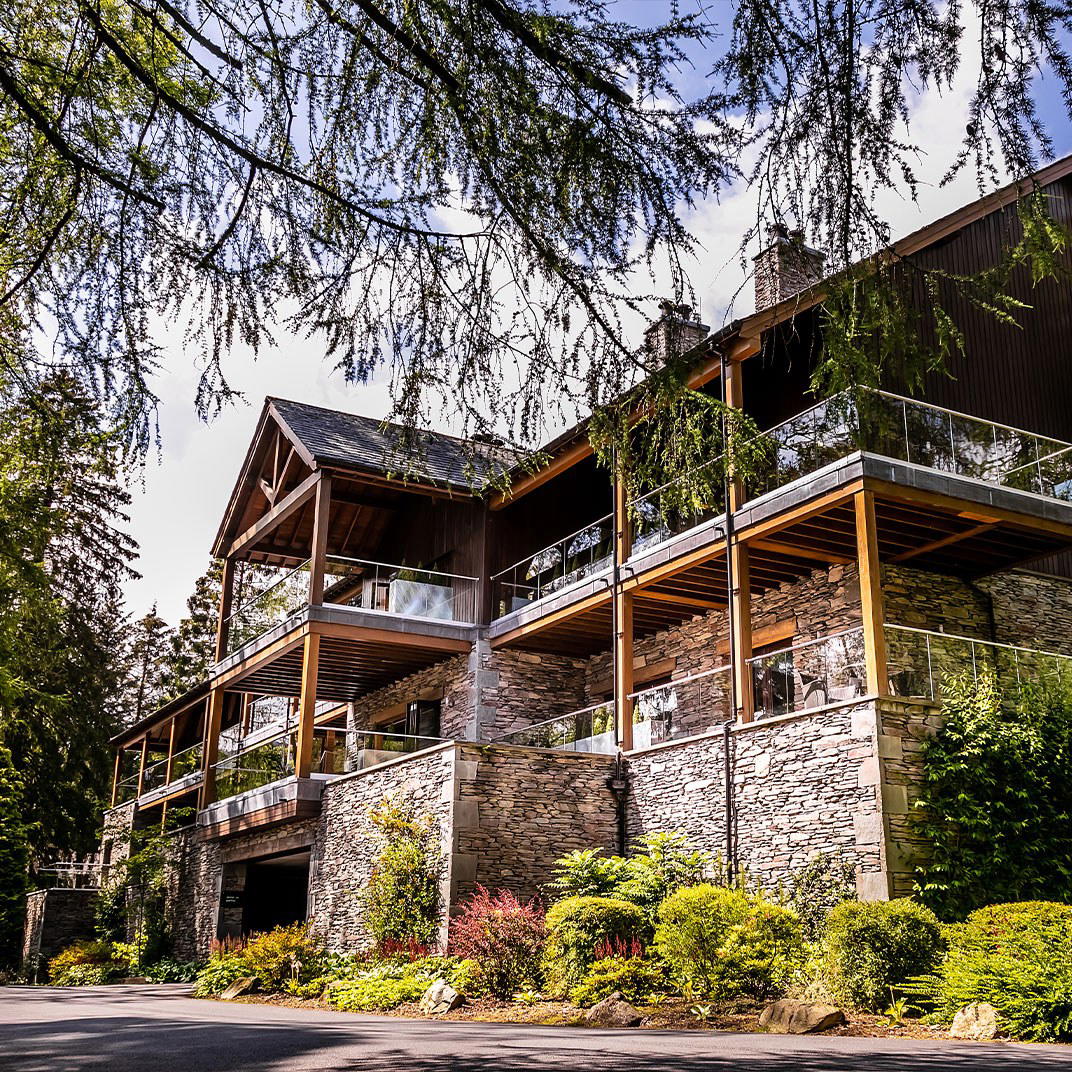
Where the Valley Sets the Terms
Great Langdale is not a backdrop. The valley runs deep into the central Lake District fells, flanked by the Langdale Pikes on one side and the long ridge of Bowfell on the other, and any building placed within it answers to the landscape before it answers to any design brief. Brimstone Hotel sits inside that equation, positioned in a valley where the scale of the surroundings immediately reorders a guest's priorities. You arrive by a single road that narrows as it follows the beck westward from Ambleside, and by the time the hotel comes into view, the fells have already done most of the atmospheric work.
This is characteristic of how the premium end of Lake District accommodation has developed. Rather than competing through urban-style amenity density, the properties in the region tend to orient their design and programming around the terrain itself. The Samling Hotel above Windermere and Rothay Manor closer to Ambleside town occupy different points on that same spectrum, each trading on the particularity of its setting. Brimstone's position in Great Langdale places it at the more remote and topographically dramatic end of the local comparable set.
Design in Dialogue with Fell Country
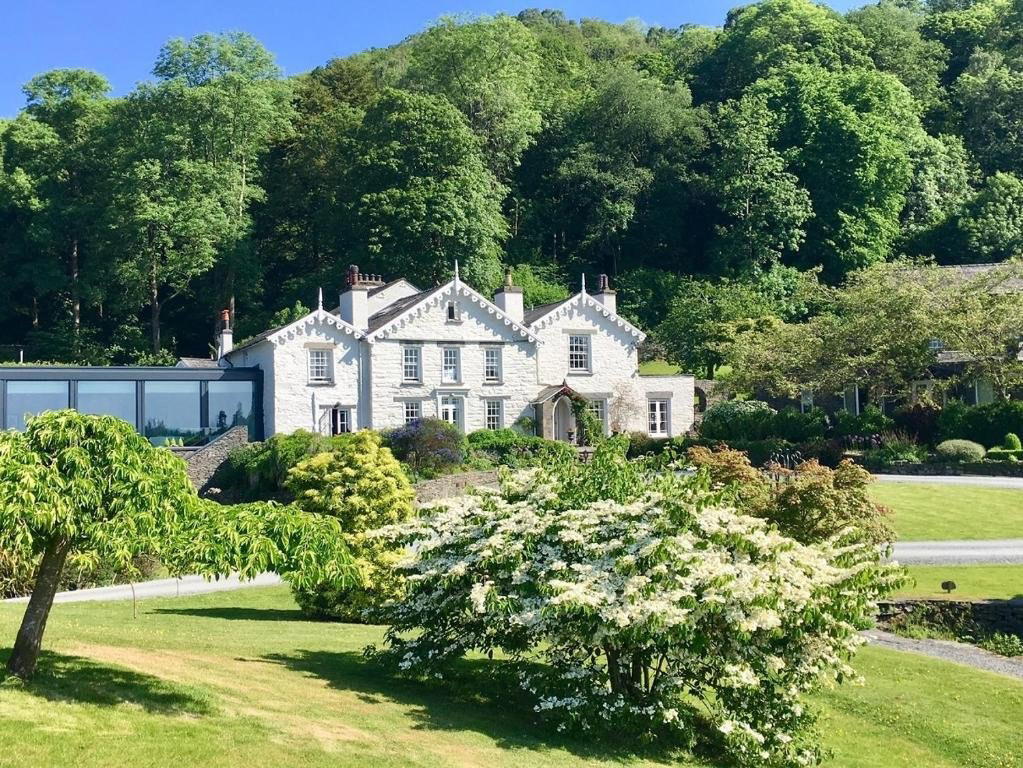
The architecture of high-end rural retreats in England's national parks tends toward one of two registers: the restored country house, which preserves period structure while inserting contemporary comfort, or the purpose-built property that makes a deliberate material argument about belonging to its landscape. Brimstone belongs to the second category. The building's material palette and massing reference the stone-and-slate vernacular of Langdale's farms and field walls rather than the grander country-house idiom you find at properties like Estelle Manor in North Leigh or The Newt in Somerset.
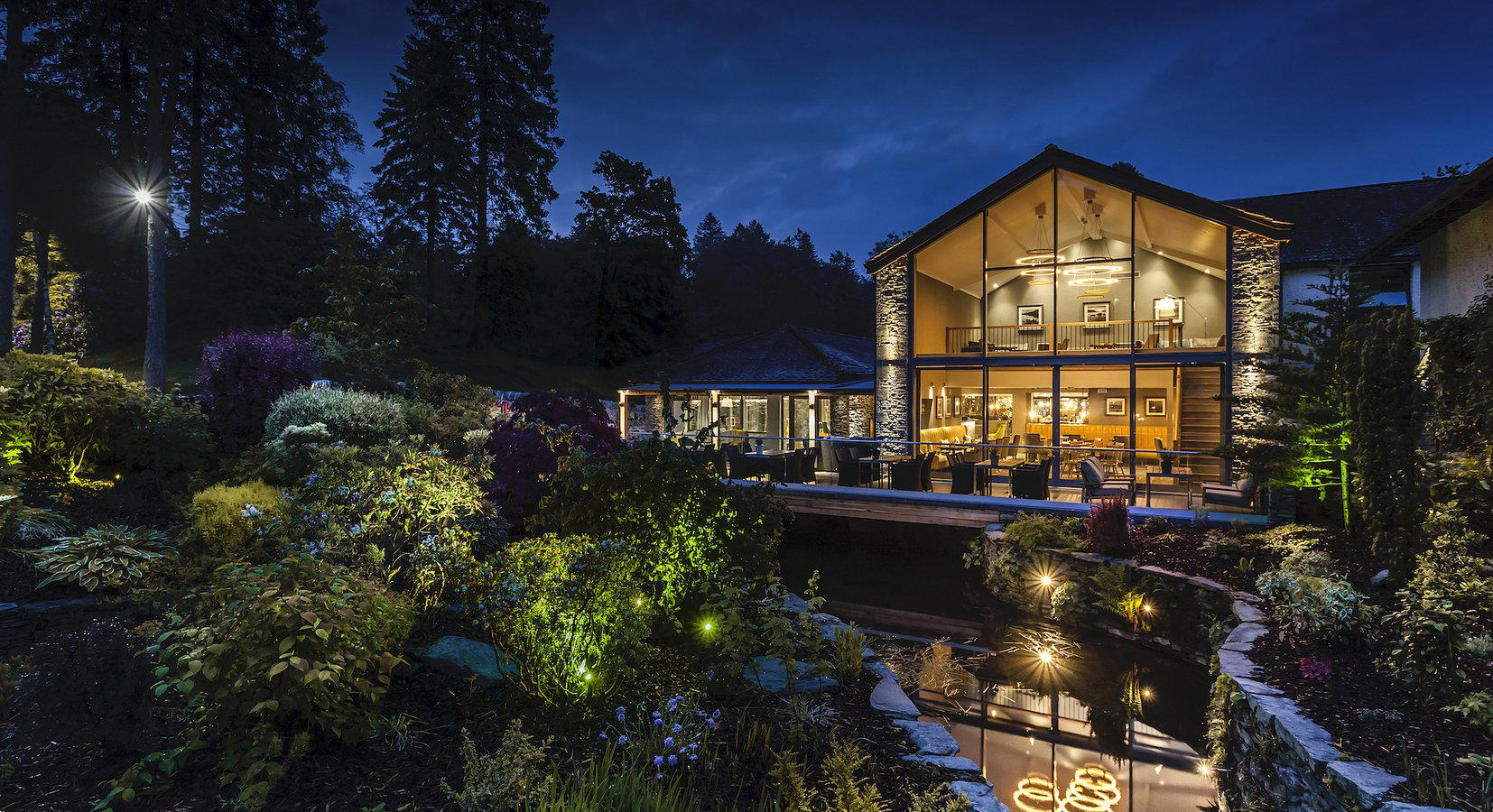
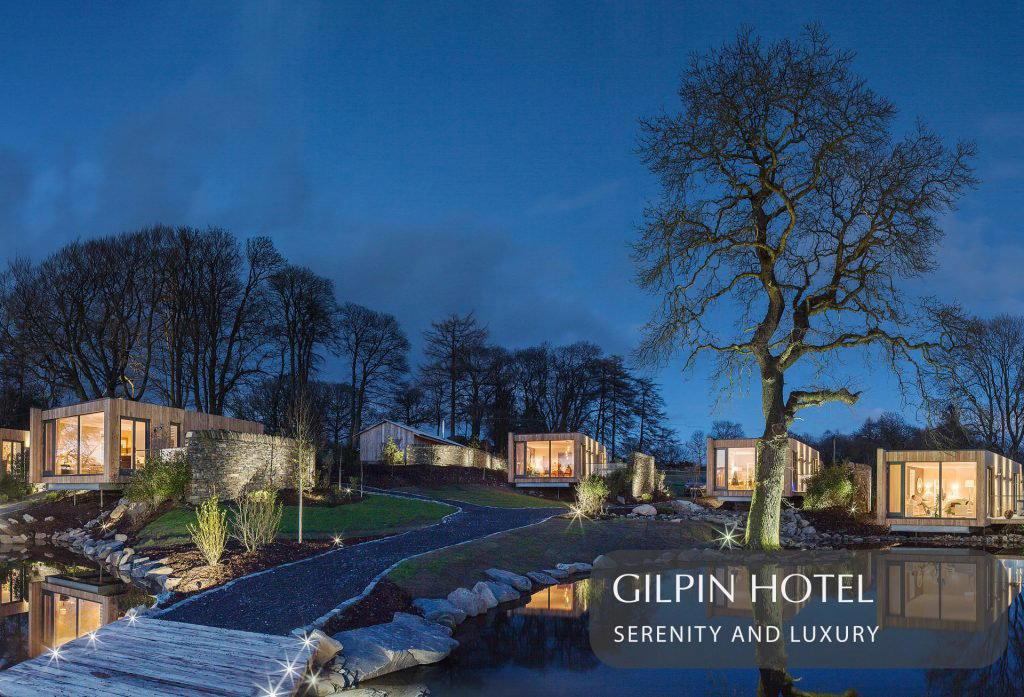
That commitment to material honesty shapes how the interior reads. Where many luxury rural hotels maintain a clear separation between the designed interior and the landscape outside, treating the view as a framed amenity, properties in the Brimstone mould tend to dissolve that boundary: large glazed openings, natural material continuity between inside and out, and an absence of the decorative flourishes that would signal a different set of priorities. The effect is that the fells remain the primary visual subject throughout a stay, which is precisely the point in a valley as specifically dramatic as Langdale.
In the broader context of British rural luxury, this design philosophy places Brimstone alongside a small cohort of properties where the site conditions drove the architecture rather than the other way around. Compare the approach with Kilchoan Estate in Inverie or Langass Lodge in the Outer Hebrides: different latitudes, the same fundamental logic of letting the landscape set the terms.
Michelin Selection and What It Signals
Brimstone's inclusion in the Michelin Selected Hotels 2025 list positions it within a curated tier of British accommodation that the Guide treats as distinct from its starred restaurant properties. Michelin Selected status in the hotel context does not carry the competitive ranking implied by restaurant stars, but it does function as a meaningful signal: the Guide is identifying properties where the overall guest experience clears a threshold of quality, character, and coherence. For a property in a national park valley rather than a city centre or coastal resort, that recognition reinforces the argument that design and setting, executed with consistency, constitute their own form of hospitality credibility.
Within the Lake District specifically, Michelin-acknowledged accommodation sits alongside a longer tradition of country-house hotels that have drawn guests from across the UK for walking-centred stays. Farlam Hall Hotel & Restaurant, operating further east in Cumbria, represents that country-house tradition directly. Brimstone's selection signals a different proposition: smaller, more terrain-specific, and oriented toward the architectural rather than the pastoral country-house model.
The Langdale Setting as a Planning Variable
Great Langdale is approximately five miles west of Ambleside along the B5343, and that distance matters practically. The valley's walking access is exceptional: the Langdale Pikes circular route, the approach to Bowfell, and the path to Stickle Tarn are all within reach on foot from properties in the valley floor, making this one of the few luxury accommodation options in the national park where serious fell-walking requires no vehicle. The trade-off is that the valley's hospitality infrastructure is thin, with a handful of pubs serving walkers and a limited range of dining options compared to Ambleside town or Windermere. Guests who want the breadth of restaurant choice available in Ambleside will need to factor in the drive back.
For the specific type of traveller who comes to the Lake District to walk seriously and wants accommodation that matches the ambition of the terrain rather than offering an escape from it, Langdale is the correct base. Brimstone's Michelin recognition suggests it serves that cohort with the level of finish that justifies a premium rate over the valley's pub accommodations.
Placing Brimstone in a Wider British Context
The premium rural hotel market in Britain has fractured into increasingly distinct sub-niches. At one end sit the large, amenity-dense country-house operations like Gleneagles, where the offer spans golf, spa, multiple restaurants, and destination programming. At the other end, small-footprint properties in specific landscape settings compete on character and immersion rather than range. Lime Wood in Lyndhurst occupies a middle position in the New Forest. Longueville Manor in Jersey trades on island specificity. Brimstone's Langdale position keeps it firmly in the immersion-focused tier, where the case for the premium price rests on what surrounds the building as much as what is inside it.
Travellers accustomed to the urban luxury register of properties like The Savoy in London or The Fifth Avenue Hotel in New York City will find the operating logic here inverted: the destination is the point of arrival, not the hotel itself. That reorientation is precisely what Great Langdale offers, and Brimstone's design and recognition suggest it understands its role within that dynamic.
Planning a Stay
Great Langdale is most accessible between April and October, when road conditions in the valley are direct and daylight hours support full fell days. The winter months narrow walking options but reduce visitor pressure significantly. Booking ahead is advisable, particularly during the August school holidays and the late September colours season.
Quick Comparison
Comparable venues nearby, for context on price, style, and recognition.
| Venue | Cuisine | Price | Awards | Notes |
|---|---|---|---|---|
| Brimstone HotelThis venue — the venue you are viewing | Contemporary luxury chalet-style boutique hotel blending modern design with natural materials and woodland integration. | $$$$ | 4-Star | |
| Brimstone Hotel & Spa | Contemporary chalet-style luxury retreat | $$$$ | 4-Star | Great Langdale |
| Rothay Manor | Regency country house with modern pavilion suites | $$$$ | 4-Star | Ambleside |
| The Samling Hotel | Georgian country house with contemporary extensions; low-key luxury blending historic architecture with modern design elements and lakeside elegance. | $$$$ | Michelin 2 Key | Ambleside |
| Wildhive Callow Hall | Victorian country house with woodland retreats | $$$$ | 4-Star | Mappleton |
| Zetter Bloomsbury | Georgian townhouse conversion designed as a private London residence with maximalist, eclectic interiors inspired by Bloomsbury's intellectual heritage. | $$$$ | 4-Star | Bloomsbury |

At a Glance
- Romantic
- Quiet
- Modern
- Elegant
- Sophisticated
- Romantic Getaway
- Wellness Retreat
- Anniversary
- Weekend Escape
- Destination Spa
- Waterfront
- Terrace
- Panoramic View
- Butler Service
- Garden
- Spa
- Pool
- Fitness Center
- Restaurant
- Bar
- Wifi
- Room Service
- Sauna
- Steam Room
- Tennis Court
- Mountain
- Waterfront
- Garden
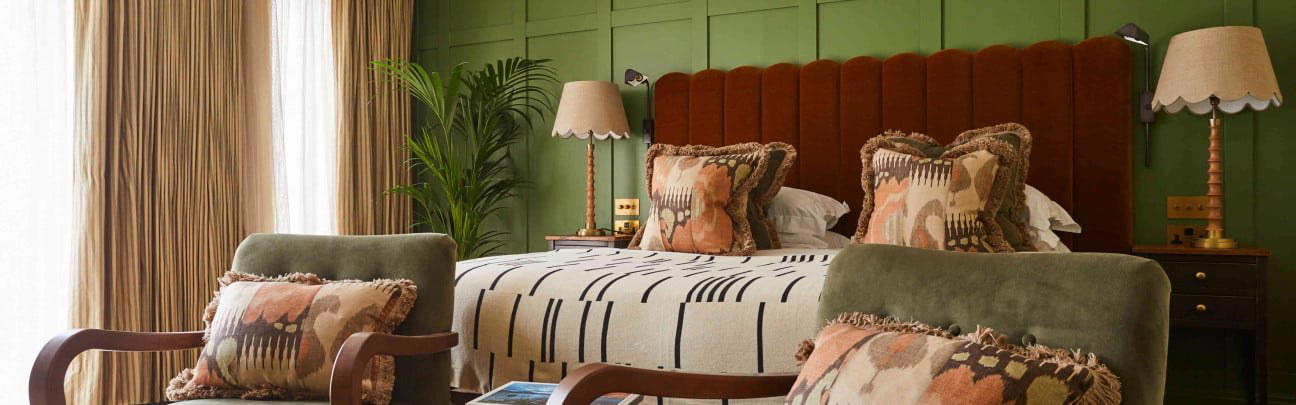
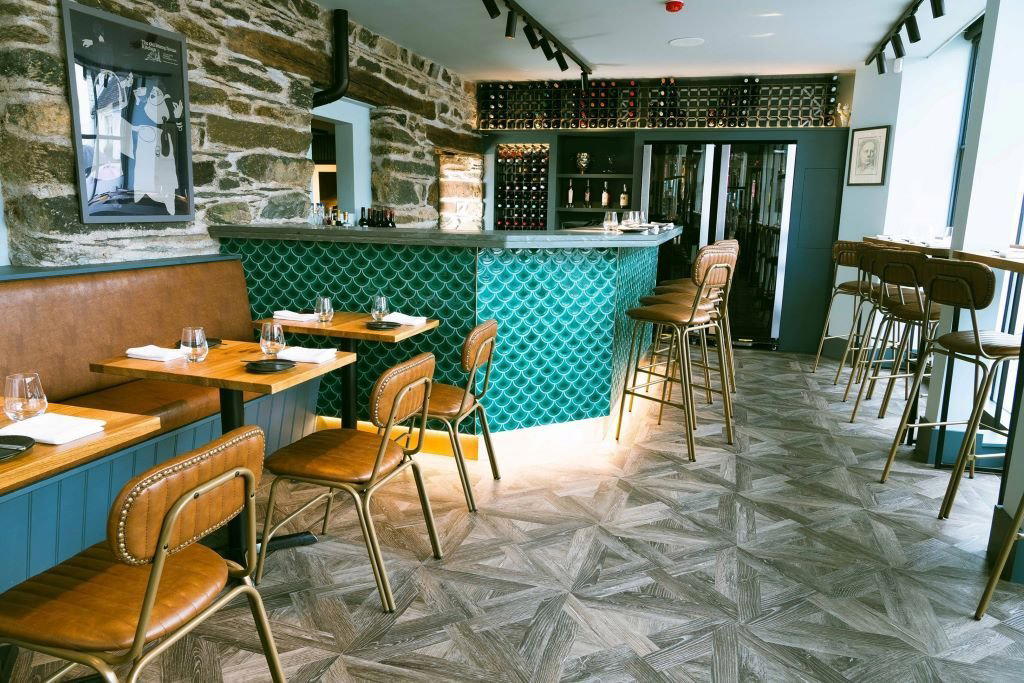
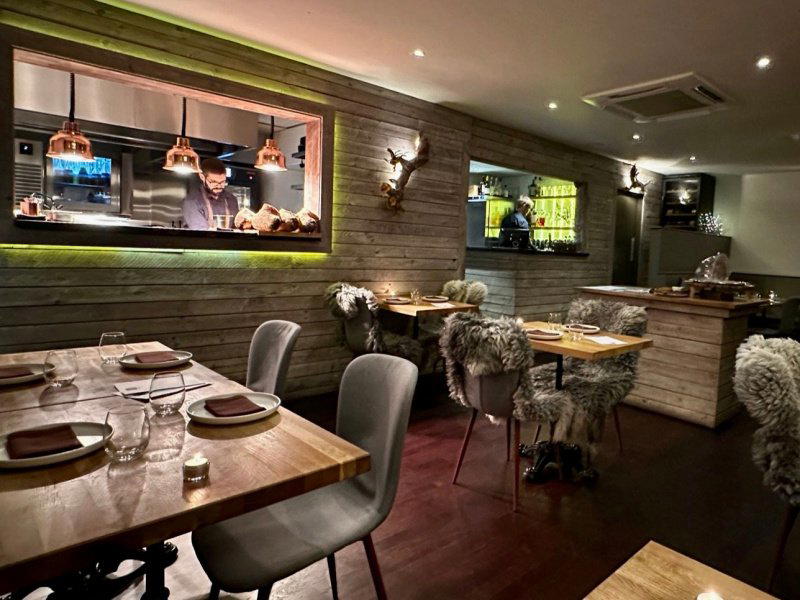
Luxuriously calm with soft carpets, warm wood-burning stoves, and vast private terraces overlooking streams and lakes; contemporary Scandinavian-inspired design creates a serene, adults-oriented retreat atmosphere.