Forest Side









1 Michelin Star · La Liste Top Restaurants · Harden's Top 100 UK Restaurants #70
Our verdict
A Michelin-starred hotel restaurant in a Victorian fellside mansion near Grasmere, Forest Side places produce from its kitchen garden and surrounding landscape at the centre of Paul Leonard's modern British cooking. Four and eight-course formats at dinner sit inside a broader northwest England fine dining scene that punches well above its rural postcode, with La Liste ranking it among the top restaurants in the world.

Pearl is the En Primeur Club membership app — saves, bookings, and concierge access live there. Same editors, same standards.
- Address
- Keswick Road, Grasmere, Ambleside LA22 9RN, United Kingdom
- Phone
- +44 15394 35250
- Website
- theforestside.com
- Directions
- Get directions
- Booking
- Book on the venue's website
A Victorian Shell, a Contemporary Kitchen
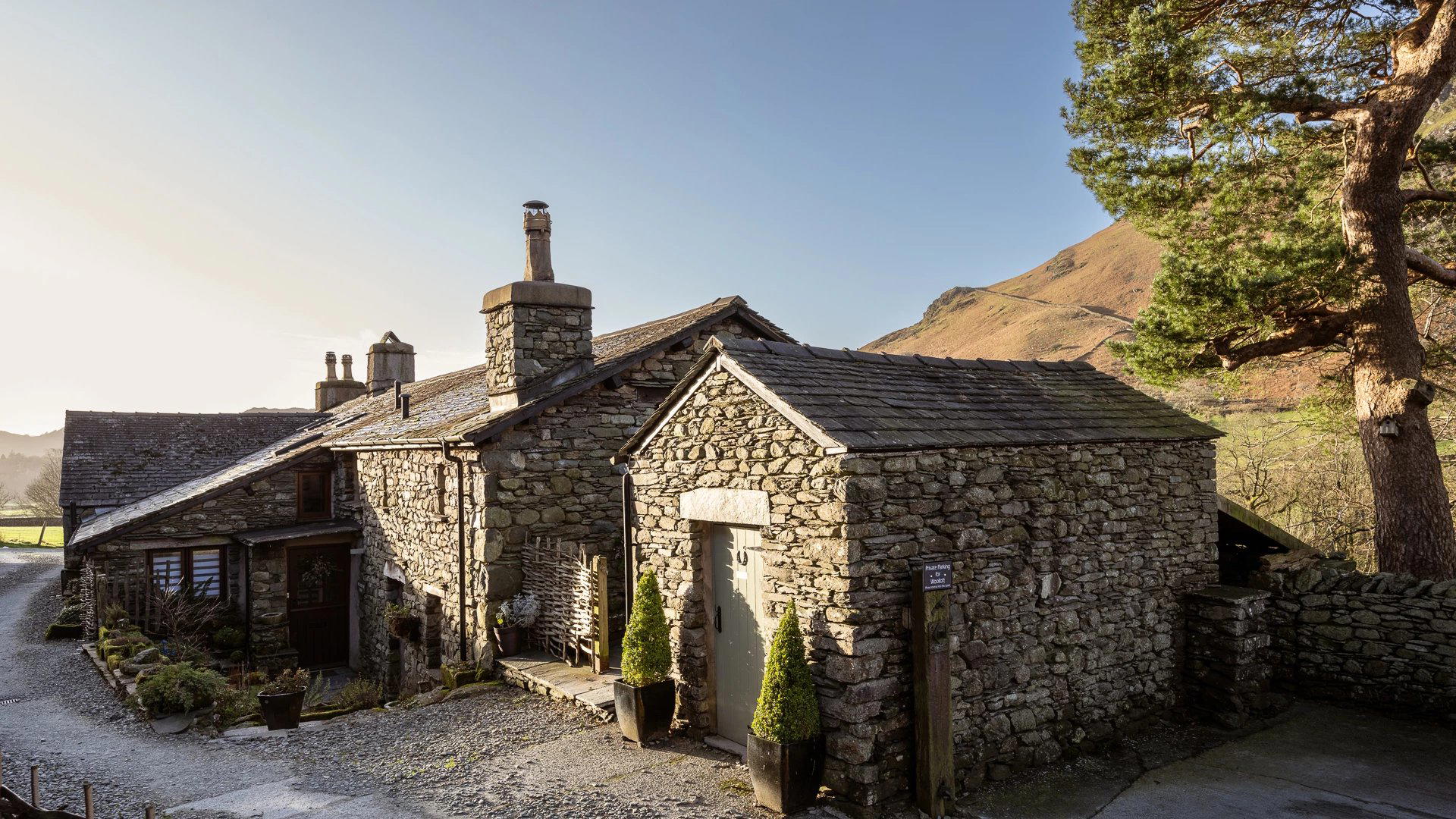
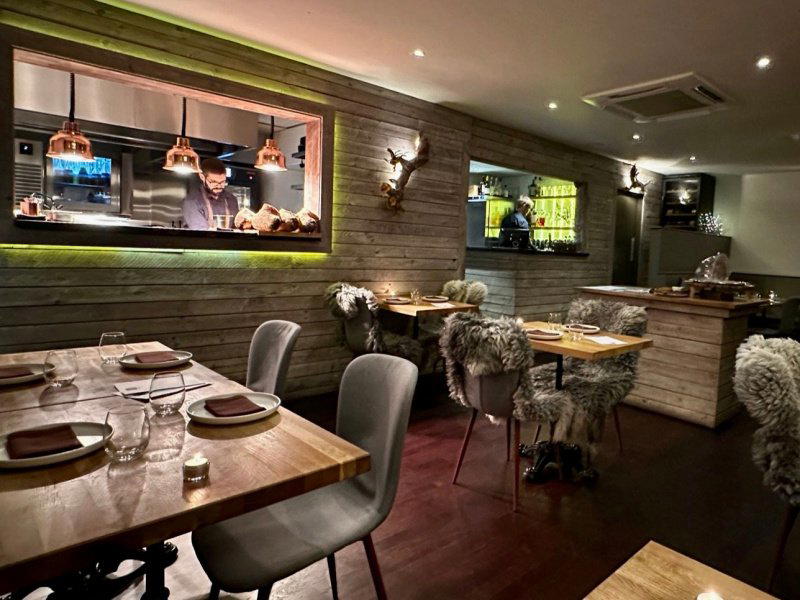
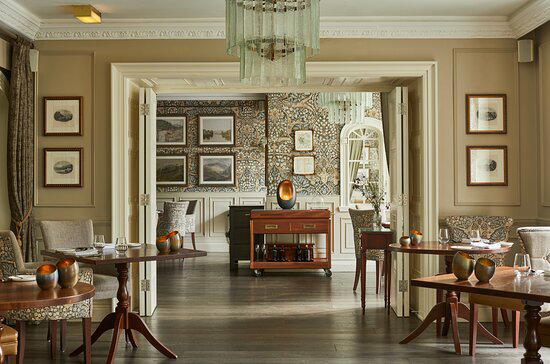
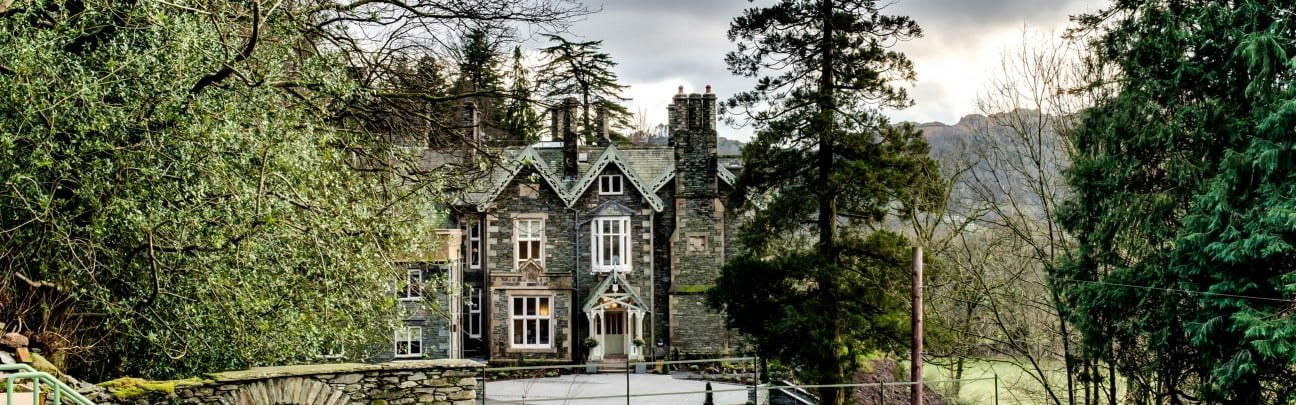
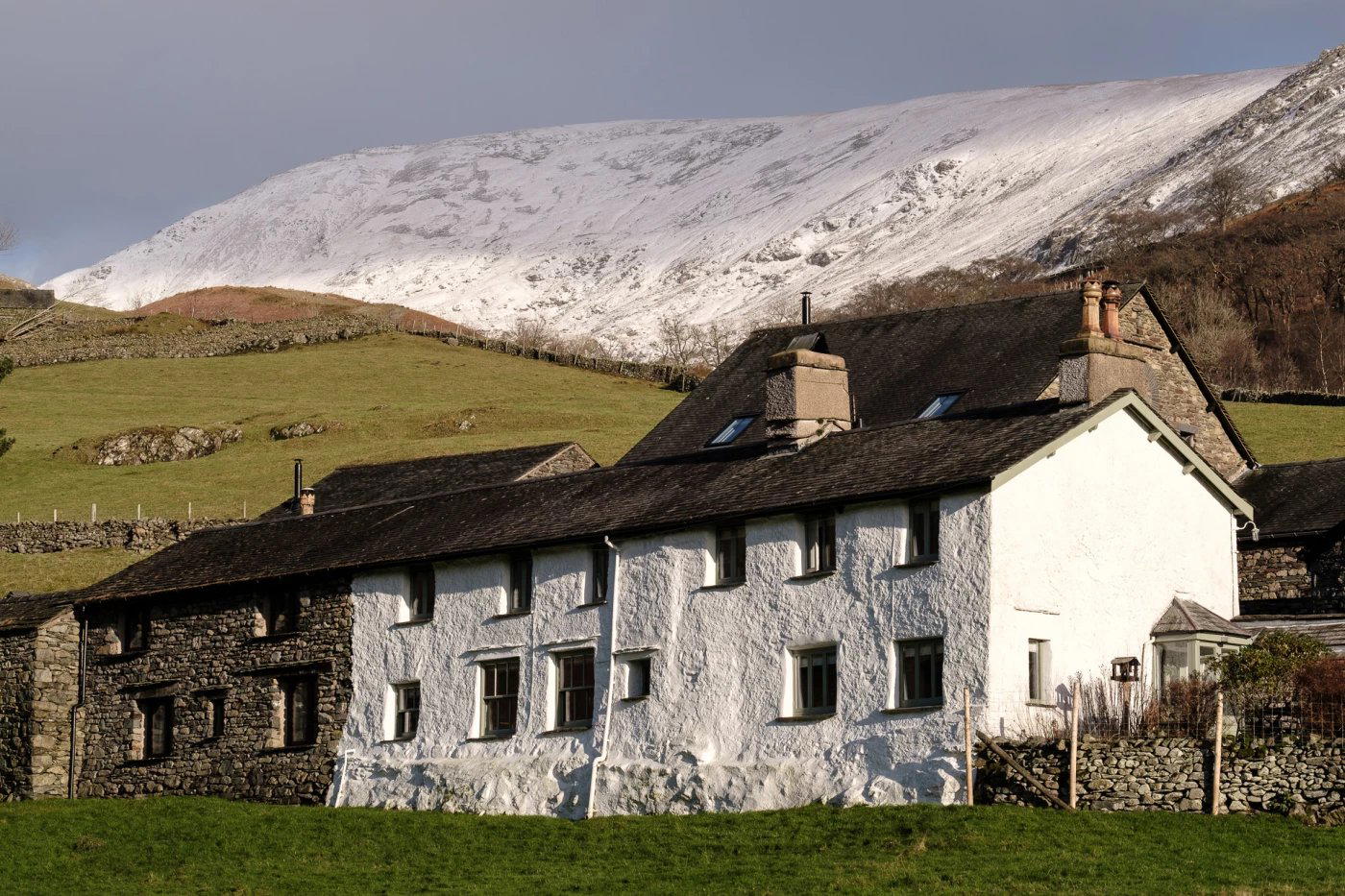
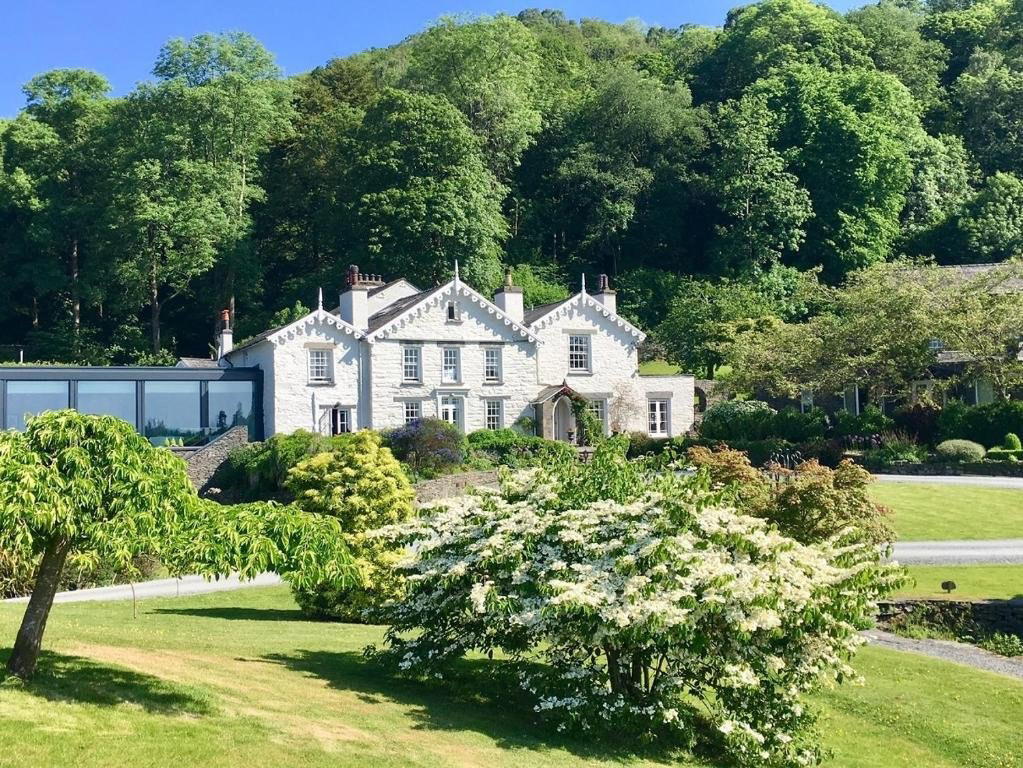
Approaching Forest Side along Keswick Road, the building reads as pure Victorian confidence: a grey-stone mansion pressing into the fell above Grasmere, all steep rooflines and institutional solidity. That exterior gives nothing away. Inside, the proportions remain baronial — high ceilings, preserved architectural cornicing, the kind of structural generosity that Victorian money bought — but the decorative decisions belong to an entirely different era. White walls, bare floors, roughly finished tables, and windows scaled to frame the surrounding fells rather than frame the dining room's own ambition. One table, built around a glass-topped windblown tree, anchors the room. It is an appropriate object for a restaurant that treats its immediate landscape as a working larder rather than a postcard backdrop.
The northwest of England has become one of the more credible concentrations of serious cooking outside London, anchored by L'Enclume in Cartmel at its apex and supported by a tier of hotel restaurants and destination dining rooms that make the region worth routing an entire trip around. Forest Side sits within that tier, holding a Michelin star since 2024 and appearing in the Opinionated About Dining Leading Restaurants in Europe list, ranked 249th in 2024 and 263rd in 2025. La Liste scored it 87.5 points in 2025 and 84 points in 2026. Those are not figures that travel well without the cooking to match.
The Gastropub Inheritance, at Country-House Scale
The transformation of British hospitality over the past two decades runs from the pub kitchen outward. What began as chefs deciding that quality ingredients and technical care deserved a local audience, not just a metropolitan one, has gradually migrated into the country-house hotel format. The ambition is comparable, seasonal, provenance-led, locally anchored, but the scale and formality shift. Hand and Flowers in Marlow established the grammar of that transition most visibly, demonstrating that serious cooking could hold Michelin recognition inside a setting that refused metropolitan convention. Forest Side belongs to a parallel tradition: the country-house dining room that has absorbed the gastropub revolution's core lesson, that the sourcing story and the plate should be inseparable, and applied it at a more formal register.
Ingredient provenance structures the kitchen's approach. Produce arrives from the Victorian kitchen garden on the property, from local suppliers, and from the team's own foraging programme in the surrounding fells and woodland. That is not unusual language for British fine dining in 2025, but the density of the programme here, a working kitchen garden rather than a decorative one, places it closer to the Moor Hall in Aughton model than to the city restaurants that attach provenance language to supplier relationships they rarely see in person. Andrew Wildsmith owns the property; Alasdair Elwick manages it; chef Paul Leonard leads the kitchen, with Wine Director Michal Dumny overseeing a list of 385 selections and 2,185 bottles in inventory.
What Arrives at the Table
Dinner at Forest Side runs in two formats: a four-course menu or an eight-course tasting. Lunch offers four or six courses. The structure places Forest Side alongside the country-house dining norm in Britain, flexible enough for guests who want restraint, comprehensive enough for those arriving specifically for the full progression. Portions across the longer menu are precise rather than generous, consistent with modern tasting menu discipline.
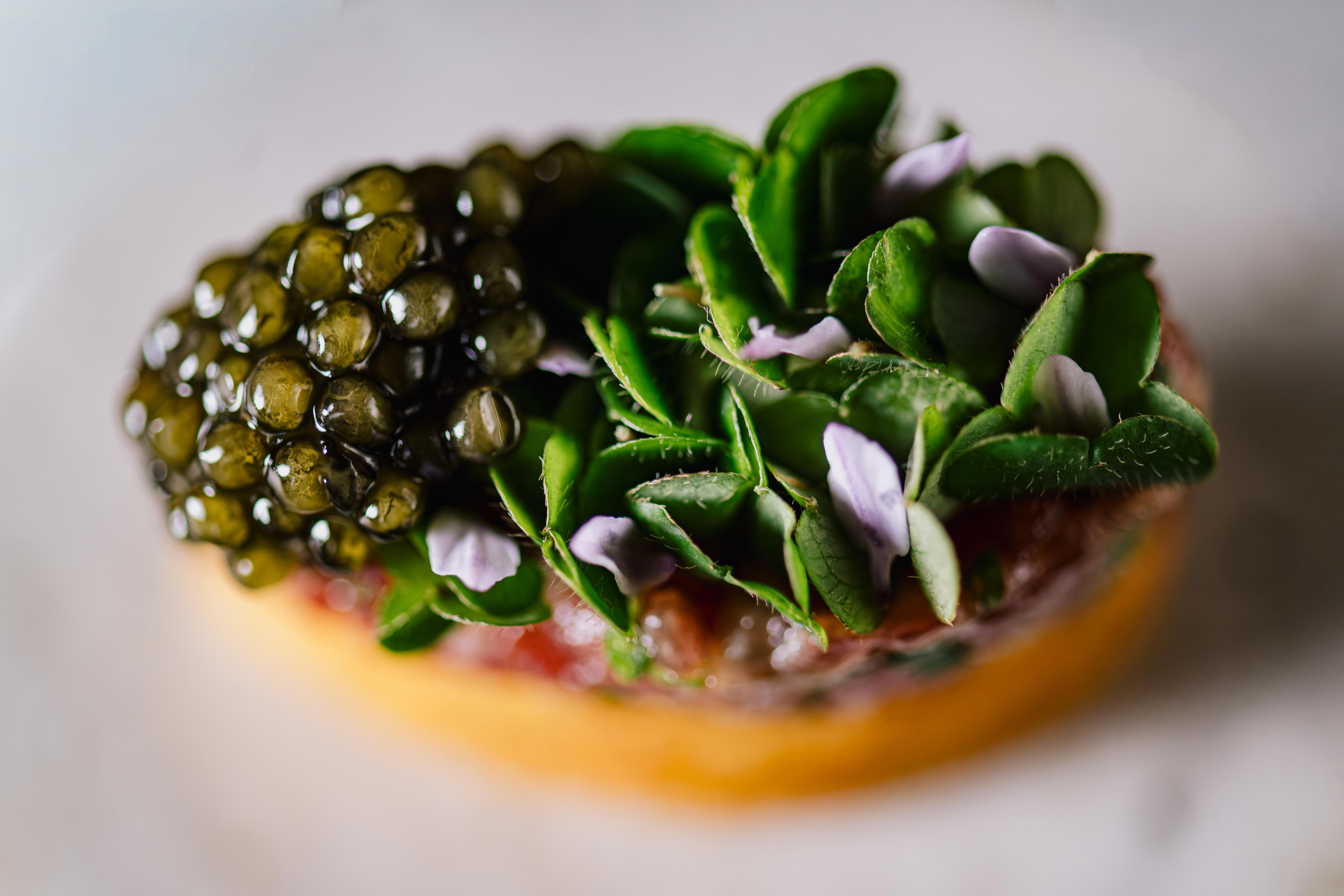
The kitchen's identity sits at the intersection of classical technique and material that could not have come from anywhere other than this specific geography. Documented dishes demonstrate the range: scallop with house-made tabasco and Worcestershire sauce; whipped raw-milk Cumbrian goat's cheese from Holker Farm Dairy with confit and crisp Jerusalem artichoke, fresh apple, and toasted yeast crumb; a savoury arrangement of lightly aerated buttermilk and mussel sauce with mussels, pickled cuttlefish ribbons, and smoked roe. Game season produces dishes built around local partridge, breast roasted and served with its leg remade as a small meatball, the sauce drawn from the bird's own juices, hen of the woods mushrooms, and cep purée providing deep umami. Dessert follows the same structural logic: a cherry study in multiple preparations, sweetness balanced by mild cheese panna cotta and salted granola, with a cherry-filled sugar-dusted doughnut arriving as punctuation.
Paul Leonard's approach draws explicit recognition from the Florilège-associated Think Vegetables Think Fruit philosophy, which prioritises plant-based produce at the structural centre of cooking rather than as an accommodation. The full menu is available as a 100% plant-based progression, and the kitchen garden's output drives what arrives across both omnivore and plant-based tracks. In 2023, Forest Side was nominated as Opinionated About Dining's discovery of the year for the UK, a signal of how quickly Leonard established the kitchen's identity after taking the position.
The Wine List
Michal Dumny's list is worth extended attention. At 385 selections and over 2,000 bottles in inventory, it operates at a scale that most country restaurants do not reach. The strengths are France, Italy, and England, but the more interesting editorial work happens at the edges: natural and biodynamic producers from less-circulated regions, including Austrian makers Martin and Anna Arndorfer for Grüner Veltliner and Thracian Mavrud as a game-season pairing. Wine pricing sits in a mid-range bracket, with 125ml glass pours available from £9. Corkage for those bringing their own bottle runs at £40. This is a list with a point of view, and the sommelier's engagement with it has been consistently noted across multiple dining reviews.
For reference, this positions Forest Side's wine programme differently from the metropolitan restaurants it sometimes gets compared with. CORE by Clare Smyth and The Ledbury in London operate in a deeper and more expensive bracket. Forest Side's strength is that its list punches beyond its rural location, offering genuinely interesting choices at a price point that city restaurants at equivalent Michelin level rarely sustain.
Context Inside the Broader Scene
Britain's country-house fine dining tier has a complex geography. The most-referenced names, [Le Manoir aux Quat' Saisons]() in Oxfordshire, Gidleigh Park in Chagford in Devon, Restaurant Andrew Fairlie in Auchterarder in Scotland, established the format over decades and carry price points and reputations that reflect long institutional histories. Forest Side arrived in a later wave, in a region where L'Enclume had already demonstrated that the Lake District could sustain world-ranked cooking. That context matters: Forest Side benefits from proximity to an established fine dining destination without being overshadowed by it. Diners routing through the Lake District have reason to plan two separate evenings.
The broader comparison set for Forest Side's price and quality tier includes Midsummer House in Cambridge, Opheem in Birmingham, and hide and fox in Saltwood, regional, Michelin-recognised, serious without the premium attached to London addresses. Multiple diners in the annual survey data note that Forest Side's pricing is locally high but compares favourably to metropolitan equivalents of similar quality. That gap, where it persists, is the strongest structural argument for making the journey.
Despite its location in the Cumbrian fells, Forest Side appears in the top 40 most-commented-on destinations in one annual diners' poll, a disproportion between remoteness and attention that suggests its reputation travels further than the postcode implies.
Planning a Visit
Forest Side operates as a hotel restaurant at Keswick Road, Grasmere, Ambleside LA22 9RN. The property sits on the edge of Grasmere village, accessible from the A591 connecting Ambleside and Keswick. Grasmere is roughly 30 minutes by road from the M6 at junction 36, making it a viable destination from Manchester or Leeds without requiring an overnight stay, though the hotel itself provides the logical base for those wanting to combine walking in the fells with a dinner reservation. Lunch (four or six courses) offers the lower-commitment entry point, with pricing that multiple reviewers identify as particularly strong value relative to the cooking's ambition. Dinner is four or eight courses. Booking in advance is advisable given the restaurant's appearance on international ranked lists and its position in a tourism-heavy region during spring and summer months.
For more on eating and drinking in the area, see [our full Grasmere restaurants guide](), [our full Grasmere hotels guide](), [our full Grasmere bars guide](), [our full Grasmere wineries guide](), and our full Grasmere experiences guide.
Frequently asked questions
What does dinner at Forest Side typically cost?
Pricing at Forest Side is listed as ££££.
Side-by-Side Snapshot
Comparable venues nearby, for context on price, style, and recognition.
| Venue | Cuisine | Price | Awards | Notes |
|---|---|---|---|---|
| Forest SideThis venue — the venue you are viewing | Modern British Fine Dining | Not listed | 1 Michelin Star · La Liste Top Restaurants | Not listed |
| The Forest Side | Modern British Fine Dining | Not listed | SquareMeal UK Top 100 Restaurants #61 | Grasmere |
| The Jumble Room | Global Eclectic Fusion | $50–100 | The Good Food Guide GFG Good | Grasmere |
| The Yan | British Comfort Food & Local Fare | $30–50 | Not listed | Grasmere |
| Pine | Nordic/Northumbrian Fine Dining | $150–200 | 1 Michelin Star · La Liste Top Restaurants | East Wallhouses |
| The Old Stamp House | Modern British Fine Dining | $150–200 | 1 Michelin Star · La Liste Top Restaurants | Ambleside |
Recognition history
Dated appearances from independent guides and award organizations, with the underlying list record or original source where available.
Michelin 1 Star
Michelin
La Liste Top Restaurants
La Liste
AA Rosettes 5 Rosettes
AA Rosettes
Harden's Top 100 UK Restaurants #70
Harden's
National Restaurant Awards Top 100 #23 · No. 23
National Restaurant Awards · 2026 National Restaurant Awards Top 100
Full recognition history (18 entries)
Opinionated About Dining Top Restaurants in Europe Recommended
Opinionated About Dining
Wine Spectator Award of Excellence
Wine Spectator
La Liste Top Restaurants
La Liste
Michelin 1 Star
Michelin
National Restaurant Awards Top 100 #55
National Restaurant Awards
Opinionated About Dining Top Restaurants in Europe Ranked #263
Opinionated About Dining
The Good Food Guide GFG Very Good
The Good Food Guide
We're Smart World 5 Radishes
We're Smart World
We're Smart World Top 100 #56
We're Smart World
Wine Spectator Award of Excellence
Wine Spectator
Michelin 1 Star
Michelin
Opinionated About Dining Top Restaurants in Europe Ranked #249
Opinionated About Dining
Opinionated About Dining Classical in Europe Recommended
Opinionated About Dining
Details
- Elegant
- Scenic
- Cozy
- Sophisticated
- Rustic
- Special Occasion
- Date Night
- Celebration
- Garden
- Hotel Restaurant
- Historic Building
- Extensive Wine List
- Sommelier Led
- Farm To Table
- Local Sourcing
- Garden
- Mountain
- Tasting Menu
- Prix Fixe
- Vegetarian Friendly
- Allergy Accommodating
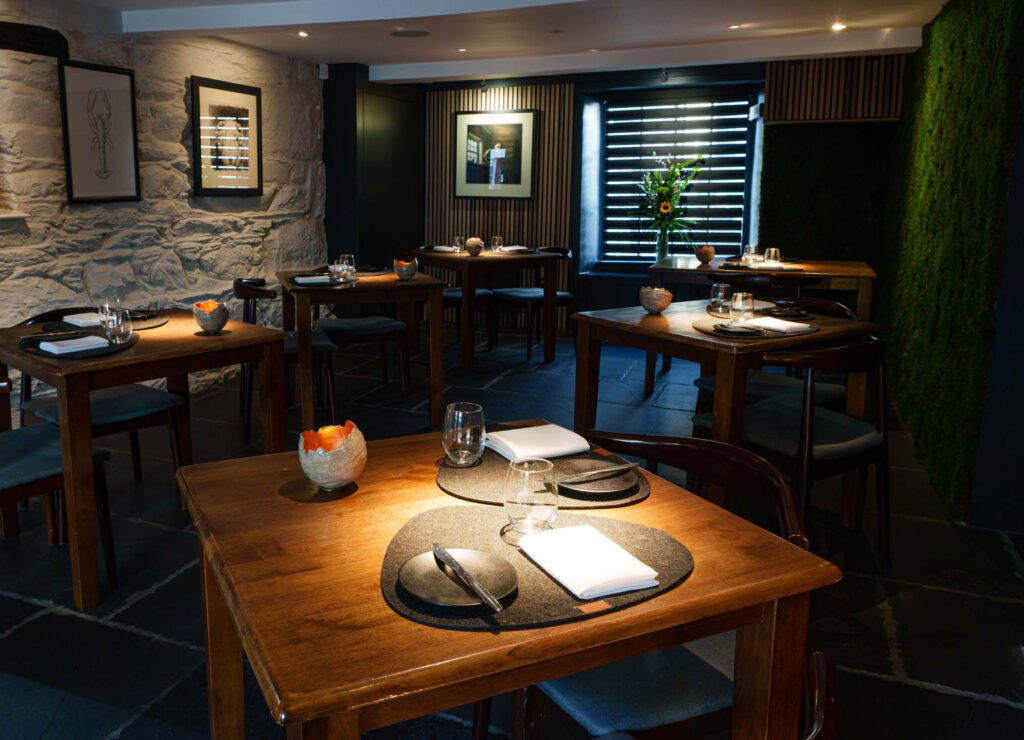
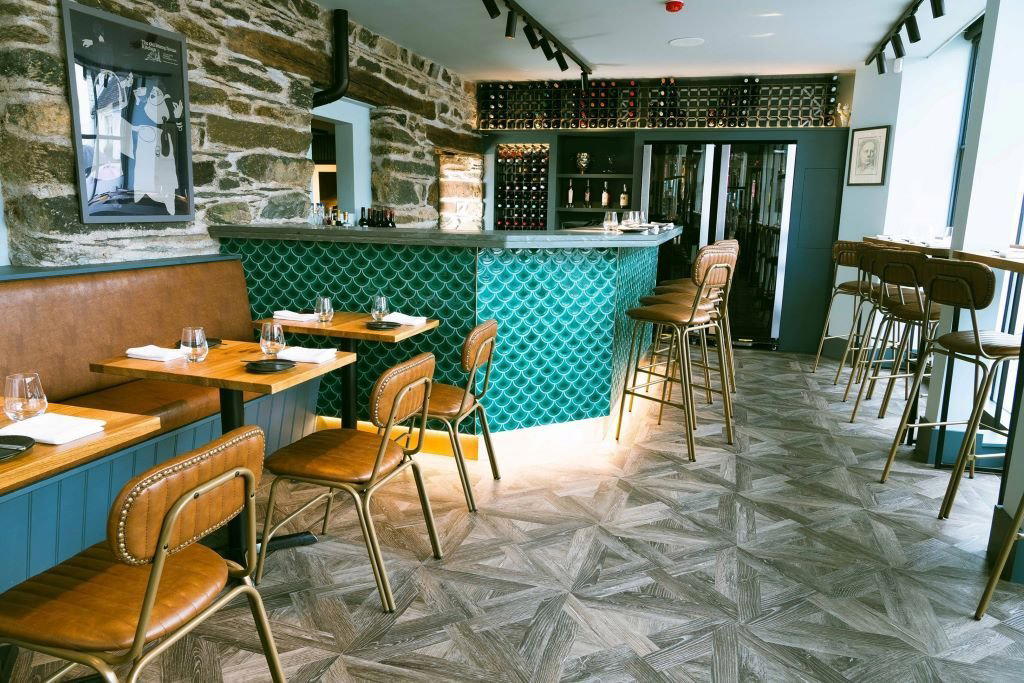
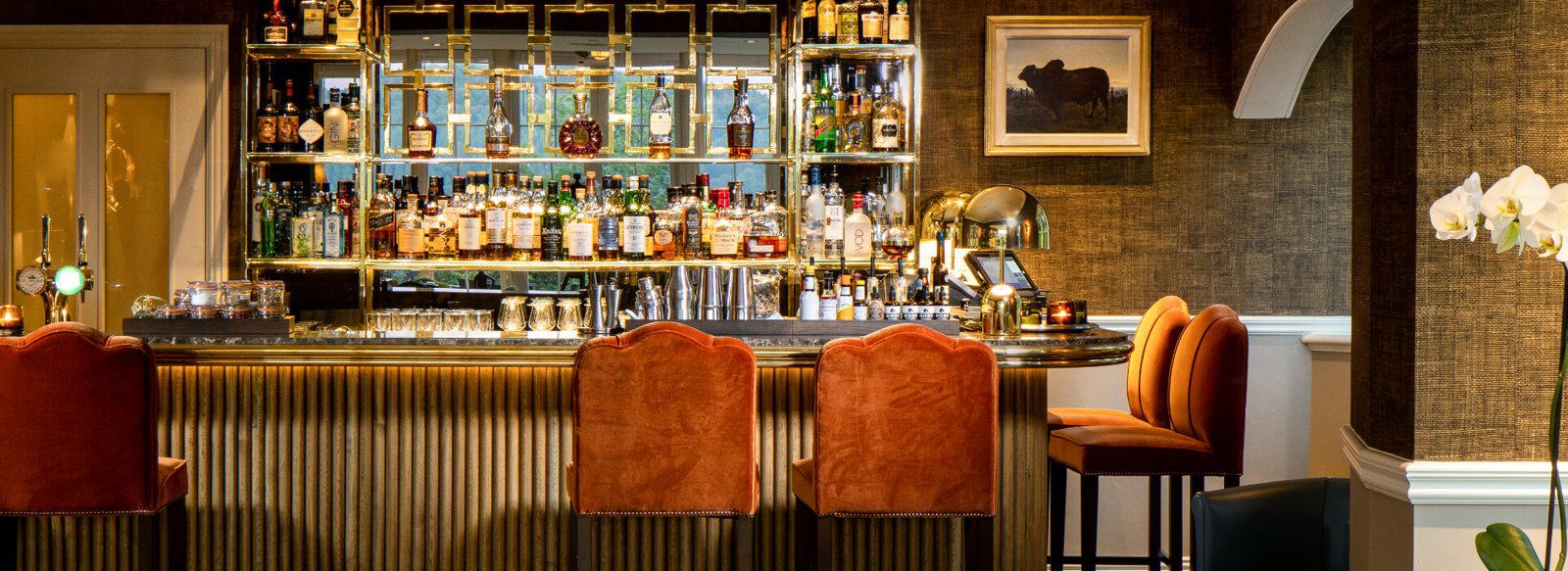
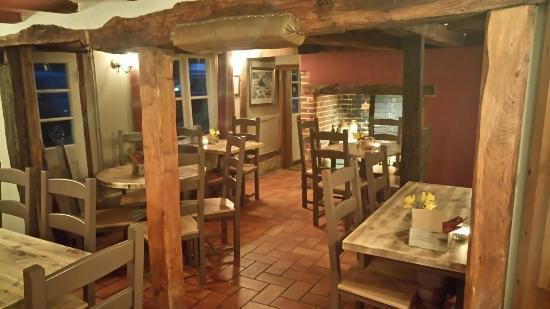
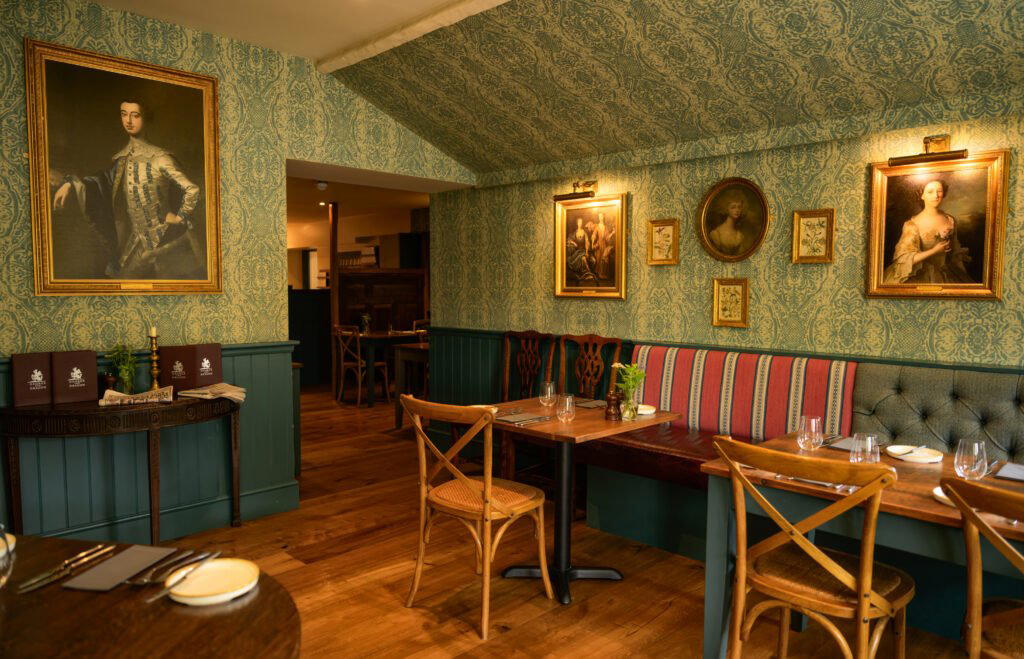
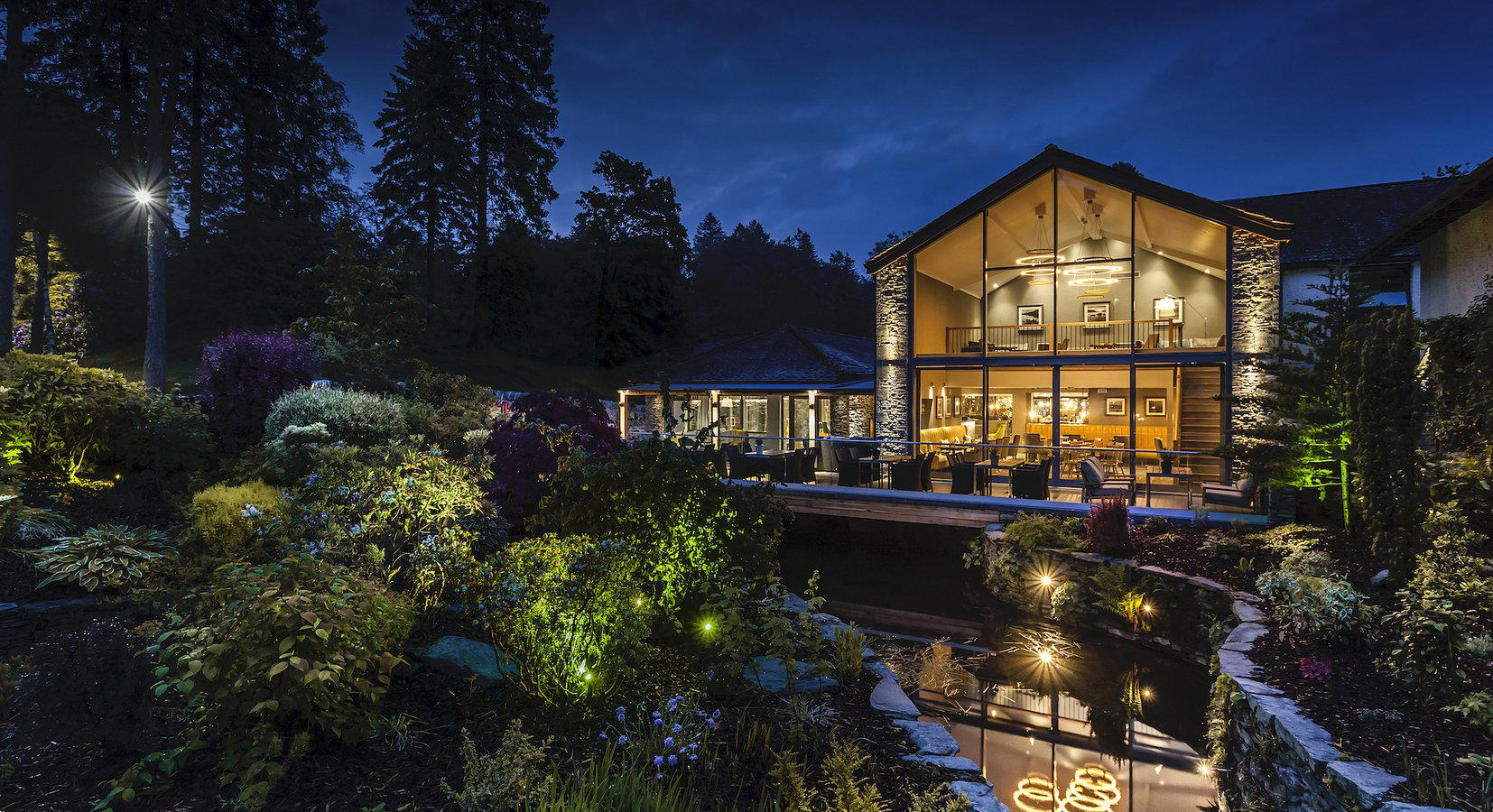
Light and open dining room with vast windows overlooking gardens and fells, rustic rough-hewn tables, white walls, and a warm yet precise atmosphere.