







1 Michelin Star · Star Wine List · Harden's Top 100 UK Restaurants #47
Our verdict
A Michelin-starred tasting menu inside a 17th-century Cumbrian inn, Heft sits halfway between L'Enclume and Forest Side on the map and in ambition. Kevin Tickle's 10-course dinner at £120 per person draws on hyperlocal producers and personal foraging knowledge, while the front bar still pours pints for the village. Ranked 345th in Europe by Opinionated About Dining in 2025.

Pearl is the En Primeur Club membership app — saves, bookings, and concierge access live there. Same editors, same standards.
- Address
- High Newton, Grange-over-Sands LA11 6JH, United Kingdom
- Hours
- Mon–Tue ClosedWed 3–10 PMThu–Sun 12–10 PM
- Website
- hefthighnewton.co.uk
- Directions
- Get directions
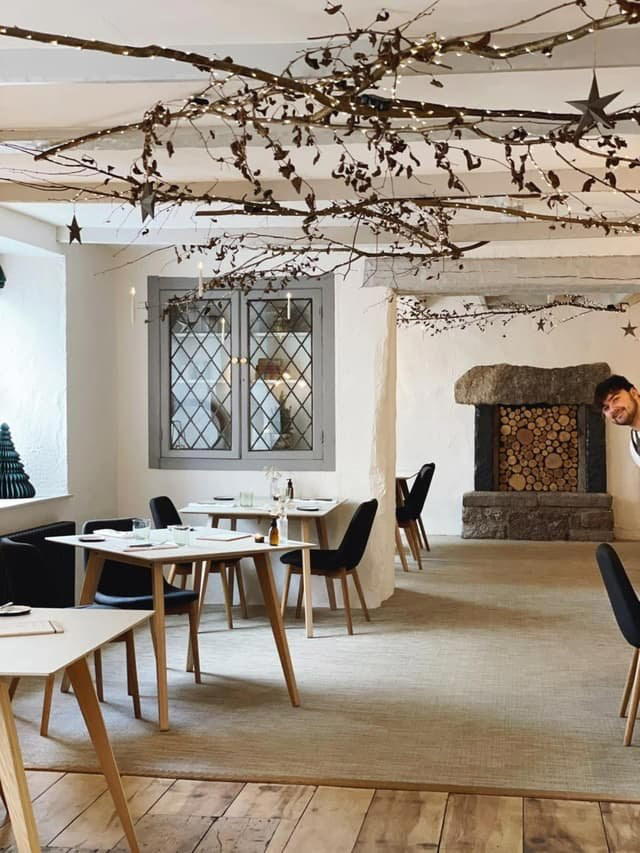
The Inn That Didn't Abandon Its Locals
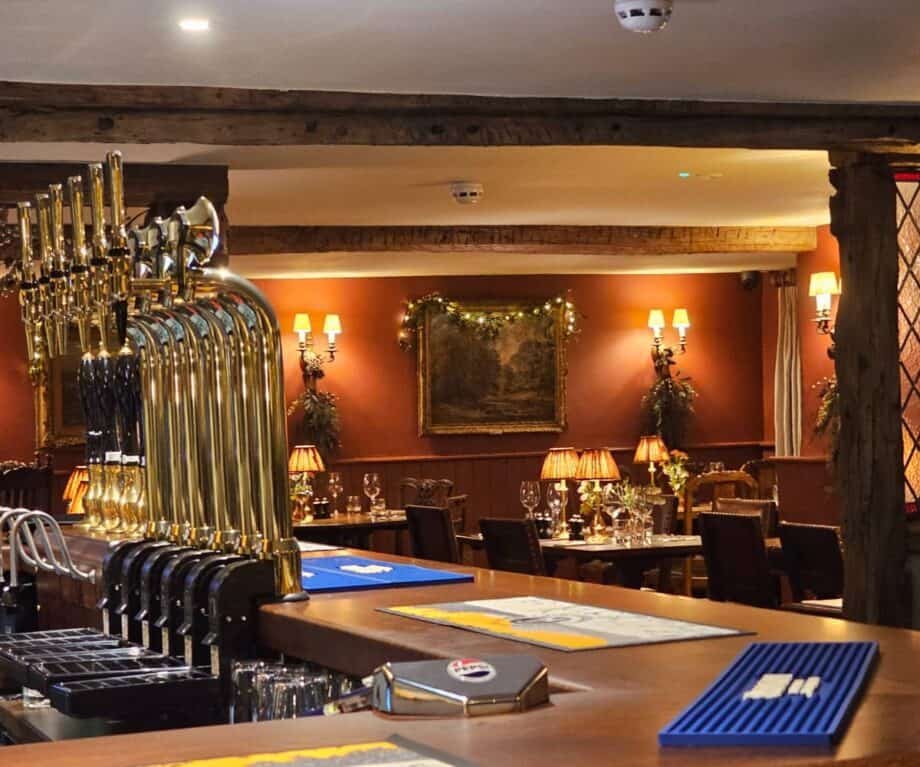
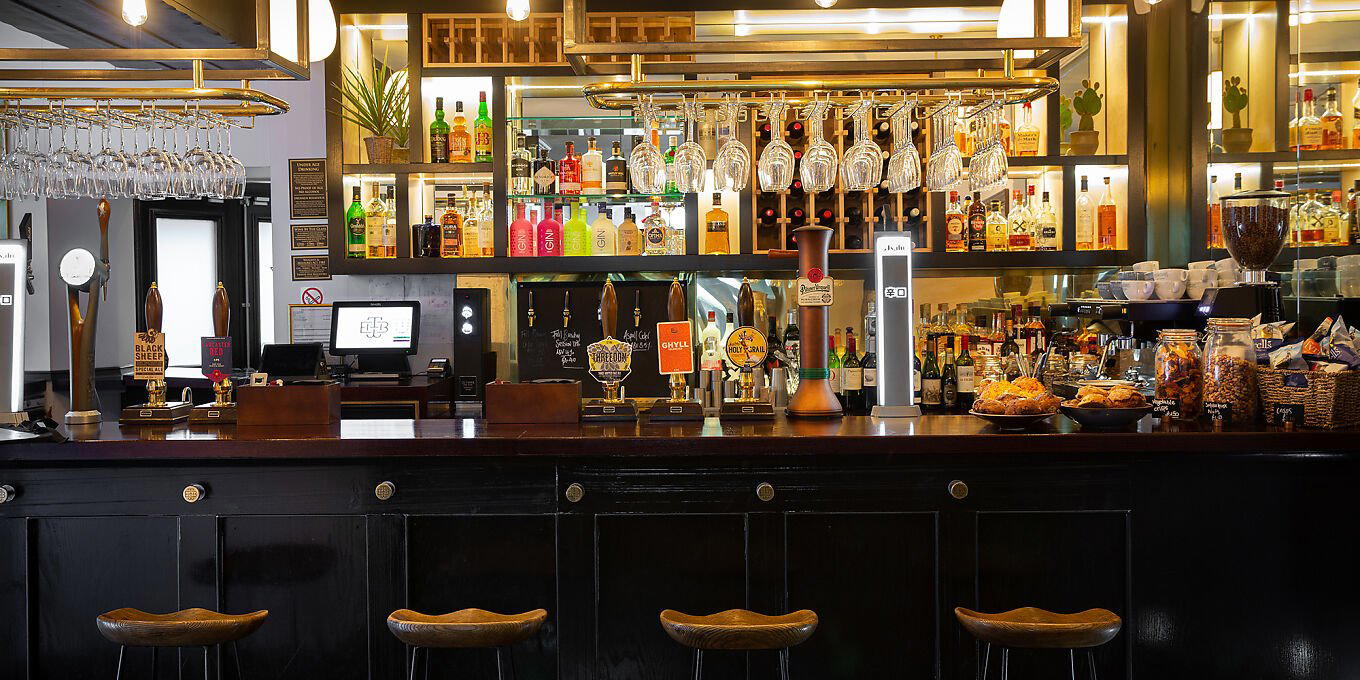
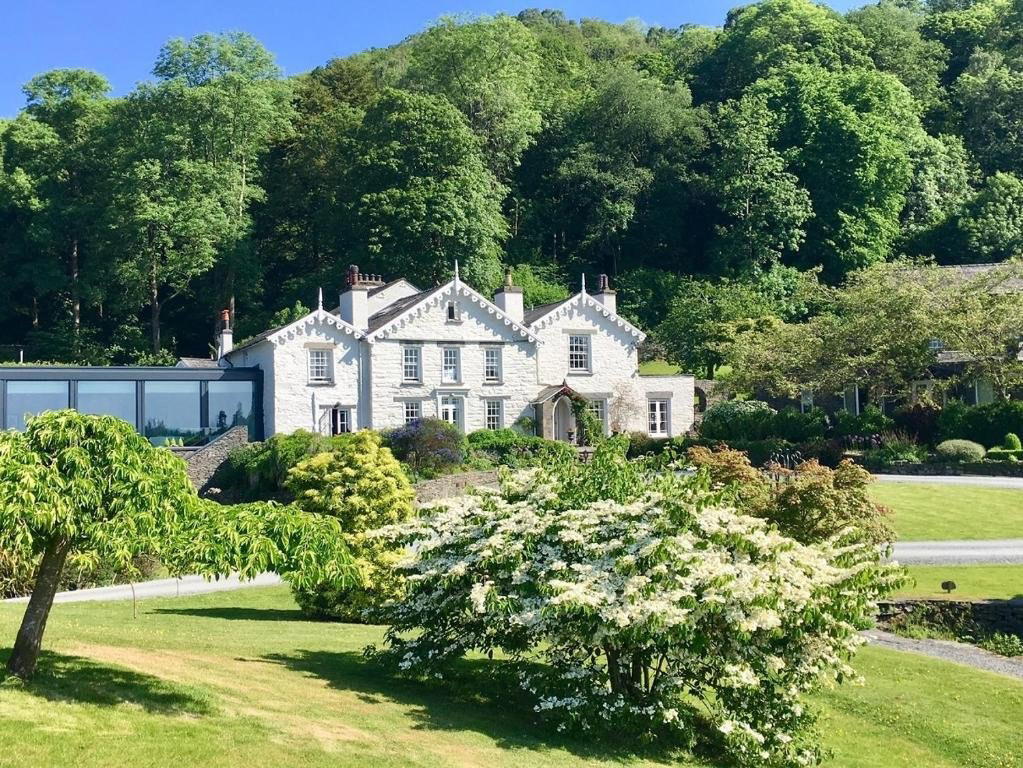
There is a particular tension at the heart of the modern gastropub project: how far can a kitchen push its ambitions before it loses the community that gave the building its reason to exist? The whitewashed walls of Heft, a 17th-century village inn at High Newton in the southern Lake District, represent one of the more considered answers to that question. The front bar is still open for a pint and a freshly made pie. The dog is still welcome. Wednesday nights bring pizza alongside cask ale. But step through to the rear dining room and you are inside a Michelin-starred tasting menu operation that ranked 345th in Europe on Opinionated About Dining's 2025 list — up from 378th the previous year.
That coexistence is not accidental. The gastropub revolution that reshaped British dining over the past two decades produced two broad outcomes: venues that shed the pub identity almost entirely once the critical recognition arrived, and those that held the dual model together with genuine commitment. Heft belongs to the second group, and the result is a dining room that feels embedded in its place rather than imposed upon it. Generously spaced Scandinavian-style furniture sits against ancient whitewashed walls. An open kitchen is partially visible, and some courses arrive through a gap in the wall delivered by the chefs themselves. Most, though, come via smartly turned-out young locals — a detail that registers as a deliberate choice about who the restaurant should employ and feel like, not merely a logistical convenience.
Where the Kitchen Comes From
British fine dining has produced several distinct regional schools over the past decade, and the southern Lakes has developed one of the more coherent ones. L'Enclume in Cartmel has been the reference point, drawing a clear line between the hyper-seasonal, producer-rooted cooking of this stretch of Cumbria and the more urbane fine dining of the south. Moor Hall in Aughton operates in a comparable register in Lancashire. What distinguishes the current Heft kitchen from adjacent peer venues is the combination of foraging depth and producer specificity that comes from Kevin Tickle's background: he was head forager at L'Enclume under Simon Rogan, then head chef at Forest Side in Grasmere. Heft sits geographically and culinarily between those two former employers.
The name carries meaning on two levels. It refers to the weight and seriousness of the operation, in the dining room, an 11-course tasting menu is the only option at dinner. But heft is also an old Cumbrian word for the instinct that draws sheep back to the same fells for grazing and shelter across generations. For a restaurant built around ingredients from producers the Tickles know personally, damsons from the Rusland Valley, Herdwick hogget from Town Head Farm in Grasmere, halloumi from Matt Gott's dairy, the word carries an almost programmatic weight. The kitchen's reference frame is as local as the etymology of its name.
That hyper-local emphasis connects to a broader pattern in British cooking that emerged partly as a response to the French-influenced formalism that dominated through the 1990s. Venues like CORE by Clare Smyth in London and hide and fox in Saltwood have each developed territory-led approaches, but the Cumbrian school adds a foraging layer that most urban kitchens cannot replicate at the same depth. At Heft, the sourcing is not a marketing note appended to a menu, it shapes what the kitchen can and cannot cook, and when.
The Menu in Context
The dinner format at Heft is a 10-course set menu at £120 per person. Lunch runs to four courses at £49 per person, a price point that represents meaningful access to the same kitchen at roughly half the commitment. Reviewers have consistently described the lunch as exceptional value at that level. The evening menu moves quickly, courses arrive in quick succession, producing what one observer described as less of a tasting menu and more of a constant flow, with the sensation closer to a dinner party than a formal ceremony.
The ingredient combinations draw attention. A chawanmushi-style egg custard flavoured with oxtail and thyme, topped with enoki mushroom, places a Japanese technique in a Cumbrian flavour frame. Mussels glazed in XO and mead arrive on a giant toothpick with a chip shop curry sauce that reviewers note is far more sophisticated than its reference. These are not merely playful descriptions on a menu card, they reflect a kitchen comfortable working across culinary registers without losing its locational identity. The scorched monkfish, smoky and pearlescent, arrives from a kitchen confident enough in its primary ingredient not to bury it in technique.
Sunday roast has developed its own following, with diners describing it as taking the traditional format to a significantly higher level. Wednesday nights in the bar add pizza to the repertoire. For a venue operating at Michelin level, the range of formats, bar snacks, pie, pizza, set lunch, tasting dinner, Sunday roast, is unusual. It signals a kitchen that has chosen operational complexity over simplification, presumably because stripping back the pub formats would change the venue's relationship with its community.
Wine programme draws notice for off-piste choices, a phrase that, in this context, suggests a list built around curiosity rather than status labels. Star Wine List recognised Heft with a White Star designation in 2024, placing it in a tier of venues with serious, considered wine programmes rather than merely adequate ones.
How Heft Sits in the Broader British Scene
Gastropub category produced its most discussed example in Hand and Flowers in Marlow, which demonstrated that a pub could carry two Michelin stars without abandoning its format. What Heft adds to that conversation is the regional specificity of the Lake District school, an approach to ingredients and place that operates differently from the Home Counties comfort register that Hand and Flowers developed. The comparison is instructive rather than hierarchical: they are answers to different versions of the same question.
At the formal fine dining end of the Modern British category, venues like Midsummer House in Cambridge, Opheem in Birmingham, and Gidleigh Park in Chagford each occupy dining rooms designed from the outset as destination restaurants. Heft's dining room, by contrast, exists inside a building with a different primary identity, and that distinction shapes how the food reads. The ambition is the same tier; the framing is materially different. For a category comparison at the very leading of British cooking, Le Manoir aux Quat' Saisons in Great Milton and Restaurant Andrew Fairlie in Auchterarder both sit within hotel or country house settings that position the dining room as the primary purpose of the building. The Ritz Restaurant in London similarly operates within an architectural frame designed to signal occasion. Heft's whitewashed inn does the opposite, and the effect is different rather than lesser.
Planning a Visit
Heft is open Wednesday through Sunday from noon to 10pm, with Monday and Tuesday closed. The address is High Newton, Grange-over-Sands, LA11 6JH, a small village in the southern Lake District with limited public transport, so the majority of guests arrive by car. Given the tasting menu format at dinner and the simultaneous service policy on certain nights, arriving promptly at your booked time is not optional courtesy but a functional requirement. The kitchen coordinates across all tables at once, and late arrivals disrupt the flow for the full room. Accommodation in the immediate area is limited; for anyone not driving back, the Newton in Cartmel area has options worth planning in advance. See our full Newton in Cartmel hotels guide, bars guide, wineries guide, and experiences guide to build out the trip. For the wider dining context in the area, see our full Newton in Cartmel restaurants guide.
Frequently asked questions
Would heft be comfortable with kids?
The front bar operates independently from the tasting menu dining room and is explicitly dog-friendly, serving pies, snacks, local beer, and pizza on Wednesday nights — a setting that suits younger visitors or those not committed to the full £120 dinner. The rear dining room, where the 10-course set menu runs, is a quieter, adult-focused space where courses arrive in quick succession and all tables are served simultaneously on set evenings.
What's the vibe at heft?
The dining room occupies a 17th-century whitewashed inn fitted with generously spaced Scandinavian-style furniture — relaxed in form but serious in intent. Service is handled by smartly turned-out young locals, some courses delivered by chefs directly through the open kitchen gap, which keeps the atmosphere grounded rather than ceremonial. The front bar, meanwhile, runs as a genuine village local with cask beer and fresh pies.
What awards or recognition does heft have?
heft has received recognition including: “Consistently brilliant!” – Behind the white-washed walls of this rural pub-with-rooms, Kevin & Nicola Tickle’s Lakeland venue has a high level of culinary ambition, especially in the evening when a set lunch (for £49 per person) gives way ….
What do people recommend at heft?
Documented diner responses consistently highlight the hyperlocal sourcing — ingredients from named Cumbrian producers transformed through techniques that reviewers describe as producing 'an intensity of flavour' that outpaces the venue's rural setting. The £49 four-course lunch is called 'exceptional value' by repeat visitors, while the 10-course dinner at £120 per person sits alongside Heft's 2024 Michelin star and a 2025 Opinionated About Dining ranking of #345 in Europe as the clearest evidence of the kitchen's reach.
A Quick Peer Check
Comparable venues nearby, for context on price, style, and recognition.
| Venue | Cuisine | Price | Awards | Notes |
|---|---|---|---|---|
| heftThis venue — the venue you are viewing | Modern British Regional Cuisine | $100–150 | 1 Michelin Star · Star Wine List | Not listed |
| Allium at Askham Hall | Modern British Fine Dining | $150–200 | 1 Michelin Star · La Liste Top Restaurants | Askham |
| Cedar Tree by Hrishikesh Desai | Modern British with Indian Influences | $100–150 | 1 Michelin Star · La Liste Top Restaurants | Hallbankgate |
| sō–lō | Modern British Fine Dining | Not listed | Michelin 1 Star | Aughton |
| mana | Modern British Fine Dining | $200–300 | 1 Michelin Star · Star Wine List | Ancoats & Beswick |
| The Kitchin | Modern Scottish Fine Dining | $150–200 | 1 Michelin Star · La Liste Top Restaurants | Leith Docks |
Recognition history
Dated appearances from independent guides and award organizations, with the underlying list record or original source where available.
Michelin 1 Star
Michelin
Star Wine List
Star Wine List
Harden's Top 100 UK Restaurants #47
Harden's
Opinionated About Dining Top Restaurants in Europe Recommended
Opinionated About Dining
SquareMeal UK Top 100 Restaurants #29
SquareMeal
Full recognition history (12 entries)
Top 50 Gastropubs 2026 Estrella Damm Top 100 Gastropubs #34
Top 50 Gastropubs
Michelin 1 Star
Michelin
National Restaurant Awards Top 100 #77
National Restaurant Awards
Opinionated About Dining Top Restaurants in Europe Ranked #345
Opinionated About Dining
The Good Food Guide GFG Very Good
The Good Food Guide
Michelin 1 Star
Michelin
Opinionated About Dining Top Restaurants in Europe Ranked #378
Opinionated About Dining
Continue exploring
More in Newton in Cartmel
Restaurants in Newton in Cartmel
Browse all →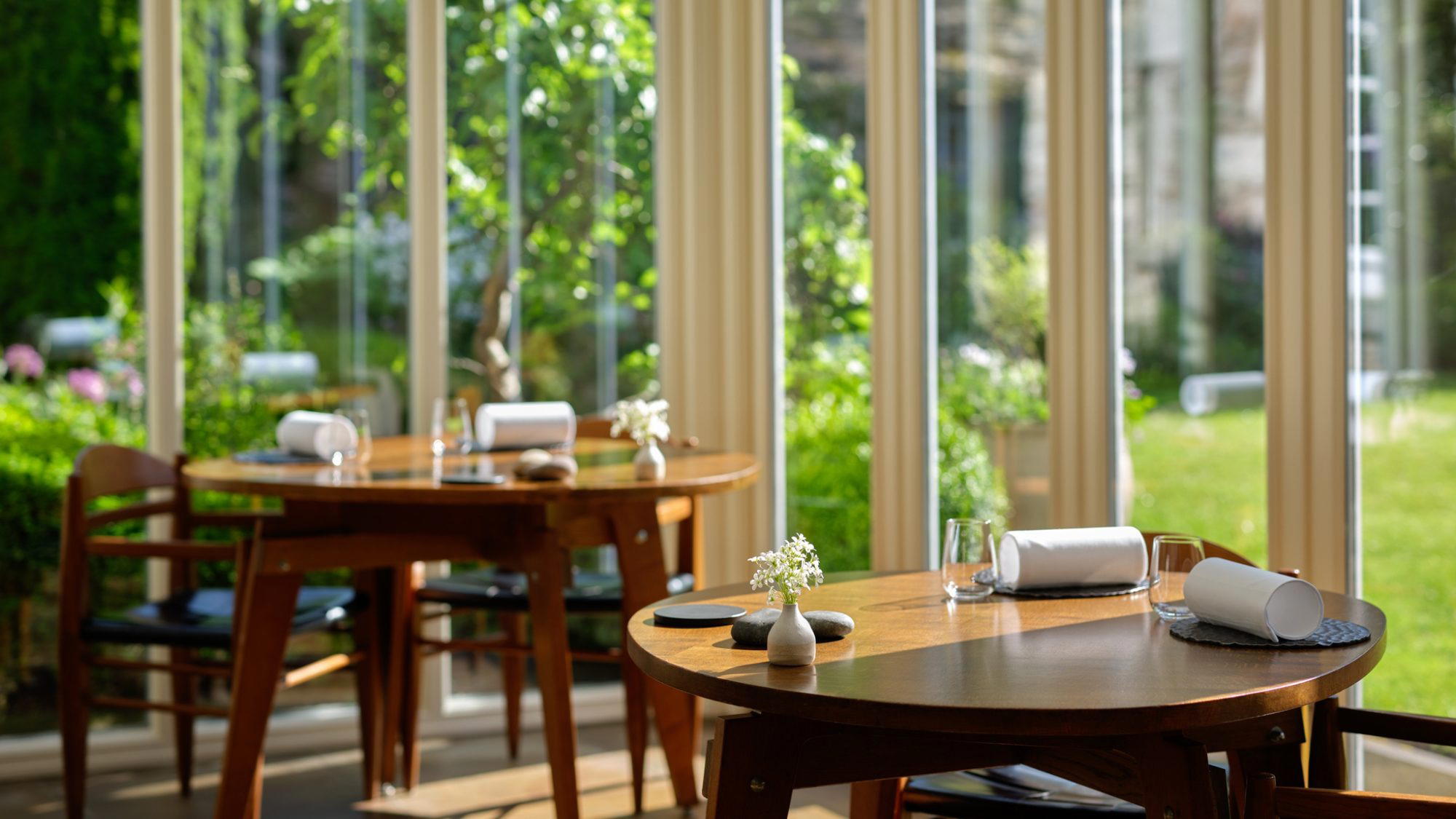
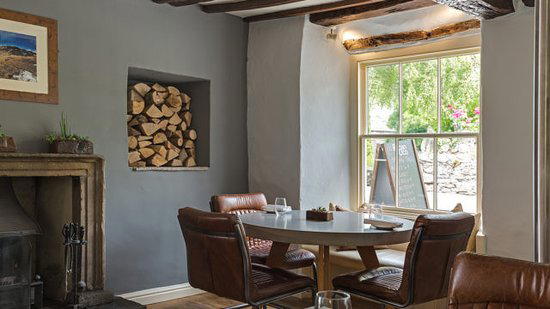
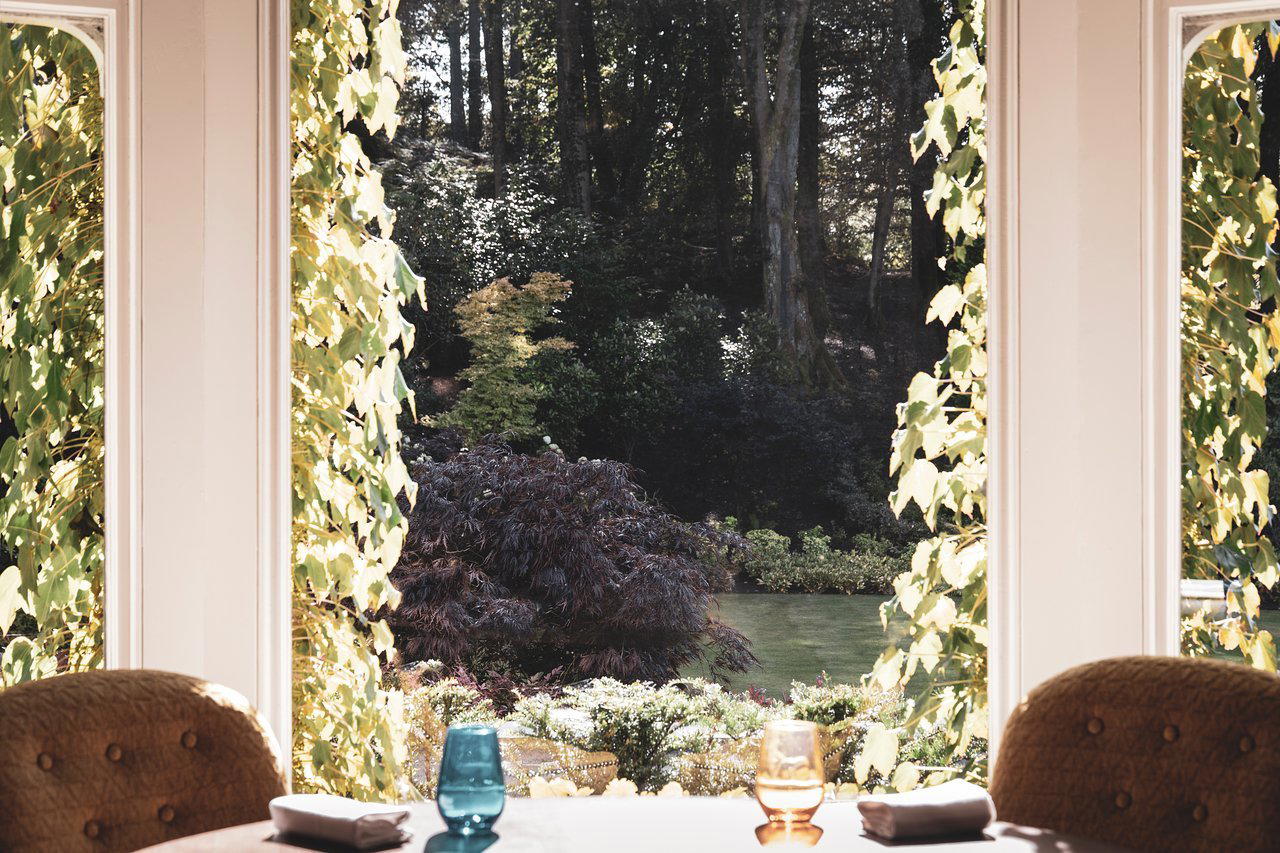
Bars in Newton in Cartmel
Browse all →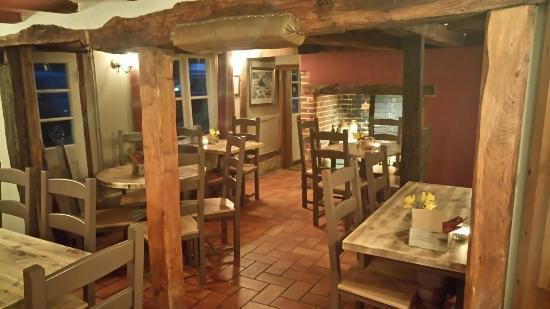

Details
- Rustic
- Cozy
- Intimate
- Elegant
- Special Occasion
- Date Night
- Historic Building
- Extensive Wine List
- Farm To Table
- Local Sourcing
- Tasting Menu
- Gluten Free Options
Current opening hours
- Monday
- Closed
- Tuesday
- Closed
- Wednesday
- 3–10 PM
- Thursday
- 12–10 PM
- Friday
- 12–10 PM
- Saturday
- 12–10 PM
- Sunday
- 12–10 PM
Hours can change for holidays and private events. Last verified .
Cozy and traditional with woodburners, slate floors, time-worn beams, and a welcoming, relaxed atmosphere blending historic pub charm with elegant dining.