Cotswold House Hotel

Michelin Selected
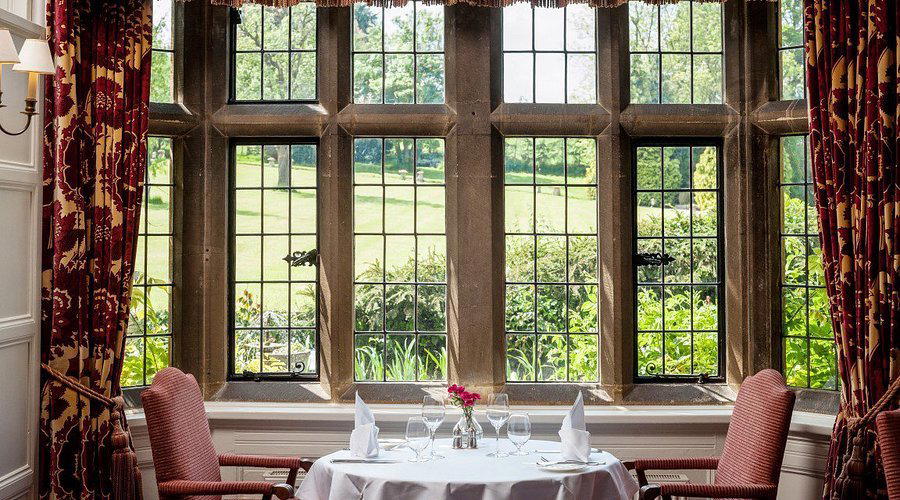
A Michelin Selected hotel occupying a handsome Cotswold townhouse on Chipping Campden's medieval high street, Cotswold House sits where honey-stone architecture and contemporary interiors meet with quiet authority. The property addresses a specific niche in the Cotswolds accommodation market: polished, town-centre stays with genuine design investment, positioned between rural guesthouse informality and the full-resort scale of larger country house properties.

Pearl is the En Primeur Club membership app — saves, bookings, and concierge access live there. Same editors, same standards.
- Address
- Upper, High St, Chipping Campden GL55 6AN, United Kingdom
- Phone
- +44 1386 840330
- Website
- cotswoldhouse.com
- Directions
- Get directions
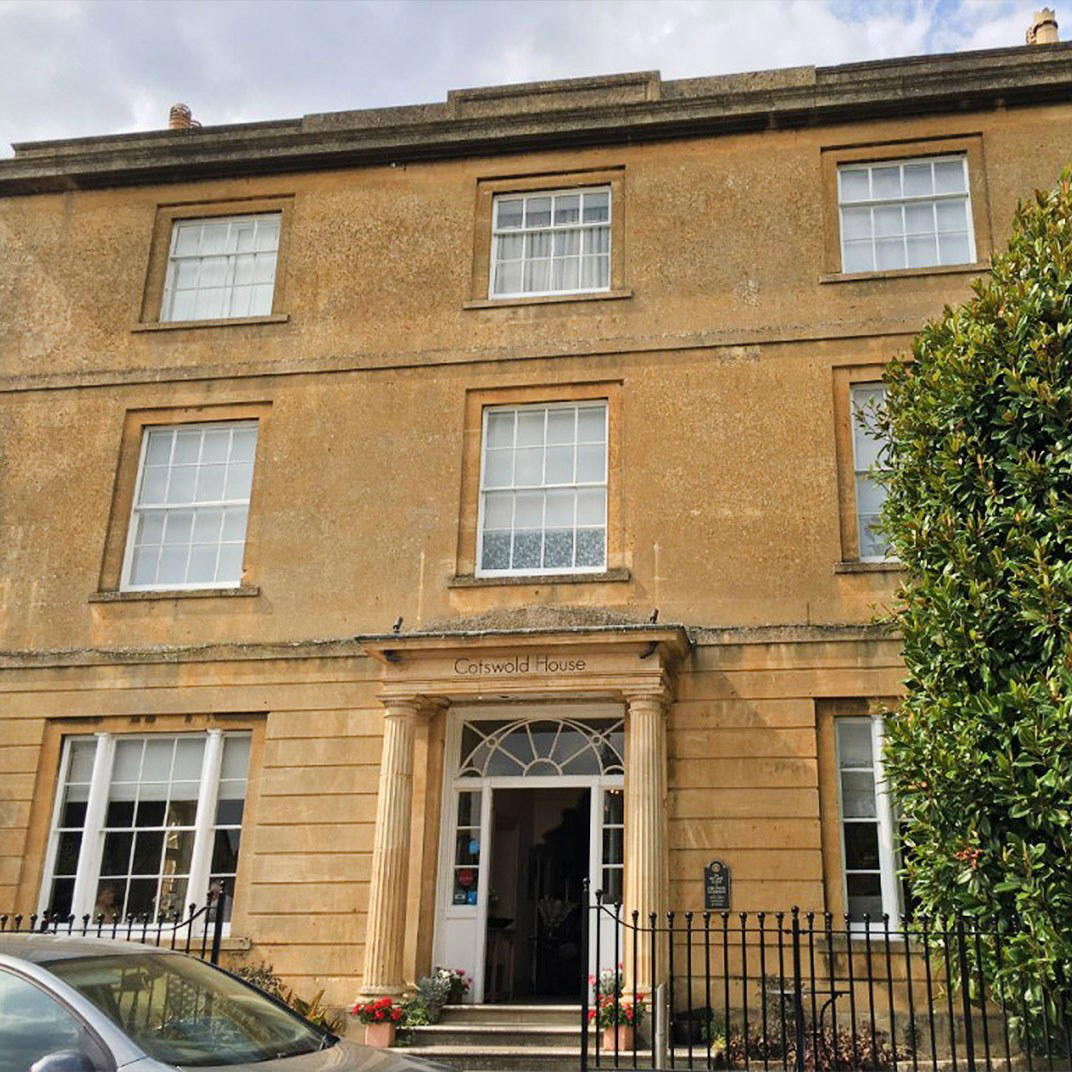
Stone, Scale, and the Cotswold Townhouse Tradition
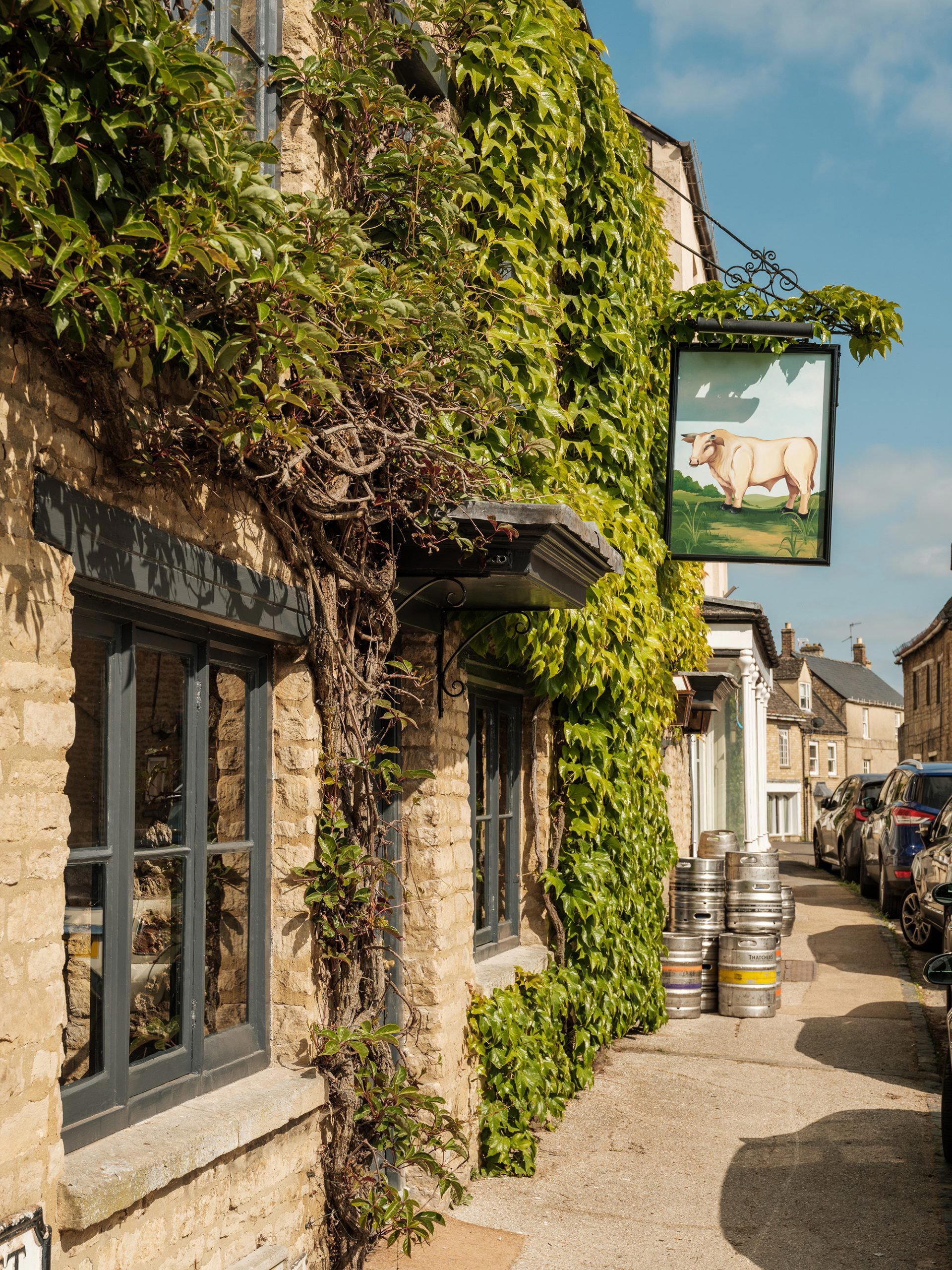
Chipping Campden's high street reads as one of the most coherent pieces of vernacular architecture in England. The honey-limestone facades, mullioned windows, and market hall loggia have remained largely intact since the wool-trade prosperity of the 14th and 15th centuries, which means that any building occupying a prominent position on The Square carries the weight of that context. Cotswold House Hotel, a Michelin Selected property for 2025, sits directly on that streetscape, and its standing as a hotel is inseparable from its physical relationship with the town.
The Michelin Selected designation, applied through the Michelin Guide Hotels & Stays 2025, places Cotswold House in a tier of British hotels recognised for quality of experience rather than restaurant stardom. In the Cotswolds specifically, that distinction matters: the region has enough country house properties with heritage prestige to make the guide's editorial filtering a meaningful signal about where accommodation investment has actually been made.
What the Architecture Argues
The particular design challenge for any hotel occupying a period Cotswold building is the relationship between conservation and comfort. The regional planning framework is among the stricter in England, which constrains what owners can do to listed facades. The consequence, across the better properties, is that design ambition gets directed inward. Interiors become the arena for contemporary intervention, while the stone exterior holds its line.
This pattern is visible across the Cotswolds' better-regarded hotel stock. Properties like Estelle Manor in North Leigh take a different route, working with converted estate buildings across more expansive grounds. Cotswold House's town-centre position makes it a different proposition entirely: the geometry is more compressed, the relationship to the street more immediate, and the sense of being embedded in the town rather than set apart from it is constitutive of the experience.
That embeddedness is an editorial point worth dwelling on. Most of the Cotswolds' high-profile hotel stays are rural by nature, reached by car along single-track lanes, with the countryside itself as the primary setting. A hotel on Chipping Campden's high street offers something those properties cannot: the ability to walk out the door and be immediately in the town's daily rhythm. The Tuesday market, the Church of St James at the lane's end, the National Trust properties within walking distance. For visitors who want the Cotswolds without the isolation, a town-centre position is a structural advantage.
The Broader Cotswolds Accommodation Context
The Cotswolds has seen sustained investment in accommodation quality over the past decade, driven partly by post-pandemic domestic travel and partly by the area's consistent position as a short-break destination for London-based travellers. The road and rail connections support a long-weekend market: Chipping Campden sits roughly two hours from London by road, and Moreton-in-Marsh, the nearest mainline station, is a short taxi or bus ride away. That accessibility concentrates demand and, in turn, justifies the kind of design and service investment that earns Michelin recognition.
The competitive set for a property like Cotswold House runs across several formats. At one end sit the larger country house hotels with spa facilities and extensive grounds. At the other end are the village B&Bs and self-catering cottages that dominate the regional accommodation market by volume. Cotswold House occupies the middle ground with more intent than most: a proper hotel, with the staffed services that implies, in a building with genuine architectural character, at a town-centre address. That combination is less common than it sounds. For wider context on how design-led British hotels at different scales handle the period-property question, the contrast with Lime Wood in Lyndhurst or The Newt in Somerset is instructive: both operate with more land, more programming infrastructure, and a different relationship to their settings.
Internationally, the archetype of the well-converted townhouse hotel with strong architectural identity has comparisons at both ends of the price spectrum. The Savoy in London occupies one end of that range; smaller, regionally significant properties like Longueville Manor in Jersey and Oddfellows on the Park in Manchester offer analogues at different scales. Cotswold House's position is legible relative to those comparators: smaller than a grand hotel, more invested than a boutique guesthouse, and anchored by a specific sense of place that larger properties cannot replicate.
Chipping Campden as a Setting
The town itself is worth treating as part of the hotel's offer rather than merely its backdrop. Chipping Campden is the northern anchor of the Cotswolds Way, the 102-mile national trail running south to Bath, which means the walking infrastructure around the town is as well-developed as anywhere in the region. The town also has a functioning arts and crafts heritage that runs deeper than decoration: the Guild of Handicraft relocated here from London in 1902, and that history has left a residue in the local cultural identity that distinguishes Chipping Campden from the more purely touristic Cotswold villages.
For dining, the town's options are limited but not sparse. The broader Chipping Campden restaurant picture is covered in our full Chipping Campden restaurants guide, which maps the local options against each other with more granularity than a hotel page can support.
Planning a Stay
Chipping Campden operates on a seasonal demand curve that peaks hard through late spring and the summer months, with a secondary spike around the Christmas markets that have become a fixture in the Cotswolds calendar. Booking ahead for any weekend between April and September is advisable; the town's accommodation supply is not large relative to its visitor draw, and the Michelin designation will have reinforced demand at this property specifically. The nearest mainline rail connection is Moreton-in-Marsh on the Cotswold Line from London Paddington, making the hotel accessible without a car, though having a car opens up the broader region considerably. For those comparing against other Michelin-recognised British properties with strong architectural identities, Gleneagles in Auchterarder, The Vineyard Hotel & Spa in Newbury, and Farlam Hall Hotel & Restaurant in the Lake District each represent different inflections of the quality-country-house format and make useful reference points for calibrating expectations.
Quick Comparison
Comparable venues nearby, for context on price, style, and recognition.
| Venue | Cuisine | Price | Awards | Notes |
|---|---|---|---|---|
| Cotswold House HotelThis venue — the venue you are viewing | Contemporary luxury in historic Cotswold townhouse | $100–200 | Michelin Selected | Not listed |
| Portrush Adelphi | Blending classic charm with modern luxury inspired by local heritage and coastline. | Not listed | Michelin Selected · Mr & Mrs Smith Seal of Approval | Portrush |
| Market Street | Modern urban boutique with Scottish heritage influences | $100–200 | Michelin Selected | Old Town |
| The Scott | Luxury boutique hotel housed in a restored 18th-century baronial mansion, part of the University of Edinburgh Hospitality Collection. | $300–500 | Michelin Selected | Southside |
| Zetter Bloomsbury | Georgian townhouse conversion designed as a private London residence with maximalist, eclectic interiors inspired by Bloomsbury's intellectual heritage. | $300–500 | Michelin Selected | Bloomsbury |
| Malmaison Birmingham | contemporary boutique with lived-in spaces | $100–200 | Michelin Selected | City Centre |
Recognition history
Dated appearances from independent guides and award organizations, with the underlying list record or original source where available.
Michelin Selected
Michelin
Continue exploring
More in Chipping Campden
Hotels in Chipping Campden
Browse all →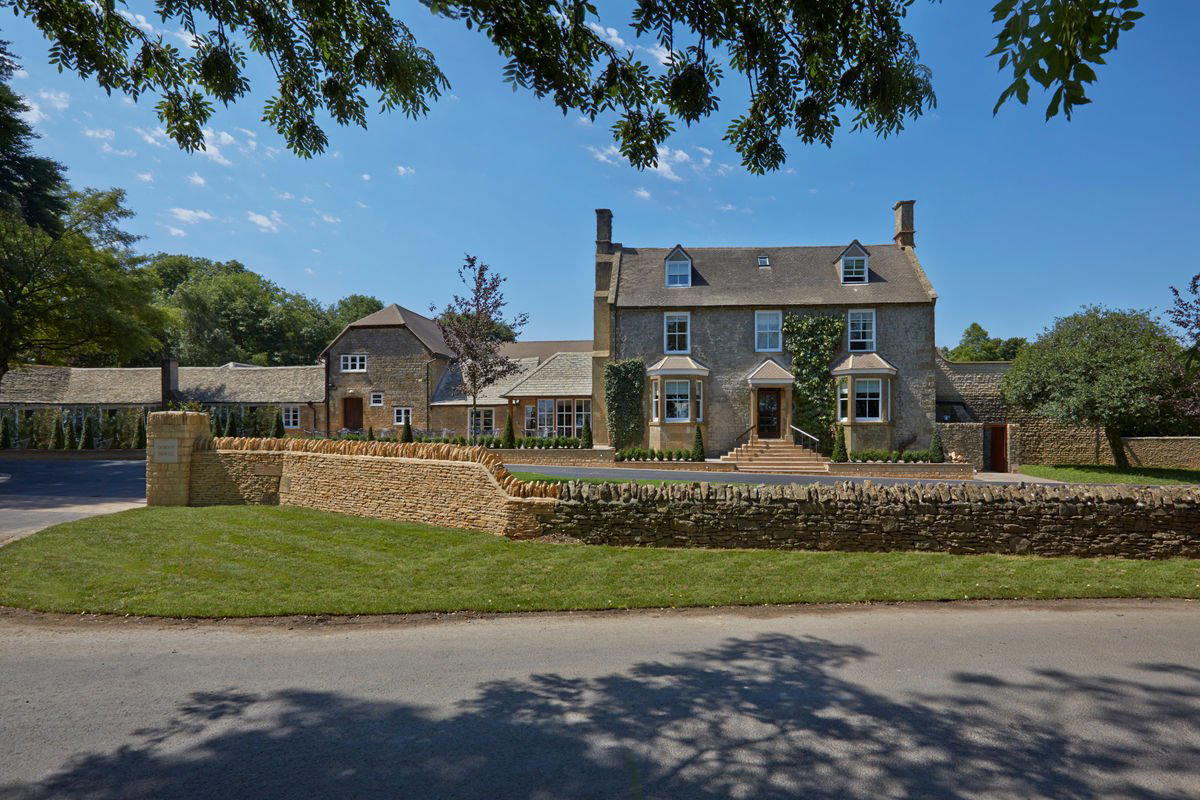
Bars in Chipping Campden
Browse all →
Restaurants in Chipping Campden
Browse all →
Details
- Romantic
- Quiet
- Elegant
- Cozy
- Sophisticated
- Romantic Getaway
- Anniversary
- Weekend Escape
- Garden
- Historic Building
- Terrace
- Spa
- Pool
- Room Service
- Concierge
- Garden
- Garden
- Wheelchair Accessible
Tranquil and relaxing with contemporary style in a timeless bucolic setting.