The Royal Oak



1 Michelin Star · Harden's Top 100 UK Restaurants #100 · The Good Food Guide GFG Good
Our verdict
A Michelin-starred village pub on the edge of the Cotswolds, The Royal Oak in Whatcote earns its star through disciplined restraint: menus built on organic and wild ingredients, game shot to order, and dishes rarely exceeding four components. Operators Richard and Solanche Craven have since expanded with a bakery-trattoria hybrid next door, making the village a quietly serious dining destination.

Pearl is the En Primeur Club membership app — saves, bookings, and concierge access live there. Same editors, same standards.
- Address
- The Royal Oak, Whatcote, Shipston-on-Stour CV36 5EF, United Kingdom
- Phone
- +44 1295 688100
- Hours
- Mon–Tue ClosedWed 6–11 PMThu–Sat 12–3 PM, 6–11 PMSun Closed
- Website
- theroyaloakwhatcote.co.uk
- Directions
- Get directions
- Booking
- Book on OpenTable
The menu
What to order
- Fallow buck with celeriac and wild pepper
- Turbot with cauliflower and mussels
- Hand-rolled garganelli with winter truffle
- Chocolate soufflé with pear sorbet
A Village, a Pub, and a Michelin Star
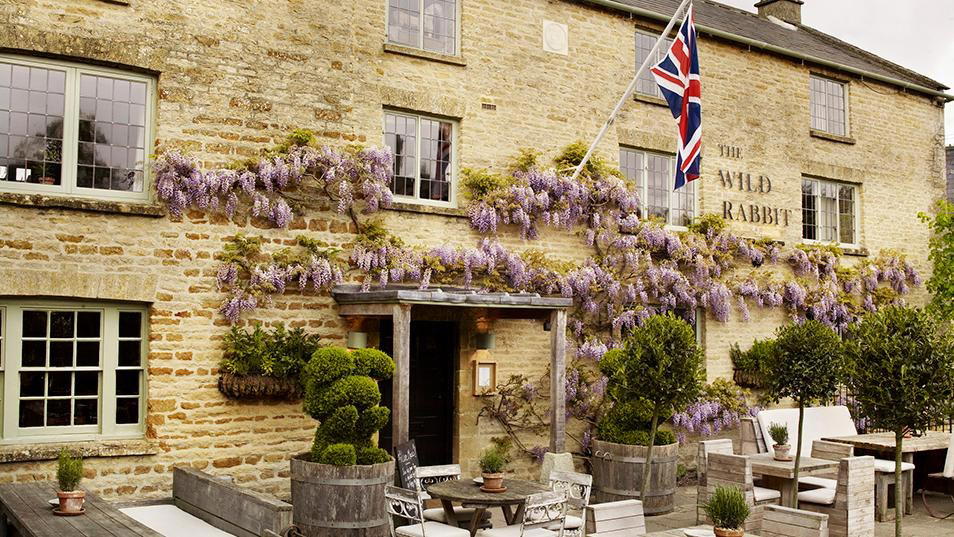
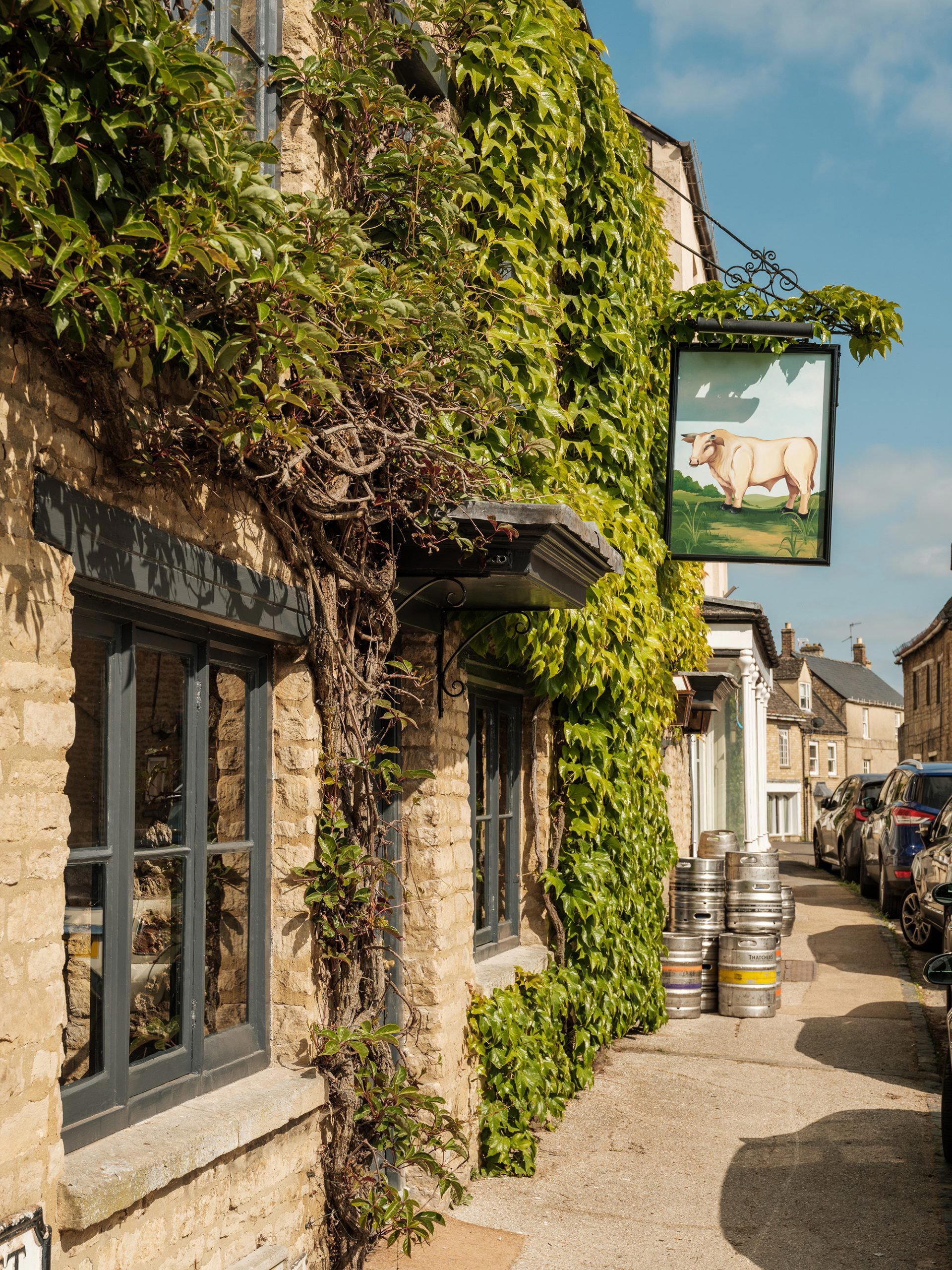
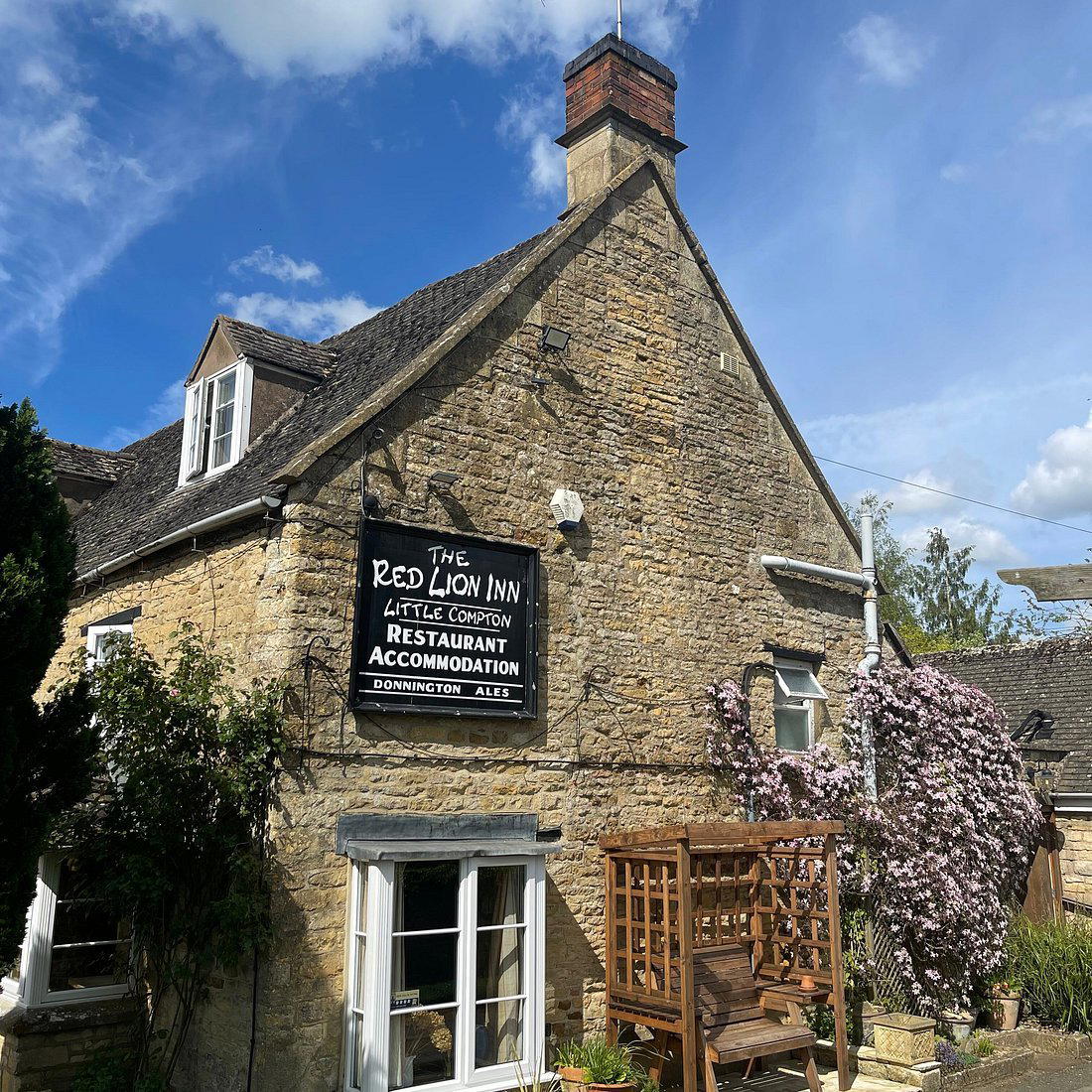
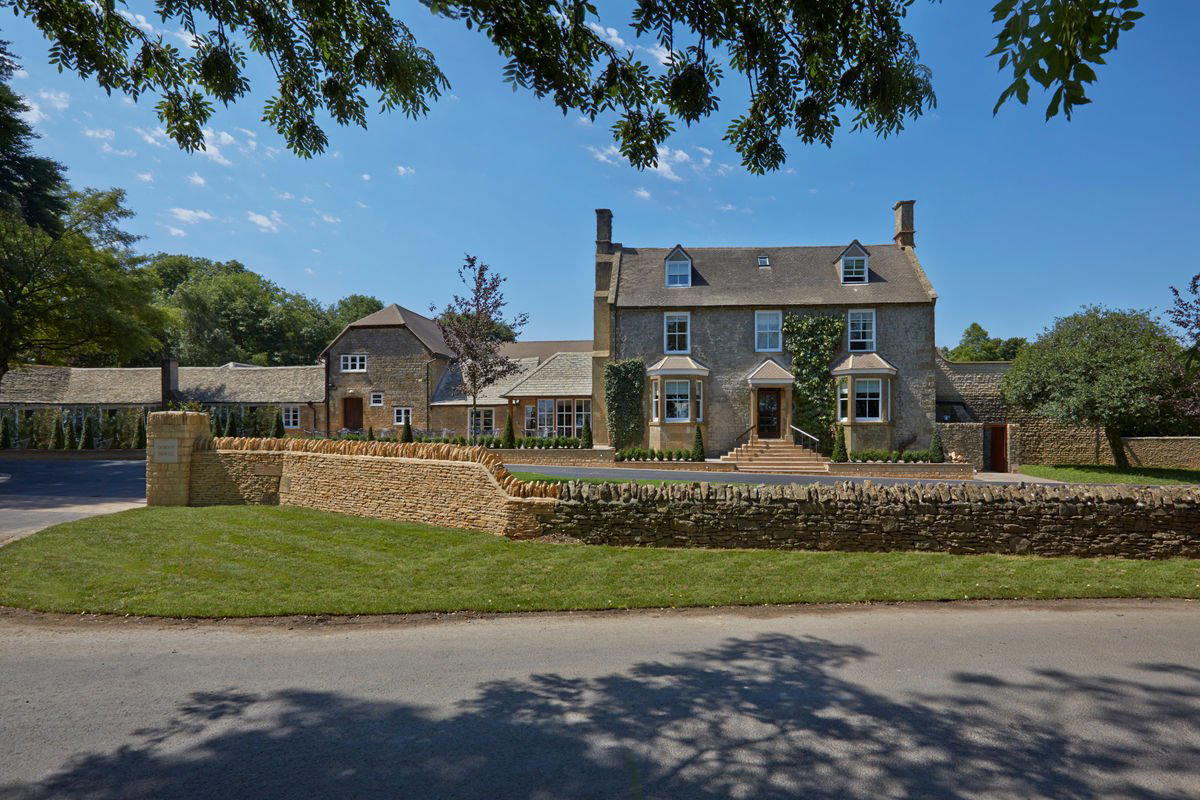
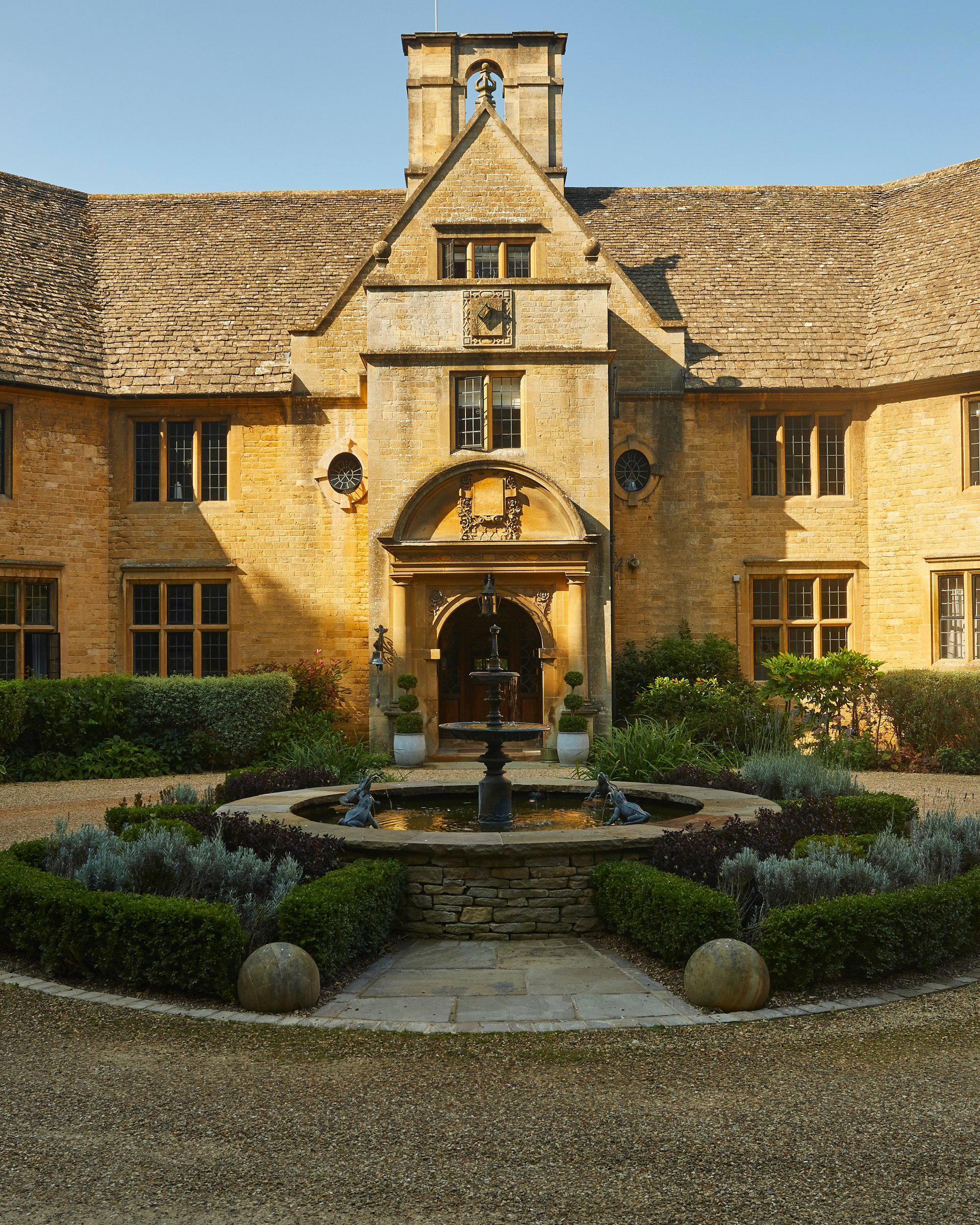
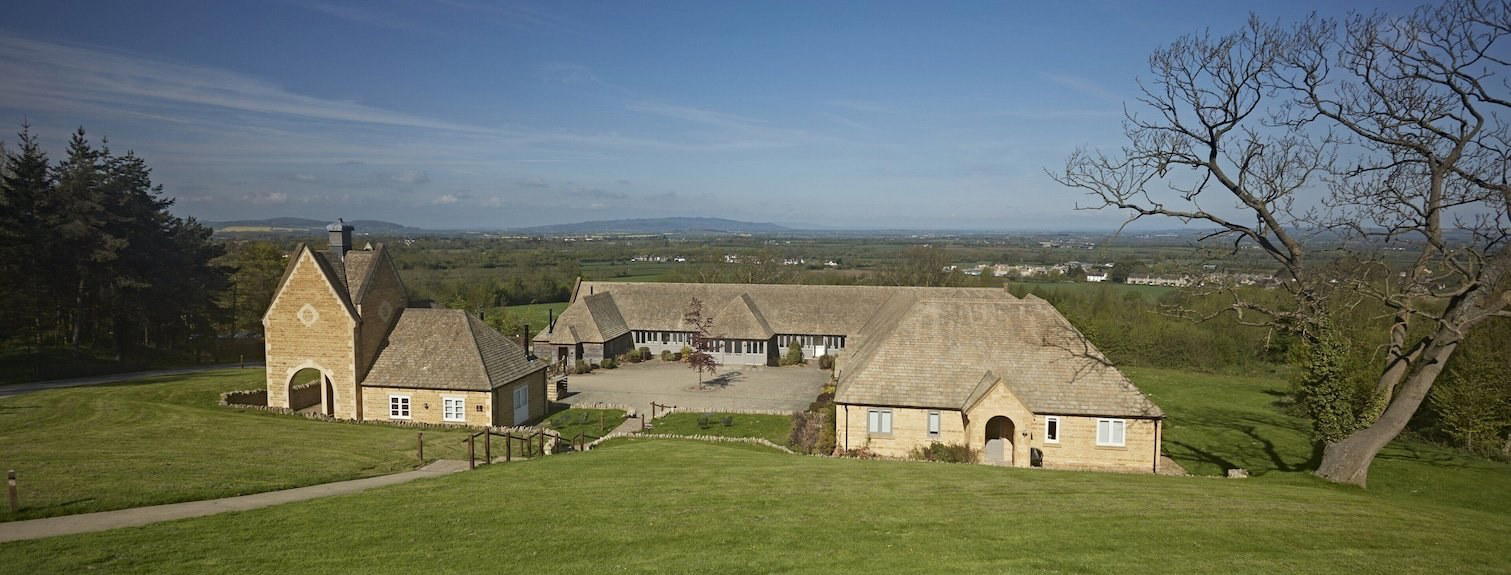
The road into Whatcote is the kind that requires commitment. No dual carriageways, no signposted tourist trail, just narrowing Warwickshire lanes that eventually deposit you in one of the Cotswolds fringe's quietest villages. The Royal Oak sits there as it has for centuries, low-slung and unassuming, the sort of building that looks as though it grew out of the ground rather than was constructed on it. The car park holds a handful of cars. The sign above the door offers no hint of what awaits inside. That studied absence of fanfare is, it turns out, entirely deliberate — and entirely in keeping with the cooking.
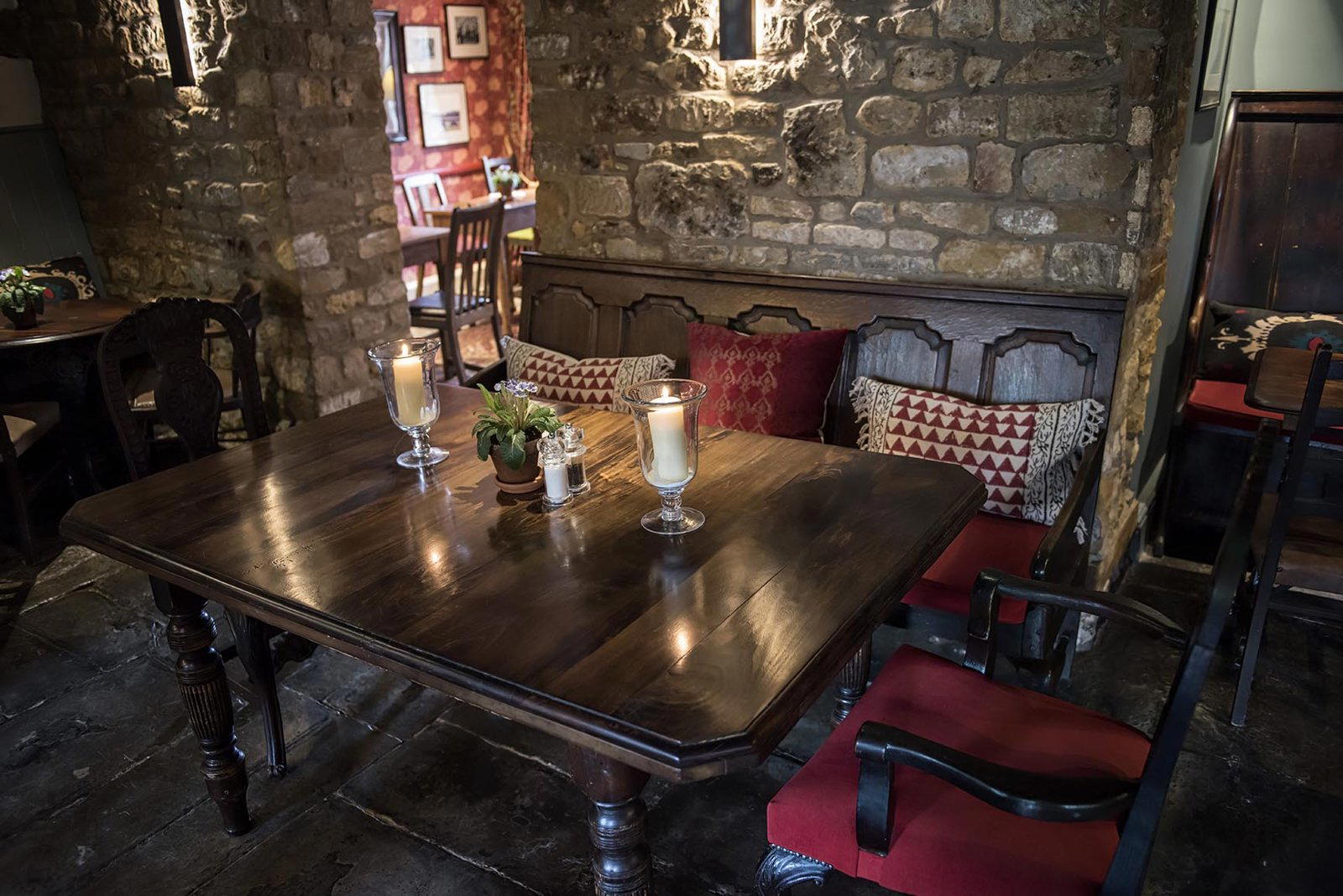
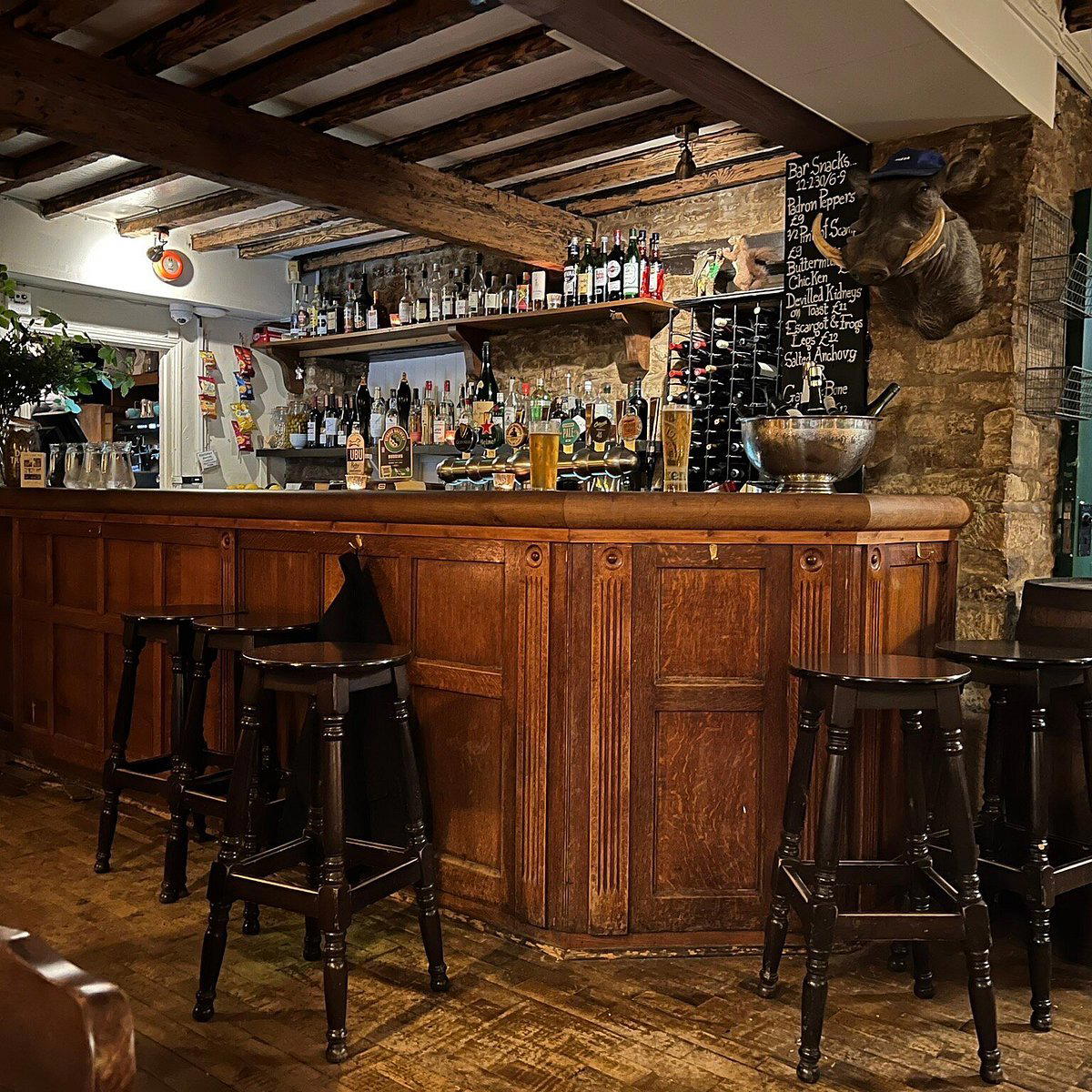
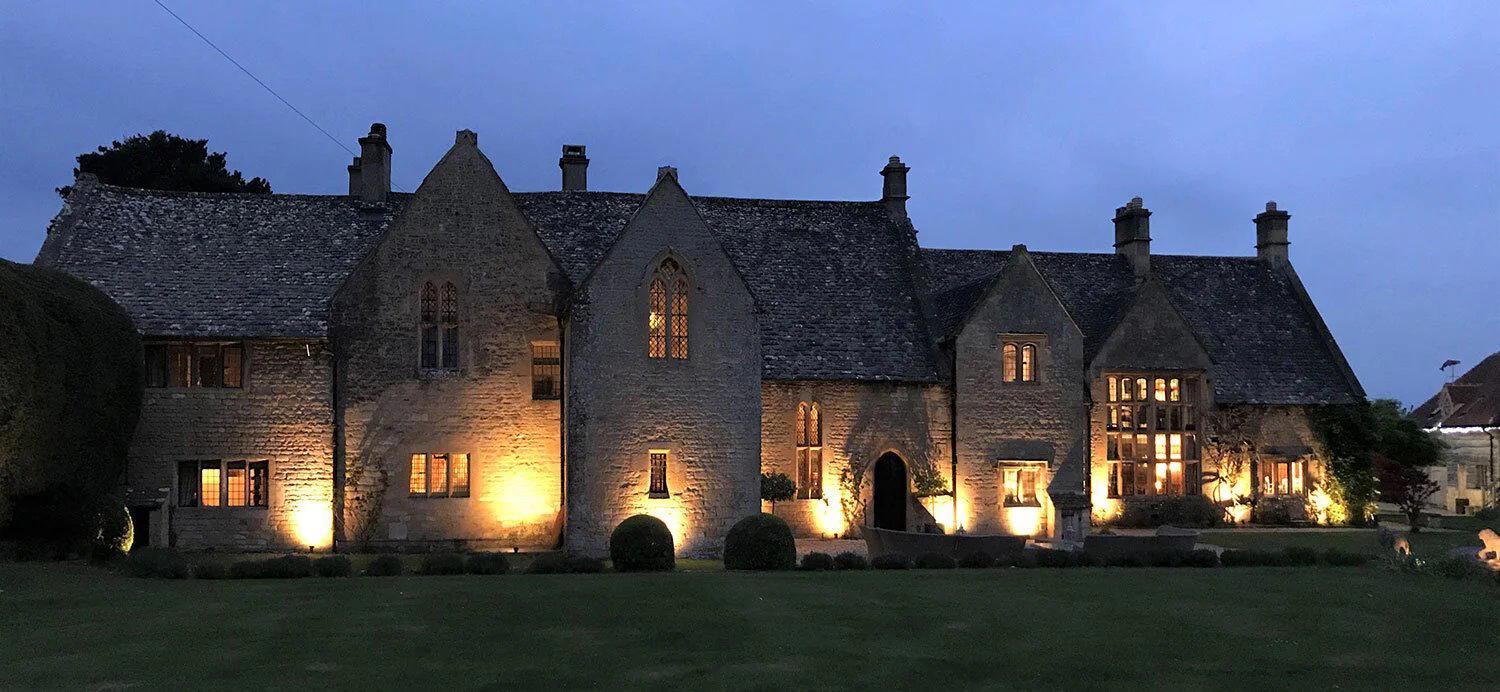
The pub claims a history stretching back far enough that Oliver Cromwell is said to have lodged here in 1642, which, if accurate, makes it one of the older licensed premises in England. Whether or not you attach weight to that particular piece of folklore, the building carries genuine age: low beams, stone floors, the architecture of function rather than design. For a kitchen earning a Michelin star — as The Royal Oak has held since 2024, the physical setting matters. It is proof that the gastropub revolution in Britain has moved well beyond the idea that serious food requires a formal dining room.
The Gastropub as Serious Kitchen: What Whatcote Proves
Story of British pub dining over the past three decades is, at its core, a story about permission. The generation that transformed the gastropub in the late 1990s and 2000s gave chefs licence to cook seriously in spaces that had previously been defined by convenience food and ambient carpet. That first wave produced places like Hand and Flowers in Marlow, still the benchmark for the Michelin-starred pub format. The second and third waves pushed further out geographically, away from commuter-belt villages and market towns with weekend traffic, into places where the audience had to travel with purpose.
Royal Oak belongs to that later cohort. It operates in a county, Warwickshire, that sits in the shadow of the Cotswolds proper, generating less instinctive food tourism than, say, the villages around Chipping Campden or Burford. Richard and Solanche Craven's decision to plant a Michelin-calibre operation here is itself an editorial statement about what matters: ingredients, technique, and sourcing, rather than a postcode that sells itself. Reviewers have noted that "originality and local resourcing are dominant concerns" at The Royal Oak, a description that positions the kitchen clearly in the farm-to-fork tradition without using that phrase as a mere marketing shorthand.
Comparison set for this style of cooking in the UK is broad but instructive. At the highest tier, restaurants like L'Enclume in Cartmel and Moor Hall in Aughton have made remote northern England into serious dining destinations by anchoring their menus to hyper-local produce. Gidleigh Park in Chagford does something similar in Devon. The Royal Oak operates at a different scale and register, pub rather than destination restaurant, but shares the foundational logic: that sourcing discipline and restraint in the kitchen can produce food that justifies considerable travel.
The Food: Restraint as Method
What distinguishes The Royal Oak's cooking from the broader category of ambitious pub food is the degree to which it resists elaboration. The kitchen works with dishes of three or four components, a constraint that eliminates the temptation to pad plates with technique for its own sake. The sourced data from assessors references cod, parsnip and dulse with a cider and tarragon sauce as representative of the approach: a coastal fish, a root vegetable, a seaweed, an acidic sauce built from a quintessentially English fermented drink. Each element pulls its weight; none is decorative.
Game is a particular focus, and notably, it is sometimes shot to order, a supply chain relationship that is rare even among serious rural kitchens. In the Cotswolds fringe, where agricultural land and estates are plentiful, this is logistically achievable in a way it simply would not be in an urban setting. The result is a menu that shifts with the season and the land in a more literal sense than most farm-to-fork claims allow. Critics have specifically noted that the head of the kitchen's "love of game shines through in the fantastic dishes he serves up," which, within the restrained idiom of Michelin assessment language, reads as a strong endorsement of the kitchen's handling of a technically demanding ingredient category.
The cooking sits within the Modern British genre at the ££££ price tier, which places it at the upper end of the gastropub bracket but below the pricing of fully formal Michelin operations in urban centres. For context, London's CORE by Clare Smyth and The Ritz Restaurant occupy the same broad cuisine category at the same price tier but in an entirely different dining register. The Royal Oak's value proposition is the quality-to-setting ratio: the cooking is serious, the environment is a working pub, and the village outside has a population that can probably be counted on two hands.
Beyond the Pub: Ferment and Flour, Ricardo Bastardo's
In late 2025, Richard and Solanche Craven opened a second venture in Whatcote: a daytime bakery called Ferment and Flour that transforms in the evening into Ricardo Bastardo's, a trattoria operating on English produce. The dual-format model, bakery by day, trattoria by night, is well-established in urban food cultures but unusual in a village of this size. It signals confidence in the destination's draw and a willingness to test whether a loyal audience will support a broader repertoire beyond the flagship pub. The Italian-inflected name sits at a deliberate angle to the conservative Cotswolds fringe setting, which is presumably the point.
Together, the two venues make Whatcote a more layered proposition than any single address could achieve. Visitors can now construct a day around the village: bread and pastry in the morning, the trattoria for a lighter evening alternative, or The Royal Oak for the full Michelin-starred format. For those planning a longer visit to the southern Midlands, Opheem in Birmingham and Midsummer House in Cambridge represent other high-specification Modern British options within driving range, though in an entirely different urban register.
Planning Your Visit
The Royal Oak closes on Sundays and Mondays, and remains shut on Tuesdays as well, opening only Wednesday through Saturday with lunch service on Thursday, Friday, and Saturday from midday to 3 PM and dinner service running from 6 PM across Wednesday through Saturday. The restricted schedule is common among Michelin-level rural operations that prioritise quality of service over volume of covers. Booking in advance is advisable given the limited opening days and the pub's reputation, which draws visitors from Birmingham, Oxford, and beyond. The address, Whatcote, Shipston-on-Stour CV36 5EF, places it close to the A3400 Stratford-upon-Avon corridor, making it reachable from the motorway network, though a car is essentially required. Public transport to Whatcote is, to put it diplomatically, not the intended arrival method.
For further reading on the broader Whatcote dining context, see our full Whatcote restaurants guide, and for accommodation and other planning needs, our Whatcote hotels guide, bars guide, wineries guide, and experiences guide cover the surrounding area in full.
For those mapping a broader rural England Michelin circuit, the comparison set is worth considering. hide and fox in Saltwood, Restaurant Andrew Fairlie in Auchterarder, and Le Manoir aux Quat' Saisons in Great Milton each represent the rural fine-dining tradition in different registers and regions. The Fat Duck in Bray and The Ledbury in London occupy a different tier of ambition and price, but share the broader Modern British commitment to provenance that defines this kitchen's identity.
Frequently asked questions
What's the price range at The Royal Oak?
Pricing at The Royal Oak is listed as ££££.
Is The Royal Oak open every day?
Hours at The Royal Oak: Monday closed Tuesday closed Wednesday 6 PM-11 PM Thursday 12 PM-3 PM 6 PM-11 PM Friday 12 PM-3 PM 6 PM-11 PM Saturday 12 PM-3 PM 6 PM-11 PM Sunday closed.
A Quick Peer Check
| Venue | Cuisine | Price | Awards |
|---|---|---|---|
| The Royal OakThis venue — the venue you are viewing | Modern British Farm-to-Table | $100–150 | 1 Michelin Star · Harden's Top 100 UK Restaurants #100 |
| The Ledbury | Modern European, Modern Cuisine | Not listed | Michelin 3 Star |
| Sketch, The Lecture Room and Library | Modern French | Not listed | Michelin 3 Star |
| CORE by Clare Smyth | Modern British | Not listed | Michelin 3 Star |
| Restaurant Gordon Ramsay | Contemporary European, French | Not listed | Michelin 3 Star |
| Dinner by Heston Blumenthal | Modern British, Traditional British | Not listed | Michelin 2 Star |
Recognition history
Dated appearances from independent guides and award organizations, with the underlying list record or original source where available.
Michelin 1 Star
Michelin
Harden's Top 100 UK Restaurants #100
Harden's
The Good Food Guide GFG Good
The Good Food Guide
Full recognition history (5 entries)
Michelin 1 Star
Michelin
Michelin 1 Star
Michelin
Details
- Cozy
- Rustic
- Intimate
- Elegant
- Classic
- Special Occasion
- Date Night
- Celebration
- Standalone
- Historic Building
- Terrace
- Open Kitchen
- Sommelier Led
- Farm To Table
- Local Sourcing
- Organic
- Tasting Menu
- Prix Fixe
- Wine
- Vegetarian Friendly
- Allergy Accommodating
- Organic Focus
Current opening hours
- Monday
- Closed
- Tuesday
- Closed
- Wednesday
- 6–11 PM
- Thursday
- 12–3 PM, 6–11 PM
- Friday
- 12–3 PM, 6–11 PM
- Saturday
- 12–3 PM, 6–11 PM
- Sunday
- Closed
Hours can change for holidays and private events. Last verified .
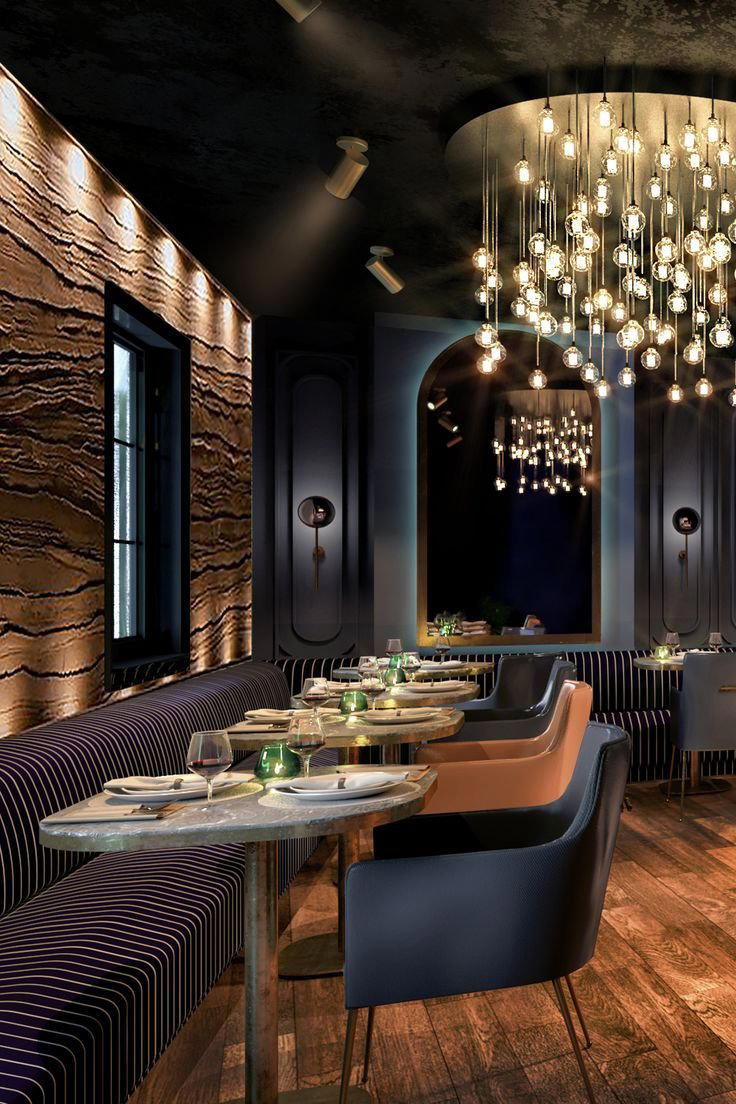
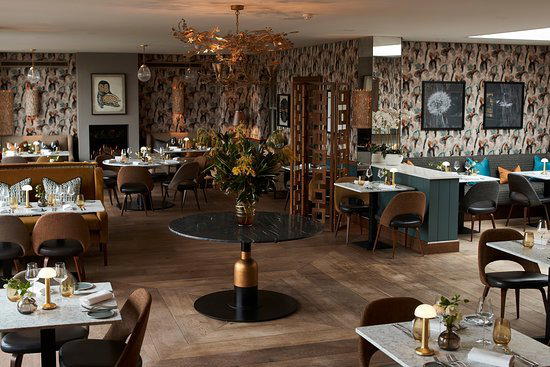
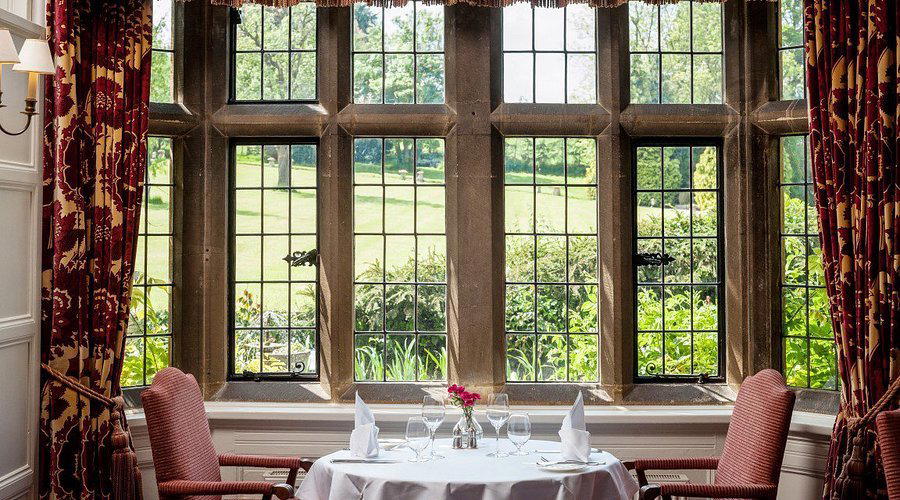
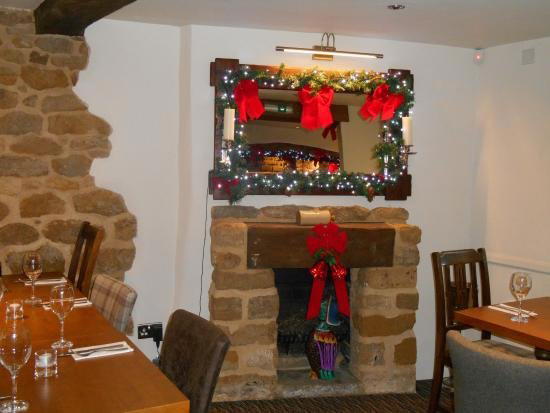
Warm and welcoming with a roaring fireplace, low-ceilinged pubby nooks in the bar area, and a spacious modern glassed-in conservatory dining room that balances rustic charm with contemporary elegance.