145 Burgundy estates confirm participation in the Clos de Vougeot charity auction, Champagne faces its earliest harvest on record, and Chianti Classico Gran Selezione earns its first 100-point score.
This week brought clarity to three stories that matter for collectors and travelers: Burgundy's charity auction for Cîteaux Abbey locked in 145 participating estates, Champagne braced for what could be the earliest harvest start date in the region's history, and Chianti Classico Gran Selezione crossed a threshold with its first 100-point score.
Elsewhere, Bollinger released PNAYC21, the seventh iteration of its Pinot Noir series, and Bonhams reported strong results for the Ornellaia Vendemmia d'Artista charity auction.
Add Margaret River 's Pair'd festival lineup, English wine's breadth at the Decanter World Wine Awards, and Liv-ex's measured take on the 2025 Bordeaux en primeur campaign, and the week sketched a picture of a wine world balancing tradition with the pressures of a warming climate.
The charity auction to benefit Cîteaux Abbey has reached a new milestone, with 145 Burgundy estates and wine houses confirming participation. The event, which began with an initial phase dedicated to collecting wine donations, now moves into its next stage. For collectors tracking Burgundy allocations and rare-bottle opportunities, this auction represents a chance to secure wines that rarely appear on the open market, and to support the restoration of the abbey that shaped Burgundy's monastic winemaking tradition.
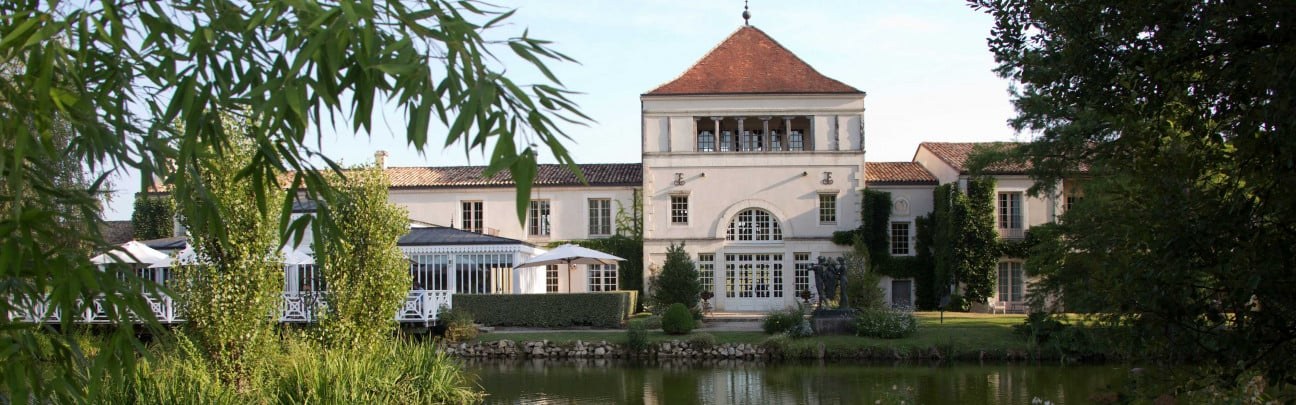
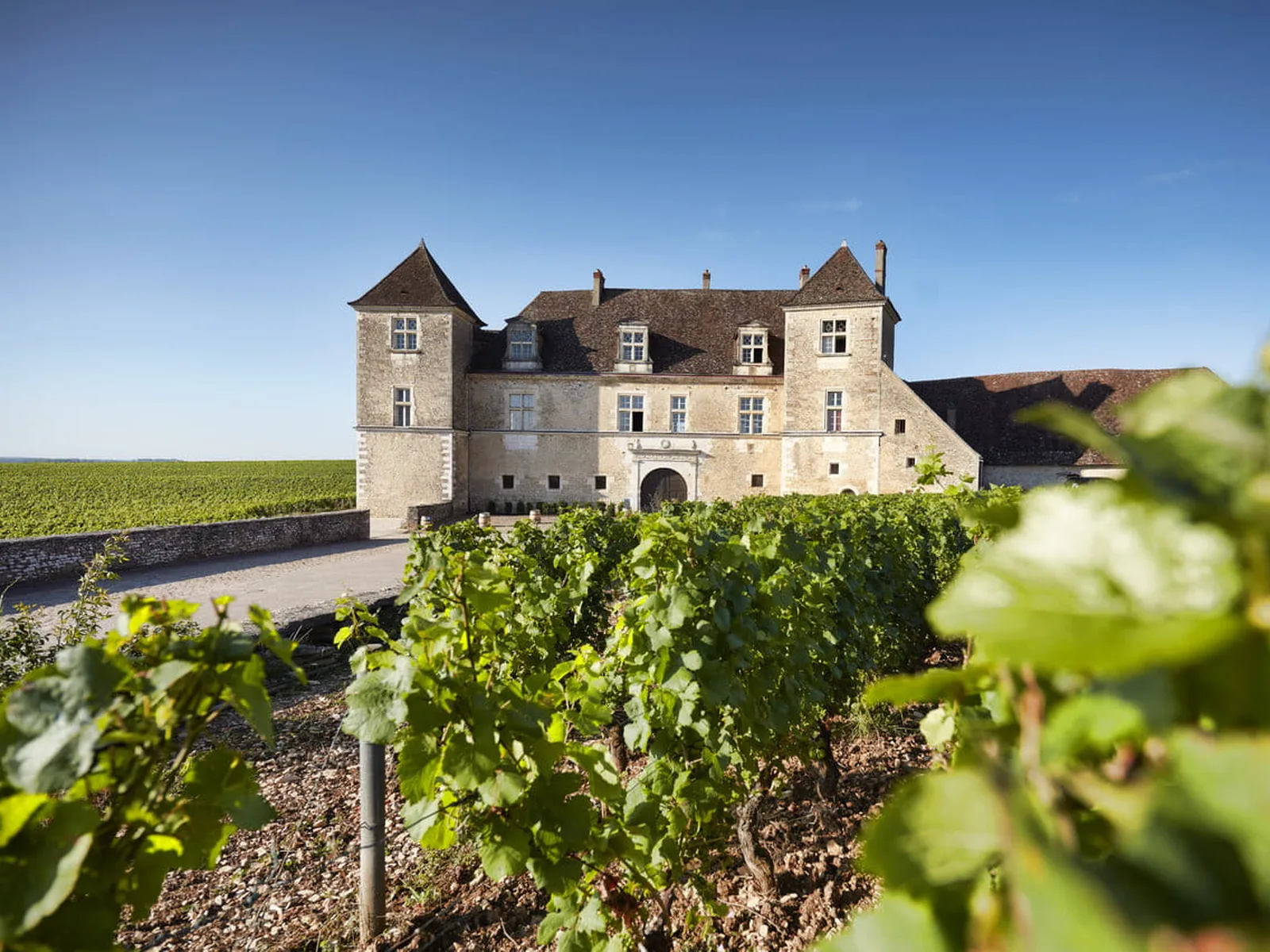
Burgundy, a historic stone building with two prominent towers, stands amidst lush green vineyards.
The scale of participation signals broad industry support for the project. Cîteaux Abbey, founded in 1098, established the Cistercian order that would go on to shape Burgundy's vineyard geography through the Middle Ages.
The monks of Cîteaux planted and classified the region's most famous vineyards, including Clos de Vougeot itself, which takes its name from the abbey's walled vineyard. The auction's focus on Clos de Vougeot wines creates a direct link between the abbey's historical role and its contemporary restoration needs.
The full list of participating estates has not yet been released, but the 145 confirmed participants represent a cross-section of Burgundy's producer base, from grand cru domaines to village-level estates.
For travelers planning Burgundy trips, the auction offers a reason to visit the region during the lead-up to the sale. Many participating estates will likely host tastings and events tied to the auction, creating opportunities for cellar visits and allocation conversations that extend beyond the auction itself. The timing also coincides with Burgundy's late-summer vineyard season, when the vines are in véraison and the harvest is weeks away, a window that offers both visual appeal and practical access to winemakers who are not yet consumed by harvest logistics.
Champagne could be on course for the earliest start date for harvesting in its history, following an unusually early and heavily frost-damaged start to the season and recent heatwave conditions. The region's harvest timing has crept earlier over the past two decades as climate patterns shift, but this year's combination of spring frost and summer heat has compressed the growing season to an unprecedented degree.
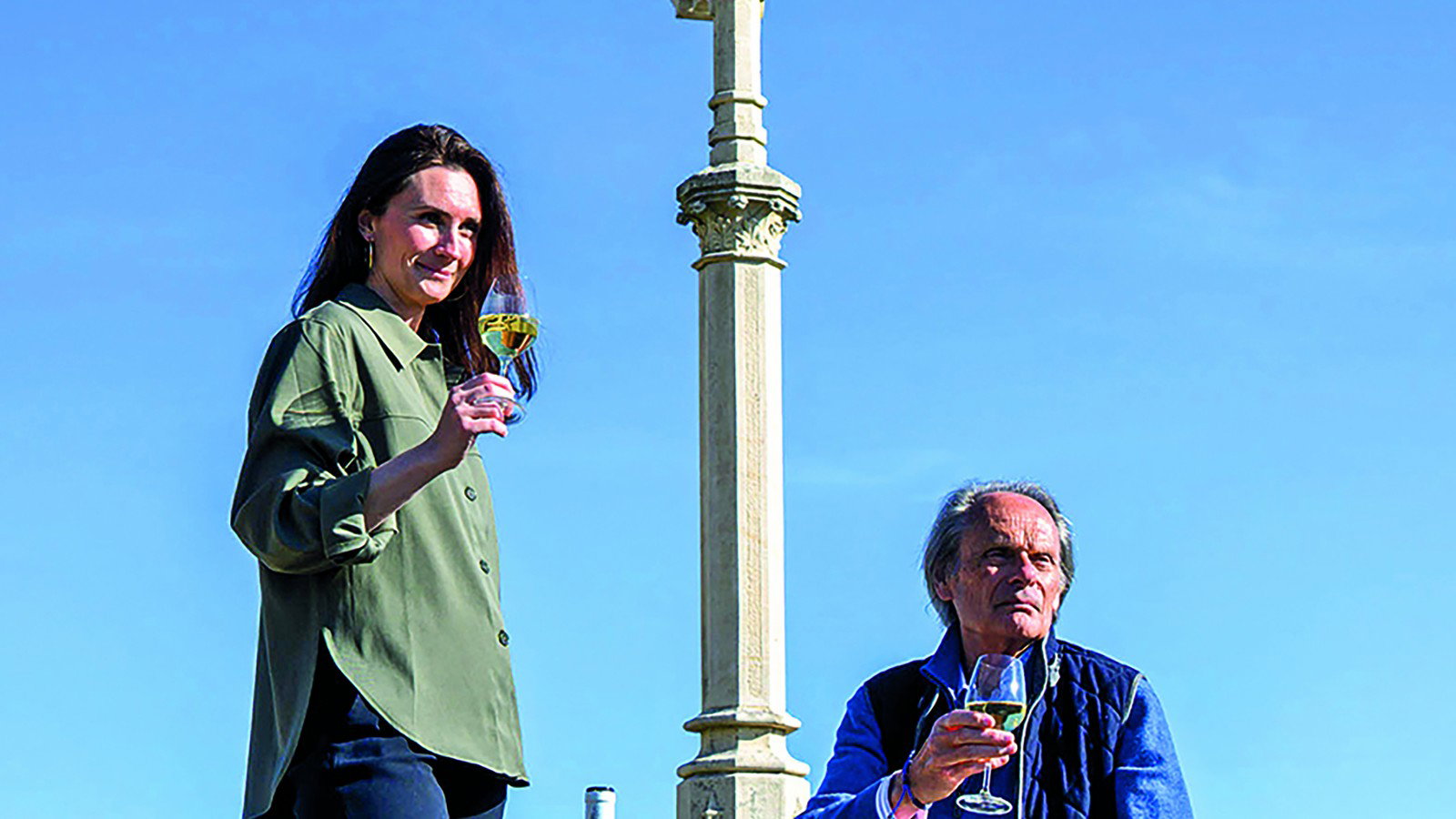
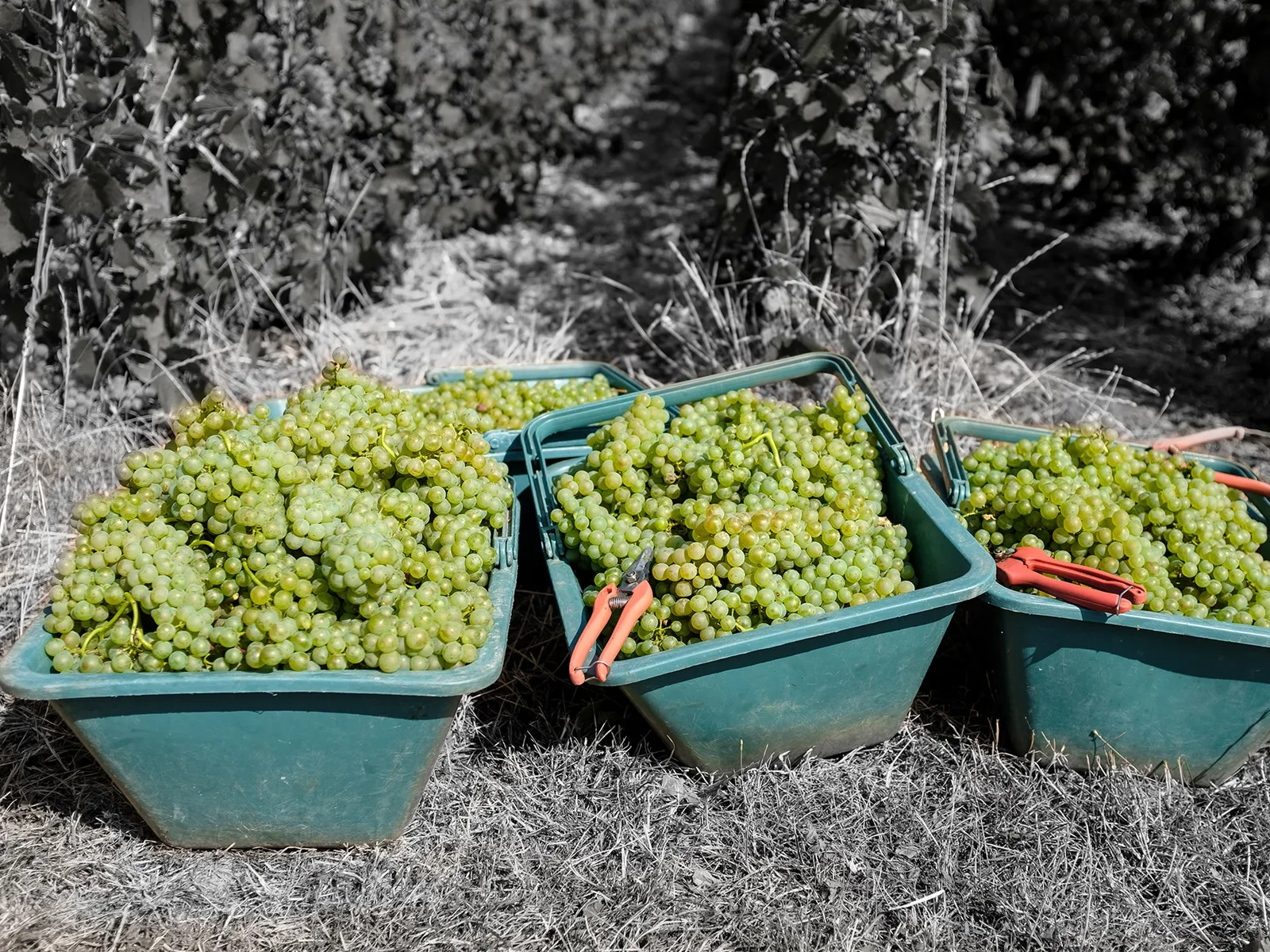
Champagne's Earliest Harvest, with lively green grapes collected in teal buckets, marks a significant moment for the region.
The frost damage in April reduced yields across the region, forcing producers to make difficult decisions about which parcels to harvest and which to abandon. The subsequent heatwave accelerated ripening in the surviving fruit, pushing sugar levels higher and acidity lower than many producers prefer for base wines destined for long aging on lees. The official harvest start date will be announced by the Comité Champagne in the coming weeks, but producers are already preparing for a picking window that could begin in mid-August, weeks earlier than the traditional early-September start.
For travelers planning harvest-season visits, the earlier window means adjusting itineraries. Many Champagne houses close their tasting rooms during harvest to focus on vinification, and the compressed timeline means that the window for pre-harvest visits is narrower than usual.
For collectors, the vintage raises questions about how the compressed ripening period will shape the wine's character. Early-harvest Champagnes can show bright acidity and tension, but they can also lack the phenolic ripeness that gives base wines structure and aging potential.
The 2026 vintage will test whether Champagne's producers can work through the challenges of a warming climate without sacrificing the region's signature balance.
Bollinger has launched PNAYC21, the seventh version of its 100% Pinot Noir series and the second to come mostly from its home cru of Aÿ, after PNAYC18. But the similarities end there, according to Giles Fallowfield. The PNAYC series, Pinot Noir Aÿ Champagne, represents Bollinger 's exploration of single-cru Pinot Noir expression, a format that allows the house to showcase the terroir of Aÿ without the blending that defines its flagship wines.
Aÿ, classified as a grand cru village, sits on the south-facing slopes of the Montagne de Reims and has long been prized for Pinot Noir that combines power with finesse. Bollinger owns significant vineyard holdings in Aÿ, including parcels that supply fruit for its prestige cuvée, R.D.
The PNAYC series draws from these same parcels but bottles the wine as a single-vintage, single-cru expression rather than blending it into the house's multi-vintage releases. For collectors who follow Bollinger's library releases, PNAYC21 offers a snapshot of a specific vintage and site, with the structure and precision that define the house's style.
The 2021 base vintage, a year marked by spring frost and uneven ripening, will test whether Bollinger's winemaking can sharpen a challenging vintage into a compelling single-cru expression.
Chianti Classico Gran Selezione has reached a milestone, earning its first 100-point score. The designation, introduced in 2014 as the upper tier of Chianti Classico's three-level hierarchy, requires estate-grown fruit, extended aging, and stricter production standards than Riserva or the base-level Chianti Classico. The 100-point score, a threshold that carries weight in secondary markets and allocation decisions, signals that Gran Selezione has arrived as a category capable of competing with Tuscany's Super Tuscans and Brunello di Montalcino for collector attention.
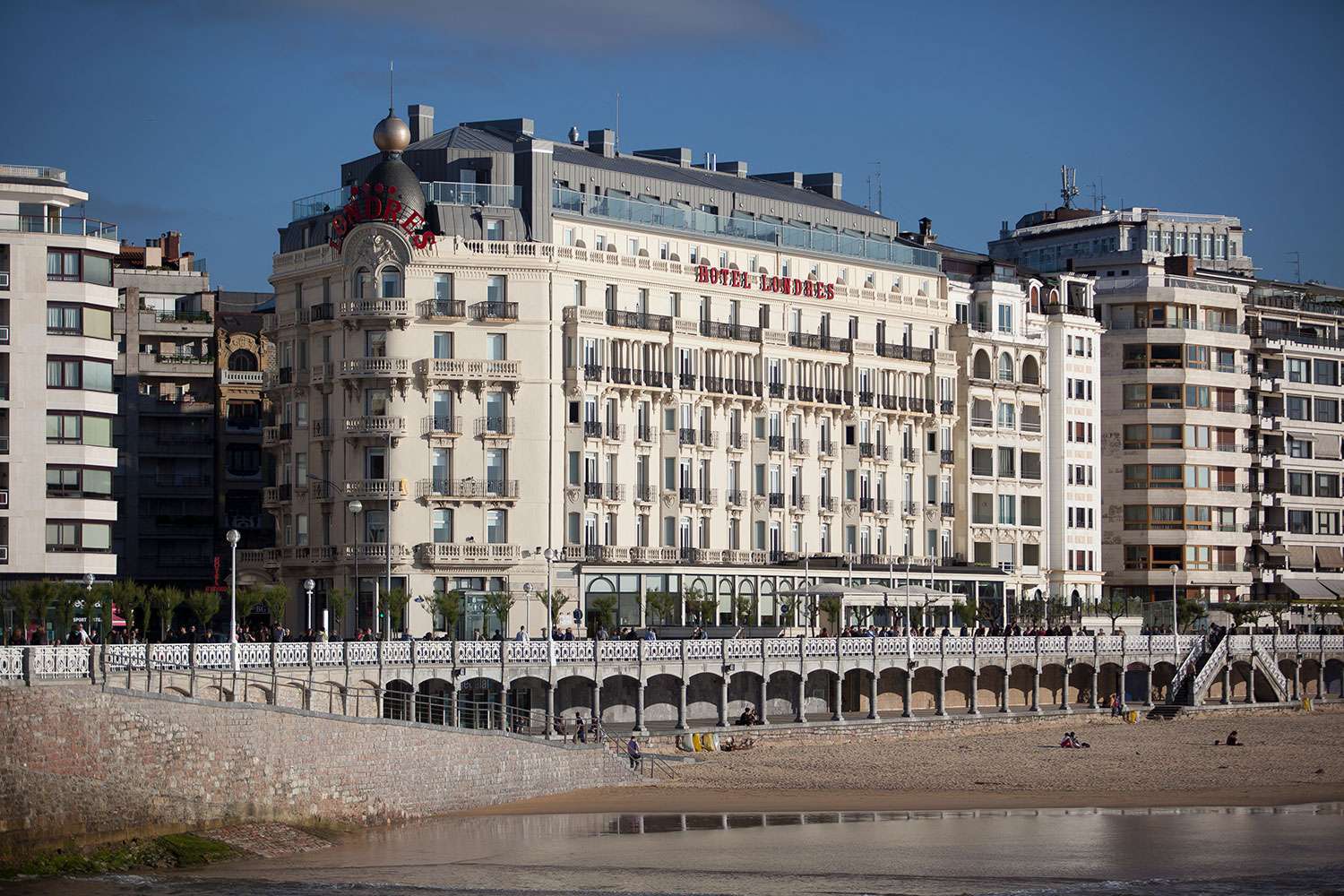
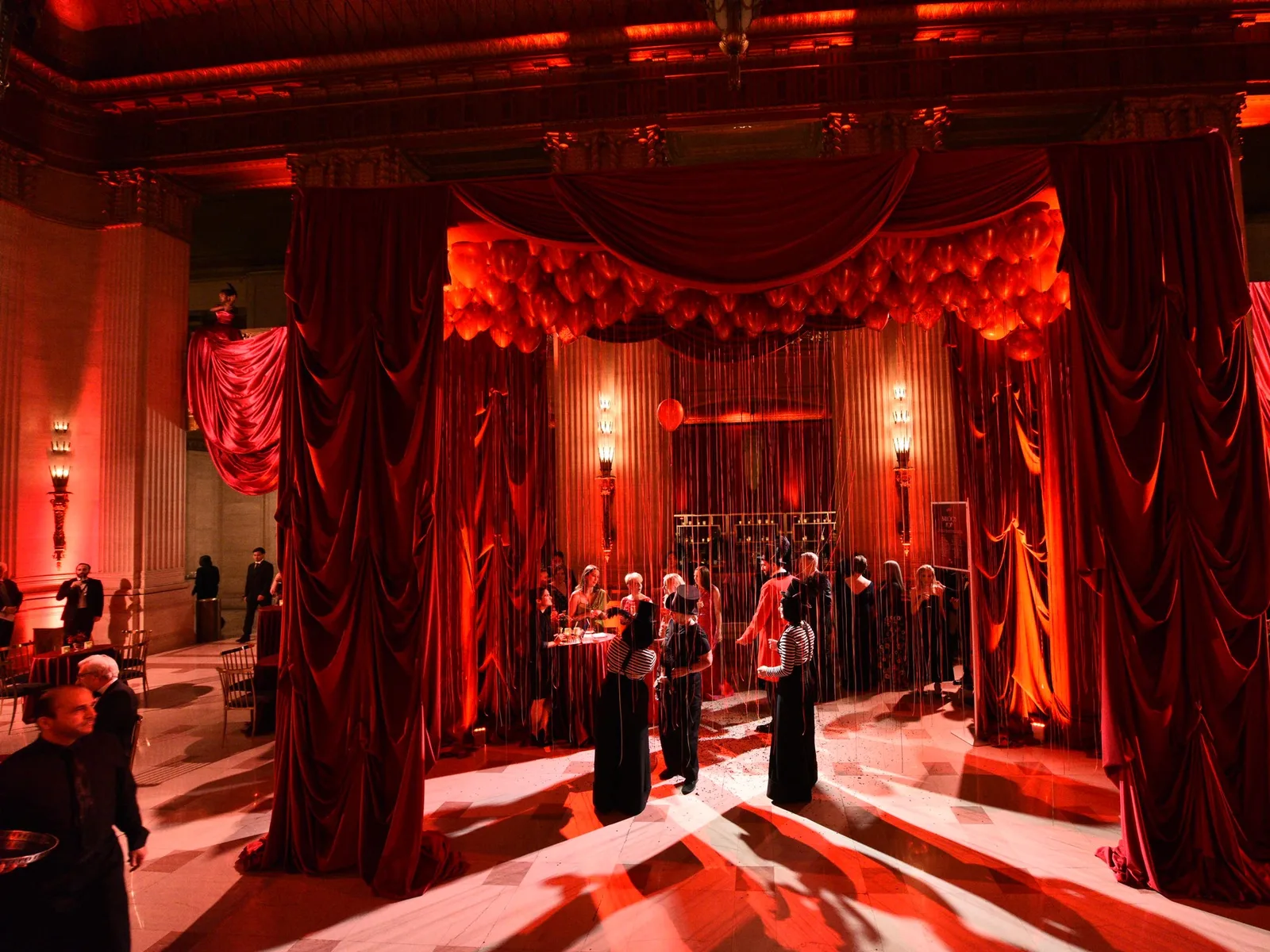
Burgundy Charity Auction, a lavish event space adorned with red drapes and balloons.
The specific wine that earned the score has not been disclosed in the source material, but the achievement marks a coming-of-age moment for a designation that has spent a decade building credibility.
Gran Selezione was created to give Chianti Classico producers a way to distinguish their top wines without leaving the appellation for the Super Tuscan category, which allows more flexibility in grape varieties and winemaking techniques but sacrifices the Chianti Classico name.
The designation requires a minimum of 30 months of aging, including three months in bottle, and mandates that all fruit come from estate-owned vineyards. These requirements push producers to invest in vineyard selection, canopy management, and cellar precision, the kind of work that shows up in the glass as concentration, balance, and aging potential.
Chianti Classico Riserva, the middle tier of the appellation's three-level structure, is also getting renewed attention, according to Decanter. Riserva has long occupied an awkward position: more structured and age-worthy than the base-level Chianti Classico, but less recognized than Gran Selezione.
The category requires a minimum of 24 months of aging, including three months in bottle, and must meet stricter quality standards than the base designation.
For collectors navigating Chianti Classico's hierarchy, Riserva offers a sweet spot of quality and value, particularly from producers who have invested in vineyard selection and cellar precision over the past decade.
The renewed focus on Riserva suggests that the category is finding its footing as a reliable source of age-worthy wines that don't require the premium pricing of Gran Selezione.
Bonhams reported strong results for the Ornellaia Vendemmia d'Artista charity auction, which outperformed pre-sale estimates and showed continued demand for one-off pieces. The Vendemmia d'Artista series pairs each vintage of Ornellaia with a commissioned work by a contemporary artist, producing a limited number of large-format bottles with artist-designed labels. The auction format, which benefits charitable causes, has become a fixture in the wine-and-art crossover market, and this year's results suggest that collectors remain willing to pay premiums for bottles that combine rarity, provenance, and visual impact.
The Vendemmia d'Artista program began in 2009 with the 2006 vintage, and each subsequent release has featured a different artist interpreting the vintage's theme. The large-format bottles, typically magnums, double magnums, and imperials, are produced in extremely limited quantities, with most going to auction rather than traditional retail channels.
The combination of Ornellaia's reputation as one of Tuscany's top Super Tuscans, the artist collaboration, and the charitable beneficiary creates a value proposition that extends beyond the wine itself.
For collectors who value the intersection of wine and art, the Vendemmia d'Artista series offers a way to acquire bottles that function as both collectible wine and contemporary art objects.
The breadth of English wine was on display at Decanter World Wine Awards 2026, with top winners spanning from aged sparkling wines to characterful still styles. English wine has spent the past two decades building its reputation on sparkling wines made in the Champagne method, but the DWWA results signal that the category is broadening. For travelers planning visits to English wine regions, the awards offer a roadmap to producers working beyond the sparkling-wine template, and for collectors, they highlight a category that is still defining its identity.
The still-wine category in England has grown as producers experiment with grape varieties that can ripen reliably in the country's cool climate. Bacchus, a German crossing, has emerged as a signature white variety, producing wines with aromatic intensity and crisp acidity.
Pinot Noir and Chardonnay, the backbone of English sparkling wine, are also being bottled as still wines, with results that range from light and elegant to structured and age-worthy.
The DWWA recognition suggests that English still wines are reaching a level of quality that merits attention from collectors and sommeliers who have traditionally focused on the sparkling category.
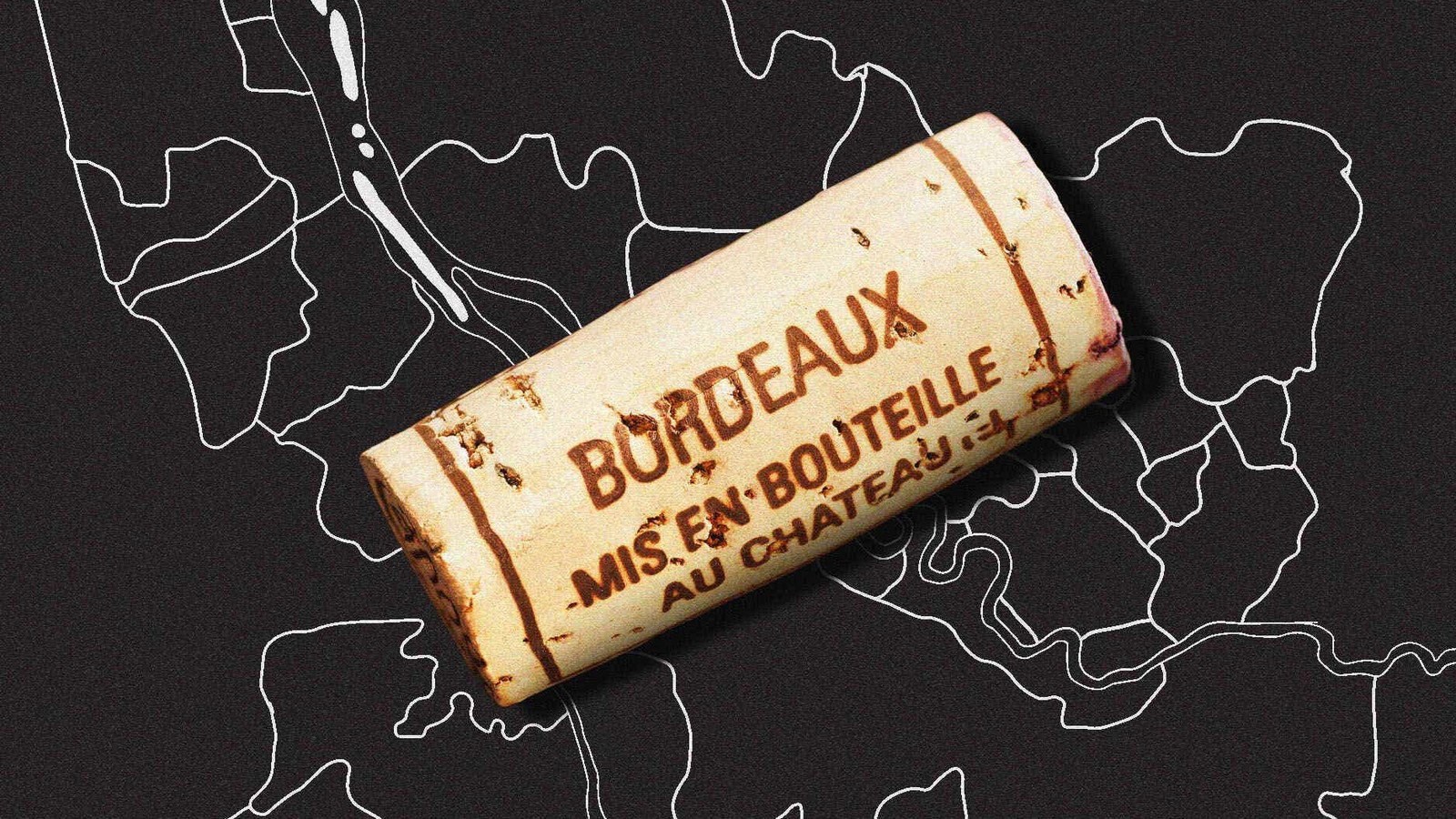
There is hope for en primeur, according to Liv-ex's closing report on this year's campaign, and though the "make or break" campaign turned out to be more of a "middling" affair met with "tepid sale", pricing that may seem sensible with the benefit of hindsight. The 2025 Bordeaux en primeur campaign faced headwinds from the start: a vintage that lacked the critical acclaim of 2024, a market still digesting inventory from prior years, and pricing that struggled to find the sweet spot between producer expectations and buyer appetite.
Liv-ex's assessment suggests that the 2025 vintage may ultimately be viewed as an opportunity for collectors willing to look past the initial reception, a bet on long-term quality rather than short-term hype.
The en primeur system, which allows buyers to purchase wine futures before the wine is bottled, has faced criticism in recent years for pricing that leaves little room for secondary-market appreciation.
The 2025 campaign's tepid reception may force producers to recalibrate their pricing strategies, creating opportunities for collectors who are willing to buy wines that don't generate immediate buzz but offer solid quality at more accessible price points.
For the en primeur system to survive, it needs to deliver value that justifies the risk of buying wine that won't be delivered for two years, and the 2025 vintage may be a test case for whether the market can support a more modest, value-driven approach.
Pair'd has unveiled the 2026 wine and food festival program featuring Netflix's Chef's Table: BBQ star Rodney Scott, alongside 40+ wine-led experiences across Western Australia's Margaret River Region. The festival, scheduled for later this year, pairs international chefs with Margaret River 's wine producers in a format that emphasizes wine-first programming. For travelers planning trips around wine country festivals, Pair'd offers a counterpoint to the European harvest-season circuit, a Southern Hemisphere event that showcases a region still building its international profile.
Margaret River, located three hours south of Perth, has emerged as one of Australia's top wine regions over the past four decades, with a focus on Cabernet Sauvignon, Chardonnay, and Semillon-Sauvignon Blanc blends.
The region's maritime climate, influenced by the Indian Ocean and the Southern Ocean, produces wines with balance and freshness that distinguish them from the riper, more powerful styles of Australia's inland regions.
The Pair'd festival format, which includes winery dinners, masterclasses, and collaborative chef-winemaker events, gives travelers a structured way to explore the region's producer base while experiencing the food culture that has developed alongside the wine industry.
Rodney Scott's participation brings a James Beard Award-winning perspective to the festival, and his whole-hog barbecue style offers an interesting pairing challenge for Margaret River's wine producers.
Driven by the vision and commitment of the Fayard family, Château Saint Marguerite has become a stand-out producer of quality Provence wines. The estate, located in the Côtes de Provence appellation, represents the kind of family-driven investment that has reshaped Provence over the past two decades, a shift from bulk rosé production to estate-bottled wines with terroir specificity and cellar precision.
Provence rosé has undergone a transformation since the early 2000s, when a handful of estates began bottling wines that emphasized freshness, minerality, and food-pairing versatility over the sweet, simple styles that dominated the category.
Château Saint Marguerite's approach reflects this shift: the estate focuses on estate-grown fruit, careful vineyard management, and winemaking techniques that preserve the delicate aromatics and crisp acidity that define high-quality Provence rosé.
For travelers planning Provence itineraries, Château Saint Marguerite offers a case study in how the region has evolved beyond the beach-bottle stereotype.
The estate's location in the Côtes de Provence appellation, the largest and most diverse of Provence's rosé-producing zones, gives it access to a range of terroirs, from coastal vineyards influenced by Mediterranean breezes to inland sites with more continental characteristics.
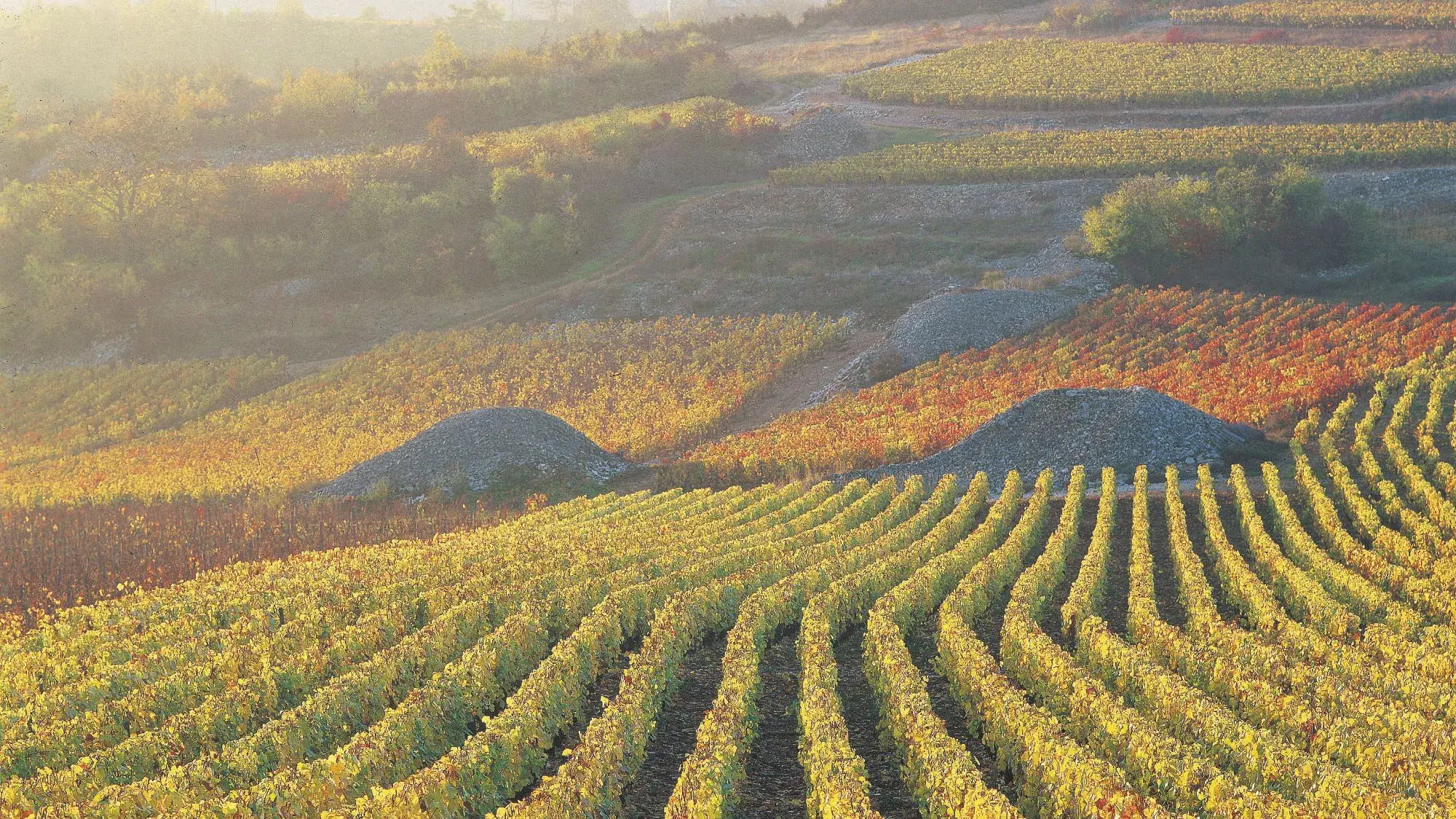
The wines of Apremont in Savoie are wines of light and air, according to Decanter. Apremont, a cru within the Vin de Savoie appellation, produces white wines from Jacquère grown on limestone scree left by a medieval mountain collapse. The wines, crisp, mineral-driven, and built for alpine cuisine, represent the kind of regional specificity that gets lost in the global wine conversation.
The mountain collapse that created Apremont's terroir occurred in 1248, when a section of Mont Granier broke away and buried several villages under millions of tons of limestone rubble. The resulting scree field, known locally as the Abymes, became the foundation for Apremont's vineyards.
The limestone soils drain quickly and reflect sunlight back onto the vines, creating conditions that allow Jacquère, a neutral, high-acid variety, to ripen while retaining the freshness that defines Savoie whites.
For travelers planning trips to the French Alps, Apremont offers a wine-country detour that pairs naturally with skiing, hiking, and the region's cheese-driven food culture. The wines are best consumed young, within two to three years of the vintage, and they pair particularly well with the region's fondue, raclette, and charcuterie traditions.