← Guides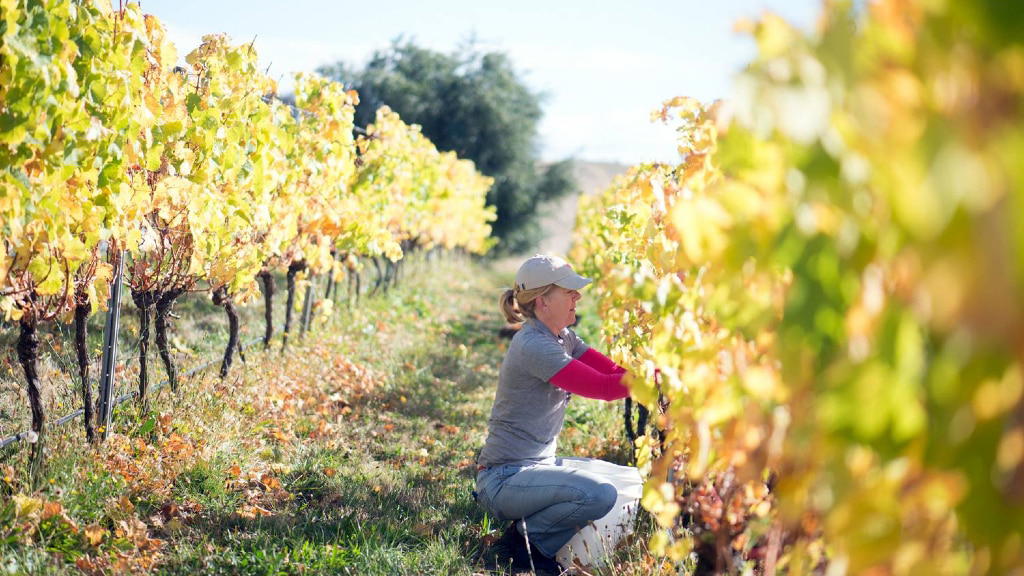
Sam Connew founded Stargazer Wines in Coal River Valley in 2012. Now the 2025 ASVO Winemaker of the Year, her site-driven Riesling and Pinot Noir demand attention.
Sam Connew founded Stargazer Wines in Coal River Valley in 2012. Now the 2025 ASVO Winemaker of the Year, her site-driven Riesling and Pinot Noir demand attention.
In 2025, the Australian Society of Viticulture and Oenology named its Winemaker of the Year, and the winner was quietly fermenting Riesling in ceramic and concrete eggs on a Coal River Valley site that receives, in a generous year, around 600mm of rain. Sam Connew, founder of Stargazer Wines Tasmania, didn't arrive at that award by chasing scores or engineering a house style. She got there by doing almost the opposite.
Connew grew up in Christchurch in the 1990s, studying arts and law at a time when the New Zealand wine industry was, as she puts it, "going ballistic", not just for Sauvignon Blanc, but for the smaller producers beginning to define the country's fine wine identity. Wineries like Ata Rangi and Felton Road were finding their footing. Connew was finding hers at Annies Wine Bar & Restaurant, a now-shuttered Christchurch institution that poured 70 wines by the glass, an education in range and diversity that most wine students never receive.
Law, it turned out, wasn't the destination. A post-degree trip to Adelaide changed the trajectory entirely. Access to South Australia's wine regions convinced her to study wine back in Christchurch, and on completing that qualification, she took an invitation to work her first vintage in Oregon. The physical reality of winemaking, dragging hoses, doing punchdowns, working the vineyard, settled the question immediately. "That was it," she has said. "I thought, 'Yes, this is what I want.'"
After stints in McLaren Vale and the Hunter Valley, Connew joined Wirra Wirra in McLaren Vale, where she would spend a decade building among the more decorated records in Australian winemaking. The pivot to Tasmania came in 2012, while working vintage at Bay of Fires. It was there that winemaker Peter Dredge half-jokingly suggested she start her own label. Connew took the suggestion seriously, sourced Huon Valley Pinot Noir grapes, and made Stargazer's first vintage that same year.
The credentials Connew accumulated before founding Stargazer are not incidental background, they explain why the label's anti-establishment philosophy carries weight. During her decade at Wirra Wirra, she was named the 2007 International Red Winemaker of the Year at the International Wine Challenge, a rare international recognition for an Australian winemaker working in a region, McLaren Vale, more associated with Shiraz than with global competition glory.
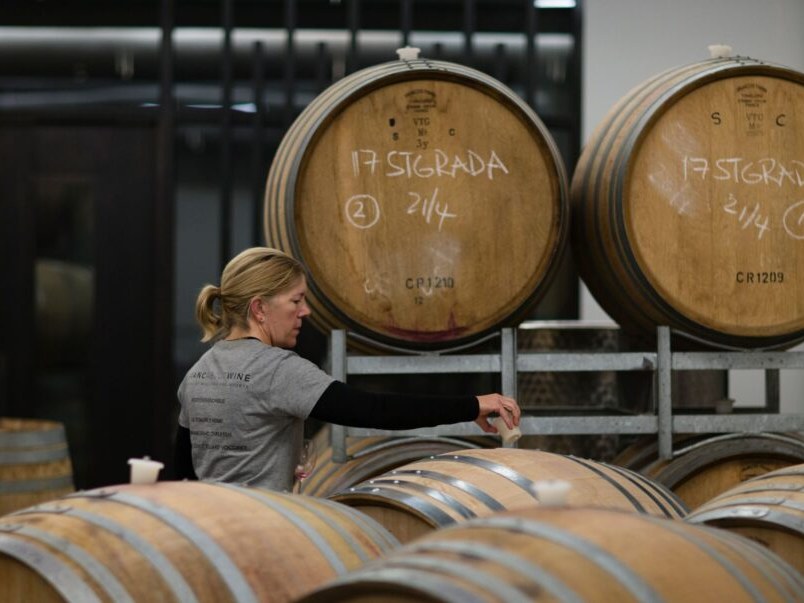
In 2014, she became the youngest judge to serve as chair of judges at the Sydney Royal Wine Show, and the first woman to hold the position. That combination in a show system that had historically rewarded seniority and convention, youngest chair, first woman, tells you more than any résumé line: Connew earned institutional trust by working inside the system while refusing to be shaped by it.
The 2025 ASVO Winemaker of the Year award, granted by the Australian Society of Viticulture and Oenology, is the latest chapter in a career arc that now spans nearly two decades of landmark recognition. What makes it notable is the context: Connew received it not as the head of a large commercial operation, but as the founder of a small, site-focused Tasmanian label that most wine drinkers outside Australia have yet to encounter. The award is, in effect, the Australian wine industry's acknowledgment that a cool-climate hillside not far from Hobart can produce work that outranks the volume players.
Stargazer began as what Connew describes as a side project. It has not remained one. The label has cemented its place among Tasmania's most considered producers, not through volume or visibility, but through the consistency of its convictions. Each vintage of the Palisander Riesling and the Pinot Noir is a deliberate argument against the idea that great wine should taste the same every year.
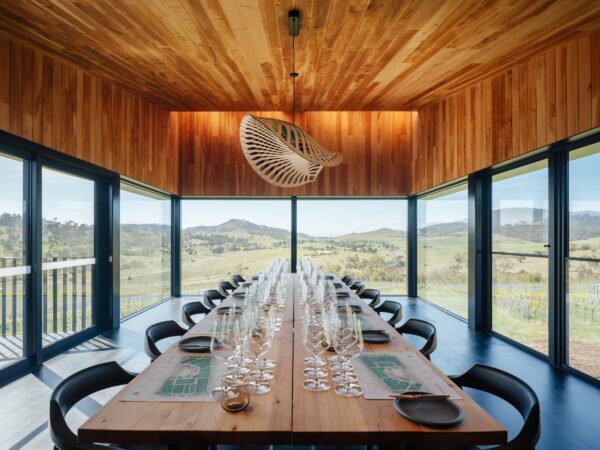
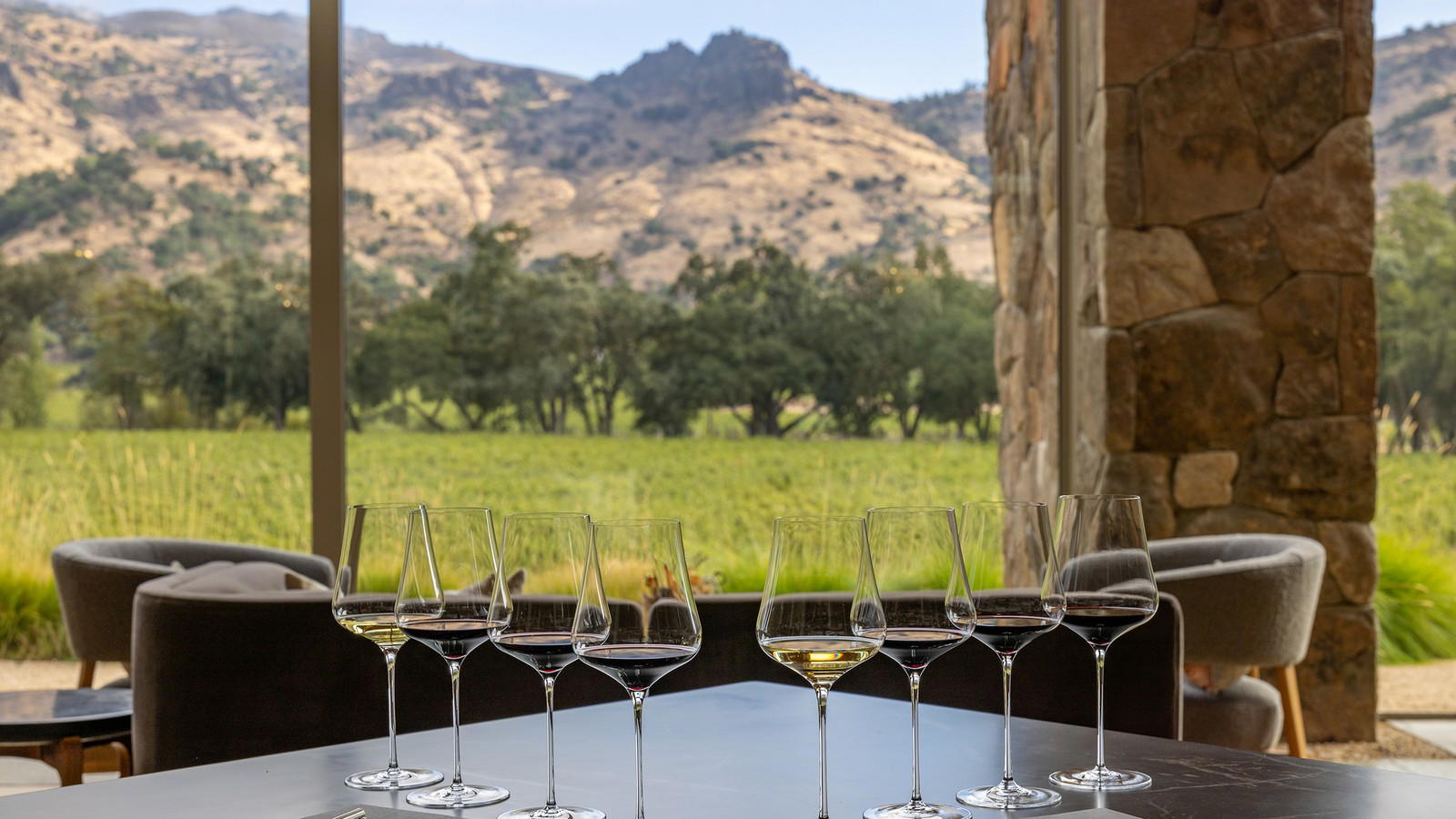
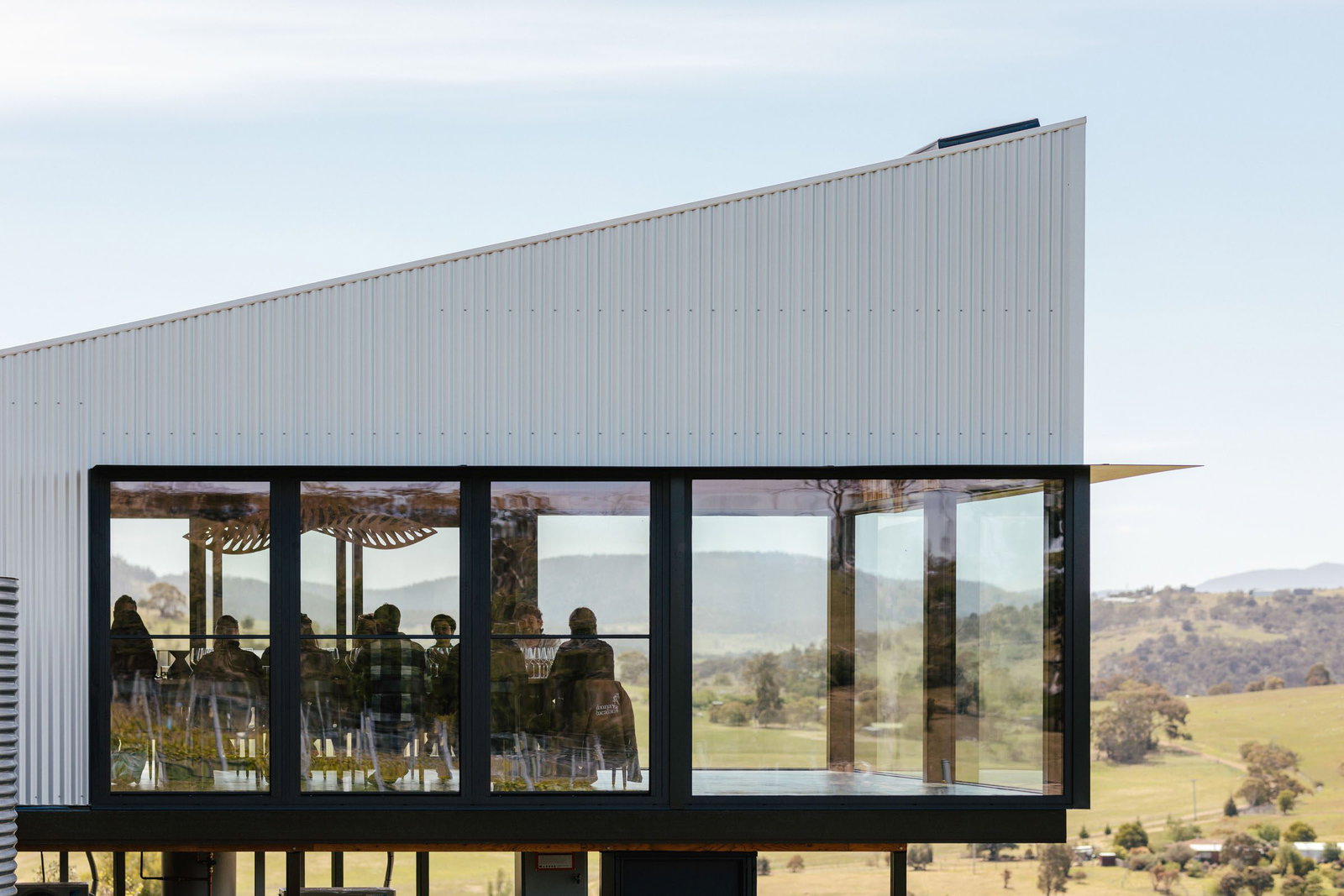
For collectors who track vertical depth rather than single-bottle scores, that argument is compelling. A producer committed to letting each vintage speak for itself creates a cellar record worth building, not because every year will be identical, but because each will be honest. The recently opened Stargazer tasting room hosted a 10-year retrospective tasting of the Palisander Riesling and Pinot Noir, and what emerged, according to Connew, was a through-line of expression across vintages: different in character year to year, but unmistakably from the same place.
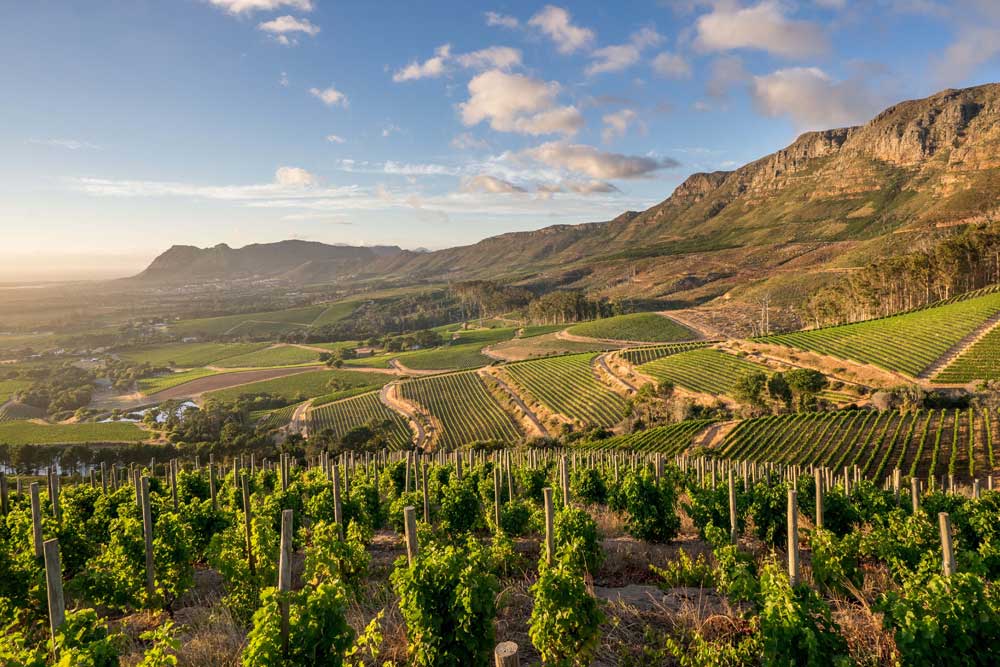
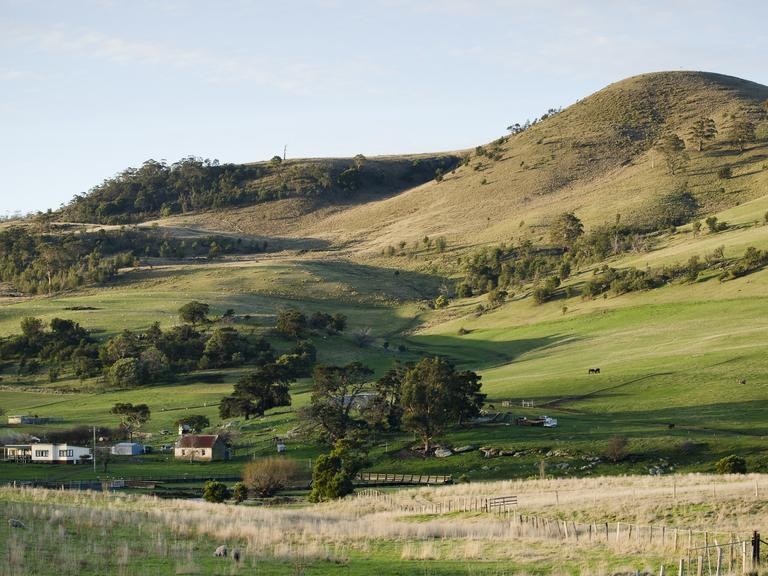
That place is the Tea Tree sub-region of Coal River Valley, a site Connew purchased in 2016 after facing increasing difficulty accessing fruit from other growers. She moved to the valley at the start of that year and began picking in March 2016. The vineyard met her criteria precisely: close enough to Hobart to be practical, not so large as to overwhelm a small operation, and, critically in a region where 600mm of rain qualifies as a good year, water-secure.
Sam Connew, Winemaker and Founder, Stargazer Wines1
The clearest statement of what Stargazer Wines Tasmania is trying to do comes from Connew herself. It is not a philosophy of minimalism for its own sake, nor a rejection of craft, it is a rejection of engineering wines toward a predetermined outcome regardless of what the season delivered.
"We're aiming for the wines to honestly and transparently reflect the site and the vintage, and to be able to celebrate the differences each year. We're trying to be nonconformist and anti-uniformity in a way."
Sam Connew, Winemaker and Founder, Stargazer Wines2
This is a direct challenge to what Connew identifies as Australia's dominant commercial winemaking orthodoxy, consistency and uniformity from vintage to vintage. The Australian wine industry built much of its export success on exactly that promise: a consumer in London or Tokyo could open a bottle from a given label and expect the same experience year after year. Connew's position is that this consistency comes at a cost, and that cost is the erasure of the thing that makes a site worth farming.
Coal River Valley's cool-climate conditions, the diurnal temperature swings, the low rainfall, the long growing season, produce fruit with a precision and tension that rewards exactly this kind of winemaking. Riesling, in particular, is a variety that archives its vintage conditions with unusual fidelity. A warm, dry year produces something different from a cool, late-ripening one, and both are worth drinking, just not the same way, and not at the same moment in the cellar. Connew's commitment to letting those differences surface rather than smoothing them out is what makes Stargazer's vertical record genuinely instructive.
Tasmania's broader rise as a serious fine wine address has created the context in which a producer like Stargazer can be understood. The island's cool climate, among the coolest of any Australian wine region, has drawn attention to varieties and styles that struggle to find expression on the mainland. Riesling and Pinot Noir, both of which demand cool nights and a long, measured ripening arc, are natural fits. Connew was not the first to recognise this, but she has been among the more rigorous in acting on it.
The 2024 Palisander Riesling is the clearest current expression of Connew's approach. Wild fermented in ceramic and concrete eggs and left on lees for 10 months, it arrives with ribbons of Amalfi lemon skin and crunchy stonefruit, a wine shaped by vessel choice and extended lees contact rather than by intervention. The ceramic and concrete eggs, which allow a gentle micro-oxygenation without imparting wood character, suit Riesling's structural precision: the fruit stays taut, the texture gains weight without losing definition.
The 2024 Rada is a blend of Pinot Meunier, Pinot Noir, and Gamay, a combination that speaks to Connew's willingness to work with varieties that don't fit neatly into the Tasmanian fine wine shorthand. Pinot Meunier, most familiar as a Champagne blending component, brings a floral, slightly rustic energy that Gamay amplifies; the Pinot Noir provides structure. The result is a wine with pretty rose florals and candied violet aromatics, lighter in frame than the Palisander Pinot Noir, and deliberately so.
The Palisander Pinot Noir, Stargazer's flagship red, is the wine that rewards the patience. Coal River Valley's cool conditions extend the growing season, allowing phenolic ripeness to develop without sacrificing acidity, the combination that makes Tasmanian Pinot Noir worth cellaring rather than drinking young. The 10-year retrospective tasting held at the new Stargazer tasting room confirmed what Connew has always argued: the wines change meaningfully with time, and the differences between vintages are features, not inconsistencies.
For collectors building a Tasmanian section of their cellar, the Palisander Riesling and Palisander Pinot Noir are the two wines to seek out first. Both are produced in small quantities from the Tea Tree vineyard, and both carry the kind of vintage variation that makes vertical tasting genuinely instructive rather than merely confirmatory. The tasting room, now open, offers the chance to taste across multiple releases, a rare opportunity with a producer of this scale.
Connew has described her career as a matter of following her nose, from Christchurch hospitality to Oregon harvest work, from a decade in McLaren Vale to a hillside in Coal River Valley. The 2025 ASVO Winemaker of the Year award suggests that wherever her nose has led her, the direction has been sound. With Stargazer approaching its fifteenth vintage and a tasting room now anchoring the estate, the label is moving from discovery to destination, and the window to find it before the crowd does is narrowing.
Get the App
Take the shortlist into the En Primeur Club app for concierge access, saved places, and the next step after discovery.
Get Exclusive AccessMore from the editors