← Guides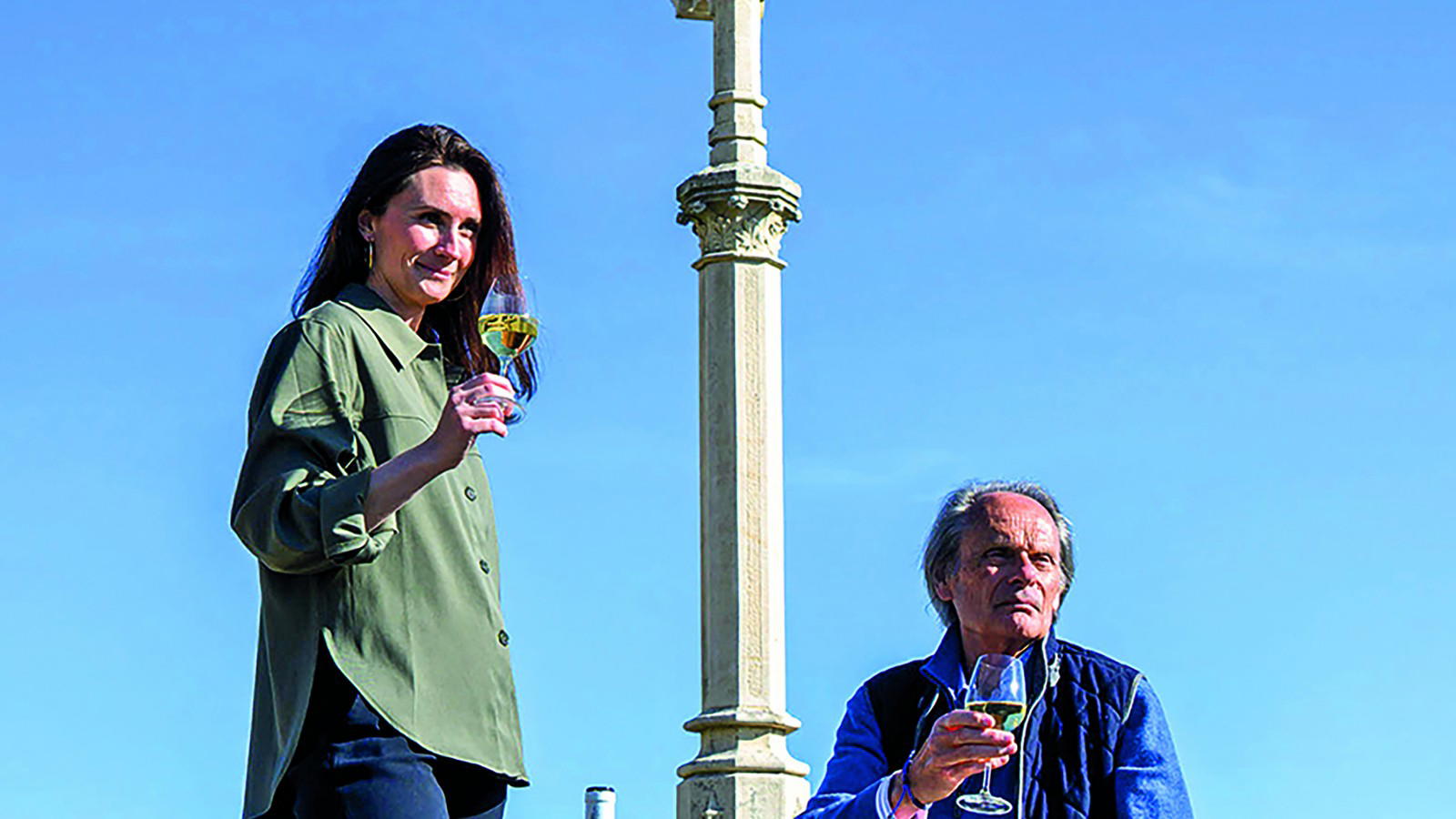
Hombeline Guyon, third-generation winemaker at Domaine Antonin Guyon, balances 48 hectares across 25 Côte d'Or appellations with civic leadership, she led communications for Burgundy's 2015 UNESCO climats bid alongside Aubert de Villaine.
Hombeline Guyon, third-generation winemaker at Domaine Antonin Guyon, balances 48 hectares across 25 Côte d'Or appellations with civic leadership, she led communications for Burgundy's 2015 UNESCO climats bid alongside Aubert de Villaine.
Antonin Guyon founded the domaine in the 1960s with a decade-long acquisition campaign that assembled holdings from Gevrey-Chambertin and Chambolle-Musigny in the north down to Corton, Volnay, Meursault, and Puligny-Montrachet in the south. The scale was ambitious for a family operation, 48 hectares across 25 appellations by the time his son Dominique and nephew Michel took the reins in the 1970s. Burgundy's fragmented ownership structure typically limits family domaines to a handful of hectares; the Guyon holdings represent a rare concentration of family capital and viticultural ambition across the Côte d'Or's most storied villages.
Dominique Guyon extended that ambition in the 1970s with a project that redefined the family's scale. He bought 350 plots from 80 different owners to create a single 22-hectare block on a south-facing hillside in the Hautes-Côtes de Nuits.
That consolidation, painstaking, expensive, and logistically complex, launched Domaine Dominique Guyon as a separate label and positioned the family as early pioneers in a sub-region then considered marginal. The Hautes-Côtes de Nuits, higher and cooler than the Côte de Nuits proper, was planted primarily to supply négoce blends.
Dominique's bet was that contiguous parcels, farmed as a single estate, could produce wines with enough identity to stand alone.
The two domaines, Antonin Guyon and Dominique Guyon, now operate under the third generation's stewardship. Hombeline, an only child raised by her father at the domaine, absorbed the family's viticultural logic from childhood. 'He spoke to me all the time, about everything,' she told Decanter. 'I knew everything about the domaine, everything about what he wanted to do.'1 The education was immersive but not prescriptive, Dominique never laid out a path for succession. Hombeline had to construct her own route into leadership, a process she credits with making her stronger.
"My father is smart, elegant, charismatic, with a strong personality, but he didn't show me how to do things"
, Hombeline Guyon, winemaker, Decanter1
That independence manifested in her approach to civic engagement. In 2015, Hombeline worked alongside Aubert de Villaine of Domaine de la Romanée-Conti on the successful bid to have Burgundy's climats inscribed as a UNESCO World Heritage site.
She headed up communications and engaged local stakeholders, a role that required coordinating dozens of producers, municipal officials, and heritage advocates across the Côte d'Or. The climats designation, recognizing Burgundy's centuries-old parcel system as a cultural terrain of global significance, was a collective achievement.
Hombeline's role placed her at the intersection of winemaking and public advocacy, a position few third-generation Burgundian producers occupy.
'It was a transformative experience,' she said of the UNESCO work. 'Witnessing the collective effort to protect and recognise our land gave me a sense of purpose.'1 That sense of purpose extends beyond the domaine's cellars. Hombeline's generation inherits not just vineyard holdings but a stewardship mandate, protecting the cultural and environmental integrity of the slopes now recognized as world heritage. UNESCO recognition brought global attention to Burgundy's parcel-based terroir system, but it also imposed responsibilities: maintaining traditional viticultural practices, preserving the visual and ecological character of the slopes, and engaging with the broader community of stakeholders who share the terrain.
Dominique Guyon's 22-hectare block in the Hautes-Côtes de Nuits represents one of Burgundy's more audacious family-led consolidations. In the 1970s, he bought 350 plots from 80 different owners, a negotiation marathon that required assembling fragmented parcels into a single contiguous vineyard. The result was a south-facing hillside estate large enough to farm as a unified block, a rarity in a region where most producers work scattered parcels measured in fractions of a hectare.
The Hautes-Côtes de Nuits, a sub-region west of the Côte de Nuits proper, was then considered secondary terroir. Higher elevation and cooler temperatures made it less reliable for ripening Pinot Noir to the concentration expected of Côte de Nuits village wines. Most Hautes-Côtes fruit went to négoce houses for blending. Dominique's bet was that a well-sited, well-farmed estate could produce wines with enough structure and identity to stand alone under the family label. The launch of Domaine Dominique Guyon as a separate entity signaled that ambition, this was not a side project but a parallel domaine with its own viticultural logic.
The 22-hectare consolidation required negotiating with 80 different owners, each transaction a separate negotiation over price, timing, and terms. The scale of the project was unusual for a family domaine: 350 individual plots, each with its own cadastral designation, ownership history, and viticultural condition. Dominique's willingness to undertake that complexity signaled a long-term vision for the Hautes-Côtes as a viable production zone, not just a source of blending fruit for négoce houses.
The Hautes-Côtes de Nuits appellation has since gained recognition as a source of fresh, mineral-driven Pinot Noir and Chardonnay, particularly as climate change pushes ripening windows earlier and makes higher-elevation sites more viable. Dominique's early investment gave the family a production scale that few Burgundian family domaines can match, a hedge against the region's parcel fragmentation and a platform for experimenting with viticultural techniques at a meaningful scale.
Hombeline Guyon's role in the 2015 UNESCO climats bid placed her at the center of a multi-year advocacy campaign that required coordinating producers, municipal officials, and heritage advocates across the Côte d'Or. The climats designation, recognizing Burgundy's parcel-based terroir system as a cultural terrain of global significance, was not a foregone conclusion. It required demonstrating that the region's centuries-old viticultural practices, parcel delineation, traditional pruning, hand-harvesting, minimal mechanization, constituted a living cultural heritage worthy of international protection.
"Witnessing the collective effort to protect and recognise our land gave me a profound sense of purpose"
, Hombeline Guyon, winemaker, Decanter1
UNESCO recognition brought global attention to Burgundy's parcel system, but it also imposed responsibilities. World Heritage status requires maintaining the cultural and environmental integrity of the slopes, preserving traditional viticultural practices, limiting development, and engaging with the broader community of stakeholders who share the terrain. For Hombeline, the UNESCO work was a civic dimension of stewardship that extends beyond the domaine's cellars. Her generation inherits not just vineyard holdings but a mandate to protect the cultural and ecological character of the slopes now recognized as world heritage.
That civic engagement distinguishes Hombeline's approach from the more insular succession patterns typical of Burgundian family domaines. She sees winemaking as embedded in a broader network, producers, municipalities, heritage advocates, and environmental stakeholders who collectively shape the region's future.
The UNESCO work gave her a platform to articulate that vision and a network of relationships that extend beyond the domaine's commercial interests. Her collaboration with Aubert de Villaine, one of Burgundy's most respected figures, positioned her as a peer in regional advocacy, not just a third-generation successor managing family holdings.
Domaine Antonin Guyon's 48 hectares span 25 appellations across the Côte d'Or, from Gevrey-Chambertin and Chambolle-Musigny in the north to Corton, Volnay, Meursault, and Puligny-Montrachet in the south. That geographic breadth gives the domaine a diversified portfolio rare among family-owned Burgundian producers. Most family domaines work a handful of hectares concentrated in one or two villages; the Guyon holdings offer collectors access to a cross-section of Côte d'Or terroir under a single family label.
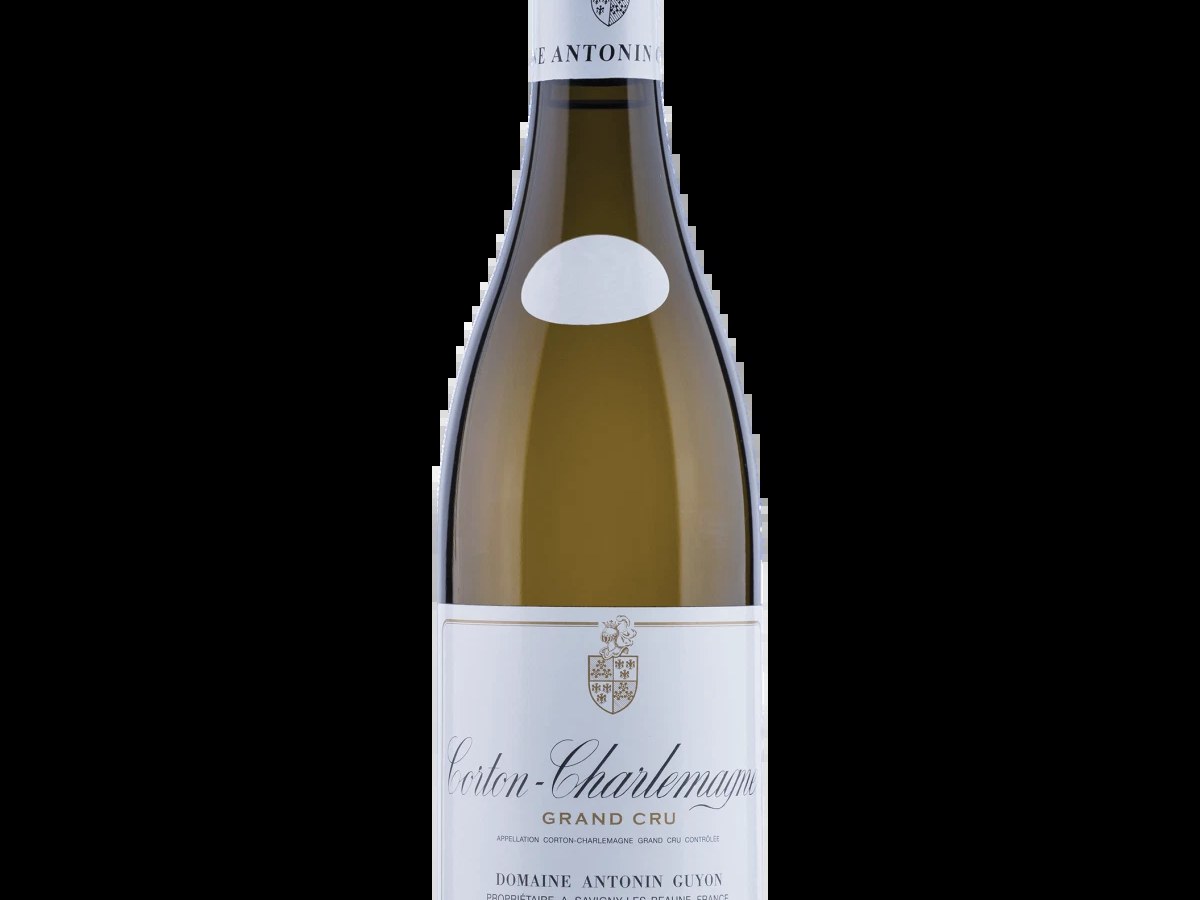
Hombeline reels off the appellations fluently, north to south, a recitation that reflects the family's accumulated holdings over three generations. The portfolio includes village wines, premier crus, and grand crus, offering a range of price points and styles. The diversity allows the domaine to produce wines that express the limestone-driven minerality of Meursault, the floral elegance of Chambolle-Musigny, and the structured power of Corton, all under the Guyon family name.
The Hautes-Côtes de Nuits block, bottled under the Domaine Dominique Guyon label, adds a parallel portfolio focused on higher-elevation, cooler-climate Pinot Noir and Chardonnay. The 22-hectare estate, farmed as a single block, produces wines with a fresher, more mineral-driven profile than the Côte de Nuits village wines. The Hautes-Côtes bottlings offer collectors an entry point into the Guyon family's work at a lower price point than the premier cru and grand cru wines from the Antonin Guyon portfolio.
The scale and diversity of the Guyon holdings position the family as a significant player in Burgundy's family-domaine sector. The 48-hectare footprint, combined with the 22-hectare Hautes-Côtes block, gives the family a production capacity that few Burgundian family domaines can match.
That scale offers stability, a hedge against the region's parcel fragmentation and the vintage-to-vintage variability that defines small-scale Burgundian production.
For collectors, the Guyon domaines offer diversified access to Côte d'Or terroir under a single family name, with a track record of civic engagement and generational continuity that signals long-term stability.
Domaine Antonin Guyon occupies an unusual position in Burgundy's family-domaine sector. The 48-hectare, 25-appellation portfolio offers scale and diversity rare among family-owned producers, while the third generation's civic engagement, particularly Hombeline's role in the 2015 UNESCO climats bid, signals a public-facing stewardship model that extends beyond commercial winemaking. For collectors, the Guyon domaines offer several advantages: diversified access to Côte d'Or terroir under a single family label, generational continuity across three generations, and a track record of civic leadership that suggests long-term stability.
The Hautes-Côtes de Nuits block, consolidated by Dominique Guyon in the 1970s through the acquisition of 350 plots from 80 different owners, represents one of Burgundy's more audacious family-led vineyard projects. The 22-hectare estate, farmed as a single block, offers a production scale that few Burgundian family domaines can match.
The Hautes-Côtes bottlings, released under the Domaine Dominique Guyon label, provide an entry point into the family's work at a lower price point than the premier cru and grand cru wines from the Antonin Guyon portfolio.
As climate change pushes ripening windows earlier and makes higher-elevation sites more viable, the Hautes-Côtes holdings position the family to benefit from a shift in the region's viticultural geography.
Hombeline's generation brings a civic dimension to stewardship that distinguishes the Guyon domaines from more insular family operations. Her role in the UNESCO climats bid, working alongside Aubert de Villaine of Domaine de la Romanée-Conti, placed her at the center of a multi-year advocacy campaign that secured World Heritage status for Burgundy's parcel-based terroir system. That civic engagement signals a stewardship model that extends beyond the domaine's commercial interests, a recognition that winemaking is embedded in a broader network of cultural, environmental, and community stakeholders.
For collectors tracking Burgundy's generational transitions, Hombeline Guyon represents a third-generation steward balancing family legacy with public advocacy. The domaine's scale, 48 hectares across 25 appellations, plus the 22-hectare Hautes-Côtes block, offers diversified access to Côte d'Or terroir under a single family name.
The civic engagement, particularly the UNESCO work, adds a dimension of cultural stewardship that few Burgundian family domaines articulate as clearly. The combination positions Domaine Antonin Guyon as a family operation with serious scale, generational continuity, and a public role in protecting the slopes that define Burgundy's global reputation.
Collectors interested in the Guyon domaines should look for village wines, premier crus, and grand crus from the Antonin Guyon portfolio, as well as the Hautes-Côtes de Nuits bottlings from Domaine Dominique Guyon.
The diversity of the holdings, spanning 25 appellations from Gevrey-Chambertin to Puligny-Montrachet, offers a cross-section of Côte d'Or terroir under a single family label.
The third generation's civic engagement, particularly Hombeline's role in the UNESCO climats bid alongside Aubert de Villaine, signals a stewardship model that extends beyond the cellar, a recognition that winemaking is embedded in a broader network of cultural and environmental stakeholders.
For collectors tracking Burgundy's generational transitions, the Guyon domaines offer a case study in how family operations can balance scale, civic leadership, and generational continuity in a region defined by parcel fragmentation and insular succession patterns.
Get the App
Take the shortlist into the En Primeur Club app for concierge access, saved places, and the next step after discovery.
Get Exclusive AccessMore from the editors