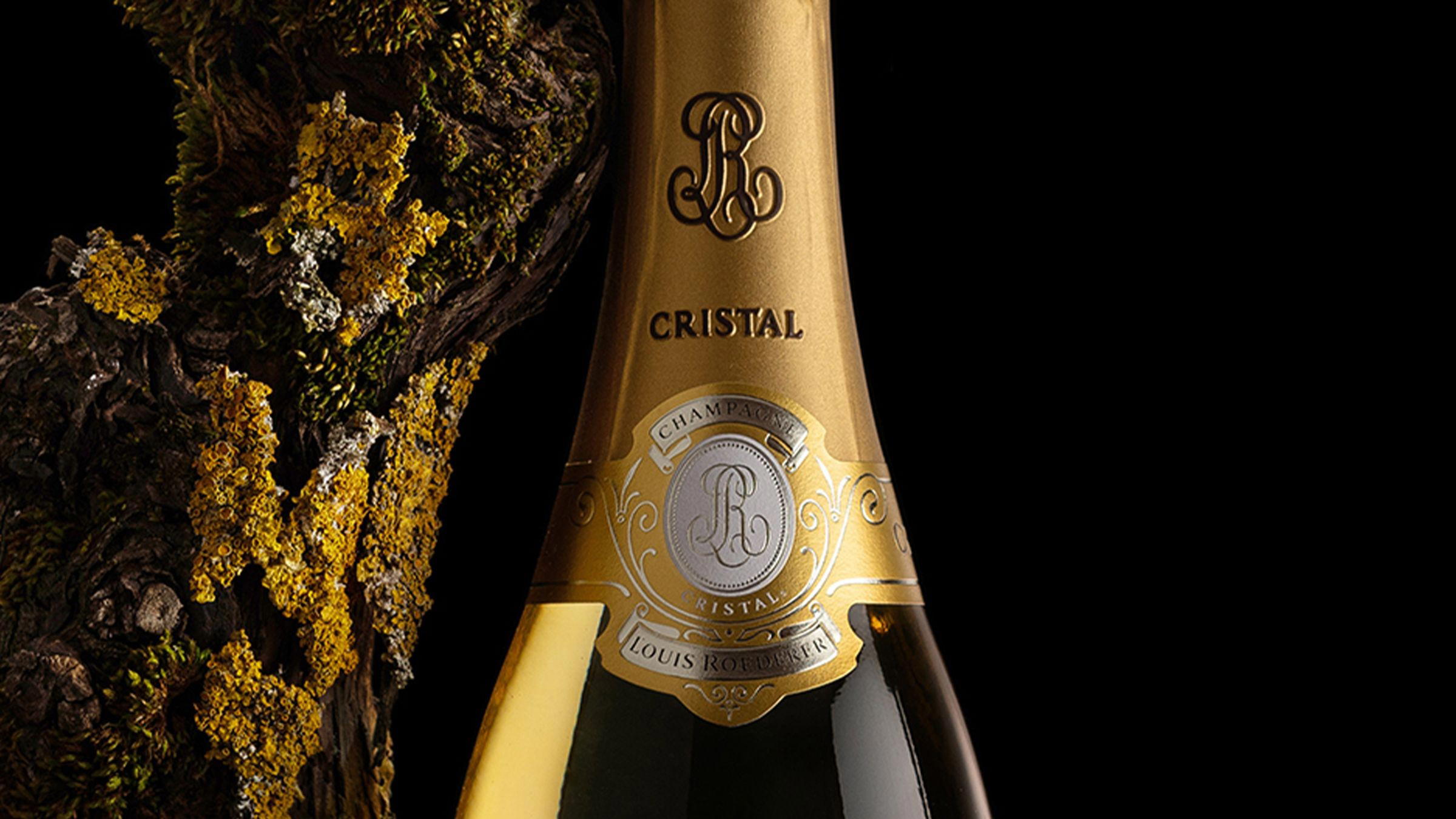
Champagne Louis Roederer unveiled a late-release Cristal 2008 at its 250th anniversary celebration in Reims, where cellar master Jean-Baptiste Lécaillon called the benchmark vintage 'the Cristal of Cristals.'
Champagne Louis Roederer brought its most ambitious prestige cuvée to market at a 650-guest celebration in Reims last week, a late-release Cristal 2008 that cellar master Jean-Baptiste Lécaillon calls 'the Cristal of Cristals.' The launch marked the house's 250th anniversary and the second commercial release of a vintage Lécaillon considers the pinnacle expression of Cristal since the cuvée debuted in 1876 for Alexander II of Russia.
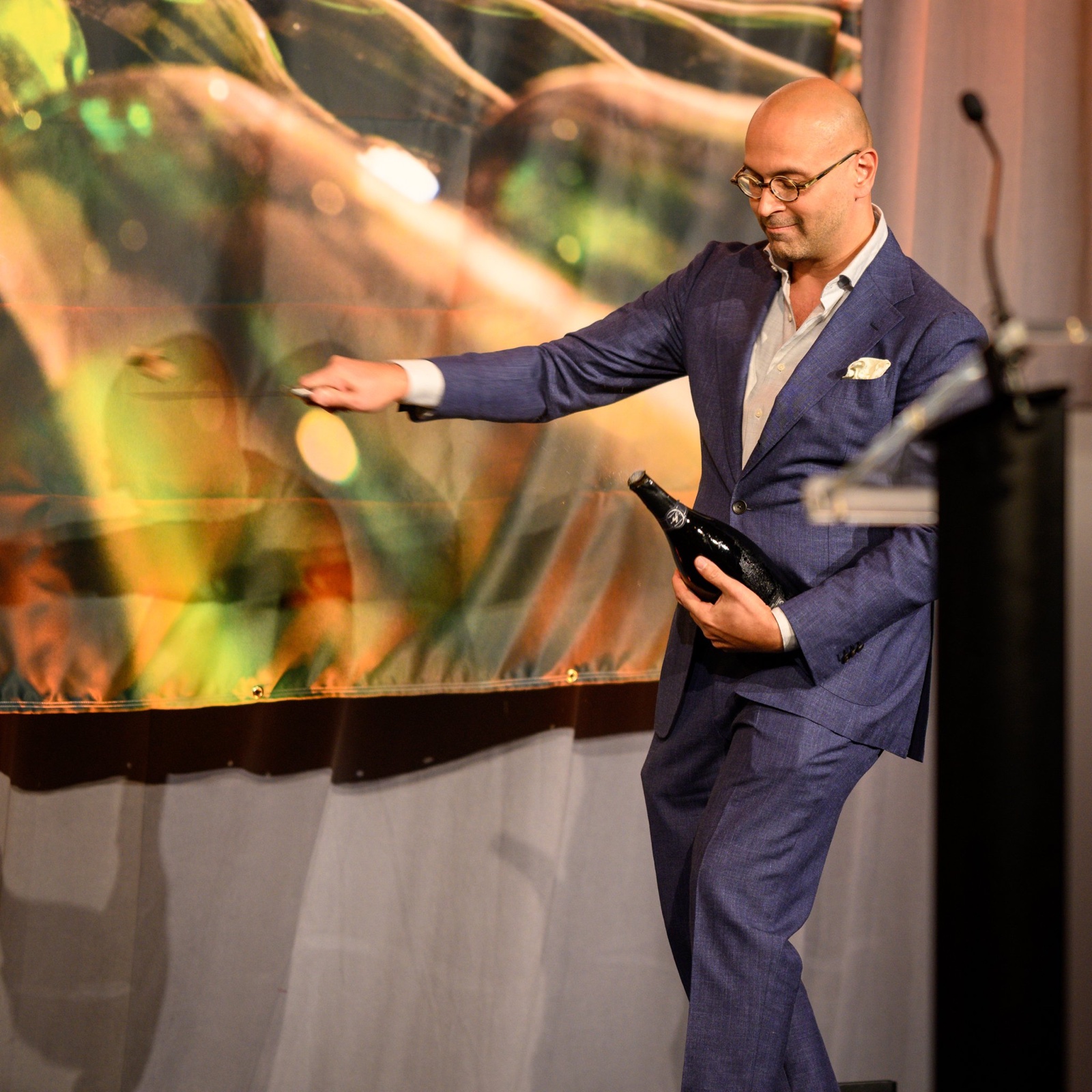
Both blanc and rosé expressions of the late-release were served at the event, held at Louis Roederer 's headquarters in Reims. The first Cristal 2008 hit UK retailers in June 2018, exactly eight years before this extended-aging bottling emerged from the cellars. Dancers accompanied by Vivaldi's Four Seasons brought the bottles up from below as guests witnessed what the house positions as a collector-tier allocation from a benchmark vintage.
What Makes the Louis Roederer Cristal 2008 Late Release Different
Both versions were disgorged in March 2022 after 13 years on the lees and received an 8 g/L dosage. The late-release Cristal 2008 spent that extended period in Louis Roederer 's cellars, but extended aging alone doesn't account for the 'Cristal of Cristals' designation. Lécaillon performs poignetage, shaking the bottles to re-suspend the lees, a technique he describes as essential to liberating amino acids from dead yeast cells. According to Lécaillon, this process delivers 'magic saline elements and umami flavours,' filling the wine with texture beyond what time alone provides.
The 2008 vintage produced wines that matched Lécaillon's vision of Cristal's style from the outset. He compares the cuvée to a ballerina: graceful movements supported by athletic muscle. That combination of elegance and power, finished with salinity, defines what Louis Roederer aims for in Cristal. The 2008 delivered that profile immediately after harvest, and the extended lees contact has amplified the textural dimension without compromising the vintage's inherent freshness.
Cristal was created in 1876 at the behest of Alexander II of Russia, who commissioned Louis Roederer to reserve the house's best cuvée each year. The wine was presented in a flat-bottomed, transparent lead-crystal bottle, the origin of the Cristal name. The rosé version appeared in 1974. In the 150 years since the cuvée's introduction, Lécaillon considers the 2008 vintage the reference point for understanding what Cristal can achieve.
to make sure we liberate all the amino acids from the dead yeast cells, which gives us magic saline elements and umami flavours, so it's not just about ageing for longer1
Jean-Baptiste Lécaillon, Cellar Master
The 250th Anniversary Celebration in Reims
Louis Roederer's 250th anniversary celebration brought 650 guests to the maison's headquarters in Reims for the unveiling of the late-release Cristal 2008. The event staged the wine's arrival with dancers performing to Vivaldi's Four Seasons as bottles emerged from the cellars. Both the blanc and rosé expressions were served, giving attendees a side-by-side experience of the extended-aging treatment across Cristal's two formats.
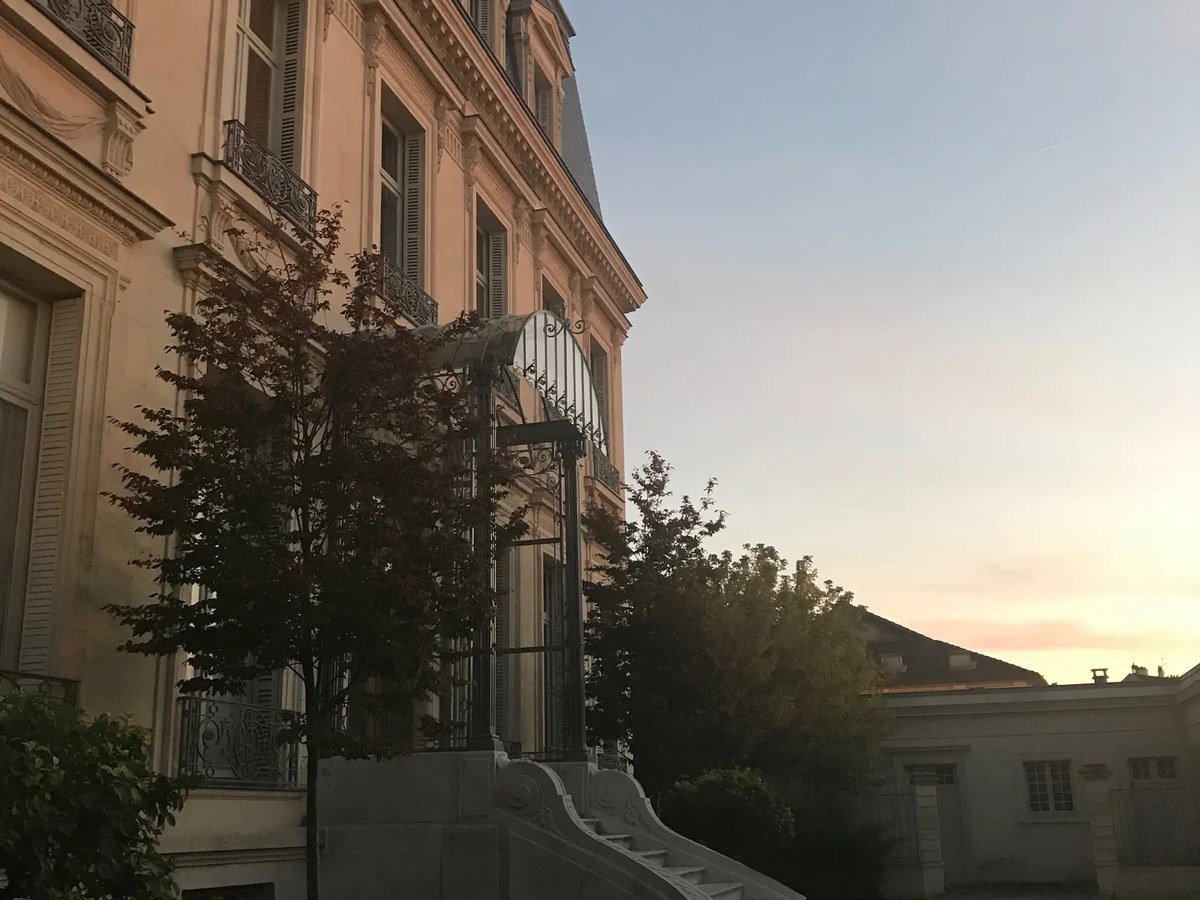
The Louis Roederer headquarters building in Reims, an elegant setting for the 250th Anniversary Celebration.
The timing of the launch, exactly eight years after the first Cristal 2008 reached UK retailers, signals Louis Roederer's strategy of releasing benchmark vintages in waves. The house positions the late-release as a distinct allocation for collectors who track extended-aging prestige cuvées. By anchoring the 250th anniversary to the 2008 vintage, Louis Roederer ties its milestone year to what Lécaillon considers one complete expression of the house's flagship wine.
Reims serves as the historic center of Champagne production, and Louis Roederer's headquarters has been the site of the house's cellar operations for generations. The choice to unveil the late-release at the Reims facility, rather than a satellite venue or international market, reinforces the wine's significance within the house's portfolio. The 650-guest count reflects the scale of the anniversary celebration and the collector audience Louis Roederer assembled for the launch.
Production Numbers and Collector Availability
The house's allocation strategy suggests limited availability. The first Cristal 2008 release reached UK retailers in June 2018. The late-release extends that timeline significantly, adding years of lees contact and poignetage treatment before the second disgorgement.
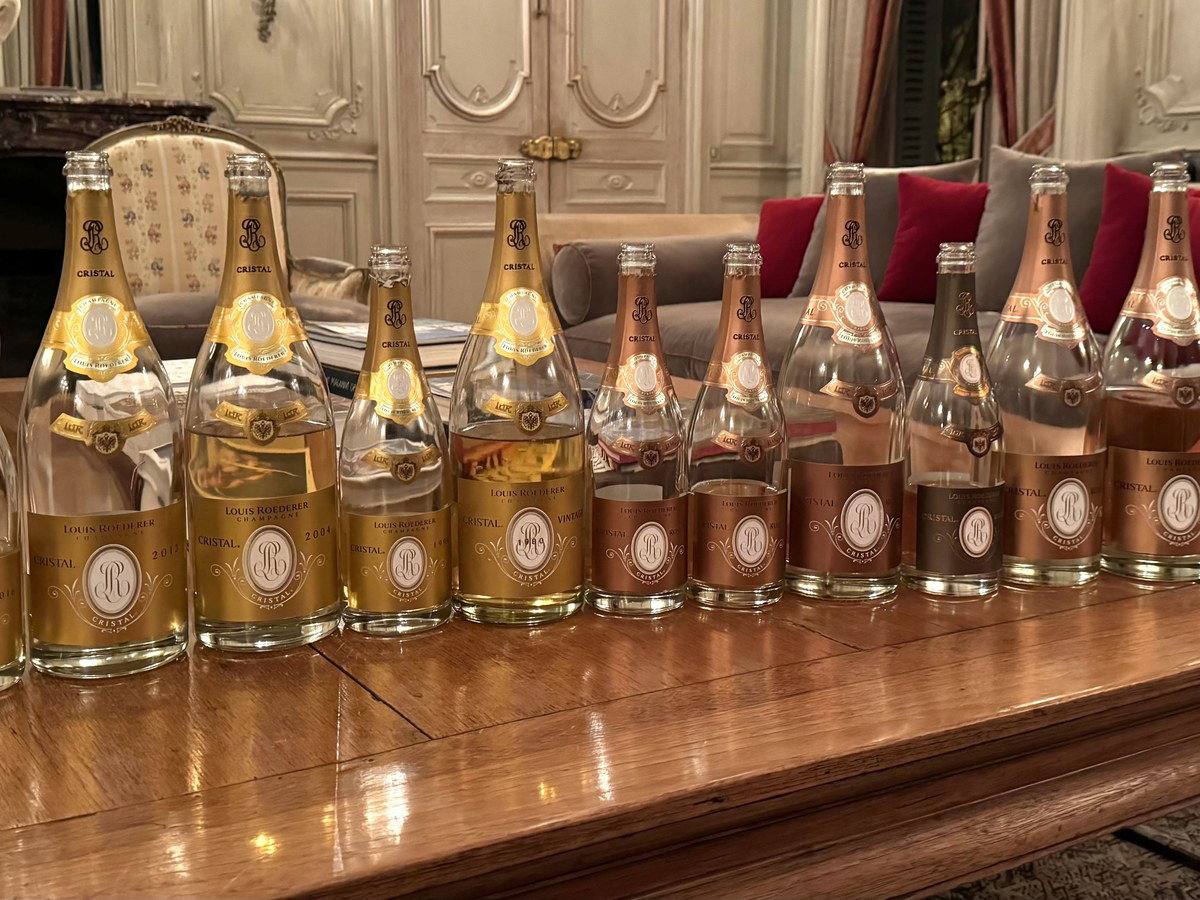
A collection of Louis Roederer Cristal and Cristal Rosé bottles, showcasing various formats on a wooden table.
Cristal allocations typically move through Louis Roederer's established distribution channels, high-end retailers, fine wine merchants, and direct-to-collector programs. The late-release format creates a secondary tier within the 2008 vintage, allowing the house to segment its collector base between those who purchased the first release and those tracking extended-aging expressions. This dual-release model mirrors strategies used by other prestige cuvée producers who hold back portions of benchmark vintages for later release.
The 'Cristal of Cristals' positioning suggests Louis Roederer views the late-release as the definitive expression of the 2008 vintage. Collectors who acquired the first release in 2018 now face a decision: cellar those bottles for further development or pursue the late-release for immediate drinking. The house's decision to serve both blanc and rosé at the anniversary event indicates both formats received the extended-aging treatment, doubling the allocation complexity for collectors tracking both expressions.
Why 2008 Remains a Benchmark Vintage for Champagne
The 2008 vintage in Champagne was characterized by a cool growing season balanced by dry, sunny conditions in September. That weather pattern yielded wines with ripe fruit and sustained freshness, a combination that translates to extended aging potential. Lécaillon waited as long as possible to pick the grapes, ensuring the phenolics were fully ripe despite the cool summer. The result was a vintage that delivered Cristal's signature balance of elegance and power from the outset.
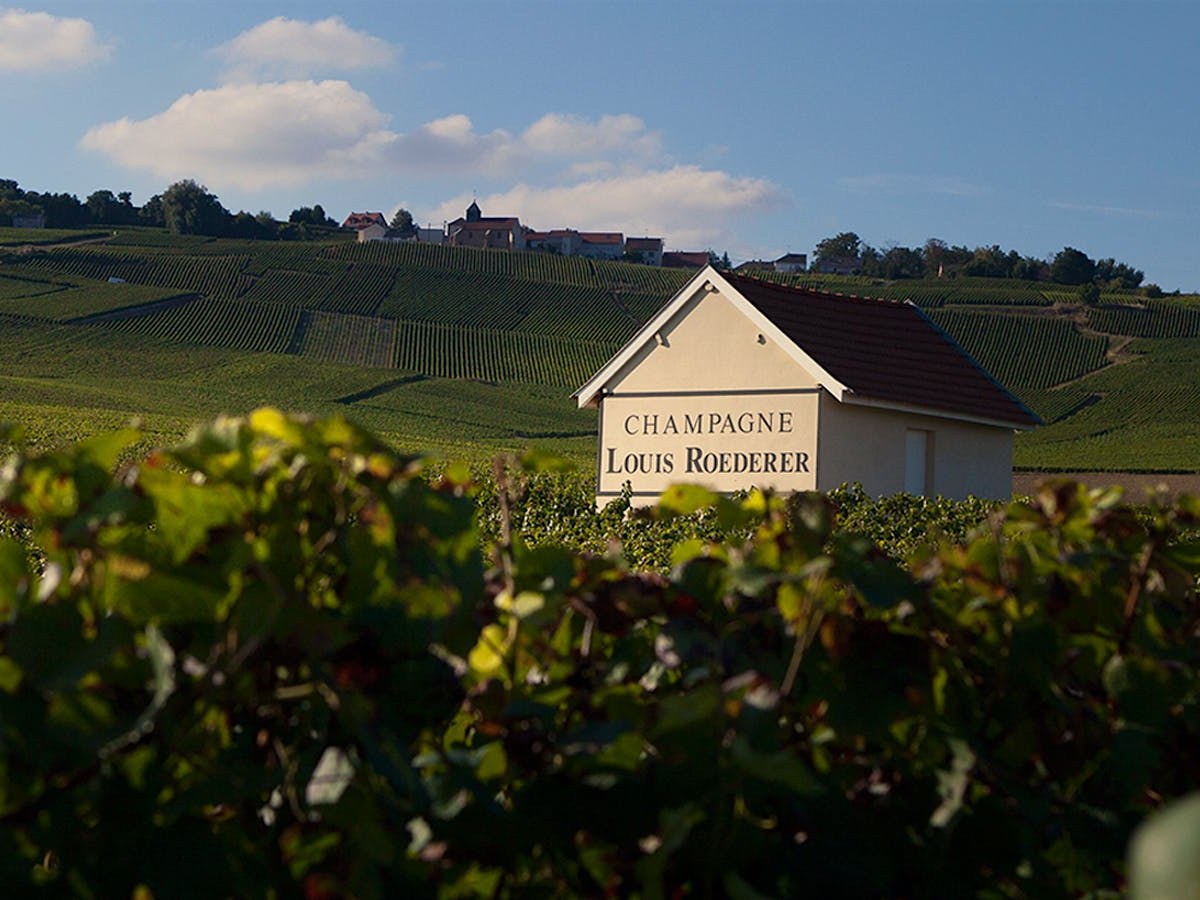
The Champagne Louis Roederer vineyards, showing the terroir and growing conditions that produced the benchmark 2008 vintage.
The vintage's longevity stems from the tension between ripeness and acidity. Cool-vintage Champagnes often develop slowly, but the 2008's dry September allowed phenolic maturity without sacrificing freshness. Lécaillon's decision to extend lees aging and perform poignetage on the late-release builds texture into a wine that already possessed the structural backbone for decades of cellaring. The late-release offers collectors a snapshot of how the 2008 has evolved with additional time on lees, a distinct expression, because aging on lees and post-disgorgement bottle aging do not produce identical results.
Benchmark vintages in Champagne are defined by their ability to age gracefully while retaining the house style. The 2008 Cristal fits that profile: it arrived on the market with the elegance and power Lécaillon associates with the cuvée, and the late-release demonstrates how extended lees contact amplifies those qualities without overwhelming the vintage's inherent balance. For collectors tracking prestige cuvée aging curves, the 2008 Cristal offers a case study in how cool-vintage Champagnes develop over time.
Pricing and How to Access the Release
By August 2026, U.S. retailers listed 750 ml bottles of the brut late release at roughly $565 to $600 and the rosé at roughly $1,195 to $1,200; prices and availability vary by market. The initial Cristal 2008 blanc that hit UK retailers in June 2018 was priced in line with other prestige cuvée releases from benchmark vintages. The late-release adds years of cellar time, poignetage labor, and the 250th anniversary milestone, factors that typically command higher price points in the prestige Champagne market.
Current listings show the late release moving through specialist merchants and major fine-wine retailers, often as pre-arrival stock. High-end retailers with long-standing relationships to the house, fine wine merchants who specialize in prestige cuvées, and direct-to-collector programs through Louis Roederer's mailing list represent the primary distribution paths. The limited production and 'Cristal of Cristals' designation suggest the late-release will be allocated rather than broadly available, requiring collectors to work through their existing relationships with Louis Roederer distributors.
The dual format, blanc and rosé, complicates allocation strategy. Collectors who track both expressions will need to secure access to two separate bottlings, each with its own production volume and pricing. The rosé Cristal typically commands a premium over the blanc due to lower production volumes and the additional complexity of blending Pinot Noir with skin contact. The late-release rosé 2008 adds extended lees aging to that base, likely pushing the price further above the blanc.
For collectors unable to secure allocation directly, the secondary market will offer access at a markup. Prestige cuvées from benchmark vintages with limited releases tend to appreciate quickly once initial allocations sell through. The 'Cristal of Cristals' designation and 250th anniversary context give the late-release 2008 the narrative hooks that drive secondary market demand. Collectors tracking the wine should expect to see it appear at auction and through fine wine brokers in the months following the initial release.
The late-release Cristal 2008 represents Louis Roederer's most deliberate statement about extended-aging prestige cuvées. By holding back a portion of the 2008 vintage for additional lees contact and poignetage treatment, the house has created a second-tier allocation that positions the vintage as the reference point for Cristal's potential. The 250th anniversary launch ties the wine to a milestone year, but the vintage itself, cool growing season, dry September, ripe phenolics, sustained freshness, carries the weight of Lécaillon's claim that this is 'the Cristal of Cristals.' Collectors who secured the first release in 2018 now have a benchmark for how the vintage has evolved with extended lees aging. Those tracking the late-release will be watching for allocation windows and pricing as the wine moves through Louis Roederer's distribution channels.