← Guides
Michelin's first Australian guide lands in October, and it covers Barossa, McLaren Vale and Clare Valley, not Sydney or Melbourne.
Michelin's first Australian guide lands in October, and it covers Barossa, McLaren Vale and Clare Valley, not Sydney or Melbourne.
When Michelin chose where to plant its flag in Australia for the first time, it bypassed Sydney and Melbourne entirely. Right now, before a single star has been announced, anonymous inspectors are already sitting at tables across South Australia, working through menus in Adelaide and driving out into the Barossa, McLaren Vale and Clare Valley. The inaugural Michelin Guide South Australia 2027 reveals in October. Once it does, the restaurants that earn stars will be booked months ahead, and the window to experience them at current availability closes permanently. That window is open right now.
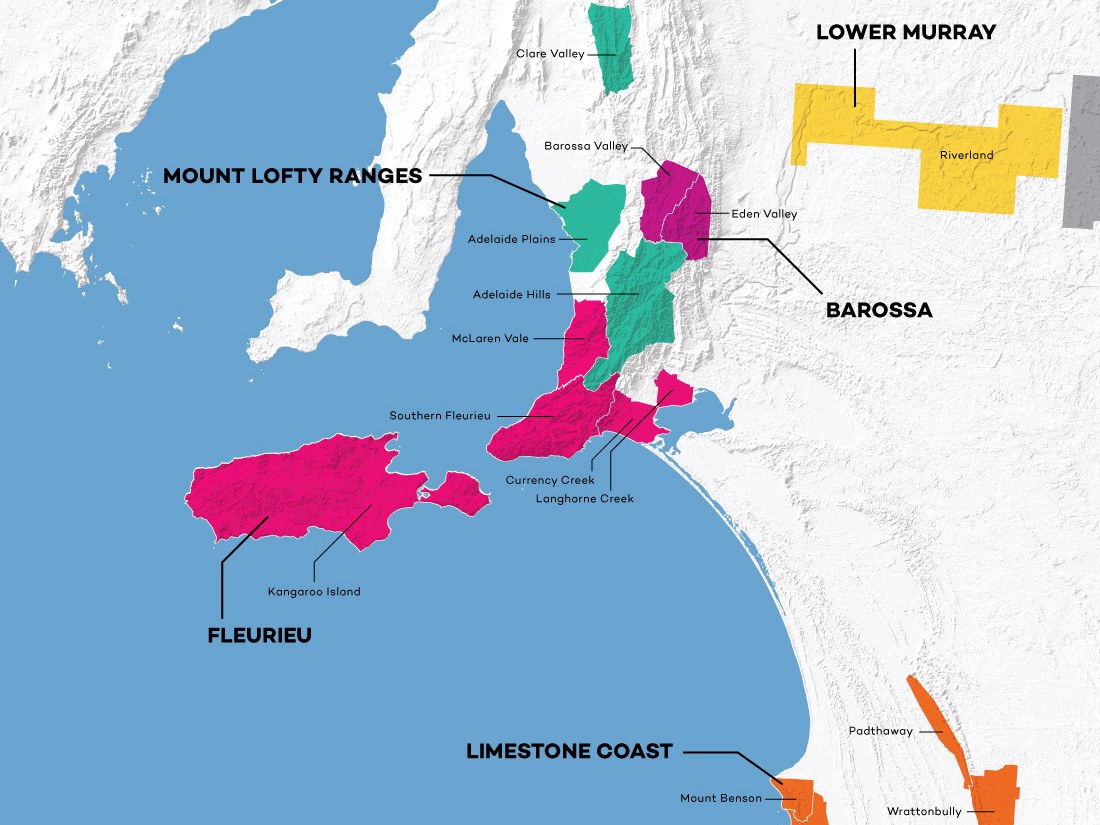
The guide, officially titled the Michelin Guide South Australia 2027, will be the first Michelin publication dedicated to an Australian state. Its scope is deliberately regional: Adelaide anchors the coverage, but the guide explicitly extends into three of the country's most internationally recognised wine appellations, Barossa Valley, McLaren Vale and Clare Valley.

Michelin's international director Gwendal Poullennec has said the choice of South Australia reflects the region's cooking rather than commercial calculation. The South Australian government is backing the launch.
For context, New Zealand's Michelin Guide, which launched last year, reportedly cost Tourism New Zealand more than NZ$6 million over three years, according to reporting by Business Traveller.
International editions of the guide are commonly launched through commercial partnerships with tourism bodies and governments, even as Michelin maintains that its inspectors operate independently.
The guide awards one, two or three stars to restaurants considered worth stopping, detouring or travelling for respectively.
It also awards Bib Gourmand status to venues offering quality food at more accessible prices, a category that, in wine regions, often captures the cellar-door dining and produce-driven lunch spots that serious visitors already seek out.
Some studies estimate restaurant revenue can increase by 20% after receiving a star; three-star restaurants can sometimes double their business. The October reveal will almost certainly create a new set of tables that become considerably harder to book overnight.
The scarcity is not hypothetical, it is the documented pattern every time Michelin enters a new market.
Australia's existing dining awards ecosystem has long been led by the Good Food Guide's hat system, which has filled the role Michelin plays in Europe and Asia for decades. Whether the arrival of the Michelin Guide South Australia supplements or eventually displaces that local framework is one of the more open questions as the guide beds in. For now, the hat system and the red guide will coexist, but international travellers booking from London, Tokyo or New York will navigate by the name they already know.
Michelin's Asia-Pacific footprint already spans Japan, Singapore, Hong Kong, Thailand and South Korea. South Australia's selection follows New Zealand's recent entry into the Michelin fold and forms part of a deliberate push further into the Pacific, one that Michelin has been accelerating as it competes with rivals such as the World's 50 Best Restaurants for global dining authority.
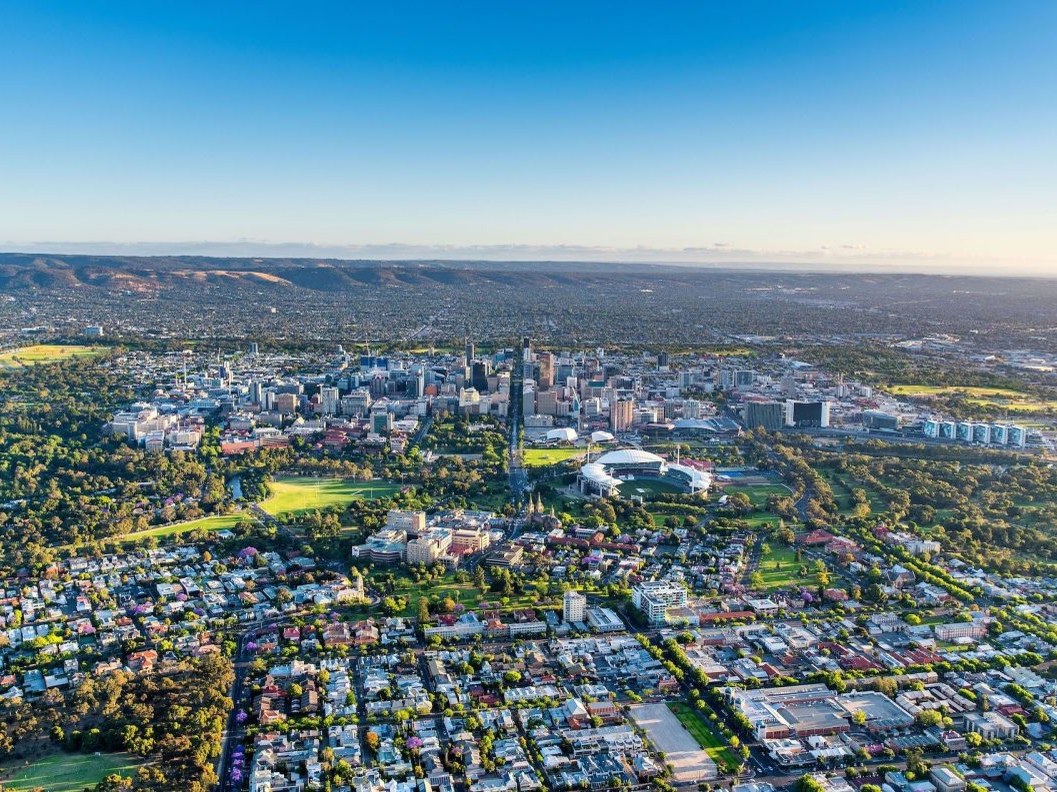
The decision to anchor Australia's debut in Adelaide rather than Sydney or Melbourne is the telling move here.
Adelaide has built its culinary identity around the produce that surrounds it: the Barossa's old-vine Shiraz and Grenache, McLaren Vale's maritime-influenced blends, Clare Valley's Riesling, wines that have long commanded serious attention from collectors and sommeliers globally.
The dining culture that has grown around these regions is inseparable from the vineyards themselves. Cellar-door restaurants, regional produce menus, and winemaker lunches have made South Australia a destination where the glass and the plate are treated as a single proposition.
Michelin's existing coverage of wine-producing regions, Napa Valley, Burgundy, the Rhône, has historically accelerated the profile of cellar-door dining and drawn international visitors who might otherwise have treated the region as a day trip rather than a multi-night destination. The same dynamic is likely to play out in South Australia. A Michelin star awarded to a restaurant in the Barossa Valley or McLaren Vale doesn't just validate the kitchen, it puts the surrounding vineyards on the itinerary of a traveller who previously had no framework for planning a trip there.
For collectors and oenophile travellers who already know their Henschke Hill of Grace from their Wendouree Clare Valley Riesling, the Michelin announcement is less a discovery than a confirmation. The dining scene in these regions has been quietly building the kind of produce-led, wine-integrated cuisine that Michelin inspectors are trained to recognise. The October reveal will name the restaurants. The wine lists behind those restaurants are already worth investigating.
The practical implication of the Michelin Guide South Australia announcement is a narrow window. Between now and the October reveal, the restaurants being assessed are still bookable at current demand levels and current prices. Once stars are announced, the tables that earn them will move onto international radar simultaneously, the same pattern that played out in New Zealand after its guide launched, and in every other market where Michelin has entered for the first time. Adjust after October if you need to.
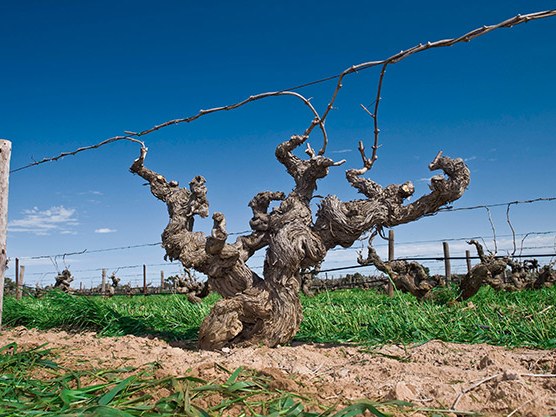
The Barossa Valley sits roughly an hour north of Adelaide. Its vineyards, many of them planted in the nineteenth century, produce particularly age-worthy Shiraz in the southern hemisphere, and the dining culture that has developed around them reflects that seriousness. Restaurants here tend to work closely with local producers, building menus around the same terroir that shapes the wines poured alongside them. A Michelin inspector arriving in the Barossa is not just assessing the kitchen, they are assessing how well the food and wine conversation holds together as a whole.
McLaren Vale, half an hour south of Adelaide on the Fleurieu Peninsula, has a different character: warmer, more Mediterranean in feel, with Grenache and Shiraz blends that carry a distinctly coastal generosity. The dining scene here has grown more ambitious over the past decade, with a number of producers investing in restaurant spaces that treat the cellar door as a serious culinary destination rather than a tasting counter. These are exactly the venues that Michelin's Bib Gourmand category was designed to capture, quality-driven, produce-focused, and priced accessibly relative to the experience they deliver.
Clare Valley, further north and higher in elevation, is best known internationally for its Riesling, a variety that rewards the kind of precision and restraint that also defines the regional cooking.
The valley is less visited than the Barossa or McLaren Vale by international travellers, which makes it particularly interesting of the three regions to watch in the context of the Michelin announcement.
A star or Bib Gourmand awarded to a Clare Valley restaurant would redirect attention to a part of South Australia that serious wine travellers already know but that has not yet had the international dining shorthand to match its wine reputation.
Adelaide is the logical base. The city is compact, the airport is close, and the drive times to all three wine regions are manageable, Barossa is roughly an hour north, McLaren Vale around thirty minutes south, and Clare Valley approximately ninety minutes north. A four-to-five night itinerary that uses Adelaide as a hub can cover all three regions without the trip feeling rushed, and the city's own dining scene, which the Michelin Guide South Australia will also cover, gives you a strong opening and closing night on either side of the regional days.
The restaurants most likely to receive stars will be the ones already generating the strongest word-of-mouth among local food writers and the Good Food Guide's hat-holders, cross-referencing current hat recipients with the regions the Michelin Guide South Australia covers gives you a reasonable working shortlist. Reservations at those venues, made before October, will be considerably easier to secure than reservations made the morning after the announcement.
Harvest season in South Australia runs roughly from February through April, which means the October reveal lands just as the new vintage is settling into barrel and the wine regions shift into a quieter, more contemplative mode. Spring in the Barossa and McLaren Vale, vines in leaf, cellar doors less crowded than summer, is a genuinely good time to visit, and the Michelin announcement will give that October window a new focal point for food-and-wine travellers planning their southern hemisphere spring itineraries.
The Michelin Guide South Australia is not an isolated event. It is the latest step in a deliberate Asia-Pacific expansion by the world's most recognised dining guide, following New Zealand and building on an already established presence across Japan, Singapore, Hong Kong, Thailand and South Korea. Each new market entry has followed a similar pattern: initial announcement, a period of anonymous assessment, a reveal that generates significant international media coverage, and then a sustained shift in how international travellers route their itineraries.
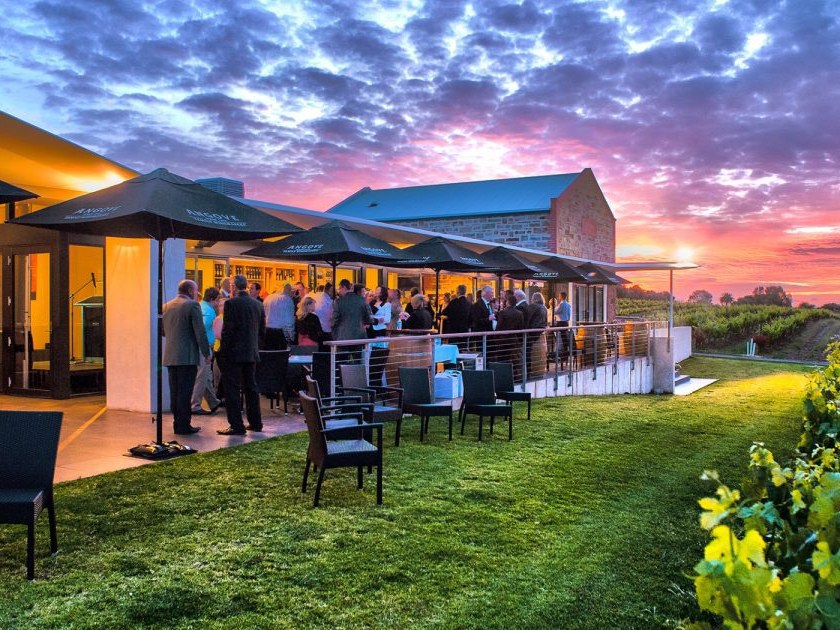
For South Australia, the stakes are specific. The state's wine regions already hold serious international credibility among collectors and trade buyers, the Barossa's old-vine Shiraz, Clare Valley's Riesling, and McLaren Vale's Grenache are poured in Michelin-starred restaurants in London, New York and Tokyo.
What has been missing is the reciprocal recognition: a signal, in the language that international food-and-wine travellers understand, that the dining experience in these regions is worth building a trip around. The Michelin Guide South Australia 2027 provides exactly that signal.
The October reveal will tell us which restaurants carry it first, and the travellers who are already there will have eaten at those tables before the rest of the world knew to ask for them.
Get the App
Take the shortlist into the En Primeur Club app for concierge access, saved places, and the next step after discovery.
Get Exclusive AccessMore from the editors