← Guides
Planning a Visit to Krug in 2026 Krug does not operate a public tasting room. There is no walk-in cellar door, no open-house weekend, and no booking widget sitting on the homepage.
Planning a Visit to Krug in 2026 Krug does not operate a public tasting room. There is no walk-in cellar door, no open-house weekend, and no booking widget sitting on the homepage.
Krug does not operate a public tasting room. There is no walk-in cellar door, no open-house weekend, and no booking widget sitting on the homepage. Krug's Reims maison receives visitors by private appointment only, and those appointments are, in practice, extended to trade contacts, journalists, and collectors who arrive through a relationship rather than a search engine. Access is genuinely restricted: the direct route requires advance contact with the house, and the realistic alternative is a structured visit arranged through a specialist wine travel operator or a Champagne-focused merchant with existing ties to the estate.
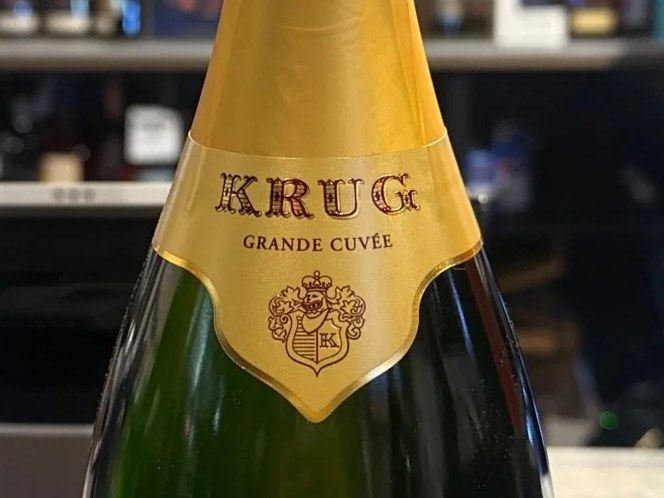
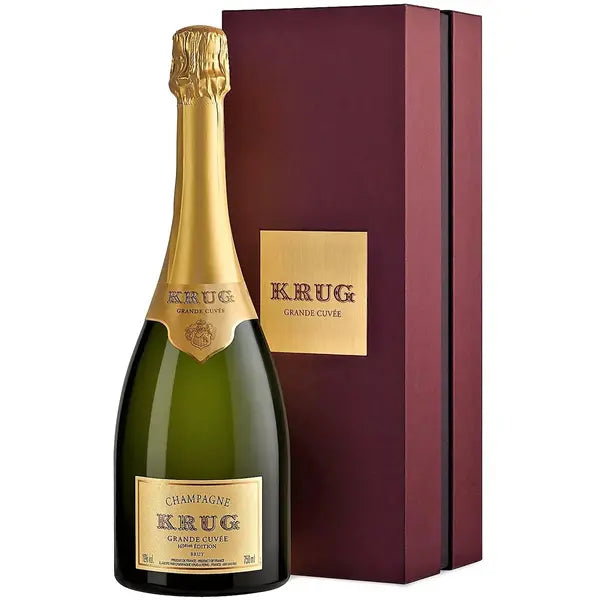
Krug produces across a portfolio anchored by its non-vintage Grande Cuvée, a blend of more than 120 wines from ten or more vintages, alongside the vintage Krug, the prestige Clos du Mesnil (a single-vineyard blanc de blancs from a 1.84-hectare walled plot in Le Mesnil-sur-Oger), and Clos d'Ambonnay (a single-vineyard blanc de noirs from a 0.68-hectare plot in Ambonnay). These are tiny productions. Clos du Mesnil and Clos d'Ambonnay are released only in years the house judges notable, and in quantities that make them allocation wines in every sense.
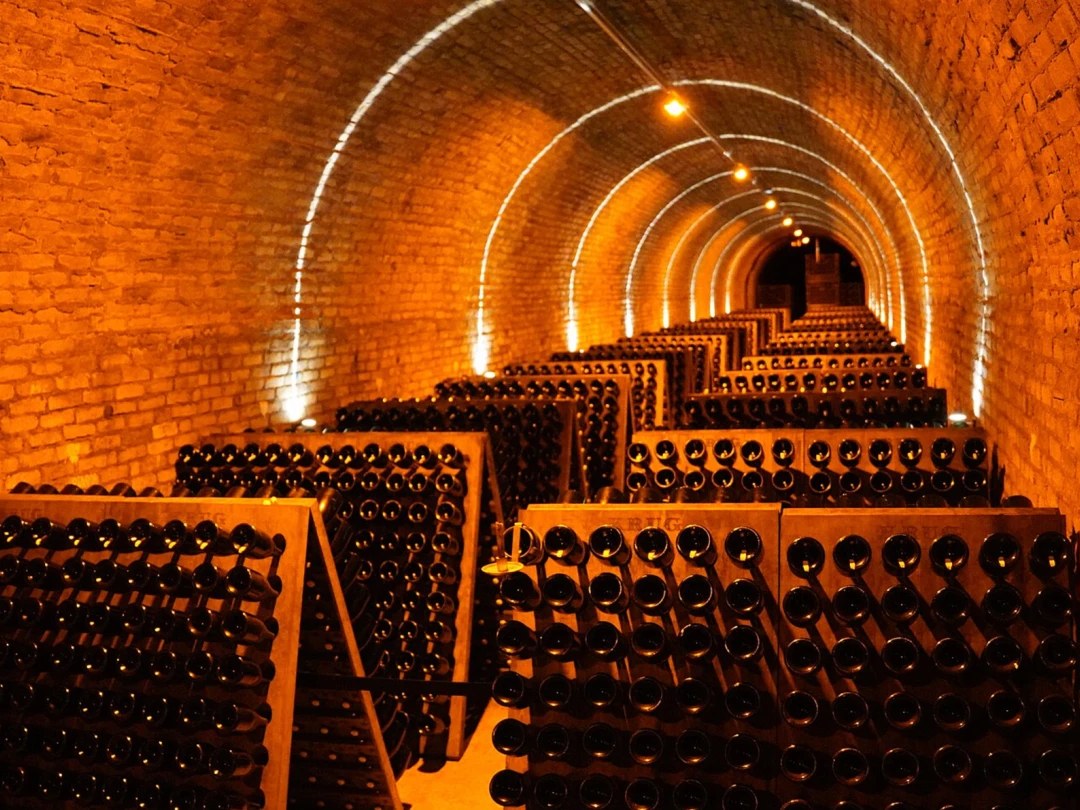
The house sits on the Rue Coquebert in Reims, a working production facility rather than a visitor-facing château. Krug is famously private and rarely opens its doors to the public. The Krug ID program (each bottle carries a distinctive code linking to tasting notes and the blend's history) is the house's primary consumer-facing channel. Physical visits are reserved for those the house invites or those who arrive with a credible introduction.
Demand compounds the scarcity. Krug is among the more collected Champagne houses globally, and the collector community, particularly in Asia and North America, generates more inbound visit requests than the house can absorb without compromising the working rhythm of the cellar.
Krug does not publish a booking calendar, a release window, or a drop time for visit slots. The house does not list appointments on Resy, Tock, or any third-party reservation platform. The specific mechanics of how and when private visit slots become available are not publicly documented, confirm directly with the maison before planning travel around a specific date.
The practical route for most collectors is to contact Krug's hospitality team by email through the official Krug website and state clearly who you are, your connection to the wines (a collection history, a merchant relationship, a professional context), and the dates you are considering. Responses are not guaranteed, and lead times are not published. Reservations must be made a minimum of three months in advance, and requests made outside the August closure period and the harvest window in September and October tend to have better odds of a response.
Krug no longer gives private tours to the general public, which narrows the field to three routes that carry realistic odds for a private collector in 2026.
Direct contact with the maison. Email Krug's hospitality team through the contact form on the official Krug website. Lead with your collector credentials, a long purchase history with a named merchant, a cellar that runs to multiple vintages of Grande Cuvée or the vintage cuvée, a professional context in wine. The house is more likely to respond to a collector who can demonstrate sustained engagement with the wines than to a first-time inquiry.
A specialist Champagne wine travel operator. Several UK and French operators, including Arblaster & Clarke and Millesima's wine-tourism partner Wine Paths, run structured Champagne itineraries that include private maison visits. These operators hold existing relationships with houses including Krug, and a place on one of their programs is often one reliable route for a collector who does not have a direct trade connection. Costs vary by program; confirm current pricing and availability directly with each operator, as these are not published in a stable form.
Your fine wine merchant. A merchant who places regular Krug allocations, Berry Bros & Rudd, Justerini & Brooks, Hedonism, or a comparable fine wine specialist, may be able to facilitate an introduction or a joint visit. This is the route that most reliably converts for private collectors without a press or trade credential. Build the relationship with the merchant first; the visit follows from the allocation history.
There is no secondary market for Krug visit slots in the way there is for restaurant reservations. The access is relational, not transactional.
Building a merchant relationship over several years, establishing an allocation history, then requesting an introduction, costs primarily time. The allocation spend required to establish credibility varies by merchant, but a collector regularly purchasing Grande Cuvée and the vintage cuvée through a single account is in a stronger position than one who buys opportunistically across multiple channels.
The faster route is a specialist travel program. The Krug Maison experience, tour, tasting, and exclusive lunch, is available for up to four persons traveling together, with advance booking required. These programs compress the relationship-building into a structured itinerary, but they carry a cost premium. The tradeoff is real: you pay for the operator's existing relationships rather than building your own. For a one-time visit, this is often the more efficient path. For a collector who intends to return, the merchant relationship is the longer-term investment.
Private visits to Krug are not group tours. The format, where it occurs, is typically a small gathering: a handful of trade contacts, a journalist or two, or a collector and their party. You are unlikely to find yourself in a room with strangers drawn from a public booking pool. The people around the table at a Krug visit tend to be sommeliers, buyers for fine wine merchants, wine writers, or serious private collectors with a documented relationship with the house. The conversation assumes familiarity with the wines, which is simply how the house manages its hospitality.
A visit for existing clients includes a personalized welcome at Maison Krug, a discovery of the house and cellars, and a structured tasting, moving through the reserve wine library beneath the 19th-century building on Rue Coquebert before arriving in a tasting room where the wines are poured in sequence.
The tasting itself centers on the Grande Cuvée, usually the current release, identified by its édition number (each édition corresponds to the youngest vintage in the blend), alongside the current vintage Krug where available. In notable visits, Clos du Mesnil or Clos d'Ambonnay may appear, though these are not standard inclusions and depend entirely on the host and the context of the visit.
The Krug ID system is woven into the experience: each bottle's distinctive code connects to the house's digital record of that specific blend, and the conversation around the wines tends to focus on the reserve wine philosophy, the idea that Krug's winemaking is fundamentally an act of composition across time rather than a single-vintage expression. The chef de cave has spoken publicly about the reserve wine library as the house's institutional memory, and that framing shapes how the wines are presented in a visit context.
Availability for the Krug Maison experience should be confirmed with the Krug US Brand Team if you are approaching from North America. The format is unhurried by design. Food pairings, where they occur, tend toward the precise: the house has long advocated pairing Grande Cuvée with dishes that carry umami depth, a position that has become something of a Krug signature in hospitality contexts.
The cellars themselves are chalk-cut, as is standard in Reims, and the reserve wine tanks, stainless steel, holding wines from multiple decades, are the physical evidence of the blending philosophy. This is a working space, not a theatrical cellar dressed for visitors, and that is part of what makes the visit worth the effort of arranging.
A Krug visit is worth pursuing if you are a serious collector with an existing relationship with the wines, a professional in the trade seeking a deeper understanding of the reserve wine philosophy, or a traveler building a Champagne itinerary around the great houses of Reims and Épernay. It is not the right experience for someone new to Champagne or looking for a casual afternoon tasting, the format assumes engagement, and the access barriers exist precisely because the house is not trying to serve a casual audience.
The occasion that justifies the effort: a milestone trip to Champagne, a professional development visit, or a collector's pilgrimage to understand why the Grande Cuvée tastes the way it does across éditions. It is not an anniversary-dinner booking or a spontaneous weekend activity.
| Maison | Access Difficulty | Booking Route | Public Visits Available? | Typical Cost Signal |
|---|---|---|---|---|
| Krug | High, invitation/relationship only | Direct contact or specialist operator | No | N/A (private; operator programs vary) |
| Moët & Chandon (Épernay) | Low, public tours available | Direct booking via maison website | Yes | Published tiered pricing; confirm current rates with the maison |
| Taittinger (Reims) | Low, public cellar tours | Direct booking via maison website | Yes | Published tiered pricing; confirm current rates with the maison |
| Salon / Delamotte (Le Mesnil-sur-Oger) | Medium, trade and press priority, some collector visits | Direct contact or merchant introduction | Limited | N/A (private) |
| Jacques Selosse (Avize) | high, allocation list effectively closed; visits near-impossible without long-standing relationship | Merchant introduction only | No | N/A |
Salon, Le Mesnil-sur-Oger. Salon produces a single wine, a blanc de blancs from Le Mesnil, in a single vintage, only in years the house judges notable. Visits are restricted but slightly more accessible to collectors with a merchant introduction than Krug. The wines share Krug's philosophy of patience and precision; a Salon visit scratches a similar itch.
Taittinger's Reims cellars. For the cellar experience itself, chalk galleries, riddling racks, the physical architecture of Champagne production, Taittinger offers public tours of particularly extensive chalk cellars in Reims, including galleries that date to the 13th century. The wines are a different register from Krug, but the cellar visit is worth the time and is bookable directly through the Taittinger website.
Moët & Chandon, Épernay. The Avenue de Champagne flagship offers structured public tours with tasting options at multiple price points. Not a private experience, but a well-run introduction to the scale of grande marque Champagne production, and bookable without a trade connection.
A Krug dinner at a top restaurant. If the visit itself proves impossible to arrange, the wines are the point, and a dinner built around a vertical of Grande Cuvée éditions or a mature vintage Krug at a restaurant with serious Champagne depth (Le Bernardin in New York, The Ledbury in London, or a Reims institution like Le Parc Les Crayères) delivers the wines in a context that rivals any cellar visit for sheer pleasure.
Krug visits are not impossible, but they are not bookable in any conventional sense. The house does not publish a calendar, does not list on third-party platforms, and does not operate a public tasting room. The access is relational: it flows from a merchant history, a trade credential, or a specialist operator's existing connection to the maison.
For a collector who is serious about the wines and willing to invest in the relationship, through a fine wine merchant, through a structured Champagne travel program, or through a direct and well-framed approach to the house, a private visit is achievable. The experience, when it happens, is worth the effort: the reserve wine cellars, the blending philosophy explained in the room where it is practiced, and the wines poured in sequence are a coherent argument for why Krug occupies the position it does.
For everyone else, the Krug ID program and a well-chosen bottle of Grande Cuvée, ideally a back-édition with some age, deliver the essential argument without the access barrier. The visit adds context; the wine makes the case on its own. Those who build the merchant relationship first tend to find that the cellar visit arrives, eventually, as a natural consequence, and that the patience required to get there is not unlike the patience the house itself brings to every blend.
It is possible but not simple. Krug does not operate public tours or a walk-in tasting room. Private collectors without a trade credential have a stronger chance of securing a visit through a specialist Champagne travel operator (such as Arblaster & Clarke) or through a fine wine merchant who holds an existing relationship with the house. A direct email approach to Krug's hospitality team can work, but a response is not guaranteed, lead with your collector history and be specific about your connection to the wines.
Krug requires reservations a minimum of three months in advance. The house does not publish a broader booking window beyond that floor. Requests made outside the August closure and the September, October harvest period tend to have better odds of a response. Confirm current requirements directly with the maison before planning travel around a specific date.
A private visit typically centers on the current Grande Cuvée édition and, where available, the current vintage Krug. Clos du Mesnil and Clos d'Ambonnay, the house's two single-vineyard prestige cuvées, are not standard inclusions and appear only in specific contexts. The exact lineup depends on the host and the nature of the visit; confirm with the house or your operator when arranging the appointment.
No. Krug does not offer public cellar tours. Moët & Chandon in Épernay and Taittinger in Reims both operate structured public tours bookable directly through their respective websites, these are particularly accessible alternatives for visitors who want the chalk-cellar experience without a private appointment.
Yes, the Krug ID (a distinctive code printed on every bottle) links to the house's digital record of that specific blend, including the reserve wines used and tasting notes from the cellar team. In a visit context, this system is often referenced directly: the conversation around the wines tends to focus on the reserve wine philosophy and the specific édition being poured. You can access the ID program independently of a visit through the Krug website, which gives some of the intellectual content of a cellar visit without requiring an appointment.
Get the App
Take the shortlist into the En Primeur Club app for concierge access, saved places, and the next step after discovery.
Get Exclusive AccessMore from the editors