← Guides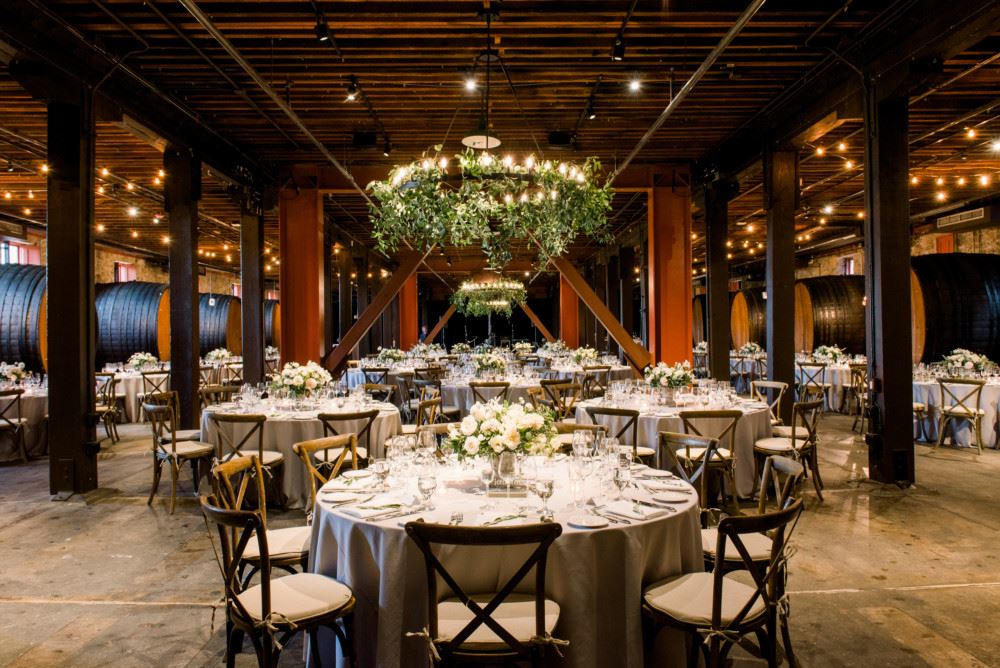
The TJ Martell Foundation's 2026 Napa's Best Cellars Wine Dinner raised over $500,000 at CIA Greystone — a new record for the event.
The TJ Martell Foundation's 2026 Napa's Best Cellars Wine Dinner raised over $500,000 at CIA Greystone — a new record for the event.
The auction paddle dropped on a six-figure lot, and by the time the evening closed on May 21, 2026, the TJ Martell Foundation's Napa's Best Cellars Wine Dinner had crossed $500,000 in total revenue, a new record for the event, set inside the stone-and-timber halls of the Culinary Institute of America at Greystone in St. Helena. The wines on the table had come not from a distributor's allocation but from the private cellars of collectors who chose to open them for cancer research. That distinction, between a wine program and a wine community, is exactly why this dinner keeps outperforming itself. Fifty years after Tony Martell founded this organization in memory of his son T.J., the model of uniting music-industry networks with wine-country generosity still generates the kind of room that moves serious money toward serious science.
Napa Valley has a long tradition of high-stakes charity wine events, Auction Napa Valley built its reputation over decades by persuading the valley's most guarded producers to release library bottles and barrel lots that never reach retail. The TJ Martell Foundation taps a different current: the music industry's philanthropic infrastructure, redirected into wine country. The result is a room where a SiriusXM producer sits beside a Napa vintner, and where the wines on the table arrived not from a distributor's warehouse but from the private cellars of collectors who chose to share them.
That La Paulée format, borrowed from Burgundy's tradition of a post-harvest communal feast where growers bring bottles from their own cellars, is what separates Napa's Best Cellars Wine Dinner from a standard charity gala.
In Burgundy, La Paulée de Meursault draws producers who uncork bottles they would never sell; the spirit here is identical, transplanted to the Napa Valley floor. Guests don't receive a poured flight chosen by a committee.
They receive whatever the collector at the next table decided to bring, Grand Crus, notable vintages, bottles that surface only in rooms like this one. Napa Valley sommeliers pour and guide, but the cellar selection belongs to the community itself.
That dynamic creates something a fixed auction lot cannot: the sense that the evening's wine list is unrepeatable. No two years will look the same, because no two years will attract the same collectors with the same bottles. It is a format built for people who already know what they have and want to share it for a reason larger than the dinner itself.
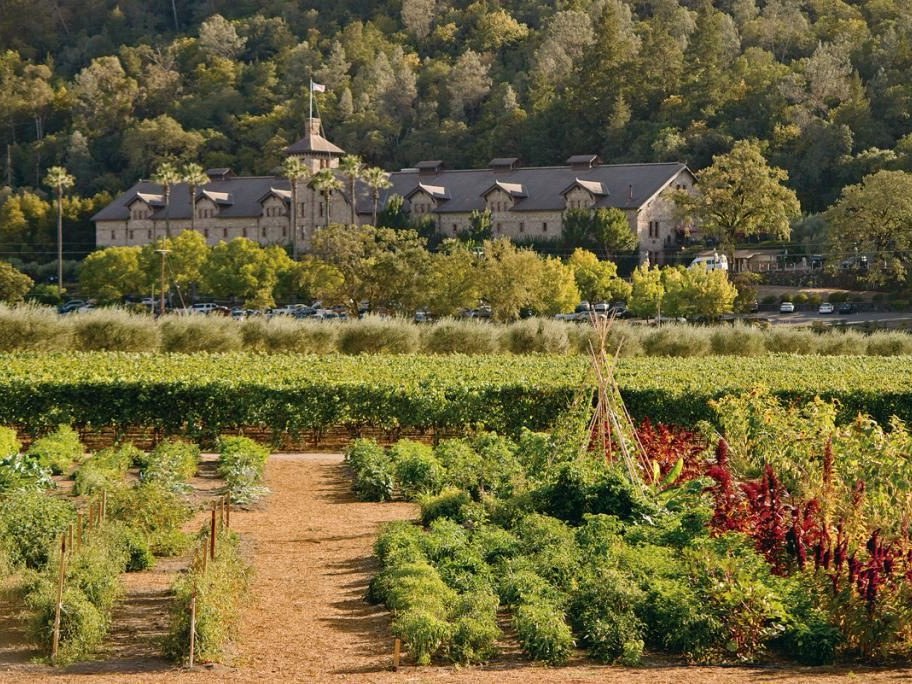
The Culinary Institute of America at Greystone is one of the more considered venue choices in Napa Valley's event calendar. The building, a former stone winery dating to the nineteenth century, sits on Highway 29 in St. Helena, surrounded by the appellation's most storied addresses. Its kitchens are professional-grade; its dining spaces carry the weight of the stone walls around them. For an evening built around serious food and serious wine, it is the right room.
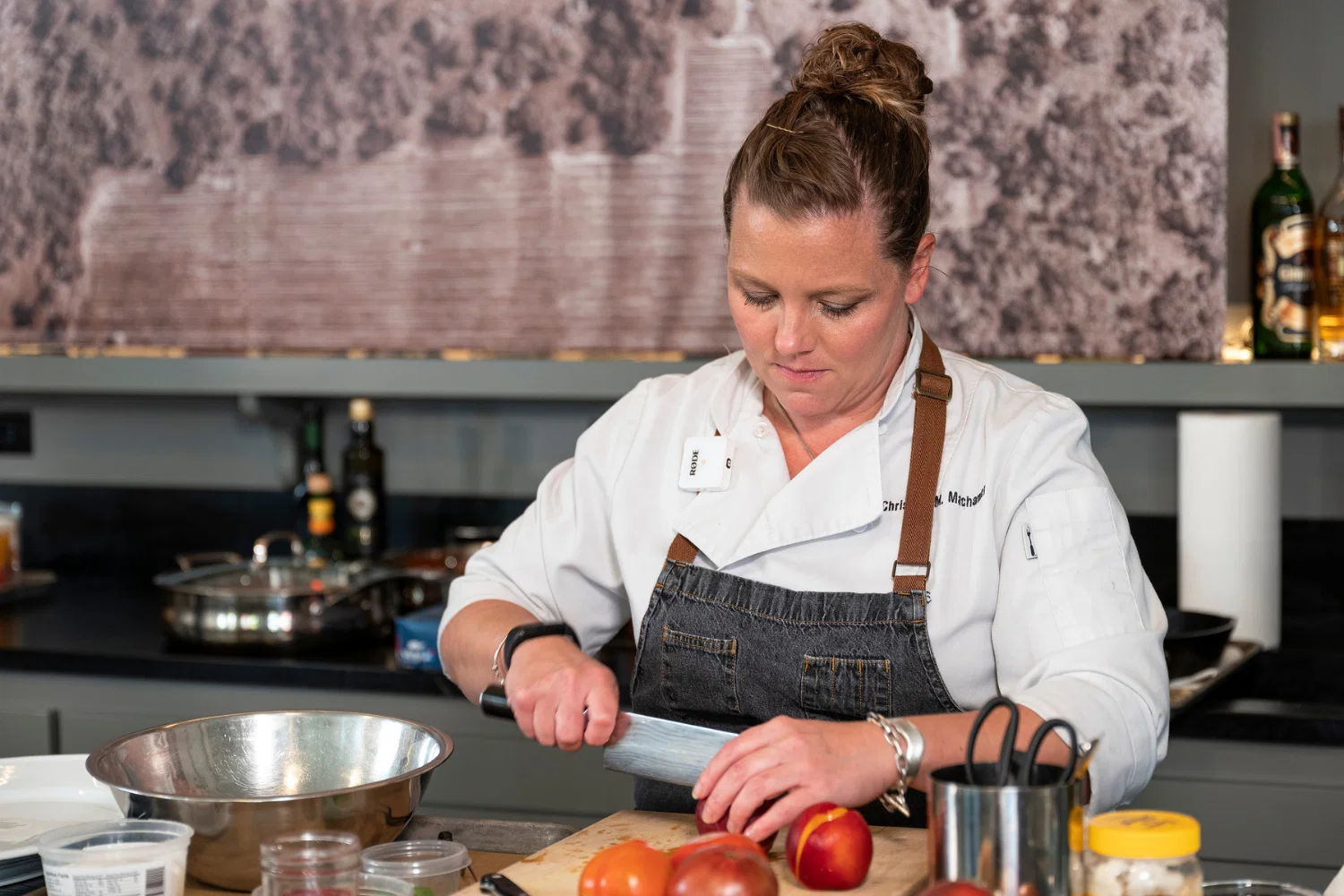
Chef Christina Machamer curated the dinner, shaping a menu designed to carry the weight of Grand Cru pours from collectors' private cellars. The La Paulée format placed the wine selection in the hands of the guests themselves, collectors who opened their cellars to provide bottles for the evening.
Napa Valley sommeliers poured and presented tableside, giving the dinner a service register closer to a private tasting than a charity event. These are not wines that appear on any retail shelf the following morning; they exist in this room, on this evening, because someone chose to bring them, and that scarcity is built into the format by design.
Alongside the dinner, a luxury auction offered rare wines, deluxe travel experiences, and exclusive collectibles drawn from both the music and wine worlds. Tsar Nicoulai Caviar served as the evening's official Caviar Sponsor, adding a further layer of precision to the table. The auction drove the evening past the $500,000 mark, a new record for Napa's Best Cellars Wine Dinner, according to the TJ Martell Foundation, and the foundation's co-chairs confirmed the evening surpassed its fundraising goal, meaning the record reflects an overperformance, not a target met exactly.
The evening's musical moment came from Nat Myers, a country blues and roots musician who performed an intimate acoustic set. In a room built around the shared pleasures of wine and table, an acoustic performance carries differently than a full band, it asks the room to be quiet, to listen, and in doing so, it sharpens the emotional stakes of the evening. Co-chairs Marc Reiter, TJ Martell Foundation Trustee, and Remi Cohen, CEO of Domaine Carneros, described Myers's set as electrifying and emotional, the kind of performance that sets the tone for the paddle raises that follow.
Tony Martell founded the TJ Martell Foundation in memory of his son T.J., channeling the music industry's reach and its networks into cancer research funding. Fifty years on, the foundation is marking that anniversary while continuing to direct proceeds toward what it describes as bold, high-risk, high-reward research, early-stage projects with the potential to shift treatment outcomes rather than simply refine existing protocols.

The $500,000 raised at the 2026 Napa's Best Cellars Wine Dinner feeds directly into those initiatives. The foundation's model has always prioritized funding research that established institutions might consider too speculative for conventional grant cycles. That positioning, backing the projects that larger funders hesitate to touch, is what has kept the foundation's research partnerships active across five decades of changing oncology science.
The foundation's 50th anniversary gives the 2026 edition a particular weight. Half a century of music-industry philanthropy directed at cancer research is a track record that few charity organizations of any kind can claim. The Napa chapter of that story, the wine dinners, the collector community, the La Paulée format, is a relatively recent addition to a much longer institutional history, but it has clearly found its footing. When a single evening in St. Helena can move $500,000 toward early-stage cancer research, the format has earned its place in the foundation's calendar.
The TJ Martell Foundation's honorees at the 2026 dinner tell the story of the organization's dual identity more clearly than any mission statement could. Gary Dell'Abate, producer of the Howard Stern Radio Show on SiriusXM and a New York Times best-selling author, was recognized for his influence in radio and his work supporting cancer research. Jeff Smith and Carolyn Duryea, the husband-and-wife team behind Hourglass Vineyards in Napa Valley, were honored for their leadership and innovation in the wine industry and their commitment to philanthropy.
Hourglass Vineyards occupies a specific position in the Napa Valley conversation, a family-owned estate with a reputation built on precision viticulture and limited production. Smith and Duryea's presence as honorees reflects the foundation's ability to draw not just wine-industry participants but wine-industry figures who have built something worth honoring. Their recognition alongside Dell'Abate captures the foundation's essential character: two industries, one cause, a shared table.
That cross-industry dynamic is not accidental. The TJ Martell Foundation was built inside the music business, and its networks run deep through radio, recording, and live entertainment.
When those networks extend into Napa Valley, through trustees like Marc Reiter and co-chairs like Remi Cohen, who runs Domaine Carneros, they find a hospitality culture that already understands the value of a shared bottle and a shared purpose.
Domaine Carneros, the Carneros-appellation estate known for its sparkling wines and Pinot Noir, sits at the southern end of Napa Valley; Cohen's involvement as co-chair connects the foundation's music-industry roots to one of the valley's most recognizable producers.
The wine committee for the 2026 dinner extended beyond the co-chairs to include Warren Christensen, Danny Cooper, Max Duley, Robert Emmer, Dino Paredes, Diarmuid Quinn, Elizabeth Vianello, and Lane Watson, a group whose collective networks in both industries explain how a charity dinner in St. Helena can attract the caliber of collectors willing to open their cellars for the cause.
For collectors attending or considering Napa's Best Cellars Wine Dinner, the La Paulée format deserves its own explanation, because it changes what appears on the table in ways that no fixed wine program can replicate.
In a conventional charity wine dinner, a committee selects wines, wineries donate bottles, and guests receive what the program dictates. In a La Paulée format, the guests themselves are the cellar. Collectors bring bottles from their own holdings, library releases, allocated wines that sold out on release, vintages that have aged into something the winery no longer has to pour. The evening's wine list is assembled from those contributions, poured by sommeliers who can speak to provenance and condition.
What that means in practice: a table at Napa's Best Cellars Wine Dinner might see a decade-old Napa Cabernet from a collector who bought it on allocation and cellared it properly, alongside a Burgundy Grand Cru that arrived in someone's private collection through a négociant relationship that no longer exists. These are not wines you can purchase at retail the following morning. They exist in this room, on this evening, because someone chose to bring them, and that unrepeatable quality is precisely what drives the auction energy that pushed the 2026 total past $500,000.
For wine enthusiasts who spend their collecting lives building cellars of exactly this kind, allocated Napa Cabernets, aged Burgundies, bottles acquired through relationships rather than retail channels, the La Paulée format offers something that most charity events cannot: the chance to drink with the people who built those cellars, in a room where the wines themselves are part of the philanthropy.
Napa's Best Cellars Wine Dinner operates on an invitation-driven model with limited capacity at CIA Greystone. The venue's scale and the La Paulée format both constrain attendance, a dinner where guests bring their own bottles and sommeliers pour tableside requires a room small enough for that intimacy to function. Seats do not appear on a public ticketing platform. The path runs through the TJ Martell Foundation itself: its trustee network, its wine committee, and its broader donor community are the primary routes to an invitation.
The foundation's contact point is tjmartell.org, where the organization maintains information on its events and research initiatives. For collectors and industry figures interested in the Napa dinner specifically, early engagement, well ahead of the May calendar date, is the practical move. The 2026 edition's record-breaking total will sharpen interest in 2027, and rooms like this one fill through relationships, not registration links.
The foundation's 50th anniversary adds further momentum to what comes next. An organization that has sustained a half-century of cancer research funding through community-driven philanthropy does not lose altitude after a record year, it raises the floor for the one that follows. For anyone whose wine life already intersects with Napa Valley through allocation lists, harvest visits, or the collector networks that form around the valley's most sought-after producers, the wines that appear on that table next May will not appear anywhere else.
What is Napa's Best Cellars Wine Dinner and who hosts it?
Napa's Best Cellars Wine Dinner is an annual charity event hosted by the TJ Martell Foundation, an organization founded fifty years ago by Tony Martell in memory of his son T.J. The dinner raises money for cancer research by uniting music-industry networks with Napa Valley's wine community.
How much did Napa's Best Cellars Wine Dinner raise in 2026?
The 2026 event crossed $500,000 in total revenue, setting a new record for the dinner. It was held on May 21, 2026, at the Culinary Institute of America at Greystone in St. Helena.
What is the La Paulée format used at Napa's Best Cellars Wine Dinner?
The La Paulée format is borrowed from Burgundy's tradition of a post-harvest communal feast where growers bring bottles from their own cellars. At Napa's Best Cellars Wine Dinner, collectors, rather than distributors or committees, choose and open bottles from their private cellars, meaning the wine list is unrepeatable from year to year.
Where is Napa's Best Cellars Wine Dinner held?
The dinner is held at the Culinary Institute of America at Greystone, a former nineteenth-century stone winery located on Highway 29 in St. Helena, Napa Valley. The venue's professional kitchens and stone-and-timber dining spaces make it a fitting setting for an evening of Grand Cru pours and chef-curated cuisine.
What kinds of wines are served at Napa's Best Cellars Wine Dinner?
The wines come exclusively from the private cellars of collectors who choose to open them for the evening, including Grand Crus and notable vintages that never appear on retail shelves. Napa Valley sommeliers pour and present tableside, giving the experience a register closer to a private tasting than a standard charity gala.
Get the App
Take the shortlist into the En Primeur Club app for concierge access, saved places, and the next step after discovery.
Get Exclusive AccessMore from the editors