Grand Cru sits on Av. Ininga in Teresina's Fátima district, operating at a tier of ambition that few addresses in Piauí's capital attempt. In a city where regional ingredients, babaçu, pequi, fresh-water fish from the Parnaíba basin, rarely receive the treatment a name like this implies, the restaurant positions itself as a reference point for ingredient-led dining in Brazil's interior northeast.
Pearl is the En Primeur Club membership app — saves, bookings, and concierge access live there. Same editors, same standards.
- Address
- Av. Ininga, 996 - Fátima, Teresina - PI, 64049-538, Brazil
- Phone
- +558632311466
- Website
- grandcru.com.br
- Directions
- Get directions
 Saves & bookings on Pearl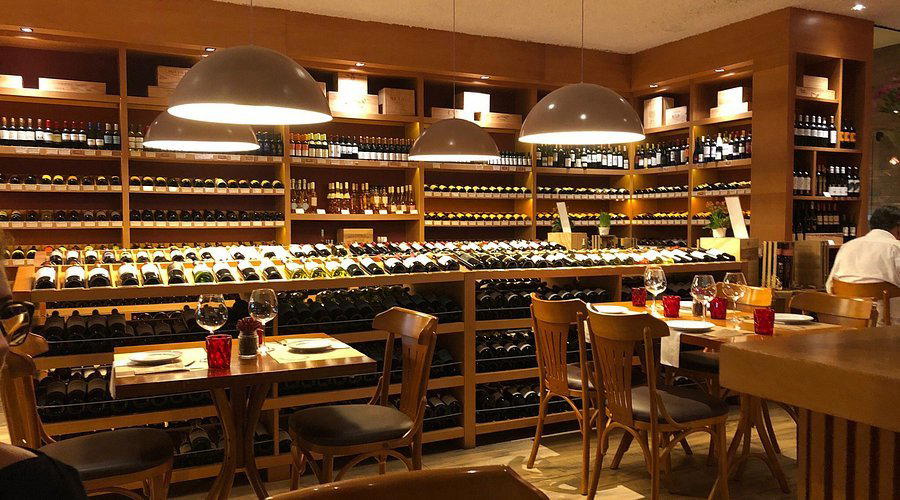
Dining in Teresina's Interior: What the City's Better Tables Reveal
Teresina occupies an unusual position in Brazil's culinary map. As the only state capital in the northeast built entirely inland, it draws its larder from the Parnaíba River basin, from cerrado-adjacent terrain, and from the babaçu palm forests that define much of Piauí's geography. These are not ingredients that appear on the menus of D.O.M. in São Paulo or Lasai in Rio de Janeiro with any regularity, which is precisely what makes the better dining addresses in Teresina worth paying attention to. When a city's geography is this distinct, the restaurants that choose to reckon with it honestly rather than default to imported models become the ones worth seeking out.
Grand Cru is a restaurant in Teresina, Brazil, at Av. Ininga, 996 - Fátima, Teresina - PI, 64049-538, Brazil. Grand Cru, addressed at Av. Ininga, 996 in the Fátima neighbourhood, occupies that position in Teresina. The name carries weight in the language of wine and fine dining, grand cru denoting the uppermost classification of terroir-driven production, and the address signals something about the neighbourhood it has chosen: Fátima is among the more established residential and commercial zones in the city's south, a district that hosts a concentration of Teresina's higher-end commercial activity.
The Ingredient Case for Brazil's Interior Northeast
Brazil's most-discussed fine dining conversation tends to concentrate on São Paulo and Rio de Janeiro, where restaurants with four-figure budgets and international press coverage set the frame. But the sourcing arguments that underpin places like Lasai and D.O.M. local provenance, endemic species, reduced supply chains, are easier to execute in cities like Teresina, where the larder is genuinely proximate. Tambaqui and pirarucu from the Parnaíba and its tributaries, babaçu oil pressed by communities in the interior, the pequi fruit that polarises palates across the cerrado corridor: these are ingredients with short travel times and strong local identity.
That's the sourcing argument for dining in Brazil's interior northeast. Whether a given restaurant actualises it or simply uses the geography as backdrop is the question every visit to an address like Grand Cru tries to answer. In a comparable set that includes Bistro Fitz Carraldo in Manaus and Camarões Potiguar in Natal, restaurants that have built identities around regionally specific ingredients, the bar for ingredient credibility in Brazil's interior and northern cities is rising.
Approaching the Fátima Address
Av. Ininga runs through one of Teresina's more active commercial arteries. Arriving at number 996, the Fátima address sits within a zone that draws residents from the broader south of the city. The neighbourhood context matters for understanding who this restaurant is built for: Fátima's commercial density and its proximity to upper-middle-class residential streets position the restaurant as a neighbourhood anchor rather than a destination that pulls diners across the city on occasion alone.
That positioning, the reliable neighbourhood address with a name suggesting premium intent, is a category familiar in mid-sized Brazilian cities. Compare it to the trajectory of Bistrô Vila Graziella in Bauru or Cantina Pozzobon in Santa Maria: restaurants in cities outside Brazil's primary dining hubs that have built reputations by serving their immediate communities with consistency and a defined point of view. The approach tends to produce more durable reputations than the destination-dining model precisely because it doesn't depend on tourist throughput.
The Broader Brazilian Interior Dining Tier
Across Brazil's secondary and tertiary cities, a recognisable dining tier has emerged over the past decade: restaurants with names and identities borrowed from fine-dining vocabulary, wine classifications, French culinary terms, European reference points, that operate in markets where the competition is thin and the ingredient access is often strong. Some execute the implied promise seriously. Others use the vocabulary as positioning without the substance behind it.
The restaurants worth noting in this tier are the ones that translate their geographic advantage into the plate: Casa da Flor Restaurante in Dourados and Madê in Santos each represent versions of this ambition in their respective cities. In Teresina, the question is whether the restaurant's name reflects a genuine commitment to the terroir its city offers, or whether it signals aspiration without the sourcing discipline to back it up. The name the restaurant, borrowed from Burgundy's classification system, implies a relationship with specific land and specific production, a useful lens through which to assess any restaurant that adopts the term.
For comparison, the highest-ambition expressions of this kind of thinking in Brazil sit at addresses like D.O.M. and Lasai, where ingredient sourcing is documented and discussed as part of the restaurant's public identity. Internationally, the same logic operates at different scales, Le Bernardin in New York City built its reputation on sourcing discipline with seafood; Atomix in New York does the same through the lens of Korean ingredient provenance. The common thread is that sourcing transparency is increasingly the credential that separates restaurants with lasting reputations from those operating on atmosphere alone.
Planning a Visit: What to Know
The restaurant is located at Av. Ininga, 996 in Teresina's Fátima district. Teresina is served by Senador Petrônio Portella Airport, with domestic connections through São Paulo and other Brazilian hubs. The Fátima neighbourhood is accessible by taxi and ride-share from the city centre and the airport.
For context on the wider Brazilian restaurant scene across different cities and formats, the EP Club index covers a range of addresses including Aero Burguer e Grill in Santa Cruz do Sul, Arte e Café Imperial in Angra dos Reis, Casa da Dika in Bragança, Famosa Pizza in Ribeirão Preto, Fornazzo Pizzaria in Passo Fundo, Kampeki Sushi in Canoas, and Casa da Picanha Penedo in Itatiaia.
How It Stacks Up
Comparable venues nearby, for context on price, style, and recognition.
| Venue | Cuisine | Price | Notes |
|---|---|---|---|
| Grand CruThis venue — the venue you are viewing | International Wine Bar & Gastropub | $$$$ | Not listed |
| Lobby Café | Hotel Lobby Café | $$$$ | Campina |
| Must Restaurant & Bar | Modern Brazilian with Indigenous Flavors | $$$ | Belem |
| Charco | Modern Brazilian with South American and Asian influences | $$$ | Jardim Paulista |
| Maki Sushi | Japanese Sushi Rodízio | $$ | City Center |
| Koni Store | Japanese Hand Rolls (Konis) | $ | Asa Sul |
At a Glance
- Elegant
- Sophisticated
- Date Night
- Special Occasion
- Wine Cellar
- Extensive Wine List
Current opening hours
- Monday
- Closed
- Tuesday
- 11 AM–11 PM
- Wednesday
- 11 AM–11 PM
- Thursday
- 11 AM–11 PM
- Friday
- 11 AM–11 PM
- Saturday
- 11 AM–11 PM
- Sunday
- 11 AM–4 PM
Hours can change for holidays and private events. Last verified .
Sophisticated and elegant atmosphere with excellent service.