← Guides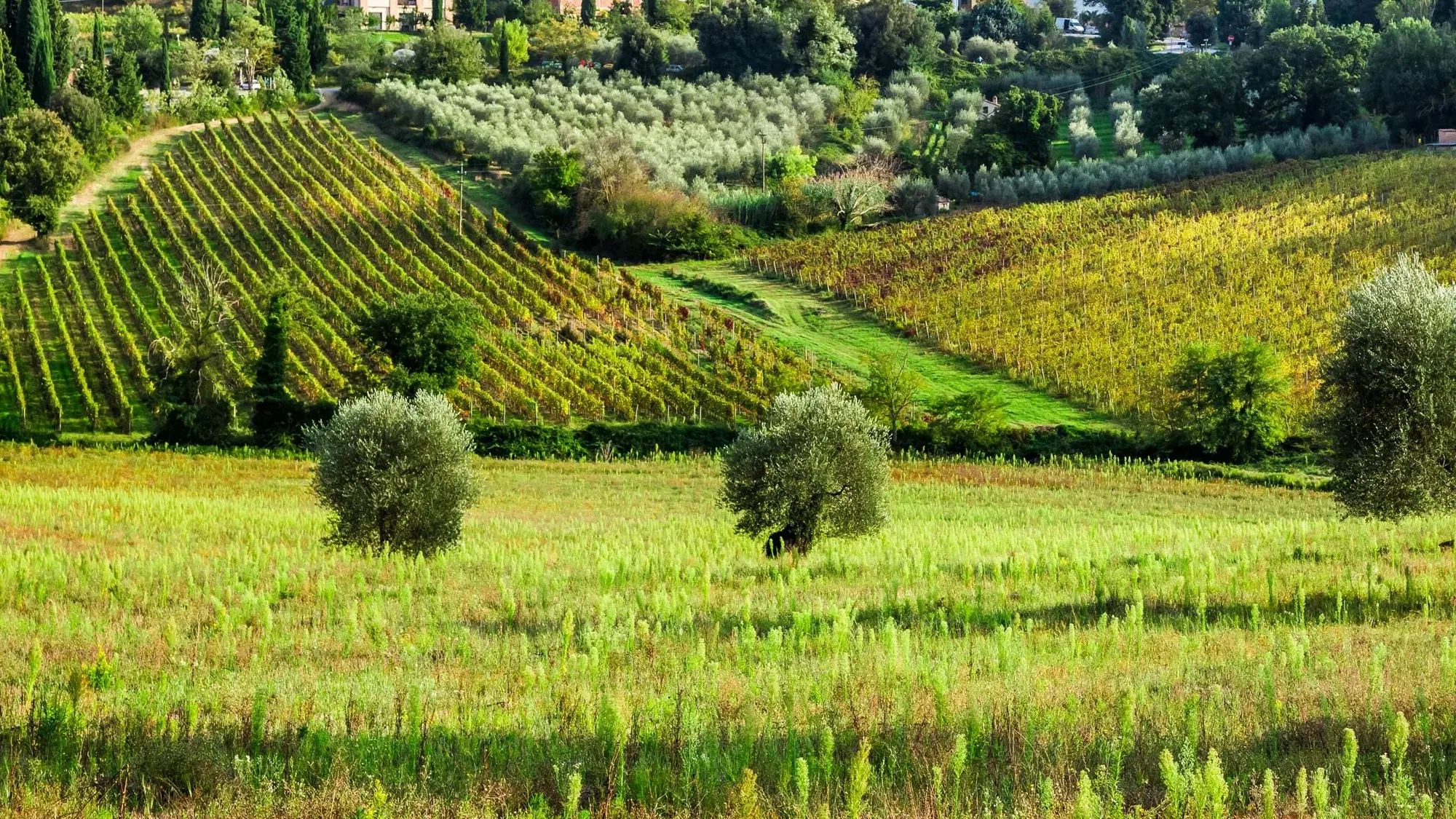
Wine and Spirits
A Valdicava Winery Visit in Montalcino
Planning a Valdicava winery visit in Montalcino? Here’s a practical guide to the estate, its Brunello focus, and what to consider before you go.
Planning a Valdicava winery visit in Montalcino? Here’s a practical guide to the estate, its Brunello focus, and what to consider before you go.
Set in Montalcino, Tuscany, Valdicava is known for its Brunello di Montalcino wines, made from Sangiovese Grosso grapes and shaped by the estate’s hillside setting.
The property is associated with a focused, vineyard-driven approach and a comparatively small production scale, which helps explain why the estate draws attention from collectors and Brunello enthusiasts. The broader appeal lies in the balance between site, tradition, and careful cellar work rather than any single number or headline figure.
A visit to Valdicava winery combines the atmosphere of a working Tuscan estate with the chance to understand how the property’s vineyards and winemaking choices shape the finished wines. Located near Montalcino, the winery is a strong stop for anyone exploring the region’s Brunello culture.
Whether you're a seasoned collector or a casual wine lover, Valdicava offers an intimate glimpse into one of Montalcino’s most closely watched Brunello producers.
Valdicava is renowned for crafting wines that showcase the essence of its terroir, using Sangiovese Grosso as the basis for its Brunello di Montalcino. At the heart of the portfolio is the classic Brunello di Montalcino DOCG, a wine that reflects the balance and aromatic finesse often associated with the Montalcino hills.
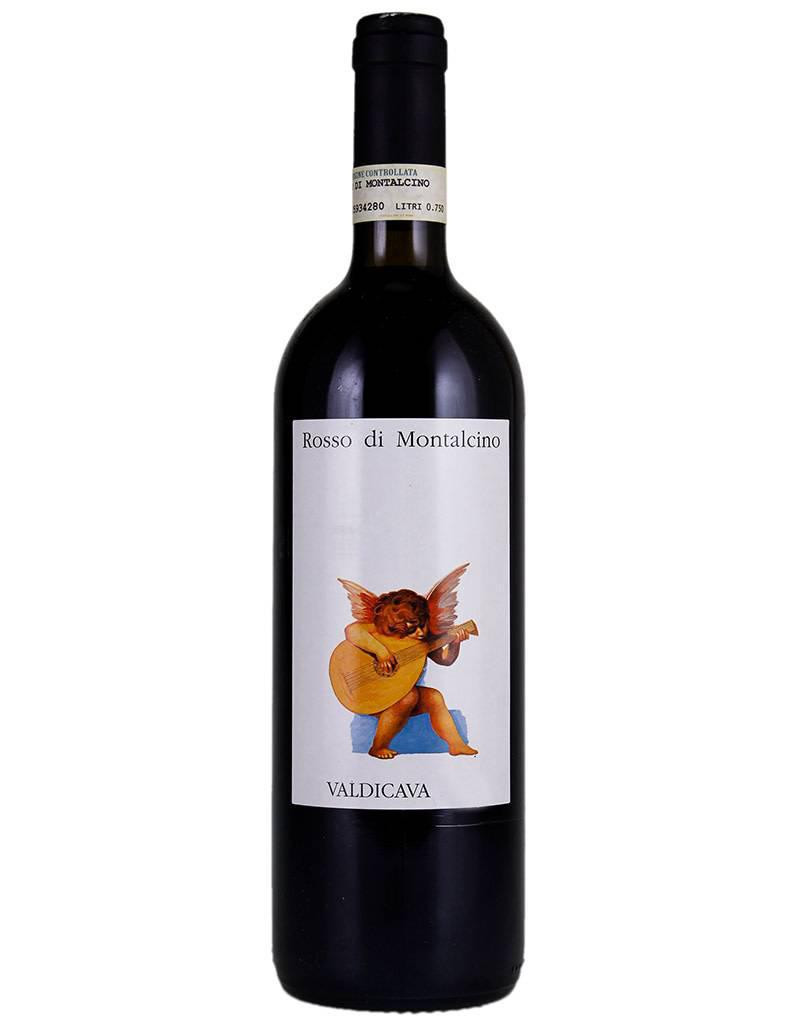
A standout in the collection is the Madonna del Piano Riserva, a single-vineyard Brunello that has long attracted attention for its depth and structure. Rather than focusing on a fixed tasting note profile or a specific market price, it is more useful to think of this wine as an expression of concentration, aging potential, and site character. By emphasizing low-yield farming and restrained cellar work, Valdicava aims to preserve the identity of its hillside vineyards.
These qualities have helped Valdicava build a reputation among Brunello readers and collectors who value precision, structure, and a sense of place.
Valdicava has been discussed positively by wine critics over the years, but current scores and rankings should always be checked in live, up-to-date sources before making purchasing decisions. For a winery like this, critical reputation and market demand can vary substantially by vintage.
Rather than relying on a fixed price range, readers should check current retail or auction listings for the specific vintage they are considering. Brunello pricing can move meaningfully depending on release timing, condition, and age.
With a blend of tradition, vineyard focus, and long-term appeal, Valdicava remains a name worth following in the world of fine wine.
Valdicava should be treated as a winery where advance planning is wise, but current access rules are best confirmed directly with the estate. If you are arranging a visit, use the winery’s official contact information and ask about availability, timing, and the format of the tasting.
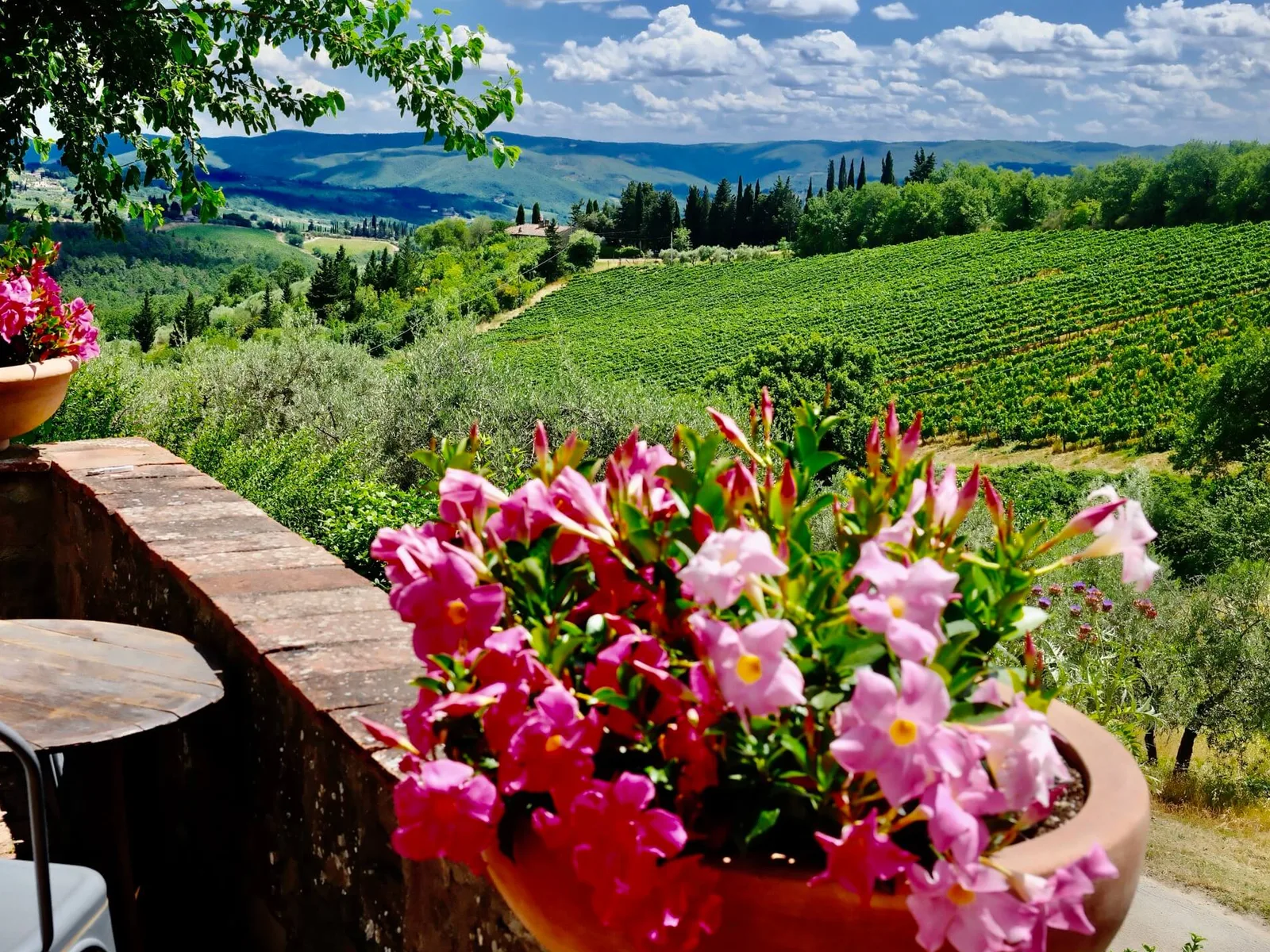
If the winery offers a private visit format, expect a more personal experience than you would find at a larger hospitality-focused property. If access is limited or seasonal, that only makes it more important to plan ahead and confirm the practical details before setting out. A smaller-production estate often rewards visitors who arrive prepared and unhurried.
When visiting Valdicava, smart-casual clothing is a sensible choice for a countryside winery. Comfortable shoes are especially useful if the experience includes time outdoors among the vines or around cellar areas.
The ideal time to visit is usually during the growing season, from late spring through early fall. This period gives you a stronger chance to appreciate the vineyard landscape, the surrounding Tuscan light, and the estate’s setting in context. Be punctual for any arranged appointment or tasting, and consider familiarizing yourself with the winery’s core Brunello bottlings before you arrive.
To round out your visit, consider staying in nearby Montalcino, which offers a range of accommodations and easy access to the estate. The town’s historic center provides a useful base for restaurants, shops, and local wine bars that complement a Brunello-focused itinerary.
For a more immersive experience, a countryside stay can be a good way to slow the trip down and spend more time among the vineyards and hill towns. Tuscany rewards visitors who leave room in the schedule for unplanned stops, scenic drives, and long lunches.
While in the area, don't miss the chance to visit the Abbazia di Sant'Antimo, a Romanesque abbey that offers a striking contrast to the energy of a winery day. Additionally, explore Montalcino's Fortezza, a historic fortress with panoramic views and a strong sense of place. Together, these stops help frame Valdicava's position within the wider landscape of Brunello.
Expect a Tuscan estate shaped by vineyards, agriculture, and the practical needs of winemaking. The atmosphere is likely to feel rooted in place rather than designed as a polished tasting-room experience, which can be a strength for visitors seeking a more authentic perspective on Brunello production.
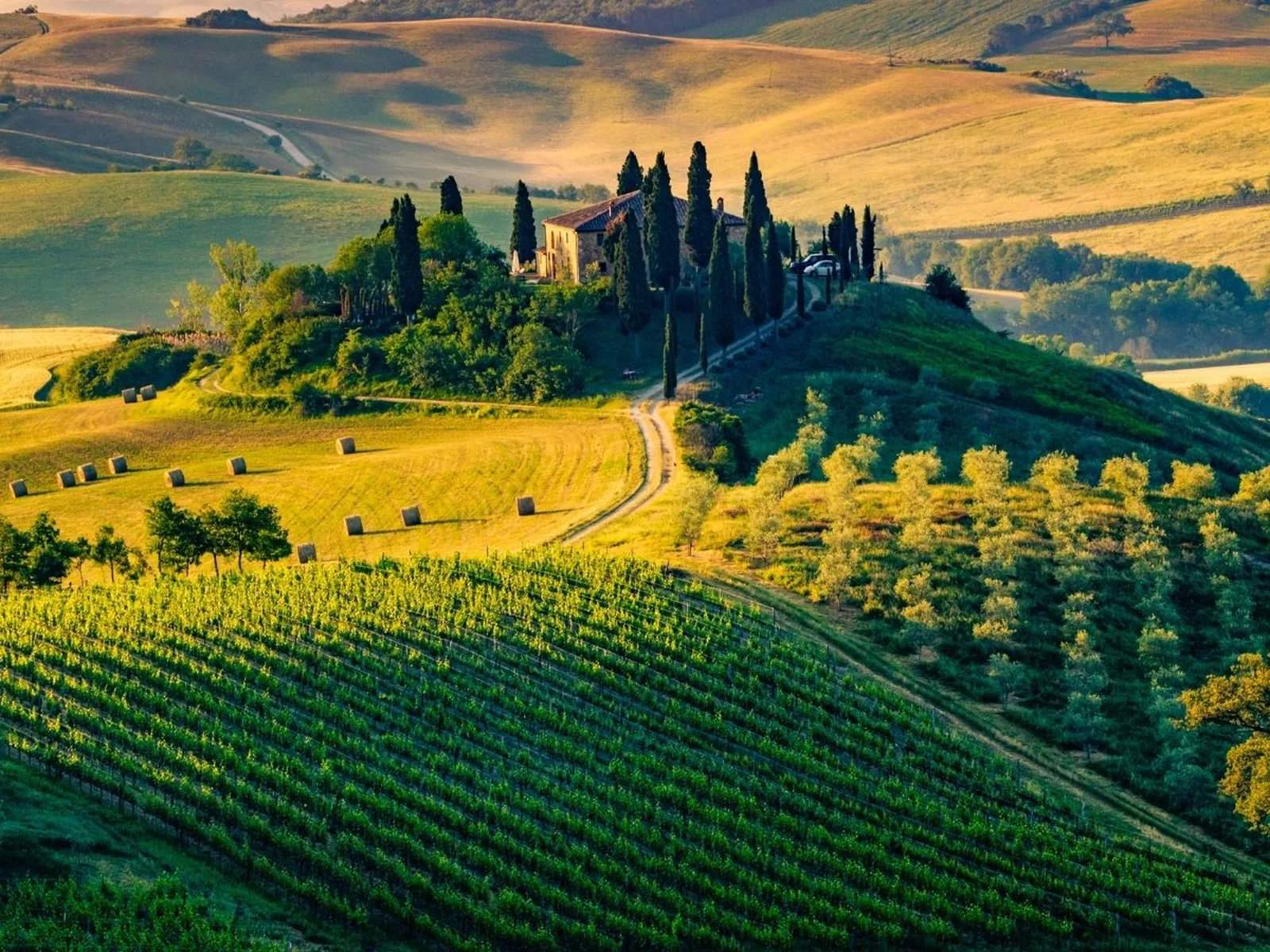
As you move through the property, the main point to watch is how the winery ties vineyard site to the finished wine. If the estate includes older buildings or newer working structures, the contrast can be a useful reminder that Brunello is both a cultural heritage product and an evolving agricultural craft.
The vineyards are an essential part of the story here, and the estate’s hillside geography is what makes the wines worth discussing in the first place. Different parcels can contribute different tones to the final blend, so even without a formal site map, it is easy to see why the estate emphasizes terroir.
Once the tasting begins, expect a guided introduction to the winery’s philosophy and its place within Montalcino. The format may range from a simple pour-through of the core wines to a more in-depth discussion of vineyard sources and cellar choices, depending on who is hosting and how the visit is arranged.
Expect to sample the estate’s Brunello di Montalcino alongside the Madonna del Piano Riserva if it is available for tasting. Rather than focusing on fixed quantities or a rigid script, a good visit should help you understand how the wines express fruit, structure, and ageworthiness. If the winery discusses farming or cellar choices, that context is often just as valuable as the wines themselves.
The guided portion usually works well when it connects the glass to the landscape. Factors such as exposure, elevation, soil composition, and seasonal weather all contribute to the style of the wine, even when the winery chooses to present those ideas in a simple, conversational way.
During the tasting, you’ll want to pay attention to the distinctive traits that define Valdicava wines. A well-made Brunello from this estate may show dark cherry fruit, savory notes, structure, and a firm but polished finish. The exact profile will vary by vintage, so tasting with an open mind is more useful than looking for a preset description.
If your host offers insight into the wines, use that moment to ask how the estate thinks about balance, ripeness, and longevity. Strong Brunello visits are often the ones that connect style to vineyard rather than relying on grand claims.
The mystique must emanate from the sublime vineyards on the north side of Montalcino, which produce particularly precise grapes.
Your host may guide you through identifying these flavor profiles, explaining how the balance of body and aroma sets Montosoli wines apart. The tasting experience is best understood as a study in place, where each vintage tells a slightly different story.
To fully enjoy your time at Valdicava, focus on thoughtful etiquette, capturing your experience, and exploring the surrounding region.
Punctuality is important if you have arranged a visit. Dress appropriately for a working estate and be ready for a setting that may feel more agricultural than formal.
Engage with the staff by asking thoughtful questions. For example, you could inquire about how the local terroir shapes the quality of their Sangiovese or how the estate approaches vineyard and cellar work. Keep your conversations at a low volume and silence your phone to preserve the peaceful and educational environment of the tasting.
Consider bringing a wine notebook to jot down your impressions. Focus on elements like the wine’s appearance, aroma, texture, and finish. Using a notebook eliminates the hassle of dealing with technology and ensures your notes are always accessible.
A simple method like "look, smell, taste, think" can help you organize your observations. Beyond the wine itself, take note of the setting - whether it’s the buildings, the vineyard views, or the surrounding countryside. If you want to take photos, always ask for permission first and aim to capture the estate’s character rather than just snapping pictures of wine bottles.
Why stop at one estate? Extend your trip to fully immerse yourself in the rich wine culture of Tuscany. Consider staying in Montalcino for a few days to explore more of what the region has to offer.
Visiting other nearby wineries can give you a broader appreciation of how Sangiovese is expressed across the area. You might also follow local wine routes, which offer a chance to soak in Tuscany’s timeless landscapes.
If possible, plan your visit during harvest season, typically from late September to early October, when the vineyards are busy with activity. Alternatively, spring offers mild weather and fewer crowds. To make your trip smooth and enjoyable, confirm tastings and restaurant reservations in advance. This extra planning can make your stay both relaxed and memorable.
Valdicava is a compelling example of Brunello di Montalcino winemaking, offering a deep connection to one of Tuscany's most closely followed estates. The winery’s appeal comes from its hillside vineyards, its focus on Brunello, and the way it frames tradition through a contemporary lens.
Valdicava's relative exclusivity is part of its draw. Because access and tasting formats can vary, securing a visit may require patience and flexibility - but that can also make the experience feel more personal when it happens.
What sets Valdicava apart is its emphasis on terroir and on the kind of wine that rewards attention over time. The combination of site, farming choices, and cellar approach can produce Brunello with notable balance and aging potential.
A visit to Valdicava is more than just sampling wine - it's a useful window into the art of Brunello winemaking. Whether you're a seasoned collector or simply a wine lover eager to explore the essence of a great Montalcino estate, Valdicava offers a rewarding stop on a Tuscan itinerary.
Visiting may be possible, but you should confirm the current access policy directly with the estate before planning your trip. Valdicava is a working winery, so visit formats may be limited or arranged on a case-by-case basis.
The flagship wine is the Madonna del Piano (Brunello di Montalcino Riserva). It is a single-vineyard expression that represents the estate’s upper tier and is closely associated with Valdicava’s identity.
The estate is located in the Montosoli area near Montalcino. This northern part of the appellation is often discussed for the way it can help retain freshness and structure in Brunello.
Readers should check the winery directly for the latest corporate and contact information.
Prices vary by vintage, market, and seller, so one reliable approach is to check live retailer or auction listings for the exact bottle you want. If you are considering a visit, ask the winery whether any current-release bottles are available for purchase.
Valdicava’s Brunello wines are generally built with age in mind. Some bottles can be enjoyed earlier, but collectors often hold them for several years so the structure can soften and the aromatics can deepen.
Valdicava's Brunello di Montalcino wines are valued for their combination of structure, site expression, and aging potential. Made from Sangiovese Grosso in the Montalcino appellation, they reflect a style that is firmly rooted in place.
The winery’s approach favors vineyard character and restrained winemaking, which can help the wines show clarity and depth. Their standout bottling, the Madonna del Piano Riserva, is the wine most closely associated with that identity.
Valdicava's vineyards are valued for their hillside position in the Montalcino area, where elevation, exposure, and soil variation can all influence the finished wine. These conditions are part of what gives Brunello its range of styles and its ability to age gracefully.
Adding to this, the estate benefits from a setting that encourages careful farming and a strong connection between vineyard and bottle. That combination helps explain why Valdicava's wines remain such a notable part of the Brunello conversation.
Get the App
Take the shortlist into the En Primeur Club app for concierge access, saved places, and the next step after discovery.
Get Exclusive AccessMore from the editors