
Falstaff Winery - 3 Stars
Podrum Čokot is a small Župa cellar in Starci shaped around Prokupac and Tamjanika rather than international varieties. Its appeal is terroir rather than polish: high-elevation vineyards, limestone and schist soils, restrained cellar work, and Decanter silver recognition for Prokupac place it inside Serbia’s modern native-grape revival.

Pearl is the En Primeur Club membership app — saves, bookings, and concierge access live there. Same editors, same standards.

Approaching wine in Starci means leaving the showroom model behind. The picture of Podrum Čokot is modest and cellar-led: a small, family-run producer in a rural Župa village setting, focused on low-intervention, terroir-driven wines from Prokupac and Tamjanika. Its atmosphere is intimate and rustic rather than polished, with a garage-winery feel and simple production character. That framing is important from the beginning, because it sets expectations in the right place: the interest is not in spectacle, architectural drama, or a large hospitality machine, but in a close, grounded encounter with a cellar whose identity is built around place and grape variety.
That matters because the clearest story here is not luxury hospitality or a broad commercial range. It is the way a small Župa cellar can put local grape identity at the center. Podrum Čokot’s focus is narrow: Prokupac and Tamjanika, handled through a low-intervention, terroir-minded lens in a rural Starci setting. In practical terms, that narrowness is part of the point. Rather than presenting itself as everything at once, the venue reads as a compact expression of its surroundings, with the family-run scale and rustic mood helping the wines feel connected to the village context in which they are made.
Župa terroir, read through Prokupac and Tamjanika
The stronger reason to pay attention here is the regional context. Starci sits within Župa’s wine landscape, and Podrum Čokot is framed by that rural village setting rather than by a polished estate model. The emphasis is on terroir-driven wines, especially from Prokupac and Tamjanika. These grapes are not treated here as decorative details in a broader hospitality concept; they are the central language through which the cellar communicates its sense of place. For visitors trying to understand why Župa matters as a wine region, that focus gives the stop a clear interpretive value.
For Podrum Čokot, the important grounded point is not a long list of cuvées, technical details, or production figures, but the cellar’s focus on these grapes and on a low-intervention approach. The result is a venue best understood as a compact regional producer rather than a broad visitor-oriented winery complex. Its appeal comes from concentration rather than range: the chance to see how a small rural producer frames Prokupac and Tamjanika without turning the visit into a polished performance.
Those are the facts that define the venue. The rest of the experience should be read through them: Župa, Starci, Prokupac, Tamjanika, low-intervention intent, and a modest cellar environment.
A cellar defined by scale, not spectacle
Podrum Čokot is best understood as a small producer whose value is in the cellar rather than in a highly staged room. The atmosphere is intimate and rustic, with a garage-winery feel and simple production character. That does not make it less serious as a wine stop; it simply means the seriousness is expressed through small scale, directness, and a lack of unnecessary polish. The venue’s character is closer to a working rural cellar than to a designed tasting destination.
That makes it better suited to travelers who care about regional wine identity than to those looking for elaborate hospitality choreography. The appeal is the chance to understand how a small Župa producer presents Prokupac and Tamjanika in a low-intervention, terroir-driven way. Visitors who respond to this kind of place will likely value its restraint: the feeling that the cellar does not need to over-explain itself with a broad range or a staged setting, because its strongest points are already contained in its scale, grapes, and location.
The grounded editorial case is simpler: Podrum Čokot is a rural Starci cellar whose identity rests on Prokupac, Tamjanika, family-run scale, and an intimate, unpolished atmosphere. It is a venue where the absence of gloss is not incidental but part of how the place is best understood.
How to place it within a Starci wine itinerary
For planning around the area, treat Podrum Čokot as a specialist stop within a broader Župa and Serbian wine route rather than as a luxury-wine-tourism set piece. Starci is the anchor, and the surrounding region rewards travelers who build time around producers, village roads, and grape-focused tasting. Use Our full Starci wineries guide as the natural starting point, then round out the trip through Our full Starci restaurants guide, Our full Starci hotels guide, Our full Starci bars guide, and Our full Starci experiences guide. That broader planning frame helps place the cellar in the right category: not as a standalone resort-style destination, but as one meaningful stop for travelers interested in the texture of local wine production.
Travelers mapping a wider cellar itinerary can compare Podrum Čokot with other Serbian and regional producers generically, but the key local reference remains Podrum Čokot itself. In Starci, it is best framed as a compact, family-run Župa cellar rather than as part of a dense urban dining or nightlife scene. Its role in an itinerary is therefore about focus and context: a small-scale encounter with Prokupac, Tamjanika, and a rural production atmosphere, set within the wider rhythm of Župa wine travel.
The editorial case is clear: Podrum Čokot is not a polished hospitality estate. It is a small, rustic Župa cellar in Starci where Prokupac, Tamjanika, low-intervention winemaking, and a rural family-run setting carry the story. Go in expecting modesty, locality, and a cellar-led identity, and the venue makes sense on its own terms.
Recognition history
Dated appearances from independent guides and award organizations, with the underlying list record or original source where available.
Falstaff Winery - 3 Stars
Falstaff
Continue exploring
More in Starci
Wineries in Starci
All wineries in Starci →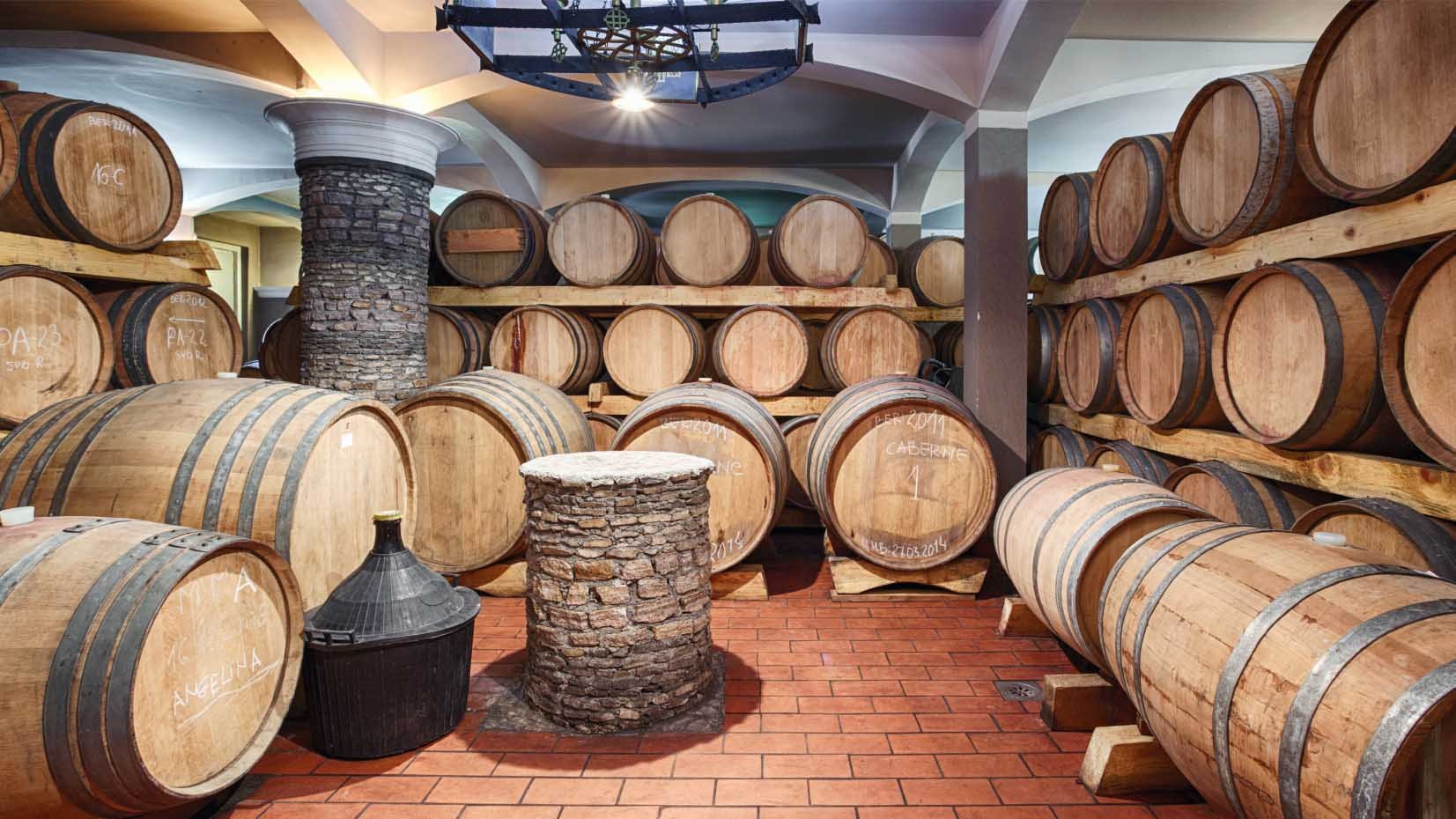
Restaurants in Starci
Browse all →
Hotels in Starci
Browse all →
Details
- Rustic
- Intimate
- Classic
- Solo Exploration
- Wine Education
- Romantic Getaway
- Vineyard
- Mountain
- Prokupac
- Tamjanika
- Still Red
- Still White
Small, family-run cellar in a rural Župa village setting, focused on low-intervention, terroir-driven wines from Prokupac and Tamjanika; atmosphere is intimate and rustic rather than polished, with a garage-winery feel and simple production spaces rather than a formal tasting room.