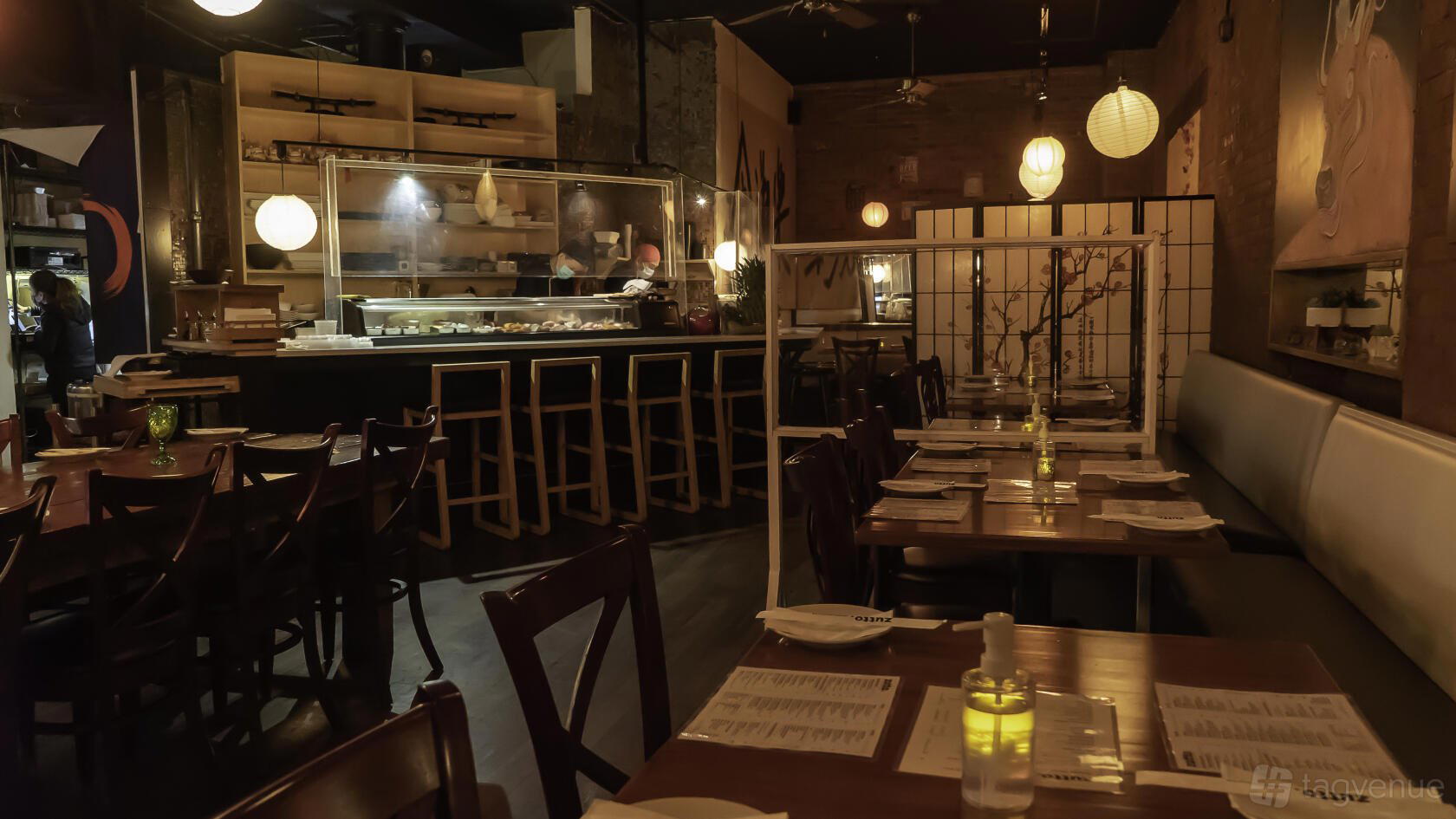
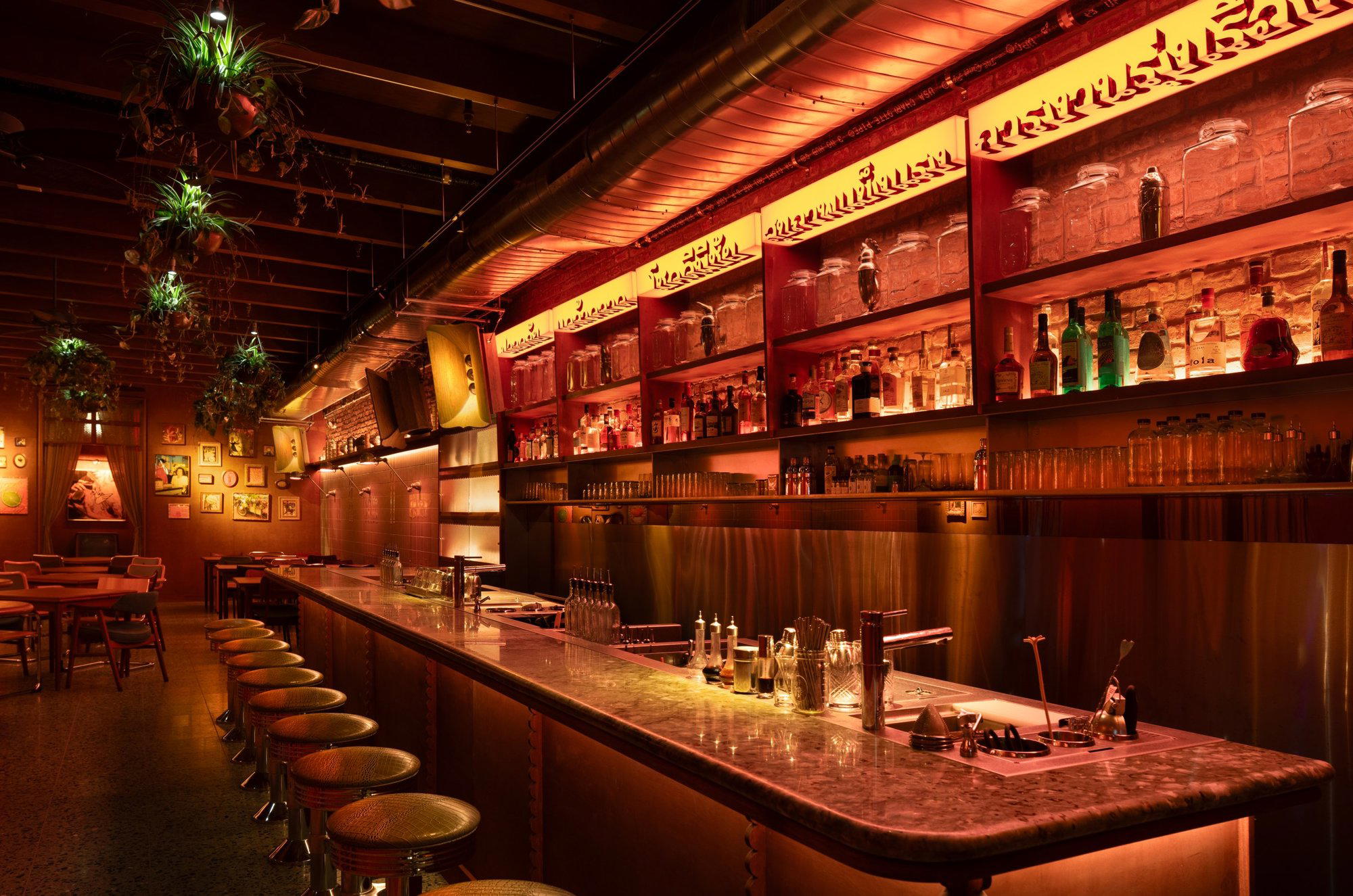
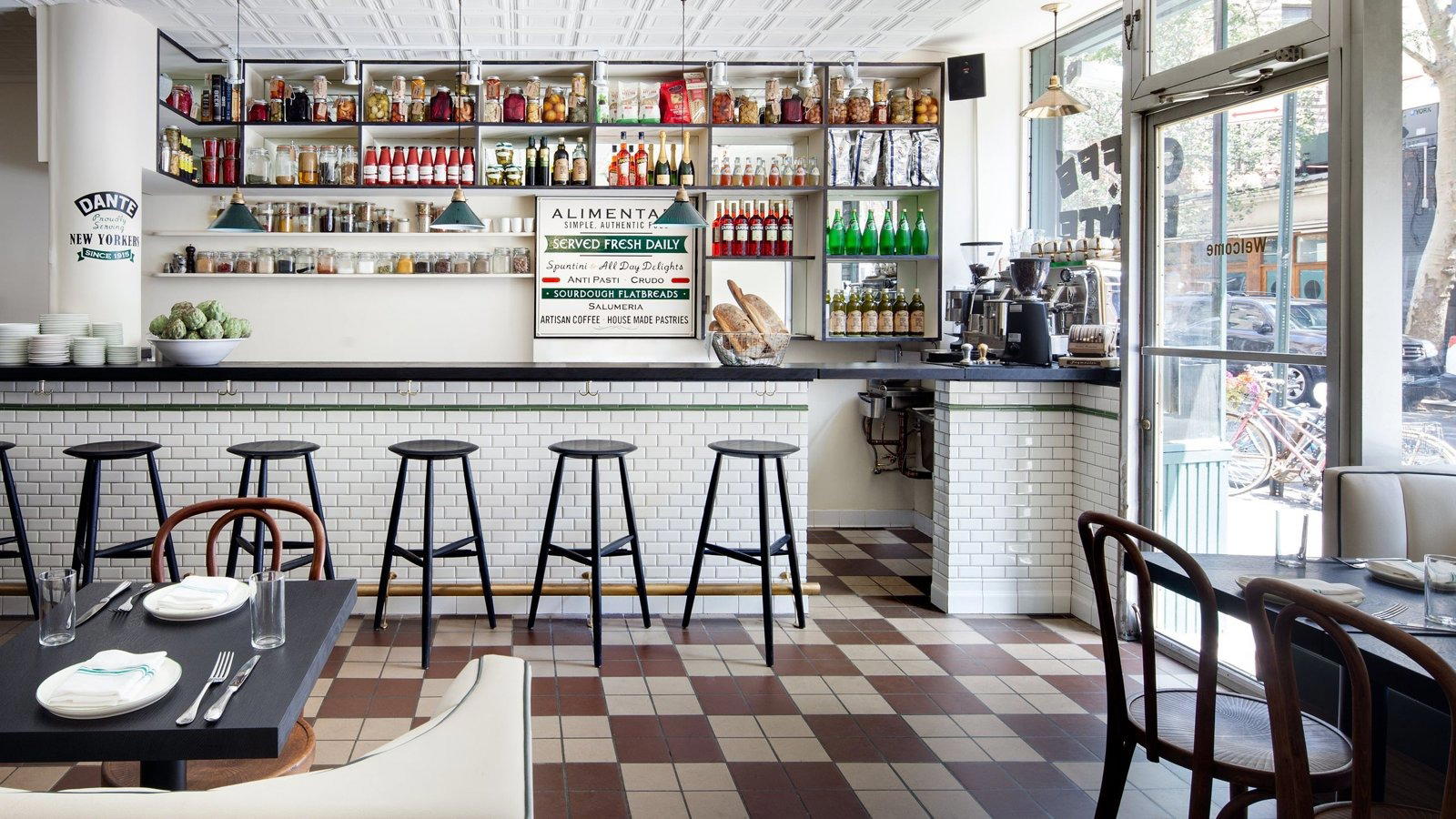
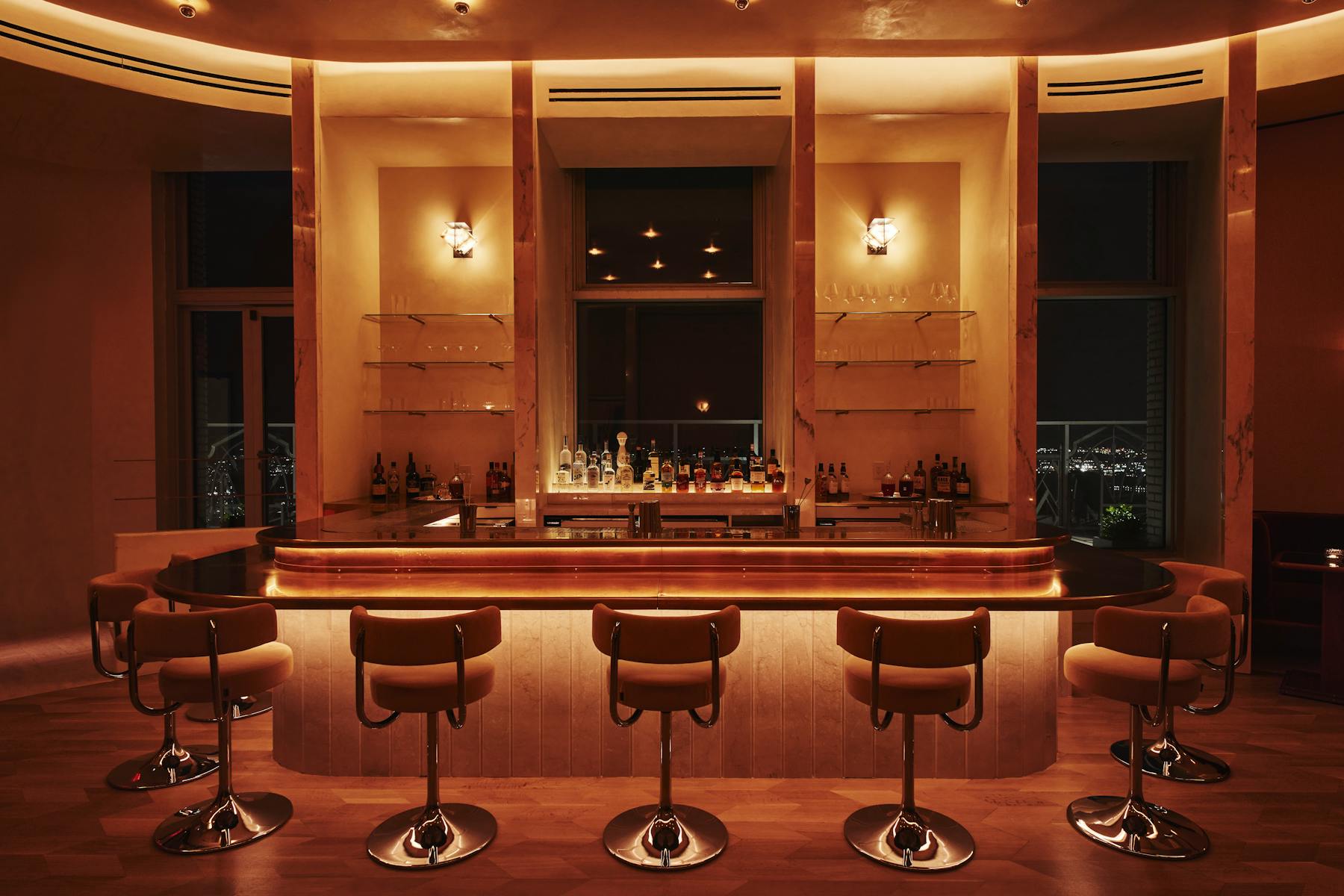
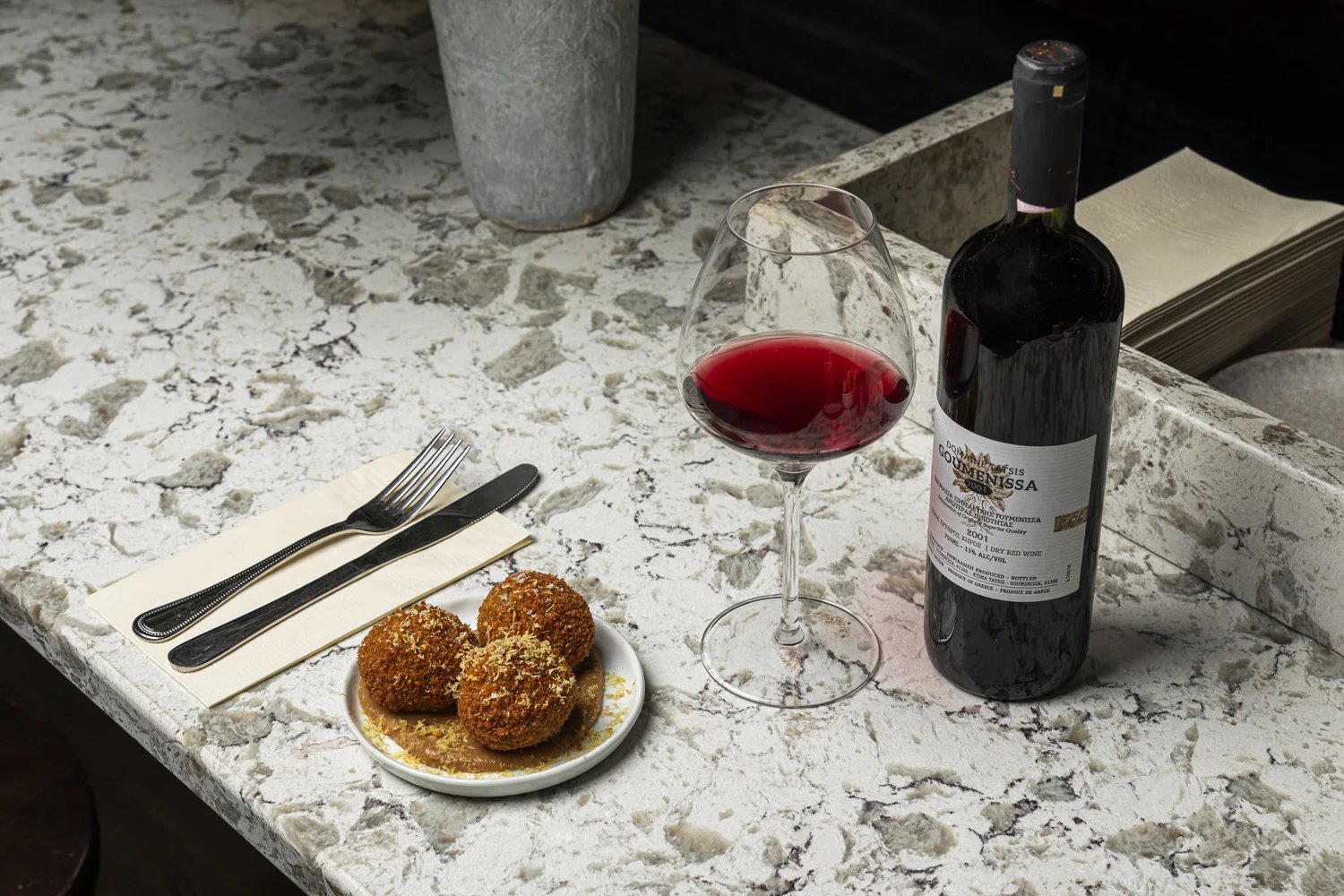
That intersection, local ingredients met with imported technique, is where the Japanese-American pub format does its most interesting work. Japanese culinary methods, the care around temperature, texture contrast, and the avoidance of redundant richness, apply to American proteins and produce with results that can feel genuinely additive rather than derivative. The discipline of the Japanese kitchen, its insistence on restraint as a form of respect for ingredient quality, is not cultural decoration when applied to, say, mid-Atlantic seafood or Hudson Valley produce. It shifts the way those ingredients read on the plate.
Bars and restaurants operating in adjacent territory across the United States have shown that the hybrid category has real traction when it commits. Kumiko in Chicago applies Japanese technique to the cocktail program alongside its food offer. Bar Leather Apron in Honolulu draws on Pacific cross-cultural currents in its approach to hospitality and drinks. The common thread is seriousness about the imported framework without nostalgia for a particular geography.
TriBeCa's Drinking Culture and Where Zutto Sits
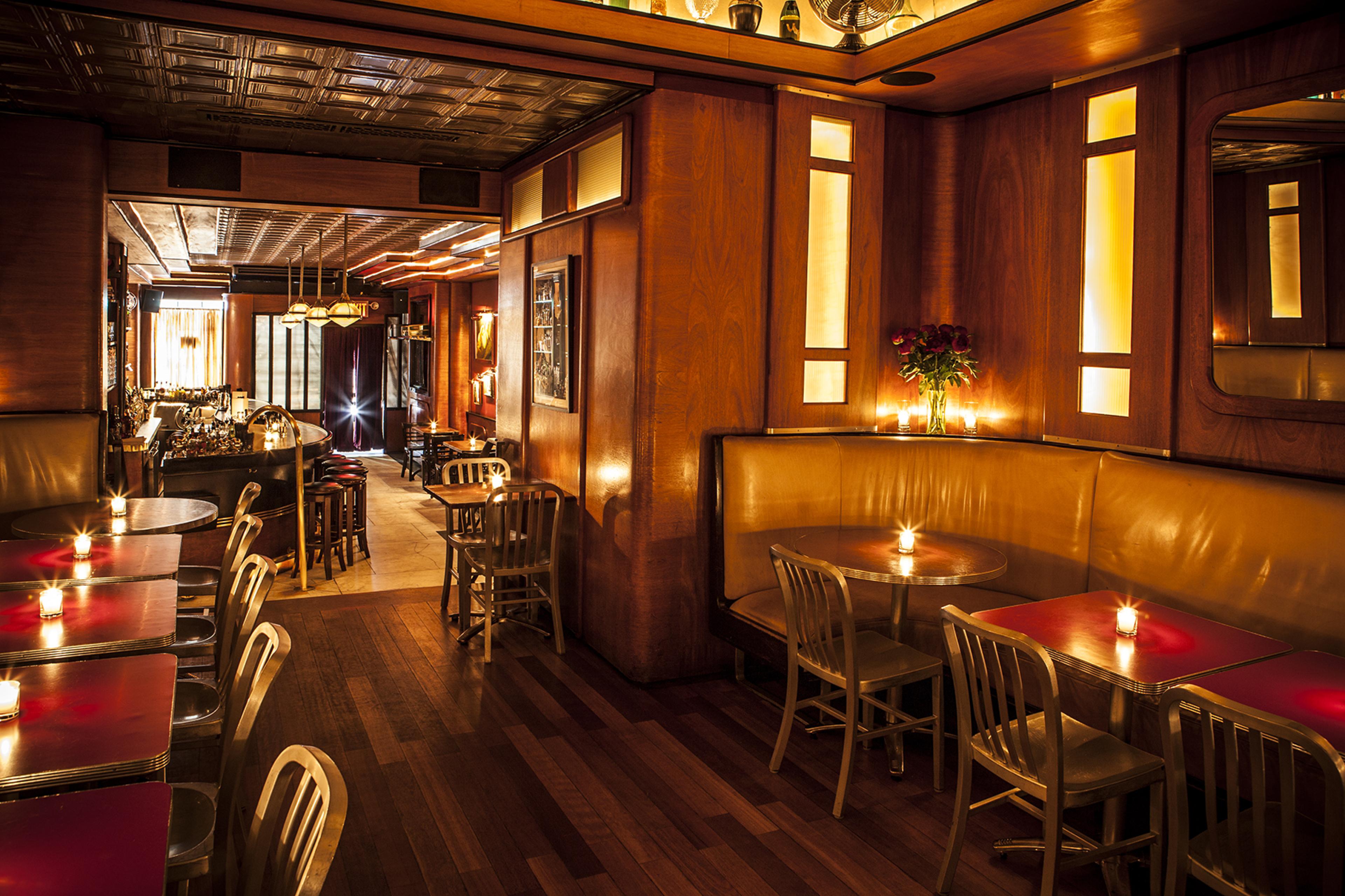
New York's bar and pub scene has moved through several identifiable phases over the past fifteen years. The speakeasy revival of the late 2000s gave way to a period of technical rigor centered on clarified spirits, house-made syrups, and Japanese whisky programs. Angel's Share, operating in the East Village, has long represented the older model of Japanese bar culture transplanted to New York: serious whisky, disciplined service, and a format that rewards patience. Attaboy NYC sits in the bespoke-cocktail tradition, where guest preference and bartender instinct replace the fixed menu. Amor y Amargo has made bitterness its organizing principle. Superbueno works the Latin-inspired cocktail space with its own technical focus.
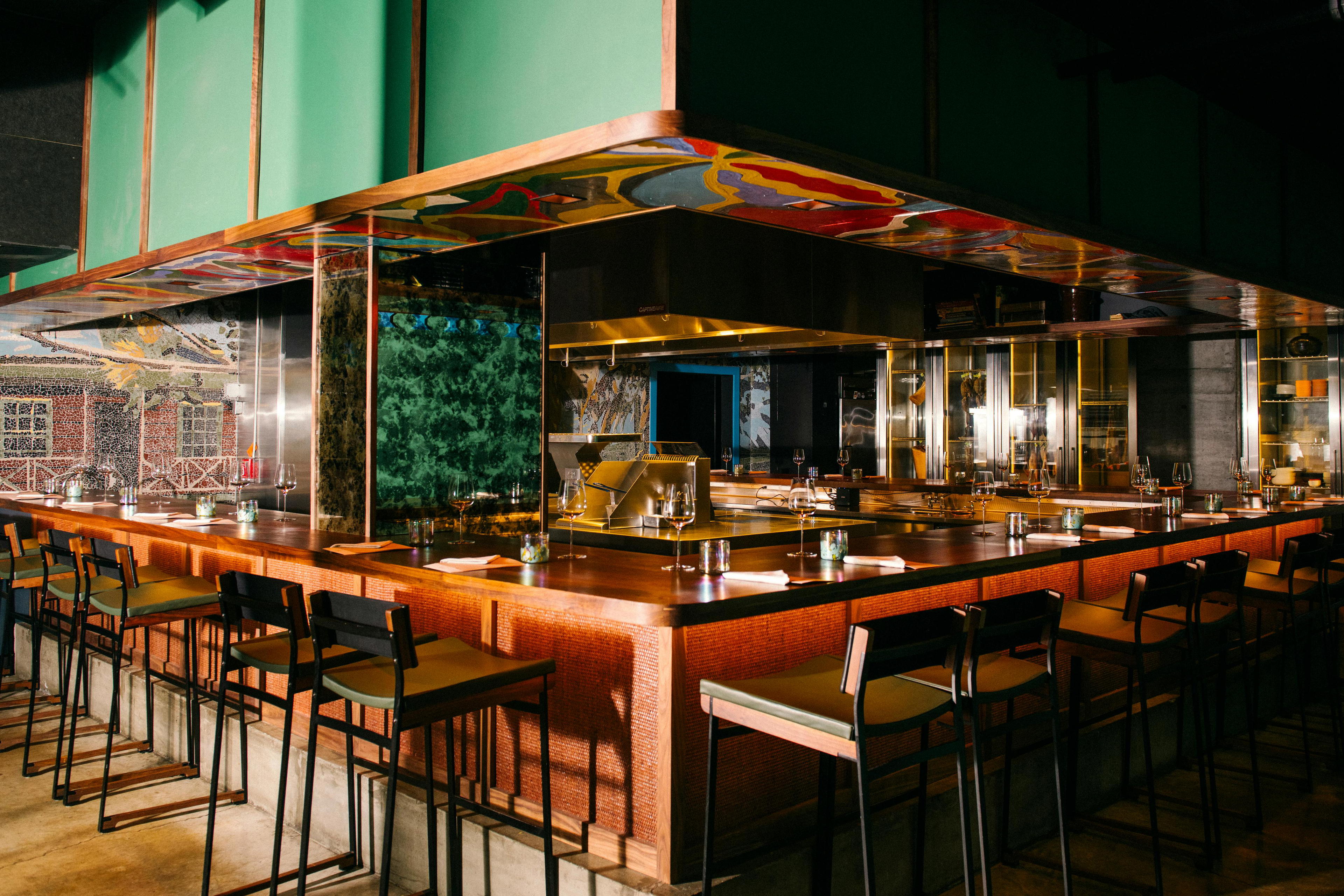
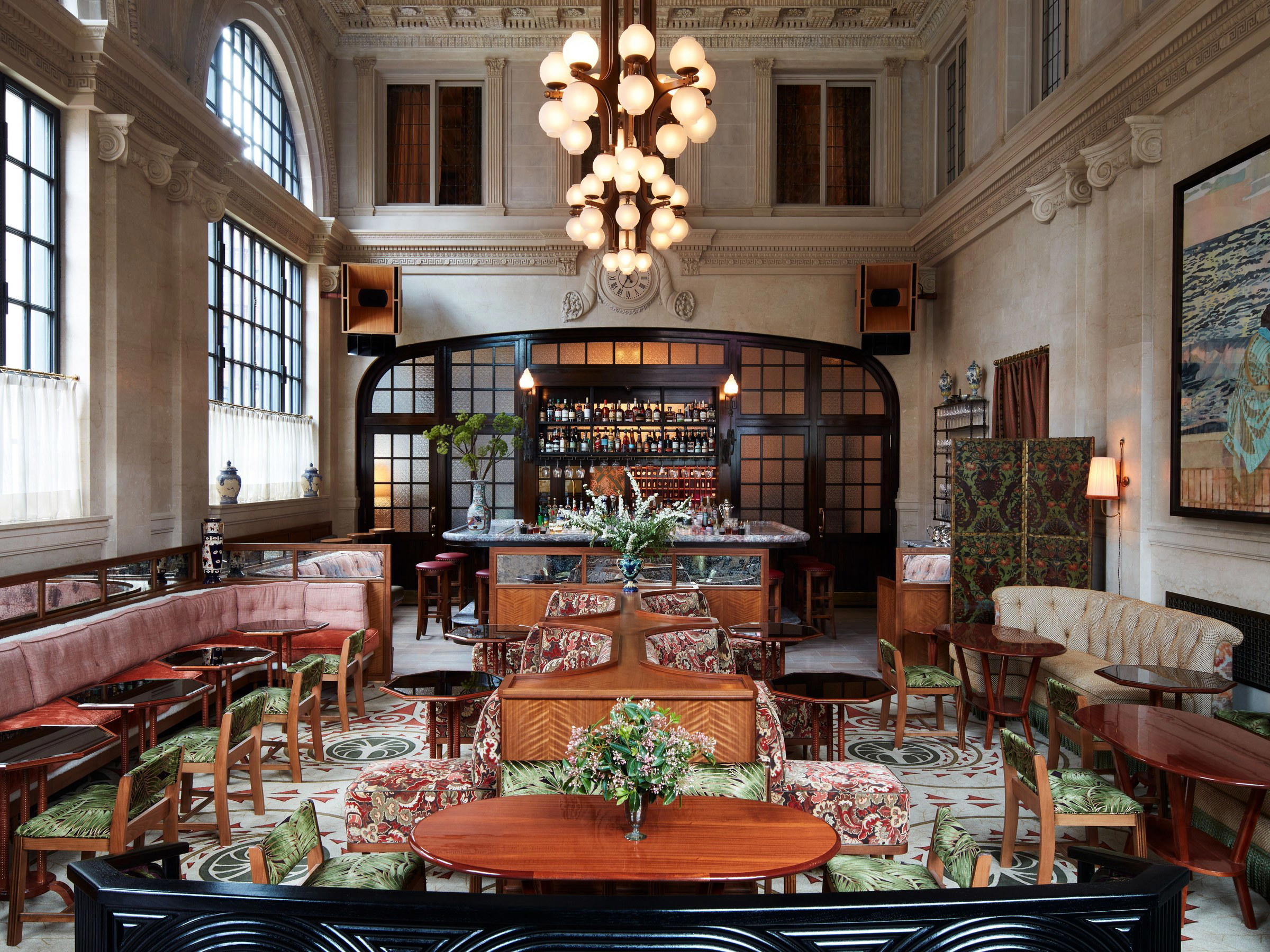
Zutto operates in a different lane from all of them. The pub frame means the drinks program is not the singular event; it supports the food and the length of the evening in equal measure. That is a meaningful structural difference. In TriBeCa specifically, where residential density creates demand for reliable neighborhood venues that function across multiple hours of an evening, the pub model has practical advantages over destination-only formats.
The neighborhood comparison extends to the street: Hudson Street at this stretch of TriBeCa sits among a range of independent operators, and the pub does not need to compete with the Michelin-tier ambition of nearby venues. It occupies a different moment in the evening and a different price expectation, even if the cooking takes technique seriously.
The Case for the Hybrid Format
Japanese-American dining in New York has historically resolved into two poles: the high-formality omakase counter, where the interaction is choreographed and the price reflects that, and the fast-casual ramen or donburi operation where speed is the value proposition. The mid-register, where a kitchen applies genuine Japanese technique to a casual, convivial setting with a broad drinks offer, is a less populated tier in New York than in cities like Los Angeles or San Francisco, where the hybrid pub format has deeper roots.
That relative scarcity in New York makes the category more interesting, not less. A venue that holds the izakaya's structural logic, drinks-first, food as extended grazing, communal ordering, long evenings, within a city that defaults to either high ceremony or quick turnover is filling a gap that a specific type of diner notices and values. Regulars at this kind of venue tend to be people who want the evening to have some shape without the formality of a tasting menu, and who find the Japanese approach to small plates more satisfying than the European tapas model it superficially resembles.
The difference is precision. Spanish tapas and Italian cicchetti are traditions of abundance and variety. Japanese izakaya cooking is a tradition of attention to each individual item, even when the setting is loose and the drinking is central. That distinction, which is a technical and philosophical one, is what separates a well-executed Japanese-American pub from a bar that happens to have edamame on the menu.
Elsewhere in the country, venues navigating this territory include Jewel of the South in New Orleans, which applies historical American framework to a refined drinks program, and Julep in Houston, which centers Southern hospitality around a specific culinary and drinks tradition. ABV in San Francisco and Allegory in Washington, D.C. each demonstrate that serious technical programs can exist inside casual formats without contradiction. The Parlour in Frankfurt on the Main shows the same principle operating across a different cultural context entirely. The thread connecting these venues is commitment to format discipline: knowing what you are and not hedging.
Planning Your Visit
Zutto sits at 77 Hudson Street in TriBeCa, a few blocks from the Franklin Street and Chambers Street subway stops on the 1, 2, and 3 lines. The neighborhood is quieter than Soho or the West Village after dark, which affects the walk from the subway and the general atmosphere on the street. For a broader sense of where this venue fits within New York's drinking and dining culture, see our full New York City restaurants guide.
Know Before You Go
- Address: 77 Hudson St, New York, NY 10013
- Neighbourhood: TriBeCa, Manhattan
- Format: Japanese-American pub; izakaya-influenced, drinks and food program running in parallel
- Getting There: Franklin St (1 train) or Chambers St (1/2/3) are the closest subway options
- Price Range: Not confirmed; consistent with the TriBeCa mid-register pub category