El Rio Grande
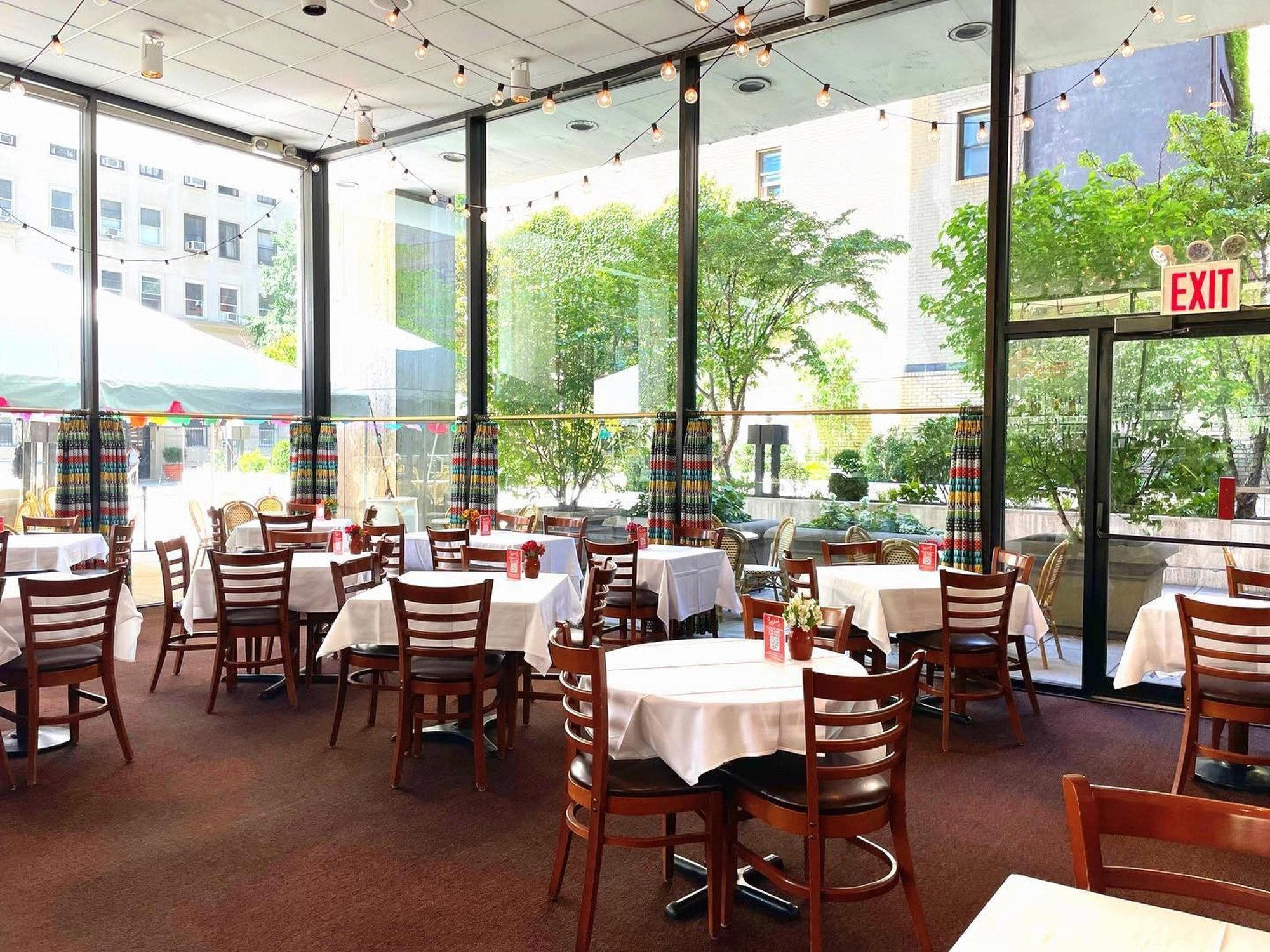
El Rio Grande at 160 E 38th St has served Murray Hill as a neighbourhood anchor since before the blocks around it filled with glass towers. The bar operates at the intersection of Midtown's working crowd and the residential pocket that defines this stretch of the East Side, functioning less as a destination than as a place people return to without much deliberation.
- Address
- 160 E 38th St, New York, NY 10016
- Phone
- +1 212 867 0922
- Website
- elriograndenyc.com
- Directions
- Get directions
Murray Hill's Midtown Anchor
The blocks between Third and Lexington in the high thirties occupy an odd position in Manhattan's social geography. Too far east for the Midtown corporate lunch circuit, too far from the Village to draw the downtown crowd, this corridor belongs to the people who actually live and work in Murray Hill: the hospital staff from NYU Langone a few avenues north, the mid-career renters who settled here before the neighbourhood became shorthand for a certain demographic, the office workers who never bothered to migrate to trendier after-work destinations. El Rio Grande at 160 E 38th St is the kind of place that functions on that logic. It does not need to explain itself to regulars because regulars already know.
New York's bar scene has long sorted itself into distinct tiers. On one end sit the precision-cocktail destinations: places like Amor y Amargo, where the menu is built around bitters education, or Angel's Share, the East Village Japanese-style bar that helped establish New York's quiet, technique-led drinking culture in the 1990s. Further downtown, spots like Attaboy NYC on Eldridge Street operate on a no-menu, bartender-drives model that requires a certain level of engagement from the guest. And on the livelier, louder end of the contemporary spectrum, Superbueno in the East Village runs a high-energy Mexican-inspired program that positions itself as a night out rather than a neighbourhood stop. El Rio Grande occupies a different register entirely: the bar that is simply there, reliably, without theatrical framing.
The Role of the Neighbourhood Watering Hole in a City of Destinations
There is a structural argument to be made for bars that resist the destination model. New York's food and drink media gravitates toward opening weeks, tasting menus, and recognition-list placements. That attention is reasonable, but it flattens the understanding of how most people in the city actually drink. The neighbourhood bar, in the Murray Hill mould, serves a social function that a twelve-seat cocktail counter cannot: it absorbs a Tuesday evening, a post-work decompression, a spontaneous gathering that did not require a reservation made three weeks prior. That function has sustained this part of the East Side for decades, and El Rio Grande has been part of that pattern.
The Mexican-bar-and-restaurant format it operates within is well-established across New York. Margaritas and large-format frozen drinks have a practical genius in a city where bar space is often at a premium and groups arrive in unpredictable sizes. The format permits a kind of social flexibility that a more curated program does not: you can nurse a drink alone at the bar, or you can occupy a table with eight colleagues who all want something cold and immediate. That elasticity is part of why these formats have endured in Midtown-adjacent neighbourhoods where the after-work crowd varies dramatically by day and season.
Comparing the Approach Across American Cities
The neighbourhood anchor model, while common in New York, plays out differently across American cities. Julep in Houston built its identity around Southern hospitality and a deep whiskey program while remaining rooted in a specific community. ABV in San Francisco runs a serious but approachable craft program in the Mission, calibrated to the neighbourhood rather than to external recognition. Jewel of the South in New Orleans leans into the city's cocktail heritage without abandoning its local function. Kumiko in Chicago sits at a different point on the spectrum, with a highly deliberate Japanese-influenced program, but still maintains a neighbourhood-scale intimacy. What these bars share, despite their differences in ambition and format, is a legibility to their immediate communities. The same logic applies at the Murray Hill level, where the expectation is reliability over revelation.
Internationally, that same dynamic appears at bars like Bar Leather Apron in Honolulu, which built a precise cocktail identity that still serves a consistent local base, and The Parlour in Frankfurt on the Main, which occupies a similar position in its city's bar geography. Even Allegory in Washington, D.C. demonstrates that a cocktail bar can carry both curatorial ambition and neighbourhood function simultaneously. The bar sits on the less curated end of that range, which is not a criticism so much as a placement: it is not competing with the cocktail programs at those addresses.
What to Expect and When to Go
Murray Hill's bar traffic follows a predictable rhythm. Weekday evenings between five and eight draw the after-work cluster; later in the evening the crowd shifts toward younger residents. The weekend dynamic is shaped by the neighbourhood's dense rental population, which skews toward early-to-mid career professionals who tend to treat local bars as a convenience rather than a curated experience. The bar fits that pattern well. It is not a place that rewards a special trip from Brooklyn or the Village, but it is a place that rewards proximity: if you are in Murray Hill, it removes the decision of where to go.
For visitors staying in Midtown East hotels or attending events near Grand Central, which sits roughly ten blocks north, the bar functions as a direct option with a price point and format well below the hotel bar tier in the immediate area. That positioning in the Midtown hotel-adjacent corridor is a practical distinction: you are not paying for a curated cocktail experience, and the bar does not pretend otherwise.
Planning Comparison: El Rio Grande vs. Nearby comparable set
| Venue | Area | Format | Leading For | Booking Required |
|---|---|---|---|---|
| The bar | Murray Hill / Midtown East | Neighbourhood bar-restaurant | Walk-in after-work, groups | No |
| Amor y Amargo | East Village | Bitters-focused cocktail bar | Spirit-forward solo drinking | No (but fills quickly) |
| Attaboy NYC | Lower East Side | No-menu speakeasy | Bartender-led experience | No (walk-in only) |
| Angel's Share | East Village | Japanese-style quiet bar | Refined, low-key drinking | No (limited capacity) |
| Superbueno | East Village | High-energy Mexican bar | Groups, evening out | Recommended |
Cuisine Context
Comparable venues nearby, for context on price, style, and recognition.
| Venue | Cuisine | Price | Notes |
|---|---|---|---|
| El Rio GrandeThis venue — the venue you are viewing | cocktail_bar | $$ | Not listed |
| Ootoya - Union Square | sake_bar | $$ | Greenwich Village |
| Café Kitsuné West Village | wine_bar | $$ | West Village |
| Twins Lounge | lounge | $$ | Greenpoint |
| Kesté Pizza e Vino | wine_bar | $$ | Financial District-Battery Park City |
| The Red Hook Winery | wine_bar | $$ | Carroll Gardens-Cobble Hill-Gowanus-Red Hook |
Continue exploring
More in New York City
Bars in New York City
Browse all →

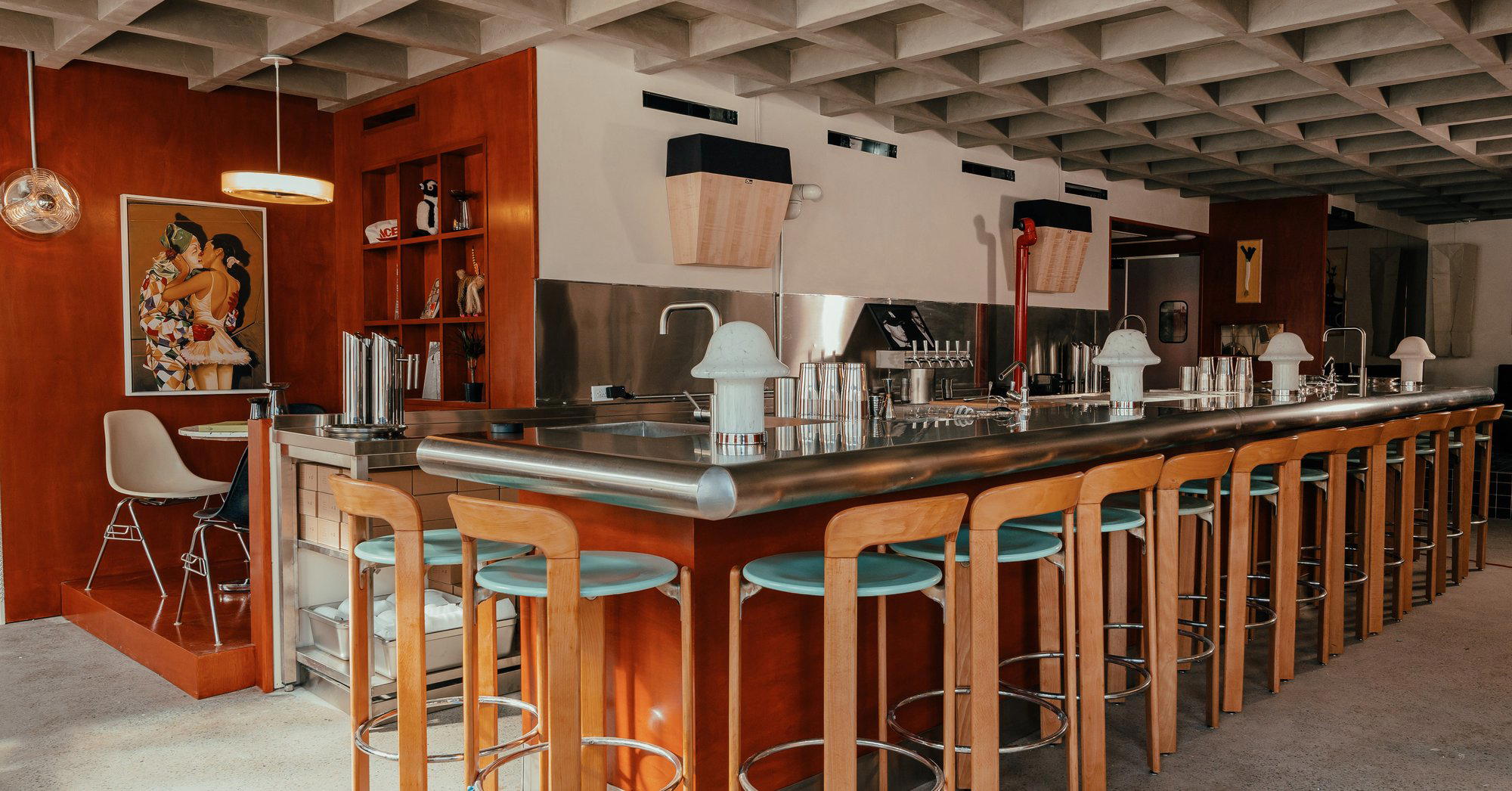
Restaurants in New York City
Browse all →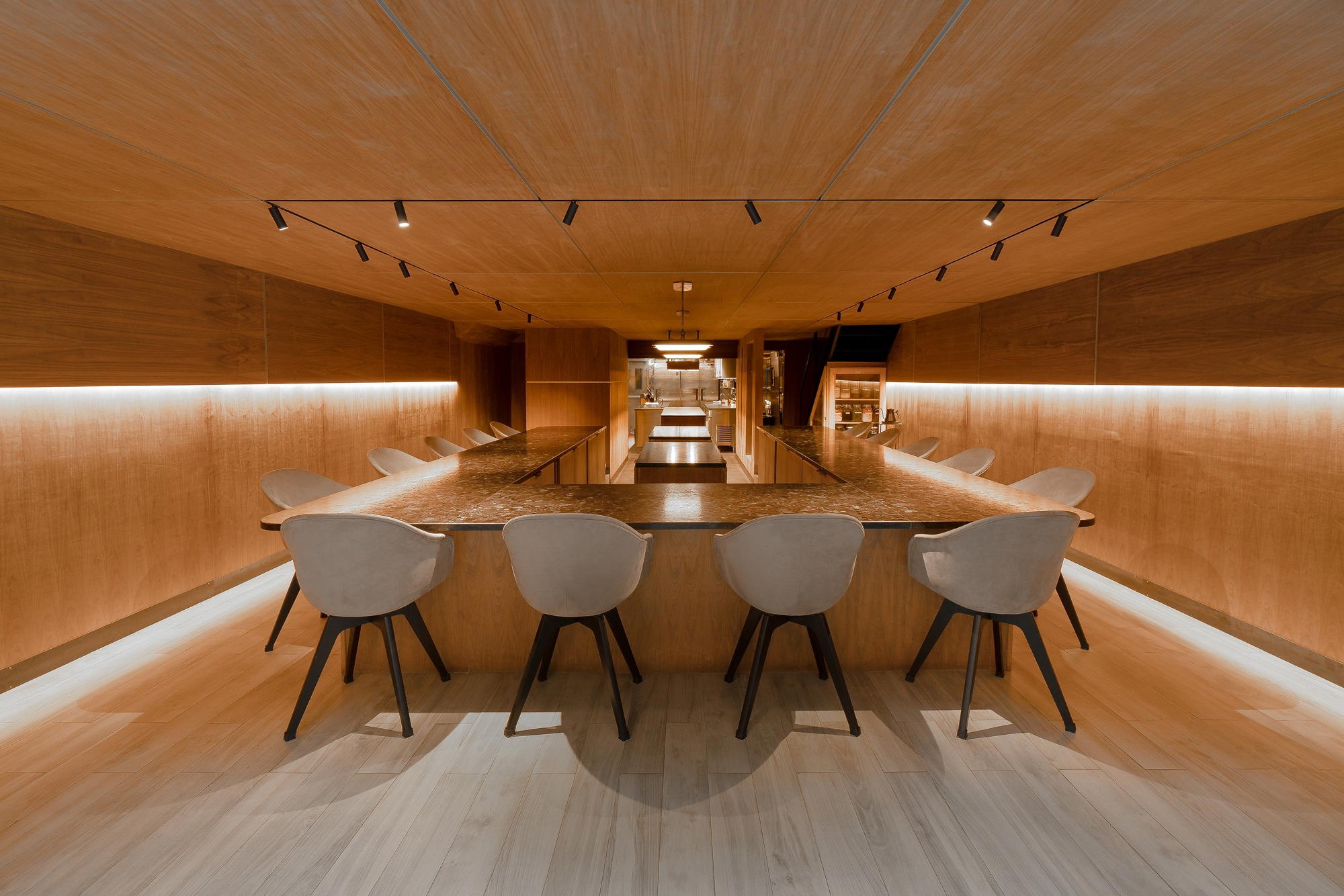
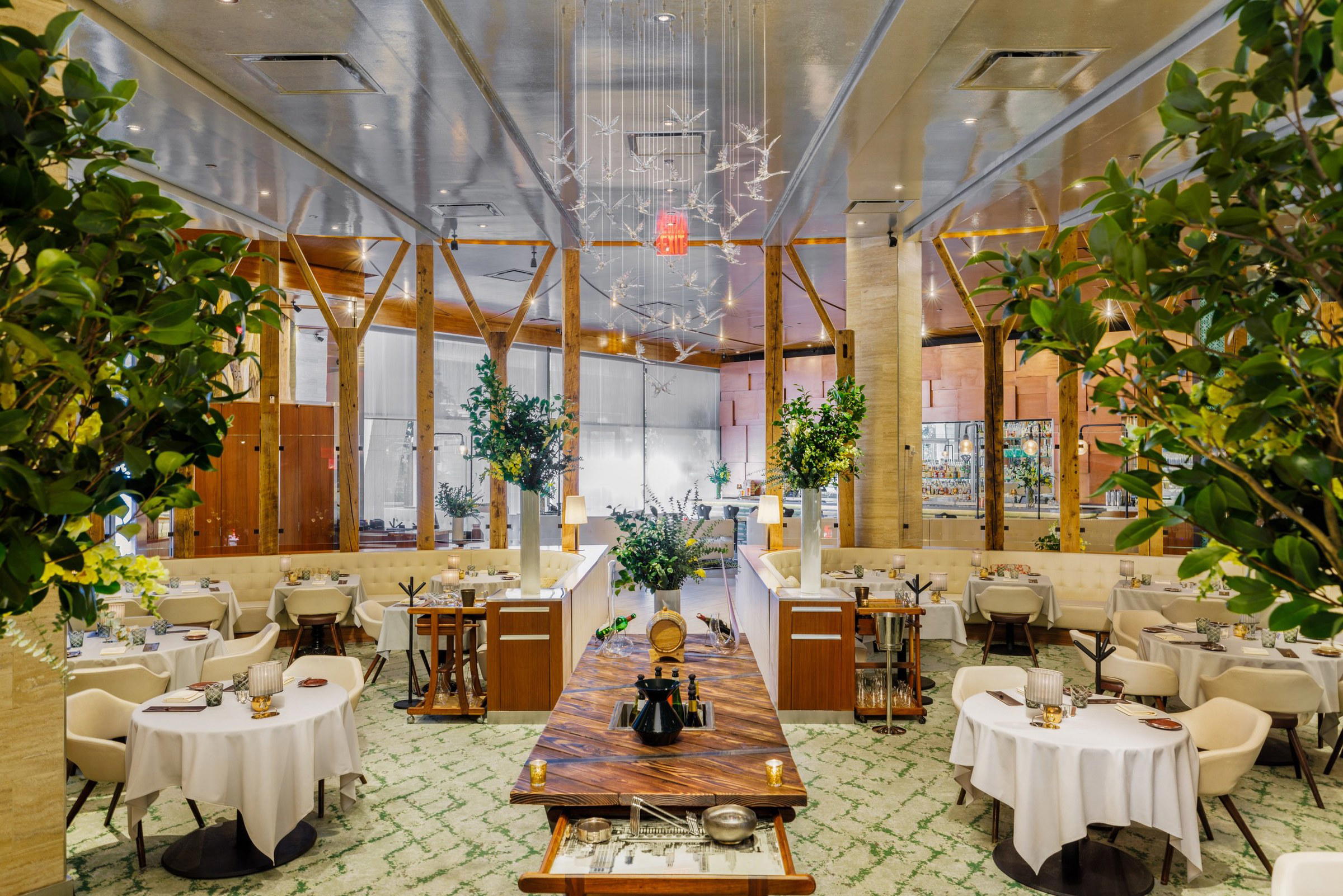
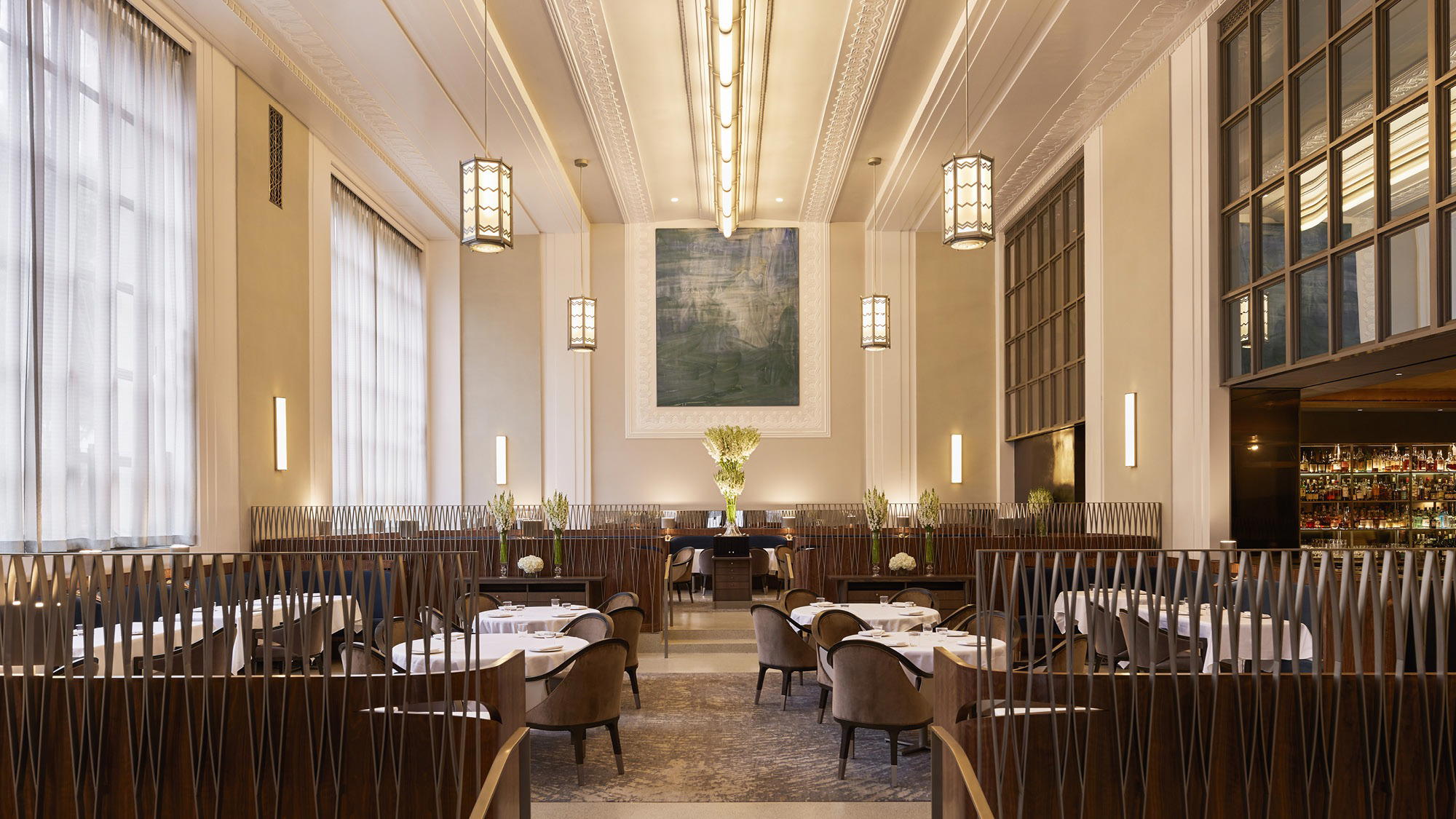
Hotels in New York City
Browse all →





At a Glance
- Lively
- Classic
- Well Known
- Group Outing
- Casual Hangout
- After Work
- Standalone
- Terrace
- Seated Bar
- Outdoor Terrace
- Booth Seating
- Tequila
- Classic Cocktails
- Frozen
- Street Scene
Well-lit space with large Texan flag and buffalo decor, expansive windows overlooking public plaza, charming laid-back bar with bright yellow garage-style doors opening to street in warm weather.