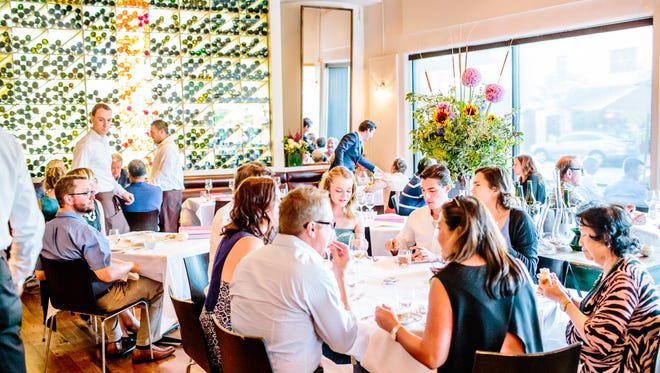
What Atmosphere-Led Pizza Dining Looks Like in Denver
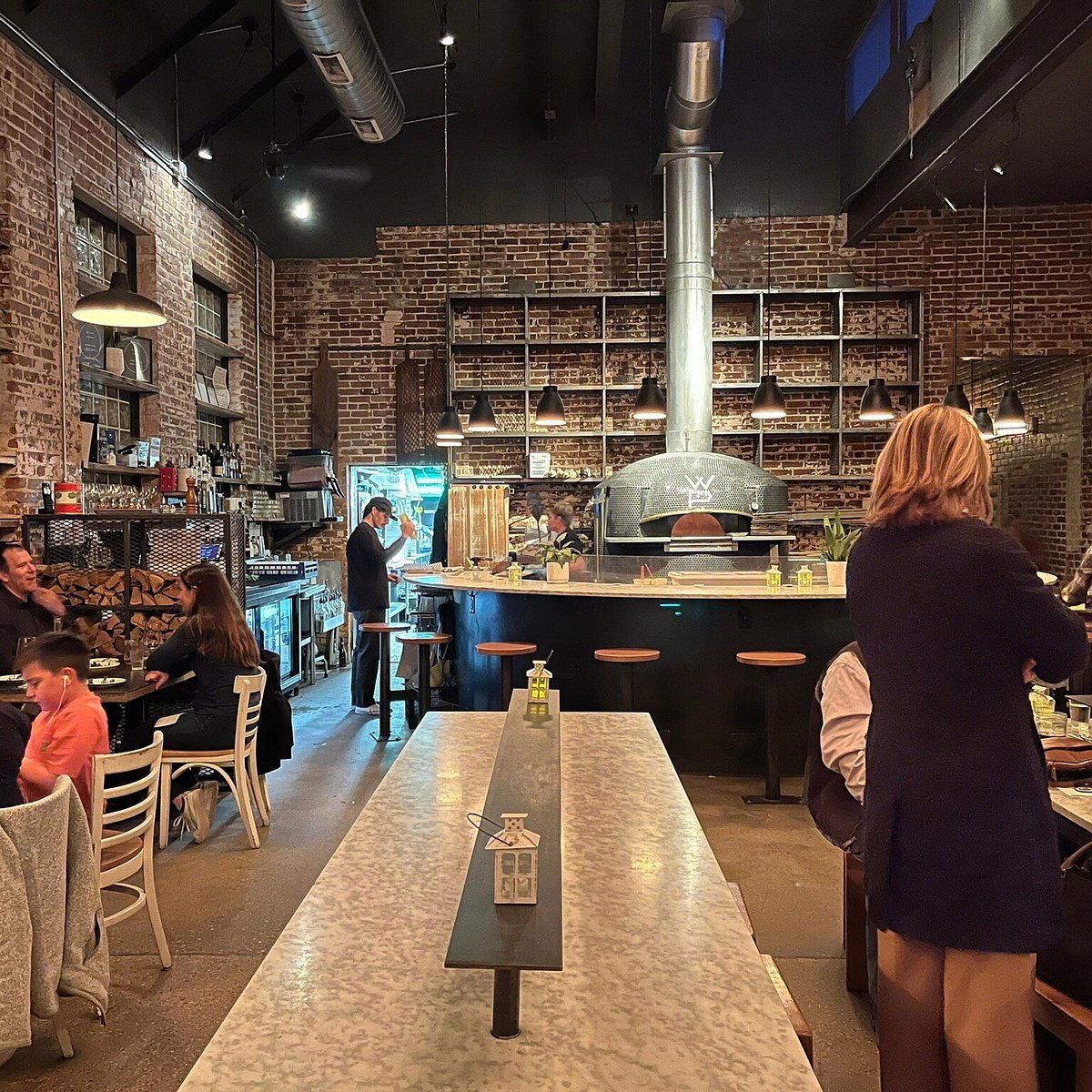
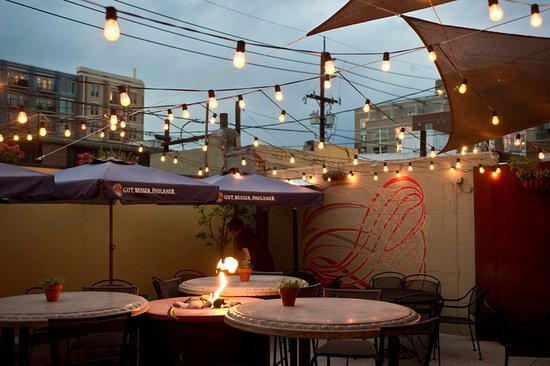
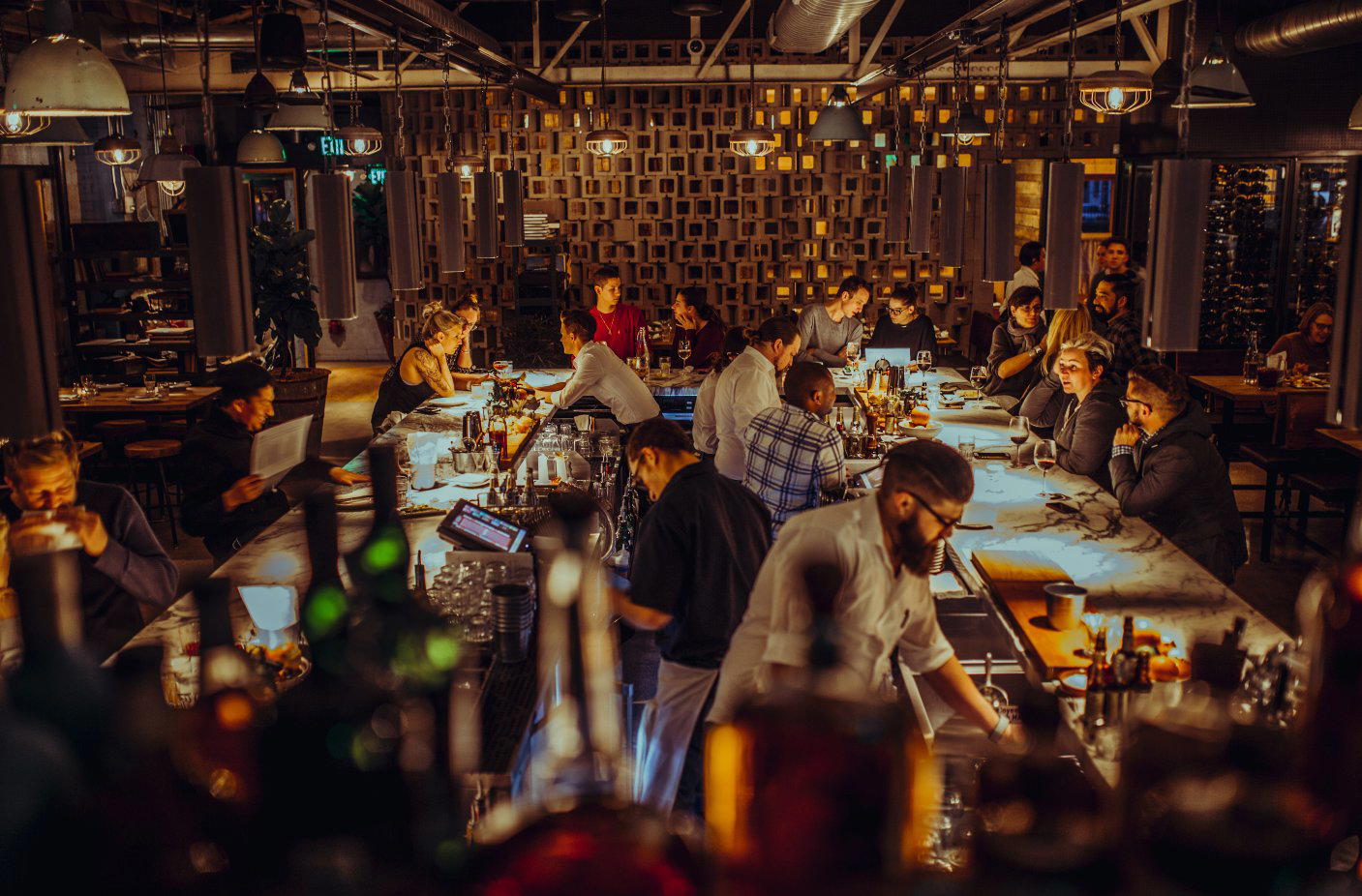
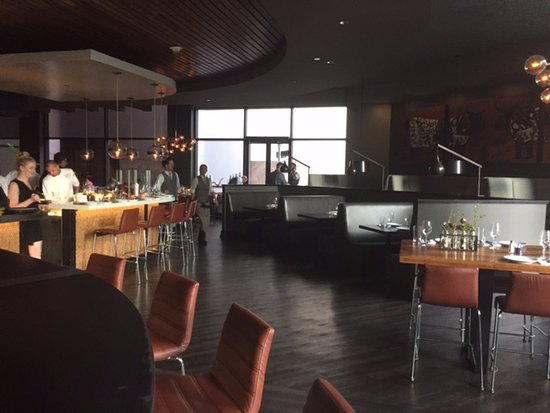
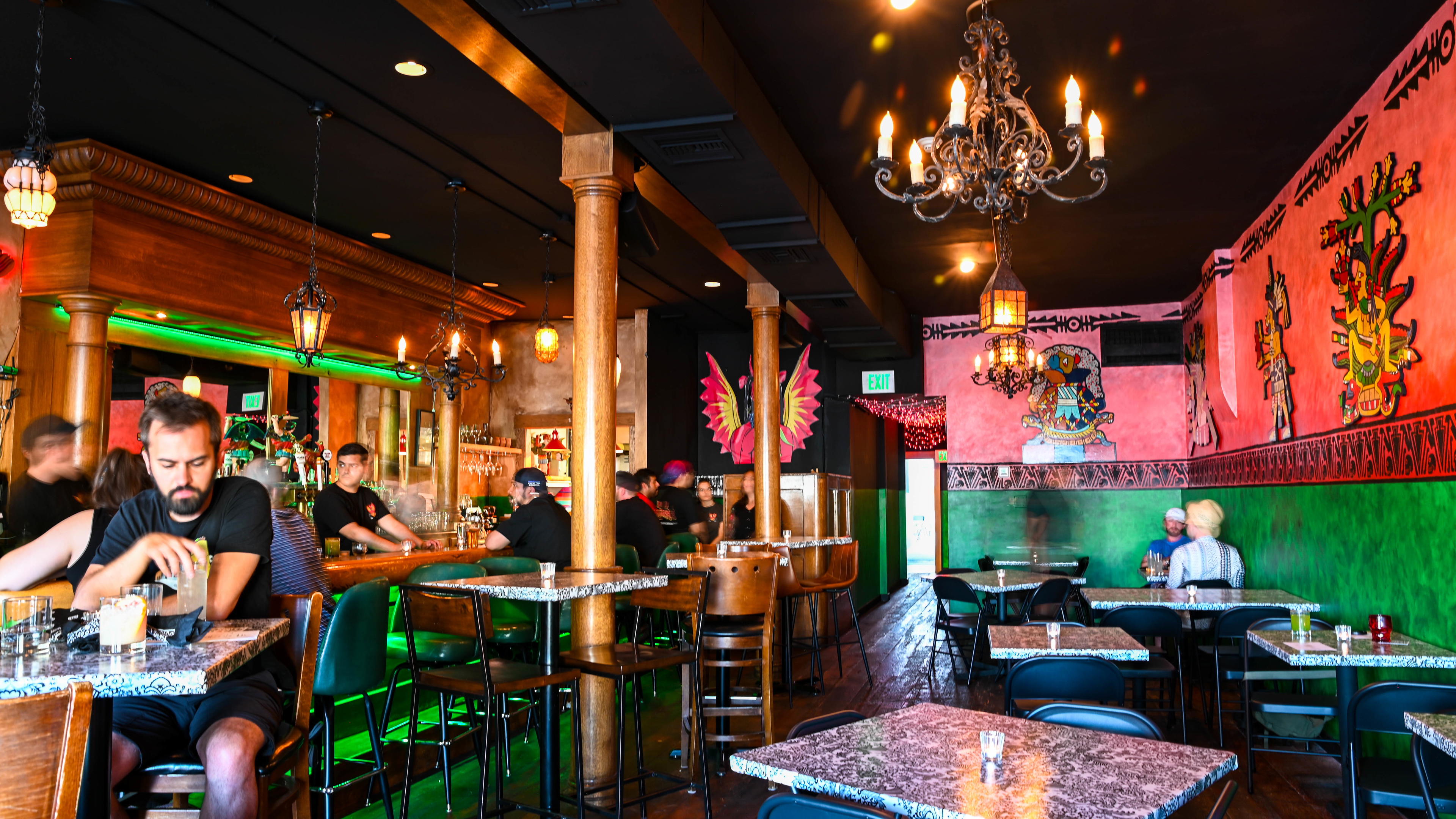
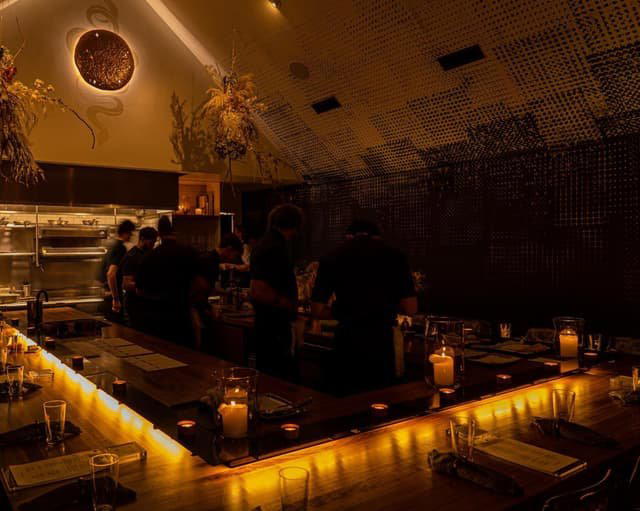
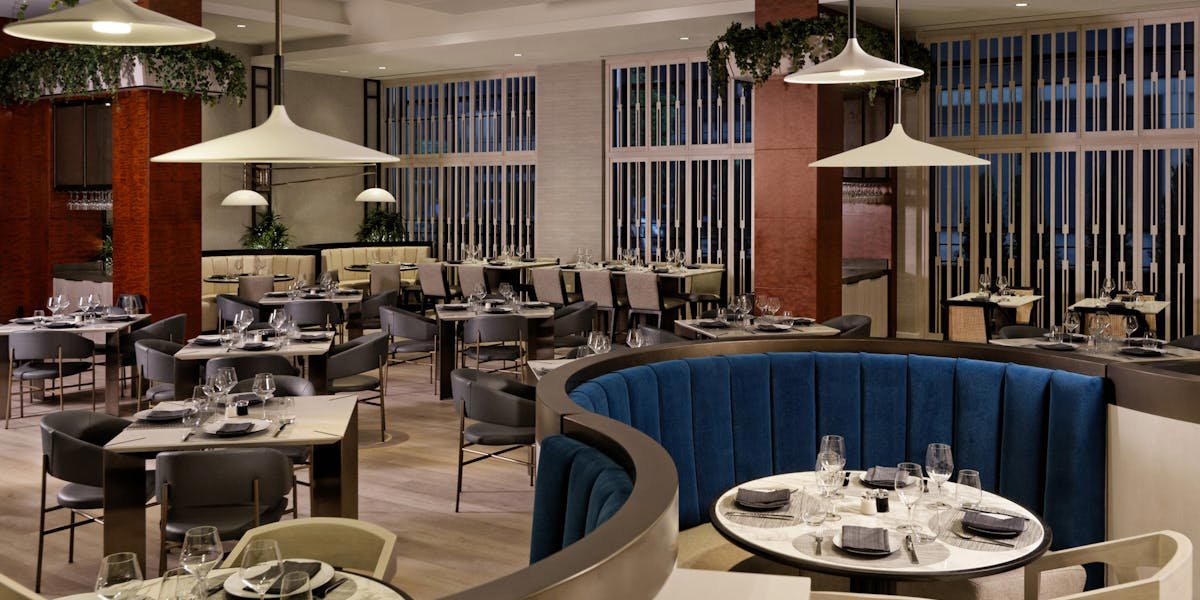
The editorial angle on any pizza room in 2024 runs through a fairly consistent set of questions: Is the space built around the counter, the oven, or the table? What does the lighting say about pace? Is the music selected or default? These are not trivial details. They determine whether a room functions as a quick-turnover operation or as somewhere a table lingers. Denver's more atmosphere-conscious casual dining addresses, from the cocktail-forward rooms clustered around Colfax to the design-led spots in RiNo, have generally moved toward the latter model in recent years.
White Pie's position on North Humboldt places it in a neighborhood where that slower, more residential dining pace is the baseline expectation. The surrounding blocks are not a destination strip. Diners who arrive here are arriving for the specific address, which self-selects for the kind of guest who has done at least minimal research and is prepared to commit to the room rather than graze past it. That dynamic shapes atmosphere before a single design decision is made.
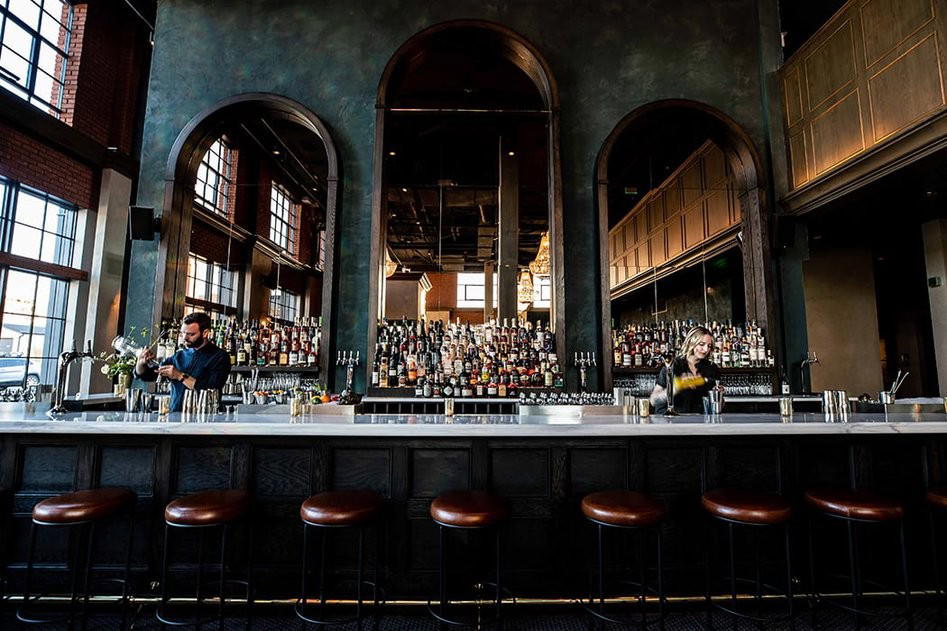
For context on how Denver's broader bar and dining scene has developed the deliberate, experience-conscious format that addresses like White Pie operate within, the programs at Williams & Graham and Death & Co (Denver) established early that the city's serious hospitality operators favor considered environments over high-volume throughput. Yacht Club and Ace Eat Serve represent adjacent examples of Denver venues where format and atmosphere are as deliberate as the menu. White Pie fits into that broader pattern of Denver operators who treat the room as part of the proposition.
Pizza as a Category, and Where Denver Sits Within It
American pizza culture has fractured productively over the past decade. The serious end of the category now spans Detroit-style, neo-Neapolitan, Roman al taglio, New Haven white pie, and New York slice operations, each with its own temperature of service, its own room expectations, and its own price logic. The name White Pie is itself a positioning signal: white pizza, built without tomato sauce, has a narrower constituency than red but a more committed one. Diners who seek it out tend to have a specific preference rather than a default order, which shapes both the menu and the room's demographic.
In cities where white pie has developed a following, Chicago and New York in particular, the format often commands slightly higher per-slice prices than red because the quality of the cheese and the secondary toppings becomes the primary expression. There is nowhere for an underdeveloped dough or a weak mozzarella to hide. The category creates its own accountability. Denver, which has been building a more serious pizza culture through a small number of focused operators, is a city where that accountability matters more than it might have a decade ago when pizza expectations were lower and comparators fewer.
The honest framing for White Pie is that it occupies the neighborhood-anchor tier of Denver's casual dining scene rather than the destination tier. That is not a limitation; it is a competitive position with real advantages. Neighborhood anchors build return frequency, which rewards operators who prioritize consistency over novelty. In Uptown specifically, where the residential density is high and the dining-out frequency among residents is above the city average, a well-run pizza room with a clear identity has a more durable business model than a trend-chasing concept that requires constant reinvention.
Comparable small-plates and casual-format rooms in the neighborhood, including Vaultaire's French-inspired approach and Keepers Cocktail Lounge's hybrid model, suggest that Uptown diners have an appetite for places that commit to a lane. White Pie's lane, pizza with a white-pie emphasis in a room designed to hold your attention, is defined enough to be legible to that audience.
For readers comparing Denver's casual dining scene to other American cities with strong neighborhood restaurant cultures, our full Denver restaurants guide maps the broader competitive set. And for those tracking how atmosphere-conscious food and drink programs develop across American cities, the programs at Kumiko in Chicago, ABV in San Francisco, Superbueno in New York City, and Julep in Houston offer instructive reference points. Internationally, Bar Leather Apron in Honolulu, Jewel of the South in New Orleans, and The Parlour in Frankfurt on the Main represent the kind of format-conscious hospitality that Denver's better operators are increasingly benchmarking against.
Know Before You Go
Planning Details
- Address: 1702 N Humboldt St, Denver, CO 80218
- Neighborhood: Uptown / Capitol Hill corridor, Denver
- Getting There: The address is on a residential block; street parking is typically available in the immediate area. The location is walkable from the 17th Avenue dining strip.
- Booking: We recommend checking directly via search for current reservation or walk-in policy.
- Pricing: Budget expectations consistent with the neighborhood casual dining tier are reasonable as a starting assumption.
- Hours: Verify current hours before visiting, particularly midweek.