Warschauer Straße sits at the axis of Berlin's Friedrichshain drinking culture, where the refined S-Bahn tracks and canal bridges frame a neighbourhood that moves between craft bars and late-night venues without apology. The address places it squarely in the city's most kinetic corridor, where food and drink programming tends to reward the curious rather than the comfortable.

Pearl is the En Primeur Club membership app — saves, bookings, and concierge access live there. Same editors, same standards.
- Address
- 10243 Berlin, Germany
- Website
- bvg.de
- Directions
- Get directions
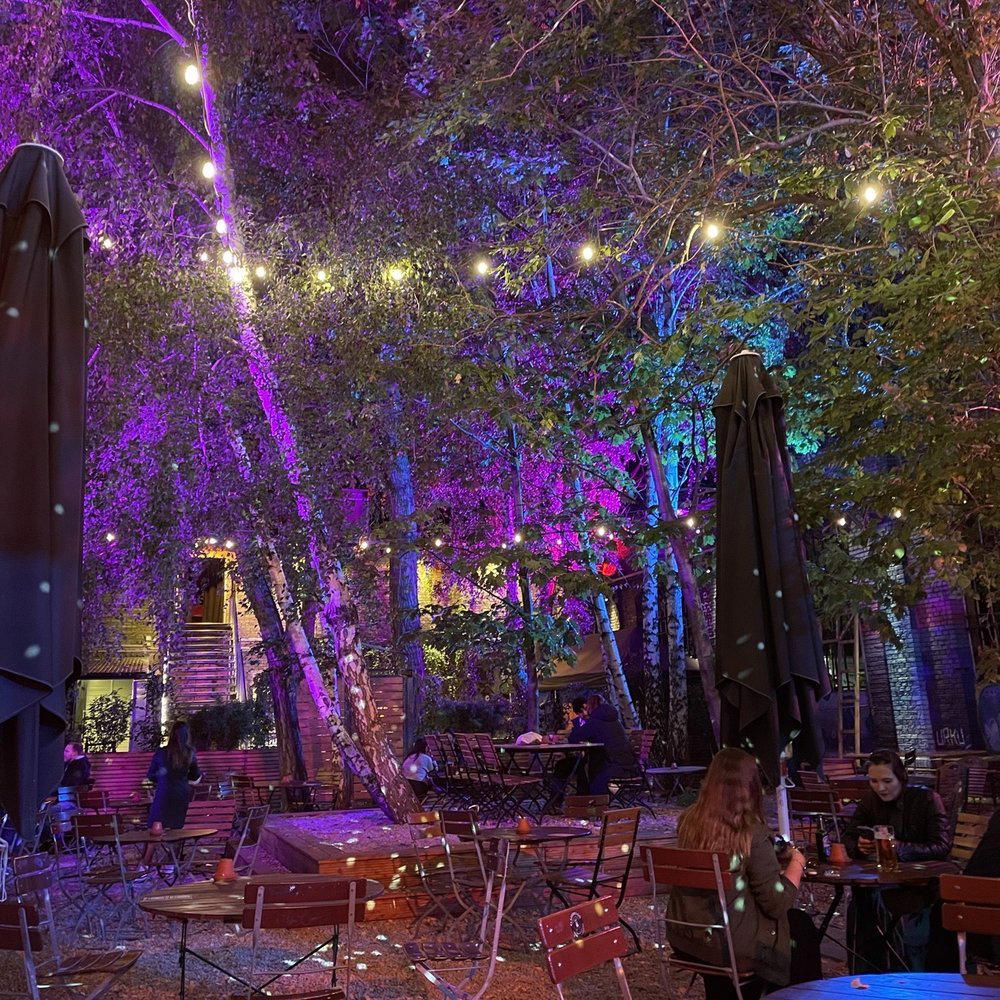
The Corridor That Defines East Berlin Drinking
Few addresses in Berlin carry as much atmospheric weight as Warschauer Straße. The refined S-Bahn line cuts overhead, the Spree bends nearby, and the street itself functions as a threshold between the polished redevelopment of Mitte and the deliberately unfinished character of Friedrichshain. Bars along this axis do not compete on polish alone. The neighbourhood has spent two decades establishing a drinking culture that treats food and drink pairing as a natural extension of the programme rather than an afterthought bolted onto a cocktail list. That context matters when reading any venue here against its peers.
Berlin's bar scene has fragmented into distinct tiers over the past decade. On one end sit the high-concept cocktail counters of Mitte and Prenzlauer Berg, where reservation books fill weeks out and menus read like research papers. On the other, the canal-side and rail-adjacent spots around Warschauer Straße operate with different rules: the energy is more immediate, the format more fluid, and the relationship between what arrives in the glass and what arrives on the plate is often where the real editorial interest lies. Venues like Buck & Breck and Lebensstern represent the structured, appointment-driven tier of Berlin drinking; the Warschauer Straße corridor sits in a different register, one where walk-in culture and neighbourhood loyalty shape the atmosphere as much as any programme directive.
Food and Drink as a Single Argument
The editorial interest in any bar operating in this neighbourhood comes down to how seriously it takes the relationship between its drinks list and its kitchen output. Berlin has historically been a beer and Schnaps city, with cocktail culture arriving relatively late and food programming at bars arriving even later. The city's more progressive venues have spent the better part of a decade trying to make the case that bar food deserves the same deliberate thinking as the spirits selection. Some do this through small plates designed around bitterness and acidity that mirror the flavour logic of a Negroni or a Spritz. Others work the other direction, building cocktail specs around ingredients that also appear in the kitchen, so that a dish of pickled vegetables and a clarified sour share the same sourcing thread.
This approach is not unique to Berlin. Le Lion Bar de Paris in Hamburg has made the argument for years that a serious cocktail programme needs an equally serious food counterpart to give guests a reason to linger beyond a single round. Goldene Bar in Munich has built an entire identity around the idea that the bar and the kitchen speak the same language. In Cologne, Bar Trattoria Celentano takes the integrated model further by folding Italian kitchen logic directly into the drinks architecture. The pressure on Berlin venues to meet this standard is real, and the Warschauer Straße address places any bar operating here in direct conversation with that broader German bar-kitchen debate.
Neighbourhood Character as Context
Friedrichshain in spring and early summer operates differently from its winter self. The stretch between Warschauer Straße and Simon-Dach-Straße fills with outdoor seating from April onward, and the seasonal shift changes how bars programme their food and drink offer. Cold-weather menus that lean on warming spirits and heavier bar food give way to lighter formats: chilled aperitifs, acidic small plates, and drinks built around citrus and fresh herbs rather than barrel-aged depth. Any venue serious about its programme adjusts its offer across the year, and autumn is when the most interesting pairings tend to appear, as kitchens work with game, root vegetables, and fermented ingredients that match the darker spirit categories coming back into rotation.
The S-Bahn connection makes Warschauer Straße one of the most accessible addresses in the city for visitors staying in Mitte or Kreuzberg, with a direct two-stop connection from Ostbahnhof and easy cross-platform access from the U1. That logistical convenience contributes to the corridor's mixed crowd: it draws locals from the immediate neighbourhood, visitors using it as a departure point for the club strip further east, and a growing number of people specifically looking for the bar-kitchen hybrid format that has made this part of Berlin a reference point for German drinking culture more broadly.
Where Warschauer Straße Sits in the Berlin Bar Conversation
Berlin's bar geography rewards mapping. The city does not concentrate its leading drinking in a single district the way London clusters around Soho or Paris around Saint-Germain. Instead, distinct neighbourhood cultures have developed, each with its own dominant format. Mitte and Charlottenburg favour the structured, high-spec cocktail model. Neukölln runs on natural wine and low-intervention formats. Kreuzberg sits across categories, with everything from dive bars to ambitious spirits programmes operating within a few blocks of each other. Friedrichshain, and Warschauer Straße specifically, occupies the space where late-night energy and genuine programme ambition overlap more consistently than anywhere else in the city.
The Warschauer Straße corridor answers a different question: what does an ambitious food and drink programme look like when it operates without the formality that those venues require? The answer, when it works well, is a format that feels more like the better bar-kitchen hybrids found in cities like Honolulu, where Bar Leather Apron has spent years demonstrating that serious drinks and serious food occupy the same space without one diminishing the other.
For the German context specifically, comparison to The Parlour in Frankfurt, Uerige in Düsseldorf, and Kieler Brauerei am Alten Markt in Kiel is instructive. Each of those venues has found a way to make drinking and eating feel like a single decision rather than two separate ones. The Warschauer Straße address positions any bar here to make that same argument for Berlin, in a neighbourhood that already understands it instinctively.
For a fuller picture of how this corridor fits into Berlin's wider food and drink map, the EP Club Berlin guide covers the city's neighbourhoods, price tiers, and programme formats in detail.
Planning Your Visit
The Warschauer Straße area is accessible by S-Bahn lines S3, S5, S7, and S9, all of which stop at Warschauer Straße station, as well as U-Bahn line U1. The neighbourhood is most active from Thursday through Saturday, with the food and drink corridor along and around the street operating across a wide range of opening hours depending on format. Seasonal programming shifts are most pronounced in April to June and again in September to November, when kitchens and bars adjust their offers to match ingredient availability. The area rewards evening visits over afternoon ones, particularly for venues running an integrated drinks and kitchen programme where the full offer comes online later in the day.
Nearby-ish Comparables
A quick snapshot of similar venues for side-by-side context.
| Venue | Price | Awards |
|---|---|---|
| Warschauer StraßeThis venue — the venue you are viewing | $10–20 | Not listed |
| Buck & Breck | $50–100 | World's 50 Best #37 · Top 500 Bars Best Bars #400 |
| Velvet | $10–20 | World's 50 Best #77 · Top 500 Bars Best Bars #430 |
| Wax On | $20–30 | World's 50 Best #17 · Falstaff Bar - 95 Falstaff Points |
| Lebensstern | Not listed | World's 50 Best #36 |
| Stagger Lee | $20–30 | World's 50 Best #48 · Falstaff Bar - 91 Falstaff Points |
Continue exploring
More in Berlin
Bars in Berlin
Browse all →
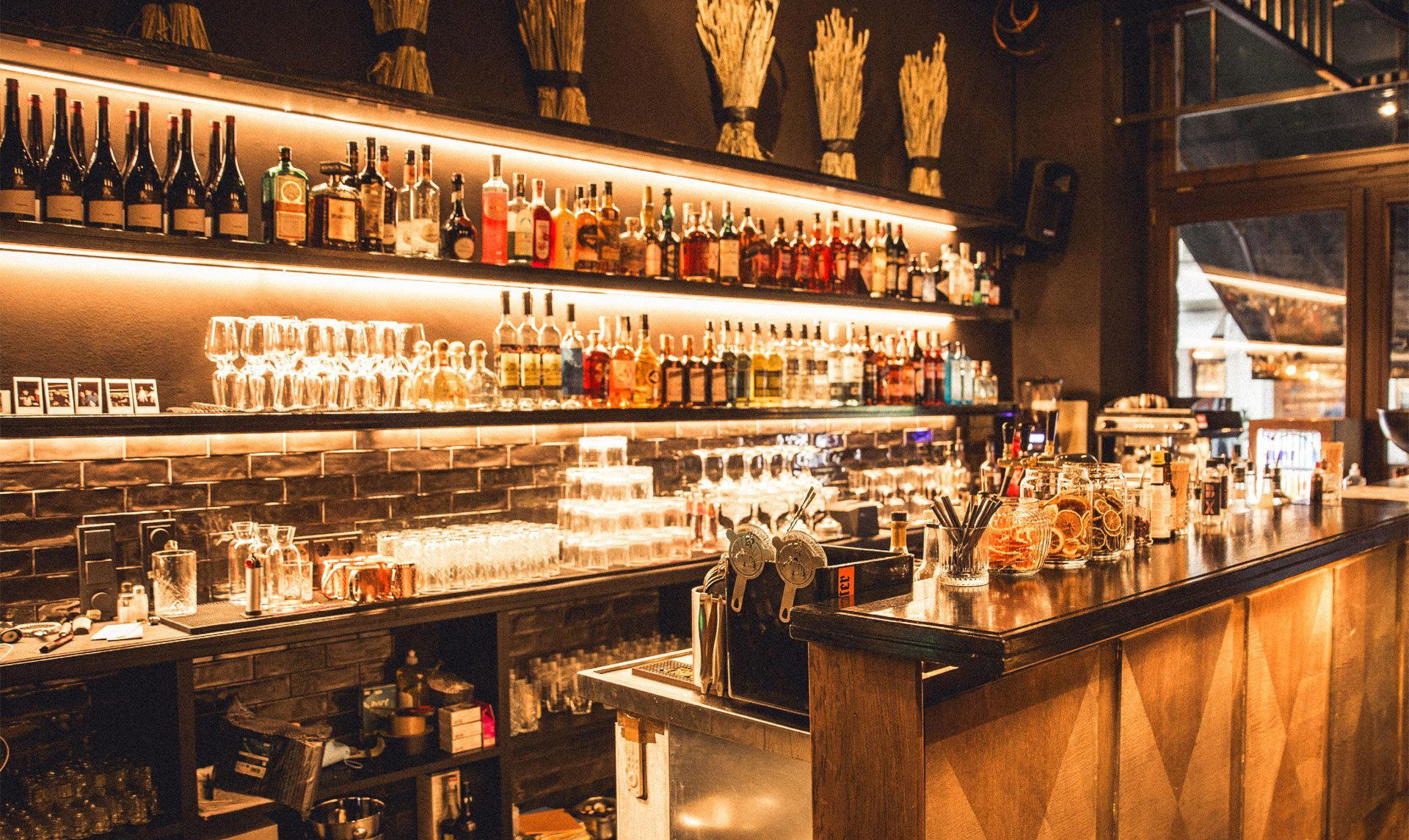
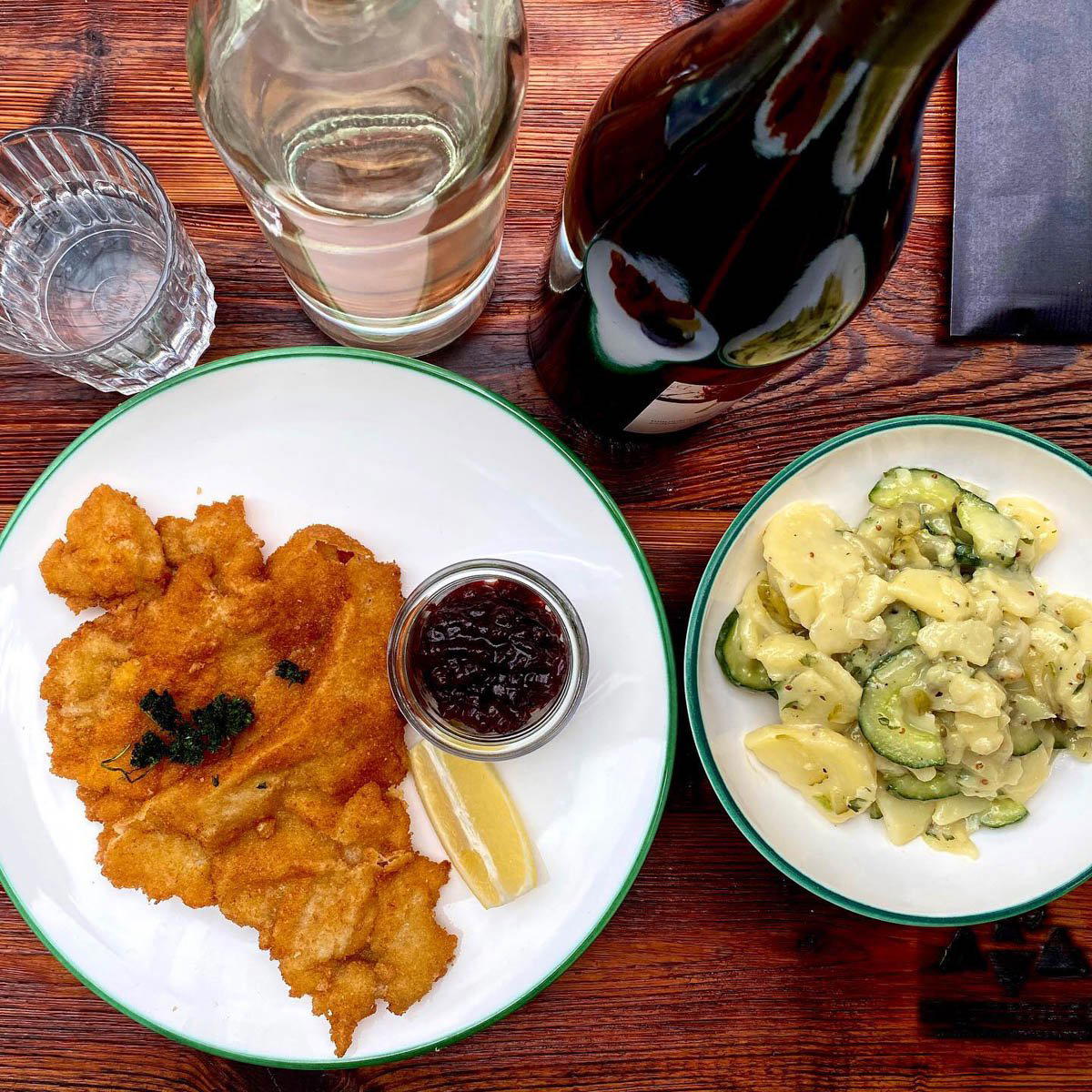
Restaurants in Berlin
Browse all →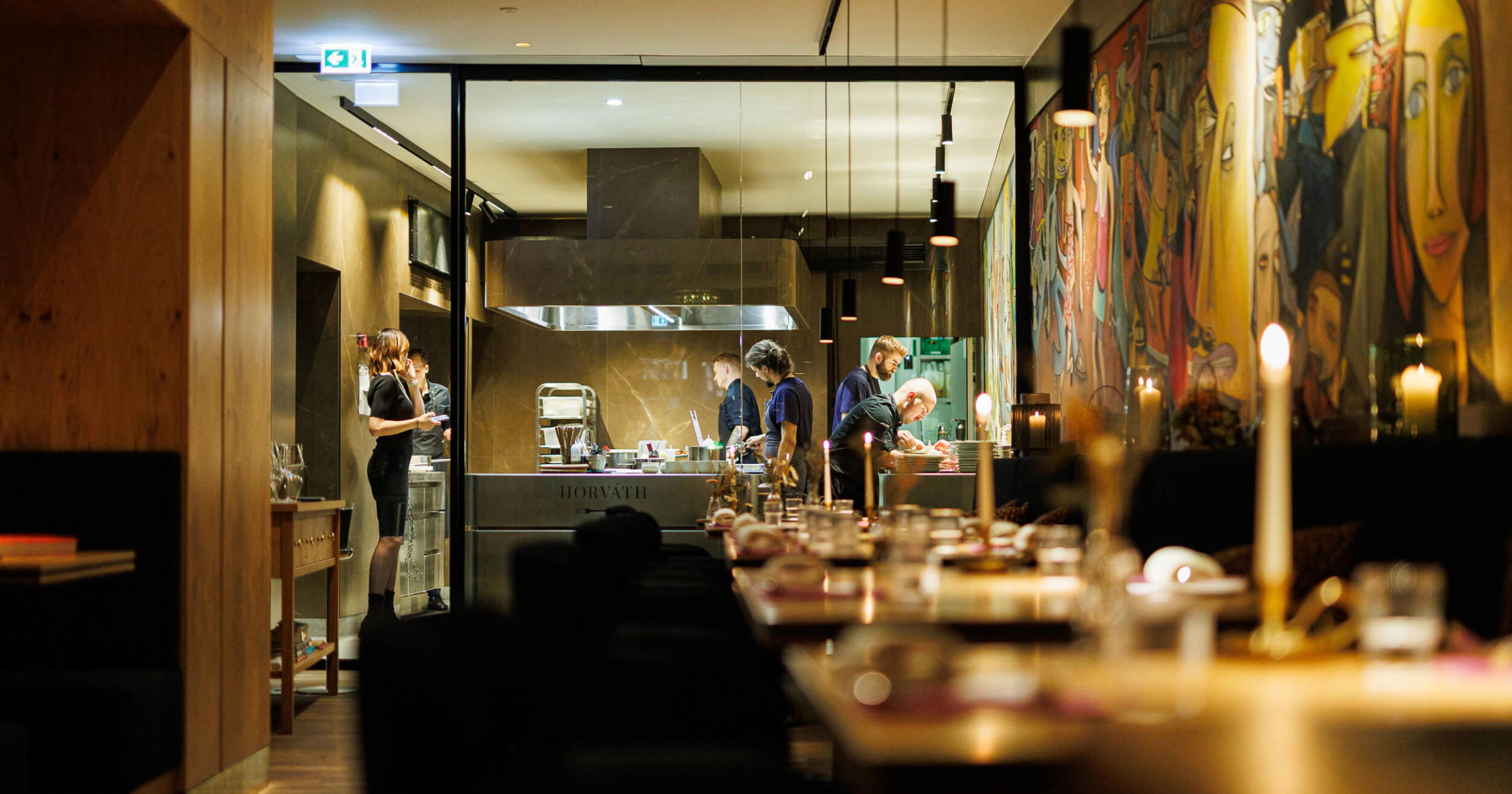
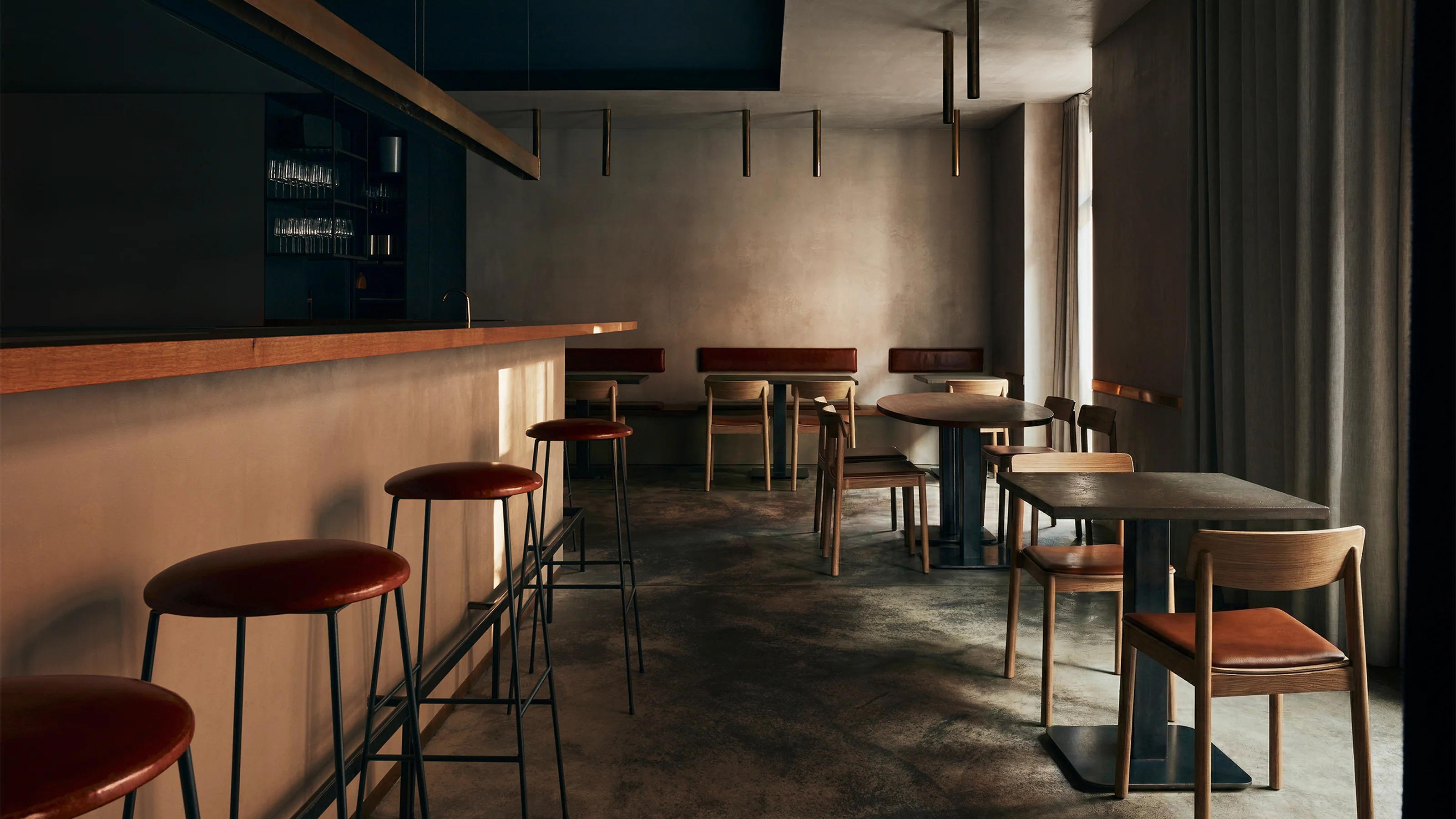
Hotels in Berlin
Browse all →
Wineries in Berlin
Browse all →
Details
- Lively
- Energetic
- Industrial
- Late Night
- Casual Hangout
- Group Outing
- Live Music
- Historic Building
- Beer Garden
- Standalone
- Standing Room
- Seated Bar
- Outdoor Terrace
- Lounge Seating
- Craft Beer
- Classic Cocktails
- Craft Cocktails
- Street Scene
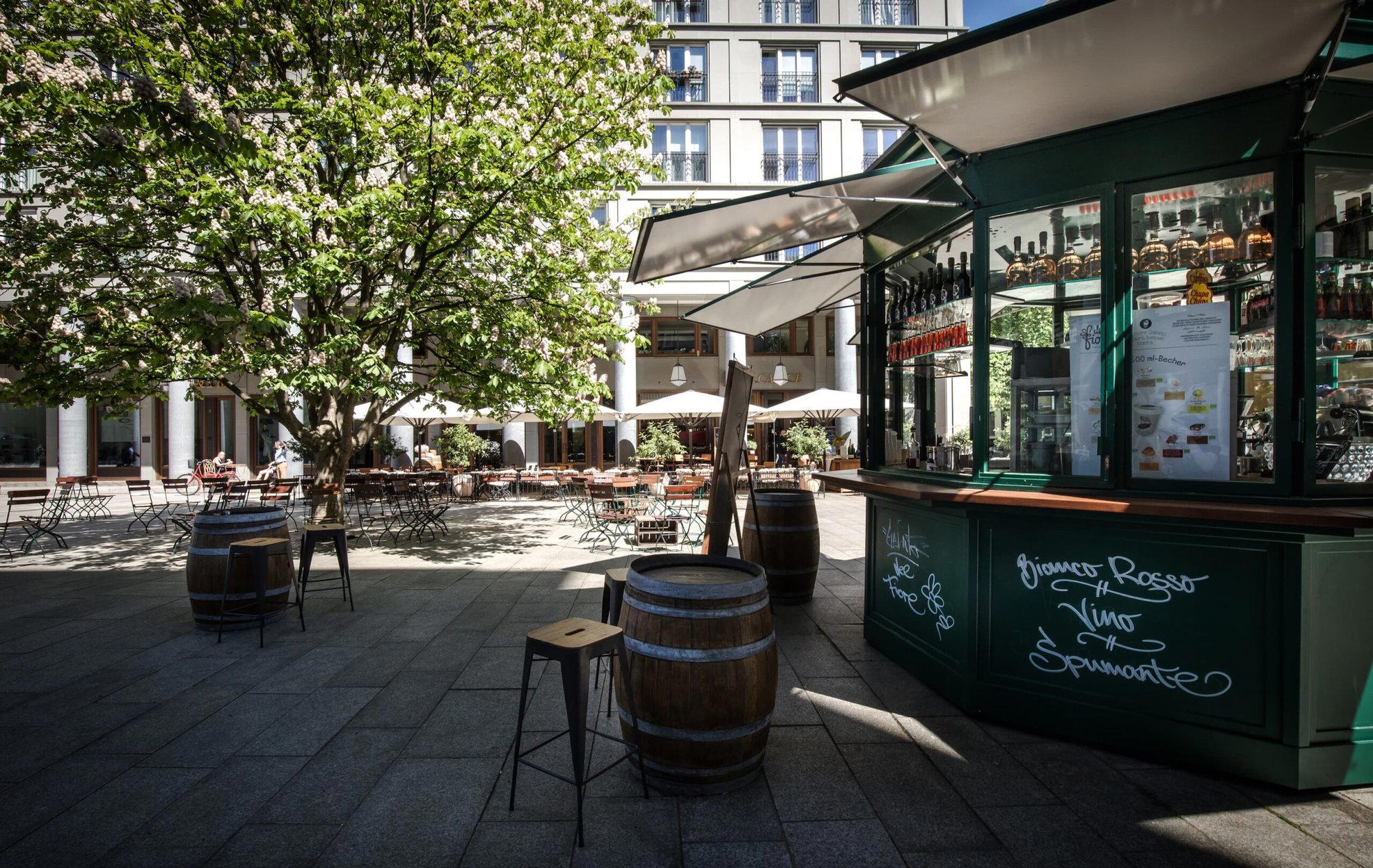
Busy, high-energy urban street atmosphere rather than a single designed bar interior.